Login

Scientists Finally Learned How a Tiny Mouse Survives Near the Andes Death Zone at 7,000 Meters
 World's highest-living mouse survives in thin air by solving a problem that no other mammal can—not even you, human
 World's highest-living mouse survives in thin air by solving a problem that no other mammal can—not even you, human
 A study suggests that severe pollinator losses may have sharply slowed plant adaptation. A morning glory facing a warmer climate may benefit from blooming earlier. But if pollinators are becoming harder to attract, producing larger flowers may matter more. New research suggests that these competing pressures have become linked in a way that sharply limits [...]
Nitrogen is an essential building block of proteins, amino acids, and DNA. Without nitrogen, cells can’t function or reproduce. Nitrogen is abundant in the atmosphere as dinitrogen gas, but plants and animals can’t access atmospheric nitrogen. Instead, we rely on biologically available forms like ammonia and nitrate.
Specialized microbes can transform atmospheric nitrogen into ammonia via a process called biological nitrogen fixation. Nitrogen-fixing soil bacteria have a unique protein complex, the nitrogenase complex, that facilitates this nitrogen transformation. The nitrogenase complex is activated by a group of genes known as nif genes.
Legume plants like peanuts, peas, and beans have nitrogen-fixing bacteria in the soil zone around their roots, called the rhizosphere. The symbiotic relationship between nitrogen-fixing soil bacteria and legume plants supplies most of the biologically available nitrogen to life on Earth.

Bacteria attached to plant roots “feed” nitrogen to plants through the soil, and in turn receive organic acids for energy from plants performing photosynthesis. Source: Wikimedia Commons
However, one piece of the puzzle remains unexplored: the role of soil viruses in these nitrogen transformations, referred to as the nitrogen cycle. Viruses are microscopic particles made up of genetic material and proteins, but they can’t reproduce without a host cell. Scientists consider viruses to be biological entities that are halfway between living and non-living.
To reproduce, viruses contact a host cell and inject their genetic material into it. The virus’s genetic material takes over the host cell’s genome and forces the cell to produce proteins that assemble into new viruses. As new viruses are created, they can incorporate genes from the host cell into their own genetic material. Genes that are transferred from a host cell to a virus are known as auxiliary metabolic genes (AMGs). Viruses can carry AMGs and pass them to other hosts or use them to increase their own ecological fitness.
Scientists from China, Spain, and the Czech Republic set out to investigate whether viruses from legume roots could increase local soil nitrogen fixation by expressing nif AMGs or by transferring nif genes to other bacteria. First, they determined the global distribution of viral nitrogen-fixing genes by analyzing about 8.6 million viral genomes from the Integrated Microbial Genomes/Virus database. They looked for the DNA sequences of known nitrogen-fixing genes and the locations where the viruses were sampled. They found that only 0.003% of the viruses in the database had at least 1 nitrogen-fixing gene, but they clustered in the same locations as nitrogen-fixing bacteria.
The team also found 3 types of viruses that most commonly carried nitrogen-fixing genes: Kyanoviridae, Nudiviridae, and Bronfenbrennervirinae. Kyanoviridae viruses carried a nif gene called nifU. The researchers used a computer program called DRAM-v to confirm that nifU was a fully functional gene and a real tool that viruses could use.
Next, the team collected soil samples from a cowpea field in Nanjing, China, to test whether the cowpea roots influenced the abundance of viruses using nitrogen-fixing genes. They collected soil from the cowpea rhizospheres and soil away from the plants. They analyzed both viral and bacterial RNA in the soil samples to identify active genes, using a sequencing process called metatranscriptomics. They found that the viral nifU gene was actively expressed in the cowpea rhizosphere samples more than in the non-crop soil. Although about 96% of nifU genes were being expressed by bacteria, viruses contributed about 4%.
The researchers then assessed whether rhizospheric viruses changed the amount of nitrogen being fixed in these soils. They set up small, enclosed containers of sterile soil and added either bacteria or a mixture of bacteria and viruses extracted from the cowpea rhizospheres. They found that soil with viruses had higher total nitrogen (36 milligrams per kilogram, or mg/kg) than soil without viruses (17 mg/kg).
Finally, they adjusted the air in each container to have a different form of dinitrogen gas. Atoms of the same element that have different atomic masses are known as isotopes. Nitrogen has 2 stable isotopes: lighter nitrogen-14 and heavier nitrogen-15. Bacteria or viruses that fix nitrogen at natural isotope abundances will take up nitrogen-14. But scientists can track who in the population fixes nitrogen by adding nitrogen-15 to the air, a process called nitrogen-15 stable isotope probing. Nitrogen-fixers will incorporate the heavy nitrogen-15 into their biomass over time and increase their weight, allowing researchers to separate and identify them.
The team grew the bacteria and viruses with nitrogen-15 for 35 days, then used stable isotope probing to separate the nitrogen fixers. They detected viral nifU AMGs among the heavier biomass, confirming that rhizospheric viruses were fixing nitrogen.
The team concluded that rhizospheric viruses and the viral nifU AMG can increase nitrogen fixation in cowpea soils. The team suggested that although viruses with nitrogen-fixing genes are rare, they can influence the soil nitrogen cycle. They recommended that future researchers further test the contribution of viral nifU genes to plant nitrogen fixation with controlled infection experiments.
The post Viruses help plants obtain nitrogen appeared first on Sciworthy.
For decades, cities have been designed around "gray infrastructure." Roads move people. Bridges connect communities. Water systems protect public health. These systems are governed by engineering standards because society recognizes that safety cannot depend on good intentions alone.
Urban nature deserves the same recognition.
In June, a heat wave gripped Europe, breaking temperature records across the continent. In France, officials reported over 2,000 excess deaths. In the U.K., hospitals declared critical incidents and machinery and IT systems failed. In the U.S., a heat dome over the Midwest and East Coast disrupted Fourth of July celebrations, with at least 25 heat-related deaths over Independence Day weekend.
Cities are being tested by a warming climate. Yet one of our most effective forms of climate infrastructure is being lost — not because it does not work but because we still do not treat it as infrastructure.
My view is simple: Urban nature — including street trees, parks, wetlands and other urban green spaces — should be categorized and managed as essential infrastructure, with minimum standards for its protection, quality and long-term maintenance. Just as we regulate roads, bridges and drinking water, we need standards that ensure all urban residents benefit from healthy and thriving urban nature. Without such standards, cities will become hotter, less resilient and increasingly unequal as climate change accelerates.

Scientific research shows that urban trees and green spaces cool cities during heat waves, reduce flooding by absorbing stormwater, improve air quality, store carbon, support biodiversity, and improve both physical and mental health. During extreme heat, neighborhoods with mature tree canopies can be several degrees cooler than nearby streets dominated by concrete and asphalt. Those few degrees can mean the difference between manageable discomfort and dangerous heat exposure, particularly for older adults, children and people with existing health conditions.
But while the science is strong, our governance is not.
Cities enthusiastically announce ambitious tree-planting campaigns, biodiversity strategies and new greening targets. These initiatives are valuable, but they often focus on what is easy to count rather than what truly matters. Planting a tree is not the same as growing a healthy urban forest. Creating a park does not guarantee biodiversity. A green roof delivers little value if it fails during drought.
The real measure of success is whether urban nature continues providing benefits decades after trees are planted and established.
This is where cities are still falling short.
That is not simply an environmental issue. It is a public health issue, a climate adaptation issue, and an issue of social equity.
Unlike buildings or transport systems, urban nature rarely operates under consistent minimum standards. Many cities have no requirements for minimum tree canopy cover, adequate rooting space, soil quality, biodiversity targets, long-term maintenance or even whether newly planted trees survive. As a result, access to nature depends heavily on where people live. Wealthier neighborhoods often enjoy mature tree canopy and high-quality parks, while disadvantaged communities experience hotter streets, fewer green spaces and greater exposure to climate risks.
That is not simply an environmental issue. It is a public health issue, a climate adaptation issue, and an issue of social equity.
The solution is not simply to plant more trees. It is to establish urban nature standards that recognize nature as essential infrastructure.
These standards would not prescribe the same solution for every city. Instead, they would establish minimum expectations based on scientific evidence. They could include targets for accessible green space, minimum tree canopy cover, sufficient soil volume for healthy tree growth, biodiversity outcomes, long-term maintenance funding and routine monitoring to ensure that urban nature continues delivering benefits to communities.
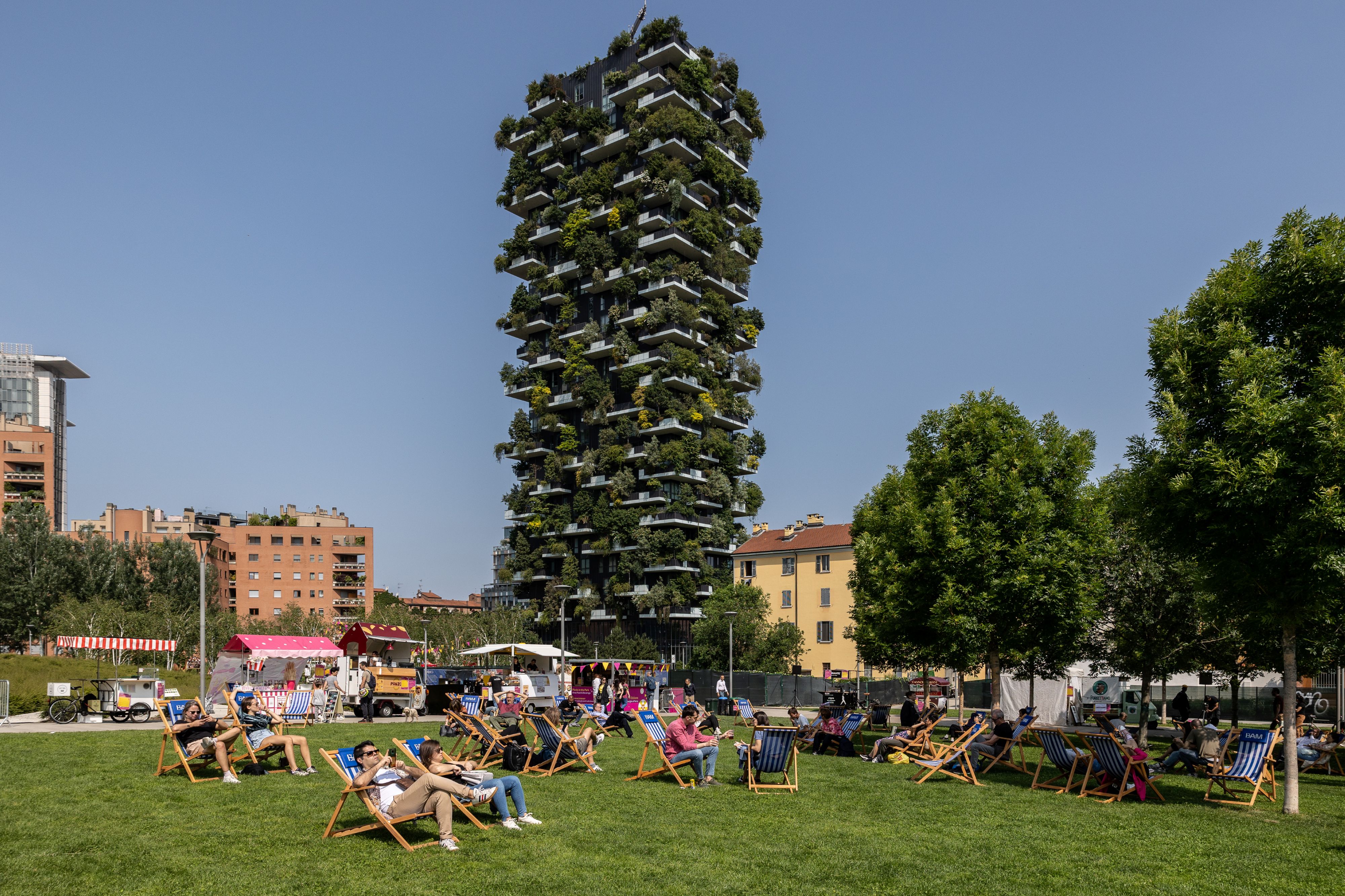
Importantly, these standards should focus on outcomes rather than simple planting targets. Counting how many trees are planted tells us little about whether cities are becoming more resilient. Measuring survival, canopy development, ecosystem health and equitable access provides a much better picture of whether investments in urban nature are actually returning dividends.
Some critics argue that cities cannot afford stronger standards for urban nature. Municipal budgets are already stretched by housing, transport and aging infrastructure. But this argument overlooks a fundamental reality: We already spend enormous sums responding to the consequences of extreme heat, flooding, poor air quality and declining public health. Healthy urban ecosystems help reduce these costs while delivering multiple benefits simultaneously.
As climate change accelerates, the distinction between gray and green infrastructure becomes increasingly blurred. Trees cool buildings and reduce energy demand. Wetlands decrease flood damage. Parks improve public health and strengthen communities. These are not optional amenities. They are functioning components of urban infrastructure that deserve the same level of planning, investment and accountability as any engineered system.
Building codes transformed the safety of our cities because they established minimum standards that every development had to meet. Climate resilience now demands a similar transformation for urban nature.
The next generation of resilient cities will not be defined simply by how many trees they plant but by the standards they adopt to protect, restore and sustain the living infrastructure urban life depends on.
The real question is not whether cities can afford to invest in urban nature; it is whether they can afford not to.
Opinion on Live Science gives you insight on the most important issues in science that affect you and the world around you today, written by experts and leading scientists in their field.

Moss has long been regarded as unusual among land plants for its resilience and apparent independence from fungal partnerships, which are common in other species. However, new research from UC Riverside indicates that this view may not apply in desert environments.
More than 85% of land plants form relationships with fungi that exchange soil nutrients for sugars, and approximately 75% of these plants specifically associate with arbuscular mycorrhizal fungi, or AMF, which require a host to survive. Moss was considered the exception. All 10,000 known species were believed to exist without such fungal partnerships.
“That’s been the model,” said Jason Stajich, a UCR professor of microbiology and plant pathology and co-author of the study, published in New Phytologist. Mosses, he explained, simply didn’t need fungi. Recent findings now challenge that assumption.
To investigate this, UCR doctoral researcher Kian Kelly collected samples from the Mojave and Sonoran deserts, focusing on biological soil crusts. These crusts contain complex communities of fungi, bacteria, algae, moss, and microscopic animals that stabilize desert soils. The team wanted to know whether desert mosses host different fungal communities than mosses in milder environments. “Sometimes I couldn’t find the same species of moss,” Kelly said of the search.
The team then processed moss samples and sequenced their DNA in the laboratory. They identified fungal genetic material, including AMF, which are typically unable to survive without a host plant. Furthermore, the fungal species present in desert moss differed from those found in moss from less extreme climates and from fungi in the surrounding soil. “We suspect that certain fungi are more helpful for surviving hotter, drier climates,” Kelly noted.
This mismatch made simpler explanations, such as contamination or fungi decomposing dead tissue, less likely. The evidence suggested a more specific association.
Since DNA evidence alone could not confirm that fungi were living within moss tissue, Kelly stained samples with a dye that binds specifically to fungal cells and examined them under a microscope. He observed branching structures located inside the moss. “As soon as I saw that, I knew we had something really interesting,” Kelly said.
The structures resembled arbuscules, small, tree-shaped structures that fungi typically form within plant roots to facilitate nutrient exchange. Since moss lacks traditional roots, these structures were observed in the moss leaves. The researchers therefore refer to them as “arbuscule-like” rather than identifying them as true arbuscules. Whether nutrient exchange actually occurs between fungus and moss remains unconfirmed and will be the subject of future investigation.
If this relationship is confirmed, its significance extends beyond desert ecology. Mosses belong to one of the oldest surviving lineages of land plants, which first colonized terrestrial environments approximately 470 million years ago. A fungal partnership present in moss tissue today could represent a remnant of the original alliance that enabled plants to adapt to life on land.
There are also more immediate implications. Biological soil crusts are fragile, and even small disturbances can take decades to heal. These ecosystems are increasingly threatened by rising temperatures and human activity. If fungi help desert moss survive heat and drought, understanding this relationship could guide future efforts to restore degraded soil crusts rather than merely documenting their decline. For now, the main conclusion is that moss, once thought to be independent of fungal associations, may have been getting help the entire time.
“The desert is full of things people overlook. Sometimes, the biggest surprises are the ones growing quietly beneath our feet,” Kelly concludes.
Austin Burgess is a writer and researcher with a background in sales, marketing, and data analytics. He holds an MBA, a Bachelor of Science in Business Administration, and a data analytics certification. His work focuses on breaking scientific developments, with an emphasis on emerging biology, cognitive neuroscience, and archaeological discoveries.
A groundbreaking imaging technology developed by researchers at the University of Oklahoma promises to revolutionize liver transplant evaluations by enabling more comprehensive and rapid assessments of donor organ health. With thousands of patients awaiting liver transplants nationwide, transplant teams urgently need tools that can deliver swift, accurate insights without invasive procedures. The team, led by Dr. Qinggong Tang, has adapted polarization-sensitive optical coherence tomography (PS-OCT)—an advanced imaging modality originally utilized in retinal scans—to noninvasively evaluate donor livers at high resolution.
Traditional liver assessments rely heavily on biopsies, where small tissue samples are extracted and examined for signs of disease or damage. While considered the gold standard, biopsies are inherently limited, providing only a microscopic snapshot of a vast organ that may vary in condition. This narrow sampling can cause uncertainty, sometimes leading to the discard of viable organs. The OU team sought to overcome these limitations by employing PS-OCT, which not only captures detailed cross-sectional images of liver tissue but also measures its polarization properties, revealing subtle structural and biochemical features linked to liver health.
The engineers designed a portable PS-OCT system optimized for clinical and operating room environments, allowing transplant teams to scan liver surfaces quickly and noninvasively. The imaging data are then analyzed using advanced artificial intelligence algorithms, co-developed with Dr. Chongle Pan’s computer science lab. These AI tools quantify critical parameters indicative of hepatic steatosis (fat accumulation) and inflammation, two primary factors influencing liver viability. By training their models on datasets from over thirty clinical cases—comparing PS-OCT results with biopsy outcomes and post-transplant organ function—the researchers demonstrated strong correlations between imaging biomarkers and actual clinical metrics.
Beyond providing a more holistic view of donor liver condition, PS-OCT could enhance decision-making speed, potentially expanding the pool of organs deemed suitable for transplantation by identifying healthy tissue regions missed by biopsy. Such improvements may reduce organ discard rates and improve transplant success. Encouraged by initial findings, the OU team plans a large multisite clinical trial involving institutions like UT Southwestern and the Cleveland Clinic to validate and refine this approach across diverse patient populations.
This work exemplifies OU’s interdisciplinary innovation platform that integrates optical bioimaging, machine learning, pathology, and organ perfusion technology to translate engineering advances directly into clinical practice. The researchers also intend to extend PS-OCT evaluation methods to other organs, including kidneys and lungs, widening the impact of this technology.
Supported by National Science Foundation grants and institutional partnerships, the team’s efforts mark a significant step toward redefining how transplanted organs are assessed. Dr. Tang emphasizes that this is just the beginning, envisioning a future where noninvasive, AI-enhanced imaging facilitates safer, faster, and more effective organ transplantation worldwide.
Subject of Research: Donor liver evaluation using advanced imaging techniques
Article Title: Human donor liver viability evaluation with polarization-sensitive optical coherence tomography
News Publication Date: 24-Jun-2026
Web References: http://dx.doi.org/10.1126/scitranslmed.adv7124
Image Credits: University of Oklahoma / Ellie Pinter
Organ transplantation, Optical coherence tomography, Polarization-sensitive imaging, Liver viability, Artificial intelligence, Biomedical imaging, Noninvasive diagnostics, Medical innovation
Trees in China that were planted as part of huge reforestation projects appear to grow faster than those in natural forests, a new study finds. This is possibly because the reforestation trees are responding more strongly to the rising atmospheric carbon dioxide, scientists say.
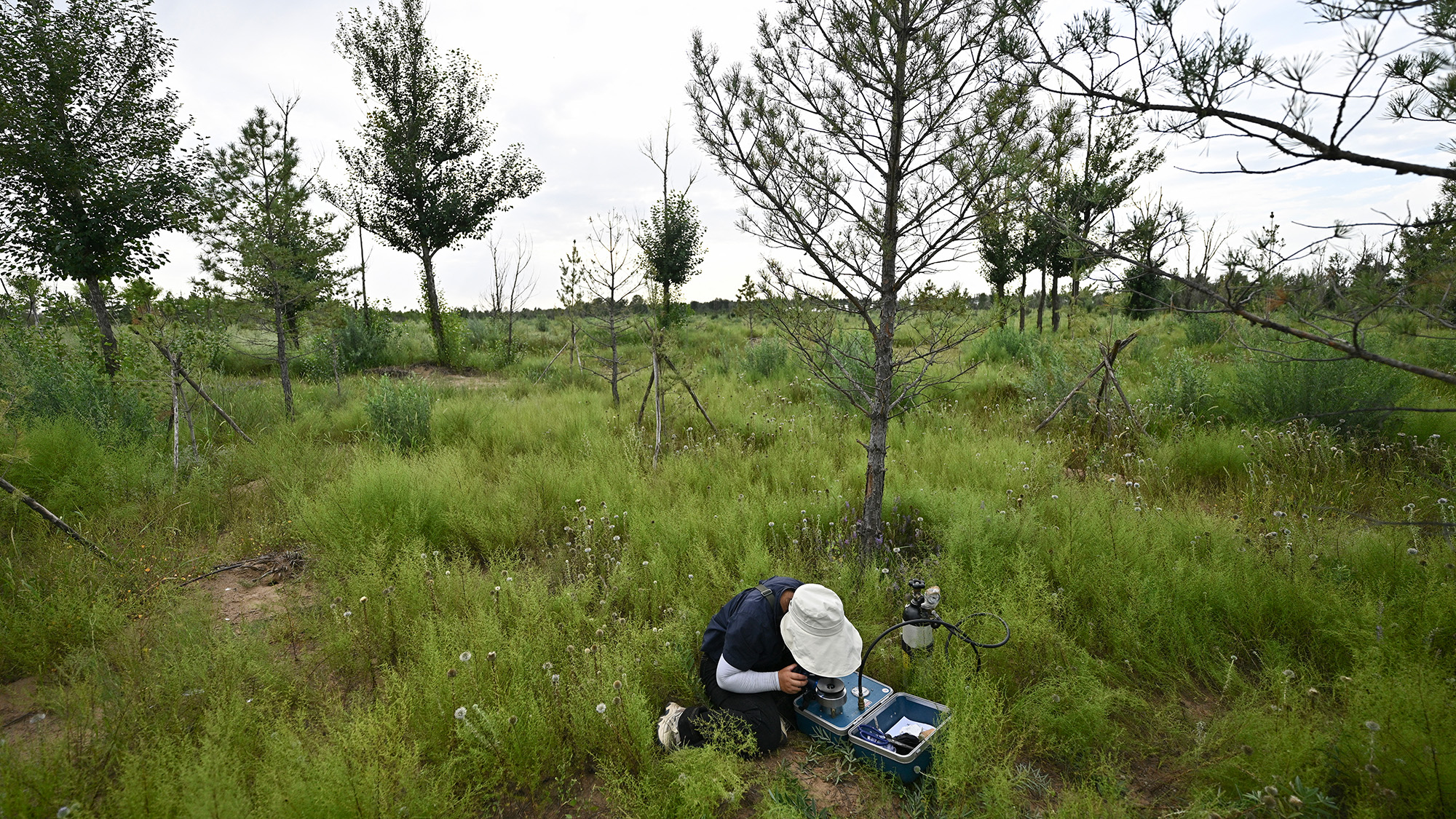
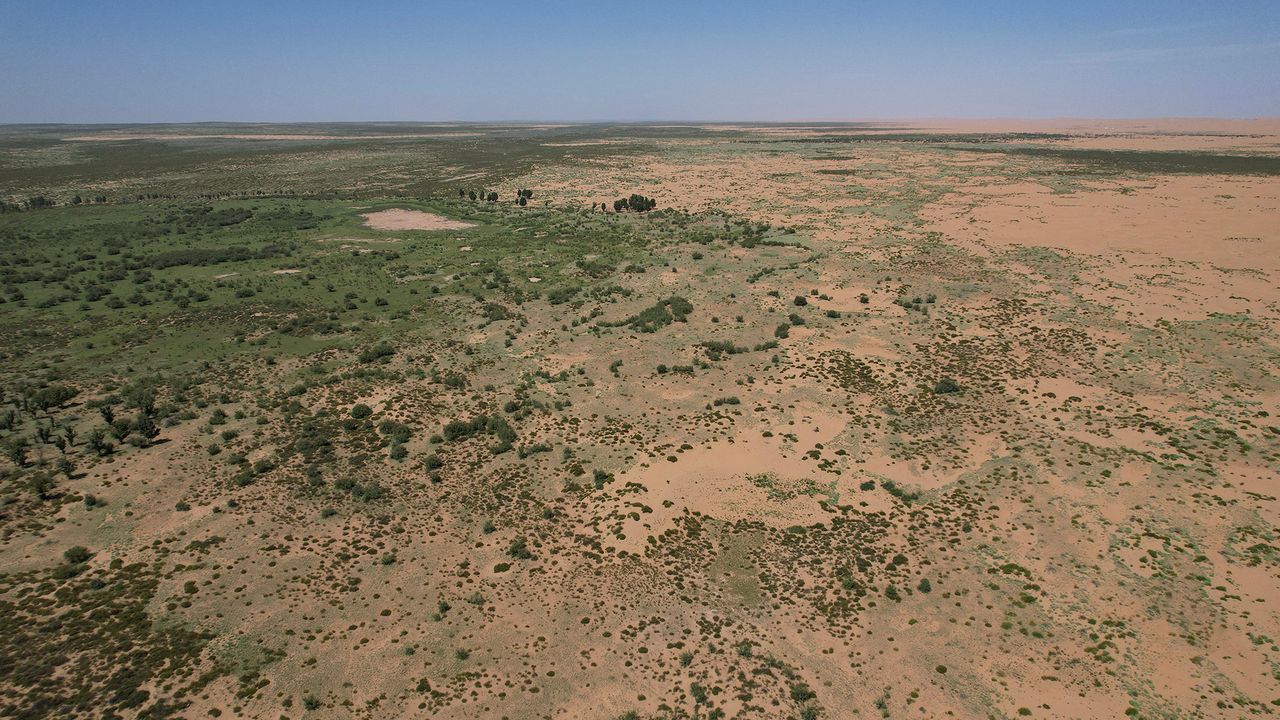
China is quickly turning green. The country has planted 66 billion trees since 1978, with plans for 34 billion more by the middle of this century, as part of its "Great Green Wall" to slow the spread of the Gobi and Taklamakan deserts.
These new forests absorb large amounts of CO2, but it is unclear exactly how they differ from natural ones, study first author Yuhang Luo, a landscape ecologist at Peking University in Shenzhen, China, told Live Science.
Luo and his colleagues set out to study how differences between natural and planted forests, including species diversity, tree density and age, might affect how the forests respond to rising CO2 and climate change.
"Planted forests are widely used in climate mitigation strategies, but most global ecosystem models do not distinguish between forest types or represent age-related dynamics adequately," Luo said. "So we felt it was important to clarify how these factors interact — not just for scientific understanding, but also for improving the models and assumptions that underpin real-world forest policy and carbon accounting."
Planted forests are those purposefully created by humans, such as those in the Great Green Wall. Natural forests, on the other hand, grow without human intervention.
The researchers used satellite data to track leaf area index, a measure of canopy density and a key driver of carbon uptake, to determine how fast the different forest types grew, and found a striking difference: Planted forests increased their leaf area 66% faster than natural ones.
Most of that difference was due to planted forests being, on average, much younger than the natural ones — and young trees grow faster than old ones. But even when comparing forests of similar age and growing conditions, the planted ones still grew 4.6% faster, and the difference was even more pronounced in mixed and evergreen forests.
This is largely due to how planted forests are managed. They tend to feature fast-growing species like eucalyptus and poplar and are often actively managed, with people removing competing vegetation and even fertilizing them. These interventions reduce competition for light, water, and nutrients, amplifying the fertilization effect of rising atmospheric CO2.
This discrepancy peaks in planted forests when trees are around 30 to 40 years old and then declines noticeably after age 40. In contrast, natural forests grow more slowly but steadily, so have an advantage over the long term.
"Planted forests can be a powerful short-term tool for carbon uptake, but this advantage is temporary," Luo said. "For long-term carbon storage and resilience, natural forests remain irreplaceable."
Kevin Dsouza, who worked on reforestation models during his postdoctoral research at the University of Waterloo and was not involved in the new study, said the results make intuitive sense, as the sprawling leaves of young, fast-growing trees could lead to increased carbon take-up. But he is not sure that leaf area is the best measurement for tracking growth and carbon sequestration.
"It's not a bad proxy, but it doesn't give you the full picture," he said. "The canopy is just the top of the tree and the carbon is stored in all sorts of different places like wood, bark, roots and soil."
Another study of Chinese forests found that natural forests actually accumulate more carbon above ground than planted ones in their early years, Dsouza pointed out, so these results should be considered carefully alongside other factors.
Luo said the findings show that most global climate models are missing something when it comes to understanding how various forest types play a role in carbon sequestration and climate change.
"Land use management works in more subtle and specific ways than we had assumed," he said. "It is not just about planting more trees. It is also about when you plant them, what species you choose, and how you manage them over time."
Luo hopes these findings will help guide reforestation efforts, to ensure we get the most benefit from planting new forests to help mitigate the effects of climate change.
"Our work offers a more practical guide for forest-based climate action: when to plant, what to plant, how long the benefits last, and what current models are getting wrong. We hope that helps people make better decisions," he said.
Editor's note: A picture caption in this article was corrected at 5:16 ET on July 1 to say 66 billion trees had been planted.
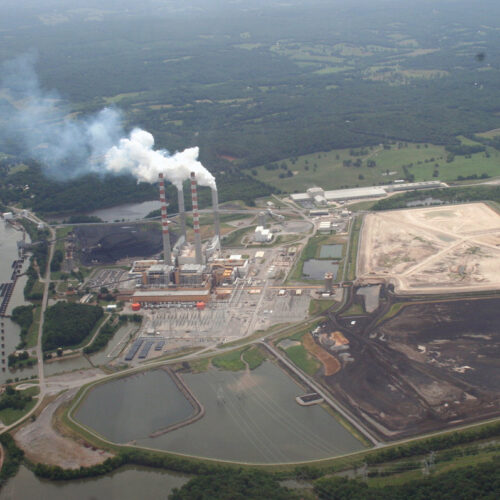
In 2023, after years of pollution, equipment failures, and health concerns, the Cumberland Fossil Plant in Tennessee was slated to close within the decade.
The coal-fired plant had been part of a multibillion-dollar settlement in 2011 after its operator, the Tennessee Valley Authority, failed to install pollution control technology a decade earlier. Regulators cited the plant for more air-pollution violations in 2017 and 2023. TVA said it would shutter Cumberland’s units in 2026 and 2028.
Then the Trump administration replaced four of TVA’s board members, and the agency reneged on its retirement plan in February. Now, TVA has a federal pledge for $46 million to extend Cumberland’s lifespan—part of a nationwide push by President Donald Trump to keep older coal plants running.
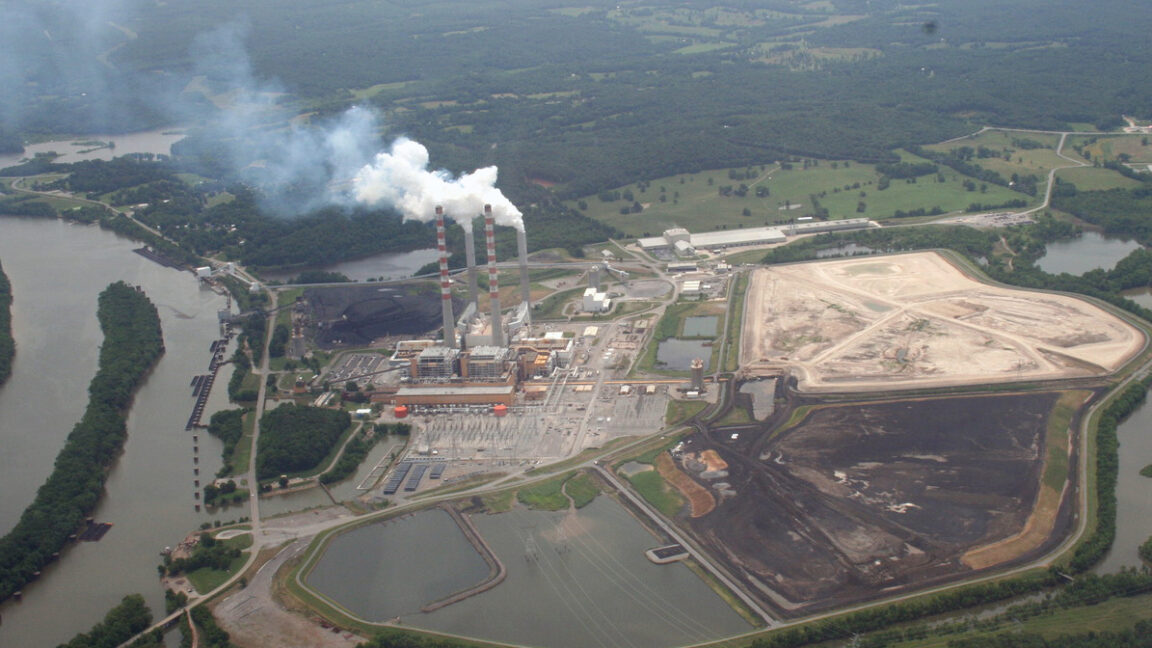
© Stephen A. Smith/Southern Alliance for Clean Energy
In a groundbreaking revelation that could reshape our understanding of plant-microbe interactions and agricultural biotechnology, researchers have unveiled a novel chemical communication mechanism between rice roots and beneficial soil bacteria. This newly discovered pathway centers on the secretion of heptadecanoic acid, a specific fatty acid, which effectively recruits Bacillus species to the rhizosphere, the densely populated soil region surrounding plant roots. Such a mechanism not only highlights the intricate biochemical dialogues that underpin plant-microbe symbioses but also opens promising avenues for sustainable crop management through microbiome engineering.
Rice, a staple food that sustains more than half of the world’s population, has long been studied for its interactions with the soil ecosystem. The rhizosphere harbors myriad microbial communities, some of which promote plant health by enhancing nutrient acquisition, defending against pathogens, or improving stress tolerance. Identifying the exact signals that facilitate recruitment of beneficial bacteria has presented a considerable scientific challenge. The recent study by Zeng, Wen, Zhao, and colleagues provides essential insights and fills a critical gap by pinpointing heptadecanoic acid as a chemical attractant secreted by rice roots, which acts as a molecular beacon for Bacillus.
Heptadecanoic acid, also known as margaric acid, is a saturated fatty acid containing 17 carbon atoms. Traditionally, plant root exudates—complex mixtures of organic acids, sugars, amino acids, and secondary metabolites—have been observed to influence microbial colonization, but the specific involvement of fatty acids as signals was less appreciated. The team’s meticulous biochemical analyses have now elucidated that rice roots not only exude heptadecanoic acid but do so strategically when recruiting beneficial Bacillus species. This revelation signifies a refined understanding of the selective microbial recruitment strategies employed by plants.
The team’s research employed an array of advanced techniques—ranging from root exudate profiling through gas chromatography-mass spectrometry (GC-MS) to microbial chemotaxis assays—to validate that Bacillus species detect and are attracted to gradients of heptadecanoic acid in the rhizosphere. Importantly, not all soil microbes respond equivalently, underscoring the specificity of this fatty acid signal. Functional studies further demonstrated that disrupting rice root production of heptadecanoic acid diminished Bacillus colonization, which correspondingly weakened the plant’s resistance to common soil-borne pathogens.
Understanding the biochemical basis for such recruitment enables scientists to rethink approaches to crop protection and enhancement. Bacillus species are well-known for their plant growth-promoting traits, including production of antimicrobial compounds, enhancement of nutrient solubilization, and induction of systemic resistance in plants. By harnessing the heptadecanoic acid signaling pathway, it is conceivable that agricultural inoculants could be optimized to improve colonization efficiency and consistency in field conditions, potentially reducing the need for chemical pesticides and fertilizers.
This molecular dialogue highlights a sophisticated communication network where plants actively shape their microbial environment. The discovery that a fatty acid functions not merely as a structural or energy-storage molecule but as a signaling compound redefines our conception of root exudate complexity. Moreover, heptadecanoic acid’s hydrophobic nature prompts questions about its diffusion dynamics in soil and the mechanisms by which Bacillus receptors detect it. Future exploration into bacterial chemoreceptors and downstream signaling pathways activated by this molecule could illuminate novel targets for microbiome manipulation.
Beyond direct agricultural implications, this finding resonates with broader ecological principles. The soil microbiome’s composition significantly influences plant community dynamics, ecosystem productivity, and resilience to environmental stresses. By uncovering a precise mediator of microbe recruitment, the work by Zeng and colleagues contributes to the fundamental ecological theory of plant-soil feedback loops, suggesting that plants possess active biochemical agency in curating their microbial consortia.
Interestingly, the secretion of heptadecanoic acid is not constant but modulated by environmental cues and plant developmental stages, emphasizing the dynamic nature of root exudation profiles. This temporal regulation indicates that plants might selectively recruit beneficial microbes in response to specific physiological needs or external threats, adding an adaptive dimension to this interaction. Understanding these controls could inform timing strategies for microbial inoculant application in agriculture to coincide with natural recruitment periods.
The authors also raise intriguing evolutionary considerations. The conserved ability among rice varieties to secrete heptadecanoic acid suggests selective pressure favoring plants capable of enlisting Bacillus partners. Parallel studies on other cereal crops could reveal whether this fatty acid signaling is a widespread mechanism or unique to rice. Such comparative analyses across plant taxa may unearth a broader family of fatty acid signals mediating symbioses and expand the toolkit for synthetic microbiome engineering.
This pioneering investigation underscores the necessity of interdisciplinary approaches combining plant biology, microbiology, analytical chemistry, and ecology to fully decipher plant-microbe interactions. It leverages cutting-edge omics technologies and bioinformatics pipelines to characterize metabolite profiles and microbial responses, illustrating the power of integrative science. The robust experimental design and reproducible methodologies set a new benchmark for future studies aiming to parse root exudate signaling.
As the global agricultural sector grapples with the challenges of increasing food production sustainably on finite arable land under climate change pressures, the discovery of a natural plant mechanism to recruit growth-promoting and protective microbes represents a potentially transformative tool. Strategies informed by such foundational knowledge could reduce reliance on synthetic inputs, lower environmental footprints, and enhance crop resilience, aligning with ambitious global sustainability goals.
In conclusion, the identification of heptadecanoic acid as a pivotal signaling molecule secreted by rice roots to attract beneficial Bacillus species marks an exciting advance in the field of plant-microbe research. It unravels a previously unrecognized layer of biochemical communication with profound implications for agriculture and ecology. Continued investigation into the molecular details, environmental regulation, and cross-species relevance of this signaling mechanism promises to unlock innovative avenues for crop improvement and sustainable farming practices worldwide.
Subject of Research: Plant-microbe interactions focusing on the biochemical signaling between rice roots and Bacillus species mediated by heptadecanoic acid secretion.
Article Title: Author Correction: Rice roots recruit Bacillus via the secretion of heptadecanoic acid.
Article References: Zeng, J., Wen, T., Zhao, J. et al. Author Correction: Rice roots recruit Bacillus via the secretion of heptadecanoic acid. Nat. Plants (2026). https://doi.org/10.1038/s41477-026-02341-5
Image Credits: AI Generated
Scientists Warn: Eastern and Southern Asian Gymnosperms Face Imminent Extinction Amid Accelerating Climate Change
The botanical world stands on the edge of a crisis as groundbreaking research exposes the severe vulnerability of gymnosperms inhabiting Eastern and Southern Asia. A study published recently in Communications Earth & Environment projects a grim future for these ancient plant species, contriving to predict their potential extinction driven by rapid, anthropogenic climate shifts. Gymnosperms, a critical group of seed-producing plants including pines, cycads, and ginkgos, have thrived on Earth for millions of years, yet they now face an unprecedented existential threat.
The research team, led by environmental scientists Tang C.Q., Matsui T., and Shitara T., delved deep into the combined effects of rising temperature, shifting precipitation patterns, and increased frequency of extreme weather events on gymnosperm populations. Their models integrate climate projections with species-distribution data, revealing that the traditionally temperate and subtropical niches occupied by these gymnosperms will dramatically shrink by the middle of the 21st century. The researchers underscored that this decline is not uniform; rather, certain species endemic to specific mountainous or coastal ecosystems display alarmingly higher risk profiles.
Gymnosperms perform indispensable ecological functions, including carbon sequestration, habitat provision, and soil stabilization. Their dwindling numbers could initiate cascading environmental consequences in Asia’s biodiverse forests. The botanical group’s deep-rooted historical presence has allowed ecosystems to flourish through millennia; however, current climate trends disrupt the intricate balance of these habitats at a speed too fast for evolutionary adaptation or migration to compensate.
The research methodology involved coupling high-resolution climate modeling with phylogenetic analysis of gymnosperms. By mapping physiological tolerances and reproductive traits against future climate scenarios simulated under various Representative Concentration Pathways (RCPs), the study offers one of the most comprehensive assessments to date. Crucially, it highlights that while some gymnosperm species maintain a degree of resilience due to wider ecological amplitude, many are specialists confined to narrow environmental parameters and thereby disproportionately susceptible.
Tang and colleagues emphasize the intricate relationship between temperature increases and drought incidence in the region, noting that these stressors synergistically impair gymnosperm vitality. Water stress impacts photosynthetic efficiency, disrupts nutrient uptake, and elevates susceptibility to pests and diseases. In marginalized microhabitats or high-altitude refugia, these effects intensify, leading to localized extirpations that can spiral into broader population collapses over time.
The implications extend beyond botanical loss; gymnosperms constitute foundational species in many forest ecosystems, affiliate with mycorrhizal fungi essential for nutrient cycling, and provide resources for myriad animal taxa. The potential disappearance of these plants risks triggering ethological and trophic-level shifts, reducing ecosystem resilience to further climate perturbations. Furthermore, economically important species used for timber, traditional medicine, and cultural practices face sharp declines, posing socioeconomic challenges.
This research also serves as a dire warning against complacency in regional conservation strategies. Protected areas alone may prove insufficient if climatic envelopes shift beyond the reach of current reserves. The scientists advocate for integrated approaches, including assisted migration, ex situ conservation, and the establishment of ecological corridors to facilitate natural dispersal. Prioritizing gymnosperms with limited dispersal ability and narrow ecological niches is urgent to formulate responsive management frameworks.
The study explores the genetic diversity patterns across gymnosperm populations to evaluate adaptive capacity. Low genetic variability combined with rapid environmental changes diminishes resilience, constraining evolutionary potential. Loss of phylogenetic diversity risks undermining ecosystem functions more severely than numerical species losses alone, as more distinct lineages harbor unique functional traits critical for ecosystem stability.
Researchers also discuss phenotype plasticity and reproductive timing alterations in response to shifting climate variables. Disruptions in phenology—such as mismatches in pollination timing or seed maturation cycles—further complicate species survival trajectories. These dynamics, observed empirically in several regional species, underscore the complex interplay of biotic responses to multifaceted climate stressors.
The comprehensive data synthesis provided by Tang et al. highlights key geographic hotspots where gymnosperm extinction risk concentrates. Mountain ranges and isolated forest patches in Eastern China, Vietnam, and parts of the Himalayas emerge as critical areas for intensified conservation actions. In contrast, some upland refuges might preserve pockets of gymnosperm diversity, warranting prioritized protection and monitoring.
The projected losses loom as one of the most significant biodiversity crises in plant history within this region. The consequences for carbon dynamics depend on how these gymnosperm populations, which often function as carbon reservoirs, respond to climate change. The decline of such reservoirs exacerbates atmospheric CO2 accumulation, amplifying global warming in a feedback loop.
This study further calls for robust interdisciplinary collaboration between climatologists, ecologists, foresters, and policymakers to devise adaptive strategies addressing these challenges. Integrating remote sensing, long-term ecological monitoring, and community-based conservation initiatives could bolster efforts to safeguard remaining gymnosperm populations.
In conclusion, this sobering new evidence underscores the urgent need for both mitigating climate change drivers and innovating species-specific conservation measures. By illuminating the precarious status of Eastern and Southern Asian gymnosperms, Tang and colleagues have provided an essential scientific foundation that demands immediate international attention and action. Failing to act risks erasing a vital part of Earth’s botanical heritage, with irreversible ramifications for ecosystems and human societies alike.
Subject of Research: Extinction risk of Eastern and Southern Asian gymnosperms under climate change.
Article Title: Eastern and southern Asian gymnosperms are doomed to extinction under climate change.
Article References:
Tang, C.Q., Matsui, T., Shitara, T. et al. Eastern and southern Asian gymnosperms are doomed to extinction under climate change. Commun Earth Environ (2026). https://doi.org/10.1038/s43247-026-03759-7
Image Credits: AI Generated

Dogs may have more in common with humans than just sharing our homes and routines. A new study has found that the same biological signals linked to lifespan in people also appear in dogs, suggesting that both species may age in remarkably similar ways. The research comes from the Dog Aging Project, a long-term study […]
The post Dogs and humans age in similar ways, surprising study finds appeared first on Knowridge Science Report.
In a groundbreaking advancement that could reshape the landscape of bioelectronic medicine, researchers have developed a wirelessly powered, bioresorbable electrical stimulation system with unprecedented programmable control over stimulation waveforms. This innovation integrates tissue-penetrating near-infrared (NIR) light to modulate electrical currents with precision, harnessing a novel bioresorbable silicon phototransistor as the cornerstone of its operation. Pioneering beyond earlier monophasic pulse devices, this technology allows for the delivery of monophasic, biphasic, and polyphasic stimulation patterns, significantly enhancing the versatility and therapeutic potential of implantable electrical stimulators designed to dissolve harmlessly after use.
Traditional electrical stimulators implanted in biological tissues have largely relied on wired connections or bulky batteries, impeding patient mobility and often necessitating additional surgeries for device removal. Bioresorbable devices emerged as a solution to these challenges by safely degrading in the body over time, eliminating the risks associated with permanent implants. However, these earlier systems primarily delivered monophasic pulses, limiting therapeutic precision and adaptability in complex treatments. The innovation reported by Kim, Seo, Wang, and colleagues introduces a new paradigm by integrating wireless power transfer via NIR light and programmable waveform control within a fully bioresorbable platform, thus extending the functional range and easing the clinical management of bioelectronic therapies.
Central to this system is the incorporation of bioresorbable silicon phototransistors engineered to serve as optoelectronic modulators within the electrical circuitry. When illuminated by externally applied near-infrared light that penetrates deep into biological tissues, these phototransistors effectively adjust current flows at critical circuit nodes. This optical modulation capability replaces conventional electronic control elements, which often rely on persistent power sources or invasive wiring, thereby enabling the device to operate autonomously while still allowing fine-tuning of stimulation parameters through non-contact optical inputs.
The adoption of near-infrared light as the wireless power and control mechanism is particularly significant. NIR light possesses the ability to penetrate through several centimeters of tissue without causing damage, providing a safe and efficient transmission channel between the external controller and the implanted device. This feature supports programmability in situ, empowering clinicians to tailor electrical stimulation waveforms dynamically after device implantation. Precisely controlling the shape, amplitude, and timing of the electrical pulses is crucial for optimizing therapeutic outcomes in applications such as neuroregeneration and cardiac pacing.
The research team demonstrated the remarkable versatility of their bioresorbable system by successfully delivering a variety of stimulation waveforms. Monophasic pulses, which are unidirectional current flows, serve as a baseline therapy. More complex biphasic and polyphasic waveforms, which alternate current direction and comprise multiple phases respectively, have been shown to minimize tissue damage and improve efficacy in various biosignaling contexts. The ability to generate these sophisticated patterns expands the therapeutic range of the device, potentially enabling treatments that were previously inaccessible using bioresorbable technologies.
In demonstrating practical utility, the device was tested in both small and large animal models, validating its capacity for clinically relevant electrical stimulation regimes. The system was effectively employed in single- and dual-chamber cardiac pacing, a critical intervention for managing arrhythmias and heart block. Through controlled electrical stimulation, the device could synchronize cardiac contractions, a feat crucial for restoring efficient cardiac output. These trials highlight the translational potential of the technology for future human applications, situating it as a promising alternative to current electronic pacemakers that require permanent implantation and battery replacements.
Further extending the functional scope, the researchers utilized the bioresorbable stimulator to activate phrenic neuromuscular pathways to either induce or block diaphragmatic movements. The phrenic nerve controls diaphragmatic excursion, essential for respiration, and its modulation has significant implications for respiratory therapies, such as in patients with spinal cord injuries or central hypoventilation syndromes. By enabling wireless, programmable neurostimulation of the phrenic nerve, the technology offers a minimally invasive approach to manage life-sustaining respiratory functions, with the added benefit of device degradation after the therapeutic window.
The bioresorbable nature of the silicon phototransistors and associated electronics assures that after fulfilling their therapeutic role, the devices gradually dissolve into biocompatible byproducts. This process circumvents the complications related to device explantation surgeries, reducing patient risk and healthcare costs. Moreover, the materials chosen minimize inflammatory responses and tissue irritation, facilitating seamless integration with host biology during the operational phase.
The engineering behind this system represents an intersection of materials science, optoelectronics, and biomedical engineering. The architecture leverages the semiconducting properties of silicon in thin-film, bioresorbable form, combined with circuit design optimized for minimal power consumption and maximal efficiency during NIR irradiation. These multidisciplinary innovations collectively overcome longstanding barriers in the fabrication of transient electronic implants capable of sophisticated programmable functionality.
Controlling the stimulation waveforms via light permits remote adjustment without physical connections, paving the way for real-time therapeutic modulation responsive to patient status or physiological signals. Future iterations could incorporate feedback mechanisms by integrating bioresorbable sensors that monitor tissue response, creating closed-loop systems for personalized medicine. This dynamic adaptability could be transformative in managing chronic conditions requiring variable and responsive electrical stimulation protocols.
This research also addresses one of the fundamental challenges of implantable devices: power delivery. The optical wireless power transfer circumvents the need for bulky batteries or explant procedures, offering renewed device miniaturization potential. Coupled with programmable phototransistors, these innovations enable multifunctional implants that conform to soft tissues and degrade harmlessly, a trifecta crucial for implantation in sensitive organs like the heart and nervous system.
The ability to deliver polyphasic waveforms through a single bioresorbable receiver unit is particularly noteworthy. Conventionally, generating these complex waveforms requires sophisticated circuitry and stable power sources, neither of which are trivial to implement in resorbable devices. The research showcases how optical control unlocks this capability without sacrificing bioresorbability or wireless operation, representing a paradigm shift in transient biomedical electronics.
The successful application of this device in large animal cardiac models bridges a critical gap toward clinical translation. Such models replicate human physiological scales and complexities far more closely than small animals, validating both the efficacy and safety of the system under conditions analogous to human therapies. This demonstration is an essential milestone on the path toward human clinical trials and eventual regulatory approval.
Moreover, the phrenic nerve stimulation experiments illustrate the broader applicability beyond cardiac pacing. Neuromuscular control via electrical stimulation has vast clinical relevance, from restoring motor function to modulating organ systems. The biodegradable, wireless nature of this system makes it especially suited for temporary therapeutic interventions, such as post-surgical recovery or transient disease states, where permanent implants would be unnecessary or undesirable.
While this work represents a major leap forward, ongoing challenges remain, including further optimization of device longevity relative to treatment durations, refinement of light delivery systems to maximize tissue penetration and minimize off-target effects, and integration with advanced biocompatible materials to tailor resorption timelines. Addressing these will be key to broadening the range of clinical applications and ensuring patient safety across diverse scenarios.
Overall, this wirelessly powered, light-controlled, bioresorbable stimulation system emerges as a versatile platform poised to transform bioelectronic therapies. Its elegant combination of programmable polyphasic waveform delivery, wireless operation via near-infrared light, and full bioresorbability addresses critical limitations of current implantable stimulators. By enabling sophisticated, minimally invasive, and transient electrical stimulation paradigms, this technology advances the frontiers of regenerative medicine, cardiac therapy, and neuromodulation, marking a significant milestone in the evolution of biomedical devices.
Subject of Research: Wireless bioresorbable electrical stimulation device with programmable waveform control using near-infrared light
Article Title: A wirelessly powered, light-controlled, bioresorbable stimulation system with programmable polyphasic waveforms
Article References:
Kim, J.U., Seo, S.G., Wang, H. et al. A wirelessly powered, light-controlled, bioresorbable stimulation system with programmable polyphasic waveforms. Nat Electron (2026). https://doi.org/10.1038/s41928-026-01655-8
Image Credits: AI Generated
DOI: https://doi.org/10.1038/s41928-026-01655-8


When a whale dies, a very special natural phenomenon can come alive. The carcass might float at the surface for some time, attracting sharks and other predators. As it becomes weathered, it may start to sink, falling through the water until it eventually settles on the seafloor, where deep-sea scavengers feast upon it. The scientific […]
The post A 5.3-million‑year‑old whale graveyard has been found on the floor of the Indian Ocean appeared first on Knowridge Science Report.
 The pharmaceutical cabinet of the future might look a lot like a garden.

Rice is one of the world’s most important foods, providing a daily source of calories for nearly half of the global population. It is also an important source of magnesium, a mineral that helps support healthy muscles, nerves, bones, and energy production in the human body. Scientists have long known that magnesium plays an important […]
The post Scientists discover a key protein that makes rice more nutritious and tastier appeared first on Knowridge Science Report.
 Silphium was an extinct Libyan plant renowned for contraception, medicine, and trade. Its disappearance remains a historical mystery, and scientists continue searching for surviving descendants. Roman leader Julius Caesar is said to have kept a stock of it in the treasury. Ancient writer Pliny the Elder says Rome’s Emperor Nero owned the last stalk of [...]
 Researchers have uncovered why a common and costly dental implant infection often resists antibiotics. Dental implants have helped tens of millions of people regain a full set of stable, functional teeth, something traditional dentures cannot provide. However, between 10% and 20% of implant recipients eventually develop peri-implantitis, a serious infection that damages the jawbone around [...]