❌

Reading view

Ukrainian drone strikes forced Russia to stop shipping in vital sea corridor

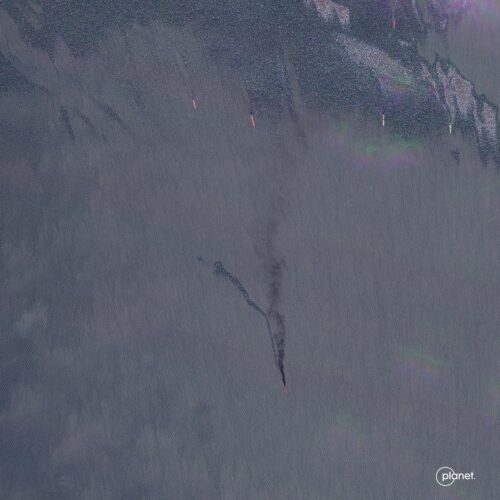
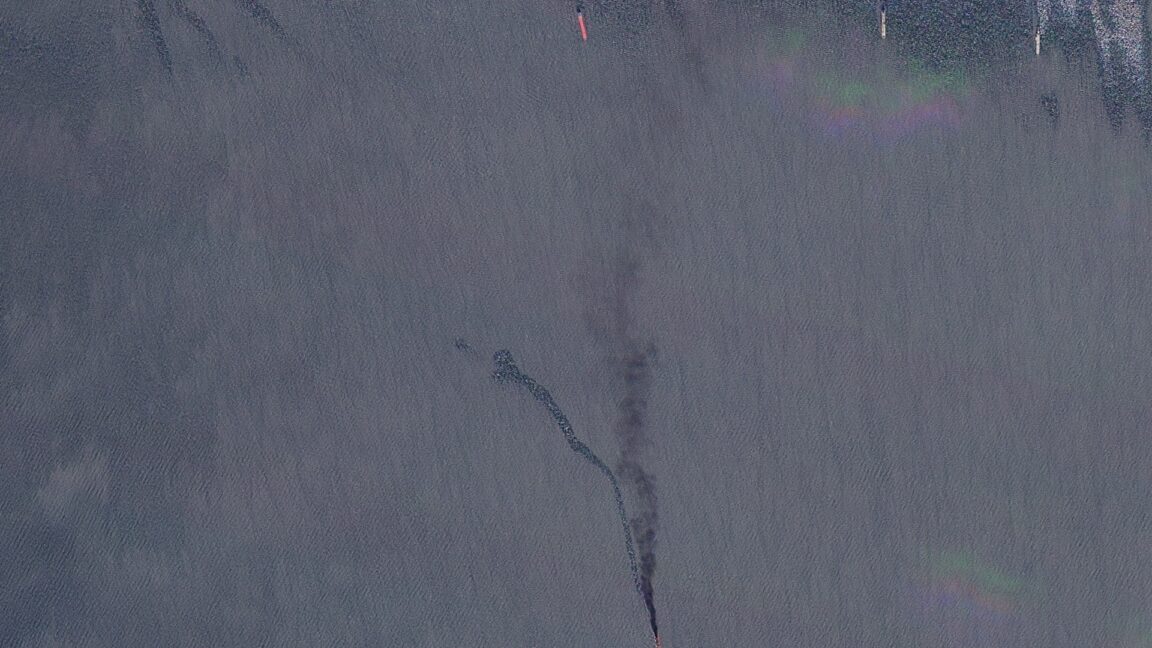
Ukrainian drone strikes have forced Russia to completely halt shipping in the Sea of Azov in less than a week, showing once again how a country without traditional naval power can still effectively blockade maritime corridors.

Ukraine’s Unmanned Systems Forces have flown one-way attack drones to target and strike more than 100 Russian tankers and other ships in total, along with posting video evidence showing such drone strikes occurring every night between July 6 and July 14. The campaign has forced Russia to completely shut down the shipping route that flows from Russia’s Don River into the Sea of Azov, and to halt all Kerch Strait shipping transits from the Sea of Azov into the Black Sea, according to Reuters reporting.

The shutdown of such maritime lanes has further isolated the Russian-occupied Crimean Peninsula by cutting off seaborne delivery of fuel in particular. Crimea had already been experiencing severe fuel rationing and power outages as Ukraine stepped up its mid- and long-range drone strike campaign on Russian energy infrastructure and supply lines, leaving behind damaged oil refineries with billowing black smoke and burned-out trucks littering highways.
Read full article

Comments

Β© Planet Labs PBC

  •  

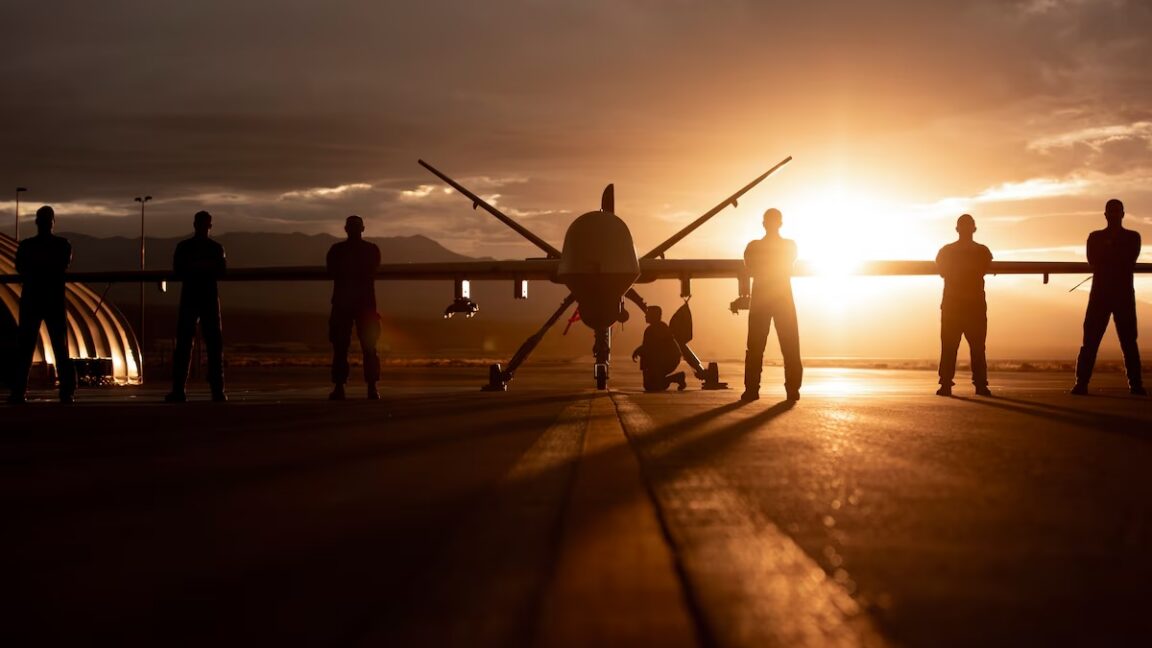
US seeks cheaper hunter-killer drones after Iran destroys $1B worth of Reapers

The US military has lost dozens of Reaper drones collectively worth more than $1 billion while carrying out surveillance and attack missions over Iran. Now the Pentagon is seeking large numbers of cheaper drones that can perform such missions despite the expectation that many will be lost in combat.

In a call for industry pitches, the Defense Innovation Unit’s notice described the US military’s current reliance on drones and crewed aircraft, each costing more than $30 million, as being β€œunsustainable against adversaries utilizing layered defenses enabled by increasingly low-cost antiaircraft capabilities.” It envisions deploying more β€œcost-effective” drones to β€œoverwhelm enemy air defenses even while experiencing numerous [drone] losses.”

That is, in practice, what Ukraine’s military has been demonstrating with its long- and mid-range strike campaign against Russian supply lines, oil refineries, and various energy or industrial targets within Russia or occupied Ukraine. The Ukrainian campaign has been overwhelming Russia’s overstretched air defense capabilities by launching hundreds of relatively inexpensive drones and missiles on a daily basis to attack targets far behind the frontlines, while continuing to damage or destroy Russia’s most sophisticated air defense systems.

Read full article

Comments

  •  

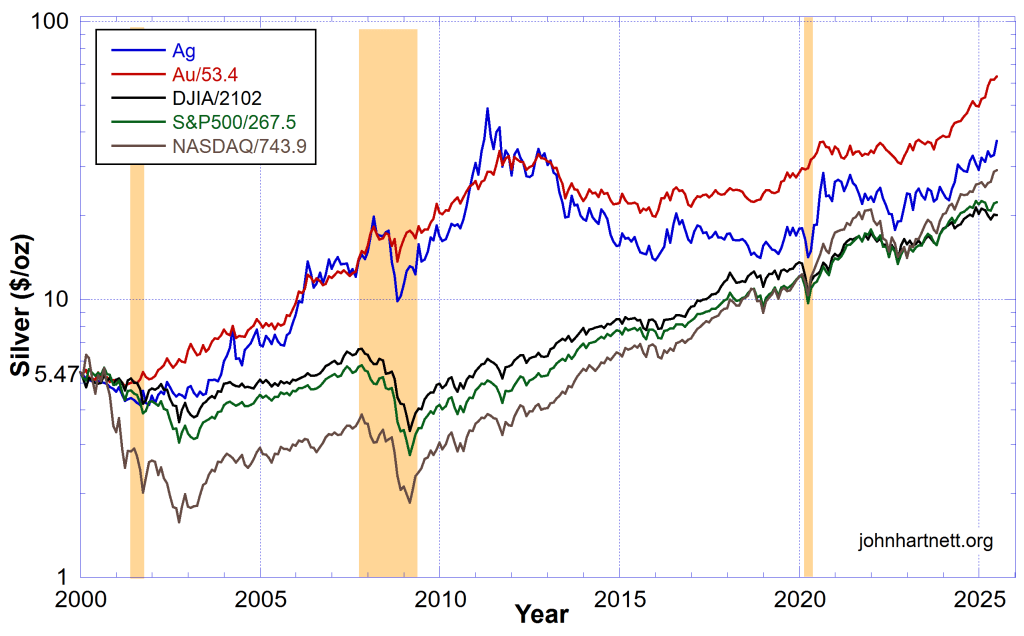
World War III | Gold and Silver Prices Will Also Explode

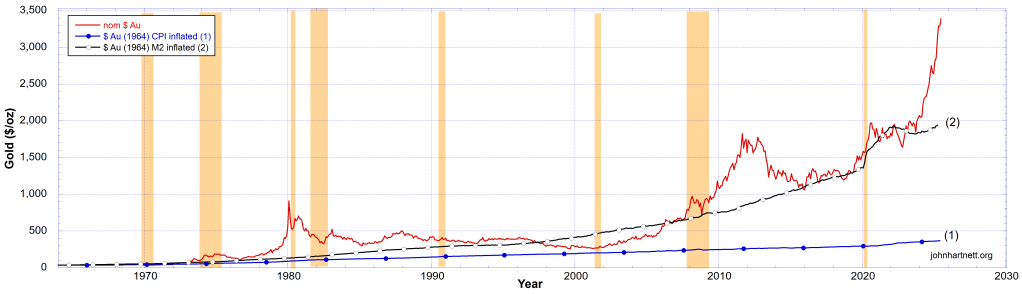
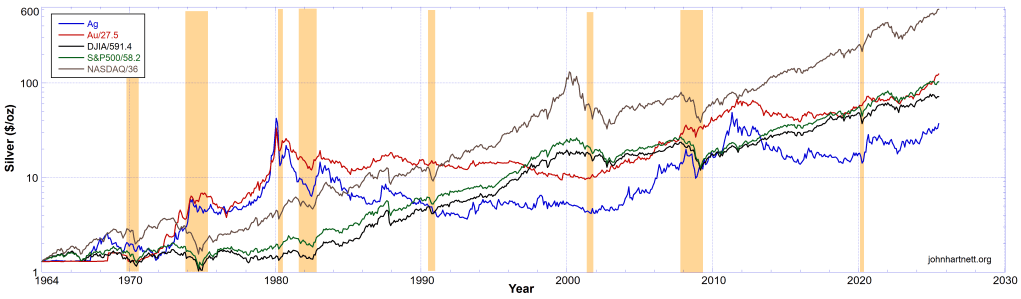
Recent conflicts between Israel and Iran, backed by the US, threaten global stability. Concerns arise over escalating warfare and its economic impact, especially on oil prices and currency values, leading to potential skyrocketing gold and silver prices.

  •  

No One Wins a Thermonuclear War

The painting "No One Wins a Thermonuclear War" critiques escalating wars in Ukraine and Israel, emphasizing the catastrophic potential of nuclear conflict. It argues that only financial elites benefit from war, while humanity faces annihilation. The artist calls for an end to these conflicts, urging awareness of their dire consequences.

  •  

Striking Deep Into Russia Means World War III

US President Biden has approved the use of NATO long-range missiles by Ukraine to strike deep into Russia, raising concerns about escalating conflict and the potential for global war which could go nuclear. This is described by the red horse in the four horsemen of the Apocalypse.

  •  

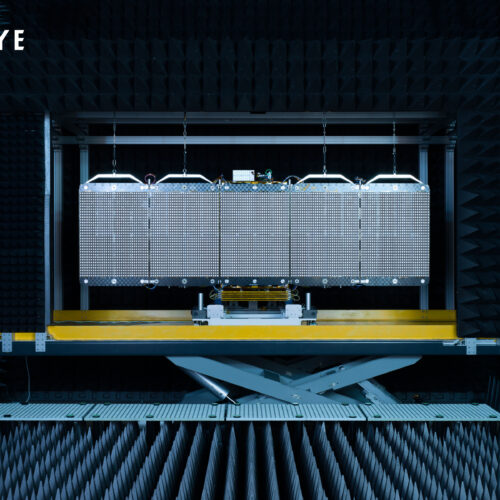
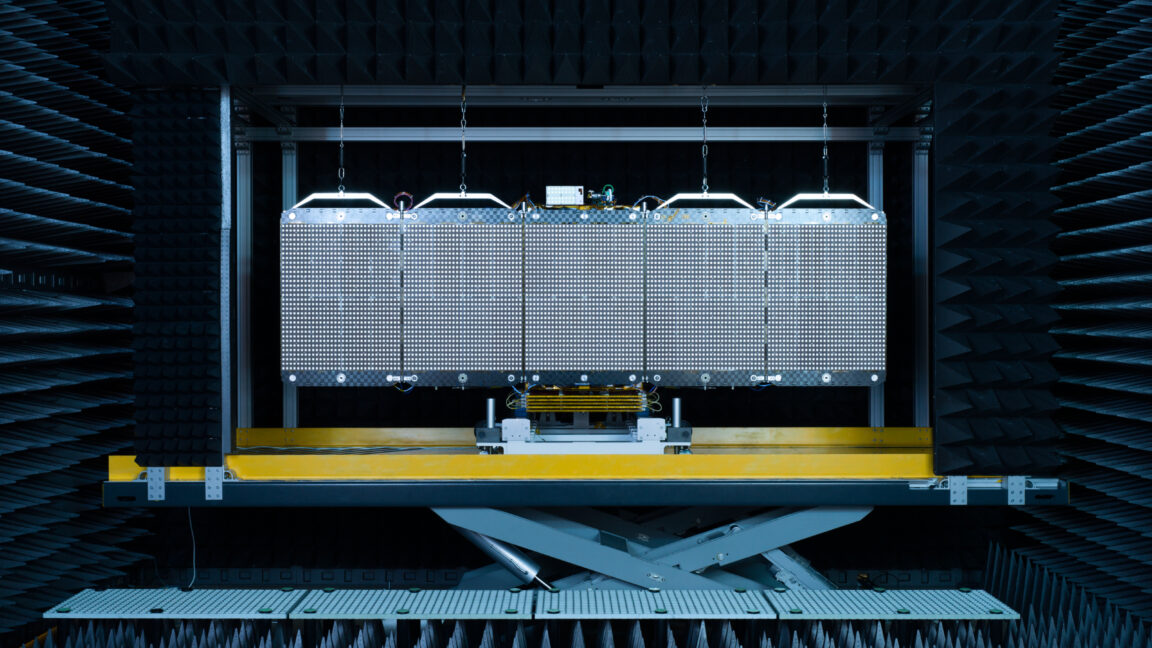
Four Russian satellites are now within striking distance of an ICEYE radarsat

At least four Russian military satellites changed their orbits to match that of a Finnish-American radar surveillance satellite in the last week, raising questions about Russia's intentions amid an ever-expanding standoff high above Earth.

The maneuvers were identified through open source orbital tracking data. Greg Gillinger, a retired Air Force space intelligence officer, revealed the orbit changes Friday in a special edition of his Integrity Flash newsletter, published by Integrity ISR, a private business that provides "combat-proven operational support and elite training that enhances mission success across ISR (Intelligence, Surveillance, and Reconnaissance), cyber, space, and targeting domains."

The Russian satellites in question, designated Kosmos 2610 through 2613, launched together on April 16 on a Soyuz-2.1b rocket from Plesetsk Cosmodrome in northern Russia. Over the last week or so, the four satellites adjusted their inclinationsβ€”the angles of their orbits to the equatorβ€”by less than a degree.

Read full article

Comments

Β© ICEYE

  •  
❌