❌

Reading view

Apple Hardware Price Hikes

Osmond Chia (Hacker News, 9To5Mac, Engadget):

Apple plans to raise the prices of its products as the cost of the memory chips it uses has surged, the technology giant’s boss has said.

Tim Cook, Apple’s outgoing chief executive, told the Wall Street Journal (WSJ) that price increases were “unavoidable” as the situation around memory chips had become “unsustainable”.

Nick Heer:

During its holiday quarter, Apple’s profit margin on hardware was 40.7%; in its most recent quarter, that dropped to 38.7% — a remarkable figure for physical products. It is these high margins that led to analysts like Ming-Chi Kuo to claim Apple would keep prices more-or-less stable and offset the additional costs through its even higher-margin — 76.7% — services business.

Adam Engst:

Winkler suggests in his summary that Apple has absorbed the cost increases so far because it has always treated memory and storage upgrades as profit centers. That’s no surprise to the Apple community, which has long chafed at Apple’s premium prices for memory and storage. But now, for instance, the price of standalone internal flash storage is closer to and sometimes even higher than Apple’s upgrade prices.

[…]

Obviously, Apple could absorb such costs and more if it were to accept dramatically lower gross margins. But as high-minded and customer-focused as Apple is, the company is still in business to maximize profit.

I was recently looking to add another SSD and a few hard drives to my setup. Normally, prices go down over time, but currently it SSDs are about double the price I paid last year, and large hard drives are almost triple.

John Gruber (Hacker News):

Apple, to my recollection, has never before issued a warning about price increases. Keep in mind that Apple deals with prices in a very different way from its competitors. For Apple, prices are part of a product’s brand, so they don’t fluctuate with component costs.

Chance Miller (Hacker News, MacRumors, Mac Power Users):

Apple has raised prices across the board for many of its products today. MacBook Neo now starts at $699 (up from $599), while MacBook Air now starts at $1299 (up from $1099). Other impacted products include MacBook Pro, iPad, iPad Air, and many more. iPhone, Apple Watch, and AirPods pricing is unchanged.

Ben Lovejoy:

Earlier this week, I outlined three reasons for agreeing with Mark Gurman that the Apple price increases could be imminent, and that indeed proved to be the case.

iPhones have escaped the increases, but they are otherwise both broad-reaching and pretty dramatic. But perhaps the most surprising thing is that the MacBook Neo has been included …

Tim Hardwick:

Apple today increased the starting price of the Mac mini with M4 Pro chip by $200, taking the higher-tier model up to $1,599 on its online store.

[…]

Apple had already raised the Mac mini’s effective starting price in May by discontinuing the $599 configuration with 16GB of RAM and a 256GB SSD, leaving the $799 model with a 512GB SSD as the new entry-level option. Interestingly, the 16GB RAM / 256GB storage option has now been reinstated, but the $799 starting price remains.

Stephen Hackett has a table of the old and new prices.

Nick Heer:

Pre-announce it with a small delay, thus giving you a temporary sales boost as people scramble to get their orders in at current prices, and to soften the blow when the increases hit.

Matt Birchler:

I also can’t help but see that “we need to begin raising prices on a number of products, including today’s increases for iPad and Mac,” statement as implying more increases are coming. The iPhone price increase seems inevitable, and my money is on it starting with the new models in September.

Simon Sharwood:

Micron CEO, president and chairman Sanjay Mehrotra explained the SCAs in prepared remarks delivered during the company’s Q3 earnings call. He explained that Micron has signed 16 SCAs, most of them covering 2026 to 2030, and that they involve a commitment to buy a certain quantity of product and pay for it in a pricing band that has a floor and a ceiling price. The floor price covers the historically high gross margins mentioned above, and the ceiling price means those who commit to an SCA are insulated if memory prices go even higher.

Previously:

Update (2026-06-26): Hartley Charlton:

Micron’s chief business officer has hinted, without calling it out by name, that Apple’s tough supplier negotiations contributed to the conditions behind the global memory shortage.

M.G. Siegler:

For years, Apple has been able to dominate and dictate to their suppliers thanks to their scale. But the Asian operations which Tim Cook so famously set up, have been upended, like most everything else, by AI. From TSMC on down, Apple is no longer the customer dictating terms for the entire industry, it’s now the company which has taken over the mantle as the most valuable one in the world: NVIDIA.

Joe Rossignol:

Apple’s stock price dropped 6% on the day — its largest single-day loss since April 2025.

John Gruber:

Here’s a table with most of the base models whose prices increased[…]

[…]

iPad prices mostly went up 20–25%, but the hardest hit was the no-adjective base model, which rose almost 30%, from $350 to $450. That’s a big increase for a product meant to appeal to buyers for whom price is obviously their biggest concern.

John Gruber:

Anyone who purchased a MacBook Neo for $600 (or $500 with education discount) between March and this morning purchased the lowest-price MacBook Apple has ever sold — and perhaps the lowest-price MacBook they ever will sell.

Joe Rossignol:

Apple’s full statement:

The consumer electronics industry is facing an unprecedented challenge. The rapid expansion of AI data centers has created an extraordinary surge in demand for memory and storage. We have never seen a component price increase this much, this quickly. We have shielded our customers from these increases so far, but we have now reached a point where we need to begin raising prices on a number of products, including today’s increases for iPad and Mac. We know this is not welcome news, and we are working tirelessly to find solutions.

[…]

Apple indicating that it needs to “begin” raising prices suggests that additional price increases might occur later.

Jason Martin:

“and we are working tirelessly to find solutions.”

I find this to be the most confusing part. Do we believe this to be a genuine effort? Even if so, how would a “solution” actually work? Would they actually lower prices if a solution were to be found?

They also just said they “will continue working” on bringing Siri AI to the EU right before saying in a different venue that they’d stopped working on it.

Jeff Johnson:

In a statement about the price increases, Apple said, “We can no longer shield customers from our 39% gross margin.”

Christina Warren:

Like, truly laughable. $200 for a 64GB Apple TV 4K that is almost 4 years old?

John Gruber (Mastodon):

But even setting aside the prices of competing devices, it just feels wrong to hike prices this much for four-year-old hardware running five-year-old pre-AI silicon. The higher-end model’s price went up 67 percent!

The only way this makes sense is if these prices are really meant for the upcoming new hardware, and those new models are more ambitious home hubs that warrant $200–250 prices.

Previously:

Update (2026-06-29): Zac Hall:

The Financial Times reports that Apple is seeking clearance from the Trump administration to purchase memory chips from a blacklisted Chinese company. The move would help it meet demand for product manufacturing during the ongoing global memory supply shortage.

Perhaps this is the “working tirelessly” that Apple was referring to.

Ben Lovejoy:

Apple previously sought permission from the Biden administration to do the same thing back in 2022, and that did not go well – despite promising to use the chips only for iPhones sold in China …

John Gruber:

Something happens — outside the company’s control — that causes those essential components to rise in price significantly.

[…]

What you cannot do is hold a philosophically consistent logically coherent view where your answer to how a company should respond in such a scenario is contingent on what the “something happens” is that caused component prices to rise.

Maybe—but that’s only relevant if you accept the premise that it was out of Apple’s control. I don’t know the details of the deals, but there’s an argument that the rising costs to Apple are to some extent Apple’s “fault.” If Tim Cook gets credit for helping suppliers expand capacity and locking in contracts for memory at low prices over the past two decades, doesn’t the same logic apply in reverse? The AI-driven shortages were foreseeable—and publicly discussed years ago. If you believe Micron that Apple chose to prioritize its own past numbers rather than securing its future supply, doesn’t that make today’s situation different from, say, a tsunami that unexpectedly wiped out a bunch of factories? I don’t know exactly how the increased costs should be apportioned, but I think the reasons for the costs are relevant, and I don’t think they’re fully exogenous.

sid:

If Apple has the balls to raise the prices of their products, they should also have the balls to increase trade-in values for older devices.

Update (2026-06-30): Kif Leswing:

But while tech giants like Apple and Microsoft, which both announced price hikes this week, have a hefty cash cushion, supply chain leverage and customers numbering in the millions or billions, a much wider swath of businesses face potentially dire straits. Most consumer electronics companies have little margin to spare and can’t confidently raise prices in an economy already grappling with inflationary pressures.

GoPro, the struggling maker of action cameras, warned this month that it might go out of business after memory costs shot up between 80% and 115% at the end of the first quarter. And shares of speaker maker Sonos are down 23% this year as memory prices pressure margins.

Update (2026-07-06): Basic Apple Guy:

Below you’ll find a bunch of charts chronicling the current state of RAMmaggedon, the global memory-chip crisis we currently find ourselves in.

Update (2026-07-22): Tim Hardwick:

Apple’s principal chipmaker TSMC plans to raise prices by as much as 10 percent starting in 2027, according to a new report from Nikkei Asia.

  •  

Apple deverá lançar diversos novos Macs em breve, incluindo Mac mini com os chips M5 Pro e “M6”

Os próximos meses têm tudo para ser extremamente movimentados quando o assunto são novos Macs, com a Apple preparando uma série de atualizações para os MacBooks Pro e Air, duas novas versões do iMac e até mesmo Macs mini e Studio atualizados, segundo informações da Bloomberg.

De acordo com o veículo, a Apple já encerrou o desenvolvimento de um novo MacBook Pro de 14 polegadas, o qual deverá ser um dos primeiros dispositivos a contar com o chip “M6”. De codinome J804, ele deverá contar com o mesmo design do modelo de entrada atual, que vem equipado com o chip M5.

Outro Mac que já estaria prestes a passar por atualizações é o iMac, que deverá ganhar não só uma, mas duas novas versões, sendo que uma delas ainda receberá uma tela OLED 1Organic light-emitting diode, ou diodo emissor de luz orgânico.. Com os codinomes J833 e J834, eles também serão equipados, é claro, com chips mais recentes — embora o modelo com o display mais avançado demore mais tempo para chegar ao mercado do que o primeiro.

E por falar em telas OLED, também teremos novos MacBooks Pro de 14″ e 16″ que, além de contar com essa tecnologia, também deverão ter painéis sensíveis ao toque, inaugurando esse método de interação entre os Macs. Com os codinomes K114 e K116, respectivamente, eles deverão ser lançados entre o fim deste ano e o início de 2027. No momento, eles estão sendo testados pela Apple com uma versão preliminar do macOS Golden Gate 27.1, cujo lançamento é aguardado para outubro próximo.

Ao contrário do modelo de entrada, no entanto, esses seguirão “presos” na família de chips M5, contando com o M5 Pro e o M5 Max dos MacBooks Pro atuais. Novas versões com os chips “M7 Pro” e “M7 Max”, porém, já estão planejadas para algum momento entre o fim de 2027 e o início de 2028.

Por falar no MacBook Pro de entrada, uma versão do modelo com um design completamente novo — baseado nos modelos com OLED — já estaria sendo desenvolvida pela Apple. Ele deverá vir ainda com o chip “M7” e conta com o codinome K104.

Já os MacBooks Air deverão ganhar novos modelos no início do ano que vem. Com os codinomes J913 (modelo de 13″) e J915 (15″), eles seguirão com o design atual. Vale lembrar, no entanto, que modelos com telas OLED já estão no forno há alguns anos e com lançamento previsto para o início de 2028.

Caçula da família, o MacBook Neo, também já conta com uma nova versão no horizonte, a qual deverá contar com o chip A19 Pro e mais memória integrada — provavelmente 12GB, ante aos 8GB do modelo atual.

Por fim, temos os dois desktops mais tradicionais da Apple: o Mac mini e o Mac Studio. Segundo Mark Gurman, o modelo em testes do primeiro usa os chips M5 Pro e “M6”, enquanto o segundo é empurrado pelos processadores M5 Max e “M5 Ultra”. Não há, no entanto, uma previsão de quando esses computadores chegarão ao mercado — cortesia da atual crise no mercado de memórias.

Haja computador novo, hein?! 😮‍💨

Mac Studio

Chip: M4 Max ou M3 Ultra
Memória: 36GB, 48GB, 64GB, 96GB, 128GB, 256GB ou 512GB
Armazenamento: 512GB, 1TB, 2TB, 4TB, 8TB ou 16TB
R$ 25.999,00

Mac mini

Chip: M4 ou M4 Pro
Memória: 16GB, 24GB, 32GB, 48GB ou 64GB
Armazenamento: 256GB, 512GB, 1TB, 2TB, 4TB ou 8TB
Conectividade: Ethernet ou Gigabit Ethernet 10
R$ 12.299,00
R$ 16.999,00

iMac

Chip: M4
Cores: azul, roxo, rosa, laranja, amarelo, verde ou prateado
Vidro: convencional ou nano-texture
Memória: 16GB, 24GB ou 32GB
Armazenamento: 256GB, 512GB, 1TB ou 2TB
Conectividade: sem Ethernet ou Gigabit Ethernet
R$ 14.999,00

MacBook Pro de 16″

Cores: preto-espacial ou prateado
Tela: padrão ou nano-texture
Chips: M5 Pro ou M5 Max
Memória: 24GB, 36GB, 48GB, 64GB ou 128GB
Armazenamento: 1TB, 2TB, 4TB ou 8TB
R$ 30.599,00
R$ 33.999,00

MacBook Pro de 14″

Cores: preto-espacial ou prateado
Tela: padrão ou nano-texture
Chips: M5, M5 Pro ou M5 Max
Memória: 24GB, 36GB, 48GB, 64GB ou 128GB
Armazenamento: 1TB, 2TB, 4TB ou 8TB
Adaptador de energia: USB-C de 70W ou 96W
R$ 30.959,00

MacBook Air de 15″

Cores: azul-céu, prateado, estelar ou meia-noite
Chip: M5
Memória: 16GB, 24GB ou 32GB
Armazenamento: 512GB, 1TB, 2TB ou 4TB
Adaptador de energia: USB‑C de 30W, 35W com duas portas ou 70W
R$ 15.999,00

MacBook Air de 13″

Cores: azul-céu, prateado, estelar ou meia-noite
Chip: M5
Memória: 16GB, 24GB ou 32GB
Armazenamento: 512GB, 1TB, 2TB ou 4TB
Adaptador de energia: USB‑C de 30W, 35W com duas portas ou 70W
R$ 12.599,00
R$ 13.999,00

MacBook Neo

Cores: prateado, blush, amarelo-cítrico ou índigo
Armazenamento: 256GB ou 512GB (com Touch ID)
R$ 6.599,00
R$ 7.299,00

NOTA DE TRANSPARÊNCIA: O MacMagazine recebe uma pequena comissão sobre vendas concluídas por meio de links deste post, mas você, como consumidor, não paga nada mais pelos produtos/serviços usando os nossos links de afiliado.

Notas de rodapé

  • 1
    Organic light-emitting diode, ou diodo emissor de luz orgânico.

  •  

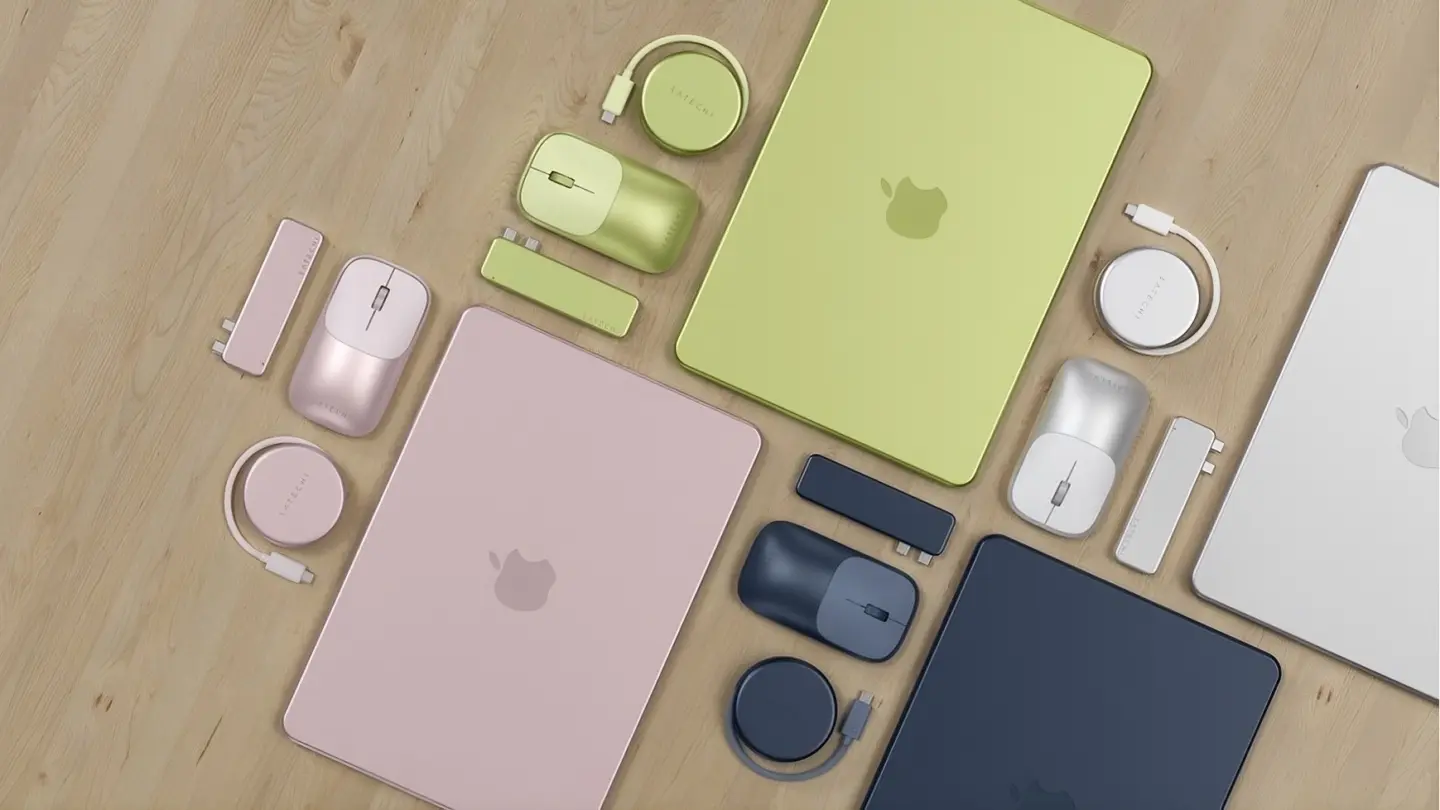
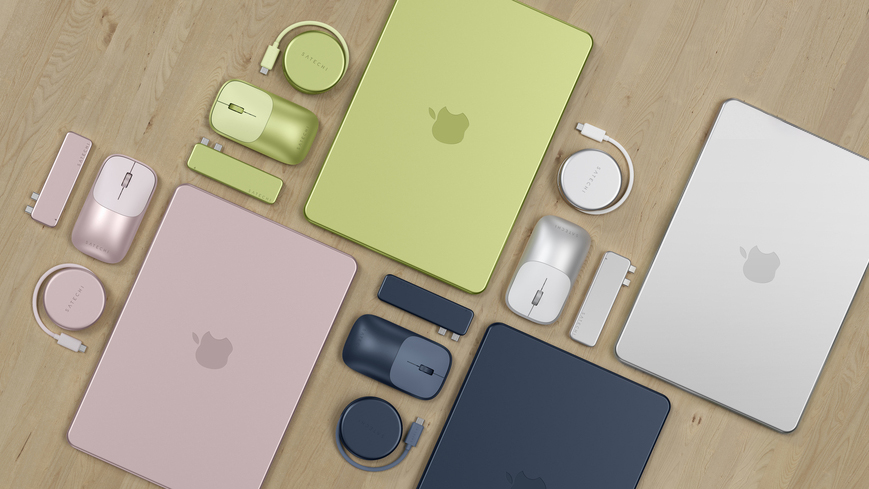
MacRumors Giveaway: Win a MacBook Neo Plus Color-Matched Satechi Accessories

For this week's giveaway, we've teamed up with Satechi to offer MacRumors readers a chance to win a MacBook Neo and a set of color-matched MacBook Neo accessories to go along with it. A second-place winner will also get a set of Satechi's new accessories.


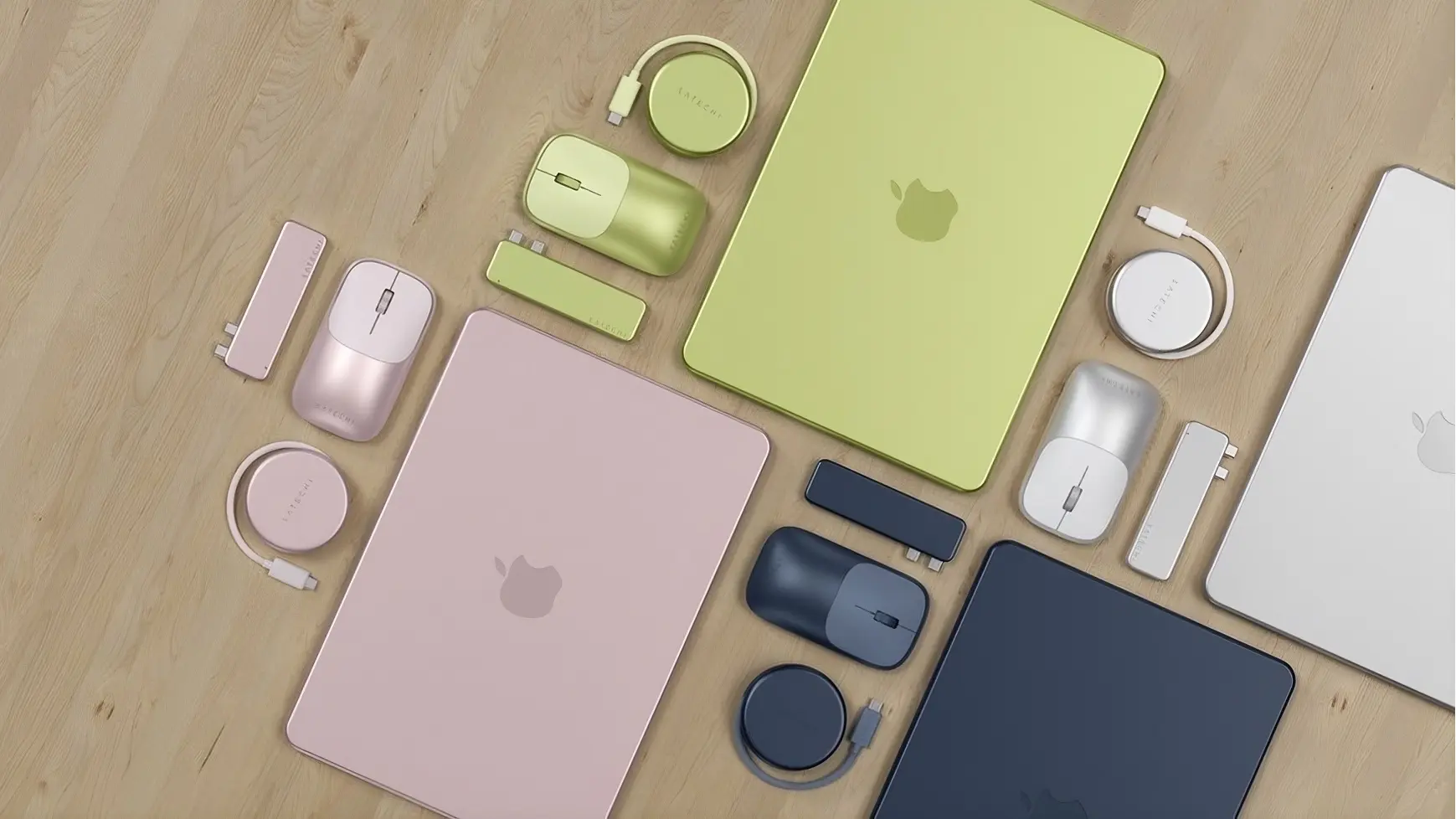
The MacBook Neo collection includes the $45 OntheGo 5-in–1 Multiport Adapter, the $45 USB-C Snap Hub, and the $30 Slim EX Wireless Mouse. All of the accessories come in Citrus, Blush, Indigo, and Silver to match the ‌MacBook Neo‌ color options.


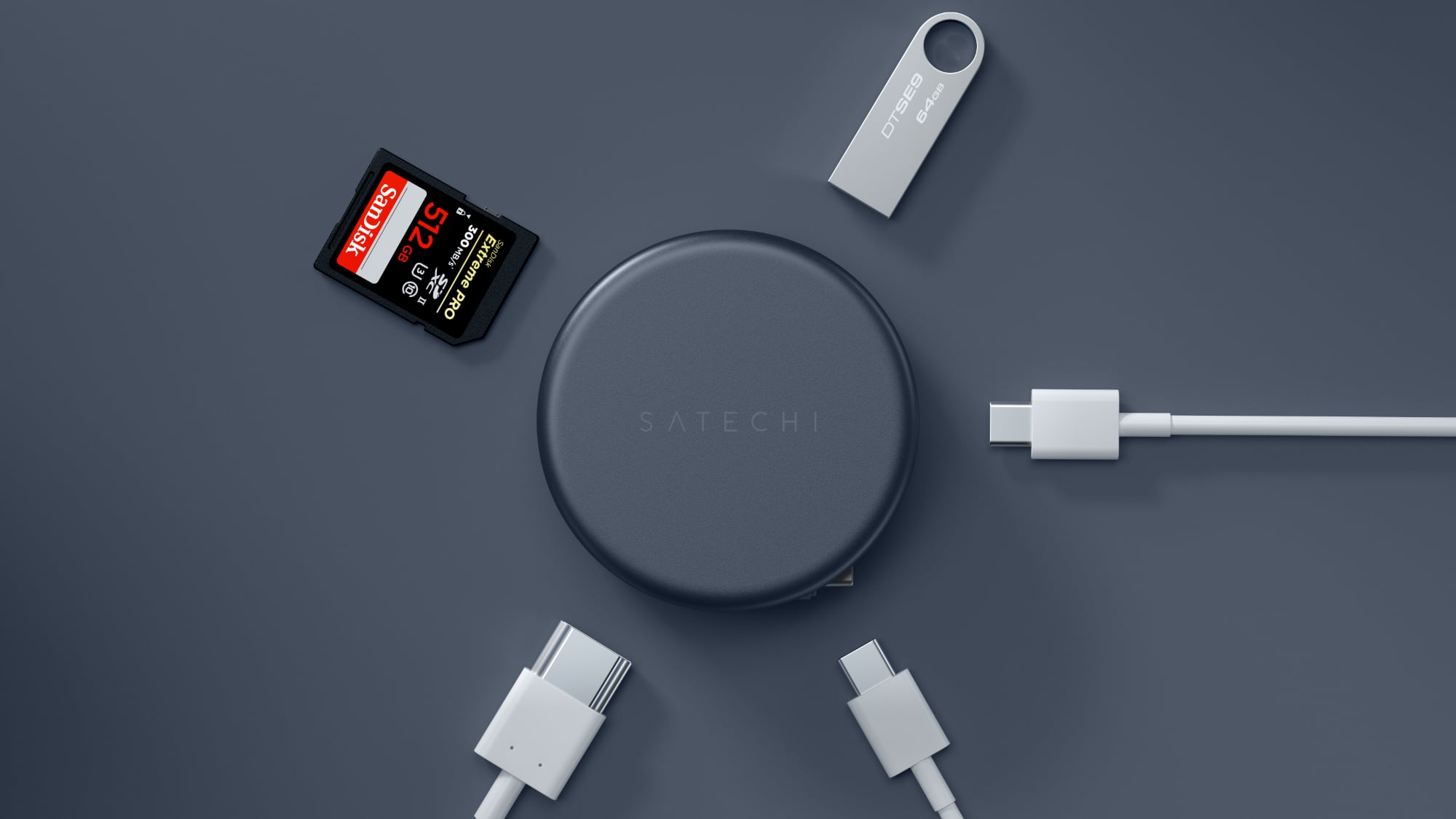
Satechi's OntheGo 5-in–1 Multiport Adapter plugs into the USB-C port on the ‌MacBook Neo‌ and adds five additional ports. It has two USB-C ports, a 5Gb/s USB-A port, an HDMI port that supports up to a 4K 60Hz external display, and an SD card slot. One of the USB-C ports offers 60W passthrough charging and the other supports 5Gb/s data transfer speeds.

An included magnet lets it attach to a MagSafe iPhone or to the lid of the MacBook with a 3M adhesive magnet mount ring. The matching built-in USB-C cable is braided for durability, and it rolls up into the adapter, making it a compact travel option. It measures 2.57 inches in diameter and it's 0.87 inches thick.


Satechi's USB-C Snap Hub also adds ports, but it has a different design. It plugs into both of the ‌MacBook Neo‌ USB-C ports, expanding them into six connections. There are two USB-C ports, an HDMI port that supports a 4K 60Hz display, a 5Gb/s USB-A port, an SD card slot, and a microSD card slot. One USB-C port supports 45W passthrough charging, and the other offers 5Gb/s data transfer speeds.


The hub fits flush to the side of the ‌MacBook Neo‌, and it has a dual-material design. The top is an anodized aluminum that matches the ‌MacBook Neo‌'s body, while the base is a soft-touch ABS plastic meant to match the keyboard finish.


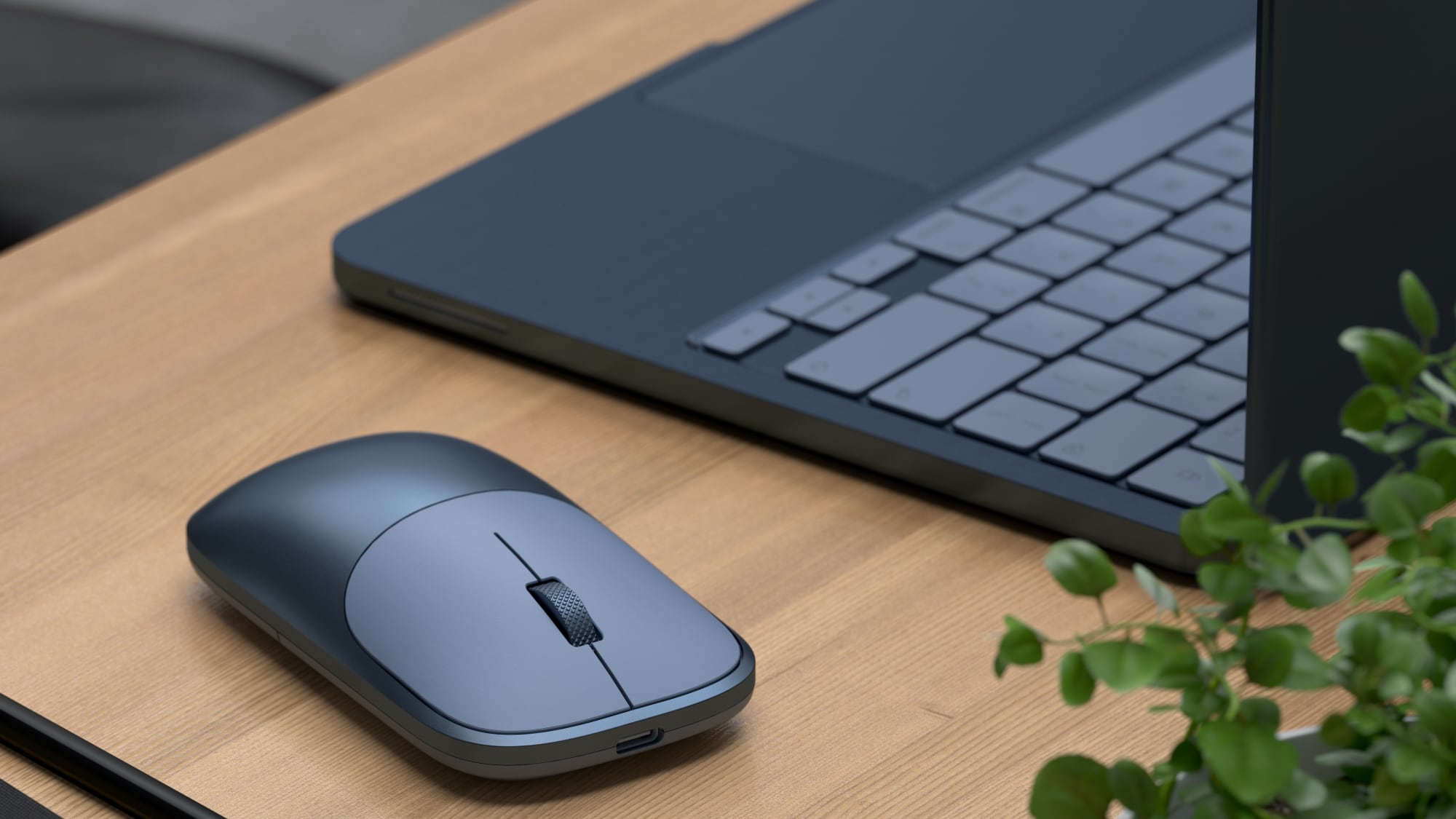
Satechi's Slim EX Wireless Mouse completes the collection, and it's made from color-matched aluminum. The mouse supports two Bluetooth channels and a 2.4GHz wireless connection, and it is able to work across macOS, iPadOS, Windows, and Android. It features quiet click switches and a precision-machined scroll wheel, plus there is a USB-C rechargeable, user-replaceable battery for longevity.


We have a ‌MacBook Neo‌ and a Satechi accessory set to go along with it for one lucky MacRumors reader, and a second winner will get the ‌MacBook Neo‌ accessory kit. To enter to win, use the widget below and enter an email address. Email addresses will be used solely for contact purposes to reach the winner(s) and send the prize(s). You can earn additional entries by subscribing to our weekly newsletter, subscribing to our YouTube channel, following us on Twitter, following us on Instagram, following us on Threads, or visiting the MacRumors Facebook page.

Due to the complexities of international laws regarding giveaways, only U.S. residents who are 18 years or older, UK residents who are 18 years or older, and Canadian residents who have reached the age of majority in their province or territory are eligible to enter. All federal, state, provincial, and/or local taxes, fees, and surcharges are the sole responsibility of the prize winner. To offer feedback or get more information on the giveaway restrictions, please refer to our Site Feedback section, as that is where discussion of the rules will be redirected.

The contest will run from today (July 17) at 9:00 a.m. Pacific Time through 9:00 a.m. Pacific Time on July 24. The winner will be chosen randomly on or shortly after July 24 and will be contacted by email. The winner will have 48 hours to respond and provide a shipping address before a new winner is chosen.
Related Roundup: MacBook Neo
Buyer's Guide: MacBook Neo (Buy Now)
Related Forum: MacBook Neo

This article, "MacRumors Giveaway: Win a MacBook Neo Plus Color-Matched Satechi Accessories" first appeared on MacRumors.com

Discuss this article in our forums

  •  

4 alternativas leves e compactas ao MacBook Neo sem “esticar” demasiado o orçamento

O MacBook Neo trouxe leveza e um preço competitivo ao ecossistema Apple, mas quem prefere Windows também tem hoje portáteis igualmente leves e capazes para o dia a dia, fáceis de encontrar em Portugal.

The post 4 alternativas leves e compactas ao MacBook Neo sem “esticar” demasiado o orçamento appeared first on Tek Notícias.

  •  

We're starting to see some PC makers respond to Apple's MacBook Neo

It seems fair to say that Apple's MacBook Neo took the rest of the PC industry by surprise. Companies are used to competing on price and features with $1,000-and-up Apple laptops like the MacBook Air and MacBook Pro, but their $600 and $700 models usually come with cut corners and compromises that are more noticeable than the Neo's. The CEO of Asus admitted to being surprised by the laptop's price (while simultaneously trying to downplay the Neo's value); a Microsoft-backed study comparing PCs to the MacBook Neo included several laptops that can't compete with the Neo's price unless they're deeply discounted.

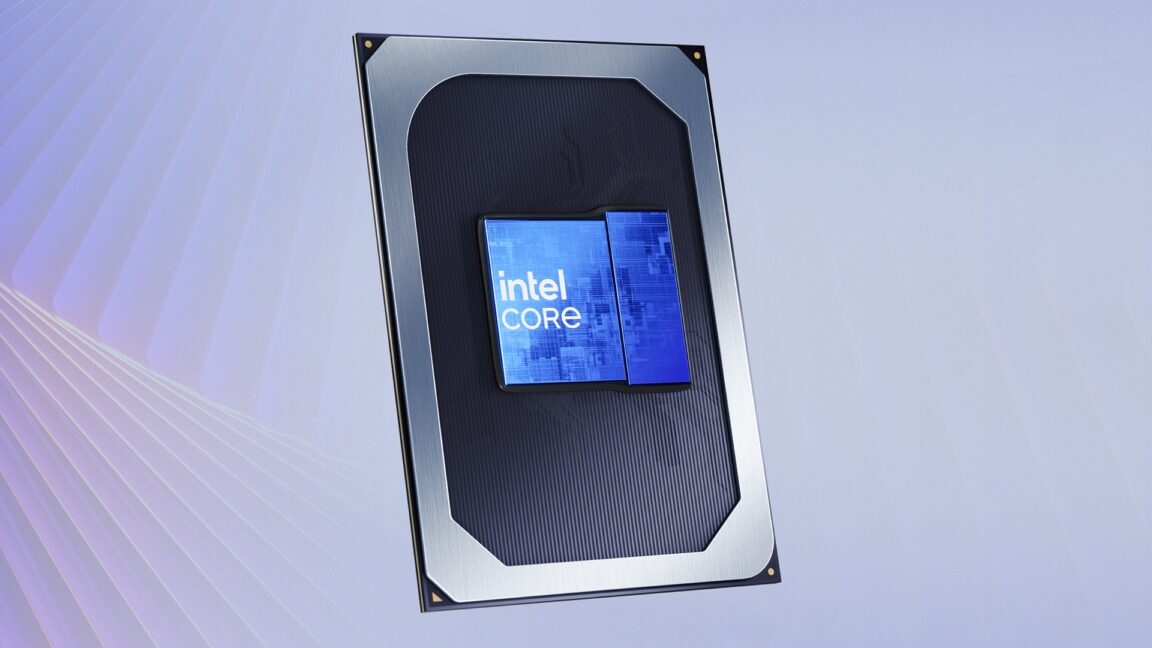
In the last couple of weeks, we've started to see a more intentional and targeted response to the MacBook Neo from PC makers. These mostly seem to revolve around Intel's low-end Core Series 3 processors, codenamed Wildcat Lake; while Intel's last few generations of low-end chips have mostly been rebrands of older and less power-efficient parts, Wildcat Lake is a new purpose-built budget chip that benefits from Intel's latest CPU and GPU architectures and its 18A manufacturing process. This should help these chips compete better with the Apple A18 Pro in the MacBook Neo.

Many early Wildcat Lake systems have already been announced, though not all have included a price tag, and several have only been announced for the Chinese market as of this writing. Lenovo is planning to launch some IdeaPad Slim models with the new processors, with some optional spec upgrades including 16GB of RAM and a 120 Hz high-refresh-rate display. Asus and HP have also announced some early products.

Read full article

Comments

© Intel

  •  
❌