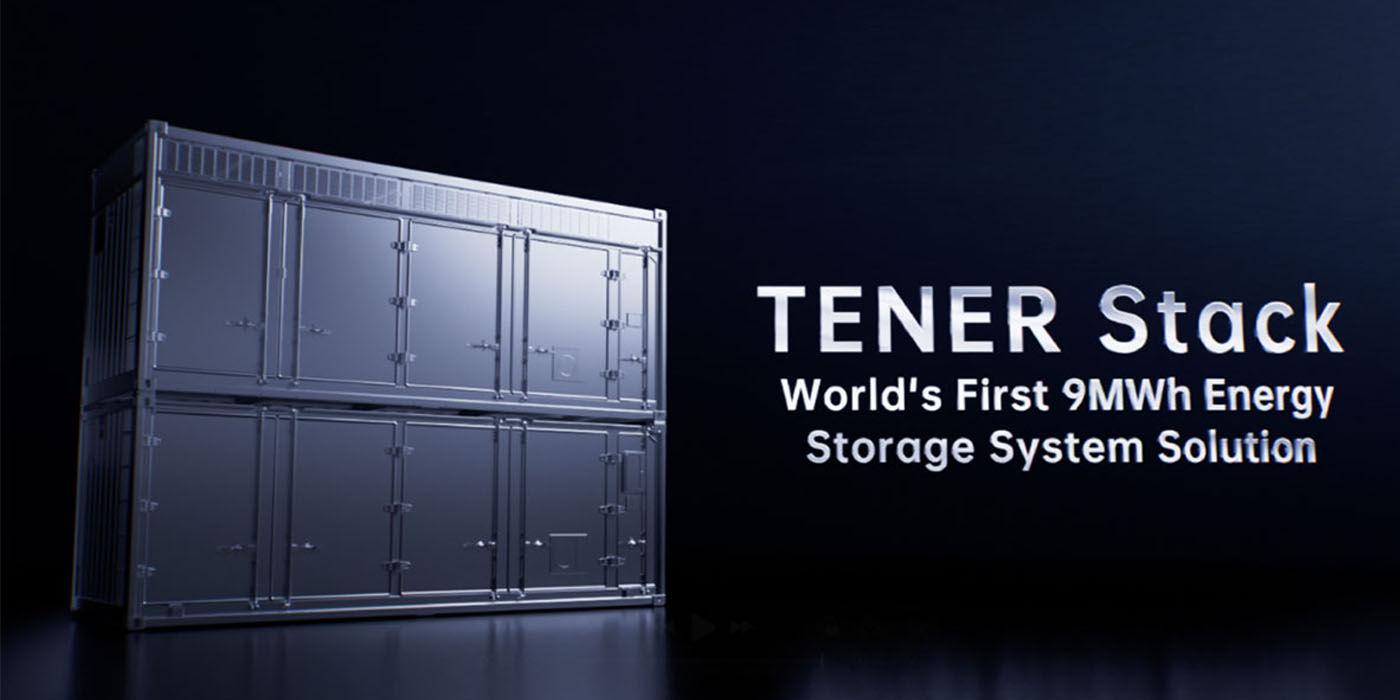
CATL has signed a memorandum of understanding with Dutch energy company Alfen to deploy 5 GWh of its Tener Sodium energy storage systems across Europe, one of the largest sodium-ion commitments the region has seen.
The batteries are rated for 15,000 cycles and a 25-to-30-year service life — the pitch that sodium-ion’s longevity, not its energy density, is what wins grid storage.
A new analysis of nearly 10,000 real-world EV battery tests found that the same Tesla Model 3 holds up very differently depending on which battery it was built with — and the cheaper LFP version comes out on top.
The Model 3 with CATL’s lithium iron phosphate (LFP) pack averaged 93.3% battery health among cars that had driven more than 62,000 miles, beating every nickel-based version of the car in the dataset.
A Reddit post making the rounds this week claims the US has experienced at least one major power outage every month of 2026 – but is it true? I dug into several outages, the extreme weather behind them, and what we can do to help keep the lights on.
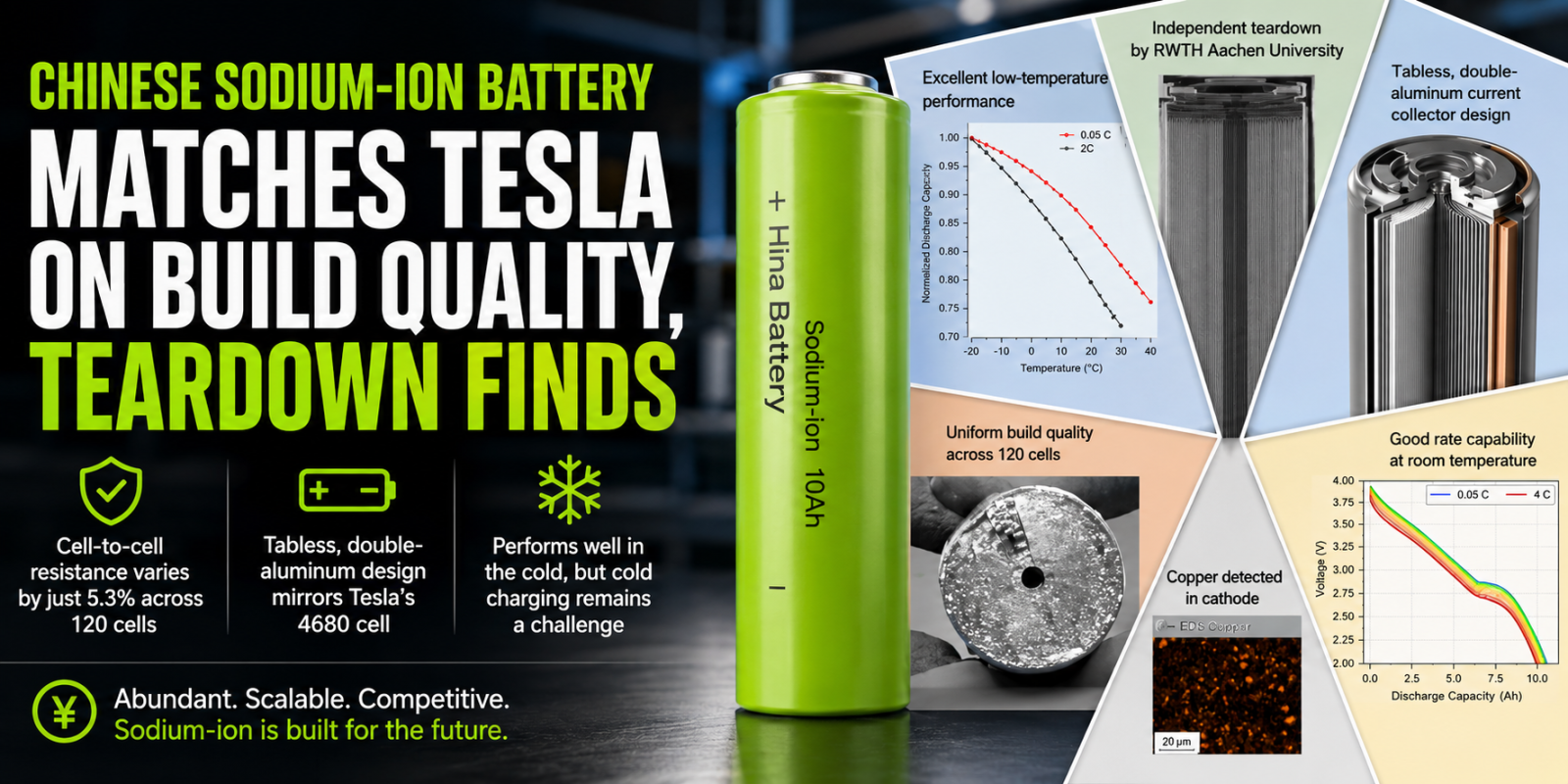
A commercial sodium-ion battery from Chinese manufacturer Hina matches Tesla’s lithium-ion cells on manufacturing quality and internal design, according to an independent teardown published in the Cell Press journal Cell Reports Physical Science.
Researchers at Germany’s RWTH Aachen University measured cell-to-cell resistance varying by just 5.3% across 120 cells — a sign of tightly controlled mass production rivaling the best lithium cells on the market.
Mitsubishi’s Kei-class eK Cross gets a mild facelift for the 2027 model year that combines a body-color front fascia and updated interior tech to give it a fresh look – but the big news is a new 100 V AC power outlet that can draw up to 1500 Watts.
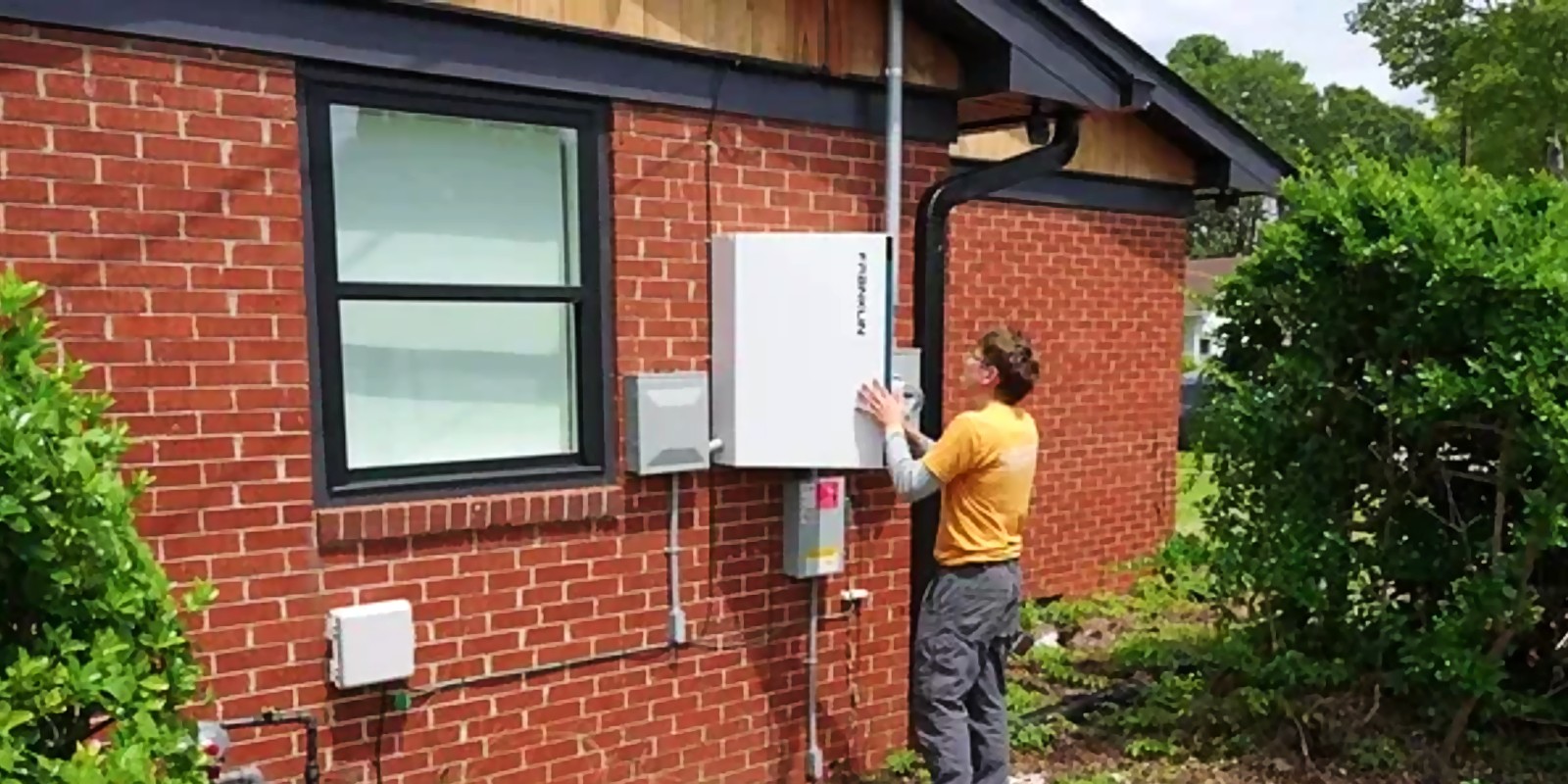
Ava Community Energy’s SmartHome Battery program is offering income-qualified North California residents up to $6,000 in up front incentive cash to install a FranklinWH smart battery and connect it to the utility’s virtual power plant (VPP).
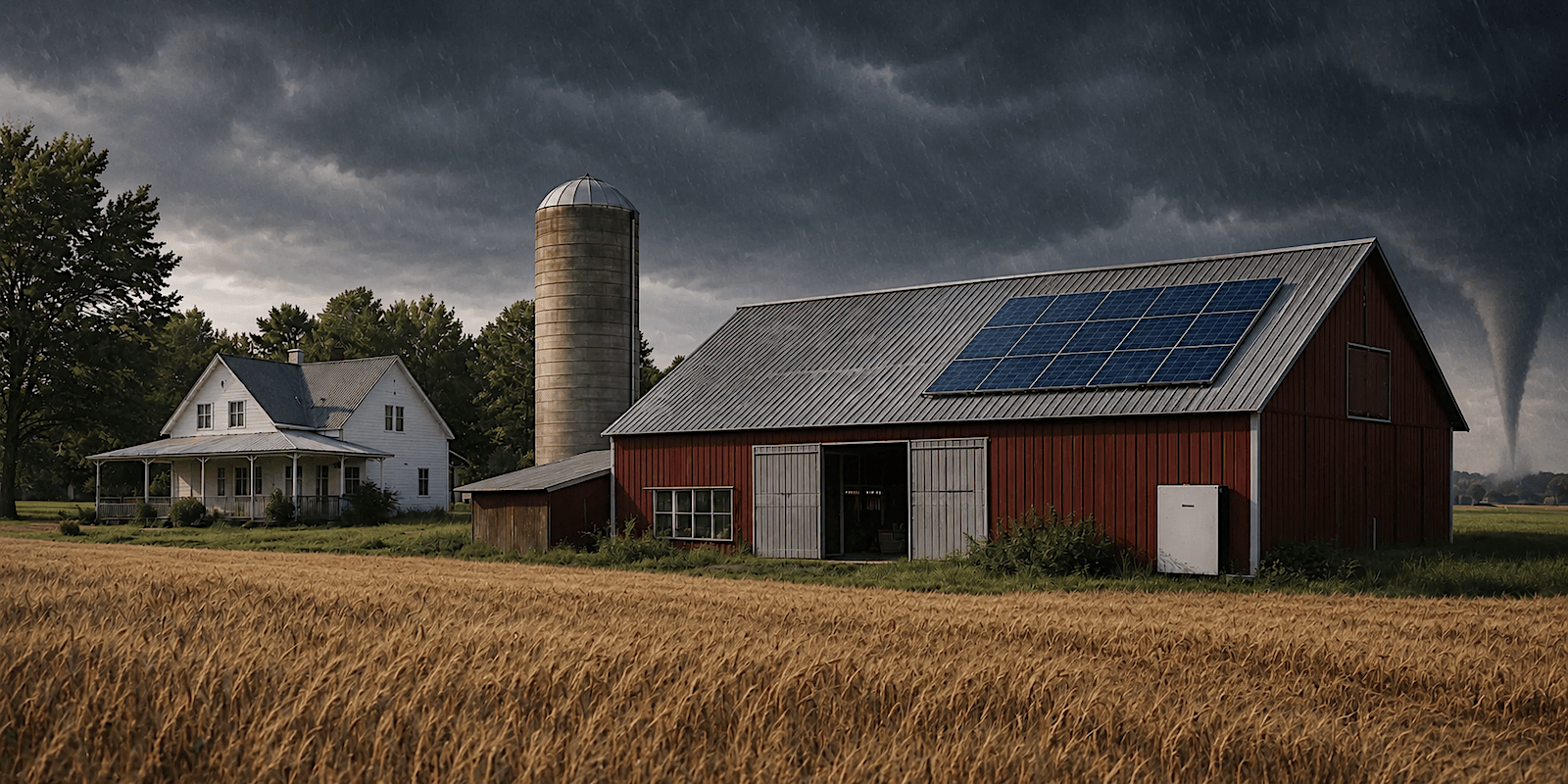
There’s no shortage of advice on how to size a home solar and battery system, but most of it assumes a suburban home with city services and outages measured in hours, not days. Rural homes play by different rules, especially during summer storms. When heavy winds take down power lines and your utility prioritizes restoring urban neighborhoods first, having a home battery isn’t about convenience — it’s about damage control.
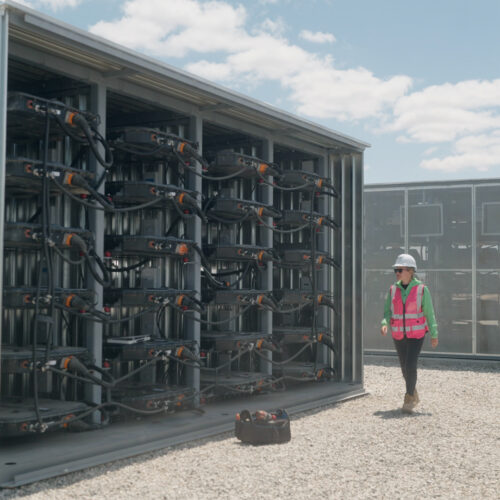
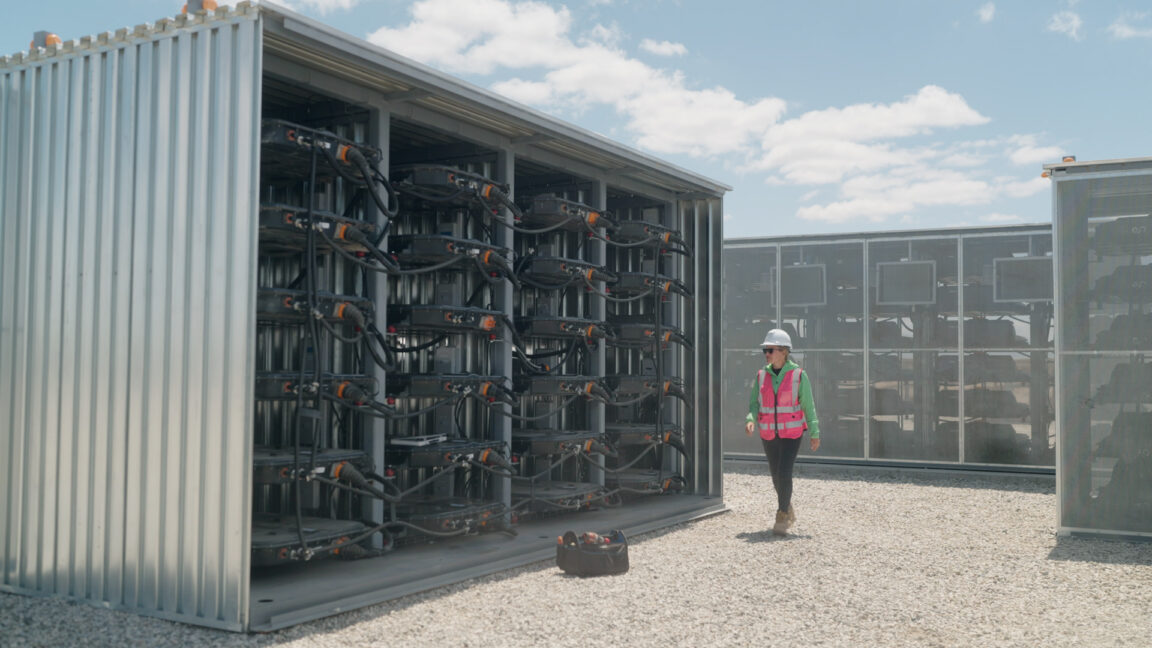
Thousands of electric vehicles in Waymo’s autonomous robotaxi fleet may eventually give up their used batteries for a very different purpose—contributing up to hundreds of megawatt-hours of stationary energy storage to local power grids.
That prospect comes from a “strategic supply agreement” announced by Waymo and B2U Storage Solutions on June 4. B2U has been repurposing thousands of used batteries from various electric vehicles by installing them in large stationary energy storage projects. Such energy storage facilities can capture excess renewable energy during low demand periods and release such energy when local power grids are experiencing peak demand periods.
“Our business is getting the full residual value out of electric vehicle batteries after they're no longer suitable for automotive use,” Freeman Hall, CEO of B2U Storage Solution, told Ars. “Waymo puts a lot of miles on EVs and their model is expanding rapidly, and so we're just very pleased and honored to be able to work with them.”
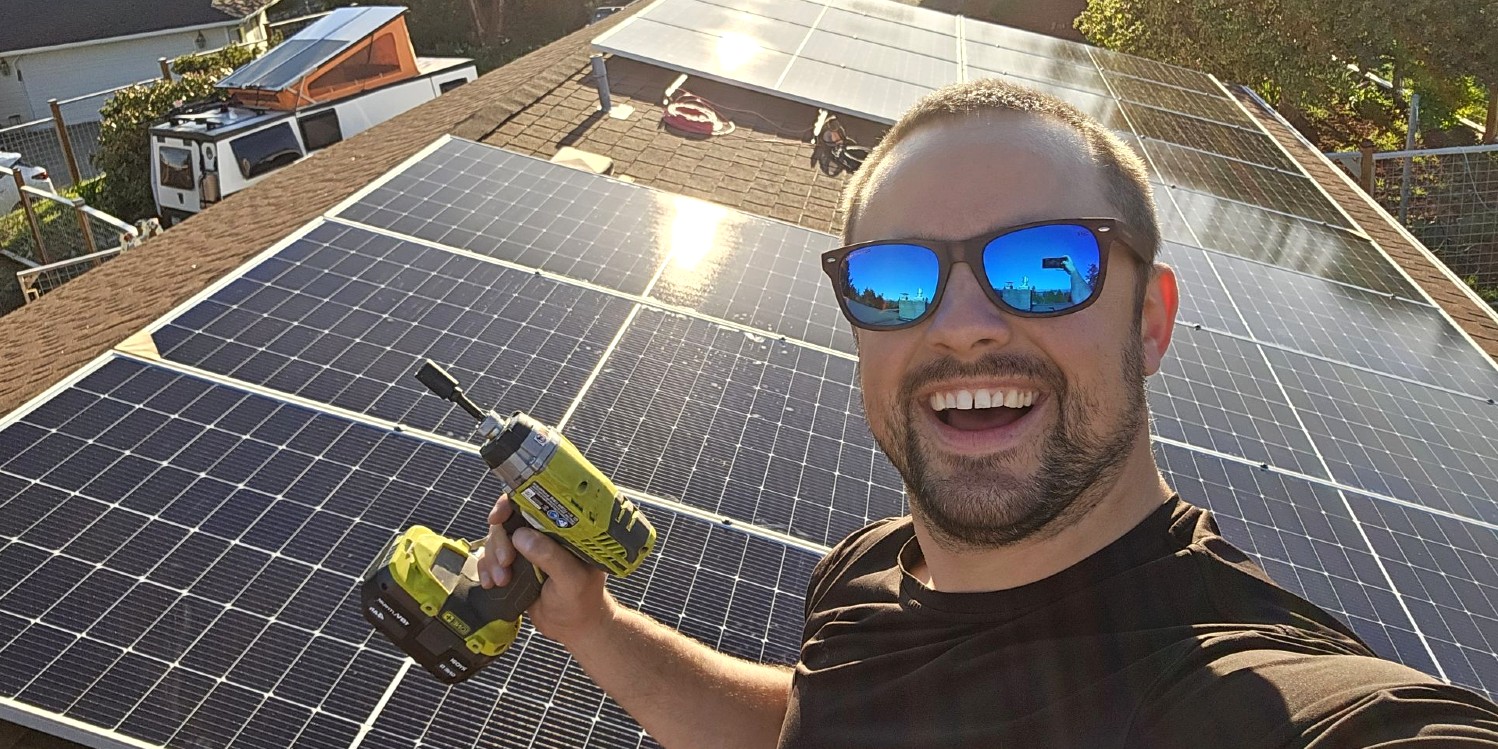
A new bill extending home and community solar incentive programs has passed both houses of the Connecticut Senate, and just needs Governor Ned Lamont’s signature to make it into law. It’s taken us a while to parse through it, but one thing is clear: batteries are the big winners.

 Login