❌

Reading view

CarPlay Apps: 120 Popular Options for Your Car

CarPlay apps have grown far beyond maps, music and basic messaging. More than 120 popular iPhone apps now offer some form of support for Apple’s in-car platform, giving drivers access to navigation, podcasts, audiobooks, sports, communication, electric vehicle charging, parking, food ordering and newer AI assistants.

Not every compatible app places its full iPhone interface on the dashboard. CarPlay uses simplified layouts, voice controls and restricted features designed to reduce distractions. Some apps show lists and buttons, while others operate mainly through Siri or audio playback.

The larger catalog nevertheless changes what CarPlay can do. It is becoming a controlled extension of the iPhone rather than a small collection of driving utilities.

CarPlay Apps Cover More of the Journey

The first generations of CarPlay concentrated on a small set of familiar activities: choosing a route, making a call, sending a message and playing audio. Those functions remain central, but Apple has gradually opened additional categories to developers.

CarPlay apps can now help drivers find parking, locate fuel, identify EV charging stations, order food for collection and complete certain driving-related tasks. Automakers can also build apps that control supported vehicle features without forcing the driver to leave the CarPlay interface.

Apple continues to limit which app categories qualify. A social network, game or ordinary shopping app cannot simply reproduce its iPhone screen on the dashboard. Developers must use Apple’s CarPlay frameworks and present only functions considered suitable for the car.

The approach explains why the available catalog can feel both extensive and restrained. More than 120 apps may be compatible, but the dashboard does not become a crowded copy of the App Store.

Digital car dashboard displaying speed at 60 mph, range of 200 miles, temperature of 72°F, engine at 195°F, and sport mode engaged. The center screen features lane assistance with surrounding vehicles and Apple Maps MICHELIN Ratings integration.
Image Credit: Apple Inc.

Navigation Remains the Starting Point

Apple Maps is built directly into CarPlay and provides turn-by-turn guidance, traffic information, estimated arrival times and destination suggestions based on information from the iPhone.

Drivers can also choose popular alternatives including Google Maps and Waze. Each service brings a different combination of traffic data, route preferences, incident reporting and familiar saved locations.

Other navigation and travel options include HERE WeGo, TomTom GO Navigation, Sygic GPS Navigation, Gaia GPS and specialist apps designed for trucks, motorcycles or outdoor routes.

The strongest choice usually comes down to habit and regional coverage. A driver already using Google Maps or Waze on iPhone can continue using saved destinations and preferences inside the car. Apple Maps benefits from tighter system integration, including Siri requests, Calendar suggestions and Apple Watch directions.

CarPlay allows several navigation apps to appear in the Dashboard layout, where mapping can share the screen with media controls and other useful information.

Music, Radio and Podcasts Dominate the Catalog

Audio remains the largest CarPlay app category because it suits an environment where users should spend as little time as possible looking at the screen.

Apple Music, Spotify, YouTube Music, Amazon Music, Deezer, Tidal and Pandora provide access to large music libraries. Radio services such as TuneIn, iHeartRadio and SiriusXM add live stations, news, sports and talk programming.

Podcast listeners can use Apple Podcasts, Overcast, Pocket Casts, Castro and Spotify. Audiobook options include Apple Books, Audible, Audiobooks.com and Bookmate.

The CarPlay versions usually emphasize large buttons, recent listening, saved libraries and voice search. More detailed account management remains on the iPhone.

Siri can start playback without requiring users to browse through several menus. The experience is safer and often faster when the request includes the service and content, such as asking Siri to play a specific playlist through Apple Music or Spotify.
Phone Charging but CarPlay Not Working

Messaging Is Becoming More Visual

Messages has long allowed CarPlay users to hear incoming texts and dictate replies through Siri. Third-party messaging services have expanded the same general idea.

WhatsApp now offers a fuller CarPlay experience that can display recent chats, calls and favorite contacts while keeping message composition centered on voice. Other supported communication apps include Telegram and selected business messaging services, depending on region and app version.

CarPlay does not display long text conversations like an iPhone. Siri reads messages aloud, and users can dictate a response. Visual elements remain limited so the dashboard does not become a scrolling chat screen.

Phone and supported calling apps also provide simplified access to contacts, recent calls and favorites. Meeting services can support audio participation, but video remains unavailable while driving.

AI Assistants Enter CarPlay

AI assistants represent one of the newest CarPlay app categories. ChatGPT, Perplexity and Grok have introduced CarPlay support, allowing drivers to interact through voice without handling the iPhone.

These apps can answer general questions, explain subjects, brainstorm ideas or continue voice conversations. Their usefulness in a car is different from navigation or music. They provide a hands-free knowledge interface during a commute or long trip.

Google Meet and other communication apps have also expanded their in-car presence, emphasizing audio conversations rather than video.

AI responses should not replace directions, emergency information or vehicle warnings. They can also produce inaccurate answers, particularly when asked about rapidly changing road conditions. Apple Maps, official traffic services and the vehicle’s own systems remain the appropriate sources for driving decisions.

The arrival of AI assistants still marks a meaningful expansion. CarPlay is no longer limited to commands with predefined outcomes. Drivers can now hold longer spoken interactions through supported services.

Parking, Fuel and EV Charging Become Easier

Practical travel apps can reduce the need to handle an iPhone after arriving near a destination.

Parking services can help locate garages, compare availability or start a parking session. Availability varies by city, but apps from services such as SpotHero, EasyPark and ParkWhiz may offer CarPlay functions in supported markets.

Fueling apps can guide drivers to compatible stations and, in some cases, prepare or authorize payments. EV charging apps can locate chargers, show connector availability and begin navigation to a selected station.

ChargePoint, PlugShare, Electrify America and other charging networks provide different levels of CarPlay integration. Drivers should confirm that their preferred service supports the platform in their country and app version.

Food-ordering support is more restricted. Compatible apps are designed around quick pickup tasks rather than browsing complete menus while the vehicle is moving.
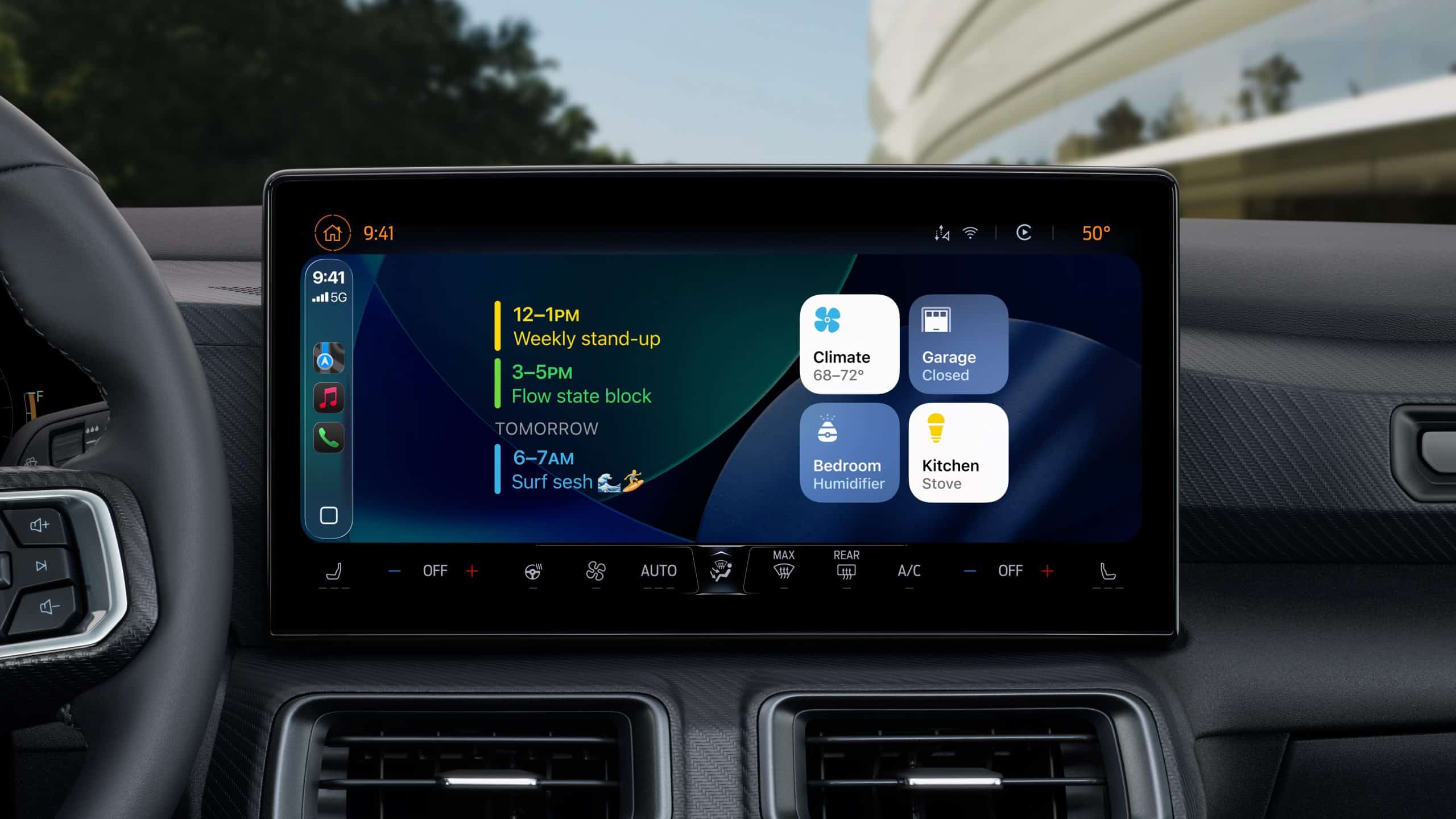
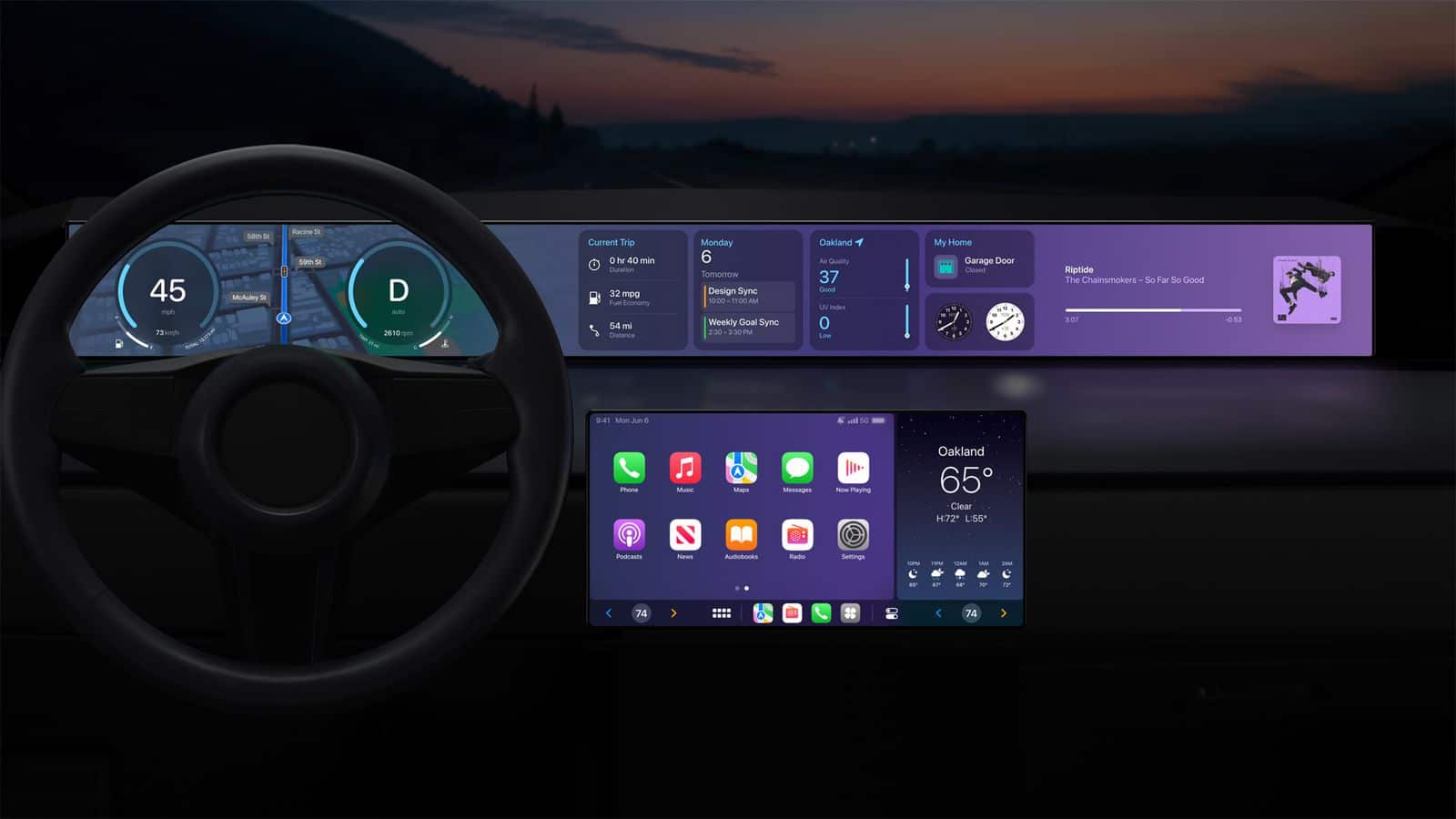
CarPlay apps - Apple’s next-generation CarPlay interface displayed across multiple in-car screens, showing customizable speedometer, widgets, and climate controls.

Sports and Driving Information Join the Dashboard

Sports apps are also finding a place in the car. Apple Sports and selected third-party services can provide scores or spoken updates without requiring drivers to follow a live visual feed.

Audio broadcasters already make sports a major part of CarPlay through radio and podcast services. Dedicated sports support makes it easier to reach a favorite team or competition directly.

Driving-task apps can handle functions such as recording mileage, managing road trips or communicating with fleet systems. These experiences are generally built for narrow purposes and use simplified controls.

Automaker apps form another category. Depending on the vehicle, they can expose controls for radio stations, climate functions, drive modes or other systems through CarPlay. Support is determined by the manufacturer and may differ between models.

How to Find CarPlay Apps on an iPhone

Compatible apps installed on the iPhone normally appear in CarPlay automatically. Users can decide which ones remain visible and change their order.

To organize CarPlay apps:

Settings > General > CarPlay > select the vehicle > Customize

Apps can be added, removed or rearranged from this screen. Removing an app from the CarPlay layout does not uninstall it from the iPhone.

An app may not appear when its developer has not enabled CarPlay support, the feature is unavailable in the region or the app needs to be updated. Some services also require an active subscription or account.

The safest layout keeps frequently used navigation and audio apps near the first page. Less essential services can remain farther back or be removed to reduce dashboard clutter.

More Apps Do Not Mean More Screen Time

The value of 120 CarPlay apps is not having 120 icons inside the car. It is having a useful service available when a particular trip requires it.

A daily commute may involve only Maps, Music and Messages. A road trip may add charging, parking, audiobooks and weather information. A workday could involve audio meetings and mileage tracking.

CarPlay’s restrictions remain part of its appeal. Apps are expected to simplify their interfaces, support voice interaction and limit detailed visual tasks. The system should reduce the temptation to use the iPhone rather than reproduce every distraction on a larger screen.

As iOS 27 expands capabilities for audio, communication, navigation and driving-task apps, the catalog is likely to keep growing. The more useful evolution will be deeper integration with the Dashboard, Siri and vehicle controls—not simply another row of icons.

The post CarPlay Apps: 120 Popular Options for Your Car appeared first on AppleMagazine.
  •  

Tesla says it’s building a wheelchair-accessible robotaxi in Texas

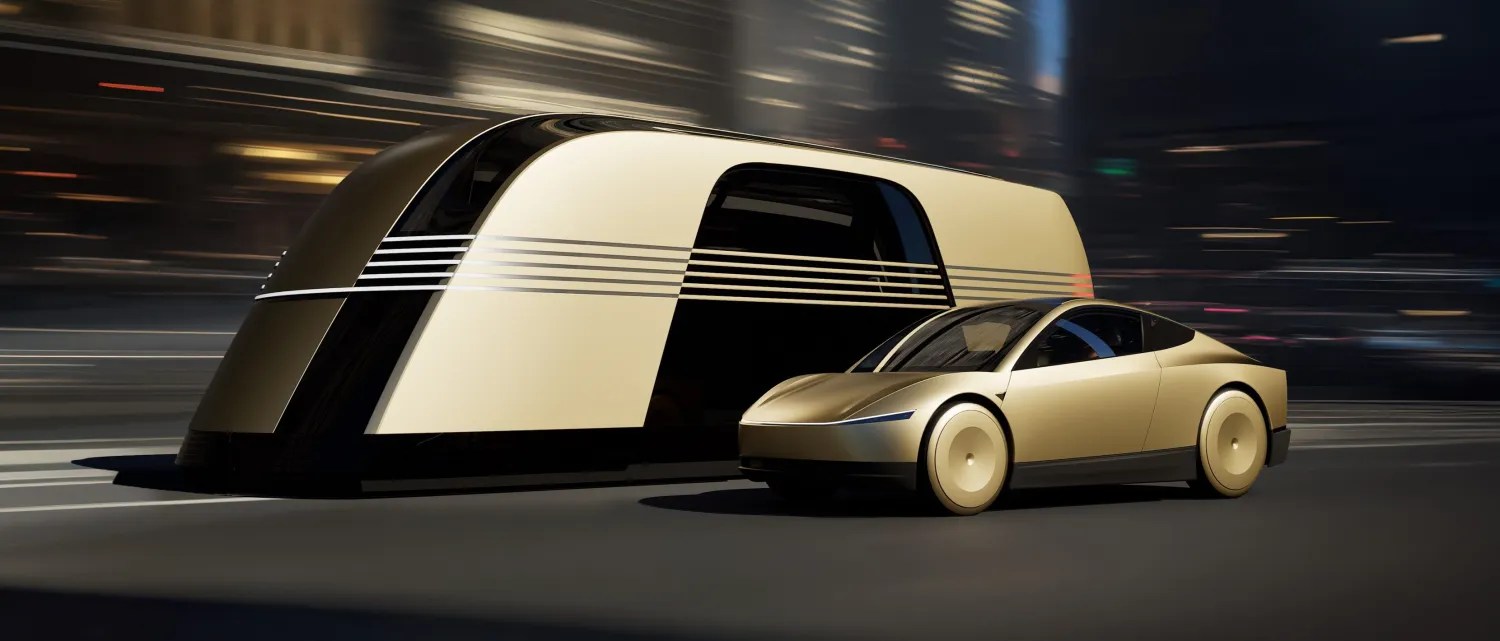
Tesla is building a purpose-built, wheelchair-accessible autonomous vehicle, a company policy advisor told lawmakers in Washington, DC, on Monday.

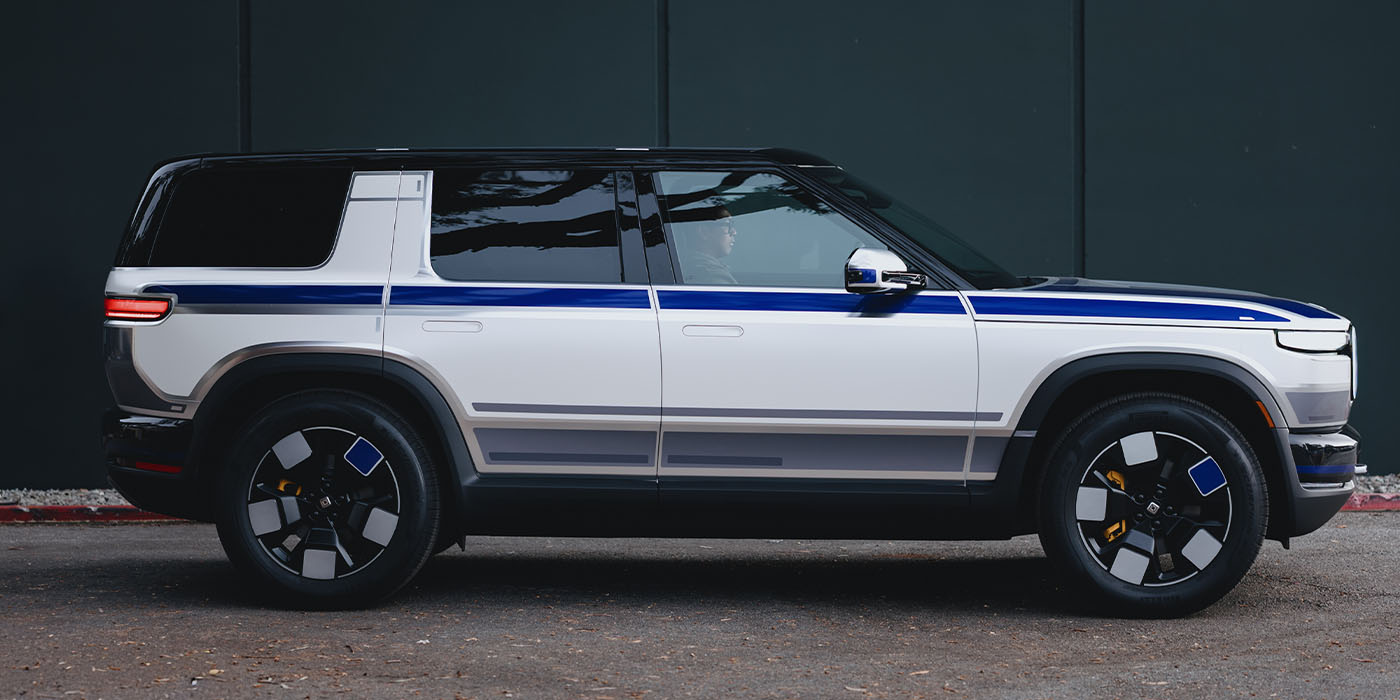
But Tesla gave no timeline, no vehicle, and no details, and it’s not clear the “active product” is anything more than the Robovan it unveiled nearly two years ago.

  •  

Tesla claims Cybercab driving employees at Giga Texas — in a parking lot

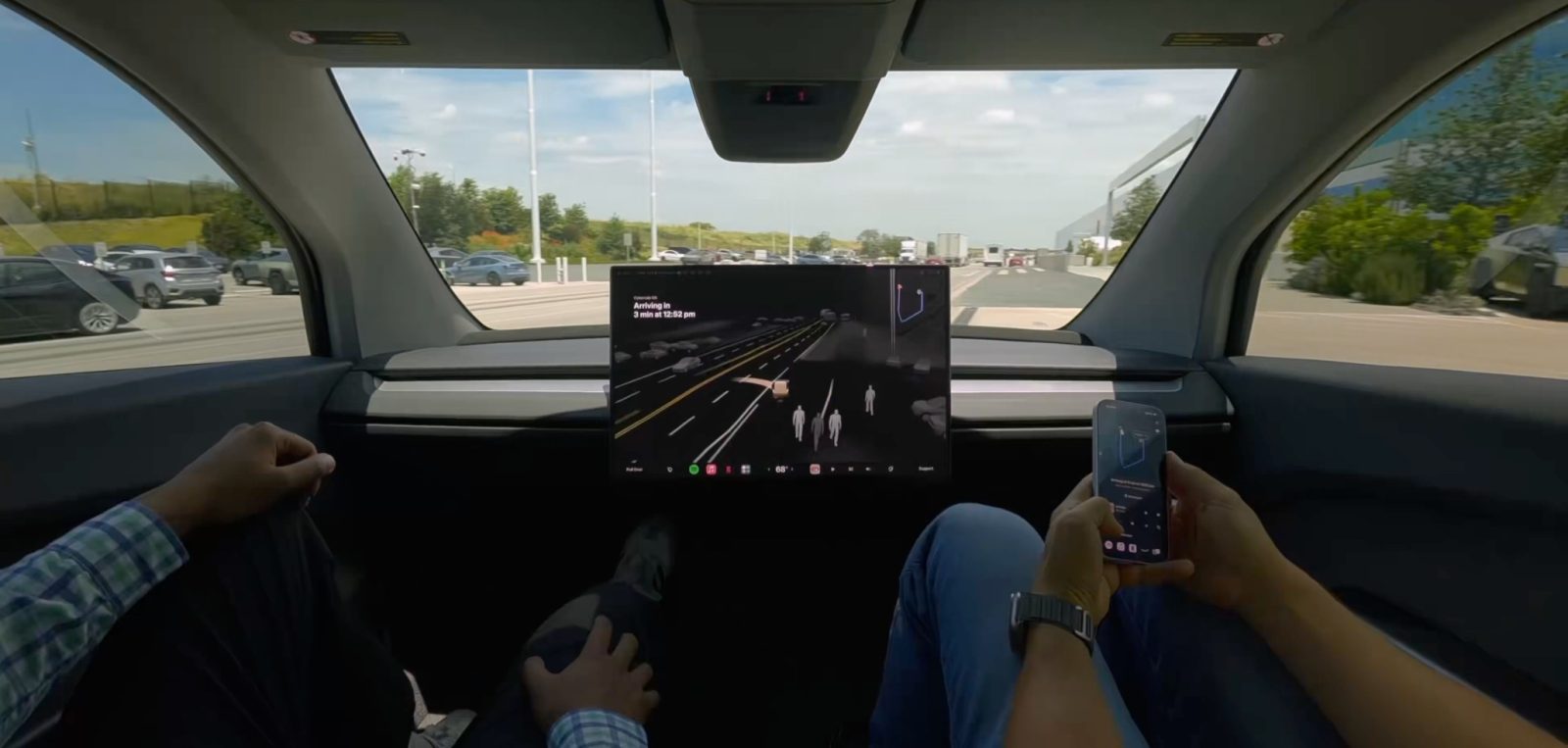
Tesla says “Cybercab employee rides at Giga Texas” are “starting soon” — its first stated step toward putting people inside the wheel-less, pedal-less robotaxi.

But the announcement, spread across two Tesla accounts and roughly 2.9 million combined views, is thinner than it sounds. It’s not clear whether Tesla means Cybercabs running a real ride service in Austin or simply driving employees around a factory parking lot.

  •  

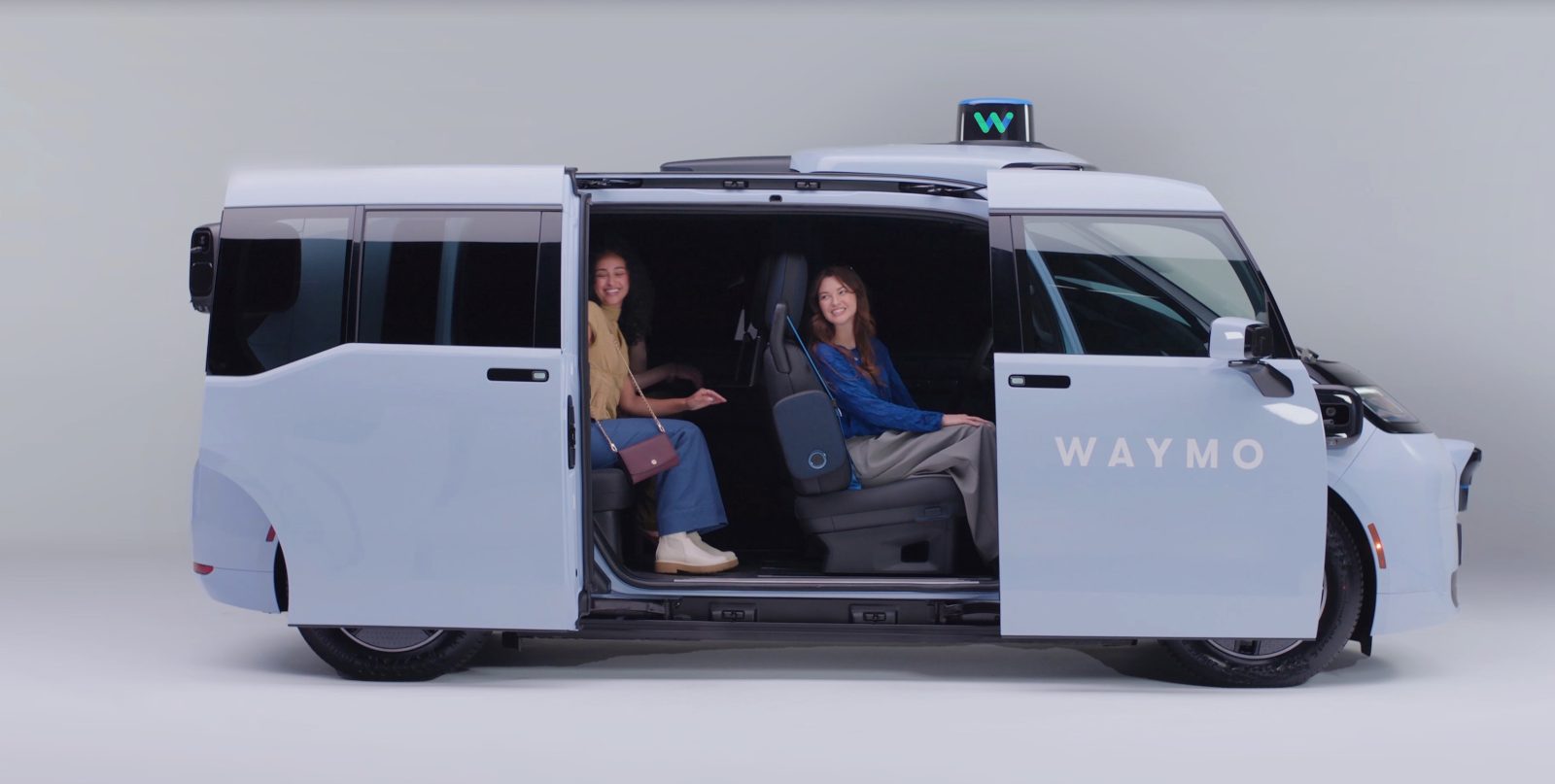
Waymo goes driverless in Las Vegas, with Denver, San Diego, Tampa next

Waymo has activated fully driverless operations in Las Vegas, its riders will now see vehicles with no human at the wheel, and the Alphabet unit says Denver, San Diego, and Tampa are next in line.

The move adds four new markets to Waymo’s driverless footprint and pushes the company deeper into its target of 1 million paid rides per week by the end of 2026.

  •  

Tesla sued over fatal crash in Texas home that killed 76-year-old woman

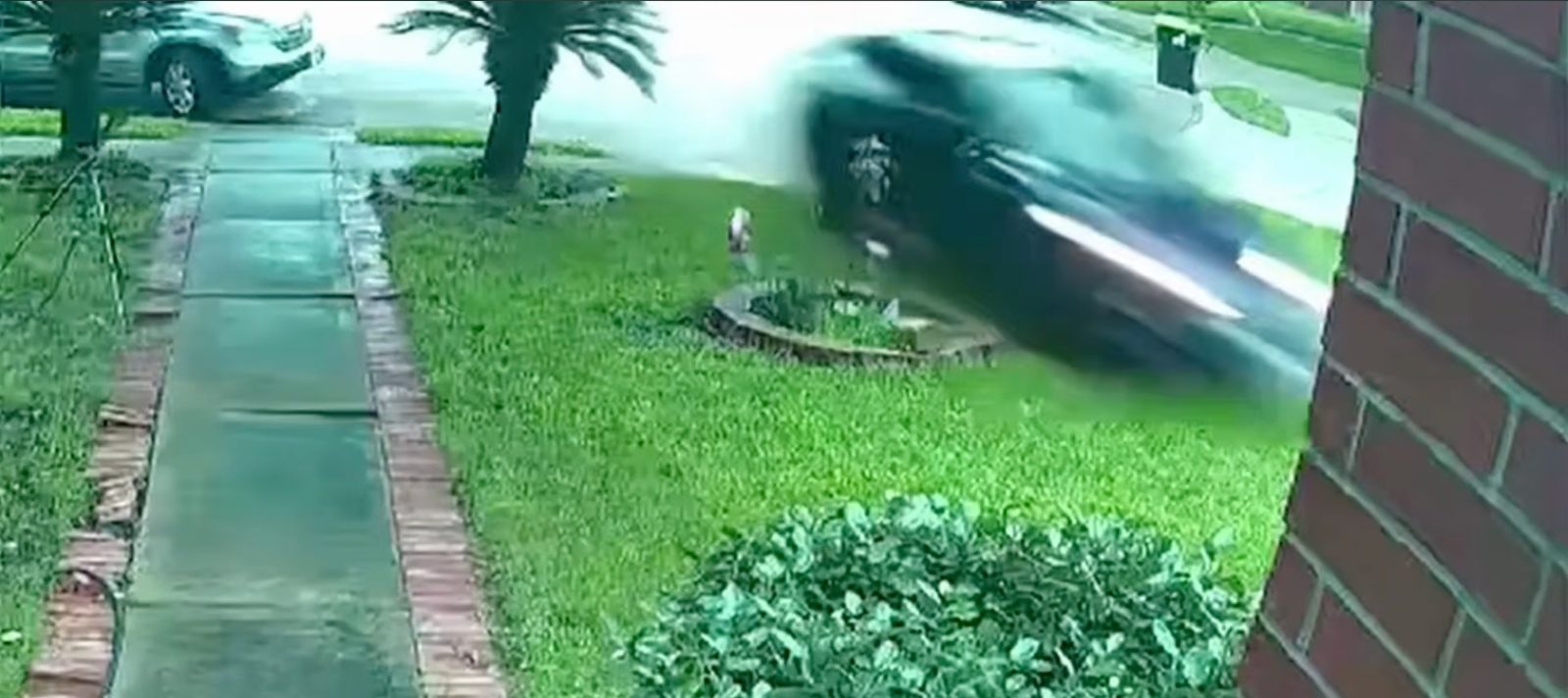
The family of a 76-year-old woman killed when a Tesla Model 3 crashed into her Katy, Texas, home has sued Tesla and the driver, alleging the company’s “Autopilot” and “Full Self-Driving” systems are defectively designed.

The wrongful death suit lands just days after the crash — and it leans on the same argument that produced last year’s landmark $243 million Autopilot verdict against Tesla in Florida.

  •  

Tesla admits FSD was on in fatal Texas crash, blames driver for ‘overriding’ it

Tesla now confirms that its self-driving system was engaged when a Model 3 left a residential road in Katy, Texas, and killed a 76-year-old woman inside her home — but the company says the driver overrode it by pressing the accelerator to 100%.

Everything points to a pedal misapplication while the car was under “Full Self-Driving.” Does that mean Tesla is not at fault?

  •  

NHTSA probes fatal Tesla crash into Texas home that killed woman

Federal safety regulators are now investigating the fatal Tesla crash in Katy, Texas, where a Model 3 left a residential road, tore through a brick home, and killed a 76-year-old woman inside.

The National Highway Traffic Safety Administration said Monday it is examining the June 20 crash, after the driver told deputies his Tesla was on Autopilot at the moment of impact.

  •  

Tesla driver says it was on Autopilot before fatal Texas home crash

A driver told Harris County investigators that his Tesla was on Autopilot before it left a residential road in Katy, Texas, crashed through the brick wall of a home, and killed a 76-year-old woman inside.

The crash happened around 8 p.m. Friday in the 21300 block of Rose Hollow Lane, according to the Harris County Precinct 5 Constable’s Office and the Harris County Sheriff’s Office.

  •  

Tesla HW3 claim grows to 7,000 owners, gets law firm backing for collective action

The Dutch collective claim against Tesla over broken “Full Self-Driving” promises on Hardware 3 vehicles has reached nearly 7,000 verified participants and secured backing from law firm Kennedy Van der Laan for a formal legal action.

The initiative, which launched in April with 3,000 signups in its first week, is now preparing to transfer the case to a foundation that will pursue the claim on behalf of all participants under Dutch collective action law.

  •  

Sweden tells EU to reject Tesla ‘FSD’ unless speeding is removed

Sweden’s transport authority has told the European Union it should vote against approving Tesla’s “Full Self-Driving (Supervised)” across the bloc unless the system’s ability to exceed posted speed limits is removed.

The recommendation, in a previously unreported April 30 letter to the EU’s Technical Committee on Motor Vehicles (TCMV), lands just before the committee is due to take up the matter on June 30, ahead of an eventual vote on a bloc-wide rollout.

  •  

Tesla teases new FSD features — but it’s still not the self-driving promised

Elon Musk says Tesla’s Full Self-Driving will soon remember your parking preferences and let you talk to it through Grok, like giving directions to an Uber driver.

The features sound useful, and they reflect how genuinely impressive FSD has become — but they also underscore that it remains a supervised driver-assist system, not the unsupervised self-driving Tesla has sold to owners for years.

  •  

Rivian CEO signals self-driving prices, like Tesla’s, will fall

Rivian CEO RJ Scaringe says the money automakers charge for self-driving software won’t last, comparing autonomy to airbags: a paid option today, baked into the price of every car tomorrow.

The comments, made in a new interview with WIRED, amount to a quiet warning shot at Tesla, which just moved its “Full Self-Driving” package to a subscription-only model at $99 per month.

  •  

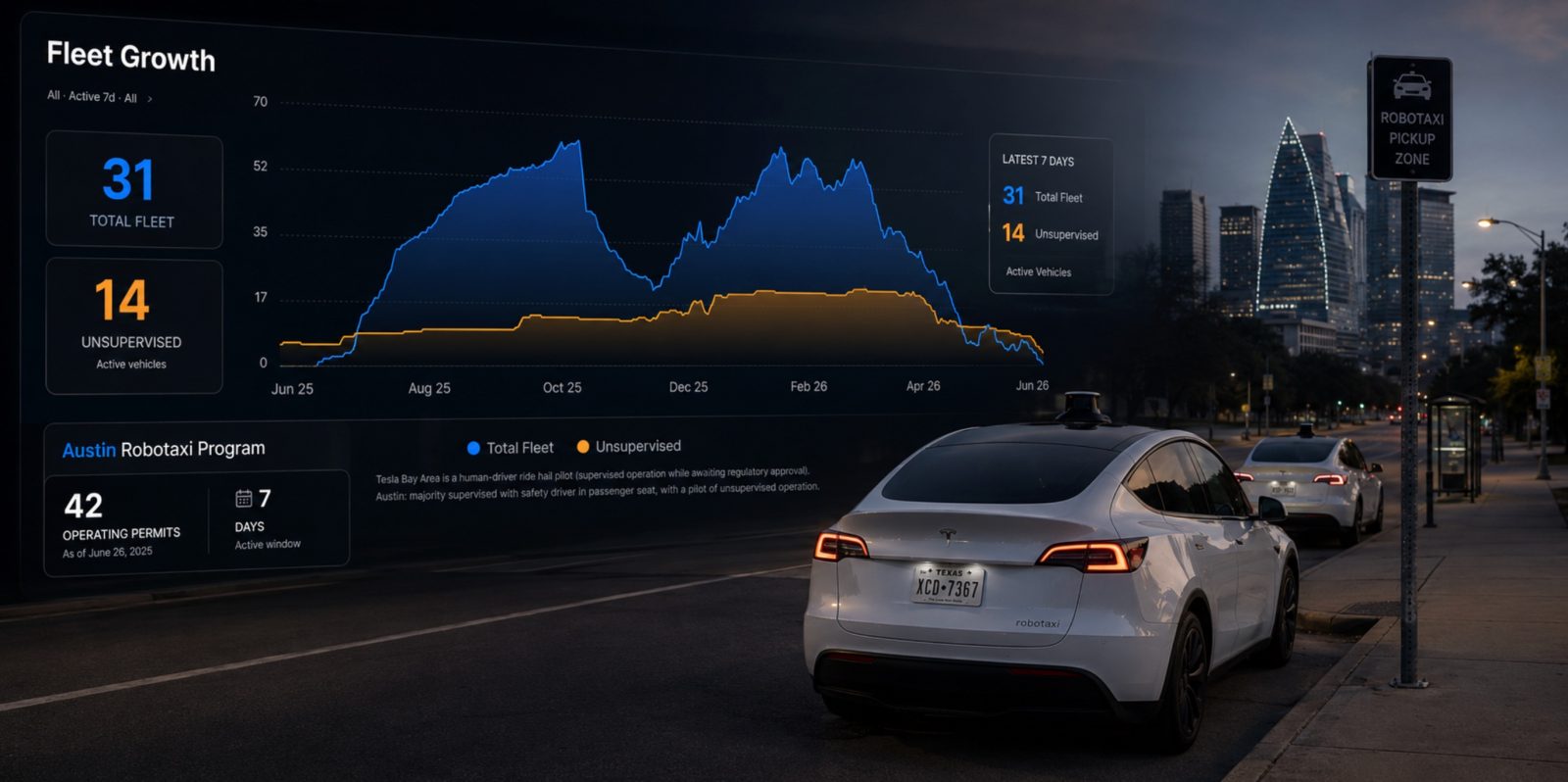
Tesla ‘Robotaxis’ are not crashing because they are not running

Tesla didn’t report a single at-fault “Robotaxi” crash in the latest NHTSA autonomous-vehicle data — its only fresh incident was a Model Y getting rear-ended while stopped, clearly the other driver’s fault.

That sounds like good news for Tesla’s safety record. But live fleet data points to the real reason the crashes have dried up: Tesla’s robotaxis are barely running, and the active fleet is shrinking a year into the program.

  •  

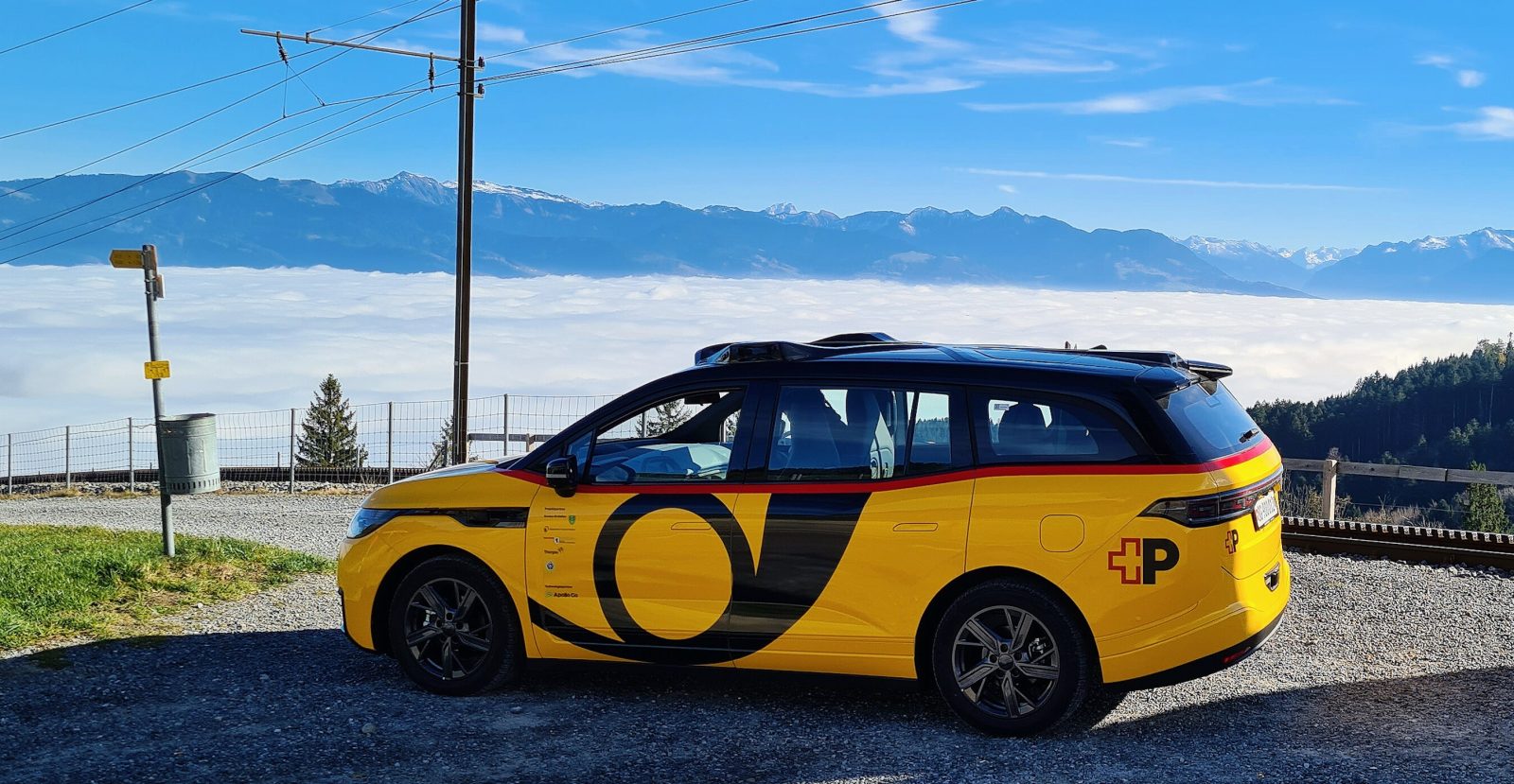
Baidu Apollo Go wins Level 4 robotaxi approval in Switzerland as AmiGo

Baidu’s Apollo Go has received a Level 4 autonomous driving permit in Switzerland for AmiGo, a robotaxi service it is running with Swiss Post’s PostBus, putting the Chinese tech giant ahead of Waymo and Tesla in deploying driverless vehicles into European public transport.

The Federal Roads Office (FEDRO) special permit covers an 80 km² service area across three eastern cantons, and Baidu says the project is on track to become the largest planned automated public transport operation of its kind in Europe.

  •  

Tesla presented misleading ‘Full Self-Driving’ safety data to European regulators

Tesla presented self-published and inflated “Full Self-Driving” safety statistics directly to government regulators in Sweden and the Netherlands as it lobbied for European approval, according to correspondence obtained by Reuters through public records requests.

The data includes a claim that FSD could have “saved 32,000 lives” — a figure that independent researchers say is based on the absurd assumption that every vehicle in the U.S., including freight trucks and motorcycles, would be replaced by an FSD-enabled Tesla.

  •  

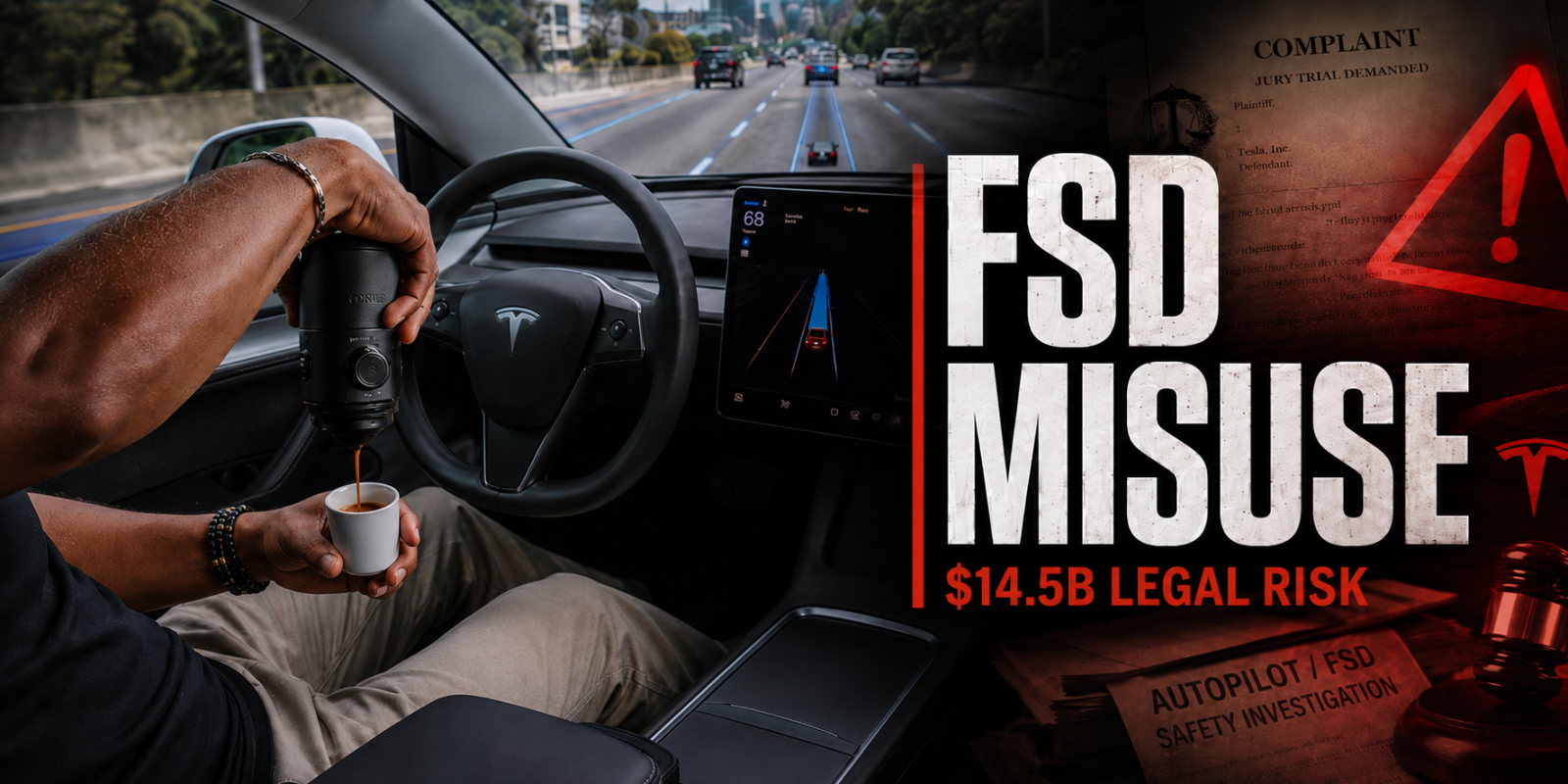
Tesla promotes FSD misuse in its own videos — undermining its legal defense

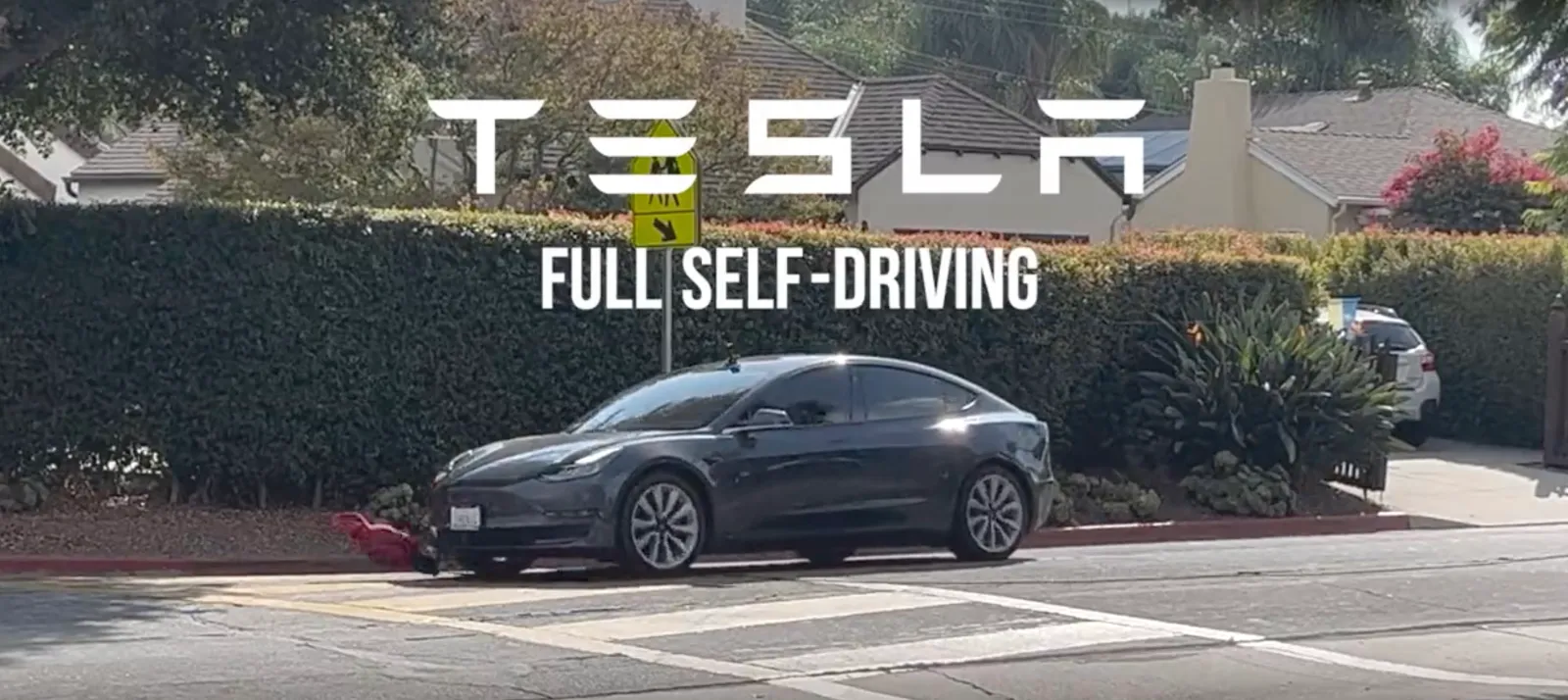
Tesla is facing up to $14.5 billion in lawsuits related to its “Full Self-Driving” and Autopilot systems — and the company’s own marketing department keeps making the problem worse. In two official promotional videos published in the last three weeks, Tesla showed a driver making espresso while FSD drives and shared footage where FSD committed multiple traffic violations in Denmark.

The problem is obvious: Tesla’s entire legal defense in crash lawsuits rests on the argument that drivers are responsible for supervising FSD at all times. But Tesla’s own promotional content actively encourages the opposite behavior.

  •  

Tesla ‘FSD’ approved in Denmark, 4th European country in 2 months

Denmark has provisionally approved Tesla’s “Full Self-Driving” (Supervised) system, making it the fourth European country to clear the software in roughly eight weeks.

The Danish Road Traffic Authority, Færdselsstyrelsen, confirmed the decision today — notably after Denmark had previously raised concerns about the technology at the EU level.

  •  

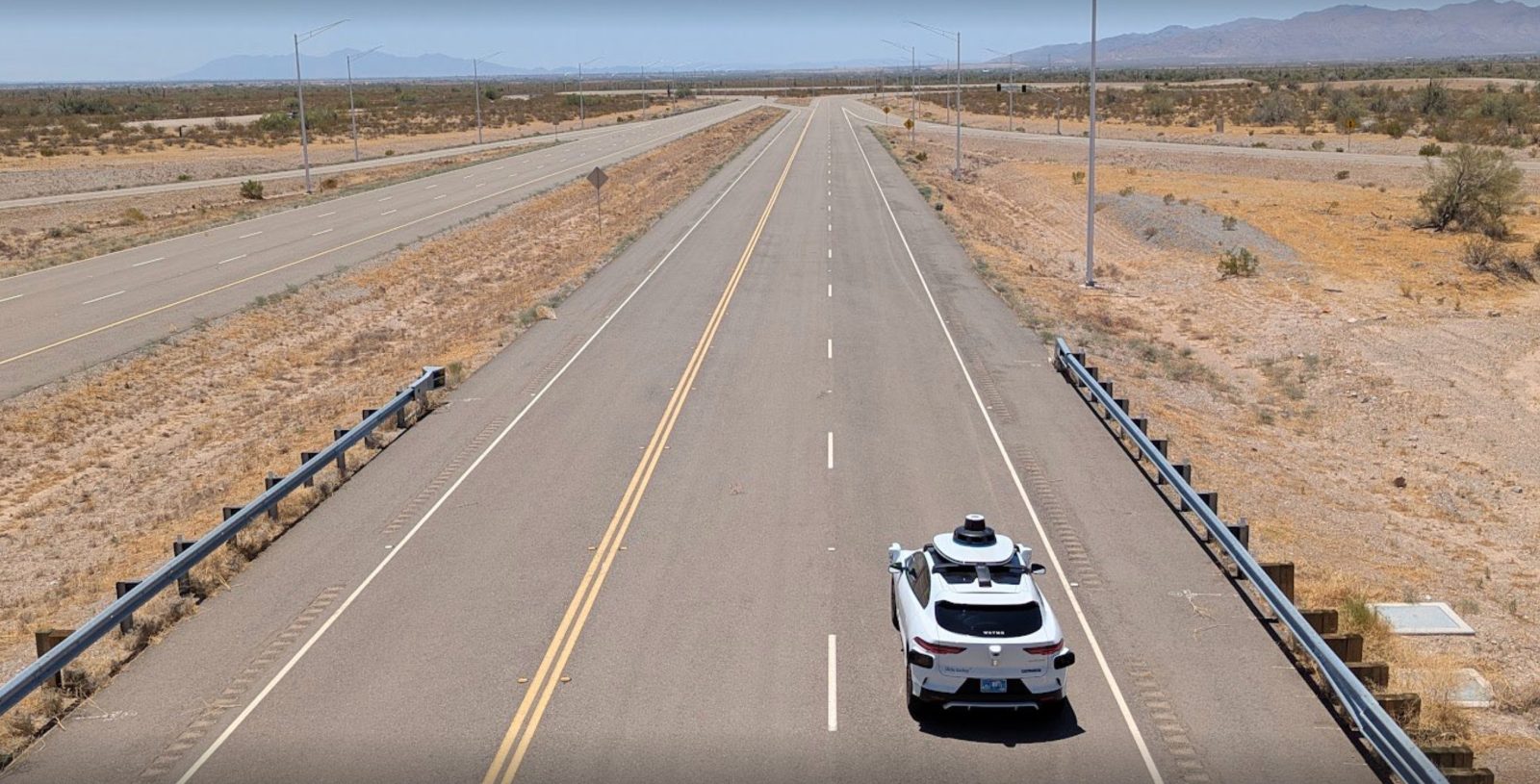
Waymo buys Apple’s abandoned self-driving car proving ground for $220M

Waymo has acquired a massive 5,500-acre autonomous vehicle proving ground in Wittmann, Arizona, for $220 million — nearly double the $125 million Apple paid for it in 2021. The facility was the centerpiece of Apple’s now-dead self-driving car program.

The deal, recorded June 5 in Maricopa County filings, adds a world-class test facility to Waymo’s infrastructure as the company races to scale its robotaxi fleet to 1 million weekly rides by the end of the year.

  •  

Xpeng spends $500M/year on AI training to beat Tesla FSD

Xpeng’s head of autonomous driving told Electrek that the company is spending roughly 300 million RMB (~$41 million) per month on AI training alone and believes it has already reached parity with Tesla’s FSD v13 — with v14 within reach before the end of summer.

I sat down with Dr. Xianming Liu, head of Xpeng’s General Intelligence Center, the day after he delivered a keynote at CVPR 2026 in Denver — sharing the stage with Tesla’s Ashok Elluswamy and leaders from Nvidia and Waymo at one of the world’s top computer vision conferences.

  •  
❌