Jio Platforms, which owns India’s largest telco, is looking to lease broadband capacity from satellite constellations to jumpstart its own sovereign LEO network in the country.
If you've been considering changing your NBN plan to one that's more affordable or perhaps even faster than what you currently have, now's the time to shop around.
British small satellite specialist Open Cosmos is seeking more time to deploy its proposed sovereign broadband constellation for Europe after running into launch issues.
The Federal Communications Commission has waived a requirement for Amazon to launch half of its satellite broadband constellation by the end of July, a key regulatory reprieve that buys the tech giant time to get more of its spacecraft into orbit.
Amazon won regulatory approval for the Amazon Leo network in July 2020. The FCC's authorization came with two deadlines. First, Amazon had to launch half of its 3,232 satellites by July 30, 2026, in order to maintain authorization to launch the rest of the network. The regulator gave Amazon a deadline of July 30, 2029, to have all of its first-generation satellites in orbit.
It has been apparent for some time that Amazon would not meet the FCC's requirement to launch half of its satellites—1,616 spacecraft—by the end of next month. Amazon filed an application in January requesting the FCC extend the deadline to July 2028 or waive it altogether. The commission decided on the latter option, removing any time limit for the 50 percent deployment milestone, but keeping the July 2029 deadline in place for the entire constellation.
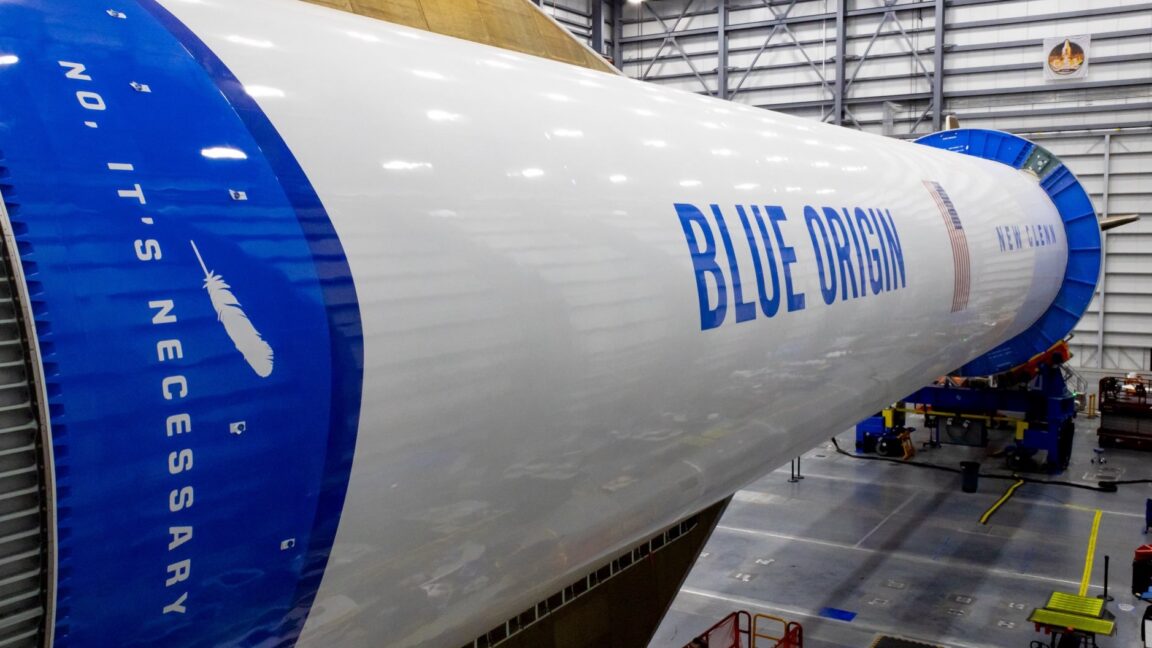
It was less than two months ago that the third flight of Blue Origin's heavy-lift New Glenn rocket left a customer's payload in an unusable orbit. Investigators have now identified the cause of the failure, and Blue Origin is preparing to launch the next New Glenn mission as soon as next week.
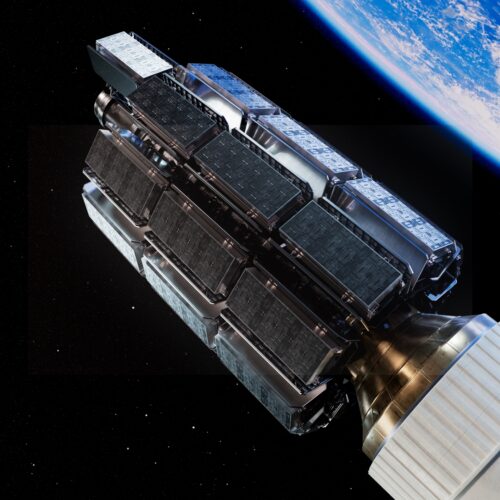
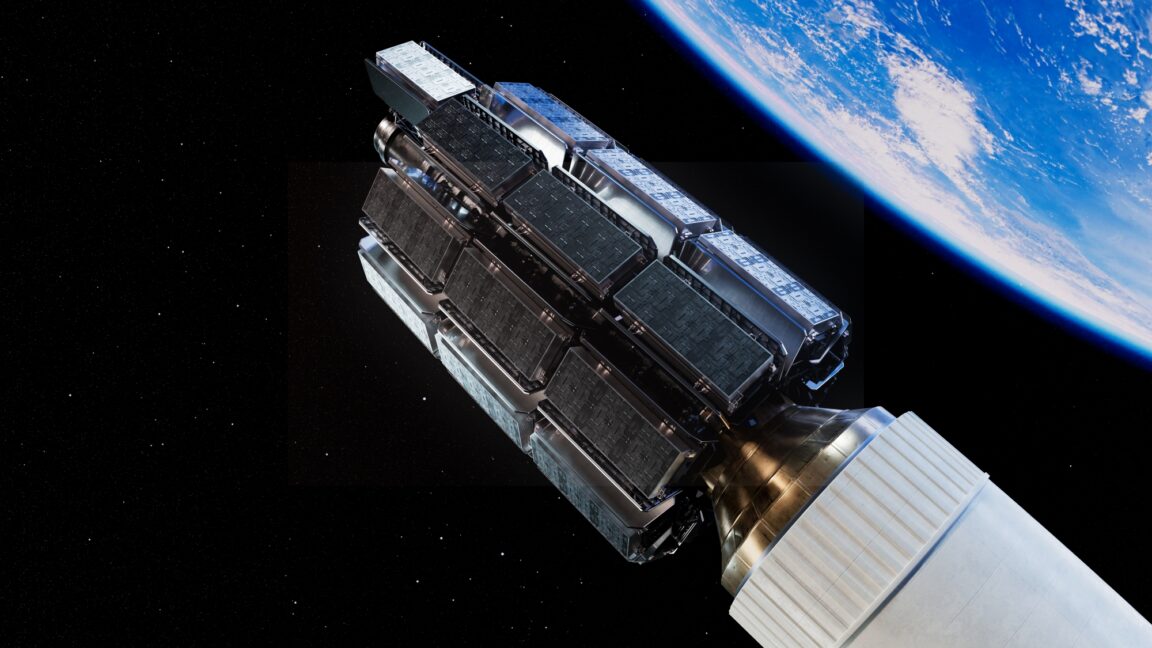
The Federal Aviation Administration and Blue Origin announced the closure of the failure investigation May 22. Yesterday, officials confirmed Blue Origin's next launch will loft a payload of 48 commercial satellites for Amazon's broadband network in low-Earth orbit. This will be the most satellites Amazon has launched on a single rocket, surpassing previous flights on United Launch Alliance's Atlas V, SpaceX's Falcon 9, and Europe's Ariane 6.
Blue Origin and Amazon, each founded by Jeff Bezos, have not officially revealed a target launch date, but public notices of airspace and maritime closures suggest the mission is set to lift off from Cape Canaveral Space Force Station, Florida, as soon as next Thursday, June 4. Blue Origin is expected to roll the New Glenn rocket to its launch pad in the coming days for a test-firing of its seven main engines, fueled by liquified natural gas and liquid oxygen.

 Login