❌

Reading view

Great Barrier Reef Acropora deaths tied to climate swings and human pressures

A new analysis revisits the Great Barrier Reef’s past losses of Acropora corals, showing that reef decline was not only a modern story of warming oceans. Using historical ecological records alongside climate-linked environmental data, the study links earlier episodes of Acropora mortality to shifting variability in ocean conditionsβ€”factors that can amplify heat stress even before today’s extremes fully arrive. The findings suggest that the reef’s vulnerability has deep roots, shaped by how the atmosphere and oceans interact over time.

The researchers focus on Acropora, a genus that forms structurally complex habitats and supports high biodiversity. When these branching corals die, the consequences cascade: shelter and food sources shrink, juvenile recruitment becomes harder, and reef recovery slows. Their approach connects mortality signals across time to measures of climate variability, aiming to distinguish natural swings from persistent human-driven pressures.

Clues come from patterns consistent with stress events driven by warmer-than-usual water, altered temperature dynamics, and changing conditions that influence coral physiology. Importantly, the work frames these stressors as interacting rather than acting alone. Climate variability can raise the frequency and severity of harmful conditions, while human impacts provide chronic background stress that reduces coral resilience.

The study emphasizes that anthropogenic impactsβ€”such as local water-quality degradation and other human pressuresβ€”can intensify the damage caused during climate-driven heat or disturbance events. In this view, the reef does not simply β€œsurvive” or β€œcollapse” based on temperature alone; it fails when multiple stressors converge, tipping corals past thresholds for survival and regrowth.

This β€œmulti-stressor” model matters for forecasts. If past mortality aligns with periods of heightened climate variability, then future reef risk depends not only on long-term warming trends but also on how variability evolves. That means management strategies must be tuned to both the climate signal and the local pressures that determine how quickly corals can bounce back after shocks.

The authors also highlight that historical mortality patterns can function like a preview of likely future dynamics. Instead of treating recent bleaching as the first chapter, the analysis portrays a longer timeline of stress accumulation. The reef’s trajectory, they argue, reflects a system that has repeatedly been strained and partially recoveredβ€”until cumulative impacts made recovery less complete.

With the Great Barrier Reef facing intensifying marine heatwaves, this work adds urgency to climate mitigation and local conservation. It suggests that reducing human pressures can buy time by strengthening coral tolerance, even as global temperatures continue to rise. In viral science terms, the message is clear: the reef’s past predicts its futureβ€”and human actions can still change the ending.

Subject of Research: Great Barrier Reef coral (Acropora) mortality
Article Title: Past Acropora mortality on the Great Barrier Reef linked to climate variability and anthropogenic impacts.
Article References: Clark, T.R., Leonard, N.D., Jupiter, S.D. et al. (2026). Commun Earth Environ. https://doi.org/10.1038/s43247-026-03800-9
Image Credits: AI Generated
DOI: 10.1038/s43247-026-03800-9

  •  

This Everyday Fruit May Quietly Improve Heart Health

Many people believe they need a strict diet to improve heart health, but new research suggests that one small daily habit may still make a difference. Scientists from Penn State examined whether eating one avocado every day could improve markers linked to heart disease in adults with obesity. Their findings, published in the Journal of […]

The post This Everyday Fruit May Quietly Improve Heart Health appeared first on Knowridge Science Report.

  •  

This Stuff in Your Mouth May Damage the Heart

Millions of adults have gum disease, but many do not realize that it is more than a dental problem. Gum disease happens when harmful bacteria grow around the teeth and gums. Over time the gums become swollen, sore, and may bleed easily. If the infection continues, bacteria can enter the bloodstream and travel to other […]

The post This Stuff in Your Mouth May Damage the Heart appeared first on Knowridge Science Report.

  •  

Could Invisible Microplastics Raise Your Risk of Heart Attacks?

Plastic has become part of everyday life. It is used in food packaging, drink bottles, clothing, household products, cars, and countless other items. As these products wear down, they release tiny pieces of plastic into the environment. Some of these particles are called microplastics, while even smaller ones are known as nanoplastics. These particles are […]

The post Could Invisible Microplastics Raise Your Risk of Heart Attacks? appeared first on Knowridge Science Report.

  •  

The social media ban sceptic: are we getting it wrong on kids, tech and mental health?

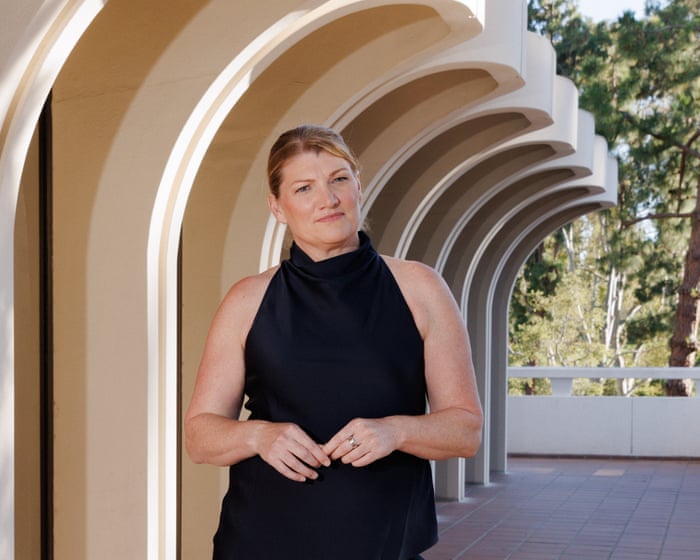
Psychologist Candice Odgers has studied adolescent mental health for 25 years. She fears the current debate around smartphones obscures some of the biggest issues facing teenagers – from the impact of Covid to the health of their adult caregivers

The quickest way to make being online safer for children and teens would be to kick all adult men off the internet, the Canadian psychologist Candice Odgers believes. Men are the biggest perpetrators of sextortion and most likely to spread misinformation, she says.

Odgers is not recommending this as a policy for governments to adopt: β€œThat would be crazy, right? It would be unfair.” But she is on a drive to puncture the prevailing narrative that the best way to address online harms is a social media ban for teenagers.

Continue reading...

Β© Photograph: Jessica Pons/The Guardian

Β© Photograph: Jessica Pons/The Guardian

Β© Photograph: Jessica Pons/The Guardian

  •  

Natural Compound Found in Cheese and Mushrooms May Help Boost Vaccine Responses

Vaccination Female Doctor Holding Vaccine SyringeResearchers have found that the natural compound spermidine can help improve vaccine responses in older adults by reducing molecular markers of immune system aging. A vaccine shot can look the same from one arm to the next, but the immune system beneath the skin may not respond with the same force. In older adults, that [...]
  •  

A Deadly Ebola-Like Virus Is Spreading. Are We Ready?

Ebola Virus Artist's ConceptBU virologist Nancy Sullivan says the Bundibugyo outbreak in the Democratic Republic of the Congo underscores the need for broader outbreak preparedness. The death of a nurse marked the moment health officials recognized that something dangerous was spreading. The illness was Bundibugyo virus, a rare but potentially deadly infection now driving a growing outbreak in [...]
  •  

Two Drinks a Day May Be Riskier Than Many Americans Think

Doctor Rejecting Wine AlcoholAlcohol risk appears to increase beyond one drink per day, even at levels often described as moderate. Alcohol is often treated as a routine part of social life, but a new analysis suggests that even levels many Americans consider moderate carry measurable health risks. The study links drinking with a higher chance of death, disability, [...]
  •  

A Troubling Breast Cancer Trend Is Emerging in Asian American Communities

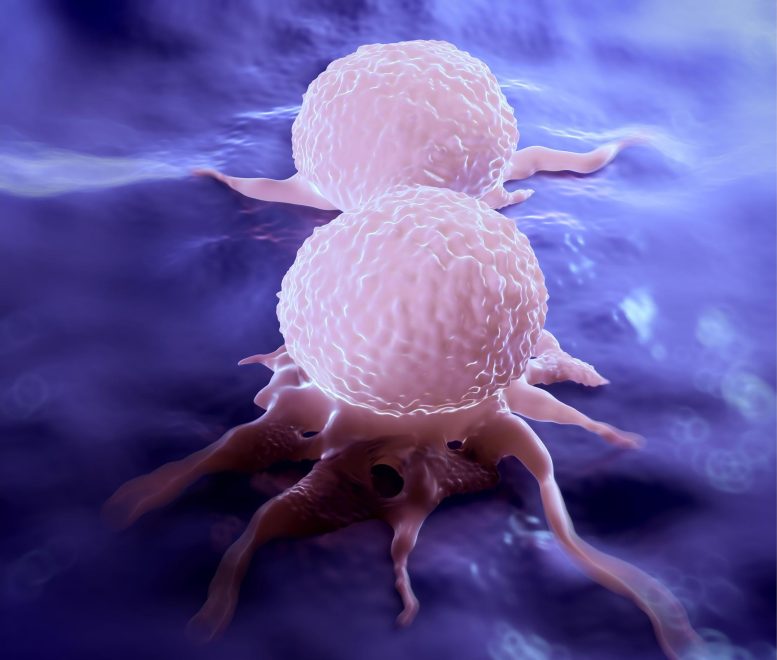
Breast Cancer Cells Dividing IllustrationBreast cancer patterns are shifting rapidly in several Asian American communities. Breast cancer has long been considered less common among Asian American women than among white women in the United States. A new UC San Francisco-led study suggests that this pattern is changing quickly, especially among younger women and in some aggressive forms of the [...]
  •  

Scientists Have Identified a Key Driver of Age-Related Cognitive Decline

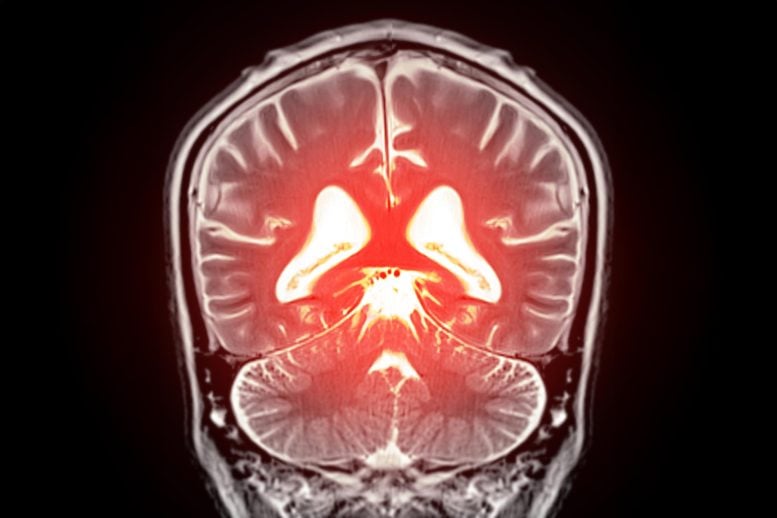
Dementia Diagnostics MRI Brain ScanA newly identified protein pathway may link blood-brain barrier deterioration to age-related cognitive decline. The aging brain depends on a microscopic border that works every second to keep danger out and support the nerve cells inside. When that barrier begins to fail, memory, mood, and thinking may suffer. Andrew A. Pieper, MD, PhD, and colleagues [...]
  •  

8 Science-Backed Ways To Sleep Better in Hot Weather

Young Woman Good SleepStruggling to sleep in the heat? The good news is that a handful of easy cooling tricks can help your body stay comfortable and make hot nights far more bearable. When temperatures rise, sleep often suffers. Hot nights can make it harder to fall asleep, increase waking during the night, and leave people feeling less [...]
  •  

Study Reveals a Surprising Link Between Birth Control Pills and Binge Eating

Woman Junk Food Binge Eating DisorderA large longitudinal study examined whether hormone exposure from combined oral contraceptives is associated with changes in emotional eating. Hormonal birth control is widely used, but its effects can extend beyond pregnancy prevention. New research suggests that, for some women, the active hormone pills in combined oral contraceptives may also influence eating behavior. In a [...]
  •  
❌