❌

Reading view

Oura Ring 5 review: a luxury smart ring for discreet everyday wellness tracking that’s (almost) easy to forget you’re wearing

Oura Ring 5: Two minute review

I've been going around in circles writing this Oura Ring 5 review. On the one hand, I find the health insights equally fascinating and motivating just like the best smart rings, and its discreet design is without a doubt comfortable to wear all day long.

But it's worth noting that Oura has been facing increasing backlash after deepening its partnership with the Department of Defense in the US last year, which is something ethically-conscious buyers may want to look into before purchasing.

That said, its ability to track more than 50 health and wellness metrics, such as sleep quality and stress levels, is undeniably enticing for anyone wanting to be more aware of their body — and the launch of this newest model brought a whole host of new insights.

What I will say is that the Oura app does try to include a lot of context about how these measurements can be interpreted and how they contribute to‚ for example, determining how prepared your body is for the day ahead based on a range of metrics, which Oura calls your 'Resilience Score'. But, again, this only scratches the surface of understanding how your body actually functions.

The best example of these assessments triggering misguided concern was when I got warnings from a feature called 'Symptom Radar', which tracks your respiratory rate and body temperature to flag signs of strain. What it didn't take into account was that a woman's body temperature naturally rises after ovulation, making its assessment unnecessarily worrying for anyone who didn't know that.

I can't deny that its claim to be the world's smallest smart ring at launch really does hold up — its lightness makes it disappear on your finger, making it ideal for everyday wear. With six stylish finishes and an even more scratch-resistant titanium surface, it's no wonder it's made headlines in the wearable tech space, with plenty of influencer reviewers fawning over the all-new Oura Ring 5.

By now you've definitely noticed my to-ing and fro-ing as I work through every side of the Oura Ring 5 to reach an honest and fair review. I won't say it's the most perfect smart ring on the market — that would be ignoring too much — but I will say it comes close. I can't argue with its premium build and the level of tech packed into those tiny sensors, which manage to achieve high levels of accuracy. That's impressive in itself, and

Oura has been facing increasing backlash after deepening its partnership with the Department of Defense in the US last year, although it doesn't use data from any of its users other than specific military personnel as part of this arrangement. It's also worth keeping in mind that there have been studies raising concerns about 'health data anxiety', and Oura's attempt to bring new biomarkers into play have given us a whole new category to worry about. But at the end of the day, I'm a sucker for brilliant tech — which the Oura Ring 5 definitely is.

Oura Ring 5: Price and availability

A close up of the Oura Ring 5 on a table

(Image credit: Future)
  • $399 / £399 / AU$649 (each) for two base finishes
  • $499 / £499 / AU$799 (each) for four premium styles
  • $5.99 monthly subscription (priced in USD across all regions)
  • $99 / £99 / AU$159 for the Oura Ring 5 travel case

The Oura Ring 5 costs an extra $50 / £50 / AU$80 — or $100 / £100 for a premium finish — compared with the Oura Ring 4, which launched in 2024. (Australian pricing doesn't appear to carry the same premium finish gap.)

Beyond the high-gloss gold and silver finishes, you're paying an extra $100 / £100 / AU$150 for any of the four premium styles: a softer gold, brushed silver, matte black, and — the color I tried — deep copper rose.

Add the $5.99 monthly subscription, and you're looking at up to $670 / £670 / AU$1,029.88 to own an Oura Ring 5 for a year, if you go for the most expensive finish plus the travel case.

That's no small sum when most smart rings on the market cost less and many don't require a recurring subscription. There are also plenty of wearable alternatives that track the same health vitals, which makes this very much a luxury purchase.

  • Value score: 2/5

Oura Ring 5: Design

A close up of the Oura Ring 5 with a plant sitting behind it

(Image credit: Future)
  • The closest a smart ring has come to looking like luxury jewellery
  • Extremely low-profile and light, making it comfortable to wear all day
  • An easy-to-use companion app with a clean UI

By far the best justification for the Oura Ring 5's high price tag is that it could easily pass for a piece of jewellery. That's largely down to a 40% decrease in size from the previous model, the result of Oura redesigning the entire core.

That freed up space to drop multiple sensors, but it hasn't made the Ring 5 any less accurate — Oura has increased the efficiency of the remaining sensors to offset the loss. The titanium surface is also more scratch-resistant; I can't compare it directly to a previous model, but it hasn't picked up a nick yet.

What I can say is that the Oura Ring 5 is significantly smaller than the Ring 4. Holding it up against a previous-generation ring (admittedly the bulkier ceramic finish), I was shocked at how noticeable the size difference is. It's lighter and far more comfortable to wear, since it doesn't protrude — and therefore doesn't rub against — my finger as much.

That same design ethos carries through to the Oura app, which has a minimalist interface that isn't cluttered with numbers and graphs. Instead, data is presented as scores with percentages and ratings for each health vital. It's easy to use, though it's worth noting that the app needs a certain amount of data to establish your health baseline, so you won't have access to every feature right away.

  • Design score: 5/5

Oura Ring 5: Features

Three iPhone cutouts showing the Oura Ring app

(Image credit: Future)
  • Tracks vitals including body temperature, heart rate, and respiratory rate
  • AI wellness assessments for sleep, stress, resilience, and more
  • Activity tracking lags behind more dedicated fitness wearables

After two weeks of wearing the Oura Ring 5, I've unlocked most features — sleep, resilience, and activity scores — which now populate what was once a fairly bare home screen.

The Oura app works best with more data, so it's constantly prompting you to add new "tags" to your day's timeline. Some are automatic, like detecting exercise, while others — what you ate, or what kind of activity you did — require manual logging.

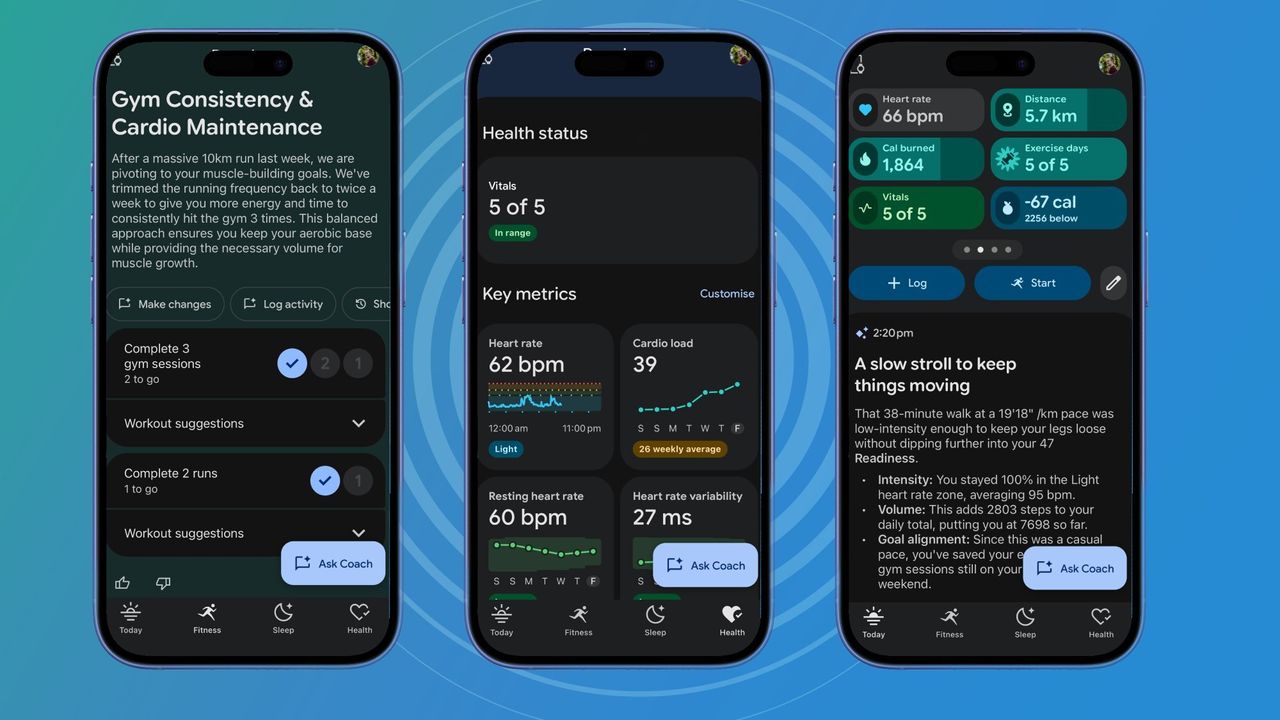
The app's other three main sections cover your vitals, a health assessment area, and an LLM chatbot you can talk to about your data. That last part matters, because as I mentioned above, there's plenty of room for misleading interpretations if you don't understand the many factors behind your body's vitals.

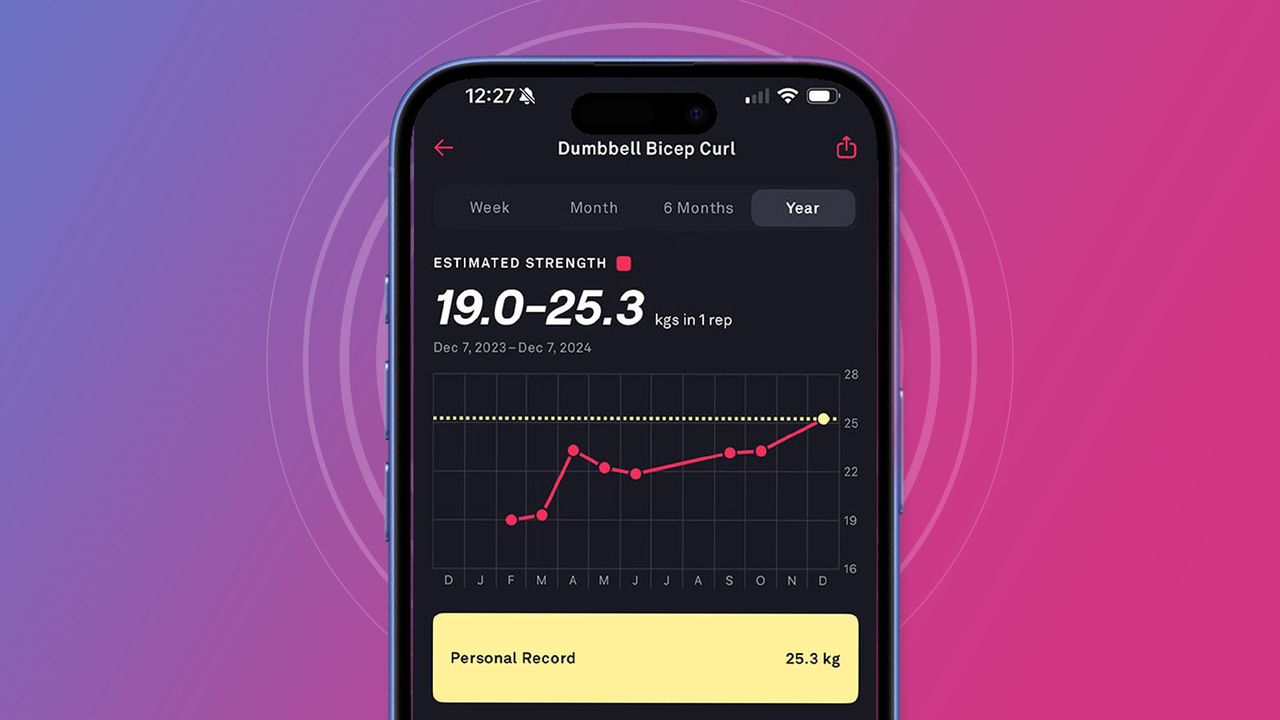
I got a lot out of learning more about my sleep quality and general heart health (the app has a neat feature that lets you feel your heartbeat throughout the day via your phone's haptic feedback), but what I'm most interested in unlocking next are the new women's health features, such as Hormonal Birth Control, which builds on the existing Cycle Insights dashboard with what Oura calls a "first-of-its-kind" view into how biometrics shift across hormonal and hormone-free days.

While I find the wellness insights genuinely useful, the ring is nowhere near as practical as a dedicated fitness tracker. Without GPS — it relies on a paired device for location — and limited to activities compatible with wearing jewellery on your hand (so no weightlifting without a third-party silicone band over the top), it falls short, even with the addition of real-time tracking — which, again, you can only view through a paired device).

  • Features score: 4/5

Oura Ring 5: Performance

The Oura Ring 5 perched on top of a green iPhone 13

(Image credit: Future)
  • Battery life has increased to seven days
  • Automatic activity tracking has been accurate
  • Sleep and heart rate tracking data is in line with our benchmark device

One of the biggest improvements that the Oura Ring 5 brings over the Ring 4 is that has managed to squeeze out a whole extra day of battery life, despite the ring itself being redesigned to be 40% smaller.

During my testing, I found it lasted a whole seven days on one full charge. But I was more impressed with was how quickly you can charge the smart ring. From a fully drained battery, it took less than an hour until it was all way back up to 100%, which means it's very easy to top it up throughout the week whenever you're, say, washing dishes or having a shower.

For the most part, I kept the Oura Ring 5 on throughout the day, allowing it to track my vitals as I moved from home to work to seeing friends, exercising and cooking, which it does very well. Most of the automated tracking suggestions were accurate, allowing me to quickly confirm all of the day's activities when I next checked into the app.

This same accuracy extends to the sleep data, which is the absolute highlight of the Oura Ring 5's feature set. I found the insights both enlightening and motivating, especially after getting my first sleep score as (like any gamification effect) I began trying to reach a new higher level. My testing also confirmed this when my readouts for my average heart rate managed to be within 3 BPM of the Polar H10 chest strap, which is the gold standard for consumer heart rate and workout accuracy as it uses actual ECG (electrocardiogram) technology.

Average heart rate

Oura Ring 5
115
Polar H10
112
037.575112.5150
Average heart rate Data
ProductValue
Oura Ring 5115
Polar H10112
TechRadar Logo
  • Performance score: 5/5

Oura Ring 5: Scorecard

Category

Comment

Score

Value

An extremely luxury smart ring compared to others on the market.

2/5

Design

The most discreet and comfortable smart ring to wear all day.

5/5

Features

Stacked on the wellness front, but not when it comes to fitness.

4/5

Performance

A whole week's worth of battery, with accurate sleep tracking.

5/5

Oura Ring 5: Should I buy?

A hand wearing the Oura Ring 5 against some leaves

(Image credit: Future)

Buy it if...

You want wellness tracking
From stress to sleep, you can turn your health vital's raw data into useful insights.

You want a smart ring that looks like jewellery
The smart ring manages to be stylish, small and light, and comfortable.

Don't buy it if...

You don't want to spend more than you need to
You can find smart ring alternatives that deliver the same benefits for a lot less.

You want a fitness tracking wearable
There are far more feature-rich fitness trackers available at a more affordable price.

Also consider

Component

Oura Ring 5

Samsung Galaxy Ring

Price

From $399 / £399 / AU$649

$399 / £399 / AU$699

Colors

Gold, Silver, Brushed Silver, Premium Gold, Stealth Black, Rose Gold

Black, Titanium Gold, Titanium Silver

Material

Titanium

Titanium

Weight

Between 2 (size 6) and 2.6g (size 13)

2.3g (size 5) 3.0g (size 13)

Battery life

Up to 7 days

Up to 7 days (ring), up to 6 charges (cradle)

Connectivity

Bluetooth 6.0

Bluetooth 5.4

Sensor array

Updated Smart Sensing array

PPG, accelerometer, skin temperature

Water resistance

IP68

IP68

GPS?

No

No

How I tested

I wore the Oura Ring 5 for two weeks, draining the battery completely (despite the app advising against letting it go below 30%). I have some gaps in my data from forgetting to put it back on, but I mostly didn't take it off. I tested the ring's heart rate monitoring accuracy against the Polar H10 chest strap, and compared its design to a ceramic Oura Ring 4.

  •  

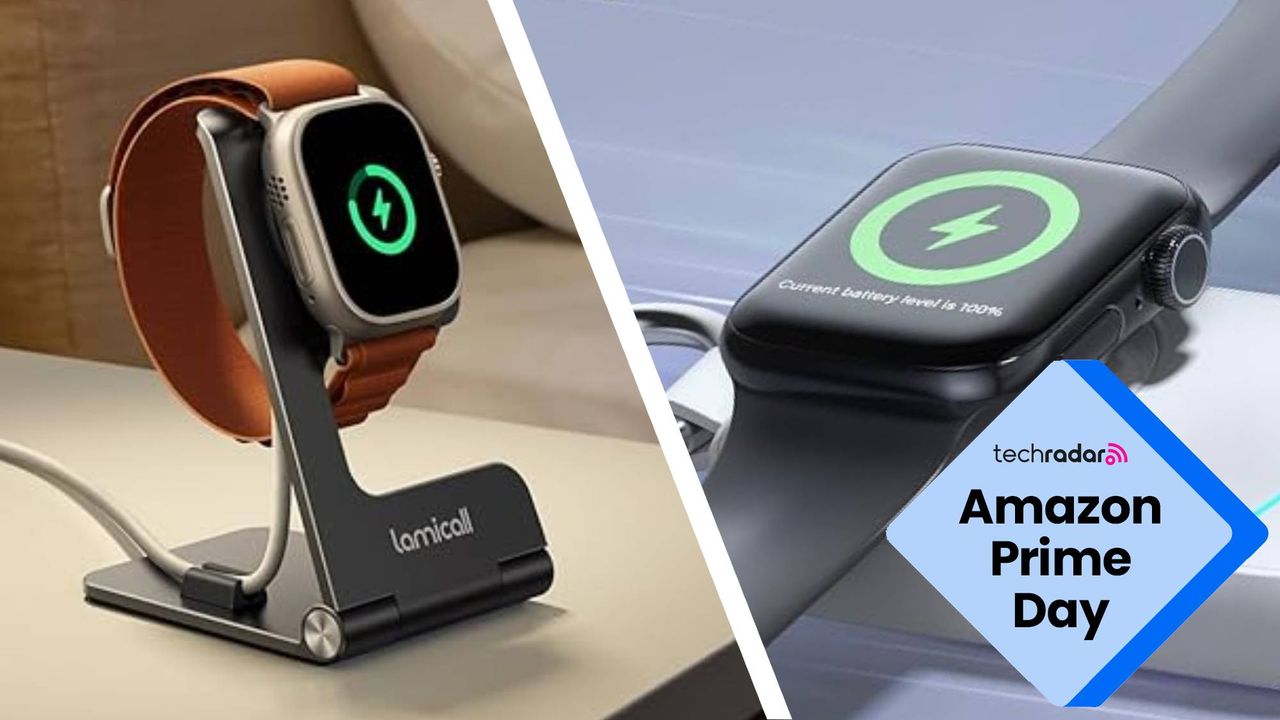
I use my Apple Watch every day, but everyone forgets about the accessories it needs — here's your sign to get a new charging station and stock up on screen cases

Most people will snag a new Apple Watch during Amazon Prime Day and then call it a day, but have you ever thought that your new wearable could benefit from some accessories?

We're quick to get the screen protectors and cases for our iPhones, but I feel that this attitude isn't applied to the best smartwatches as it is with smartphones. Now that we're deep into this year's Prime Day event, there are just as many deals on Apple Watch accessories as there are on the devices themselves.

• Browse the full Amazon Prime Day sale

One of the best accessories to get at a cheeky discount are watch straps, especially since Apple's own range is quite expensive. On a non-Prime Day, watch strap alternatives are actually reasonably priced, but during sales events they can drop to less than $10, or £10 if you're shopping in the UK. Portable power banks are also overlooked, and give you reason to no longer carry around your charging lead with you.

Today's best Apple Watch accessory deals in the US

Lugging around your Apple Watch charging lead isn't the most convenient, so having one within reach lifts that pain point. Not only is this portable charger also great for travelling and can be attached to your keys, it's compatible with every Apple Watch model, so you don't need to upgrade your wearable to be able to use it. View Deal

Multi-use charging docks are a handy way to ensure your Apple Watch, iPhone, and AirPods can all be charged at the same time, but some charging stations can break the bank. This space-saving dock from Anlmz is less than $20 this Prime Day, and also comes in handy for hands-free viewing on your iPhone. View Deal

Apple Watch bands are just as good an investment as the wearables themselves, as they can change its whole look. Though I do like the level of comfort you get from Apple's silicone bands, this sub-$8 nylon wristband is a solid alternative, and a secure option if you're active with your wearable. View Deal

Today's best Apple Watch accessory deals in the UK

Power banks aren't just for smartphones, they're great for Apple Watches too. $40 is a bit steep for a small, keychain-sized portable charger, so a 53% discount is what we like to see. View Deal

If you're not prepared to spend the best part of £50 on one of Apple's official straps, Amazon has some great alternatives this Prime Day for less than a tenner — and they're compatible with the most recent models in Apple's wearable lineup. View Deal

While you'll still need your Apple Watch charger to make use of this stand, it's a handy tool to have with you if you do happen to carry your charger around with you daily. This stand also folds flat, making it a lot easier to pack and travel with. View Deal

You'd be surprised at how easy it is to accidentally knock your Apple Watch while on the move, no matter how well you take care of it. A protective shield will add weight to your wearable, but you'll be thankful when it stops your Apple Watch from scratches and other damage. Just don't make the same mistake as me and buy the wrong size. View Deal

More Prime Day deals in the US

More Prime Day deals in the UK

  •  

From Prime Day Apple Watch deals to record discounts on Garmins, these are the 24 smartwatch deals you need to see right now

Amazon Prime Day is the perfect time to find yourself a new smartwatch. But while most people use the word 'smartwatch' in a very general sense, there is a massive variety in the category, and the right smartwatch has to fit your lifestyle and budget.

Do you want something that could pass convincingly for an analog watch that can also field notifications and make calls, or do you want a rugged trail companion that'll withstand everything from seawater to rock-scrambling? A cheap fitness tracker or a super-premium specialist golf watch?

Below are 24 deals on every kind of smartwatch, mainly from Amazon but here and there from other sites running anti-Prime Day sales, for you to peruse this week. It's likely the wearable you're looking for is here, whether you want a rugged Apple Watch Ultra 3 for Prime Day or a low-priced, high-performer like the Amazfit Active 2.

US deals

Quick links:

Save an impressive 30% on the Samsung Galaxy Watch8 Classic, which features a rotating bezel that lets you scroll through the watch's options intuitively and resembles the look of a classic watch. It comes in one size (large, 46mm) with either a black or a white leather strap. View Deal

A 4.5-star smartwatch with super-accurate health and activity tracking, as well as AI features, we reviewed this watch and called it 'a triumph'. This larger 44mm version has a staggering 38% off, but the smaller 40mm versions start at $229.99 (was $349.99).View Deal

For one of Apple's latest smartwatches, $120 off is more than generous, especially if you're looking to upgrade for the latest watchOS 27 support, which comes with Siri AI goodies. This is the first time this month the Apple Watch Series 11 has dropped in price, but it's unlikely it'll see a bigger reduction this Prime Day.View Deal

As far as Apple's basic smartwatch range goes, not only is the SE 3 a speedy upgrade from its predecessor (it has the same chip as the Ultra 3), but it has the firmware to support watchOS 27. For less than $200, you can benefit from core fitness tracking features as well as the neat new tools that are on the way, which include Siri AI, all while not having to spend a shedload on an advanced model if you know you won't need all the nitty-gritty bells and whistles. We named this the best Apple Watch for most people, a safe and inexpensive option. View Deal

Are you a Garmin user who wants to try something different? The Apple Watch Ultra range is a solid Garmin rival if a) you like using your smartwatch without having to keep your iPhone nearby, and b) you know you'll want to get a kick out of its plethora of extreme sports features. As predicted, this model has seen another price drop just before Prime Day, hitting a record-low discount. It's the best watch of last year.View Deal

$250 off the five-star Garmin Fenix 8 in its smallest 43mm size and Whitestone colorway. Perfect for those who want serious power on smaller wrists (and adventure watches are usually big, lumpy affairs, so it's nice to have a smaller option), it still packs an impressive 10-day battery life, advanced training features, an LED flashlight, and full-color maps. View Deal

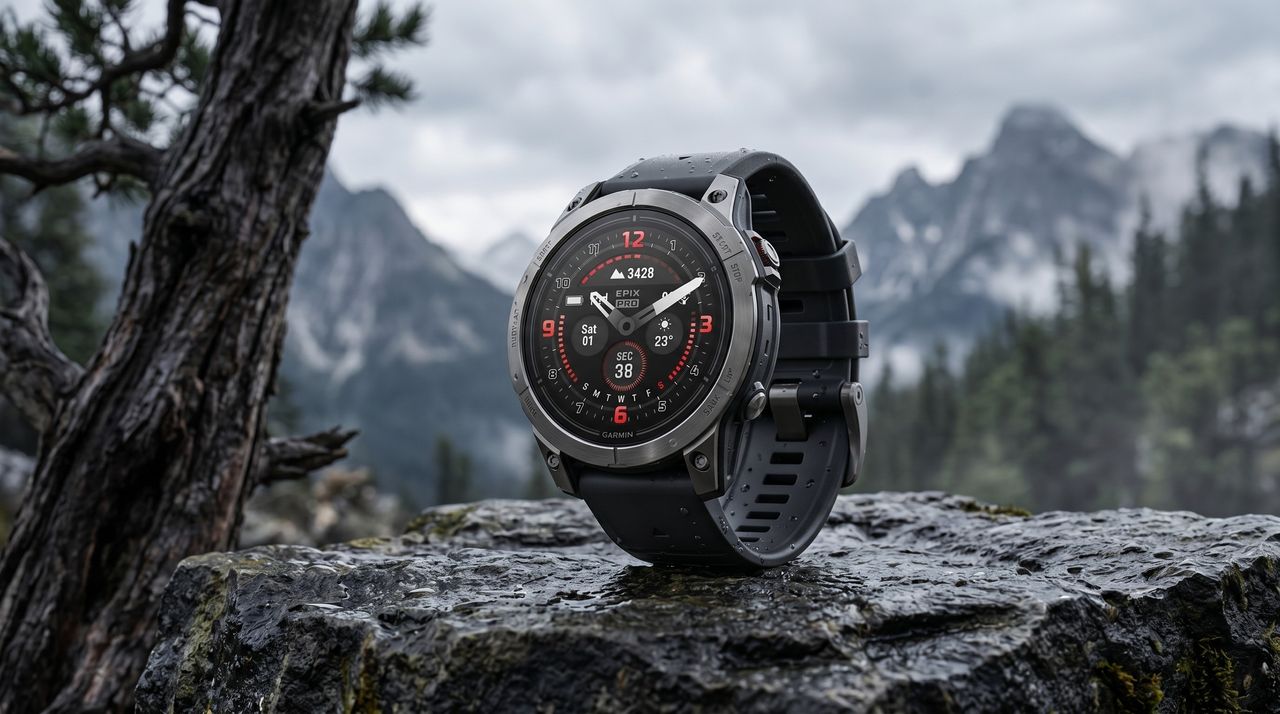
Here's a chance to get a whopping 50% off the original retail price of the excellent Garmin epix Pro (Gen 2). The 4.5-star smartwatch is an excellent buy for dedicated and enthusiast runners, thanks to its top-tier health tracking and GPS navigation features. You also get a clear AMOLED display with a scratch-resistant sapphire lens, and a titanium bezel. As far as premium smartwatches go, this value prospect is tough to beat.View Deal

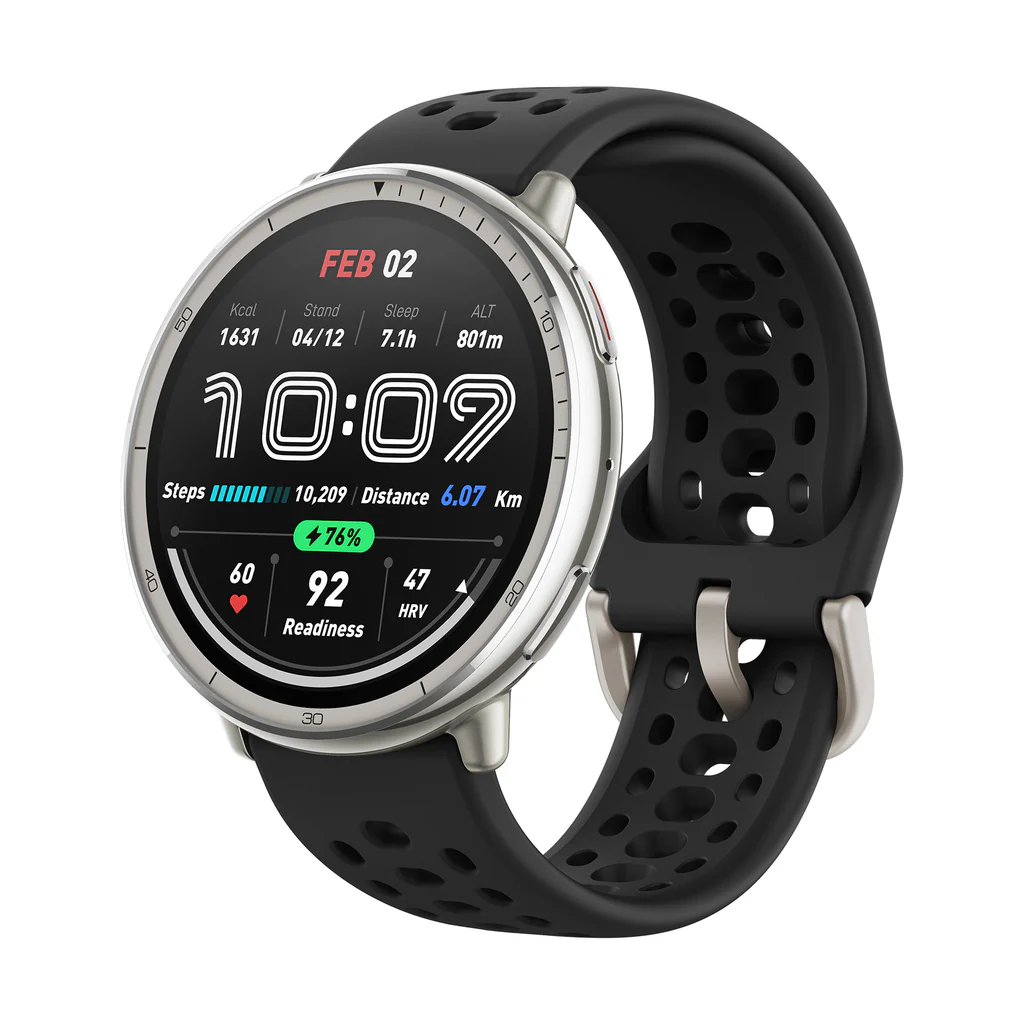
You can save $20 on this already-cheap watch, making it an absolute steal. Beyond reliable fitness tracking, a nice screen, a stainless steel case, 10-day battery life, and free map software (not even Garmin will give you that at this price), you get the Premium super-tough sapphire glass, NFC payments, and a nicer strap than the base Active 2.View Deal

The Garmin Vivoactive 5 is a fantastic all-rounder fitness smartwatch with tons of workout plans, a crisp AMOLED display, onboard GPS, and 11 days of battery life. At this price, you'll be hard-pressed to find a better-performing watch for general fitness, health, and exercise tracking. A Fitbit beater.View Deal

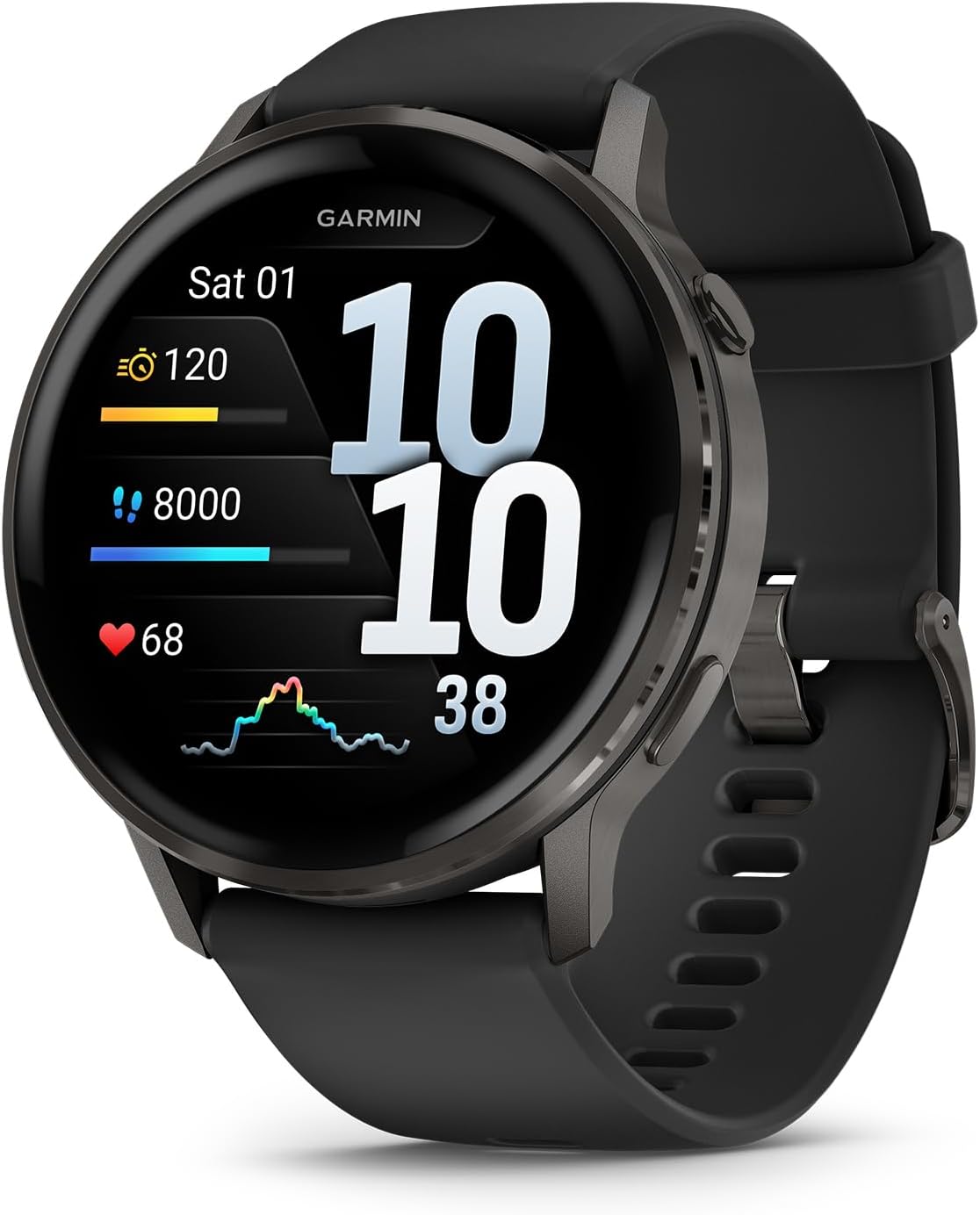
Right now, you can save $50 on both 41mm and 45mm Garmin Venu 4 models, in a variety of colors: Black and Lunar Gold for the 41mm, Grey and Citron for the 45mm. Up to 10 days of battery life, great workout and wellness tracking, and lots of Garmin Connect IQ third-party app support. View Deal

Save a cool $80 on the Google Pixel Watch 4, one of the best Android watches overall. But the real star of this deal is that as it's an LTE watch, Best Buy are offering 2 years of LTE data absolutely free, so you can call, email, and check messages even without a phone nearby. Beat that, Amazon!

45mm LTE version: was $499.99 now $419.99View Deal

More Prime Day deals in the US

UK deals

Quick links:

The Garmin epix Pro (Gen 2) has a superb discount in the UK as well. Runners will not want to miss this best-ever offer on the 4.5-star smartwatch, which offers excellent health tracking and GPS navigation features. The vibrant AMOLED display and rugged titanium bezel make it easy to see and resilient. I ran a marathon with this, and at this price I'd buy it over any other Garmin. View Deal

In the UK there's a 20% discount on the Premium version of the five-star watch. Amazfit's health and fitness suite includes free maps, heart rate, sleep data, workout profiles, GPS and lots more, and NFC allows you to load your cards into its digital wallet. At this price is really is a steal. View Deal

Save a hefty 25% on the Black 41mm of the Garmin Venu 4. If you're looking for a bigger size, the 45mm is available for £365 in Grey and £368.49 in Citron yellow.View Deal

A lowest-ever price on the Garmin Vivoactive 5 means there's never been a better time to snap this up. Garmin's comprehensive training app has served me well for years, while the Vivoactive 5 at this price is an easy buy for Fitbit users who are used to cheaper price points. View Deal

£149 off the white 43mm Fenix 8 model. A five-button configuration and AMOLED touchscreen mean you can operate the watch while wearing gloves in adverse weather conditions. It's perfect for hikers, skiers, campers, and triathletes. View Deal

Save 25% on both smaller and larger models with LTE enabled, which means you can add them to your phone's data plan and install an eSIM for phone-free data use using only your watch. Very handy. View Deal

Save a cool 33% on the Samsung Galaxy Watch Ultra in all colorways, including the fetching Titanium Blue version introduced last year. While it's not the best choice for everyone, its power, longevity (up to 100 hours!) and rugged durability means it's well-made for adventurers and triathletes. Watch out, Garmin. View Deal

Folks in the UK have a seriously tempting offer here at First Class Watches, where you can save a huge £700 on the MARQ Golfer (Gen 2)! This is enormous, and I have never seen the premium watch as close to the thousand-pound mark as this. Considering this was a multi-thousand-pound watch not that long ago, this is a great deal for those on the premium device hunt.View Deal

Luckily for UK shoppers, this is the lowest price for one of Apple's latest and most advanced wearables. With that in mind, waiting around for another Prime Day price drop may not be the best idea if it's already record-low ahead of the big event. View Deal

Just like its US equivalent, shoppers in the UK can pick up the Apple Watch Series 11 for the same price, and its price history is similar. This device likes to yo-yo in price so it's difficult to tell when the next price drop will occur, so it may be worth scoring it now while you can, especially if you don't like to take risks when it comes to Prime Day. View Deal

This is the lowest price we've seen the SE 3 hit in the UK, but this is another listing that has a history of jumping between high and low price points. As mentioned earlier, we recommend the SE 3 for users who want a just-above entry level device, and the upside is that it will support watchOS 27 when it drops later this yearView Deal

This is the best price we've yet seen a Google Pixel Watch 4, bringing the top Android watch down to under $300 in all four colors. An absolute steal if you can get it.

45mm version: was $499 now $349View Deal

More Amazon Prime Day deals in the UK

  •  

Inbreeding Hits Small Males in Threatened Songbird

Inbreeding depression, a genetic phenomenon where offspring result from the mating of related individuals, has long been understood to compromise individual fitness and elevate the risks of population decline or extinction. However, the depth and nuances of these effects remain largely unexplored in many non-model species, especially those facing dire conservation challenges. A groundbreaking new study investigates this complex relationship in a threatened songbird species, the aquatic warbler (Acrocephalus paludicola), unveiling how inbreeding depression manifests in a phenotype-dependent manner, particularly emphasizing body size as a critical factor in male fitness outcomes.

The aquatic warbler, a habitat specialist bird known for its recent precipitous population decline, poses a unique opportunity to study the genetic intricacies and their ecological consequences. Unlike widely studied model species, this bird’s depleted genetic diversity coupled with habitat specificity creates an ideal system to understand how inbreeding depression impacts survival and reproduction under real-world environmental pressures. Employing cutting-edge genomic tools such as single nucleotide polymorphisms (SNPs), researchers could quantify inbreeding at an unprecedented resolution, offering new insights into the genetic health and viability of this endangered population.

One of the pivotal breakthroughs of this research lies in demonstrating that inbreeding depression is not a uniform or straightforward process but is intricately moderated by the physical and ecological context of the individual. For male aquatic warblers, the genomic markers revealed a pronounced negative effect of inbreeding on breeding success—but only among males characterized by smaller body size, denoted by tarsus length, an established morphological proxy. This finding highlights how phenotypic traits can mediate the severity of inbreeding effects, suggesting that smaller-bodied males experience disproportionately harsh fitness reductions as a consequence of their genetic relatedness.

Equally compelling is the study’s exploration of wing length as another morphological trait potentially influencing inbreeding depression. While the results here were more subtle, a notable weak interaction was found between the degree of inbreeding and shorter wing length in males, correlating with decreased survival probabilities. This interaction suggests that even relatively minor morphological differences may buffer or exacerbate the impacts of genetic relatedness on survival outcomes, adding another layer of complexity to how we understand inbreeding depression in natural populations.

Importantly, the research also reveals a stark contrast between sexes. Female aquatic warblers showed scant evidence of inbreeding depression affecting key fitness components such as clutch size, hatching success, nestling survival, or the number of fledged fledglings. Moreover, no interactions emerged between female fitness measures and phenotypic or environmental variables examined. This asymmetry in inbreeding effects underscores sex-specific pathways in evolutionary and ecological responses to genetic challenges, warranting further inquiry into the mechanistic underpinnings driving such differences.

Prior studies investigating inbreeding depression often relied on relatively simplistic models that did not incorporate potential interactions with individual phenotype or environmental heterogeneity. This omission might explain why many previous estimates of inbreeding load—reflecting the cumulative fitness consequences of deleterious recessive alleles—have been inconsistent or highly uncertain. By integrating detailed phenotypic data with high-resolution genomic analyses, this study advances the field by showing that accounting for individual variation unveils clearer, biologically meaningful patterns of inbreeding depression.

The implications for conservation biology are profound. Small-bodied males, disproportionately burdened by inbreeding loads, might represent a critical demographic subgroup whose reproductive success most strongly influences population trajectories. This insight challenges conventional approaches that treat all individuals as homogenous units within populations, advocating instead for conservation strategies that are finely tuned to the nuanced genetic and phenotypic architectures of endangered species.

The environmental factors considered—timing of breeding and brood size—proved less influential in mediating inbreeding depression compared to phenotypic variables, at least in this particular system. While breeding timing and brood size have been previously hypothesized to influence fitness by affecting resource allocation or offspring survival probabilities, their interaction with genomic inbreeding proved minimal. This result refines our understanding of the complex ecological determinants of fitness and suggests that underlying genetic and phenotypic factors can overshadow the modifying effects of certain environmental variables.

Methodologically, the use of SNP-based genomic inbreeding coefficients represents a significant step forward from traditional pedigree-based measures. Genetic markers enable more precise estimates of genome-wide relatedness and inbreeding, which is especially crucial for populations like the aquatic warbler, where pedigree data are incomplete or unavailable due to logistical challenges in tracking individuals across generations. This technological advance paves the way for more accurate assessments of inbreeding consequences in conservation genetics.

Another noteworthy contribution is the nuanced interpretation of inbreeding load estimates. The study found that models omitting phenotypic interactions yielded highly uncertain inbreeding load figures for both survival and breeding success in males, whereas incorporating body size interactions produced more robust and meaningful estimates. This methodological insight calls for revisiting traditional models that treat inbreeding load as a fixed entity, promoting dynamic frameworks that integrate individual heterogeneity.

The study also contributes to evolutionary theory by demonstrating how inbreeding depression may exert selective pressure that maintains or increases body size in male aquatic warblers. Since smaller males suffer more pronounced fitness detriments due to inbreeding, natural selection may favor larger males, which effectively buffer against the genetic disadvantages. This dynamic adds a rich dimension to sexual selection and life-history evolution, where morphology and genetic fitness interplay to shape population structure.

In broader ecological contexts, understanding conditional inbreeding depression helps elucidate population resilience amid environmental change. As habitats degrade or fragment, and populations become increasingly isolated, the compounding effects of genetic bottlenecks and reduced phenotypic diversity could spell catastrophic declines if certain phenotypic groups disproportionately suffer. This research underscores the urgent need to consider phenotype-genotype-environment interactions in any assessment of vulnerable species.

Moreover, the findings raise compelling questions about the management of breeding programs aiming to mitigate inbreeding effects. Conservation initiatives often emphasize genetic diversity restoration in general terms, yet this study advocates for precision strategies that recognize differential vulnerabilities among phenotypic classes. For the aquatic warbler and similar threatened species, such targeted approaches could optimize reproductive success and survival rates, substantially enhancing recovery prospects.

Overall, this study reshapes scientific paradigms surrounding inbreeding depression by foregrounding the conditionality of its effects. It insists that blanket statements about the genetic risks of inbreeding are oversimplifications. Instead, fitness consequences emerge as a complex tapestry woven from genomic architecture, individual morphology, and ecological context, challenging researchers and conservationists alike to embrace multidimensional models.

Future research inspired by these findings will likely delve deeper into the mechanistic bases for the observed interactions, exploring, for instance, how developmental pathways link body size and genetic load expressions. Additionally, cross-species comparisons incorporating habitat specialists versus generalists may reveal whether this pattern of phenotype-dependent inbreeding depression is widely applicable or highly species-specific.

In conclusion, this landmark study presents a compelling case that it is indeed “hard to be small” for male aquatic warblers facing the genetic drawbacks of inbreeding. Such a phenotype-dependent dimension to inbreeding depression not only enhances scientific understanding but also provides invaluable practical guidance for conserving one of Europe’s most threatened songbirds. As the world grapples with biodiversity loss and climate challenges, integrating genomic, phenotypic, and ecological data remains paramount in crafting effective conservation blueprints.


Subject of Research: Inbreeding depression and its phenotypic and environmental conditionality in a threatened songbird species, the aquatic warbler (Acrocephalus paludicola).

Article Title: It is hard to be small: Inbreeding depression on male breeding success depends on body size in a threatened songbird.

Article References:
Kubacka, J., Arantes, L.S., Herdegen-Radwan, M. et al. It is hard to be small: Inbreeding depression on male breeding success depends on body size in a threatened songbird. Heredity (2026). https://doi.org/10.1038/s41437-026-00859-0

Image Credits: AI Generated

DOI: 21 June 2026

  •  

Seismocardiography Estimates Cardiorespiratory Fitness in Elderly

In a groundbreaking advancement for geriatric health assessment, researchers have unveiled a novel nonexercise approach to estimate cardiorespiratory fitness in older adults by utilizing seismocardiography (SCG). This innovative technology harnesses the subtle vibrations produced by cardiac activity, enabling precise monitoring of cardiovascular function without the need for physical exertion. As aging populations increase globally, the demand for accessible and reliable methods to evaluate heart and lung fitness has never been higher, making this development not only timely but also revolutionary.

Cardiorespiratory fitness traditionally requires exercise testing, involving treadmill or bicycle protocols that may pose risks or be impractical for elderly individuals with limited mobility or chronic conditions. The novel system employing SCG bypasses these challenges, offering a safe and feasible alternative that significantly minimizes patient burden. SCG captures micro-vibrations generated by the heart during each beat using sensitive accelerometers placed on the chest, translating mechanical cardiac events into quantitative data reflective of cardiovascular performance.

The study, led by Sundberg, Gates, and Boraxbekk among others, meticulously validated the use of SCG signals against established measures of cardiorespiratory fitness, such as VO2 max testing, across a diverse cohort of older adults. Their results demonstrated remarkable correlation, confirming that SCG can serve as a reliable proxy for exercise-based evaluations. This breakthrough is poised to transform clinical practice by facilitating widespread cardiovascular screening and monitoring in geriatric populations without exposing them to physical strain.

One of the pivotal technological advances underpinning this approach is the enhancement of signal processing algorithms that can accurately decipher the complex mechanical patterns of heart activity from SCG data. These algorithms filter noise and artifacts, isolating key features such as timing intervals between cardiac events that are indicative of cardiac output and fitness levels. By employing machine learning techniques, the research team optimized predictive models that link SCG metrics with cardiorespiratory capacity.

Beyond the impressive technical accomplishments, the application of SCG for fitness estimation aligns perfectly with the principles of personalized medicine. By providing continuous, noninvasive monitoring methods, clinicians can tailor interventions and lifestyle recommendations based on real-time fitness metrics, facilitating proactive management of cardiovascular health. This could substantially reduce the incidence of cardiovascular events, improve quality of life, and enhance longevity in aging adults.

Importantly, this methodology opens new avenues for remote health monitoring. The compact sensors utilized for SCG are lightweight, unobtrusive, and capable of wireless transmission, enabling integration with mobile health platforms. This may empower elderly individuals to measure their cardiorespiratory fitness regularly from the comfort of their homes. Such democratization of health data can lead to earlier detection of functional decline, prompt clinical interventions, and reduced healthcare costs.

From a physiological perspective, seismocardiography reveals intricate interactions governing heart mechanics, including myocardial contractility and valve function, which are directly tied to oxygen delivery and utilization — the cornerstone of cardiorespiratory fitness. This depth of insight surpasses conventional pulse or blood pressure monitoring, offering a richer dataset for comprehensive cardiovascular assessment. The capacity to obtain these insights passively without exercise expends minimal energy, crucial for frail patients.

The research also emphasizes the feasibility of SCG in monitoring dynamic changes in fitness over time. Whereas exercise-based testing reflects a snapshot requiring considerable effort and clinical resources, SCG’s accessibility permits serial measurements that track progression or regression in cardiorespiratory health. This longitudinal view enhances clinicians’ ability to evaluate treatment efficacy and adjust care plans appropriately.

Moreover, SCG technology exemplifies the convergence of biomechanics, biomedical engineering, and data science, epitomizing modern healthcare innovation. The fusion of robust sensors with advanced computational methods has produced a tool that transcends standard diagnostic modalities, offering a more comprehensive and patient-friendly option. This interdisciplinary synergy highlights the potential for future wearable technologies to expand their role in chronic disease management.

Addressing limitations, the study carefully acknowledges challenges such as variability in SCG signal quality due to anatomical differences and external factors. However, by employing adaptive algorithms and calibration protocols, the researchers have mitigated many of these issues, ensuring consistent performance across diverse patient profiles. Ongoing refinements aim to further enhance accuracy and user-friendliness, making broad clinical adoption realistic.

The implications of this research extend beyond geriatric cardiology, potentially influencing rehabilitation programs, sports science, and preventive medicine. With further validation, SCG could monitor athletes’ fitness without exhaustive testing or assist in evaluating pulmonary function in respiratory diseases. Its versatility underscores the broad applicability of biomechanical sensing in health monitoring paradigms.

In conclusion, the integration of seismocardiography for the nonexercise estimation of cardiorespiratory fitness in older adults marks a paradigm shift in cardiovascular health assessment. By circumventing the constraints of traditional exercise testing, this technology enables safe, efficient, and insightful evaluations that can be performed repeatedly and remotely. As the elderly demographic surges worldwide, the deployment of such innovative methods will be pivotal in optimizing healthcare delivery and promoting healthier aging.

The promise of SCG transcends mere technological novelty; it represents a compassionate approach to health evaluation that respects the physical limitations and safety of vulnerable populations. Empowering healthcare providers with precise, noninvasive tools enriches clinical decision-making and enhances patient outcomes. Looking ahead, continued research and integration with digital health ecosystems will likely establish seismocardiography as a cornerstone in the management of cardiovascular fitness.

Ultimately, the study spearheaded by Sundberg and colleagues not only broadens scientific understanding but also provides a tangible blueprint for implementing cutting-edge sensing technologies in everyday clinical practice. The synergy of engineering excellence, clinical insight, and patient-centric design encapsulates the future of medical innovation — one that prioritizes accessibility, safety, and actionable intelligence for all.


Subject of Research: Nonexercise estimation of cardiorespiratory fitness in older adults using seismocardiography.

Article Title: Seismocardiography for nonexercise estimation of cardiorespiratory fitness in older adults.

Article References:
Sundberg, M., Gates, A.T., Boraxbekk, C.J., et al. Seismocardiography for nonexercise estimation of cardiorespiratory fitness in older adults. BMC Geriatr (2026). https://doi.org/10.1186/s12877-026-07771-6

Image Credits: AI Generated

  •  
❌