❌

Reading view

Report: Kennedy Space Center not ready for era of super heavy rockets

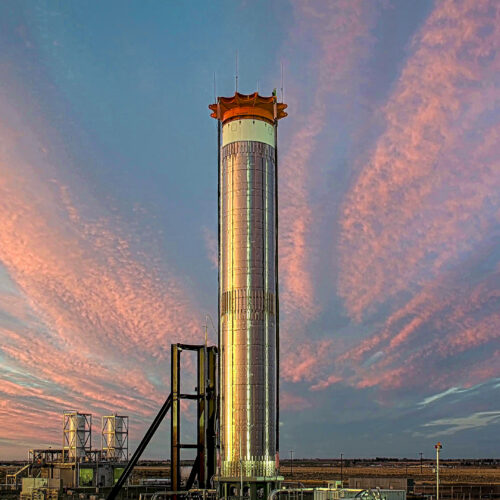
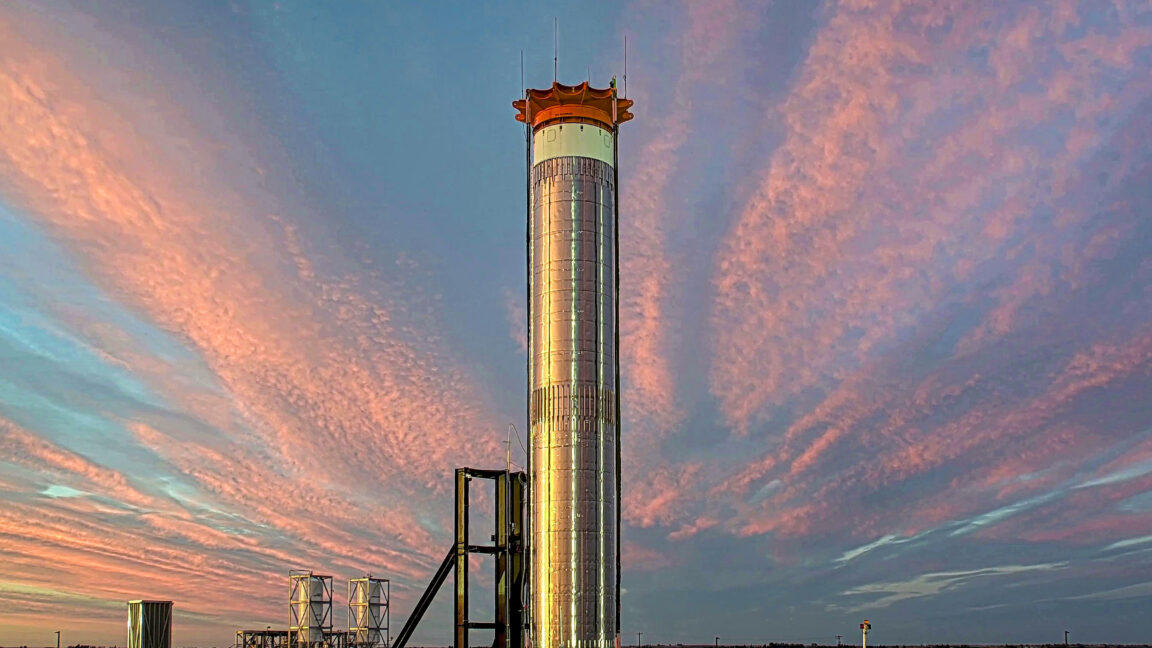
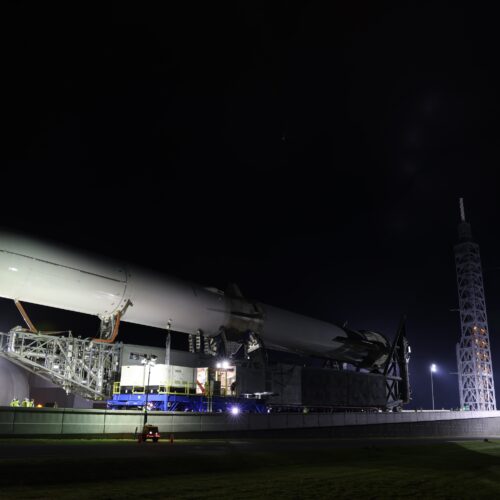
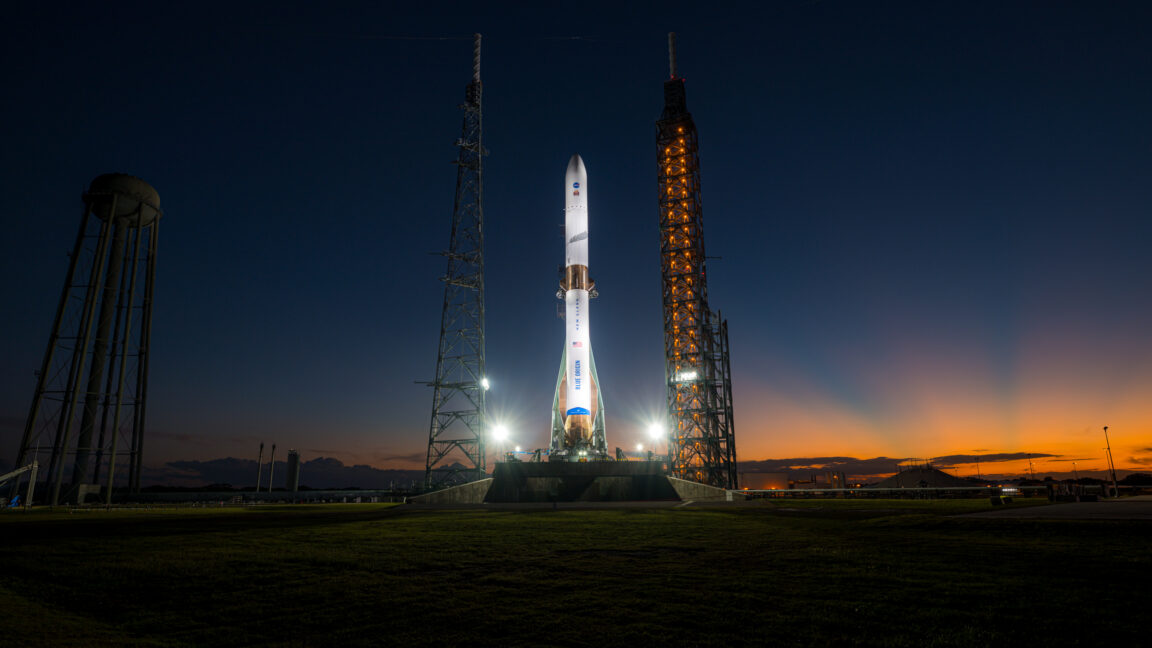
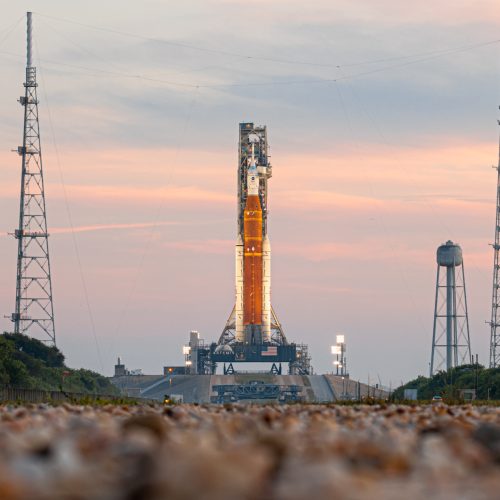
NASA's infrastructure at Kennedy Space Center, the crown jewel of US spaceports, is aging and approaching its limit due to increased demand from private companies, including SpaceX and Blue Origin, a new report finds.

"NASA’s launch infrastructure is vital to providing the agency, other government agencies, and commercial partners access to space for their most complex and expensive missions," states the report, published by the NASA Office of Inspector General. "Nevertheless, NASA’s launch infrastructure is dated and often does not provide the capacity to meet the growing demands of the agency and its partners."

The report covers NASA's launch facilities at the Kennedy Space Center in Florida and Wallops Flight Facility in Virginia. However, the most noteworthy information in the report concerns the Florida spaceport, where demand from SpaceX's Starship and Blue Origin's New Glenn launch vehicles is expected to stress NASA.
Read full article

Comments

Β© Trevor Mahlmann
  •  

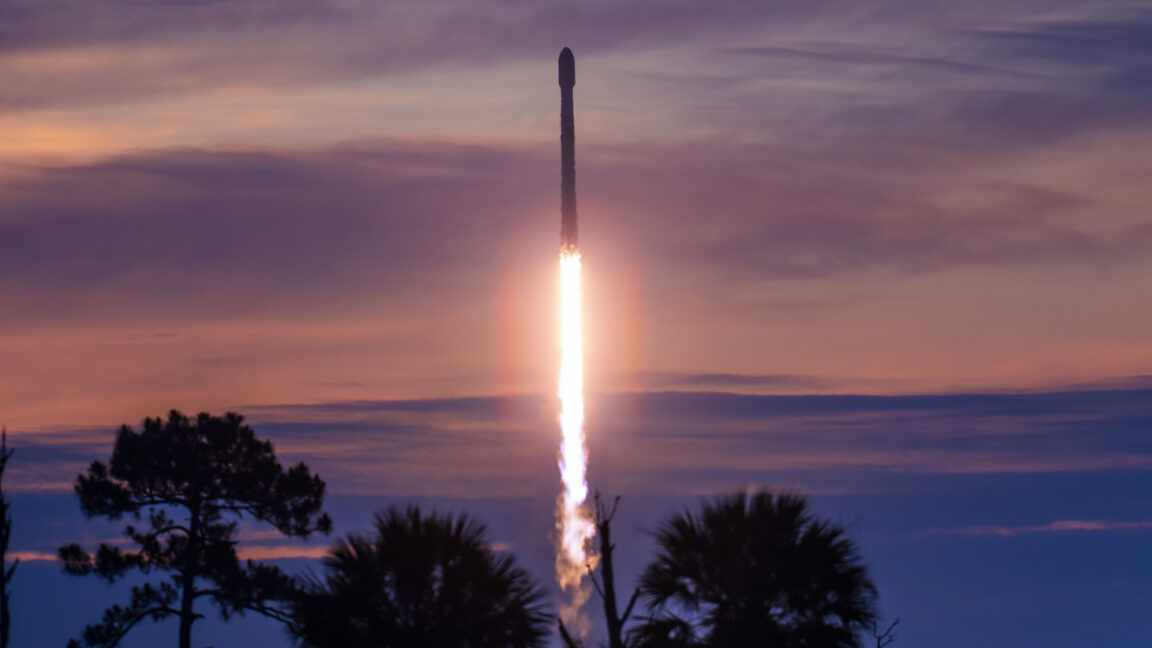
Report: Kennedy Space Center not ready for era of super heavy rockets

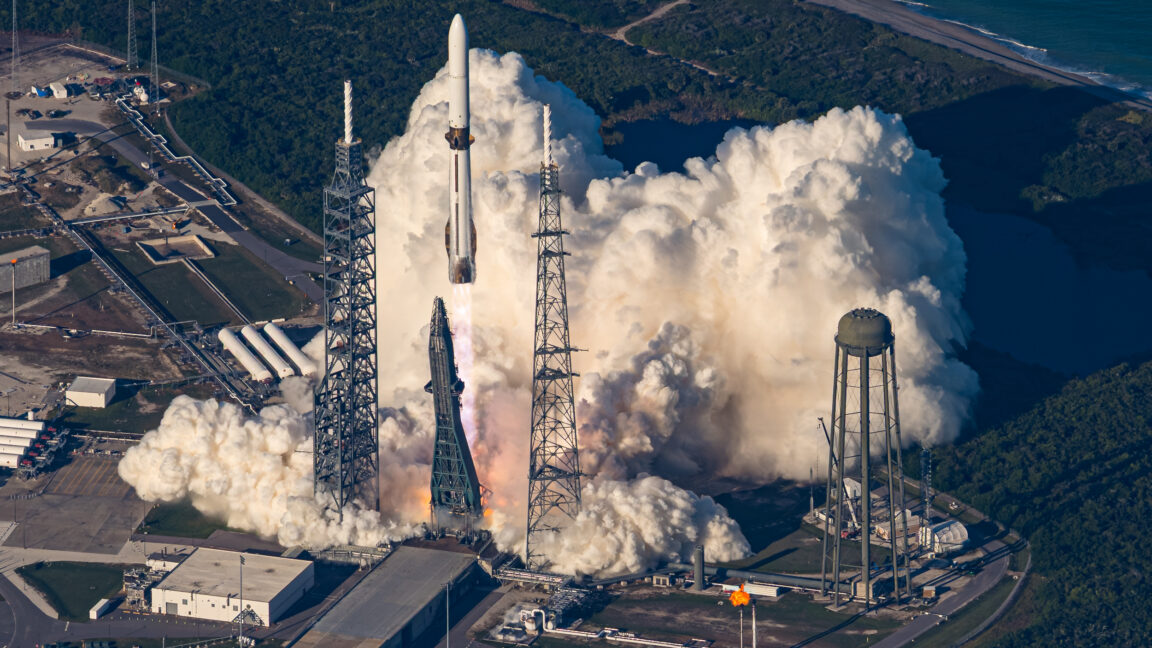
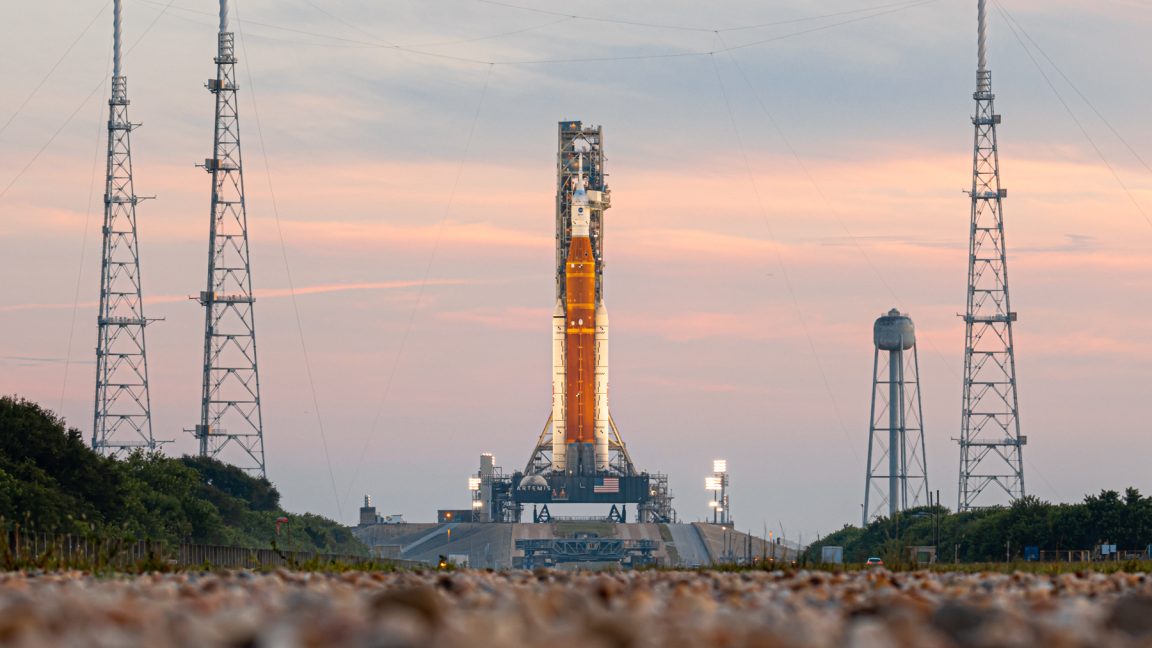
NASA's infrastructure at Kennedy Space Center, the crown jewel of US spaceports, is aging and approaching its limit due to increased demand from private companies, including SpaceX and Blue Origin, a new report finds.

"NASA’s launch infrastructure is vital to providing the agency, other government agencies, and commercial partners access to space for their most complex and expensive missions," states the report, published by the NASA Office of Inspector General. "Nevertheless, NASA’s launch infrastructure is dated and often does not provide the capacity to meet the growing demands of the agency and its partners."

The report covers NASA's launch facilities at the Kennedy Space Center in Florida and Wallops Flight Facility in Virginia. However, the most noteworthy information in the report concerns the Florida spaceport, where demand from SpaceX's Starship and Blue Origin's New Glenn launch vehicles is expected to stress NASA.

Read full article

Comments

Β© Trevor Mahlmann
  •  

This former hacker saw the lightβ€”and now wants to collect all of it

BLUEMONT, Va.β€”From an overlook in the foothills of the Blue Ridge Mountains, Dan Roelker gazed across the green splendor of the Shenandoah Valley. With the pleasant spring afternoon drawing toward evening, the Sun lazily crossed the sky, casting light all around.

The pleasing environs had put Roelker, who was drinking rye whiskey procured from a local distillery called Catoctin Creek, in an expansive mood to talk about one of his favorite subjects: light.

"If you can control light, you can control space," he said. "So it’s basically a race for who is collecting the most light."

Read full article

Comments

Β© Observable Space

  •  

NASA asks Northrop Grumman to stop working on lunar HALO module

Three months ago, during a flashy event at its Washington, DC, headquarters, NASA announced that it was shifting the focus of its lunar plans from an orbital space station to a Moon base on the surface.

As part of this, officials said work would be paused on the Lunar Gateway planned to orbit the Moon. Of the two elements that were furthest along, NASA also revealed that one of themβ€”the Β Power and Propulsion Elementβ€”would be repurposed to serve as a core module for a nuclear-electric propulsion demonstration in deep space.

Less was said about the fate of the other major component, the Habitation and Logistics Outpost (HALO). This is the large pressurized module, 6.1 meters long, in which visiting astronauts would spend the majority of their time when visiting the Lunar Gateway. NASA has awarded contracts worth $1.1 billion to Northrop Grumman to design, build, and integrate the habitation module with the Power and Propulsion Element.

Read full article

Comments

Β© NASA/Josh Valcarcel

  •  

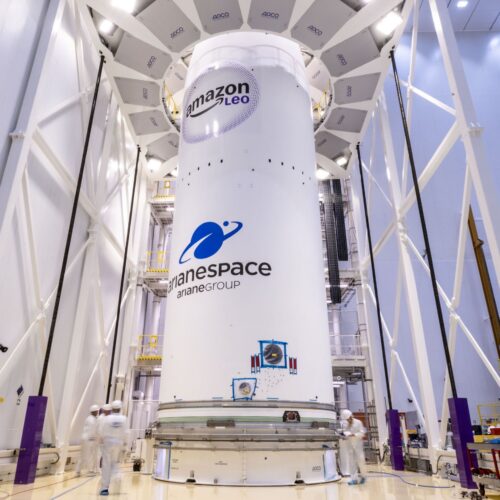
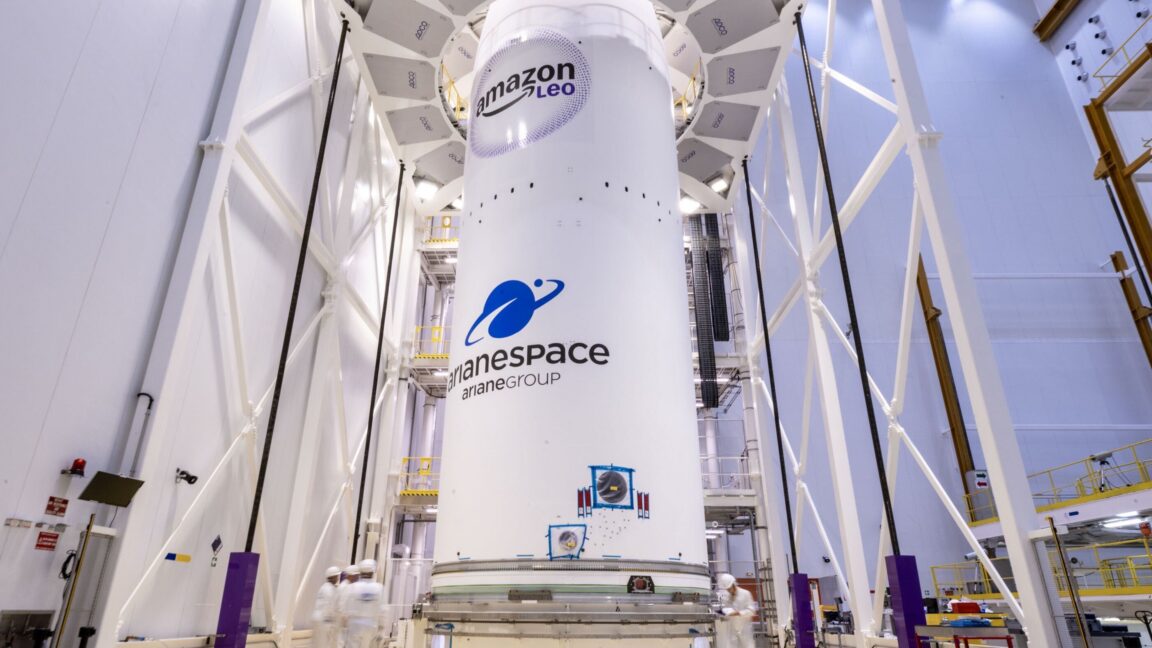
Among the large new rockets Amazon was counting on, only Europe has delivered

Amazon now has hundreds of flight-ready satellites standing idle in Florida, waiting to join the company's low-Earth orbit Internet constellation, an Amazon official said Tuesday.

"They're built, and sitting in a payload processing facility waiting for trips to orbit," said Steve Metayer, vice president of Amazon Leo Production Operations, during a teleconference with reporters. "And we're currently manufacturing several satellites a day."

Metayer spoke on the eve of the company's next mission, during which an Ariane 64 rocket will launch three dozen Amazon Leo satellites into orbit from a spaceport in French Guiana. Liftoff is targeted for 7:53 am ET (11:53 UTC) on Wednesday.

Read full article

Comments

Β© Amazon

  •  

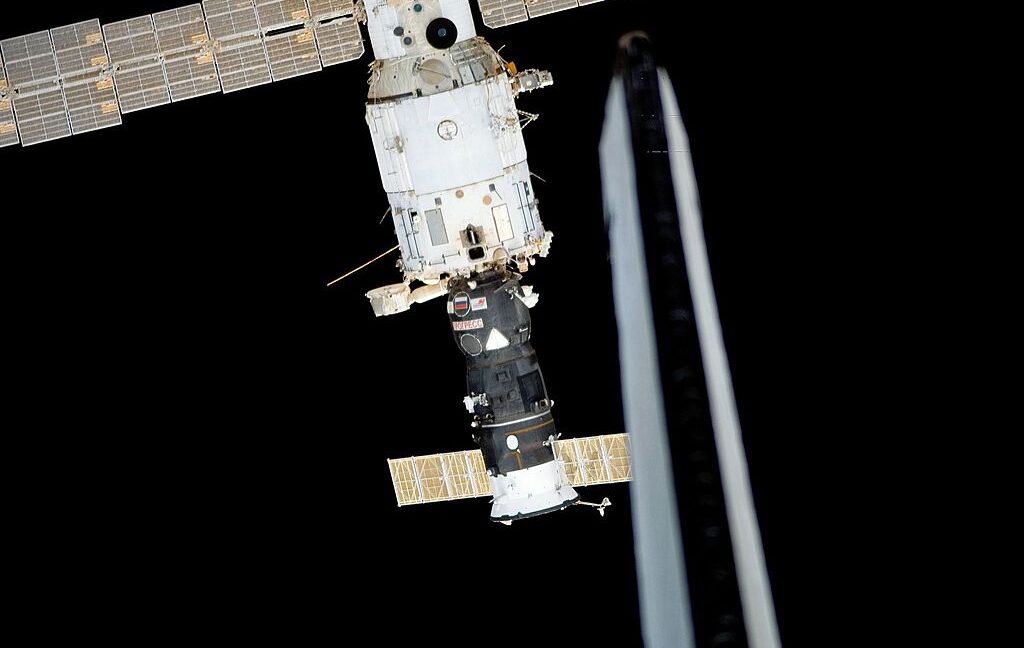
Russia appears set to finally address long-term, serious space station cracks

Ten days ago, in a moment of very high drama in orbit, NASA directed its astronauts living on the International Space Station to briefly seek emergency refuge in a Crew Dragon spacecraft.

Since then, neither the US space agency nor Roscosmos has provided additional public information about the situation in orbit. But according to sources who spoke to Ars, following the spectacle in space, the problem has been successfully fixed.

At issue were persistent cracks in a small area of the International Space Station attached to the Russian Zvezda service module, known as the PrK module. The problem has been ongoing since 2019, and Russian astronauts have been attempting various fixes, often using a sealant called Germetall-1.

Read full article

Comments

Β© NASA via Getty Images

  •  

SpaceX is now a public company valued for its AI potential, so what comes next?

Space Exploration Technologies, better known simply as SpaceX, became a publicly traded company on Friday nearly a quarter of a century after it was founded.

The company began trading on the NASDAQ exchange in New York City at $135 a share, valuing SpaceX at nearly $1.8 trillion. By the end of the trading day the company's shares were selling at $160.95, a respectable increase of more than 19 percent.

On paper, SpaceX founder Elon Musk became the world's first trillionaire, with his personal stake in the company valued at more than $700 billion. Because of the company's stock options plan, thousands of current and former employees became overnight millionaires. Employees at SpaceX have worked remarkably hard over the last 24 years, and now they will be richly compensated for having done so.

Read full article

Comments

Β© Spencer Platt/Getty Images

  •  

Rocket Report: Nova moving through test campaign; SpaceX IPO launches Friday

Welcome to Edition 8.45 of the Rocket Report! Even though we are now two weeks removed from the catastrophic loss of the New Glenn rocket and its LC-36A launch pad, it continues to dominate discussion in the space community. This week, NASA said it nominally plans to fly Blue Origin's test lander on New Glenn for the Artemis III mission, but officials quietly acknowledged that other launch vehicles, including Vulcan and the Falcon Heavy, could also get the job done. We'll obviously be watching closely.

As always, we welcome reader submissions, and if you don't want to miss an issue, please subscribe using the box below (the form will not appear on AMP-enabled versions of the site). Each report will include information on small-, medium-, and heavy-lift rockets as well as a quick look ahead at the next three launches on the calendar.

Isar raises funding, announces new launch date. German launch startup Isar Aerospace announced this week that it had closed a 270 million euro Series D to "drive global scaling and ramp up serial production," European Spaceflight reports. The company also said the previously delayed second launch attempt of its Spectrum rocket would now take place sometime between June 15 and June 21.

Read full article

Comments

Β© Stoke Space

  •  

We managed to glean some interesting details about the Artemis III mission

On Tuesday, NASA announced the crew for the Artemis III mission, which is scheduled to be flown no earlier than summer 2027. As part of the announcement, space agency officials also discussed plans for the crew to dock with both a Blue Origin lander and a SpaceX Starship lander during the spaceflight in low-Earth orbit.

The presentation, although informative, still left open key questions about the landers' readiness and what exactly they'll look like. After the crew announcement, Ars sat down with Jeremy Parsons, NASA's Artemis program manager, to answer some of these questions.

This interview, conducted at NASA's Johnson Space Center, has been lightly edited for clarity.

Read full article

Comments

Β© NASA/Aubrey Gemignani

  •  

NASA assigns crew for Artemis III, sets aggressive timeline for flying it

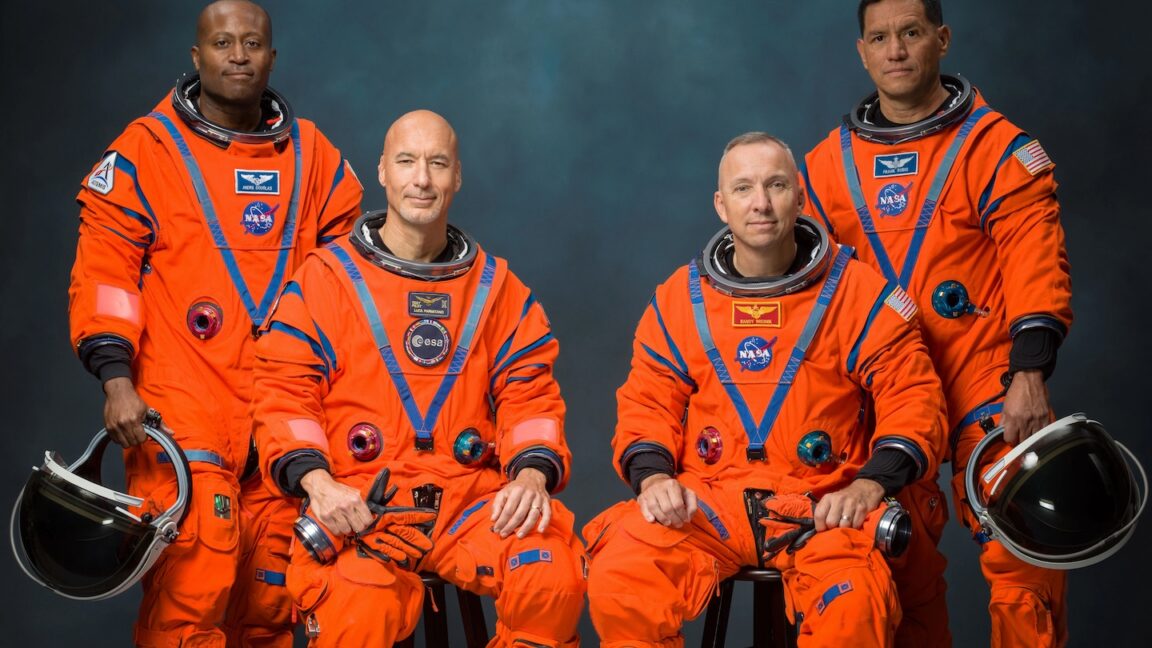
The US space agency unveiled the crew for its Artemis III mission on Tuesday during an enthusiastic event at Johnson Space Center in Houston.

For this spaceflight into low-Earth orbit, which will see the Orion spacecraft rendezvous and dock with lunar lander prototypes, NASA chose an experienced, all-male crew with military backgrounds. They were revealed inside a darkened Teague Auditorium where hundreds of friends, family members, and NASA employees cheered enthusiastically.

The four crew members are:

Read full article

Comments

Β© NASA

  •  

A Falcon 9 booster turns 5 years oldβ€”and just set a remarkable reuse record

A little more than five years ago, a shiny white Falcon 9 rocket made its debut flight, boosting a Cargo Dragon spacecraft to the International Space Station. Over the next year, it would launch a pair of astronaut missions and a handful of commercial spacecraft.

But since then, this first stage booster, designated B 1067, has mostly flown Starlink missions. It has launched them one after another, always returning safely to a drone ship before undergoing refurbishment and flying again. Sometimes it has flown twice in a single month.

On Monday morning, B 1067 once again took to the skies, launching 29 Starlink Internet satellites into low-Earth orbit from Florida. Upon landing on the A Shortfall of Gravitas drone ship in the Atlantic Ocean, the vehicle completed its 35th mission overall, retaining its title as fleet leader for SpaceX.

Read full article

Comments

Β© SpaceX

  •  

How long will it take to rebuild Blue Origin's launch pad? We asked some SpaceX vets.

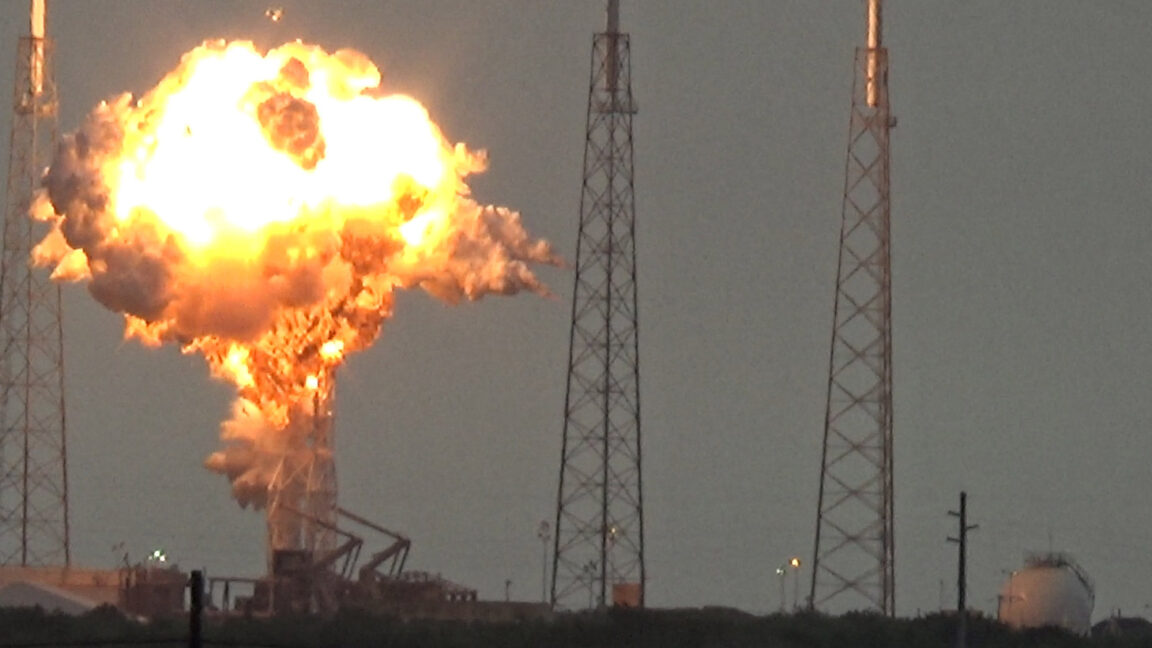
A former NASA engineer named John Muratore sat on console as launch director in early September 2016 as propellant flowed onto a Falcon 9 rocket in Florida. Ahead of a planned launch two days later, SpaceX was preparing for a static fire test of the vehicle.

Then, all of a sudden, the rocket exploded. "It came out of nowhere, and it was really violent," Muratore said. This fireball resulted in the destruction of the rocket, much of its launch site, and the AMOS-6 satellite already attached to the vehicle.

Nearly a decade later, on May 28, Blue Origin conducted a static fire test of a new rocket, with its larger New Glenn vehicle a few miles down the Florida coast. The company had gotten further into its test, reaching engine ignition, before its rocket also exploded.

Read full article

Comments

Β© USLaunchReport

  •  

Blue Origin has set a very aggressive return-to-flight timeline

The chief executive of Blue Origin, whose large New Glenn rocket exploded spectacularly less than a week ago at the company's launch site in Florida, vowed Monday night that the company would launch again before the end of 2026.

Writing on the social media site X, Blue Origin's Dave Limp said the company had been able to complete a preliminary survey of the LC-36A launch site.

"Now that we’ve had access to the pad and integration facility, we can share a bit of good news," Limp said. "The propellant farm, oxygen, liquid hydrogen and LNG tanks are all in good shape. This is good luck because these are very long lead items. The water tower is also good."

Read full article

Comments

Β© Blue Origin

  •  

Impulse Space raises $500 million as orbital maneuvering race heats up

Getting around space, as it turns out, is kind of a big deal.

On Tuesday, Impulse Space, a company dedicated to improving space mobility, announced it has raised $500 million in Series D funding. Since it was founded five years ago by SpaceX veteran Tom Mueller, the company has now raised more than $1 billion.

"Timing is everything," Mueller said in an interview about the new round of funding. By this, he means the company has found its way into a lot of markets.

Read full article

Comments

Β© Impulse Space

  •  

On its 40th anniversary, we reassess 1986's SpaceCamp

Forty years ago, the future seemed just around the cornerβ€”and the vehicle that was going to take us there was NASA's Space Shuttle. Originally envisioned as part of a larger integrated space transportation system, the shuttle was billed as a fully reusable vehicle, totally unlike the one-and-done capsules of the fading Apollo era, capable of making monthly (and perhaps even weekly) ferry flights to low Earth orbit.

The shuttle, it was hoped, would transform human space flight from extraordinary to mundane. Brands like Coke and Pepsi were quick to hop aboard and expand the Cola Wars into space, and there were even plans to blast Sesame Street's Big Bird into orbit.

The loss of Challenger in January 1986β€”carrying educator Christa McAuliffe, who would have been the first private citizen in spaceβ€”put the kibosh on all of that. The shuttle, while fantastically advanced, would never be the vehicle to help humankind slip all of our surly bonds, so to speak. Even operating at its most frantic peak in 1985 just before Challenger's loss, the shuttle hardware managed a maximum of nine flights in one calendar year; for most of the 1990s, it performed at five or six flights per year. Civilians in spaceβ€”to say nothing of Big Birdβ€”would have to wait.

Read full article

Comments

Β© 20th Century Fox

  •  

Here's why the failure of Blue Origin's New Glenn rocket is so catastrophic

Thursday night's detonation of Blue Origin's New Glenn rocket during a static-fire test produced a spectacular fireball over Florida, sending shards of the rocket flying far and wide, into the sea and across the coastal scrubland nearby.

With sunrise on Friday teams from Blue Origin, the US Space Force, and NASA will be able to begin more thoroughly assessing the damage to Blue Origin's facilities and begin picking up pieces of the rocket.

pic.twitter.com/EfYn4QWW9M

β€” Nick Johnson (@NickJohnson315) May 29, 2026

Read full article

Comments

Β© Blue Origin

  •  

The most spectacular rocket explosion since N1 just happened in Florida

On Thursday evening, Blue Origin attempted to test fire its massive New Glenn rocket at its Florida launch site, but something went very wrong after engine ignition. The super heavy lift rocket exploded in spectacular and disastrous fashion.

The static fire test was being filmed by NASASpaceflight.com on its Space Coast Live feed, which captured video of the conflagration that followed the destruction of the booster. The first stage of New Glenn, fueled with methane, produced a massive fireball above the launch site along the Florida coast, LC-36A. It is possibly the most dramatic and powerful rocket explosion since the Soviet Union's N1 rocket was destroyed during a launch attempt in 1969.

Blue Origin's New Glenn just blew up at LC-36 while attempting to Static Fire ahead of NG-4.https://t.co/tANS0dWyIH pic.twitter.com/PztxFoBqIw

β€” NSF - NASASpaceflight.com (@NASASpaceflight) May 29, 2026

Read full article

Comments

Β© Blue Origin

  •  

NASA takes steps toward building Moon Base, including discussing a "perimeter"

NASA officials announced contract awards for the initial elements of a lunar base on Tuesday, including two rovers that will provide mobility to astronauts.

With the series of announcements, NASA Administrator Jared Isaacman sought to maintain momentum around a Moon Base initiative revealed two months ago as part of the space agency's return to the Moon. "For those waiting patiently, the grand return is close at hand, and we will not slow down," he said.

The manager for the lunar base, Carlos Garcia-Galan, said the space agency had selected two companies, Astrolab and Lunar Outpost, to build approximately 1-ton rovers that would be ready for delivery to the Moon in 2028. Astrolab will receive $219 million for its "CLV-1" rover, and Lunar Outpost $220 million for its "Pegasus" rover, building upon initial contracts awarded two years ago. Each rover is expected to have a range of 200 km and be capable of driving autonomously, with guidance from operators on Earth, in addition to being driven by astronauts.

Read full article

Comments

Β© NASA

  •  
❌