❌

Reading view

Tesla sued over fatal crash in Texas home that killed 76-year-old woman
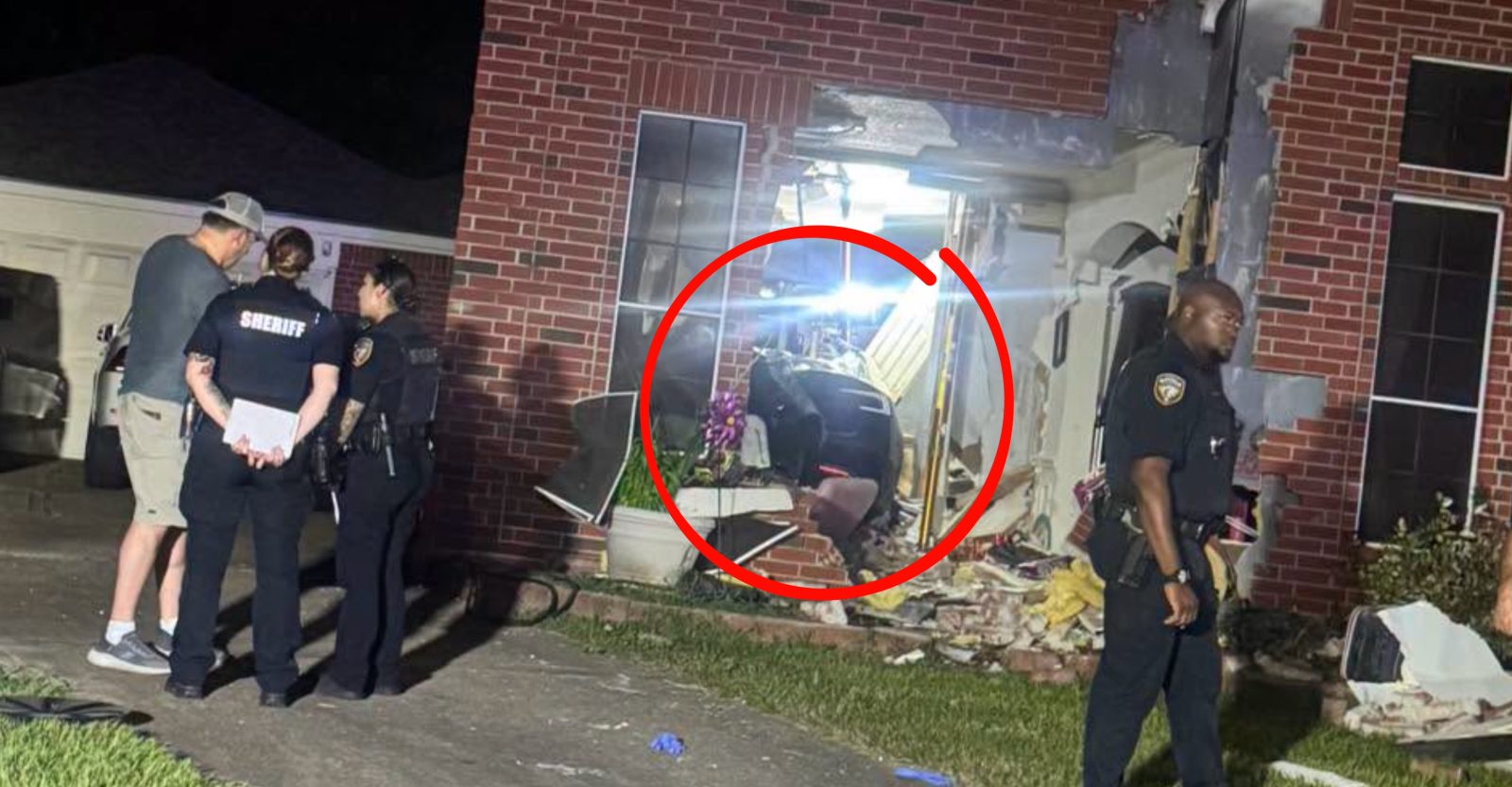
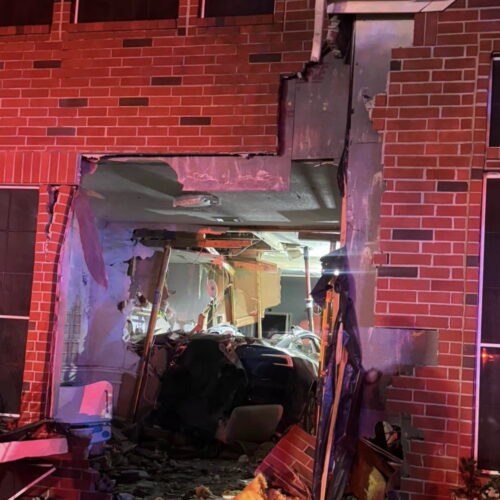
The family of a 76-year-old woman killed when a Tesla Model 3 crashed into her Katy, Texas, home has sued Tesla and the driver, alleging the company’s “Autopilot” and “Full Self-Driving” systems are defectively designed.

The wrongful death suit lands just days after the crash — and it leans on the same argument that produced last year’s landmark $243 million Autopilot verdict against Tesla in Florida.
  •  

Tesla admits FSD was on in fatal Texas crash, blames driver for ‘overriding’ it

Tesla now confirms that its self-driving system was engaged when a Model 3 left a residential road in Katy, Texas, and killed a 76-year-old woman inside her home — but the company says the driver overrode it by pressing the accelerator to 100%.

Everything points to a pedal misapplication while the car was under “Full Self-Driving.” Does that mean Tesla is not at fault?

  •  

Tesla, NatPower strike $5B deal for 25 GWh of Megapack storage

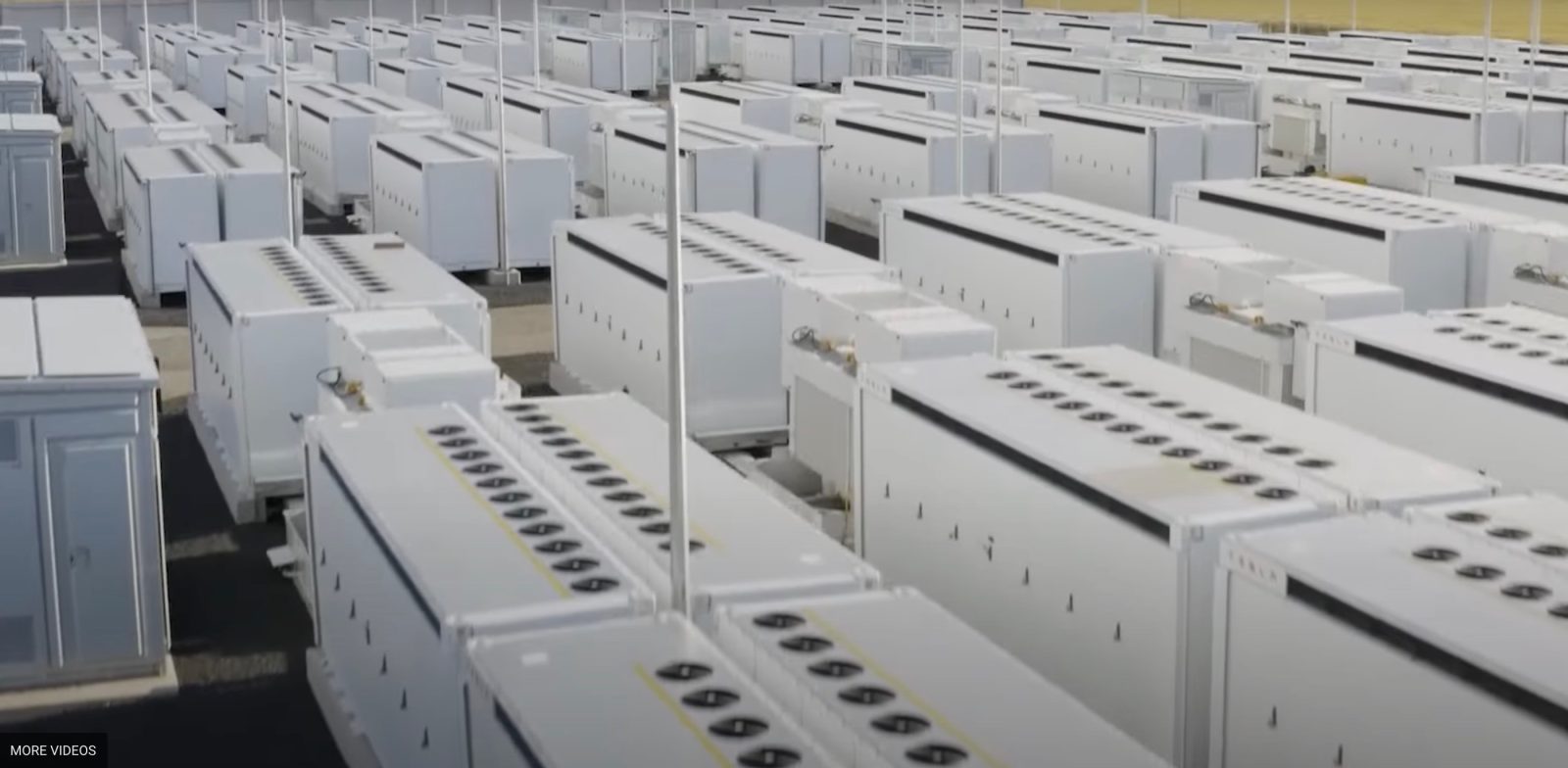
Tesla and independent energy firm NatPower have reached a deal to build 25 gigawatt-hours of battery storage in Italy and Britain, the first phase of a program worth up to $5 billion.

Under the multiyear agreement, NatPower will deploy Tesla’s Megapack systems and use Tesla’s trading software to decide when to buy and sell electricity — extending Tesla’s reach deeper into Europe’s fast-growing grid storage market.

  •  

NHTSA probes fatal Tesla crash into Texas home that killed woman

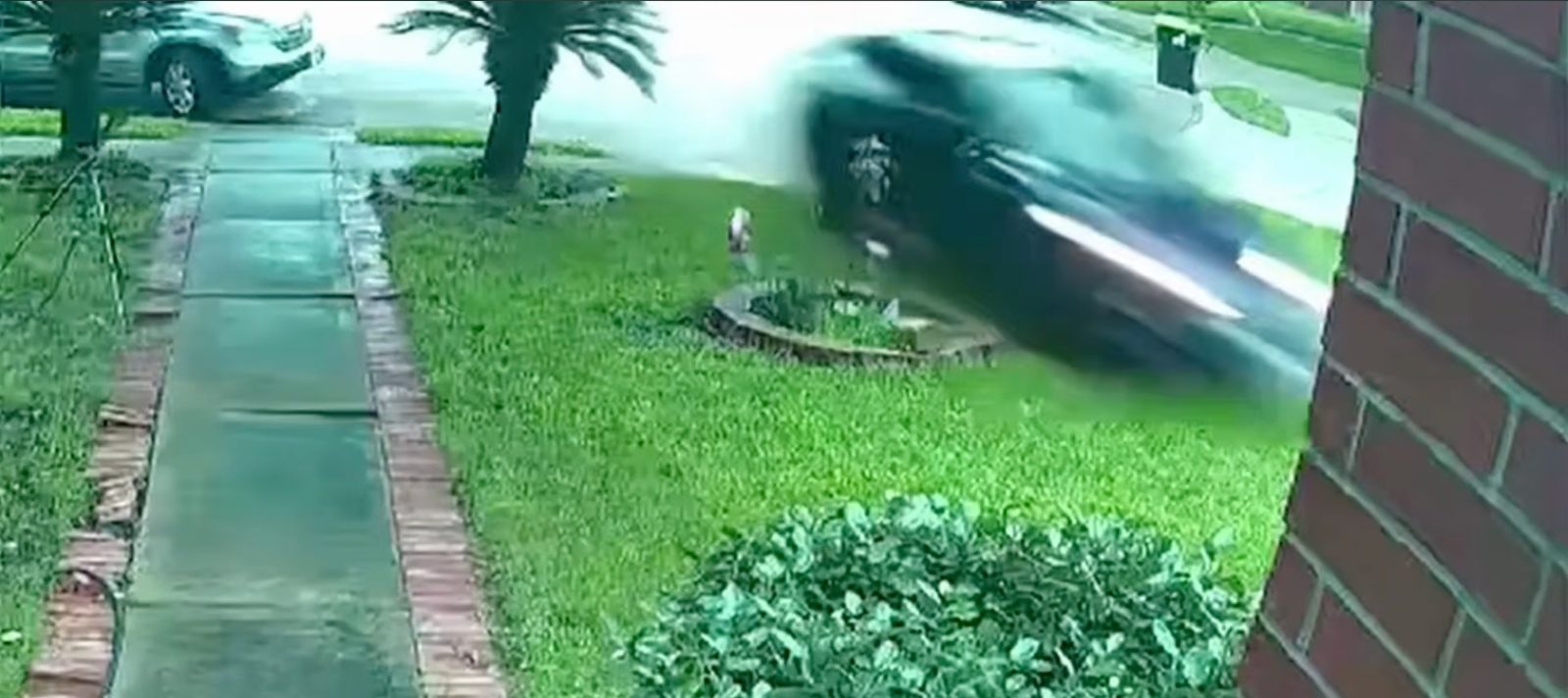
Federal safety regulators are now investigating the fatal Tesla crash in Katy, Texas, where a Model 3 left a residential road, tore through a brick home, and killed a 76-year-old woman inside.

The National Highway Traffic Safety Administration said Monday it is examining the June 20 crash, after the driver told deputies his Tesla was on Autopilot at the moment of impact.

  •  

NHTSA investigating alleged Tesla Autopilot crash that killed woman in her home

An elderly Texas woman tragically died Friday after a man who told police he was relying on his Tesla Model 3’s automated driver-assistance mode lost control and crashed his car into her family’s home.

In a statement, the Harris County Sheriff’s Office confirmed to Ars that Michael Butler said that “he was operating with an automated driving-assistance system engaged at the time of the crash.” Police are currently investigating whether the autopilot feature in any way caused the crash but confirmed that Butler was not intoxicated and is cooperating, partly by helping cops understand how Tesla’s Autopilot feature works.

“Butler failed to drive in a single lane, left the roadway, and struck the residence” at a “high rate of speed,” the sheriff’s office said.

Read full article

Comments

© via The Office of Constable Terry Allbritton on Facebook

  •  

Chinese sodium-ion battery matches Tesla on build quality, teardown finds

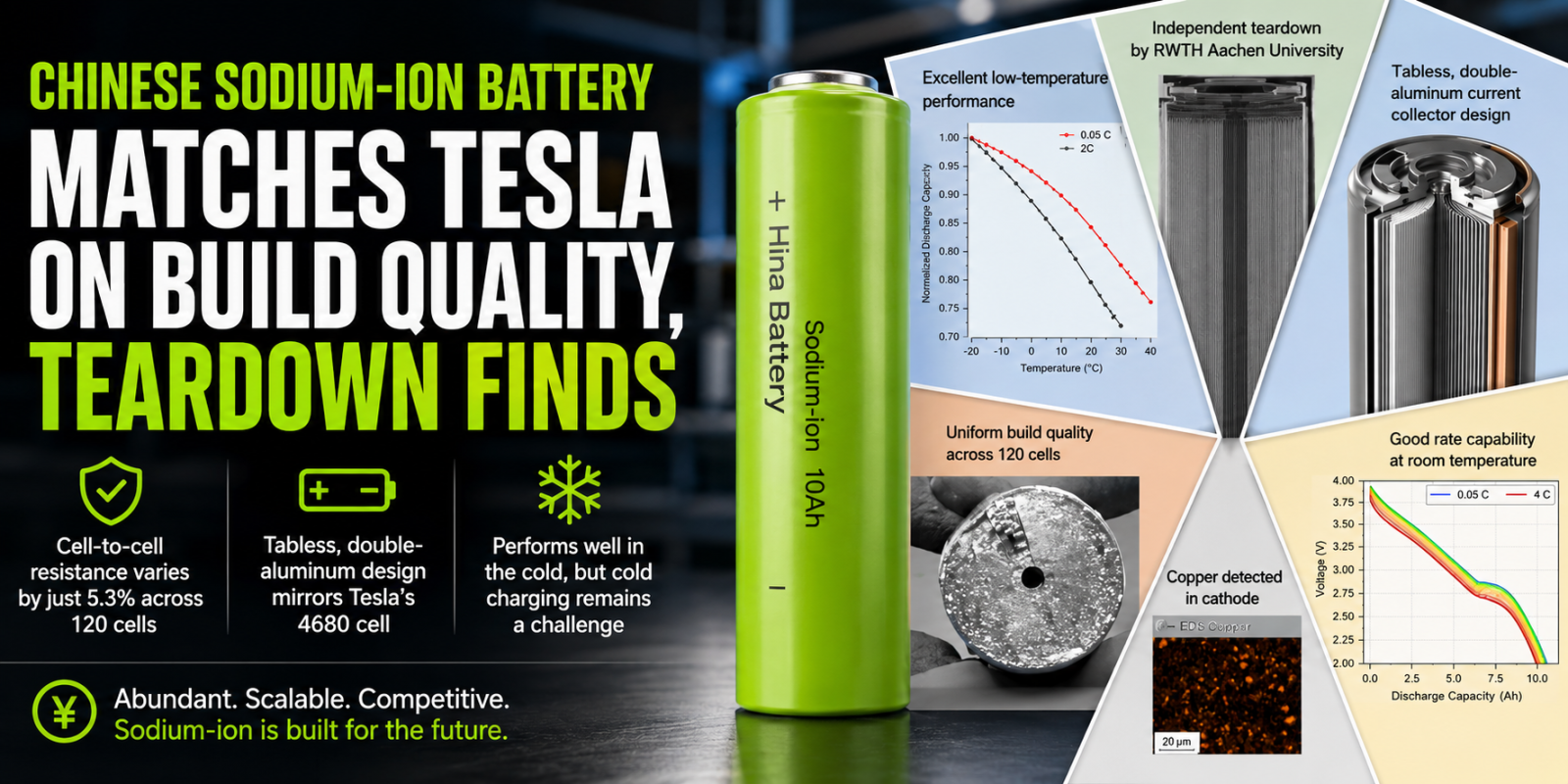
A commercial sodium-ion battery from Chinese manufacturer Hina matches Tesla’s lithium-ion cells on manufacturing quality and internal design, according to an independent teardown published in the Cell Press journal Cell Reports Physical Science.

Researchers at Germany’s RWTH Aachen University measured cell-to-cell resistance varying by just 5.3% across 120 cells — a sign of tightly controlled mass production rivaling the best lithium cells on the market.

  •  

Tesla driver says it was on Autopilot before fatal Texas home crash

A driver told Harris County investigators that his Tesla was on Autopilot before it left a residential road in Katy, Texas, crashed through the brick wall of a home, and killed a 76-year-old woman inside.

The crash happened around 8 p.m. Friday in the 21300 block of Rose Hollow Lane, according to the Harris County Precinct 5 Constable’s Office and the Harris County Sheriff’s Office.

  •  

Tesla HW3 claim grows to 7,000 owners, gets law firm backing for collective action

The Dutch collective claim against Tesla over broken “Full Self-Driving” promises on Hardware 3 vehicles has reached nearly 7,000 verified participants and secured backing from law firm Kennedy Van der Laan for a formal legal action.

The initiative, which launched in April with 3,000 signups in its first week, is now preparing to transfer the case to a foundation that will pursue the claim on behalf of all participants under Dutch collective action law.

  •  

Sweden tells EU to reject Tesla ‘FSD’ unless speeding is removed

Sweden’s transport authority has told the European Union it should vote against approving Tesla’s “Full Self-Driving (Supervised)” across the bloc unless the system’s ability to exceed posted speed limits is removed.

The recommendation, in a previously unreported April 30 letter to the EU’s Technical Committee on Motor Vehicles (TCMV), lands just before the committee is due to take up the matter on June 30, ahead of an eventual vote on a bloc-wide rollout.

  •  

Tesla teases new FSD features — but it’s still not the self-driving promised

Elon Musk says Tesla’s Full Self-Driving will soon remember your parking preferences and let you talk to it through Grok, like giving directions to an Uber driver.

The features sound useful, and they reflect how genuinely impressive FSD has become — but they also underscore that it remains a supervised driver-assist system, not the unsupervised self-driving Tesla has sold to owners for years.

  •  

Tesla loses its head of quality to Stellantis

Tesla’s head of quality, Kahiree Gans, is leaving the automaker to return to Stellantis — the same company Tesla poached him from less than three years ago.

Gans has updated his LinkedIn profile to list his new role as “Vice President, Global SQD” at Stellantis, while describing himself as “Ex-Tesla Head of Quality.”

  •  

Rivian CEO signals self-driving prices, like Tesla’s, will fall

Rivian CEO RJ Scaringe says the money automakers charge for self-driving software won’t last, comparing autonomy to airbags: a paid option today, baked into the price of every car tomorrow.

The comments, made in a new interview with WIRED, amount to a quiet warning shot at Tesla, which just moved its “Full Self-Driving” package to a subscription-only model at $99 per month.

  •  

The Cybercab is the lightest, most efficient Tesla ever made

Tesla Robotaxi on a graphic blue and green background.

Against all odds, the Tesla Cybercab is in production. And while Elon Musk's company may not have a very coherent plan for the tiny, autonomous two-seater, it's still taking the necessary steps to certify the EV's legitimacy. As such, Tesla recently filed paperwork with the Environmental Protection Agency that reveal many of the Cybercab's specs, including its weight, battery size, and preliminary range estimates.

What these documents reveal is the lightest, most range efficient vehicle Tesla has ever produced - and quite possibly one of the most efficient EVs ever produced.

The EPA filings confirm the Cybercab runs on a single front-mou …

Read the full story at The Verge.

  •  

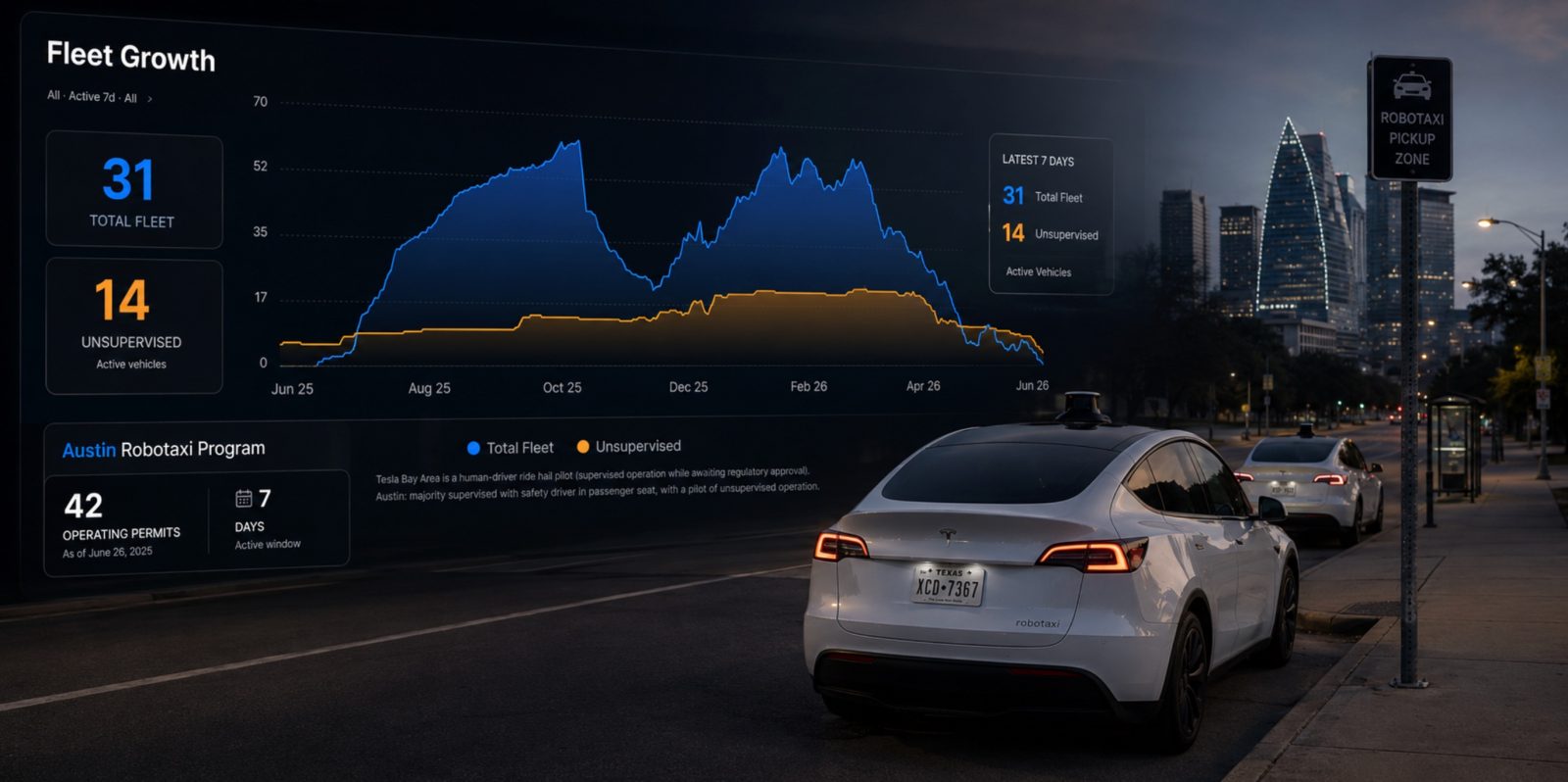
Tesla ‘Robotaxis’ are not crashing because they are not running

Tesla didn’t report a single at-fault “Robotaxi” crash in the latest NHTSA autonomous-vehicle data — its only fresh incident was a Model Y getting rear-ended while stopped, clearly the other driver’s fault.

That sounds like good news for Tesla’s safety record. But live fleet data points to the real reason the crashes have dried up: Tesla’s robotaxis are barely running, and the active fleet is shrinking a year into the program.

  •  

Ex-Tesla exec builds the home heat pump Tesla gave up for robots

Drew Baglino spent nearly two decades building Tesla’s batteries, motors, and power electronics. Now the former Tesla SVP is quietly building the one home energy product Tesla talked up for years and never shipped: a residential heat pump.

His startup, Sadi Thermal Machines, is a direct bet on an idea Tesla floated openly in 2022 — before the company reoriented itself around humanoid robots and robotaxis.

  •  
❌