The United States is one of only a handful of countries that allows companies to hold patents on plant varieties. As a result, a small number of corporations can—and do—suppress competition in the seed industry, stifle innovation, and turn taxpayer subsidies intended for farmers into corporate profits.
One of Taika Waititi's greatest strengths as a director is his unique voice; he's able to bring a light touch to tragedy (Jojo Rabbit) and a gentle sadness to offbeat comedy (Our Flag Means Death). That makes him an excellent choice to direct Klara and the Sun, based on the novel by Kazuo Ishiguro. Sony Pictures just released the first trailer, and it's giving strong Hunt for the Wilderpeople vibes—a good thing, from my perspective, since that's my favorite Waititi film.
Per the official premise:
Based on the bestselling novel from Nobel Prize winner Kazuo Ishiguro and written and directed by Academy Award winner Taika Waititi, Klara and the Sun introduces audiences to Klara (Jenna Ortega), an Artificial Friend who wants nothing more than to find the perfect home. When Klara meets Josie (Mia Tharia), each immediately senses a kindred spirit in the other. Josie has a fraught relationship with her mother (Amy Adams), and they’ve suffered great loss, but Klara’s innocent wonder and unwavering loyalty begin to heal the family and bring light to Josie’s complicated world.
The cast also includes Natasha Lyonne as an artificial friend (AF) store manager; Rachel House as the housekeeper, Melania; Aran Murphy (son of Cillian Murphy) as Josie's best friend, Rick; and Sophia Bryant-Taukiri as Josie's older sister, Sal. Steve Buscemi and Harry Greenwood also appear in as-yet-undisclosed roles.
Doctorow doesn't actually enjoy talking about AI, but he's constantly being asked to comment on it. "I made the tactical error of being sick of talking about AI," Doctorow told Ars. "So I wrote a book about why I think it's a dumb thing to keep asking people to talk about, and now I have to talk about it." Reverse Centaur is Doctorow's attempt to "sort out the bullshit from the material reality."
In automation theory, per Doctorow, a "centaur" describes a human augmented with a technology, like machine learning, or even just driving a car or using autocomplete. A reverse centaur "is a machine head on a human body, a person who is serving as a squishy meat appendage for an uncaring machine," Doctorow said in a speech last December. He gave the example of an Amazon delivery driver, surrounded by AI cameras monitoring their driving, who essentially serves as a peripheral to the delivery van.
Emily Wilson’s 2017 translation of Homer’s epic—the first by a woman—was called a woke “abomination” by online reactionaries. Christopher Nolan’s film is facing similar critiques.
Coastal farmland in the Mid-Atlantic is being overtaken by rising seas faster than forests, revealing an overlooked rural front in climate-driven marsh migration. Ghost forests, the eerie stands of dead trees left behind when saltwater moves inland, have become a stark sign of sea level rise along the Mid-Atlantic coast. Yet a new Nature Sustainability [...]
Widow's Bay, the delightfully eccentric new comedic horror series from Apple TV, is easily one of the best new series of the year. There's a reason everyone from Guillero del Toro and Ben Stiller to Damon Lindelolf (Lost) is raving about the show. It's an eminently binge-able, addictive series that pays tribute to all the classic horror tropes while reinventing them in surprising ways. Think Stephen King meets Parks and Recreation, with a dash of Twin Peaks—except Widow's Bay is very much its own refreshingly original beast.
(Some spoilers below but no major reveals.)
Tom Loftis (Matthew Rhys) is a widower and mayor of Widow's Bay, a quirky little seaside town that has a colorfully bizarre history marked by periodic tragedies. Tom is eager to elevate the town into a trendy summer tourist destination. But the arrival of New York Times travel writer Arthur Lloyd (Bashir Salahuddin), who has the clout to make Tom's aspirations for Widow's Bay come true, coincides with the onset of a mysterious fog. Local resident Wyck (Stephen Root) warns Tom that the fog is an omen that the island is "waking up," meaning more supernatural occurrences are bound to happen.
In a groundbreaking revelation that could reshape our understanding of plant-microbe interactions and agricultural biotechnology, researchers have unveiled a novel chemical communication mechanism between rice roots and beneficial soil bacteria. This newly discovered pathway centers on the secretion of heptadecanoic acid, a specific fatty acid, which effectively recruits Bacillus species to the rhizosphere, the densely populated soil region surrounding plant roots. Such a mechanism not only highlights the intricate biochemical dialogues that underpin plant-microbe symbioses but also opens promising avenues for sustainable crop management through microbiome engineering.
Rice, a staple food that sustains more than half of the world’s population, has long been studied for its interactions with the soil ecosystem. The rhizosphere harbors myriad microbial communities, some of which promote plant health by enhancing nutrient acquisition, defending against pathogens, or improving stress tolerance. Identifying the exact signals that facilitate recruitment of beneficial bacteria has presented a considerable scientific challenge. The recent study by Zeng, Wen, Zhao, and colleagues provides essential insights and fills a critical gap by pinpointing heptadecanoic acid as a chemical attractant secreted by rice roots, which acts as a molecular beacon for Bacillus.
Heptadecanoic acid, also known as margaric acid, is a saturated fatty acid containing 17 carbon atoms. Traditionally, plant root exudates—complex mixtures of organic acids, sugars, amino acids, and secondary metabolites—have been observed to influence microbial colonization, but the specific involvement of fatty acids as signals was less appreciated. The team’s meticulous biochemical analyses have now elucidated that rice roots not only exude heptadecanoic acid but do so strategically when recruiting beneficial Bacillus species. This revelation signifies a refined understanding of the selective microbial recruitment strategies employed by plants.
The team’s research employed an array of advanced techniques—ranging from root exudate profiling through gas chromatography-mass spectrometry (GC-MS) to microbial chemotaxis assays—to validate that Bacillus species detect and are attracted to gradients of heptadecanoic acid in the rhizosphere. Importantly, not all soil microbes respond equivalently, underscoring the specificity of this fatty acid signal. Functional studies further demonstrated that disrupting rice root production of heptadecanoic acid diminished Bacillus colonization, which correspondingly weakened the plant’s resistance to common soil-borne pathogens.
Understanding the biochemical basis for such recruitment enables scientists to rethink approaches to crop protection and enhancement. Bacillus species are well-known for their plant growth-promoting traits, including production of antimicrobial compounds, enhancement of nutrient solubilization, and induction of systemic resistance in plants. By harnessing the heptadecanoic acid signaling pathway, it is conceivable that agricultural inoculants could be optimized to improve colonization efficiency and consistency in field conditions, potentially reducing the need for chemical pesticides and fertilizers.
This molecular dialogue highlights a sophisticated communication network where plants actively shape their microbial environment. The discovery that a fatty acid functions not merely as a structural or energy-storage molecule but as a signaling compound redefines our conception of root exudate complexity. Moreover, heptadecanoic acid’s hydrophobic nature prompts questions about its diffusion dynamics in soil and the mechanisms by which Bacillus receptors detect it. Future exploration into bacterial chemoreceptors and downstream signaling pathways activated by this molecule could illuminate novel targets for microbiome manipulation.
Beyond direct agricultural implications, this finding resonates with broader ecological principles. The soil microbiome’s composition significantly influences plant community dynamics, ecosystem productivity, and resilience to environmental stresses. By uncovering a precise mediator of microbe recruitment, the work by Zeng and colleagues contributes to the fundamental ecological theory of plant-soil feedback loops, suggesting that plants possess active biochemical agency in curating their microbial consortia.
Interestingly, the secretion of heptadecanoic acid is not constant but modulated by environmental cues and plant developmental stages, emphasizing the dynamic nature of root exudation profiles. This temporal regulation indicates that plants might selectively recruit beneficial microbes in response to specific physiological needs or external threats, adding an adaptive dimension to this interaction. Understanding these controls could inform timing strategies for microbial inoculant application in agriculture to coincide with natural recruitment periods.
The authors also raise intriguing evolutionary considerations. The conserved ability among rice varieties to secrete heptadecanoic acid suggests selective pressure favoring plants capable of enlisting Bacillus partners. Parallel studies on other cereal crops could reveal whether this fatty acid signaling is a widespread mechanism or unique to rice. Such comparative analyses across plant taxa may unearth a broader family of fatty acid signals mediating symbioses and expand the toolkit for synthetic microbiome engineering.
This pioneering investigation underscores the necessity of interdisciplinary approaches combining plant biology, microbiology, analytical chemistry, and ecology to fully decipher plant-microbe interactions. It leverages cutting-edge omics technologies and bioinformatics pipelines to characterize metabolite profiles and microbial responses, illustrating the power of integrative science. The robust experimental design and reproducible methodologies set a new benchmark for future studies aiming to parse root exudate signaling.
As the global agricultural sector grapples with the challenges of increasing food production sustainably on finite arable land under climate change pressures, the discovery of a natural plant mechanism to recruit growth-promoting and protective microbes represents a potentially transformative tool. Strategies informed by such foundational knowledge could reduce reliance on synthetic inputs, lower environmental footprints, and enhance crop resilience, aligning with ambitious global sustainability goals.
In conclusion, the identification of heptadecanoic acid as a pivotal signaling molecule secreted by rice roots to attract beneficial Bacillus species marks an exciting advance in the field of plant-microbe research. It unravels a previously unrecognized layer of biochemical communication with profound implications for agriculture and ecology. Continued investigation into the molecular details, environmental regulation, and cross-species relevance of this signaling mechanism promises to unlock innovative avenues for crop improvement and sustainable farming practices worldwide.
Subject of Research: Plant-microbe interactions focusing on the biochemical signaling between rice roots and Bacillus species mediated by heptadecanoic acid secretion.
Article Title: Author Correction: Rice roots recruit Bacillus via the secretion of heptadecanoic acid.
Article References: Zeng, J., Wen, T., Zhao, J. et al. Author Correction: Rice roots recruit Bacillus via the secretion of heptadecanoic acid. Nat. Plants (2026). https://doi.org/10.1038/s41477-026-02341-5
In an interesting twist of fate, researchers from the Institute of Papyrology at Heidelberg University discovered “curse tablets” from the Roman era, a fascinating look at the more superstitious side of a triumphant empire.
Found in a pit in the Town Square in Heerlen, the curse tablet measuring about 3.7 by 1.9 inches had been laid to rest at a former Roman military settlement of Coriovallum in Lower Germania.
Whoever left it there had a vendetta against her own, or someone else, as researchers suspect that a slave had written the curse either against the four slaves named, or an unknown person.
Known as a defixione or katadesmoi, these curse tablets made of lead were marked with spells and then buried in places associated with supernatural forces, showing that we, humans, have always had a desire to invoke the gods to act in our favor.
This is a rare sighting from Roman Egypt that revealed the role that magic played in that society, at a time when cultures and belief systems were mixing and spreading throughout the empire.
Someone was mad
Researchers had an arduous task before them, as time damaged the inscription. They employed reflectance transformation imaging, which allowed them to penetrate the tablet deeper than their eyes could, picking up more of the inscription lost, their wish perhaps answered by the gods.
Upon the profane/sacred tablet, they found references to Egyptian divinities, which, according to researchers, surprised them as a rare sighting in Germany. Most in Northern Europe follow a similar format: Latin and Roman. Not Egyptian.
And the plot thickens… as it was buried, interestingly, in a former Roman military settlement, and typically, these were buried in locations infused with the supernatural. Below three magical symbols, the author wrote the names of four enslaved people. The men held Latin names. The women, Greek.
As the inscription had been damaged, researchers couldn’t decipher whether this tablet had cursed four slaves or whether four slaves had cried out to the Egyptian gods and demi-heroes, who knows? To wrath. To wreak havoc on an unknown person.
“The tablet served either as a curse against these four slaves or as a curse in their name against an unnamed person,” as the Heidelberg papyrologist told Phys.
Hoping to “work a little magic”
Already, the curse tablet stands alone among the others that researchers have found, because the author etched the message in Greek rather than Latin. These thin sheets of lead containing scratches of supernatural desires were used to sway a court case, target a rival, or even a lover, as per Archaeology News.
“It cannot be ruled out that one of the two women was the author of the inscription and had brought the supposed ability to communicate with divine powers through such curses with her from Roman Egypt,” says Dr. Julia Lougovaya, research associate at the Institute for Papyrology in Phys.
That might suggest that she wrote it for someone, on behalf of four slaves. This author might have originated from Roman Egypt because of the references used. Along the Nile, magic played a fundamental role in society. But interestingly, more so related to protection and healing, as per Phys.
But this was a curse. And these tablets were Roman. So, did a former slave flip the concept? The significance of the tablet rests on its cultural mix.
In the far north of the Roman Empire, this Egyptian-meets-Greek artifact was found, exhibiting just how far the mélange of cultures traveled. Perhaps, it might even inspire ideas as to who might have wanted to curse someone at some Roman camp, because of the slave names written across the tablet.
Known as a defixione or katadesmoi, these curse tablets made of lead were marked with spells and then buried in places associated with supernatural forces.
Nature is often portrayed as a battlefield where every species competes for food, territory, and survival. Yet some of the most successful relationships in the natural world are built on cooperation.
Across oceans, forests, and deserts, animals regularly interact with members of other species in ways that benefit both sides. Interestingly, from an evolutionary perspective, this cooperation should be difficult. This is because animals belonging to different species do not share the same instincts, sensory abilities, or interests.
One animal may communicate through scent, another through movement, and a third through sound. Also, misunderstandings can be dangerous. A potential partner might instead become a competitor, a parasite, or even a predator.
“This gap in our understanding is noteworthy because animal interspecies cooperation combines features of multiple interaction types, sharing some challenges with broader mutualisms, such as cross-species communication and increased risk of harm or exploitation,” the authors of a new study note.
A new study examines how species overcome these obstacles through the exchange of information. The study authors argue that cues and signals help animals identify potential partners, assess their motivation to cooperate, and judge how reliable they are likely to be.
“Cues and signals are likely to be particularly crucial in animal interspecies cooperation, a specific form of mutualism that depends on real-time, interactive behavioural coordination to secure mutual benefit,” the study authors added.
By bringing together evidence from many forms of interspecies cooperation, the study provides a framework for understanding how communication helps make these unlikely partnerships possible.
Reducing risk and uncertainty in animal cooperation
The study emerged from a large interdisciplinary effort involving 58 researchers working across fields including animal behavior, ecology, evolution, anthropology, and linguistics.
Rather than focusing on a single species or ecosystem, the team examined evidence from a broad range of cooperative relationships to understand the common principles that allow different species to coordinate their actions.
What interested the researchers was not the details of any one partnership but a challenge common to all of them, which was uncertainty. Whenever individuals from different species interact, they must somehow determine whether cooperation is worth the risk.
The researchers found that many cooperative systems contain mechanisms that reduce this uncertainty. These can include visual displays, sounds, chemical compounds, body postures, or repeated behavioral patterns.
Regardless of the form they take, their purpose is similar—they provide information that allows one species to anticipate the actions of another.
Seen this way, communication functions less like a conversation and more like a mechanism for reducing uncertainty. Signals can reveal who a partner is, whether it intends to cooperate, and how predictable its behavior is likely to be. By making behavior more predictable, they reduce the risks that would otherwise discourage cooperation.
One example comes from the partnership between greater honeyguide birds and humans in parts of Africa. The birds use calls and behaviors that help direct people toward wild bees’ nests, while humans respond with their own vocal signals during the search. As a result, both sides gain access to resources they would struggle to obtain as efficiently on their own.
From accidental clues to biological languages
The study also explores how communication systems may evolve over time. The researchers distinguish between cues and signals. A cue provides information to another species but did not evolve specifically for communication.
A signal, in contrast, has been shaped by evolution because it influences how another organism responds. However, the study authors note, “signals can evolve from cues.”
The study points to interactions involving brightly colored cleaner fish on coral reefs as an example of how information can facilitate cooperation. Their distinctive appearance and behavior help client fish recognize them as cleaning partners rather than prey.
According to the researchers, characteristics that reliably convey useful information can become increasingly important if other species benefit from responding to them. Over time, natural selection may strengthen these interactions.
Individuals who provide clearer information gain more cooperative opportunities, while those who interpret the information more accurately gain greater benefits. The authors suggest that this process can lead to coevolution, with one species becoming better at providing information and the other becoming better at interpreting it.
In this way, what begins as an incidental cue can gradually develop into a more specialized signal that helps coordinate cooperation between species. The researchers also found that these communication systems are not always fixed. Some appear remarkably consistent, while others vary across environments and populations.
This flexibility suggests that communication between species can be shaped not only by evolution but also by local ecological conditions and, in some cases, learning.
The hidden rules of cooperation
According to the study authors, “animal interspecies cooperation provides a powerful opportunity to investigate the evolution of communication.”
By examining how species exchange information to coordinate their actions, the researchers argue that communication may be one of the hidden foundations of cooperation in nature.
By comparing interspecies cooperation with communication systems found within species and in other mutualistic relationships, the authors provide a broader framework for understanding how cooperation emerges and persists.
At the same time, the researchers emphasize that many forms of interspecies communication remain poorly understood. This is because most studies have focused on a relatively small number of well-known examples, leaving many species and ecosystems unexplored.
Future work will investigate how signals originate, how they vary across populations, and how communication systems can evolve between cooperating species.
For now, the study’s message is simple. Cooperation does not require animals to share a common language. It requires enough information for each partner to recognize, interpret, and respond to the other. In nature, this ability may be what transforms a risky encounter into a lasting partnership.
The study is published in the journal Animal Behavior.
A genetic study of 2,000-year-old grape seeds is shedding new light on ancient winemaking. For centuries, the vineyards of Tuscany have been associated with some of the world’s most celebrated red wines. But a cache of grape seeds buried in ancient wells is revealing a very different story about what people were growing and drinking [...]
Have you ever considered buying a DNA kit for a family member as a special gift, such as Father’s Day? On the surface, it may seem like a good idea, as it allows loved ones or friends to peer into their past and family history; however, psychologistshave recently warned against it, asit might have profound psychological implications.
In a new book titled The Psychology of Genealogy,Dr. Susan Moore, a retired Australian university researcher in social and developmental psychology, examines the complex emotions associated with DNA testing and uses real-life case studies to illustrate its psychological impact.
“Should you give DNA kits as gifts? It can be fun, [but] it can be risky,” Moore says in a statement.
Moore cautions that the psychological impact of DNA testing may be far greater than many people anticipate. These tests can reveal unexpected family secrets, uncover cases of misattributed paternity, disclose donor conception, and even link individuals to hundreds of previously unknown half-siblings or relatives they may not want to be connected with.
“Do first think carefully about how your intended recipient might cope with unexpected outcomes,” Moore says.
“Hobbyist family historians are uncovering joyful and inspiring stories of the past as well as sad and unsettling secrets of their ancestry,” Moore explains. “Records and DNA matches provide boosts, challenges, and even threats to one’s sense of self, and this is occurring at unprecedented levels.”
Unexpected DNA results can deeply impact a person’s sense of self and identity, along with family belonging and dynamics—a phenomenon psychologists call “identity disruption.” Moore’s book highlights cases involving revelations of misattributed parentage, late-discovered adoption, and donor conception uncovered through genetic testing, all of which caused more physical harm than good.
“At the personal level, these may be findings that cause you great distress, that destabilize your sense of who you are, that initially at least, you would have preferred not to know. Once known, however, they cannot be unknown,” says Moore.
DNA testing has also raised privacy concerns in recent years. A 2023 23andMe data breach exposed millions of users’ genetic information, while financial challenges that DNA companies have faced raise questions about what happens to genetic data if these companies fail.
Surprising statistics show that, presently, over 30 million people have tested their DNA through genealogical services like 23andMe and AncestryDNA.
Still, for many people, even with data breaches and larger companies buying up DNA data sets, it’s still enticing to buy, as their curiosity seems to outweigh the risks.
“How exciting it can be to discover the identity of an ancestor, solve a family mystery, prove or disprove family ‘legends’ or discover previously unknown living relatives,” Moore says.
“Indeed, genealogists regularly report elation and joy as they unearth lost relatives, discover the identity of a ‘missing’ ancestor, or otherwise break down ‘brick walls’ (genealogical puzzles that seem to resist solutions due to missing, inaccurate, or hard-to-access records).”
“Curiosity is a great motivator,” Moore adds.
Chrissy Newton is a PR professional and the founder of VOCAB Communications. She currently appears on The Discovery Channel and Max and hosts the Rebelliously Curious podcast, which can be found on YouTube and on all audio podcast streaming platforms. Follow her on X: @ChrissyNewton, Instagram: @BeingChrissyNewton, and chrissynewton.com. To contact Chrissy with a story, please email chrissy @ thedebrief.org.
The largest Roman bathhouse complex ever discovered in the Netherlands has surfaced, shedding new light on the wealth and importance of the ancient Roman city of Ulpia Noviomagus.
Researchers from the archaeological firms RAAP and BAAC were conducting routine investigations in Nijmegen’s Waalfront district, a site slated for new residential development. The excavation, which began in September of last year and will conclude in July, uncovered a public bathhouse, residential blocks, luxury townhouses, streets, and a tower dating back nearly 2,000 years.
“For years, the traces of the Roman past at this location were invisible, hidden deep underground. Now that we are realizing a new living environment here, the past has become visible,” said Joost Mulder, BPD’s Regional Director for the North-East & Central region, in a press release.
The bathhouse complex, or thermae, covered at least 4,900 square meters, making it the second-largest excavated Roman public bath complex in the Netherlands. Despite centuries of stone removal and reuse following the Roman period, parts of the structure remain exceptionally well-preserved.
Roman history unearthed
The size of the complex reflects the importance of Ulpia Noviomagus—the Roman city that once stood here—which is believed to have received its official status from Emperor Trajan around 100 AD. The discoveries suggest that this area of the city remained active well into the third century AD.
The bathhouse was richly decorated. Its interior walls were clad in marble. The floors were laid with black-and-white limestone tiles. Other rooms featured colorful, painted plaster. Decorative limestone and sandstone moldings adorned the building’s facades, while columns made from the same materials enhanced its splendor.
Archaeologists also uncovered extensive drainage systems, flooring, and a hypocaust—a sophisticated Roman underfloor heating system supported by brick pillars. This technology circulated hot air beneath a raised floor, as per Archaeology News. Two stone foundations survive to a height of nearly two meters, making them some of the best-preserved examples of Roman masonry in Nijmegen.
Tens of thousands of artifacts recovered from the site point to the affluent lifestyle that residents enjoyed during the second and third centuries AD.
Among the discoveries are bronze statue fragments, signet rings, a necklace with a gold clasp, coins, and hundreds of bone hairpins used in elaborate Roman hairstyles. Notably, two of the hairpins featured remarkable carvings of cats—one seated and one standing.
However, a bronze bust depicting Bacchus, the Roman god of wine, stood out the most to archaeologists. They believe the object originally formed part of a pitcher or a piece of furniture before later being adapted for use on a weighing scale.
Archaeologists also recovered numerous coins from the reign of Emperor Postumus, who ruled between 260 and 269 AD, providing rare evidence of continued occupation during a relatively poorly documented period.
Integrating the past into the future
Developers and city officials plan to integrate the site’s Roman heritage into the future neighborhood, added Archaeology News.
“The link to the past will remain visible in the future as well. For instance, a number of residential buildings will feature a covered walking area with rows of columns. A colonnade just like in Roman times. And developers plan to call the green square in the heart of the area, inspired by the floor plan of the bathhouse complex, Thermenplein. A direct reference to the Roman meeting place that was here some 2,000 years ago,” concludes the press release.
Several artifacts from the excavation will go on display at Nijmegen City Hall beginning June 29, offering residents a glimpse into the city’s rich Roman history and its status as one of the most important Roman centers in the Netherlands.
Des scientifiques chinois montrent que l'ensoleillement sur Terre est en train d'être modifié, et d'être redistribué de manière différente à travers la Planète. Certaines régions du monde seront de plus en plus lumineuses, tandis que d'autres vont s'obscurcir, et le phénomène semble avoir déjà...
More than 1.5 billion people around the world are expected to watch the 2026 FIFA World Cup finals. With so many fans carefully watching every pass, tackle and goal, referees are under enormous pressure to make the right decisions. To help them, FIFA is using advanced artificial intelligence and computer vision technology to improve the […]
 Login




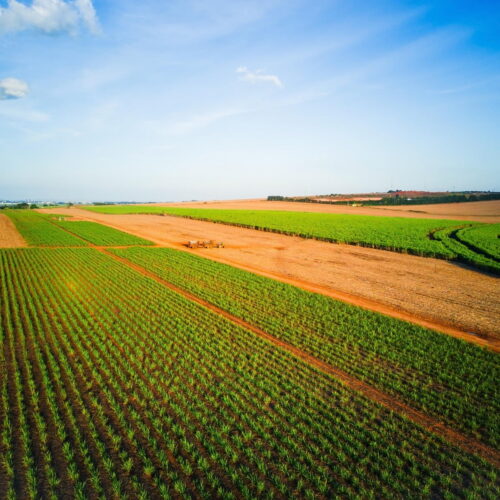
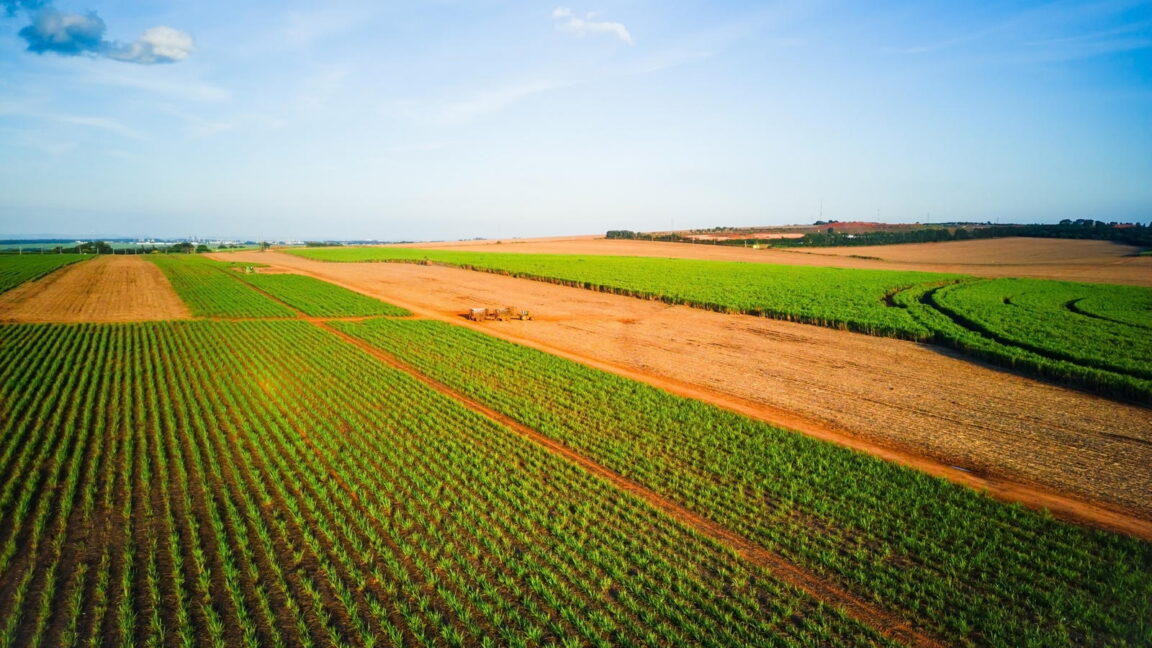





 Coastal farmland in the Mid-Atlantic is being overtaken by rising seas faster than forests, revealing an overlooked rural front in climate-driven marsh migration. Ghost forests, the eerie stands of dead trees left behind when saltwater moves inland, have become a stark sign of sea level rise along the Mid-Atlantic coast. Yet a new Nature Sustainability [...]





 A genetic study of 2,000-year-old grape seeds is shedding new light on ancient winemaking. For centuries, the vineyards of Tuscany have been associated with some of the world’s most celebrated red wines. But a cache of grape seeds buried in ancient wells is revealing a very different story about what people were growing and drinking [...]