Chromosome instability and aneuploidy have long posed a conundrum in cancer biology, profoundly shaping tumor genomes yet remaining challenging to decode functionally. In a groundbreaking study published in Nature, Al-Zahrani et al. unveil a novel approach, CRISPR-KOALA, that systematically links large-scale chromosomal alterations to specific cancer-driving genes in basal-like breast cancer (BLBC).
BLBC, a highly aggressive subtype characterized by extensive copy-number alterations (CNAs), often harbors arm-level chromosomal imbalances whose contribution to tumorigenesis remains elusive. The researchers developed CRISPR-KOALA to conduct high-throughput bidirectional genetic screens directly in immunocompetent mouse models, overcoming previous barriers related to the complexity and scale of genes affected by aneuploidy.
By focusing on the ten most frequent human chromosome-arm alterations seen in BLBC, the team screened over 3,700 mouse orthologues of genes located on these arms. The screen identified 90 putative cancer driver genes—a majority of which had not been previously linked to cancer—revealing a diverse functional landscape shaping tumor biology. Among the implicated pathways were key signaling networks such as MAPK, HIPPO, and WNT, highlighting the heterogeneity intrinsic to BLBC progression.
Strikingly, manipulating these driver genes in Trp53-mutant mouse models was sufficient to bypass the need for whole-arm CNAs, suggesting that tumors exploit specific genes within broad chromosomal alterations to fuel oncogenesis. This finding challenges the traditional view that arm-level aneuploidies function merely as genomic chaos, instead presenting them as evolutionary selections for particular drivers.
One gene, PLGRKT, localized on chromosome 9p, emerged as a potent oncogene. The team showed that PLGRKT promotes tumor growth by enhancing mitochondrial robustness and boosting reactive oxygen species detoxification. This mechanistic insight connects chromosomal instability not only to genetic selection but also to metabolic adaptations that support cancer cell survival under stress.
Overall, this study delivers a transformative platform and a compendium of cancer drivers that illuminate how aneuploidy sculpts tumor heterogeneity. By delineating driver genes nested within widespread CNAs, it provides an invaluable resource for targeting breast cancer’s genetic complexity with greater precision.
The implications extend beyond breast cancer, offering a blueprint for dissecting arm-level aneuploidy in diverse malignancies. As cancer therapies increasingly focus on genetic vulnerabilities, CRISPR-KOALA represents a leap toward untangling the intricate link between chromosome-level alterations and oncogenic processes.
This work underscores the power of integrating genomic data with functional genetics in vivo, setting the stage for novel drug targets and therapeutic strategies aimed at the underexplored realm of aneuploidy-driven tumorigenesis.
Subject of Research: Chromosome instability and cancer driver genes in basal-like breast cancer
Article Title: Aneuploidy selects for the acquisition of driver genes in breast cancer
Article References:
Al-Zahrani, K.N., Langille, E.R., Nurtanto, J. et al. Aneuploidy selects for the acquisition of driver genes in breast cancer. Nature (2026). https://doi.org/10.1038/s41586-026-10752-9
A recent groundbreaking study unveils the complex landscape of unmet medical needs among the global aging population, offering new insights that could reshape healthcare policy and delivery. The research, published in a leading geriatrics journal, meticulously analyzes data drawn from a comprehensive national health service survey, revealing both the distribution patterns and deep-rooted inequalities affecting older adults’ access to medical care.
As the world’s population ages, the demand for healthcare services tailored to older adults is rising dramatically. Yet, this study reveals that many older individuals face significant barriers that prevent them from receiving timely and adequate medical attention. Utilizing advanced statistical models and large-scale population data, researchers identified critical demographic and socioeconomic factors linked with these unmet needs.
The findings highlight that unmet medical needs are not uniformly distributed but vary substantially across different segments of the elderly population. Income disparity emerges as a predominant determinant, with lower-income groups disproportionately affected. These individuals often encounter limited access to healthcare facilities, affordability challenges, and reduced availability of specialized geriatric services.
Furthermore, geographic location plays a decisive role. Older adults living in rural or underserved regions exhibit much higher rates of unmet medical needs compared to their urban counterparts. The scarcity of healthcare providers and transportation difficulties exacerbate these disparities, underscoring the urgent necessity for targeted interventions in healthcare infrastructure.
Another critical element revealed by the study is the influence of social support structures. Elderly individuals with limited family support or social networks experience greater hurdles in managing chronic conditions and accessing preventive care. This dimension adds a nuanced layer to understanding the intersectionality of healthcare inequalities among seniors.
Technological and systemic barriers also contribute significantly. Despite advancements in telemedicine and digital health platforms, a considerable portion of the older population remains digitally excluded, preventing them from leveraging these new modes of healthcare delivery. This technological divide further entrenches existing healthcare inequalities.
The research team employed rigorous analytical techniques to control for confounding variables, thereby isolating the independent effects of various risk factors. Their approach not only quantifies the scope of unmet medical needs but also provides actionable insights for policymakers, healthcare providers, and social services.
In a call to action, the study emphasizes the importance of multidimensional strategies that address economic, geographic, social, and technological determinants simultaneously. Tailoring interventions to these complex factors is paramount in ensuring equitable healthcare access for older adults and ultimately enhancing their quality of life.
As global demographics shift, this study serves as a critical resource for stakeholders striving to promote health equity among the aging. The detailed evidence underscores an urgent need to rethink current healthcare models by incorporating comprehensive measures that bridge gaps and dismantle barriers to care.
Subject of Research:
Unmet medical needs and associated inequalities among older adults based on national health survey data.
Article Title:
Distribution, inequalities and associated factors of unmet medical needs among older adults: evidence from the national health service survey.
Article References:
Deng, Q., Yang, Y., Qiao, J. et al. Distribution, inequalities and associated factors of unmet medical needs among older adults: evidence from the national health service survey. BMC Geriatr (2026). https://doi.org/10.1186/s12877-026-07948-z
Image Credits: AI Generated
DOI: 10.1186/s12877-026-07948-z
Keywords:
Unmet medical needs, older adults, healthcare inequalities, geriatric health, socioeconomic factors, rural healthcare access, health services distribution
Moonlight illuminates the western side of Super Typhoon Bavi’s eyewall at about 15:30 Universal Time on July 5 (1:30 a.m. local time on July 6). The image was acquired with the VIIRS (Visible Infrared Imaging Radiometer Suite) day-night band on the NOAA-20 satellite.
NASA Earth Observatory/Michala Garrison
In early July 2026, for the second time in three months, a powerful typhoon crossed the U.S. Northern Mariana Islands and Guam in the North Pacific Ocean. Super Typhoon Bavi was at peak intensity when it neared the islands on the night of July 5, bringing winds of 290 kilometers (180 miles) per hour, along with torrential rain and dangerous storm surge.
This nighttime image, captured by the VIIRS (Visible Infrared Imaging Radiometer Suite) on the NOAA-20 satellite, shows Bavi’s eye at about 15:30 Universal Time on July 5 (1:30 a.m. local time on July 6). Light from the Moon, which was in the waning gibbous phase, illuminates the eyewall’s western side. The eye passed over Rota, north of Guam, several hours after the image was acquired.
Bavi became a super typhoon in the early hours of July 4 local time while tracking west over the warm ocean. Satellite observations indicated that sea surface temperatures were around 30 degrees Celsius (86 degrees Fahrenheit) in the region. Bavi was the third tropical cyclone in 2026 to reach category 5 intensity on the Saffir-Simpson wind scale.
The typhoon caused extensive damage across Guam, Rota, and Saipan, according to news reports, downing power poles and lines; flooding roads and littering them with debris; and damaging buildings, including a water distribution station on Rota. U.S. Coast Guard crews worked to clear navigation hazards in the waterways around Guam and the Northern Marianas and reopen ports as dangerous marine conditions subsided, according to reports. This damage comes on top of destructive winds and flooding from Super Typhoon Sinlaku, which crossed the islands in mid-April.
Super Typhoon Bavi tracked west over the Northern Mariana Islands toward Asia in early July 2026. The storm’s clouds and path are overlaid on a Blue Marble: Next Generation image built from scenes captured by the MODIS (Moderate Resolution Imaging Spectroradiometer). The image of the storm was captured by the VIIRS (Visible Infrared Imaging Radiometer Suite) on the NOAA-21 satellite on July 8, 2026, at about 04:30 Universal Time.
NASA Earth Observatory/Michala Garrison
On July 8, Bavi remained a powerful typhoon as it moved west over the Philippine Sea. In the early afternoon, when the image above was captured, the National Weather Service reported maximum sustained wind speeds of 250 kilometers (155 miles) per hour. Forecasts indicated the typhoon’s track could bend northwest toward Taiwan, the Ryukyu Islands of southern Japan, and mainland China and weaken over the next several days.
Writing in Yale Climate Connections, meteorologist Jeff Masters said that Bavi is the type of storm that might be expected when a strong El Niño event is building, which is currently the case. El Niño-year typhoons may form farther east, giving them more time over warm water to intensify before curving toward Asia, Masters explained, “resulting in a greater chance of reaching Category 5 intensity.”
They suck up energy and water, and blast out heat. Just who is better off from all this investment – aside from tech bros?
The two great existential threats of our time – the climate crisis and AI – come hurtling together in the explosion of datacentres across Australia and around the world.
You can hardly avoid hearing about them these days, either with awed reverence of the promised benefits to humankind or with fear and anger given the implications for the climate, inflation, jobs and even housing affordability.
There are far better ways to tackle climate breakdown, but successive governments have chosen to listen to the fossil fuel companies instead
The new prime minister will be looking for money? Well, here’s £21.7bn lying on the ground. The government could cancel its deranged, disastrous carbon capture and storage (CCS) programme at no cost to public welfare: in fact, it would greatly reduce the harm we will suffer.
NASA’s New Horizons Spacecraft Wakes from Hibernation in Good Health
Following its longest hibernation period ever of nearly a year, NASA’s New Horizons spacecraft has emerged in good health and is ready to begin transmitting science data gathered in the distant Kuiper Belt far beyond Pluto.
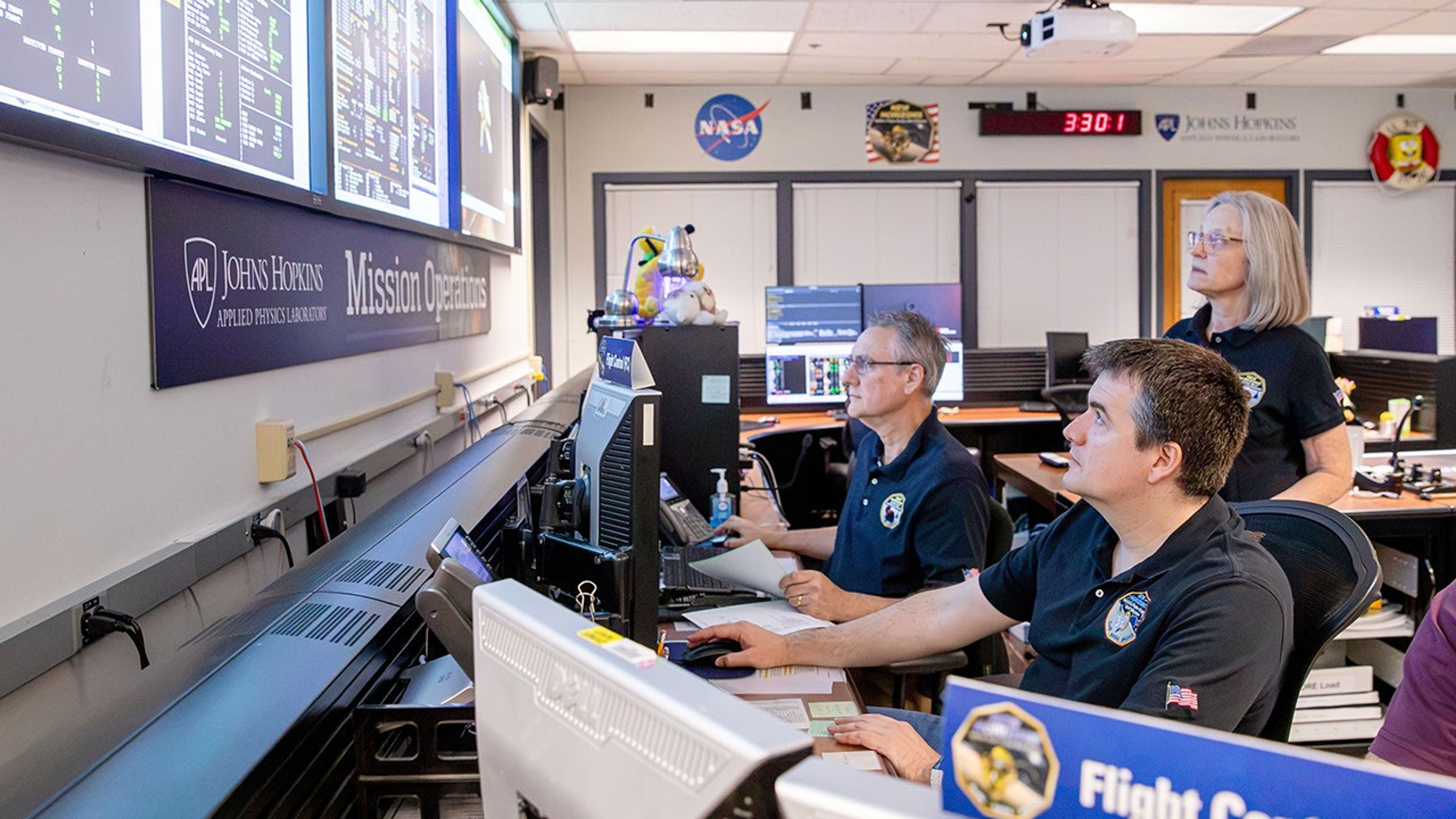
From left, flight controllers Mark Lahr and Josh Albers, and Mission Operations Manager Alice Bowman, monitor telemetry streaming from NASA’s New Horizons spacecraft to the mission operations center at the Johns Hopkins Applied Physics Laboratory in Laurel, Maryland, on June 24, 2026. Now approximately 5.9 billion miles (9.5 billion kilometers) from Earth, New Horizons is ready to begin transmitting science data after being awakened from its longest ever, nearly yearlong hibernation period.
NASA/Johns Hopkins APL/SwRI/Justin Gladden
On June 23, flight controllers at the Johns Hopkins Applied Physics Laboratory (APL) in Laurel, Maryland, confirmed New Horizons, acting on stored commands uplinked to its main computer last July, had safely awakened from a 321‑day hibernation period that began Aug. 7. With the spacecraft now approximately 5.9 billion miles (9.5 billion kilometers) from Earth, the radio signals carrying that confirmation took about 8 hours and 52 minutes to reach the APL Mission Operations Center via NASA’s Deep Space Network station near Madrid, Spain.
The mission team typically places New Horizons in resource‑saving hibernation mode during long cruise periods. While the spacecraft is hibernating, operators do not send commands or retrieve data, but the spacecraft continues gathering and storing data around the clock from its heliospheric plasma sensors, Solar Wind at Pluto and the Pluto Energetic Particle Spectrometer Science Investigation, as well as its space dust detector, the Venetia Burney Student Dust Counter.
Alice Bowman, the New Horizons mission operations manager at APL, said the spacecraft reported back to Earth, via the Deep Space Network, with a weekly status beacon. “Every status report through this hibernation period was ‘green,’ meaning all was well aboard New Horizons each and every week,” she said.
As New Horizons resumes active operations, Bowman noted, the team will begin downlinking spacecraft health and safety data, followed by data from the three scientific instruments. In about three weeks, the spacecraft’s onboard Alice ultraviolet spectrograph will look at the hydrogen gas distribution in the outer heliosphere, while the Solar Wind at Pluto, the Pluto Energetic Particle Spectrometer Science Investigation, and the Venetia Burney Student Dust Counter instruments continue their measurements, and the ground team conducts a series of spacecraft and instrument checkouts.
The team also is completing upgrades to the ground‑system software that will make it easier to maintain operations of the spacecraft. Tests are already underway and are expected to continue through the year.
New Horizons is operating on updated autonomy logic designed for operations farther from the Sun and to accommodate the expected reduction in power and the naturally occurring increase in radio‑signal travel time.
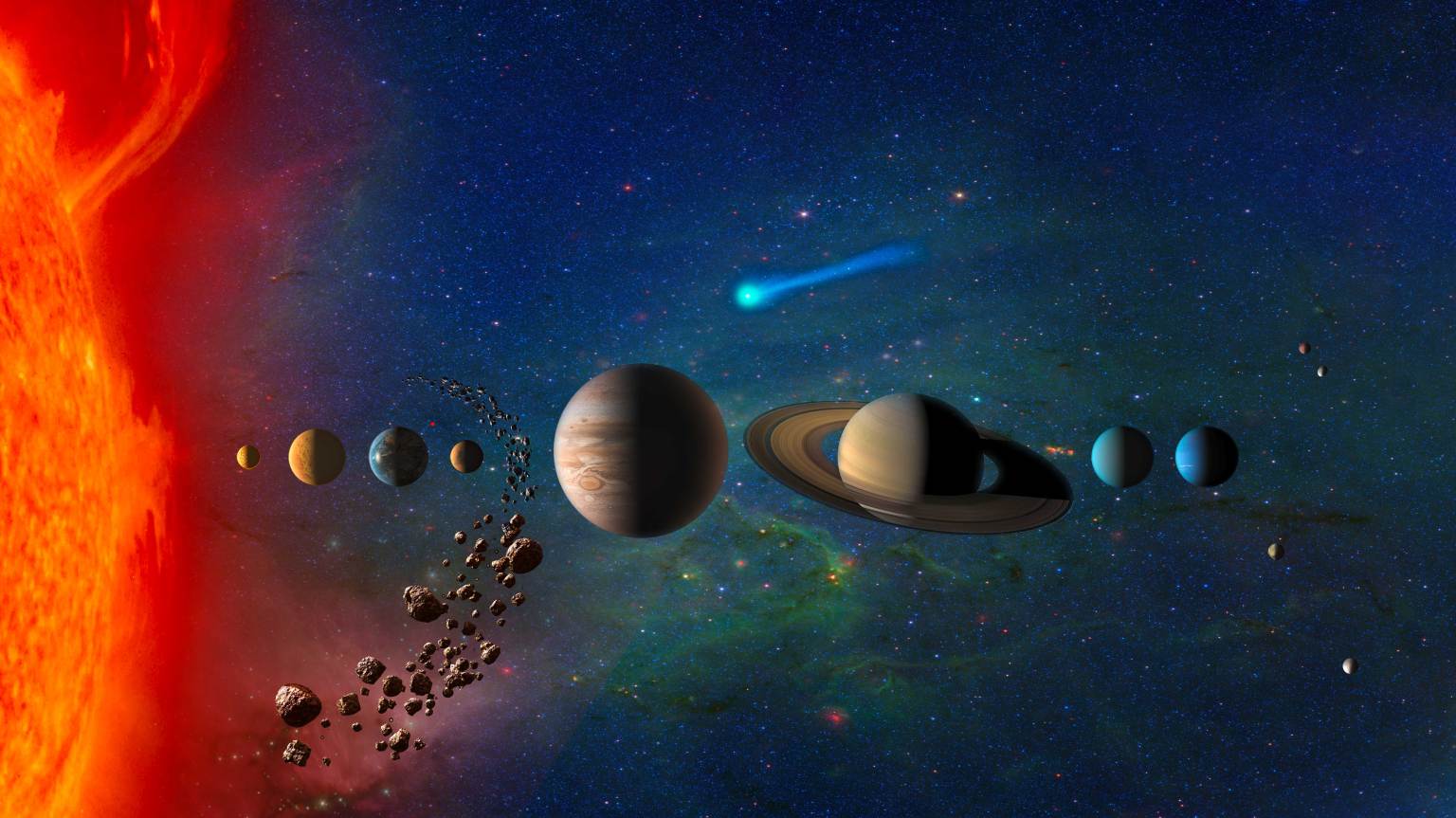
The NASA spacecraft’s exploration of this distant region of the solar system marks the latest step in a journey that began in January 2006 with the fastest launch on record; a flyby of Jupiter in February 2007 that included stunning views of the gas giant and its moons; the first exploration through the Pluto system in July 2015; the first exploration of a Kuiper Belt object, Arrokoth, in January 2019, and unique studies of the Sun’s outer heliosphere and dozens of additional Kuiper Belt objects since then.
For more information on NASA’s New Horizons mission, visit:
Bill Frist, a surgeon who also served as Senate majority leader, has emerged as an outspoken advocate for environmental health. “A healthier planet means healthier people,” he said.
The lawsuit aims to hold fossil fuel companies responsible for a heat wave in Portland five years ago. The industry says the case should be thrown out.
The global economy has reached the “messy middle” of the energy transition where renewable energy and electric vehicles are prevalent enough to affect the demand for fossil fuels without entirely displacing them. This introduces new tensions and volatilities to established industries from energy to transport and countries from Canada to Indonesia.
Morning commuters on the London Bridge on Wednesday, where temperatures reached 96 degrees Fahrenheit, the hottest recorded June day in the United Kingdom.
Southwest Research Institute (SwRI) and St. Mary’s University have embarked on a groundbreaking collaboration aimed at revolutionizing the future of hydrogen storage technology. This joint venture seeks to develop a comprehensive, physics-based forecasting tool capable of predicting the degradation and long-term durability of titanium-iron (TiFe)-based metal hydride vessels. Leveraging a chemical and thermo-mechanical modeling framework, the project represents a significant leap forward in tackling one of the most persistent challenges in hydrogen storage materials science. This initiative is made possible through a $125,839 grant from the St. Mary’s-SwRI Technology and Applied Research (S²TAR) Program, designed to foster impactful research collaborations.
Metal hydrides are pivotal materials in the hydrogen energy landscape, serving as one of the few safe and compact solid-state options for hydrogen storage. These materials function by chemically binding hydrogen to metal lattices through chemisorption, effectively locking hydrogen atoms within the structure. Unlike high-pressure gaseous tanks or cryogenic liquid hydrogen storage, metal hydrides offer improved safety profiles and reduce energy-intensive requirements. However, despite these advantages, their widespread application is hindered by their limited durability and performance degradation resulting from repeated hydrogen absorption and desorption cycles.
At the heart of this ambitious research endeavor is the intricate problem of metal hydride vessel degradation. Over numerous charge and discharge cycles, physical changes ensue within the alloy powders comprising the metal hydride bed. These changes include fracturing of particles, densification of the powder bed, and mechanical stresses that collectively impair hydrogen storage capacity and vessel performance. Traditional evaluation methods rely heavily on prolonged, costly experimental testing to assess long-term vessel integrity—a bottleneck that impedes innovation and commercialization.
The project team, headed by Dr. Richard S. Fu of SwRI and Dr. Mohamed Shaat of St. Mary’s University, seeks to transcend these limitations by integrating advanced physics-based simulations with targeted experimental validation. This dual approach aims to create a robust modeling framework capable of forecasting the lifecycle and operational durability of TiFe metal hydride vessels. The predictive tool will account for the coupled chemical, thermal, and mechanical phenomena driving hydrogen cycling performance over hundreds or even thousands of cycles.
Dr. Shaat is spearheading the development of an intricate, multiphysics computational framework at St. Mary’s University. This model is designed to encapsulate the complex interplay between hydrogen diffusion, chemisorption reactions, phase transformations within the metal hydride, heat generation and transfer, and the evolution of mechanical stress within the vessel. By accurately simulating these interconnected processes, the framework seeks to facilitate precise performance predictions, while also identifying design parameters and operational regimes that optimize both efficiency and vessel longevity.
Central to the team’s vision is the translation of fundamental physical and chemical principles of hydrogen interaction into computationally efficient predictive models. Dr. Shaat emphasizes the importance of capturing the coupling mechanisms—particularly how hydrogen transport influences thermal and mechanical responses and vice versa—in order to provide reliable simulations that replace and reduce the dependence on lengthy physical testing. This innovative approach promises to significantly reduce costs, accelerate development cycles, and improve hydrogen storage system designs.
On the experimental front, SwRI’s team, under Dr. Fu’s guidance, is undertaking controlled, long-term cycling experiments to collect essential validation data. By subjecting metal hydride vessels to realistic charge-discharge scenarios, they aim to quantitatively monitor performance degradation mechanisms as they unfold. These experiments will provide the empirical backbone necessary to calibrate and refine the modeling framework, ensuring that simulation outputs faithfully represent real-world behavior under operational conditions.
The synergy between modeling efforts and experiments forms the cornerstone of the project’s iterative design loop. As Dr. Fu explains, modeling insights will direct the focus of experimental tests to critical phenomena, while the resulting data will feedback to correct and enhance the models. This dynamic interplay is expected to unravel previously obscure degradation mechanisms by illuminating the coupled chemical, thermal, and mechanical interactions at work within the metal hydride vessels. Ultimately, this feedback-driven methodology will yield a predictive tool capable of guiding material improvements and engineering decisions.
Hydrogen’s emergence as a clean, versatile energy carrier is a key cornerstone of global efforts to decarbonize energy and transportation sectors. However, to fulfill its potential, advances in storage technology are imperative. Unlike batteries or fossil fuels, hydrogen storage demands novel materials and engineering solutions due to its unique physical and chemical characteristics. By focusing on metal hydride vessels, this project addresses a promising yet underdeveloped storage pathway that could unlock safer, more efficient hydrogen deployment across diverse applications.
The S²TAR funding mechanism plays an instrumental role in enabling this interdisciplinary collaboration by providing seed resources that draw on the expertise strengths of both SwRI and St. Mary’s University. This partnership is not only poised to produce high-impact scientific outcomes but also lays the foundation for sustained cooperation. Through this collaboration, the team is well-positioned to attract larger external funding sources from federal agencies and industry players focused on advancing hydrogen infrastructure and clean energy technology.
As work progresses, the team anticipates that their predictive modeling tool will be an invaluable resource for the hydrogen storage community. It will offer designers and researchers an evidence-based platform to evaluate new materials, optimize vessel designs, and predict operational lifetimes with higher confidence. By systematically addressing the core durability challenges of metal hydride storage, this project represents a wide-reaching advancement that could significantly accelerate solid-state hydrogen storage adoption worldwide.
In conclusion, this joint initiative by Southwest Research Institute and St. Mary’s University epitomizes the cutting edge of hydrogen storage research. Through combining rigor in experimental validation and sophistication in physics-based modeling, the project champions a future where hydrogen is stored more safely and efficiently. The knowledge generated here promises to not only rewrite the fundamentals of storage vessel degradation understanding but also to catalyze practical applications in the global hydrogen economy.
Subject of Research: Physics-based modeling and experimental validation of TiFe-based metal hydride hydrogen storage vessel degradation and durability.
Article Title: Advancing Solid-State Hydrogen Storage: Predictive Modeling and Experimental Synergy for Metal Hydride Vessel Durability
In a groundbreaking study poised to reshape the landscape of inflammatory bowel disease (IBD) treatment, researchers at the University of Louisville have elucidated the molecular mechanisms by which a natural metabolite derived from dietary sources orchestrates a protective immune response in the gut. IBD, encompassing debilitating conditions such as Crohn’s disease and ulcerative colitis, affects millions globally and is characterized by persistent inflammation and compromised intestinal barrier integrity. The intestinal barrier plays a critical role in maintaining homeostasis by allowing nutrient absorption while preventing the translocation of harmful microbial agents. In patients with IBD, this barrier is disrupted, leading to exacerbated inflammation and tissue injury.
Central to this new discovery is urolithin A (UroA), a microbial metabolite produced in the human gut following the ingestion of ellagitannin-rich foods such as pomegranates, walnuts, and berries. The research team led by Dr. Venkatakrishna Rao Jala unveiled how UroA selectively activates the aryl hydrocarbon receptor (AHR), a ligand-activated transcription factor expressed in various cell types, including those that constitute the intestinal epithelium. Unlike conventional views of AHR as a mediator of toxicological responses to environmental contaminants, this study highlights a nuanced role for AHR signaling in immune modulation and barrier function maintenance.
In their experimental design, investigators employed a combination of cell culture models, intestinal organoids, and human tissue samples from IBD patients to delineate the cellular and molecular pathways engaged by UroA. This comprehensive approach allowed them to pinpoint intestinal epithelial cells as the primary sites of AHR activation by UroA. Activated epithelial AHR, in turn, stimulates the assembly of the NLRP6 inflammasome, a multiprotein complex traditionally associated with inflammatory cytokine maturation and pyroptotic cell death. Contrary to the canonical inflammatory paradigm, NLRP6 activation here initiates a controlled release of protective mediators that promote epithelial repair, mucus production, and antimicrobial peptide secretion, collectively enhancing barrier integrity.
This dualistic nature of inflammasome signaling reveals an elegant example of cellular context-determined outcomes of innate immune pathways. While systemic inflammasome activation is linked to pathological inflammation, its epithelial-specific engagement appears to serve as a homeostatic mechanism preserving mucosal immunity and preventing microbial dysbiosis. This insight furthers our understanding of the immune microenvironment in the gut and challenges existing dogmas that broadly classify inflammatory signaling as detrimental in chronic intestinal diseases.
The exploration of UroA’s mechanism also sheds light on the intricacies of diet-microbiota-host interactions that underpin gut health. Dietary metabolites have emerged as critical modulators of signaling networks that maintain tissue equilibrium. This study positions urolithin A as a pivotal molecular bridge linking dietary intake to cellular defense strategies, mediated through receptor-mediated inflammasome activation. By elucidating this axis, the findings offer a compelling rationale for dietary or microbiota-targeted interventions designed to harness endogenous metabolites for therapeutic benefit.
Importantly, the protective pathway abrogates damage caused by intestinal injury without invoking broad immunosuppression, a common drawback of current IBD therapies that can predispose patients to infections and malignancies. Targeted activation of epithelial AHR by UroA selectively augments mucosal barrier function while modulating local immunity, offering a precision medicine approach with potentially fewer side effects.
From a translational perspective, these insights could catalyze the development of novel therapeutics that mimic or potentiate UroA’s activity, aiming to restore gut barrier homeostasis in individuals suffering from IBD and other gastrointestinal disorders. Unlike systemic immunomodulators, such agents could enhance intrinsic repair mechanisms, reinforcing the mucosal shield against microbial translocation and inflammation relapse.
Furthermore, this research underscores the importance of endothelial and epithelial cellular compartments in orchestrating immune responses that are finely tuned to environmental and nutritional cues. The aryl hydrocarbon receptor emerges as a nodal point integrating extrinsic and intrinsic signals, modulating inflammasome dynamics uniquely in epithelial cells as opposed to immune cells such as macrophages or dendritic cells, where AHR activation may produce opposing outcomes.
The team’s validation using human intestinal biopsies strengthens the clinical relevance of their findings, demonstrating that UroA-induced AHR-NLRP6 activation is not merely an experimental artifact but a genuine biological phenomenon with implications in human disease states. The investigation also highlights the potential inter-individual variability in microbiota capacity to generate UroA, which may influence susceptibility or response to treatment in IBD patients.
Concluding remarks from the lead investigators emphasize the broader implications of delineating this pathway. By distinguishing harmful from beneficial inflammatory cascades, the study advocates for selective immunomodulation strategies that leverage inherent protective mechanisms instead of indiscriminate suppression. This paradigm shift could revolutionize therapeutic approaches, fostering better clinical outcomes and improved quality of life for those affected by chronic intestinal inflammation.
Collectively, these findings mark a significant advance in gut immunology and open new avenues for precision dietary-based therapeutics. The interaction between diet-derived microbial metabolites, host epithelial signaling, and inflammasome activation represents a complex yet promising frontier in combating chronic inflammatory diseases. As our understanding deepens, integrating nutritional sciences with immunopharmacology may yield innovative treatments that redefine gut health maintenance.
Subject of Research: Human tissue samples
Article Title: Urolithin A activates aryl hydrocarbon receptor-NLRP6-mediated pathways in intestinal epithelial cells to modulate mucosal immunity and strengthen gut barrier integrity
News Publication Date: 23-Jun-2026
Web References: http://dx.doi.org/10.1038/s41467-026-73760-3
References: Published in Nature Communications
Image Credits: University of Louisville
Keywords: Human gut microbiota, Metabolism, Metabolomics, Metabolites, Diseases and disorders, Digestive disorders, Inflammatory bowel diseases, Gastrointestinal tract, Gastrointestinal disorders, Inflammasomes
Deep within the labyrinthine caves of northeastern Mexico dwells a remarkable species of fish, the blind Mexican cavefish (Astyanax mexicanus), whose evolutionary journey over hundreds of thousands of years has led it to adapt to a life shrouded in perpetual darkness. This fish has lost its eyes and pigmentation, hallmark traits of cave-dwelling organisms, while simultaneously acquiring a suite of physiological and behavioral adaptations tailored to survive in nutrient-scarce subterranean environments. Its dual existence as both a sighted surface fish and numerous independently evolved cave forms presents a unique biological system for examining how extreme environments drive evolutionary changes in brain structure, sensory processing, and behavior.
Researchers from Florida Atlantic University, collaborating with experts from institutions across the United States, have leveraged cutting-edge genetic and imaging technologies to decipher the neural underpinnings that distinguish cavefish from their surface relatives. By employing genetically engineered lines of this species that express fluorescent markers in their neurons, the scientists conducted real-time, whole-brain imaging at cellular resolution, unveiling intricate patterns of neural activity in response to sensory stimuli. This approach allowed direct comparison of neural circuitry when fish were exposed to alternating light and dark conditions, providing profound insights into how evolution recalibrates brain function to orchestrate behavior appropriate for radically different environments.
The study, recently published in Science Advances, reveals an astonishing reversal in sensorimotor behavior between the two ecotypes. Whereas surface fish exhibit increased locomotor activity upon sudden darkness—presumably an adaptive mechanism to enhance exploration for light sources—the cavefish respond inversely, with heightened activity triggered by light exposure. This counterintuitive response is theorized to serve as an adaptive avoidance strategy, steering cavefish away from illuminated cave entrances where predation risk and environmental fluctuations are higher. Such behavioral rewiring exemplifies how neural circuits can be evolutionarily repurposed rather than completely reinvented.
Central to this behavioral dichotomy is the alteration of activity within the posterior tuberculum, a brain region long implicated in sensorimotor integration and motivational states. The researchers identified not only region-specific shifts in activity patterns but also characterized a previously undescribed neuronal cell type that appears to play a pivotal role in mediating light-evoked responses. Intriguingly, neurons that in surface fish were activated by darkness exhibited robust activation in cavefish under light stimulus, underscoring the concept of evolutionary neural circuit reutilization. This finding challenges conventional assumptions that new behaviors necessitate de novo neural architectures and instead supports a model where existing circuits are modified to generate novel functional outputs.
Further mechanistic insights emerged from the investigation of dopaminergic signaling pathways. Dopamine, a neurotransmitter extensively involved in motor control, reward processing, and sensory modulation across vertebrates, was found to be centrally implicated in mediating these light-driven behavioral shifts. The study demonstrates that evolutionary tuning of dopamine circuits underlies the behavioral adaptation in cavefish, representing a conserved neurochemical axis modified through natural selection. This work sheds light on the plasticity and evolutionary potential of neuromodulatory systems in shaping species-specific behaviors.
These findings have significant implications beyond the realm of evolutionary biology. Since dopaminergic circuits are highly conserved from fish to mammals, understanding how these systems adapt to environmental pressures provides a window into fundamental brain functions relevant to health and disease. For example, alterations in dopamine signaling underlie numerous neurodevelopmental and neurodegenerative disorders in humans, including Parkinson’s disease, schizophrenia, autism spectrum disorders, and attention deficit hyperactivity disorder (ADHD). By elucidating natural mechanisms of dopamine circuit modification, this research may inform therapeutic strategies targeting related pathologies characterized by dysregulated sensory processing and motor responses.
The genetically controlled inheritance of photokinetic behavior further underscores the robustness of these adaptations. Crossbreeding experiments between surface fish and cavefish yielded hybrid offspring exhibiting a spectrum of activity responses to light and dark, confirming that these sensorimotor traits are encoded within the genome. Dissecting the genetic loci and developmental pathways responsible for remodeling neural circuits remains a crucial next step. Such investigations promise to unravel molecular drivers of behavioral evolution and highlight how genetic variation translates into neural and behavioral diversity.
The blind Mexican cavefish stands as an exemplary model system to probe how sensory systems are sculpted by evolutionary forces and how brains dynamically reconfigure to interpret environmental signals. By disentangling the neural rewiring that facilitates survival in total darkness, researchers gain a clearer picture of how sensory inputs are transformed into adaptive motor outputs. This contributes to a broader understanding of brain evolution applicable across vertebrates and illustrates nature’s ingenuity in leveraging existing neural frameworks to solve complex ecological challenges.
Through advanced imaging and behavioral quantification, the Florida Atlantic University team has carved new ground in charting the neural circuit modifications that underpin a dramatic shift from dark-evoked to light-evoked photokinesis. This work provides a compelling paradigm illustrating that evolution does not invariably mandate the invention of novel structures but can preferentially repurpose and recalibrate pre-existing neural substrates to generate behavioral novelty.
The evolutionary narrative of the blind Mexican cavefish enriches our comprehension of neuroecology—the study of how nervous systems evolve in response to environmental variables. It reveals that sensory deprivation, far from being a mere loss, can instigate intricate neural and behavioral innovations that confer selective advantages. Such insights deepen our appreciation for the complexity and flexibility inherent in neural systems when confronted with extreme ecological niches.
Finally, this research exemplifies the power of integrative methodologies combining genetics, neurobiology, and behavioral science to unravel the enigma of brain evolution. It paves the way for future interdisciplinary studies to identify specific genes orchestrating neural circuit plasticity, decode developmental mechanisms driving neuronal subtype specification, and ultimately connect genotype to phenotype in a context of evolutionary adaptation.
Subject of Research: Animals
Article Title: Evolution of a central dopamine circuit underlies adaptation of a light-evoked sensorimotor response in the blind cavefish
In case you hadn’t heard, GTA6 pre-orders are live tonight (June 25) at midnight. Due for general release on November 19, it’s been 13 years (!) since GTA 5 first launched two console generations ago. While you’re pre-ordering your copy, now might be the time to upgrade your TV to experience Vice City looking its best.
I test TVs for a living, and that includes the best gaming TVs. For GTA 6, you’re going to want excellent picture quality with vibrant colors, excellent motion handling for the fast-paced action, and a suite of gaming features to cover the bases. Below, I’ve picked five of the top gaming TVs to suit all budgets that will be perfect for tearing through Vice City.
You may notice that all of these TVs are from last year. While we’ve been testing the best TVs this year and a lot of them are great, last year’s TVs will be a much better value and still more than capable of doing justice to GTA 6. That’s why, for me, they’re the better option right now.
LG C5
(Image credit: Future)
The best place to start is with the top recommendation. Sitting at the top of our best gaming TV guide, as well as our best OLED TV guide, is the LG C5, a five-star OLED that can literally do it all. It has a full suite of features and superb picture quality that will be perfect for GTA 6.
The C5 delivers rich, bold colors with whatever it’s given, and this is going to be important for the neon-soaked streets of Vice City in GTA 6. Watching colorful movies like Elemental on the C5, colors really pop on screen, with oranges, reds, and blues all shimmering. It also delivers rich contrast with deep black tones, important again for that nightlife vibe in Vice City. With excellent motion handling, car chases will be a breeze for the C5.
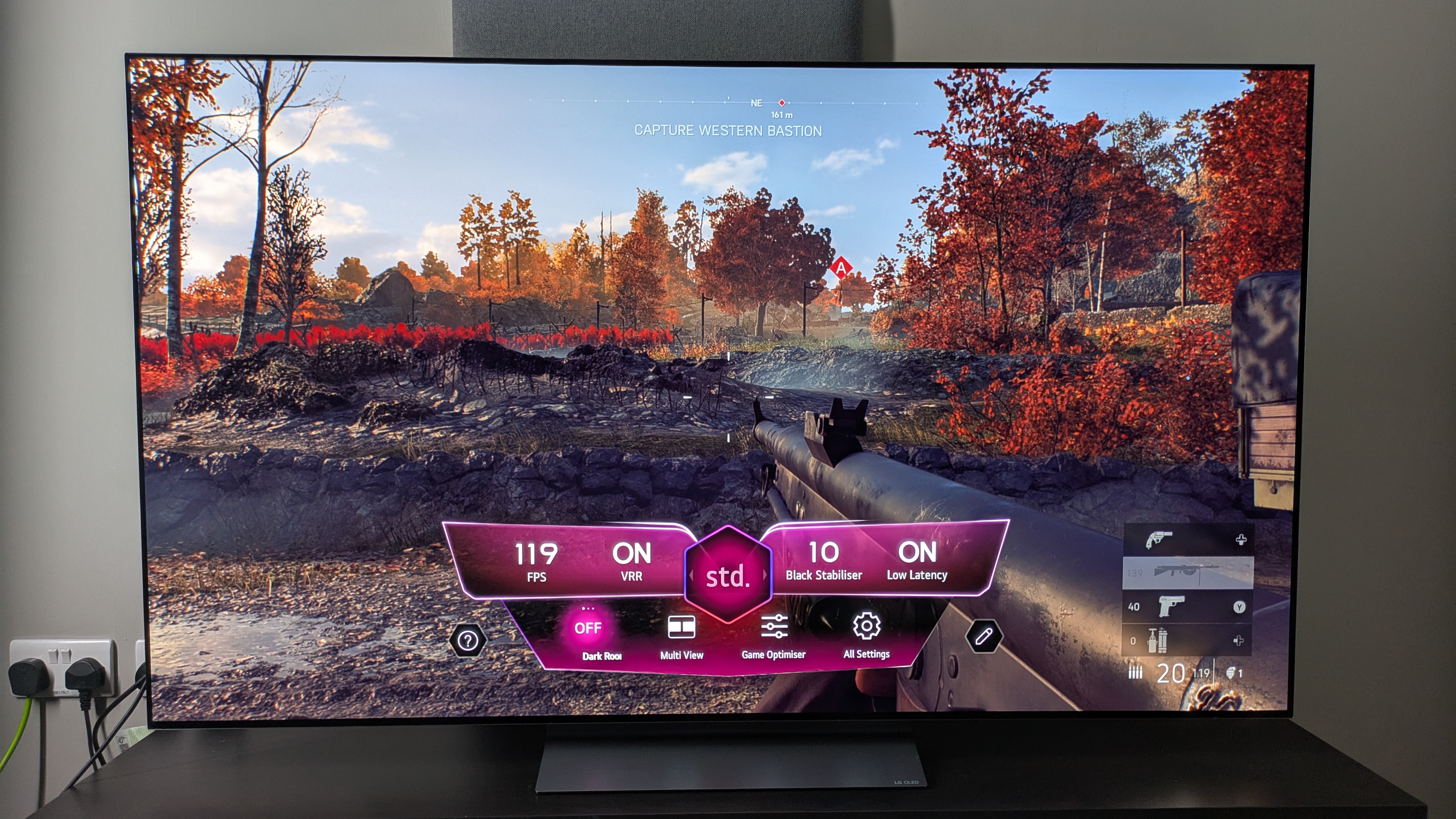
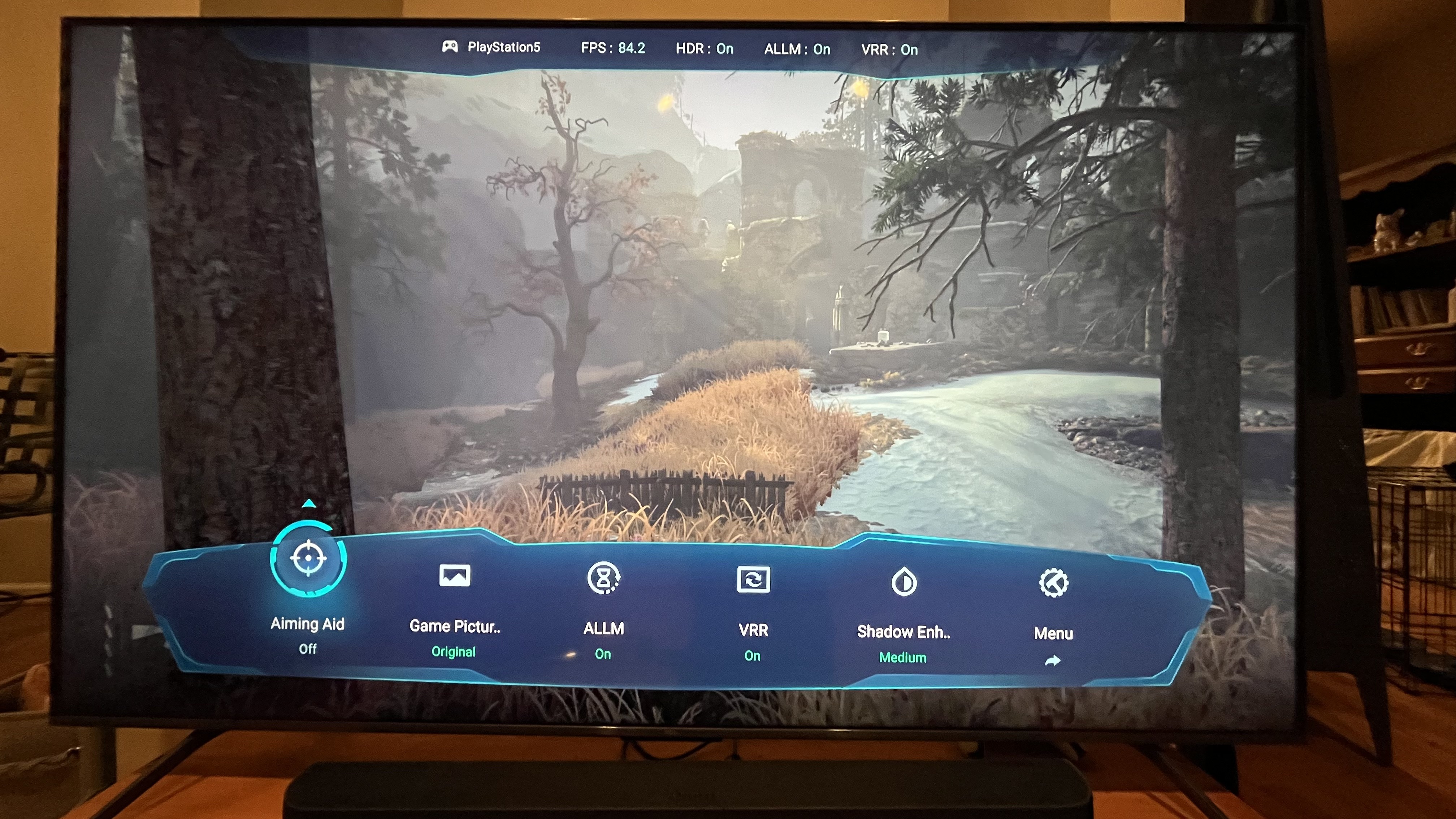
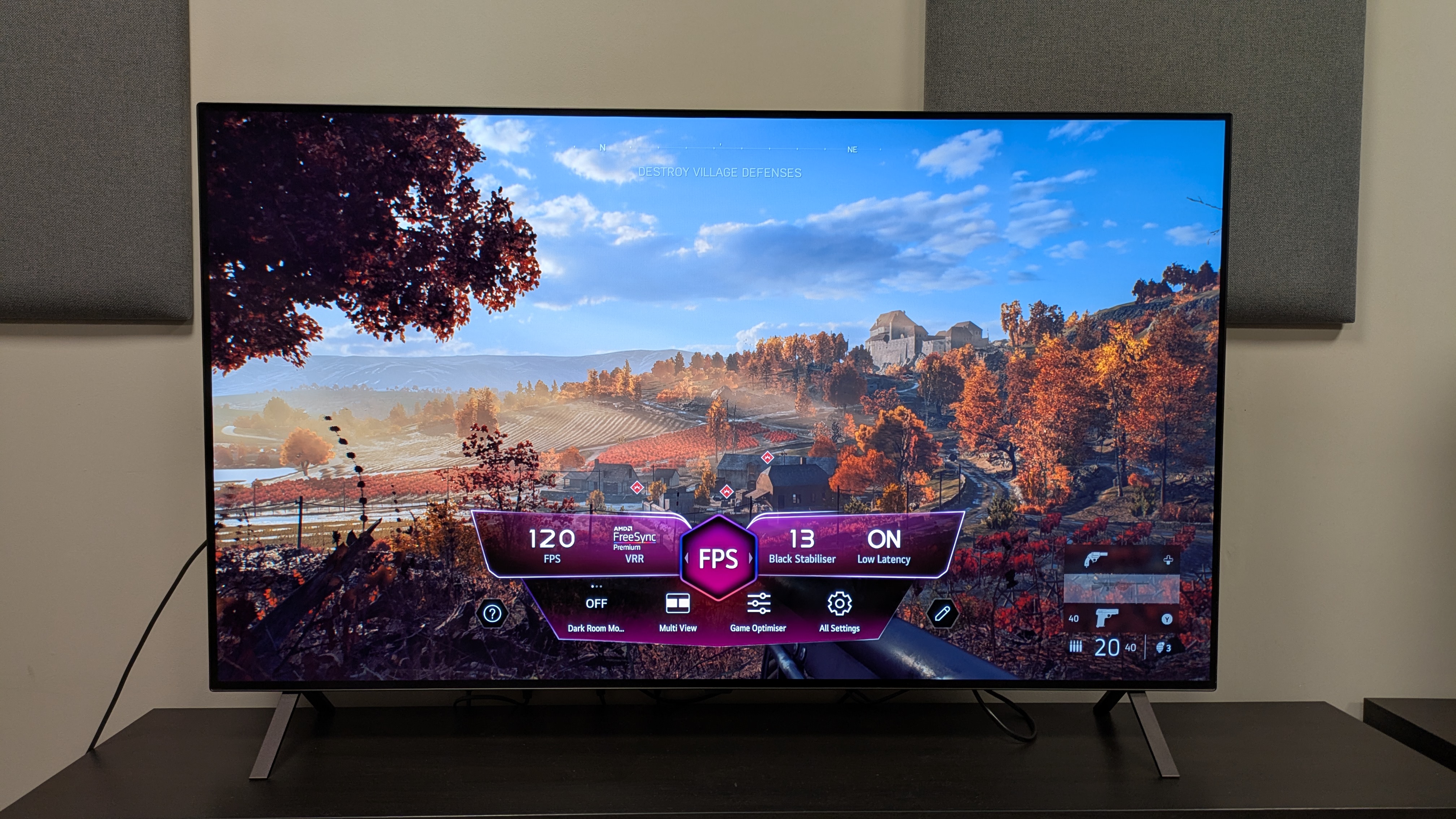
Packed with a full suite of gaming features, the C5 is a top-notch gaming TV. Four HDMI 2.1 ports support 4K 144Hz, full VRR, HGiG, ALLM, and Dolby Vision gaming, and with a 9.2ms input lag time, expect super-responsive gameplay as you’re fleeing from the cops in GTA 6. It handled Battlefield V at 120fps with ease when I played it.
Price-wise, you’ll want to pay about $1,199 / £1,399 (stock is looking thin in Australia) for a 65-inch model. This will be a great size for seeing GTA 6 in all its glory, but the C5 is available in sizes 42 to 83 inches to cover every situation.
TCL QM6K/C6K
FutureFuture
If you’re looking for a TV upgrade but don’t want to break the bank, the TCL QM6K (known as the TCL C6K/Q6C depending on region and retailer) is a fantastic choice. It still has great picture quality and an impressive stock of gaming features for a very affordable price.
I tested the C6K as I’m based in the UK, and it has great overall picture quality. Its main highlight is its color reproduction. It produces vivid, natural colors that made movies like Wicked look great during my testing, accurately capturing the vibrant pink of flowers in trees. Expect the same for GTA 6. The C6K also demonstrated impressive backlight control and black tones for a mini-LED at this price range, working well for movies like The Batman. Again, Vice City nightlife should look great.
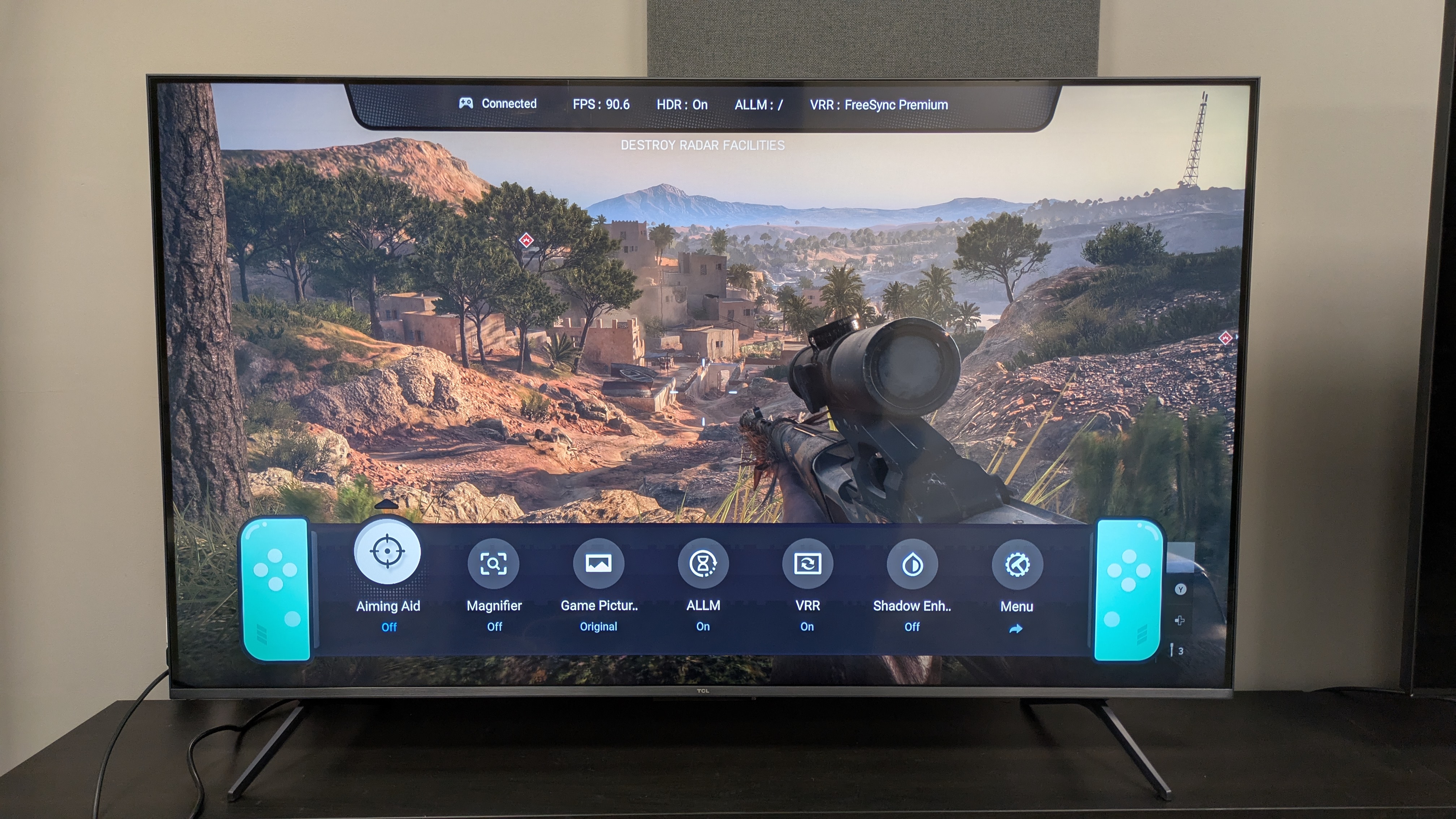
The C6K supports a lot for gaming, which is rare at this level. It supports 4K 144Hz, FreeSync Premium Pro, ALLM, and Dolby Vision gaming. It has a measured 13.6ms input lag, which is still above the 15ms threshold we look for. Gaming on it, I had a great time while playing Battlefield V, as it did a great job handling chaotic battle sequences, so it should be prepared for GTA 6.
Its real highlight is its price. A 65-inch QM6K has dropped as low as $529 and the C6K 65-inch will cost around £679/ AU$1,099. These are excellent prices for a TV this size and a great option for an affordable upgrade for GTA 6.
Samsung QN90F
(Image credit: Future)
Now, if you’re someone who’s planning to take some time off to play GTA 6, you’ll need a TV that works well in a bright room for daytime gaming sessions. Enter the Samsung QN90F, a brilliant gaming TV that also doubles as our best TV for sports.
The QN90F is the perfect TV for bright rooms for several reasons. It has solid brightness (exceeding 2,500 nits HDR peak and over 600 nits full screen) and an effective, anti-glare screen that does a great job reducing mirror-like reflections to a minimum. So, even if you have big windows, the QN90F can handle them. It also has great picture quality to go with it, producing punchy, accurate colors and strong contrast with surprisingly rich black tones. Expect GTA 6 to look great on this one.
The QN90F is equipped with a full list of gaming features, too. It supports 4K 165Hz, FreeSync Premium Pro, ALLM and HDR10+ gaming across four HDMI 2.1 ports. Its 9.5ms input lag time is up there with the very best, so you can expect it to handle the chaos of GTA 6 with no problems.
While the QN90F is a flagship model, its prices have dropped significantly. A 65-inch will cost you roughly $1,399 / £1,299 (stock in Australia is low again), which is again phenomenal pricing for a TV at this level.
LG B5
(Image credit: Future)
If you want an OLED but can’t quite stretch to the LG C5, the LG B5 is your next best option. It’s one of the best budget OLED TVs I’ve tested and delivers a lot of the same great performance and features as its step-up sibling.
With accurate, rich colors that suited the vibrant aesthetic of Wicked and Elemental, the B5 is sure to make GTA 6’s sun-soaked, colorful streets look fantastic. It also produces the powerful contrast with inky blacks you’d want from an OLED TV, despite its cheaper price range. While the B5 doesn’t have the brightness of other step-up OLEDs, it still has punchy highlights that will make the neon of Vice City pop.
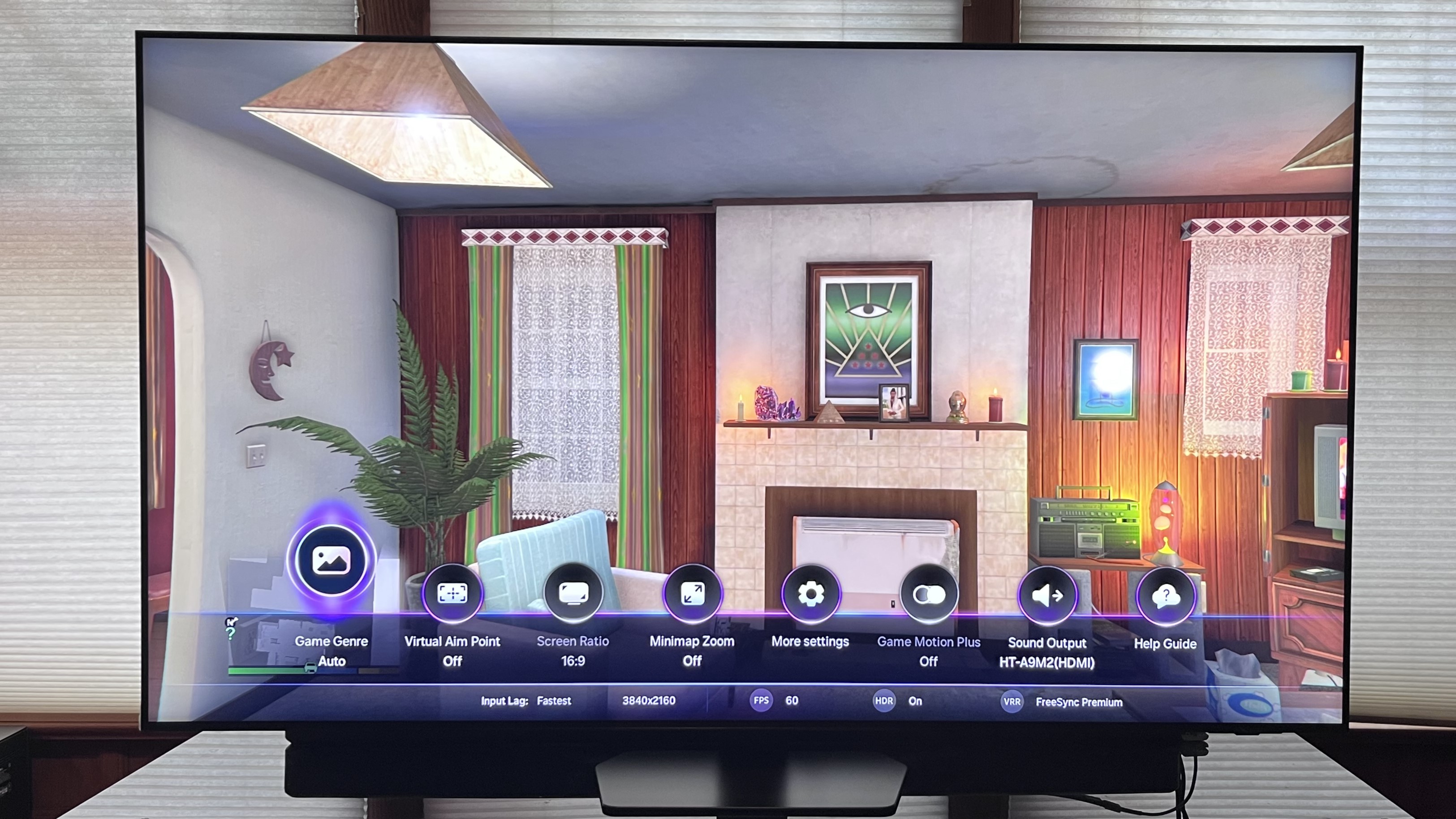
The B5 is kitted out with a full list of gaming features, including 4K 120Hz, full VRR including FreeSync and G-Sync, HGiG, Dolby Vision gaming, and ALLM, all built into the four HDMI 2.1 ports. A measured 9.1ms input lag time is at the top of the gaming TV list, so expect all the action of GTA 6 to look superb.
The B5’s prices can fall to a deceptively affordable place for an OLED. You can get the 48-inch model, a perfect size for bedroom gaming, for as low as $549 / £569 / AU$1,169, meaning you don’t have to spend a fortune for OLED.
LG G5
(Image credit: Future)
The flagship OLED for LG in 2025, the LG G5, is like the C5 taken up a notch. It has a similar feature set but turns up the picture quality by another level with higher brightness, bolder colors, and more impactful contrast.
Testing the G5, its colors were its most impressive aspect. Vibrant, rich, and bright all at once, any colorful scene dazzled on screen, and I think it’s going to do the Miami-inspired Vice City serious justice in GTA 6. It also produces powerful contrast, expertly balancing deep black levels and bright highlights. Vice City nightlife will look stunning on this TV. It also produces extremely impressive textures that are 3D-like, along with refined detail.
This is another TV with an impressive list of gaming features. 4K 165Hz, full VRR including FreeSync and G-Sync, Dolby Vision gaming, HGiG, and ALLM are on all four HDMI 2.1 ports. Its measured 9.2ms input lag time again did wonders for Battlefield V’s fast-paced gunfights at 120fps when I played it, so it should do the same for GTA 6.
The G5 is at the more premium end of the TV market, with a 65-inch model costing $2,299 / £1,999 / AU$2,699, but if you are looking for the premium way to play GTA 6, this will be the TV to do it on.
In a groundbreaking longitudinal study encompassing nearly half a million individuals, researchers have unveiled intricate patterns and biological underpinnings that link cardiometabolic diseases (CMDs) and depression. These two prevalent and often coexisting health conditions have long posed challenges due to their complex interaction and compounded risk on mortality. Now, through a multinational, multi-omic analytic approach, this study sheds new light on how these diseases develop, interlace over time, and ultimately impact life expectancy, offering hope for earlier detection and more precise interventions.
Cardiometabolic diseases—which include chronic conditions such as cardiovascular disease, type 2 diabetes, and metabolic syndrome—are among the leading causes of death globally. Depression, meanwhile, remains a colossal mental health burden, often running parallel to various physical ailments. The coexistence, or multimorbidity, of CMDs and depression exacerbates health outcomes significantly, yet the trajectory of how one condition progresses to include the other and the biological mechanisms driving this interaction have remained elusive.
Leveraging data from the UK Biobank, the largest population-based health cohort, the study followed 467,592 participants initially free of both CMD diagnoses and depression. Over a 14.6-year period, the scientists meticulously chronicled disease transitions using advanced multistate models. These allowed them not only to identify disease onset patterns but also to map complex pathways outlining progression from health to single disease states and then to multimorbidity.
The findings revealed that within the follow-up window, more than 64,000 participants developed CMD alone, while approximately 17,500 were diagnosed with depression exclusively. Crucially, over 6,100 individuals progressed to multimorbidity, reflecting the convergence of these conditions in a significant subset of the population. Importantly, the risk of subsequently developing the alternate condition was substantially elevated for those already affected by either CMD or depression, underscoring the bidirectional relationship between physical and mental health.
Further delving into survival outcomes, the researchers observed that individuals with multimorbidity faced a 13 to 22 percent increase in mortality risk compared to those free of disease, accompanied by a marked reduction in life expectancy averaging between 3.6 to 3.8 years. Such stark contrasts reinforce the clinical urgency of understanding and managing the intersection of CMDs and depression rather than treating them in isolation.
However, a nuanced discovery emerged from the survival analysis: the mortality impact of coexisting CMD and depression appeared additive rather than synergistic. This suggests that while coexistence heightens risk, the two diseases may operate through largely independent pathways driving mortality, a revelation that could recalibrate how treatment priorities are structured.
To decipher biological signatures predictive of disease progression and multimorbidity, the study incorporated multi-omics platforms—comprehensive analyses including proteomics, metabolomics, genomics, and methylomics. These high-dimensional tools allow scientists to detect subtle molecular changes reflecting pathophysiological shifts and prognostic biomarkers far earlier than clinical symptoms emerge.
Remarkably, proteomic models stood out in their predictive prowess. When applied to the 15-year risk horizon for CMD-depression transitions, these models achieved area-under-the-curve (AUC) values ranging between 0.70 and 0.91. This performance significantly eclipsed that of traditional clinical risk models, heralding a new dawn where molecular profiling could transform risk stratification and preventive strategies.
Distinct multi-omic signatures were identified at each disease transition point—whether from health to CMD alone, health to depression alone, or the combined pathway leading to multimorbidity. These signatures could reflect unique biological processes such as inflammatory cascades, metabolic dysregulation, neuroendocrine changes, or immune system perturbations, each contributing distinctively to disease progression.
The implications of these findings are far-reaching. With multimorbidity presenting as a growing global health challenge, understanding its trajectory and molecular footprints empowers clinicians and researchers to design targeted interventions that transcend symptom management. Early identification of individuals at highest risk via omic biomarkers could enable precision medicine approaches that pre-empt illness onset or halt progression.
Furthermore, by elucidating the distinct yet interconnected biological pathways linking CMDs and depression, this research challenges the traditionally siloed view of mental and physical health. It advocates for integrated care models that address the whole person rather than fragmented disease entities, a paradigm shift essential for improving patient outcomes in real-world settings.
The study also leverages rigorous multistate modeling, a sophisticated statistical technique allowing for dynamic representation of illness progression over time. This approach captures the complexity inherent in chronic disease trajectories, encompassing not only onset but transitions between disease states and eventual mortality. Such modeling enhances the granularity of epidemiological insights far beyond conventional methods.
As large-scale biobanks increasingly incorporate multi-omic data, the ability to unravel disease biology at unprecedented depth will only grow. The present study exemplifies how marrying big data with cutting-edge analytic frameworks can unveil novel insights into multimorbidity, transforming epidemiology into a powerful tool for precision health.
This research arrives at a critical juncture where global populations face rising burdens of chronic diseases intertwined with mental health challenges. Targeted, biologically informed strategies could ease the strain on healthcare systems and improve quality of life for millions living with overlapping disease burdens.
While promising, the findings also urge cautious optimism. The translation of molecular signatures into routine clinical tools requires further validation and contextualization across diverse ancestral and environmental backgrounds. However, these initial steps firmly establish a conceptual blueprint for future studies to build upon.
Taken together, this extensive investigation pioneers a new frontier in understanding the intertwined evolution of cardiometabolic diseases and depression. By uniting longitudinal clinical data with multi-omics analyses and sophisticated modeling, it heralds a transformative approach toward unraveling multimorbidity’s mysteries and paves the way for early, targeted prevention.
The convergence of CMDs and depression, previously viewed as a devastating clinical overlap, now emerges as a tractable problem awaiting targeted intervention—fueling hope that integrated molecular insights will soon translate into lifesaving real-world applications. This revolutionary research sets the stage for a future where vulnerability to complex chronic disease is revealed well before symptoms arise, opening unprecedented avenues for personalized health preservation.
Subject of Research:
Multi-omic signatures and disease trajectories linking cardiometabolic diseases and depression
Article Title:
Multi-omic signatures and trajectories of cardiometabolic diseases and depression
Article References:
Yang, G., Jiang, X., Wang, J. et al. Multi-omic signatures and trajectories of cardiometabolic diseases and depression. Nat. Mental Health (2026). https://doi.org/10.1038/s44220-026-00678-6

 Login