❌

Reading view

Scotland could freeze datacentre projects in challenge to UK’s AI strategy

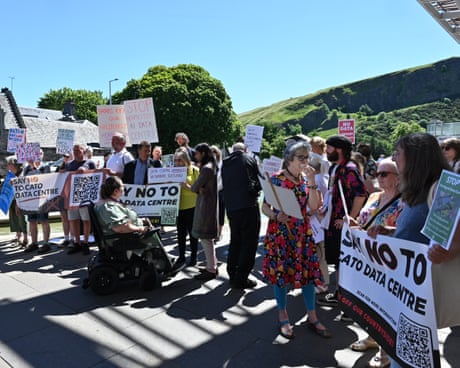
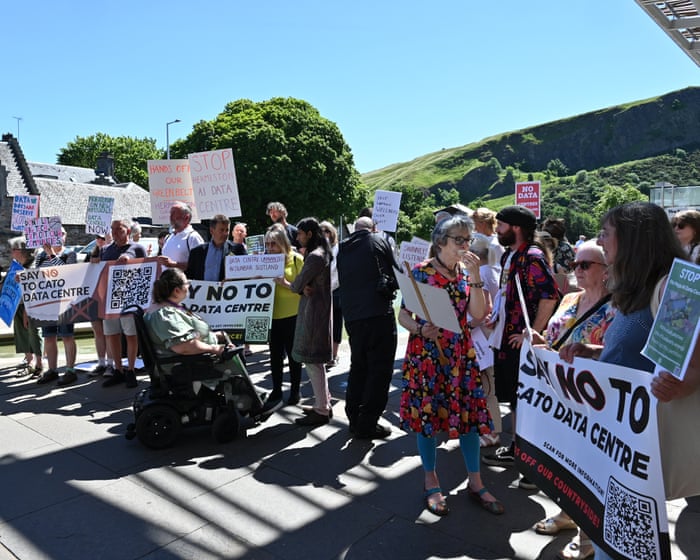
Scottish government to consider SNP national council motion for moratorium on all new datacentres

The Scottish government is about to consider a sweeping moratorium on building new datacentres, putting a key plank of the UK’s AI strategy at risk.

Last Sunday the Scottish National party (SNP)’s national council passed a motion to freeze all new datacentres in Scotland. That motion has been sent to the Scottish government to consider.

Continue reading...

© Photograph: Ken Jack/Getty Images

© Photograph: Ken Jack/Getty Images

© Photograph: Ken Jack/Getty Images

  •  

‘It’s smoke and mirrors’: hope turns to fear in Scottish village chosen for AI datacentre

Suspicions grow in Lanarkshire that local people have been misled on supposed benefits of the huge development

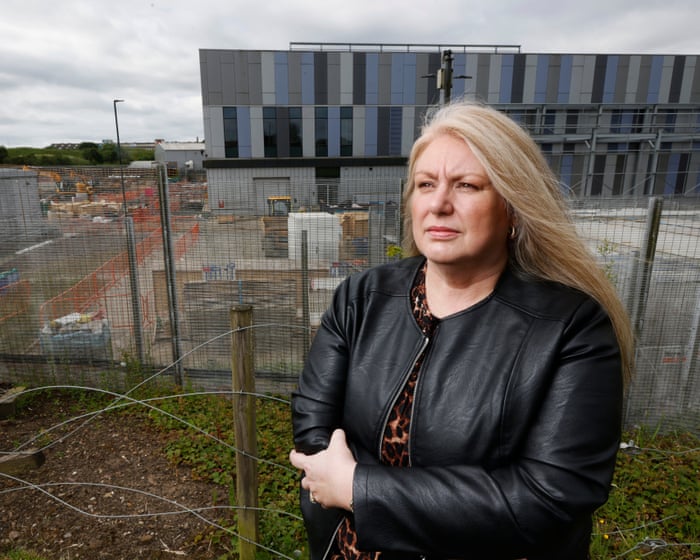
The promise was that a Scottish community would be transformed by massive investment and empowered to chase “the jobs of the future”. Instead, local people in Lanarkshire fear they may have to sell their properties and lose green belt land because of the errors of a badly planned AI datacentre complex, even as those jobs and investments never arrive.

Late last year, representatives of Oakes Energy Services began to knock on doors in Newarthill, a village east of Glasgow. In letters reviewed by the Guardian, they invited residents to individual meetings. They told them about plans for a solar farm, say local people, and made offers: free solar panels, tree planting, or even cash for their properties.

Continue reading...

© Photograph: Murdo MacLeod/The Guardian

© Photograph: Murdo MacLeod/The Guardian

© Photograph: Murdo MacLeod/The Guardian

  •  

Revealed: landmark Scottish AI project has no prospect of meeting renewables promise

Exclusive: Government and developers privately acknowledged Lanarkshire datacentre site had power provision ‘issue’

A landmark AI development billed as delivering jobs and prosperity has misrepresented its plans to channel a nuclear reactor’s worth of power to a site in rural Scotland, a Guardian investigation has found.

When it was announced in January, the government promised that an £8.2bn AI datacentre complex in Lanarkshire – built by the US firm CoreWeave and the Scottish company DataVita – would be powered entirely from on-site renewables and built by 2030.

Continue reading...

© Composite: Guardian Design/Reuters

© Composite: Guardian Design/Reuters

© Composite: Guardian Design/Reuters

  •  

What are Britain’s AI growth zones and are the plans feasible or ‘complete bunk’?

Lanarkshire datacentre run by renewables and creating thousands of jobs not achievable by 2030, Guardian investigation finds

The Guardian has examined government plans to build Britain’s AI infrastructure for the future, finding some of these to be, in the words of one source, at best unclear and at worst “complete bunk”.

The plans in question are for AI growth zones, which are supposed to be regions where the government supports companies to build massive AI datacentre complexes, of 500MW or greater. These could be bigger than any now operating in the UK.

Continue reading...

© Photograph: Sergio Azenha/Alamy

© Photograph: Sergio Azenha/Alamy

© Photograph: Sergio Azenha/Alamy

  •  

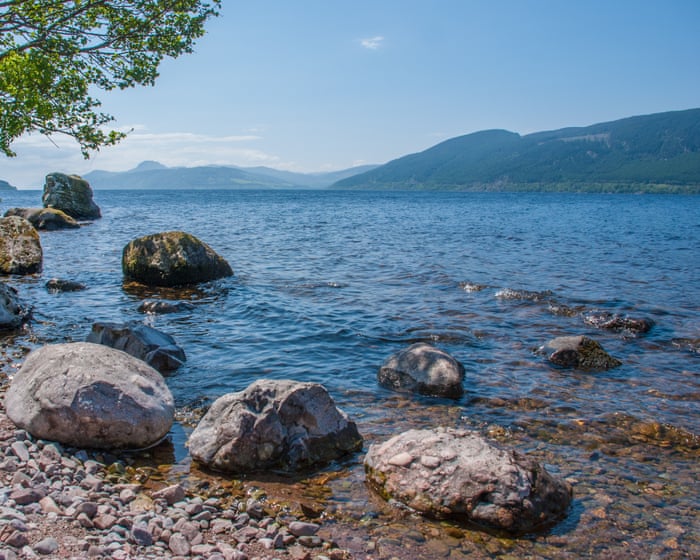
Loch Ness hydropower project will damage shoreline and ancient woodland | Letter

Neil Mackenzie on the environmental impact of the Loch Kemp project

Your article (First major hydropower projects in Great Britain in 40 years given go-ahead, 26 June) describes the proposal to build three pumped storage schemes in the Scottish Highlands. But it does not mention the huge environmental cost.

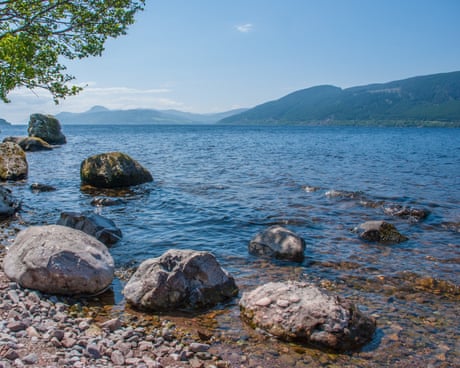
One scheme, the Loch Kemp project, will draw water from Loch Ness and pump it into the upper reservoir created by enlarging Loch Kemp. A giant power station is to be built in protected ancient woodland on the shores of Loch Ness. This woodland is a special area of conservation, an internationally recognised site, and will be partly destroyed by the power station and access road.

Continue reading...

© Photograph: By Eve Livesey/Getty Images

© Photograph: By Eve Livesey/Getty Images

© Photograph: By Eve Livesey/Getty Images

  •  

Fans for fans: power demand surges as England viewers cope with heatwave

Handful of gas plants paid £4m to generate electricity at half- and full-time in World Cup game

A handful of Great Britain’s gas power plants were paid almost £4m to generate electricity for just a few hours on Tuesday evening as millions of sweltering viewers turned to air conditioning, electric fans and icy drinks during England’s second World Cup game.

The heatwave has caused electricity prices across Europe to surge this week amid higher demand for cooling and a string of power plant outages due to the record high temperatures.

Continue reading...

© Photograph: DeFodi Images/Shutterstock

© Photograph: DeFodi Images/Shutterstock

© Photograph: DeFodi Images/Shutterstock

  •  

O Debian está mais moderno do que muita gente imagina

Debian Linux e Debian desktop são robustos e modernos. Descubra por que eles são escolhas sólidas para usuários que buscam estabilidade e inovação.

O post O Debian está mais moderno do que muita gente imagina apareceu primeiro em Blog do Edivaldo - Informações e Notícias sobre Linux.

  •  

Documenting Ireland’s vanishing boglands: ‘They hold millennia in their layers’

Photographer Shane Hynan explores the tension between the central role peat bogs play in Irish life and their wider environmental impact

“You can read Ireland’s history in the boglands. They hold millennia in their layers,” says photographer Shane Hynan of his project, Beofhód (meaning Beneath in English).

The boglands, known as portachs in Irish, cover roughly 1.2m to 1.5m hectares or about 14% to 17% of the country’s total land area. The raised bogs of the Irish Midlands are made of peat that forms at a rate of 1mm a year (0.04in) in low-lying, poorly drained basins or former lakes. As the historical geographer Kevin Whelan observes in the Atlas of the Irish Rural Landscape, “the bog has been etched as deeply into the human as into the physical record in Ireland – to an extent unrivalled elsewhere.”

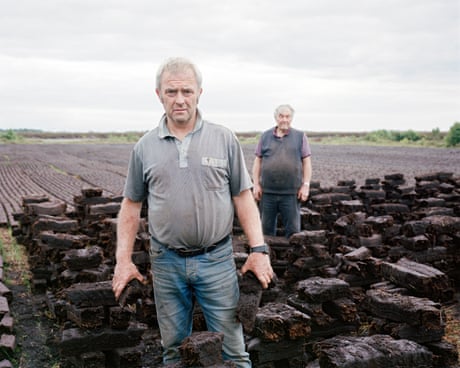
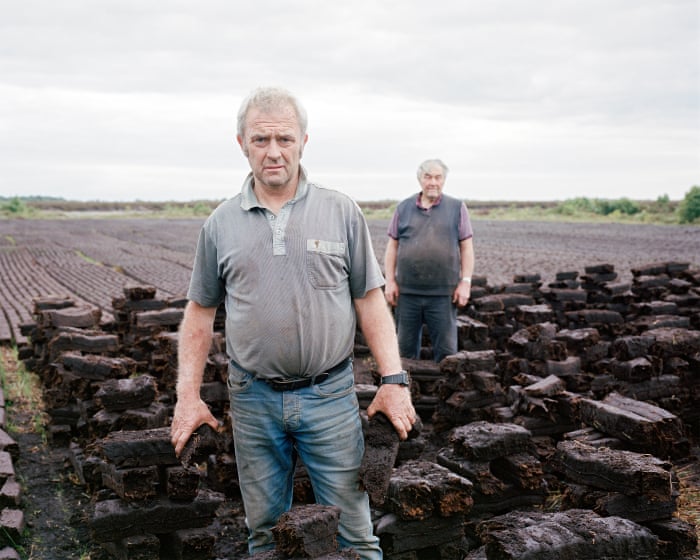
Eddie and Con footing turf for domestic use, Knockirr Bog, County Kildare, 2022.

Continue reading...

© Photograph: Shane Hynan

© Photograph: Shane Hynan

© Photograph: Shane Hynan

  •  

Tiny Artifact Found by Metal Detectorist Complicates the Story of Sutton Hoo, May Rewrite the History of Early English Metallurgy

It was a chance discovery: two years ago, metal detectorist Stephen Newbury had been searching for small items outside the village of Lynsted in Kent when he unearthed a tiny metallic object.

The small bit of metal was obviously ancient, appearing to have been made from copper alloy, depicting a decorative motif featuring a horned character with hands upraised.

Little did Newbury know at the time that the discovery would challenge archaeologists’ existing understanding of one of England’s most famous Anglo-Saxon-era sites.

patrix
The Kent patrix, discovered by Stephen Newbury in 2024 (Image Credit: Kent County Council)

Discoveries at Sutton Hoo

Sutton Hoo in Suffolk, England, is the site of one of the country’s most intriguing archeological discoveries. In 1938, an undisturbed ship burial was unearthed at the site during excavations by avocational archaeologist Basil Brown, which contained a trove of artifacts dating to the 6th and 7th centuries.

Among these items was a famous helmet, believed to have been associated with Anglo-Saxon leader Rædwald of East Anglia. As both a decorative piece and a functional implement of armor, the remarkable artifact is one of the most distinctive unearthed from the Sutton Hoo site.

Anglo-Saxon
Replica of a 7th-century Anglo-Saxon helmet from Sutton Hoo, UK, located near the Sizewell C site (Public Domain).

Based on its crafting and style, archaeologists have long suspected the Sutton Hoo helmet may have origins near Uppland in eastern Sweden. However, the tiny square of bronze alloy recently uncovered in Kent is causing some archaeologists to rethink the origins of the famous implements of ancient Anglo-Saxon warfare unearthed at Sutton Hoo.

A First-of-Its-Kind Discovery

What Stephen Newbury discovered is more than just a tiny decorative scrap of metal: experts identify it as a small die stamp, known as a patrix, which would have been used in the decoration of armor like the varieties unearthed at Sutton Hoo beginning in the 1930s.

While also dated to the 6th or 7th century, the die unearthed at Kent marks an archaeological first—never has a similar object been found in England before now.

Given the similarities between the imagery the artifact conveys and the famous discoveries from Sutton Hoo, this raises an intriguing possibility: what if our presumptions about the likely origins of the famous discoveries at Suffolk in the 1930s are incorrect?

Ongoing Debate

Questions about the origins of the famous Sutton Hoo helmet have remained a matter of debate. Another recent discovery made on the island of Tåsinge, Denmark, suggests this also could be a promising location for the helmet’s origins, after the discovery of a similar patrix there in 2023.

Recent research at the National Museum of Denmark suggests that the appearance of an armored rider on a horse bears a noticeable resemblance to the famous Sutton Hoo helmet.

Peter Pentz patrix
Peter Penz with the Tasinge patrix (Image Credit: The National Museum of Denmark).

Peter Pentz, a specialist in Viking history at the museum, says this “points to a possible Danish connection,” adding that not only might these artifacts all have a common location of origins, but that they may even have been crafted by the same individual.

Expanding the Story of Ancient English Metallurgy

Before metal detectorist Stephen Newbury’s chance discovery, the Sutton Hoo helmet was among the only known Anglo-Saxon era helmets found in England that featured this specific style of die stamping (known as pressblech foils, as recently detailed at The History Blog).

Given the rarity of their discovery in England, it had been presumed that the Sutton Hoo helmet and similar headgear like helmets unearthed with the Staffordshire Hoard in 2009 had likely been brought to England from Sweden or Denmark.

Now, with Newbury’s discovery of a patrix near Kent, the question of whether such ornate Anglo-Saxon helmets could have been English originals—a possibility that raises the further question of whether more advanced metallurgy was being undertaken in the country at that time.

Altogether, Newbury’s discovery only underscores the fact that sometimes even the tiniest discoveries can have a profound impact. In this case, it could lead to a fundamental reshaping of England’s ancient history and some of the country’s most famous archaeological discoveries.

Micah Hanks is the Editor-in-Chief and Co-Founder of The Debrief. A longtime reporter on science, defense, and technology with a focus on space and astronomy, he can be reached at micah@thedebrief.org. Follow him on X @MicahHanks, and at micahhanks.com.

  •  

Sea Level Rise Is Swallowing Farmland at Alarming Rates

Aerial View of a Tidal MarshCoastal farmland in the Mid-Atlantic is being overtaken by rising seas faster than forests, revealing an overlooked rural front in climate-driven marsh migration. Ghost forests, the eerie stands of dead trees left behind when saltwater moves inland, have become a stark sign of sea level rise along the Mid-Atlantic coast. Yet a new Nature Sustainability [...]
  •  

From coal to cabernet: the wine seller using a flooded mine to cut heating bills

Lanchester Wines in north-east England uses heat from a disused coalmine to maintain wine temperatures and with 23,000 flooded mines in the UK, there’s huge potential for more businesses and homes to follow its lead

Shove them in a fridge, stash them in a cellar – this is how most people store their favourite bottles of wine. But if you have warehouses full of thousands of vintages, you have to think a little differently.

For the last eight winters, Lanchester Wines has used heat from a disused coalmine to maintain ideal storage temperatures at its facilities in the north-east of England, helping to prevent freezing or spoilage.

Continue reading...

© Photograph: Posed by models; The Good Brigade/Getty Images

© Photograph: Posed by models; The Good Brigade/Getty Images

© Photograph: Posed by models; The Good Brigade/Getty Images

  •  

Preventing Falls Among Older Adults in Rural Thailand

In the landscape of global aging populations, the issue of falls among older adults has emerged as a critical public health challenge. Recent research by Nonsa-ard, Khodseewong, Wongprachum, and colleagues shines a spotlight on preventive behaviors that correlate with fall incidence among elderly individuals residing in rural communities of Thailand. This study, published in BMC Geriatrics in 2026, advances our understanding of fall risk factors and the multifaceted strategies that can mitigate such risks in resource-limited settings.

Falls among older adults frequently result in severe physical injuries, psychological distress, and subsequent functional decline, often culminating in reduced independence and quality of life. The rural Thai context presents unique socio-economic and environmental variables that influence fall risks, distinct from urban or high-income country settings. The researchers undertook a meticulous cross-sectional analysis to unravel how specific preventive behaviors contribute to the complex epidemiology of falls in these communities, offering insights that could shape tailored public health interventions.

The study strategically sampled older adults living in rural villages, recognizing that rurality often entails limited access to healthcare, lower socioeconomic status, and environmental hazards such as uneven terrain, inadequate lighting, and traditional housing structures that may elevate fall risks. By utilizing structured interviews and observational assessments, the authors collected comprehensive data on participants’ living conditions, health status, mobility patterns, and engagement in preventative behaviors.

One core focus was the identification of modifiable behaviors linked to fall incidence. These behaviors encompassed physical activity levels, medication adherence, home environment modifications, and community engagement. The study found that older adults who maintained regular physical activity and performed balance-strengthening exercises were significantly less likely to experience falls. This aligns with biomechanical theories emphasizing muscular strength and proprioceptive function as pivotal in maintaining postural stability.

Medication management emerged as another critical factor. Polypharmacy, or the use of multiple medications, is common among elderly populations and can exacerbate fall risk due to side effects such as dizziness or orthostatic hypotension. The research highlighted that older adults who actively managed their medication regimens, often through caregiver support or routine medical consultations, exhibited reduced fall incidence. This points to the necessity of coordinated healthcare approaches that prioritize medication review and patient education.

Environmental modifications within the home and immediate surroundings were also integral to fall prevention. Participants who implemented simple adjustments, such as installing handrails, improving floor surface grip, and decluttering pathways, demonstrated a notable decline in fall rates. These findings underscore the importance of ergonomic interventions tailored to rural settings, where structural home improvements can be constrained by financial and material limitations.

Community-based preventive behaviors, including participation in health education sessions and social support networks, were positively correlated with lower fall incidence. Social engagement not only contributes to mental well-being but also facilitates the dissemination of fall prevention knowledge and promotes adherence to safety practices. The interplay between social determinants of health and behavior adoption is particularly salient in rural communities, where traditional norms and collective values shape health behaviors.

The researchers employed advanced statistical modeling to control for confounding variables such as age, gender, comorbidities, and functional status. Their rigorous analysis validated that the identified preventive behaviors independently predicted fall outcomes, enhancing the robustness of the conclusions. Such methodological precision is crucial to distinguish causal pathways from mere associations in epidemiological research.

Importantly, the cross-sectional design affords a snapshot of behaviors and fall incidents but also imposes limitations regarding temporal causality. The authors acknowledged this constraint, advocating for future longitudinal studies to unravel how preventive behaviors evolve over time and their sustained impact on fall risk. Nonetheless, their findings establish an empirical foundation for immediate community health interventions aimed at fall prevention.

This research contributes to the burgeoning discourse on healthy aging by contextualizing fall prevention within the socio-cultural and environmental realities of rural Thailand. It advocates for integrative strategies that encompass physical conditioning, medication management, environmental safety, and social empowerment. Such comprehensive approaches resonate with World Health Organization guidelines that emphasize multifactorial fall prevention programs tailored to local contexts.

Moreover, the study’s implications extend beyond Thailand, offering valuable lessons for global rural health initiatives. As many low- and middle-income countries grapple with similar demographic shifts and infrastructural challenges, the insights into culturally and economically feasible preventive behaviors are universally relevant. This alignment bolsters the potential for international knowledge exchange and collaborative policy formulation.

The research also spotlights the critical role of primary healthcare providers and community health workers in identifying at-risk individuals and facilitating behavior change. Training these frontline actors to deliver personalized fall risk assessments and education can amplify the reach and effectiveness of prevention programs. In addition, leveraging local community organizations to foster peer support and collective action emerges as a promising avenue.

Technological innovation may further augment fall prevention efforts in rural settings. Emerging tools such as wearable sensors and mobile health applications could provide real-time monitoring and feedback to older adults, enhancing adherence to physical exercises and environmental safety practices. However, such technological interventions must be designed with sensitivity to literacy levels, cultural preferences, and access constraints prevalent in rural communities.

In sum, the study by Nonsa-ard and colleagues delineates a nuanced portrait of preventive behaviors that significantly reduce fall incidence among older adults in rural Thailand. By integrating behavioral science, epidemiology, and gerontology, the research charts a path towards sustainable, community-centered fall prevention frameworks. As populations age globally, embracing such evidence-based strategies is essential to safeguard the independence and dignity of older adults.

As the global demographic shift towards older populations continues unabated, integrating multifaceted preventive behaviors into rural health systems will be paramount to curbing the cascading impacts of falls. This work not only enriches the scientific literature but also galvanizes actionable public health efforts, underscoring that even in resource-limited settings, informed behavioral modifications hold transformative potential.

Subject of Research: Preventive behaviors and fall incidence among older adults in rural Thailand

Article Title: Preventive behaviors associated with fall incidence among older adults living in rural communities of Thailand: a cross-sectional study

Article References:
Nonsa-ard, R., Khodseewong, S., Wongprachum, K. et al. Preventive behaviors associated with fall incidence among older adults living in rural communities of Thailand: a cross-sectional study. BMC Geriatr (2026). https://doi.org/10.1186/s12877-026-07830-y

Image Credits: AI Generated

DOI: 10.1186/s12877-026-07830-y

Keywords: fall prevention, older adults, rural health, Thailand, preventive behaviors, gerontology, public health

  •  

In Ancient Pits Near Stonehenge, Scientists See Hints of Solstice Ritual

British archaeologists may have found the remains of a site where people celebrated the solstice thousands of years ago, a few miles from the famed stone circle.
  •  

Could There Be a Tory Upset in Aberdeen?

Makerfield isn't the only by-election happening today. There are two more, one of which is in Aberdeen South – and Mark Littlewood has put a small bet on a Tory upset against the SNP in the oil hub constituency.

The post Could There Be a Tory Upset in Aberdeen? appeared first on The Daily Sceptic.

  •  

Hulk, Punisher join Peter Parker in Spider-Man: Brand New Day trailer

We're about six weeks out from the debut of Spider-Man: Brand New Day, the follow-up to 2021’s No Way Home. It's been five years since Spidey graced the big screen, so naturally, Sony Pictures has released a new trailer to build audience anticipation.

(Spoilers for No Way Home below.)

No Way Home ended on a pretty bleak note, with Peter Parker (Tom Holland) asking Doctor Strange (Benedict Cumberbatch) to erase him from everyone’s memory to protect the multiverse, including MJ (Zendaya).

Read full article

Comments

© Sony Pictures

  •  

Ancient Microbes Preserved in Rapidly Thawing Arctic Middens Are Waking Up—Could They Pose a Threat to Us Today?


New analysis of ancient frozen Greenland rubbish heaps, called middens, has revealed new insights into several ancient societies that have passed through the country over the last five millennia. The findings include insights into ancient diseases and animals that the inhabitants kept but didn’t eat.

Although the team noted the potential risk that climate change could release dangerous ancient microbes into the modern environment, their analysis found little evidence that the pathogens they identified could pose a threat beyond the immediate area around the middens.

Ancient Middens Offer Historical Insights Beyond Traditional Artifacts

Archaeologists have often excavated items discarded by ancient societies from trash heaps to learn more about the people who lived there. Although such excavations often unearth things like animal bones and mollusk shells, offering insights into diet and hunting habits, these ancient rubbish heaps can also contain human artifacts, such as discarded blades and other tools.

In a country like Greenland, where different peoples have settled the region since 2,500 BCE, the ancient middens may also contain microbes that could offer researchers an entirely different type of historical data. For example, microbial data from middens could reveal which diseases ancient populations had to survive. The team notes that microbes could also help determine what ancient societies kept “but perhaps didn’t eat.”

Still, studies of ancient midden microbes are limited, leaving a gap in historical knowledge. The authors of the new paper also highlight that rapidly increasing Arctic warming could release infectious diseases to which humans have lost immunity over the ensuing generations.

Over One Thousand New Species Were Identified

To bridge the information gap, Dr Frank Møller Aarestrup, a professor at the National Food Institute of Denmark Technical University and corresponding author of the article detailing the team’s research, examined samples collected during 2020 and 2021 expeditions in West and South Greenland. During those expeditions, scientists collected samples from middens locked in time by permafrost, dating back as far as 4,500 years.

ancient microbes
The authors during their fieldwork studying ancient middens in Greenland. Image Credit: Louise Hindborg Mortensen.

Among the middens sampled were the ancient Norse sites of Kapisilit and Narsarsuaq, where researchers collected soil samples from what the new paper’s authors termed “historic winter enclosures.” The site also contained evidence that it was a summer grazing ground for livestock.

After selecting several soil samples, Dr. Aarestrup’s team sequenced the DNA of ancient microbes found in the midden samples. Next, they compared the data, including entire bacterial communities, to 143 soil samples previously collected from areas of permafrost far away from any known historical human settlements.

According to the team’s statement, the sequencing revealed a total of 1,207 species and differing ranges of bacterial species per midden. In denser areas, the team identified as many as 202 species, whereas less microbe-dense middens had as few as nine.

The team’s analysis also found several species that had not been previously identified. This resulted in the team labeling the unidentified microbes using what they termed “broad taxonomic categories” above the genus and species level, such as family and order.

Preserving the ‘Biological Legacy’ of Human Activity

When comparing the microbial communities in the ancient middens with those from samples collected away from human settlements, the team found a significantly richer community of ancient bacteria preserved in the middens. The team notes that this discrepancy confirms that the middens “preserved the biological legacy of human activity.”

The most soil-like bacterial communities were identified within the oldest Paleo-Inuit middens. The researchers said the finding suggests that the microbial “imprint” left behind by humans and animals diminishes over time.

Bacterial communities were also associated with the types of waste discarded in each ancient midden. For example, although most middens contained bacteria associated with human and animal hosts, middens from colonial-era Nuuk contained decomposing seal skins. The middens from colonial-era sites were also rich in the bacterium Clostridium perfringens, which the team notes is “a major cause of food poisoning.”

Risk of Ancient Pathogens is Low

Although the team identified strains of bacteria that can cause botulism or other life-threatening conditions, such as toxic shock syndrome, sepsis, and gangrene, they also found a diversity of antimicrobial-resistance genes in the genomes of bacteria collected from the same middens.

According to the study authors, finding the two sets of genes in ancient and modern soil layers “signaled that microbes resistant to antimicrobials can linger in permafrost for centuries.”

Fortunately, the team’s analysis found that most of the identified microbes, including potentially dangerous pathogens, don’t spread far from middens, even those undergoing defrosting. As a result, the team said that these ancient microbes  “pose little risk to public health,” at least for the time being.

“Here we show that the risk of release of ancient pathogens from ancient middens in Greenland is currently low,” Dr. Aarestrup explained.

Instead, the researcher noted that Arctic middens appear to function like “long-term natural experiments,” in which both human- and animal-associated bacteria, including “opportunistic” species carrying resistance genes, remain detectable centuries later as a broader “legacy of human activity.”

The study “Microbial composition of archaeological middens: Tracing Human Footprints Through Centuries in Greenland’s Ancient Settlements” was published in Frontiers in Microbiology.

Christopher Plain is a Science Fiction and Fantasy novelist and Head Science Writer at The Debrief. Follow and connect with him on X, learn about his books at plainfiction.com, or email him directly at christopher@thedebrief.org.

  •  

Greenland Ice Sheet Melt: 1500–2200 CE Trends

The Greenland Ice Sheet: An Unstoppable Catalyst of Global Sea-Level Rise

In the unfolding narrative of our planet’s climate crisis, the Greenland Ice Sheet stands as one of the most formidable agents of change. Since the dawn of satellite observations in 1992, this massive reservoir of ice has relinquished approximately 4,900 gigatons of ice, a staggering volume whose meltwater has contributed about 13 millimeters to the rise in global mean sea level. Such a figure, while already alarming, merely scratches the surface of potential long-term impacts. Even in a hypothetical future devoid of any additional warming, the Greenland Ice Sheet is effectively locked in to contribute an extra ~274 millimeters to global sea levels. This commitment underscores a sobering reality: the ice sheet’s decline is not simply a transient phenomenon but a geological-scale reordering, with the total potential of a 7-meter sea-level rise looming if complete melting ever unfolds.

To truly grasp the implications of the Greenland Ice Sheet’s evolution, scientists have undertaken comprehensive syntheses of its surface melt dynamics extending across centuries—from 1500 to projections as far ahead as 2200 CE. This historical and predictive vantage reveals a striking acceleration in surface melt beginning in the 1990s, characterized by a rapid increase of roughly 1 percent per year. This upsurge has not occurred in isolation. Rather, it is a direct consequence of amplified regional warming patterns coupled with notable alterations in atmospheric circulation dynamics. A phenomenon known as enhanced atmospheric blocking—where persistent high-pressure systems effectively stall weather patterns—has played a pivotal role in this rapid intensification of melt rates.

The consequences of these climate shifts manifest with increasing frequency and severity in extreme melt events. Since 2007, Greenland has experienced multiple unprecedented episodes where melting persists intensively over several consecutive days. These events reach apogees such as the extraordinary case of July 2012, during which almost the entirety of the ice sheet surface succumbed to thawing. Such extremes stress the limits of current predictive models and underscore the urgent need to understand the complex interplay of forcings driving these episodes.

Dominating the seasonal melt cycle is the absorption of shortwave solar radiation. Solar energy, pouring relentlessly onto the ice sheet’s surface during summer months, serves as the primary engine for surface melting. However, this process is far from straightforward or uniform. Turbulent heat fluxes—essentially the turbulent exchange of heat between the ice and atmosphere—alongside cloud cover dynamics and the critical feedback mechanism of albedo, significantly modulate the spatial and temporal variability of melt. Albedo effects refer to the reflectivity of the ice surface: as ice melts and dark patches or meltwater form, less sunlight is reflected back, and more is absorbed, accelerating melt rates in a self-reinforcing loop.

Yet, it is precisely the intricate and interlinked nature of these processes that confounds climate models. Even among today’s state-of-the-art regional climate models, there is a stark divergence in projections of Greenland’s surface melt and mass loss. When subjected to identical climate forcing scenarios, these models yield predictions differing by as much as a factor of two. This discrepancy highlights fundamental uncertainties inherent in simulating the nuanced physics of ice-atmosphere interactions, energy balance complexities, and meltwater behavior within the firn layers—densely packed snow that acts as a sponge holding meltwater before it refreezes or runs off.

A central challenge lies in the accurate representation and integration of these processes within numerical simulations. Extreme melt events, in particular, remain difficult to quantify and predict with confidence. The drivers behind these sporadic but increasingly frequent episodes are multifaceted, involving shifts in jet stream patterns, atmospheric blocking frequencies, and the enigmatic influence of cloud microphysics. Likewise, the fate of meltwater—whether it refreezes in the porous firn layers or contributes to runoff—critically influences the net mass balance of the ice sheet yet remains poorly constrained in many models.

Adding further layers of complexity, coupling between atmospheric forcing and the surface energy balance must accurately capture feedback loops and temporal variability. Discrepancies in these couplings propagate through simulations and exacerbate uncertainties in projections of future melt and associated sea-level rise contributions. Scientists recognize that overcoming these hurdles necessitates expanding observational networks across Greenland, leveraging advanced remote sensing methods combined with in situ monitoring to resolve fine-scale processes.

Furthermore, there is a burgeoning potential for integrating emerging data-driven approaches into this research frontier. Machine learning, artificial intelligence, and data assimilation techniques offer promising means to synthesize vast datasets, identify subtle patterns, and enhance the physical realism of model parameterizations. However, realizing these gains demands concerted efforts in model development, interdisciplinary collaboration, and continued investment in observational infrastructure.

The stakes could hardly be higher. Greenland’s meltwater contributions are a central element of global sea-level rise—one of the most significant threats to coastal communities worldwide. The unprecedented speed and scale of Greenland surface melt ask not only for scientific diligence but also for rapid climate mitigation and adaptation strategies. The Greenland Ice Sheet is both a harbinger and accelerator of change in Earth’s climate system, embodying losses that reverberate far beyond polar latitudes.

Looking to the centuries ahead, the trajectory of Greenland’s surface melt remains riddled with uncertainty but is unmistakably poised on an upward trend in response to continued warming. Understanding and predicting this trajectory with greater precision is not merely an academic endeavor; it is a prerequisite for global climate resilience planning. The Greenland Ice Sheet, with its vast store of frozen freshwater, is a sentinel of deep Earth system transformations, reminding humanity of the interconnectedness of climate, ice, and sea.

Our current epoch demands that we unravel the intricacies of ice sheet melting at a pace matching the climate forces reshaping our planet. The Greenland Ice Sheet’s story, as told from the past into the future, is both a cautionary tale and an invitation to innovate in climate science. Only through enhanced observational capabilities, refined models, and novel integrative approaches can we rise to this challenge. The fate of coastlines, ecosystems, and human settlements worldwide hinge on the answers we find in this colossal frozen archive.

As the Earth warms, the story of Greenland’s shrinking ice transforms from abstract projections into tangible realities. Extreme melt events once considered anomalies have become harbingers of a new normal, with implications cascading through global systems. The urgency of understanding this dynamic, the mechanisms underpinning it, and its future paths cannot be overstated. Greenland, in its ancient calm, increasingly pulses with restless change—bearing witness to and driving one of the most profound climate transformations of our era.

Subject of Research: Greenland Ice Sheet surface melt and its contributions to global sea-level rise.

Article Title: Past, present and future Greenland Ice Sheet surface melt, 1500–2200 CE.

Article References:
Hanna, E., Box, J.E., Fettweis, X. et al. Past, present and future Greenland Ice Sheet surface melt, 1500–2200 CE. Nat Rev Earth Environ (2026). https://doi.org/10.1038/s43017-026-00800-3

Image Credits: AI Generated

DOI: 10.1038/s43017-026-00800-3

Keywords: Greenland Ice Sheet, surface melt, sea-level rise, climate change, atmospheric circulation, atmospheric blocking, albedo feedback, turbulent heat fluxes, climate models, firn processes, meltwater retention, extreme melt events

  •  

Ancient Microbes in Greenland’s Rubbish Heaps Reveal Insights into Old Farms, Seal Hunts, and Toilets

Greenland, with its vast icy expanses and challenging environment, harbors a rich tapestry of human history etched into its landscape over millennia. The island’s archaeological record tells tales of successive human inhabitations that have left behind more than just stories and artefacts; it preserves complex biological legacies embedded within ancient refuse deposits known as middens. These middens, essentially ancient domestic rubbish heaps composed of animal bones, excrement, mollusk shells, and various artefacts, offer not only archaeologists but also microbiologists a unique window into the past. Their frozen state in Arctic permafrost has allowed microbial communities trapped over thousands of years to persist, raising compelling questions about the nature and dynamics of these ancient microbial populations.

The study of microbial life within these middens is far more than a niche query; it intersects with pressing concerns about human health, ecosystem integrity, and the potentially resurging threats posed by ancient pathogens. As the Arctic warms at an alarming rate—currently estimated to be three to four times faster than the global average—the thawing permafrost raises fears that dormant microbes, including pathogens from bygone eras, might be released back into the environment. The microbial fingerprints preserved in these deposits chronicle past human and animal interactions, environmental conditions, and disease ecology, providing invaluable data to reconstruct historical microbiomes and understand their evolution through millennia.

In groundbreaking research reported recently in Frontiers in Microbiology, scientists led by Dr. Frank Møller Aarestrup of the Technical University of Denmark embarked on an ambitious project to characterize the microbial composition of Greenland’s archaeological middens. Their experimental approach involved rigorous sampling of frozen middens from multiple chronological layers spanning approximately 4,500 years of human history—from the earliest Paleo-Inuit cultures to medieval Norse settlers and early Danish colonists. Employing advanced DNA sequencing techniques and bioinformatics, the team reconstructed diverse and complex bacterial communities present in these ancient deposits and compared them with microbes from surrounding pristine permafrost soils, unperturbed by human activity.

One of the striking revelations from this study was the extraordinary microbial richness residing within the middens. From as few as nine to as many as 202 bacterial species per midden, the researchers identified an aggregate of 1,207 distinct bacterial species across all samples. Intriguingly, many species could not be identified beyond broad taxonomic categories, underscoring the vast unknown microbial diversity in Arctic archaeological contexts and the general paucity of data on cold-environment microbiomes. This discovery shines a light on the hidden microbial world preserved under layers of ice and soil, aspects that have remained largely unexplored until now.

The middens invariably featured richer bacterial communities than adjacent soils, affirming their role as biological archives chronicling the legacy of human presence and activity. Among the deposits, middens linked to the Paleo-Inuit exhibited bacterial compositions closely resembling natural soil communities, suggesting a fading microbial imprint over thousands of years. Conversely, Norse and colonial middens revealed bacterial assemblages heavily influenced by human-related waste, livestock farming, and domestic activities, evidencing the intimate connection between past humans, their animals, and local microbes.

Practically, these midden microbiomes hosted a variety of bacteria associated with human and animal hosts. Notably, the researchers detected species such as Clostridium massilliamazoniense, innocuous but indicative of human fecal matter presence, alongside more pathogenic taxa like Clostridium baratii, which can lead to botulism, and Paeniclostridium sordellii, linked to severe human illnesses including toxic shock syndrome and gas gangrene. Such findings highlight how midden microbial communities serve as time capsules, preserving signatures of diseases that may have affected historic populations, which hold relevance to the emerging field of paleomicrobiology.

Furthermore, the microbial composition differed markedly depending on the nature of the organic waste constituting each midden. Middens from Greenland’s early colonial era, particularly those in Nuuk containing decomposing seal skins, harbored Clostridium perfringens, a bacterium notorious for causing food poisoning. Meanwhile, middens filled with animal carcasses were dominated by gut bacteria such as Romboutsia species and Paraclostridium sordellii. Early Norse deposits, rich in decomposing bones, exhibited an abundance of unknown species within the Proteobacteria and Clostridiaceae groups. This substrate-specific microbial differentiation provides new perspectives on historic dietary patterns, hunting practices, and animal domestication in Greenland.

An essential aspect of the team’s work was the investigation of antimicrobial resistance (AMR) genes within these ancient bacterial genomes. The researchers uncovered a diverse array of resistance genes, demonstrating that ancient permafrost soils and middens contained bacteria equipped with antimicrobial defense mechanisms. The persistence of these genes in both ancient and modern soil layers indicates the long-term stability and environmental retention of genetic elements conferring antibiotic resistance, a critical insight into the evolutionary history of AMR and its environmental reservoirs. Despite this, spatial analyses suggested that upon thawing, microbes from the middens do not tend to disperse widely, limiting the risk of pathogen spread under current conditions.

Importantly, the authors emphasized that the immediate threat to public health from ancient pathogens emerging from Greenland’s thawing middens is currently low. Dr. Saria Otani, co-author and associate professor, noted that the microbiome released from melting permafrost appears to be rapidly outcompeted or replaced by contemporary environmental microbes, reducing opportunities for ancient pathogens to proliferate. Nonetheless, this dynamic balance could shift with accelerating climate warming, necessitating vigilant monitoring.

To that end, the researchers advocate for the incorporation of microbiome characterization into routine archaeological protocols during future excavations at permafrost sites. The spatially and temporally resolved microbial data obtained could serve as early warning markers for pathogen emergence and inform conservation strategies during the rapidly unfolding Arctic environmental transition. This interdisciplinary study brilliantly exemplifies how combining microbiology, archaeology, and environmental science can unlock secrets buried in ice and soil, informing both our understanding of the past and preparations for an uncertain microbial future.

This pioneering research hence sets a precedent for microbiome-informed archaeology, where the “dustbins of history” are not merely relics of human culture but bearers of ancient microbial life, antimicrobial resistance, and metabolic potential. By resolving these ancient microbial ecosystems, scientists are better positioned to trace human-animal-environment interactions across centuries and to anticipate the potential consequences of microbial releases driven by climate change.

As global temperatures continue their inexorable rise, the Arctic remains a hotspot for uncovering hidden biogeochemical dynamics playing out beneath melting permafrost. Greenland’s middens now stand as invaluable archives that illuminate the intertwined narratives of human migration, settlement, livestock domestication, and the microbial world shaped by these processes. The revelations from these frozen repositories reinforce a broader vision of archaeology enriched by microbial ecology, where ancient microbial communities provide vital clues for understanding human history, health, and environmental change on a planetary scale.


Subject of Research: Not applicable

Article Title: Microbial composition of archaeological middens: Tracing Human Footprints Through Centuries in Greenland’s Ancient Settlements

News Publication Date: 17-Jun-2026

Web References:
Frontiers in Microbiology Article

Image Credits: Louise Hindborg Mortensen

Keywords: Archaeology, Animal domestication, Anthropology, Archaeological sites, Prehistory, Microbial ecology, Infectious diseases, Gastrointestinal disorders, Health and medicine, Human biology, Public health, Land use, Iron Age

  •  

Swiss decision to not contribute to Copernicus tests program’s value model

View of the Fagradalsfjall volcano on Iceland's Reykjanes Peninsula, acquired by the Copernicus Sentinel-2 satellite less than 10 hours after its eruption began on Feb. 8, 2024, with the lava flow and smoke plume clearly visible near the city of Grindavík. Credit: European Union, Copernicus Sentinel-2 imagery.

MILAN — Switzerland’s decision not to participate in the European Union’s Copernicus Earth observation program during the 2028–2034 funding cycle has revived a broader debate over the value of contributing […]

The post Swiss decision to not contribute to Copernicus tests program’s value model appeared first on SpaceNews.

  •  
❌