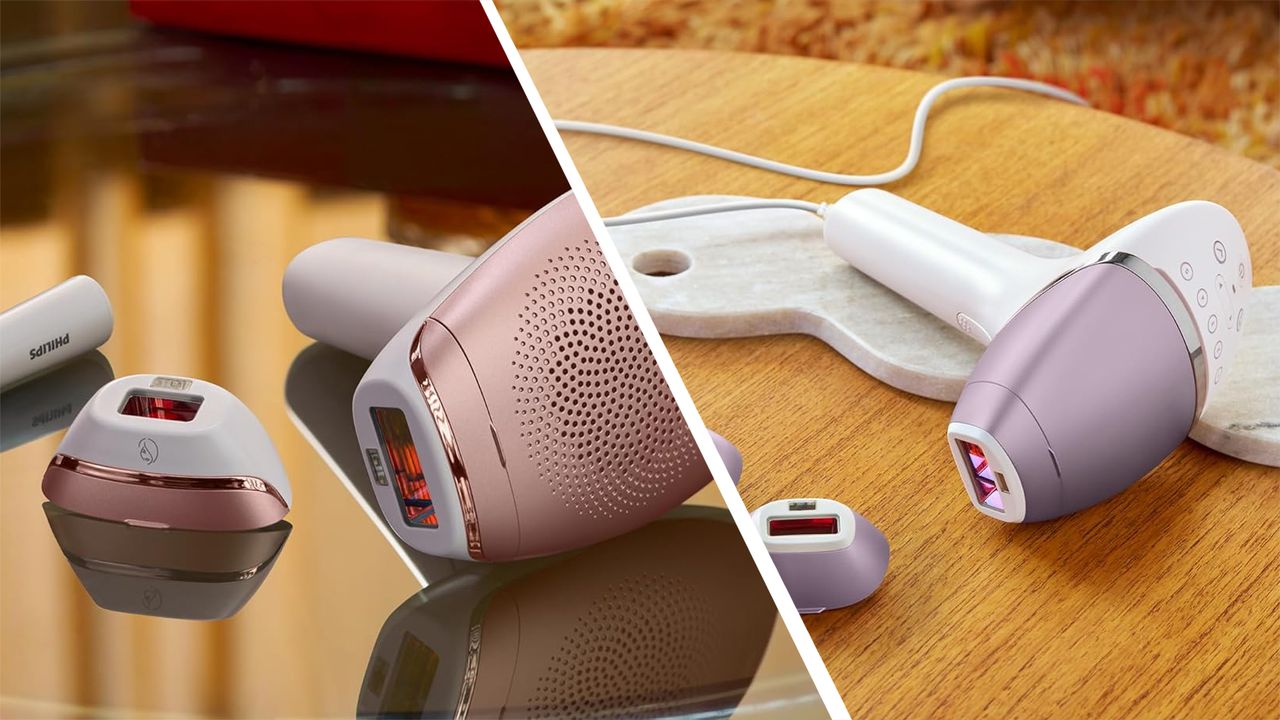
Before I tried my first IPL machine, I was suspicious. A handheld device that flashes at your skin and it somehow zaps away your body hair? It all sounded rather unlikely. Except then I got one, and it did just that, and it's been my summertime savior for the past five years.
I paraphrased before, so let me back up a bit. IPL stands for Intense Pulsed Light: multiple wavelengths of light that look a little like a photo flash. (They're different to a laser, which uses one concentrated beam.) You remove the hair from the bit of skin you want to be fuzz-free, and then run your device over that patch. The light targets the follicle that sits under the surface of your skin, damaging or destroying it so it doesn't grow back.
The results, for me, are incredible. It's by far the most effective, long-lasting and side-effect-free method of hair removal I've tried (and I have tried them all). However, there are a few things to know before buying one — scroll down for the key things I tell anyone who asks me if I'd recommend an IPL.
I was particularly inspired to share my tips now, because there are several heavily discounted IPL machines (including my own Braun Silk-Expert Pro 5 — five years old and still going strong) included in the Amazon Prime Day sales. So if you read my tips and decide to buy, now's a great time to do so.
1. They won't work for all hair types in all places
Because of the zapping mechanism, IPL machines work best on dark hair on pale skin — the bigger the contrast, the better. That means they won't work for everyone — people with fair, fine body hair likely won't see much of a difference, and ditto those with darker skin tones.
Further to that, they might not work equally well everywhere on your body. For instance, my IPL doesn't really do much for my leg hair, whereas it's much more effective on my underarms.
2. They're pain-free and the results last
That light looks like it's going to hurt, right? Wrong. The IPL process is pretty much pain-free, save for it occasionally feeling a bit hot. I also don't have an issue with itchy or awkward regrowth in the way I do with shaving.
If you struggle with a bad reaction to other hair removal methods, note that you will need to remove all your hair in your target area before you go over it with the IPL machine. Shaving it is recommended, so you will need to deal with that nasty regrowth at least once.
However, I've found that after that first use, the amount of hair that comes back is significantly reduced, and then after the second or third cycle, basically nothing grows back. It's really incredible.
3. They won't get rid of hair permanently
The instructions with my machine state you should use your IPL weekly for a few weeks (I do four), and then monthly going forward after that. After around three weeks, there's no hair there, but if I don't continue with top-up sessions, after a few weeks the hair will start to return, and eventually it'll be right back to pre-IPL state. So you will need to keep up with your maintenance zapping; this isn't a permanent solution.
Got more questions? Ping me in the comments section, I am happy to help. Or if I've convinced you that an IPL is right for you, let's take a closer look at the best deals available now.
Aldi has announced a new range of mini cooling fans
There's a tripod fan, a multi-directional globe fan, and an evaporative cooler
They'll be available in the middle aisle from July 2, starting at £6.99
Aldi, famed for its bargain home gadgets, has just announced a new set of budget-friendly cooling fans to help you stay cool without burning a hole in your wallet. The set of three fans will be available in the middle aisle of Aldi stores from July 2, so although they won't be able to stop you sweating during the current heatwave, you can make sure you're prepared the next time the temperature soars.
For me, the most interesting fan in the collection is the £6.99 Fan with Flexible Tripod. Not only is this the cheapest option, it's also the most flexible — literally. Its Joby GorillaPod-style legs bend and grip, so you can position it just right on your desk, wrap it around the handlebar of a pushchair, or attach it to a treadmill at the gym.
(Image credit: Aldi)
Another intriguing option is the Portable Air Cooler with LED (£14.99), which lowers the temperature in your room using water and ice evaporative technology. Water absorbs quite a lot of heat when it evaporates, which has a significant cooling effect, which makes this kind of device (also charmingly known as a 'swamp cooler') an effective way to keep your cool without raising your electricity bill.
Finally, we have the Globe Fan with Multi Direction (£39.99), which looks more like a typical desk fan, but has an unusual "360-degree auto-rotating" head that pans all the way around your room. It comes with a remote control, and has three modes: Natural Wind, Drying (for laundry), and Sleep.
If you can't wait until next week and are willing to splash some more cash for quicker relief, we've rounding up all the best Amazon Prime Day deals on heatwave essentials including fans, portable air conditioners, and ice cream makers.
Popular music may be reflecting a growing culture of vices, according to new research from the Center for Digital Music at Queen Mary University of London. The analysis of musical evolution found that song lyrics have become increasingly negative over the past six decades, with declining references to moral virtues. This could provide an important indicator of a cultural shift in society.
In the evolving landscape of global water resource management, addressing the persistent tension between equitable distribution and cooperative efficiency remains a paramount challenge. A pioneering study recently published in Nature Water introduces an innovative Atkinson social welfare function (SWF)-based framework that operationalizes distributive equity alongside systemic efficiency within transboundary water systems. By embedding equity explicitly as a normative design criterion, this framework leverages an adjustable inequality aversion parameter, providing policymakers with a powerful tool to balance social justice with optimal resource use.
At the heart of this advancement lies the mathematical backbone of the Atkinson SWF, a function well-regarded for its flexibility in capturing societal preferences for inequality reduction. The framework transforms equity from a nebulous ideal into a quantifiable, adjustable dimension directly integrated within multi-objective optimization. Applied to the Zambezi Watercourse—a complex shared basin impacting multiple countries—the model reveals that introducing inequality aversion yields only modest reductions in total hydropower output, around 1–2.7%, while significantly lowering disparities in country-level generation by 3 to 8 points on the Atkinson index.
This nuance is crucial because natural constraints such as water availability and turbine capacity inherently limit the scope for redistributing hydropower output to improve equity. Instead, the model shows that inequality aversion primarily affects firm generation capacity, where Zimbabwe and Zambia experience substantial percentage increases during critical periods, reflecting strategic operational shifts. Mozambique’s generation remains relatively stable. Such findings underscore a pragmatic approach to equity: rather than static allocation, operational strategies can target support during vulnerable drought conditions, effectively marrying resilience with justice.
Importantly, the concave utility assumption underlying inequality aversion parallels risk aversion concepts in economic theory. This alignment suggests that what often appears as an efficiency sacrifice in pursuit of equity may, in fact, represent a system more robust to uncertainty and stressors. In water resource contexts marked by ecological variability and competing demands, this insight reframes equity not as a zero-sum trade-off but as integral to sustainable cooperation.
A key innovation of the framework is its dynamic adaptiveness during optimization, eschewing rigid allocation rules or static weightings. For instance, when factoring in floating photovoltaic (FPV) investments alongside traditional hydropower, Mozambique assumes the full cost of preserving near-natural environmental flows in its delta—sacrificing 41% of hydropower generation and facing frequent low-output periods. Yet, this environmental stewardship shifts investment priorities away from Zambia to Mozambique without requiring prior distributional knowledge, thereby reducing inequality by 25 Atkinson index points with a modest overall production trade-off of 4.2%. This responsiveness is a critical advancement for transboundary water management, where power dynamics and environmental conditions are perpetually in flux.
The study deliberately calibrates its inequality aversion parameter, epsilon (ϵ), at 2—a level representing strong equity preference—to demonstrate the framework’s capabilities. However, it recognizes stakeholder perspectives may differ widely. Rather than treating epsilon as a technical constant, the authors advocate viewing it as a parameter for deliberation, surfacing explicit negotiation choices among diverse actors. Structured choice experiments could translate complex mathematical trade-offs into intuitively understandable options, enabling stakeholders to reveal implicit equity preferences through participatory processes. This approach dovetails with the multi-objective optimization’s Pareto frontier, which transparently spans the spectrum from maximal efficiency to maximal equity, thus facilitating informed trade-offs.
The researchers embed a normative assumption in their baseline welfare function: treating each country as an equally weighted actor, reflecting sovereignty principles inherent in international water law and institutional arrangements like ZAMCOM, the Zambezi Watercourse Commission. This aligns with the ‘one state, one vote’ doctrine, appropriate for interstate governance frameworks. Yet, the team acknowledges the normative and practical implications of population-weighted alternatives. Incorporating population in the welfare aggregate could, for example, prioritize individual welfare across riparian states rather than equal state-level standing. Such distinctions have profound implications—especially in basins like the Zambezi where the most populous country, Mozambique, has the lowest per-capita hydropower generation.
Extending the framework to a population-weighted SWF or a per-capita welfare input introduces normative choices about justice, as these measure equity through fundamentally different lenses: aggregate human welfare versus national sovereignty. In scenarios where population rankings and per-capita generation rankings conflict, these alternatives may pull policy preferences in divergent directions, underscoring the need for societal dialogue to resolve such trade-offs.
While the study focuses on interstate equity, it also addresses the crucial gap of intrastate disparities, which country-level metrics risk obscuring. Implementing the framework at subnational scales would necessitate coupling basin-wide hydrological models with detailed power system dispatch simulations and geospatial electrification mapping. Though technically complex, such integration promises to capture localized inequalities in access and generation more effectively. Preliminary attempts, such as those conducted in Ghana, employ inequity metrics like the Gini index but lack Atkinson’s adjustable inequality aversion—an essential feature for nuanced policy negotiation. The authors argue that their SWF framework offers scalable advantages for applying distributive justice across regional or even community scales, especially in data-scarce, transboundary environments.
A particularly thought-provoking question arises around accommodating group-specific inequality aversion across demographic or vulnerability categories—such as gender-differentiated impacts or subregional disparities within countries. From a methodological standpoint, the study identifies significant hurdles. Introducing distinct epsilon parameters for multiple groups compromises the anonymity and Pigou-Dalton consistency properties fundamental to welfare economics and adds layers of unquantifiable normative complexity. Instead, the authors advocate maintaining a single inequality aversion parameter, deferring subgroup analyses to disaggregated data where possible and allowing these insights to inform participatory negotiations.
Complementary approaches, including incorporation of needs-referenced thresholds consistent with prioritarian ethics, face challenges tied to the Atkinson function’s strict positivity constraints and the difficulty of justifying group-specific thresholds beyond narrowly defined legal or vulnerability classifications. Ultimately, the study emphasizes that the framework’s power lies in making equity visible and operationally relevant, rather than complicating aggregation with layered value parameters.
Beyond hydropower and water management, this Atkinson SWF-based approach holds broader applicability. Many resource allocation challenges characterized by monotonic, concave utilities—such as renewable energy deployment, biodiversity conservation, or climate adaptation finance—stand to benefit from formalized equity-efficiency trade-offs. Threshold effects or objectives with increasing returns require separate treatment within multi-objective optimization, but many relevant environmental and social goals fit the concavity assumption well.
As climate change intensifies variability in precipitation and water availability, the necessity of cooperative frameworks balancing equity and efficiency becomes ever more urgent to prevent breakdowns in international water agreements. By operationalizing the principle of ‘equitable and reasonable utilization,’ this research translates normative international water law doctrines into tangible, evidence-based decision tools that directly relate to real-world human welfare and environmental sustainability outcomes. The Atkinson SWF, with its adaptable inequality aversion and capacity for participatory negotiation, emerges as a promising lynchpin for future transboundary water governance.
In conclusion, this study marks a notable advance towards integrating distributive justice within multi-actor optimization models for shared water systems. It demonstrates how explicit normative assumptions can coexist with rigorous technical analysis to produce outcomes that are both efficient and equitable. The dynamic responsiveness embedded in the framework addresses the complexity and uncertainty of water sharing arrangements, facilitating adaptive cooperation even as political and climatic conditions evolve. This balanced approach, supported by empirical application to the Zambezi basin, could serve as a blueprint for operationalizing equity in other transboundary resource settings worldwide.
As demands on common-pool resources mount, such integrative approaches will be indispensable for sustaining long-term cooperation. By linking sophisticated welfare economics with participatory policy processes and cutting-edge water system simulations, this research provides both the theoretical foundation and practical pathway to reconcile competing values on the international stage. The Atkinson SWF-based equity framework thus represents a crucial step towards more just, resilient, and sustainable shared water futures.
Subject of Research:
Optimization of distributive equity and cooperative efficiency in transboundary water resource systems using Atkinson’s social welfare function.
Article Title:
Balancing equity and efficiency in transboundary water systems with Atkinson’s welfare function.
Article References:
Arnold, W., Giuliani, M. & Castelletti, A. Balancing equity and efficiency in transboundary water systems with Atkinson’s welfare function. Nat Water (2026). https://doi.org/10.1038/s44221-026-00671-4
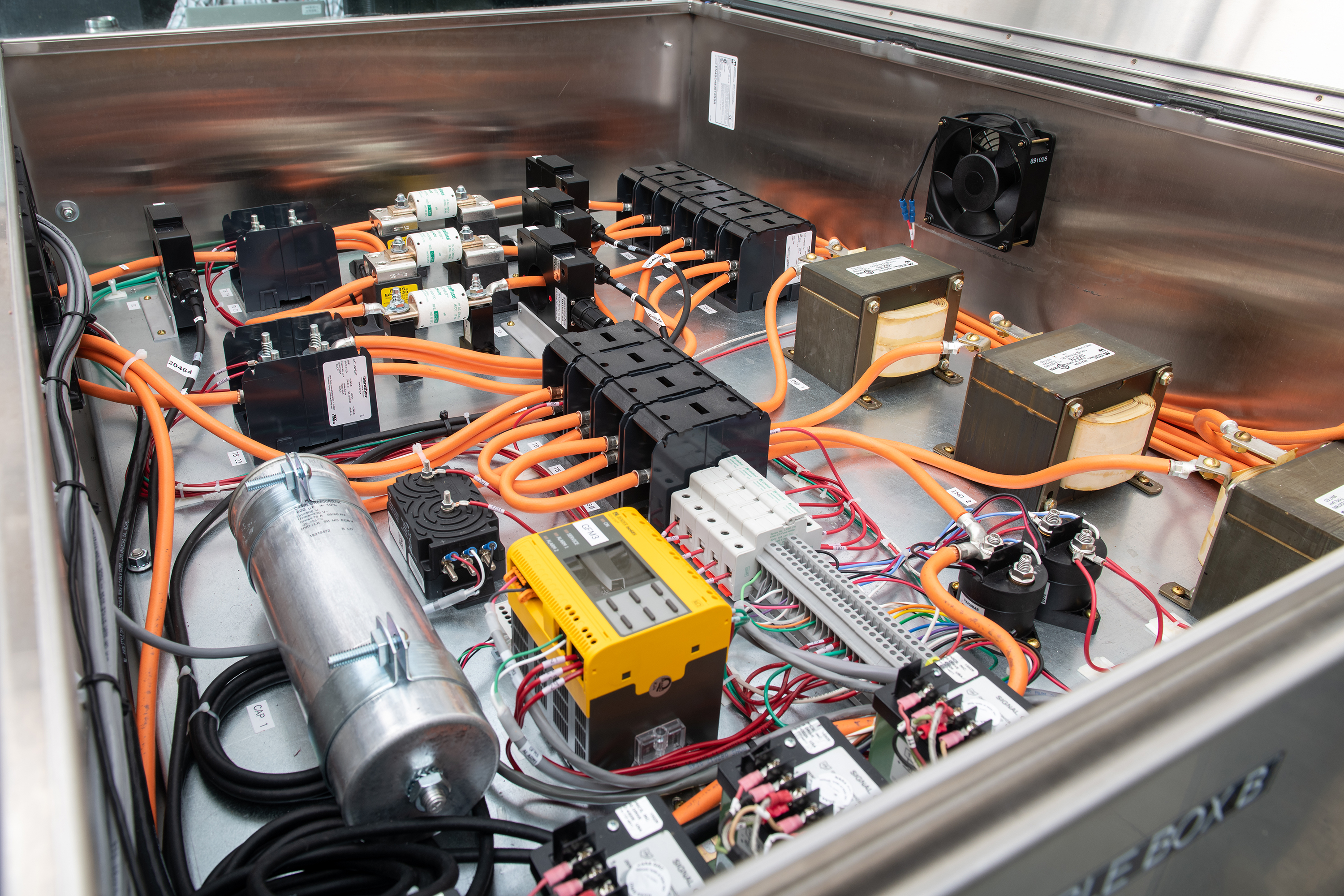
Electricity powers the world, and electricians are the ones who get it where it needs to go. An electrician is an expert who is trained to make sure electrical systems and equipment are installed safely and working correctly. Electricians are involved in a variety of systems, including power, lighting, communications, and more – anything that needs electricity to run.
While electricians ensure systems and equipment have the power they need, electrical technicians focus on building, modifying, or testing electronic devices.
What are some of the different types of work electricians and electrical technicians do at NASA?
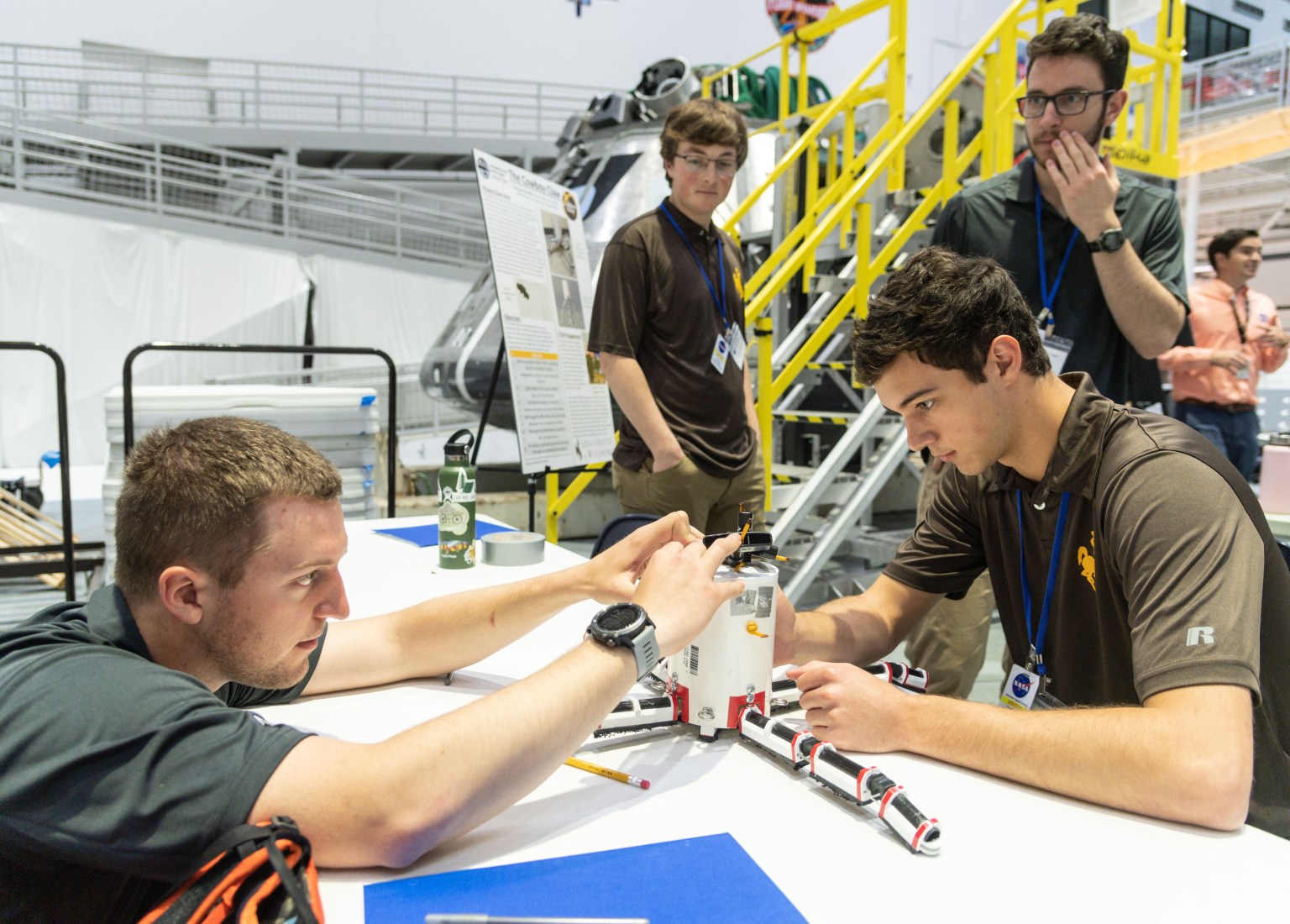
At NASA, electricians keep the lights on and the power flowing for rocket launches, scientific research, and everything in between. Their skills support engineers and scientists in building and testing spacecraft, aircraft, satellites, telescopes, and the equipment that makes human spaceflight possible. Electricians make sure all facilities and equipment have the power and functionality they need to be safe and ready to support NASA’s missions.
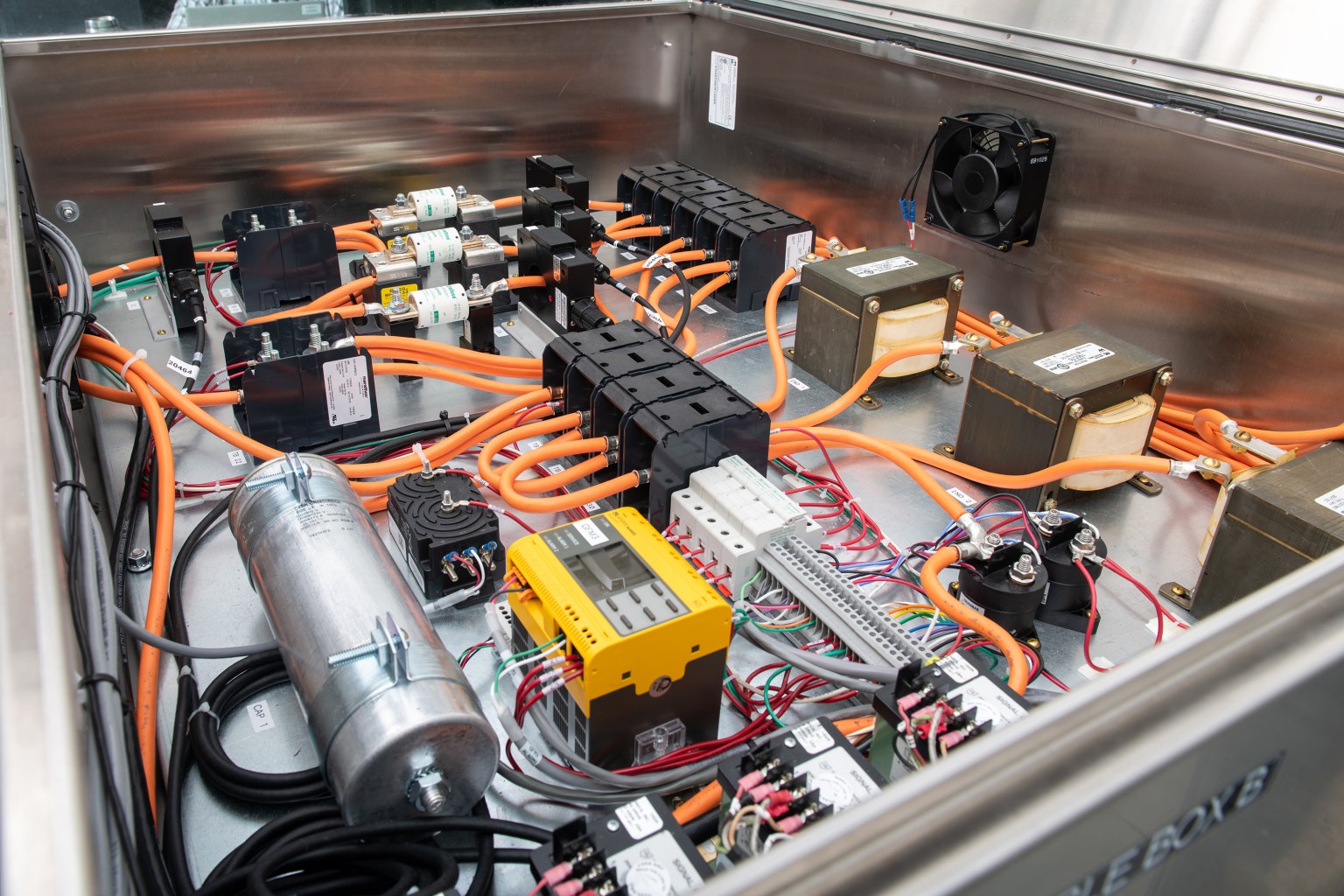
Electrical technicians at the agency help bring big ideas to life. They might build and wire control systems, connect tiny sensors to circuit boards, or write the software to make a device work in a specific way. They also test instruments in conditions that mimic space – extreme temperatures, intense vibrations, and even a vacuum – to make sure they will survive and perform well during their missions. Technicians use specialized tools, earn certifications, and work with incredible precision.
Being an electrician or electrical technician at NASA is careful, hands‑on work carried out with expertise. Because space hardware is headed to places like low-Earth orbit, the Moon, or even Mars, every detail has to be perfect.
What are the different certification levels for electricians?
The information below is a general overview of the career path of an electrician. Specific guidelines for these roles vary from state to state. It’s important to look up the license requirements in your state.
Apprentice electrician: This four-year job training program provides an entry into the industry. An apprentice works as an assistant to an experienced supervisor, gaining vital hands-on experience to move ahead as an electrician.
Journeyman electrician: A journeyman is an electrician who has finished an apprenticeship, then passed a test. At this stage, the electrician is licensed and allowed to work without supervision.
Master electrician: This is the highest certification possible for an electrician. Typically, a master electrician is someone who has completed approximately 4,000 hours as a journeyman, then passed a licensing exam. These electricians are qualified to work on complicated projects. They can also serve as supervisors for apprentices or journeymen following in their footsteps.
How can I become an electrician?
There are many options that provide the training needed to get started as an electrician or electrical technician.
Many community colleges, trade schools, and technical institutes offer a two-year program leading to an associate degree in electrical technology. Additionally, trade unions and apprenticeship programs provide real-world experience in the field.
Additionally, all branches of the U.S. military offer electronics training that may be transferrable to college credits or civilian certifications.
How can I start preparing today to become an electrician?
It’s never too early to set the stage for an electrifying career! In high school, you can take courses in math, science, and technical education. At the same time, you can start learning about basic electrical concepts such as circuitry and safety.
Begin researching associate degree programs and apprenticeship opportunities so you can consider which pathway seems right for you. Weighing these options now will help you understand program requirements and ensure you’re ready to take the next step.
You can also gain useful experience through part-time work, or shadowing electricians on the job.
What skills will I need to be a successful electrician?
Technical skills focus on the basics – how electricity works, how to stay safe, and how to read schematics and wiring diagrams. Some jobs also call for special hands‑on abilities, like soldering tiny components, putting together cables, or even having some familiarity with chemistry.
Being curious, open‑minded, and a good communicator matters, too. Any time you’re building or improving a device, you must understand who will use it and what they need it to do. Asking questions, sharing ideas, and being able to take feedback are essential to consistently building systems and devices that work well.
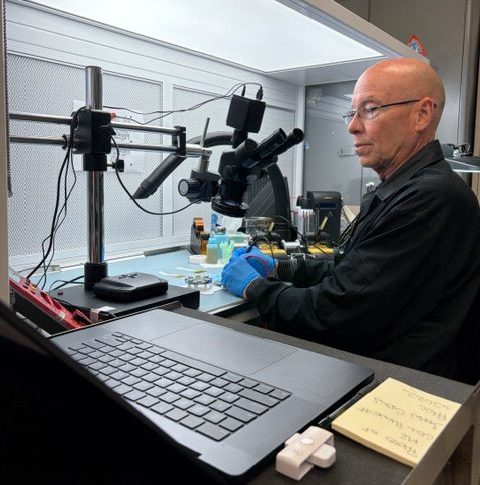
David McClaeb, electronic technician, NASA’s Goddard Space Flight Center in Greenbelt, Maryland
Advice from NASA electricians and electronic technicians
“As an aerospace technician, you have the opportunity to make a big difference. You can make a really big impact.” – Christopher Johnson, aerospace electrical engineering technician, NASA’s Kennedy Space Center in Florida
“What I wish I knew in high school is how many opportunities there are for electricians. I didn’t realize how big of a scale it really was. Everything needs electricity, and the sky’s the limit on what you can do with it. NASA needs electricians for everything from their testing campaigns to keeping their facilities running.” – Levi James, electrician apprentice, NASA’s Glenn Research Center at Armstrong Test Facility in Sandusky, Ohio
“It’s so gratifying when somebody comes in and says, ‘Hey, we want to build this, but it looks really difficult,’ and we say, ‘Yeah, it looks difficult, but we can do it’ – and we build it and then we hand it over to them, and then we’re on to the next thing. It’s a challenge, and I’m telling you, it is just so fun.” – David McClaeb, electronic technician, NASA’s Goddard Space Flight Center in Greenbelt, Maryland
At NASA, electricians keep the lights on and the power flowing for rocket launches, scientific research, and everything in between. Their skills support engi...
ClearVPN now has a dedicated app for Apple TV and Android TV devices
Users can log in via a quick QR code scan or smartphone link
The apps include a dedicated Streaming section and Optimal Location tools
Finding the best VPN to secure your online life is increasingly important, but installing it on your living room television hasn't always been a seamless experience. Fortunately, MacPaw is looking to change that with the launch of its "privacy-first" ClearVPN service on Apple TV and Android TV.
With smart TV adoption recently surpassing 900 million units worldwide, our living room watching habits are generating more data than ever. By bringing its software directly to the biggest screens in the home, MacPaw hopes to add a vital extra layer of privacy to users' everyday viewing activities, while simultaneously granting them secure access to global content.
"We built ClearVPN on one belief: privacy should be effortless," said Tetiana Shokina, Product Manager at MacPaw. "Bringing it to Apple TV and Android TV wasn't a feature request; it was the obvious next step. If simplicity is our promise, it has to work on every screen, including the biggest one."
How to use ClearVPN's smart TV apps
(Image credit: MacPaw)
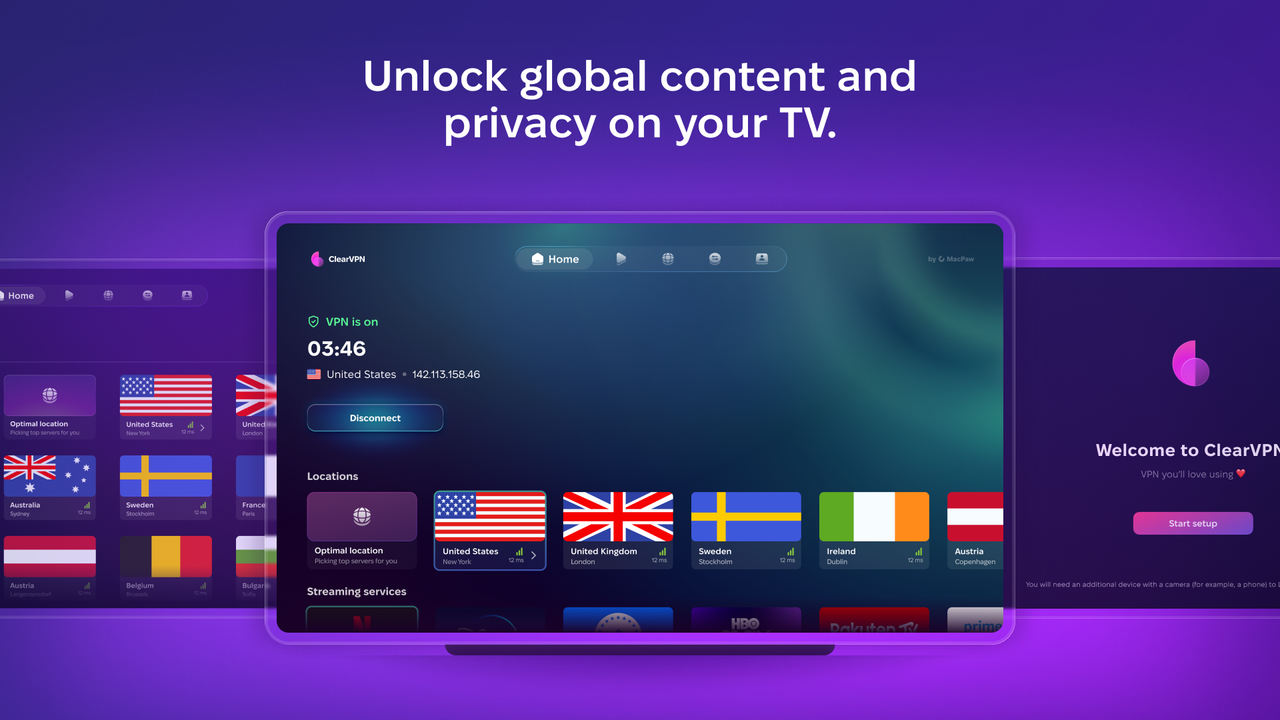
The biggest hurdle with smart TV applications is usually the login process. Nobody enjoys painstakingly typing out long email addresses and complex passwords using a directional TV remote. To solve this, ClearVPN has implemented two simple sign-in methods that entirely bypass the television screen.
Once downloaded, the TV app will display a QR codethat users can scan with their smartphone. This instantly opens a pairing page on the phone to authenticate the login, readying the TV app for use.
Alternatively, the app generates a short URL and an activation code that can be typed into any phone, tablet, or computer.
Once inside, ClearVPN's signature intuitive interface keeps technical decisions to an absolute minimum.
An 'Optimal Location' feature automatically connects you to the best available server, meaning there's no need to manually search through endless country lists.
For entertainment fans, a 'Dedicated Streaming' section makes it even easier, connecting users directly to the optimal server for specific streaming platforms so you can start watching privately within seconds.
A quick overview of ClearVPN
If you aren't familiar with ClearVPN, the service was originally launched in 2020 by Kyiv-based MacPaw, a global technology company best known for its signature product, CleanMyMac.
From its inception, the goal was to design an application for everyone, not just the tech-savvy, removing the complex settings that often make cybersecurity software feel intimidating.
In 2024, ClearVPN went through a major redesign as the provider launched improved apps. The service, however, has maintained its core mission: to ensure people's online lives receive the exact same protection as their offline ones.
ClearVPN is powered by modern protocols designed to deliver fast, stable connections, ensuring your streams won't be interrupted by constant buffering. A single subscription protects up to six devices simultaneously, creating a secure digital ecosystem.
New smart TV apps are available now for all ClearVPN users globally. You will need a device running at least Android TV 6+ or tvOS 18+ to install the new applications.
If you want to protect your other hardware, ClearVPN is also available to download on macOS, iOS, iPadOS, Windows, Android, compatible routers, and as a Google Chrome extension.
Nespresso machines make brewing consistently tasty coffee easy, without any of the mess of using fresh coffee grounds — and they're going cheap for Amazon Prime Day. As TechRadar's resident coffee expert and trained barista, I've rounded up a collection of my five favorite Nespresso machines — all of which happen to be on sale for Prime Day in both the US and the UK.
There's something here for every coffee-lover, whether you want a super-simple machine that makes consistently tasty coffee and will fit into the tiniest kitchen, or a premium coffee maker that can whip up a latte at the press of a button. All of these Nespresso machines have been tested and recommended by our team of reviewers, so you can be confident they'll all deliver great results.
1. Ninja Prestige DualBrew System
FutureFutureFutureFutureFutureFutureFutureFuture
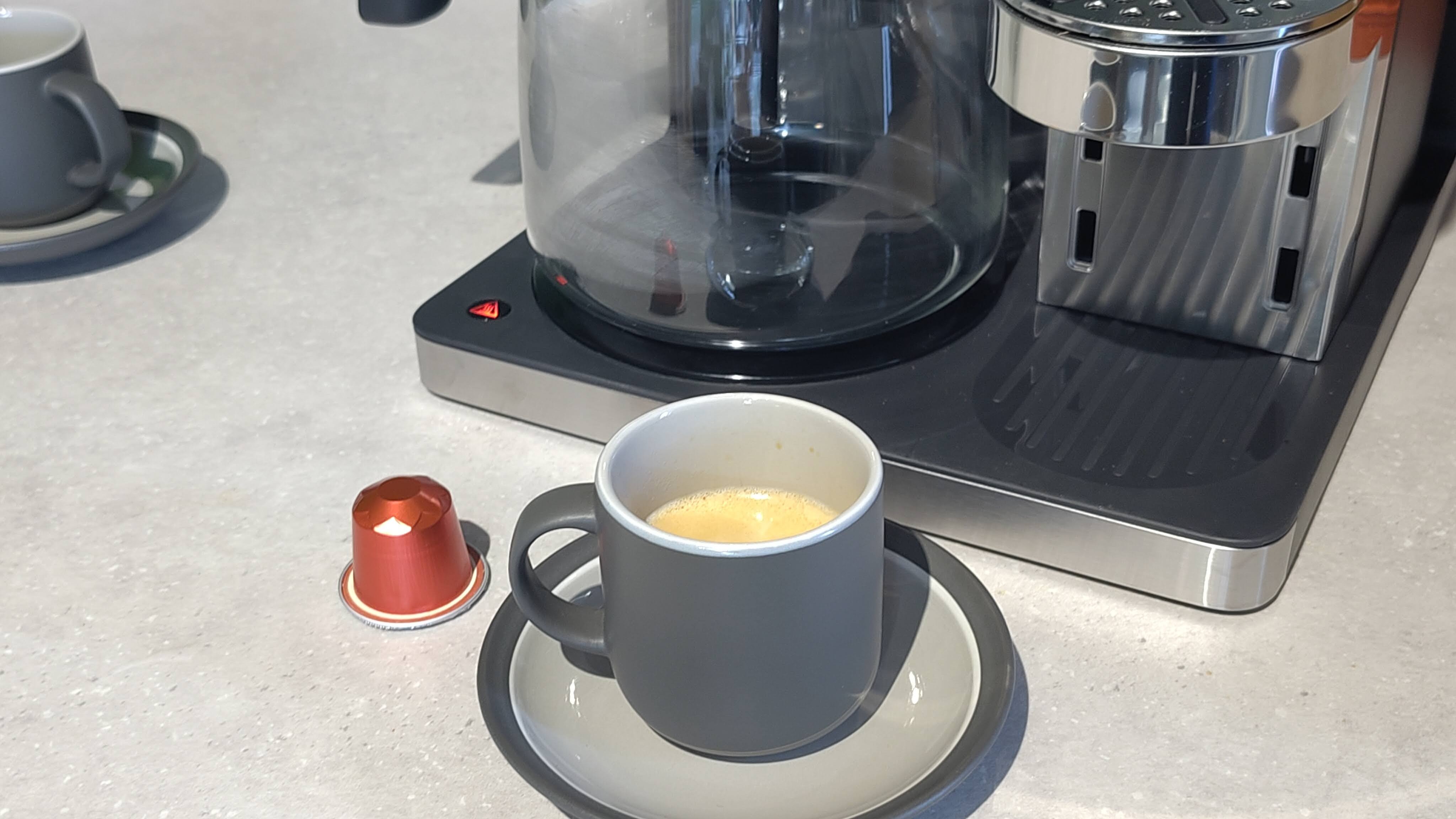
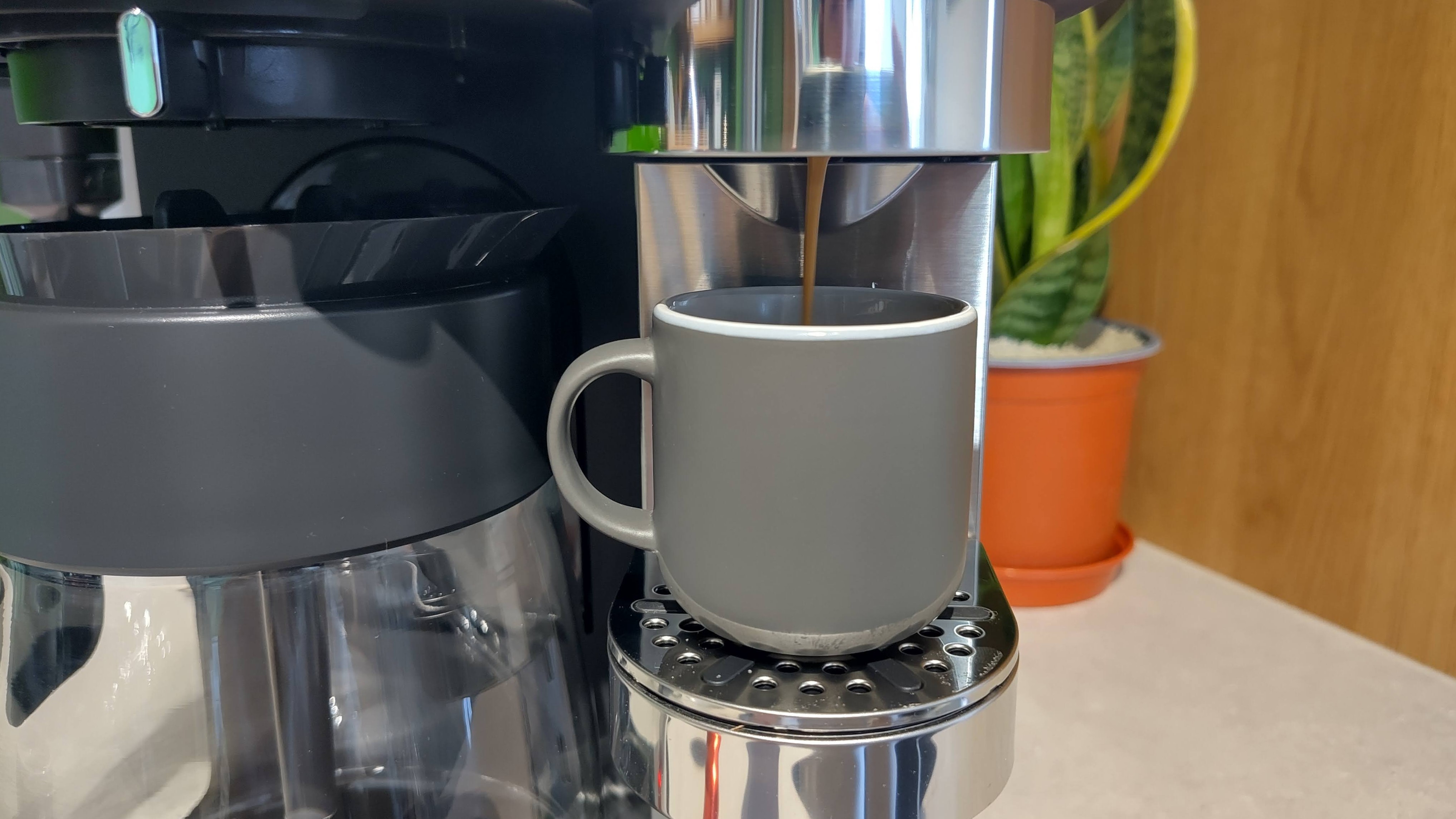
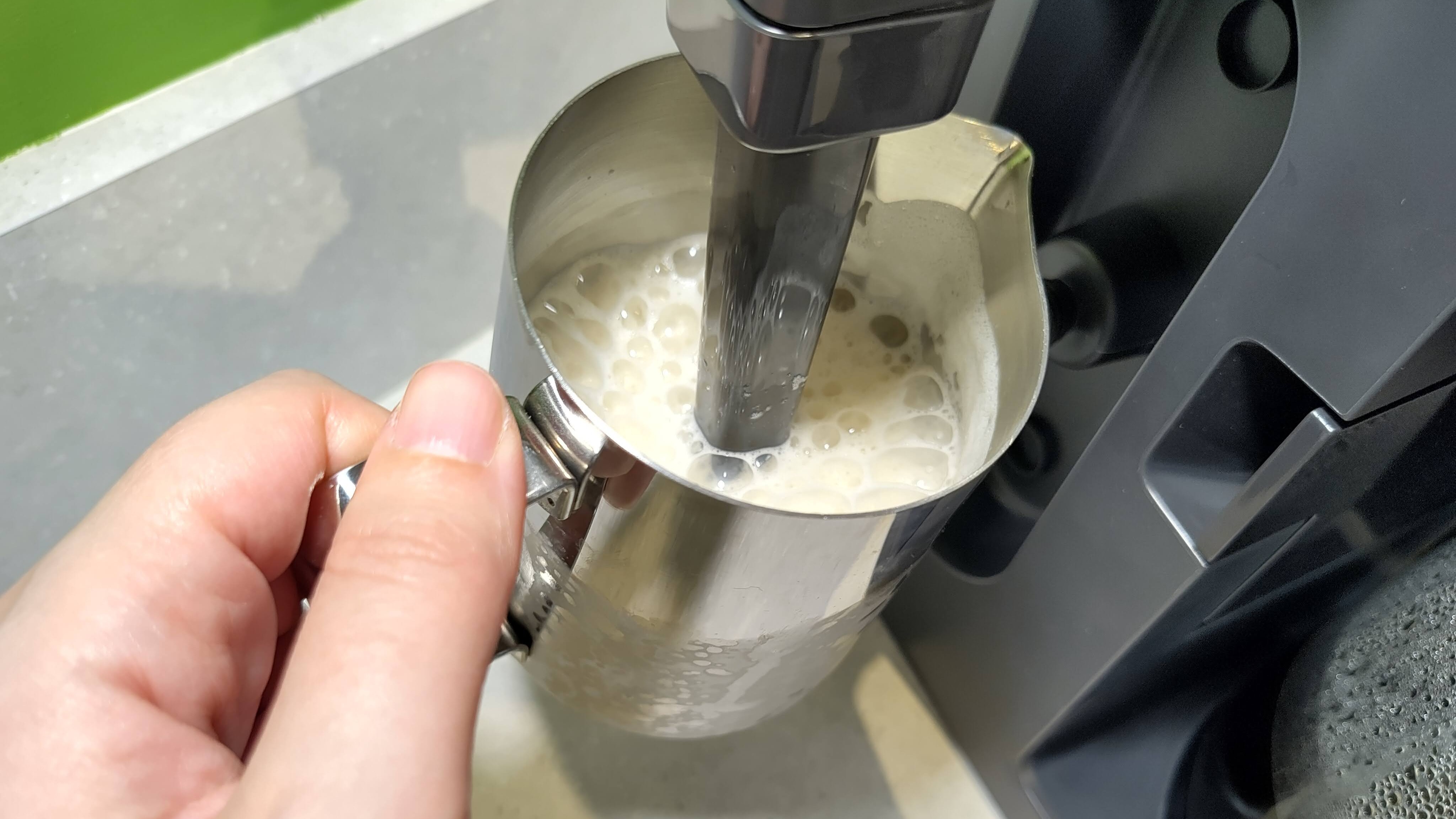
Can't decide between espresso and drip coffee in the morning? The Ninja Prestige DualBrew System (also known as the Espresso & Coffee Maker Barista System) does both. This all-in-one caffeine station makes delicious espresso using Nespresso Original-style capsules (I tested it with some I bought from a local coffee roaster), which you can brew in three different sizes, with a height-adjustable drip tray so you can use your favorite cups with no splashing. Want to turn your shot into a cappuccino or latte? Use the milk frother on the back of the machine.
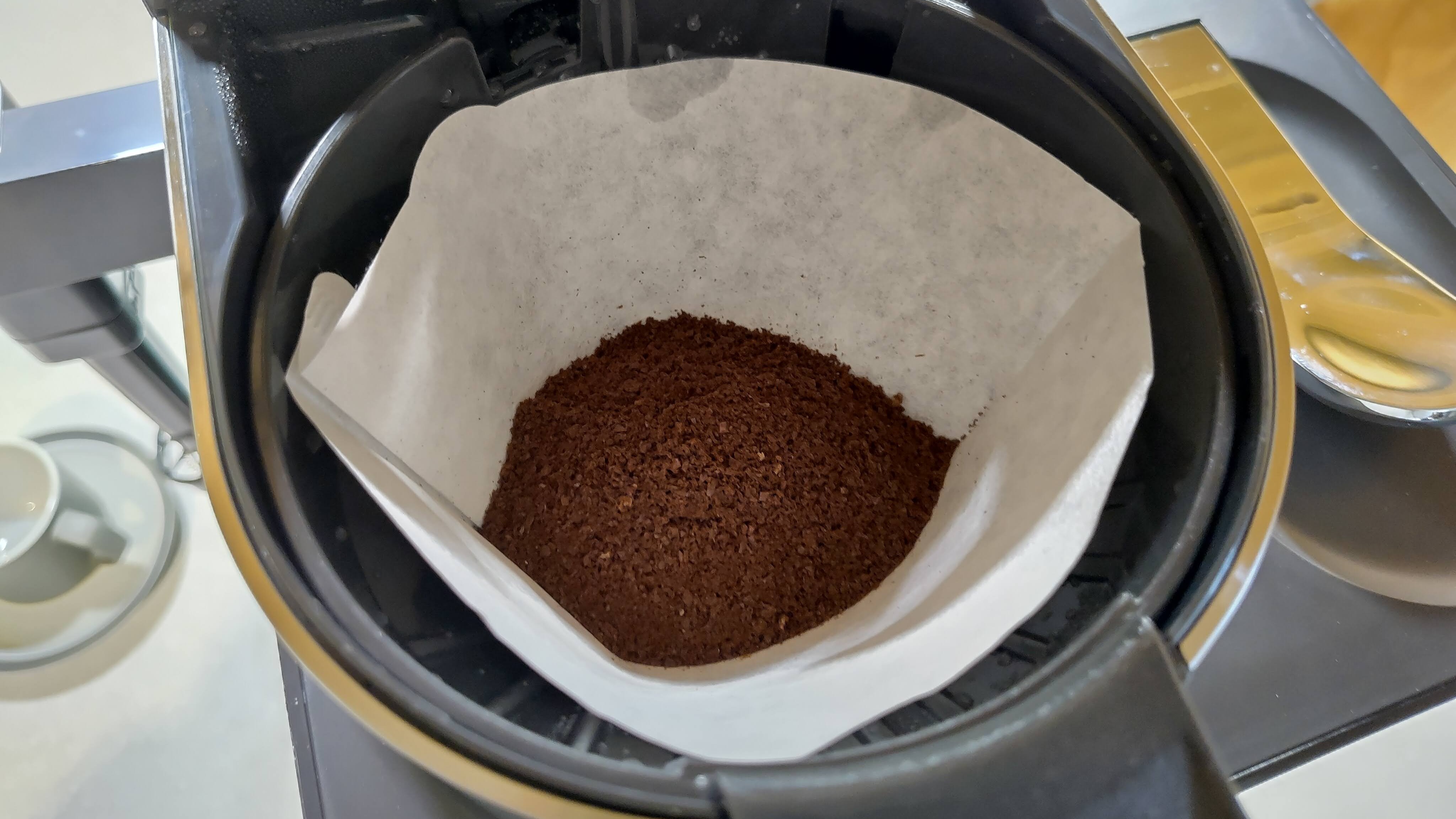
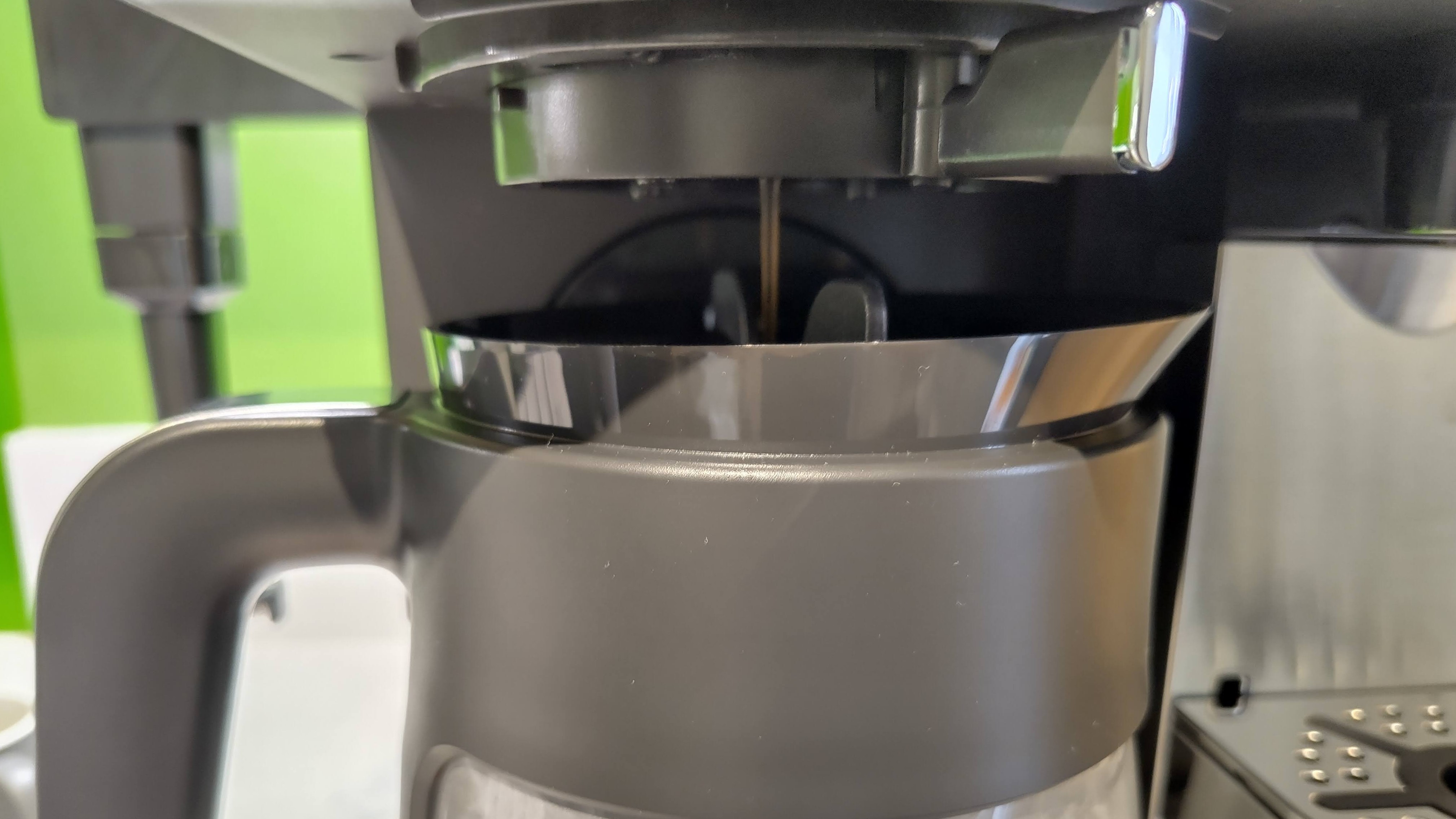
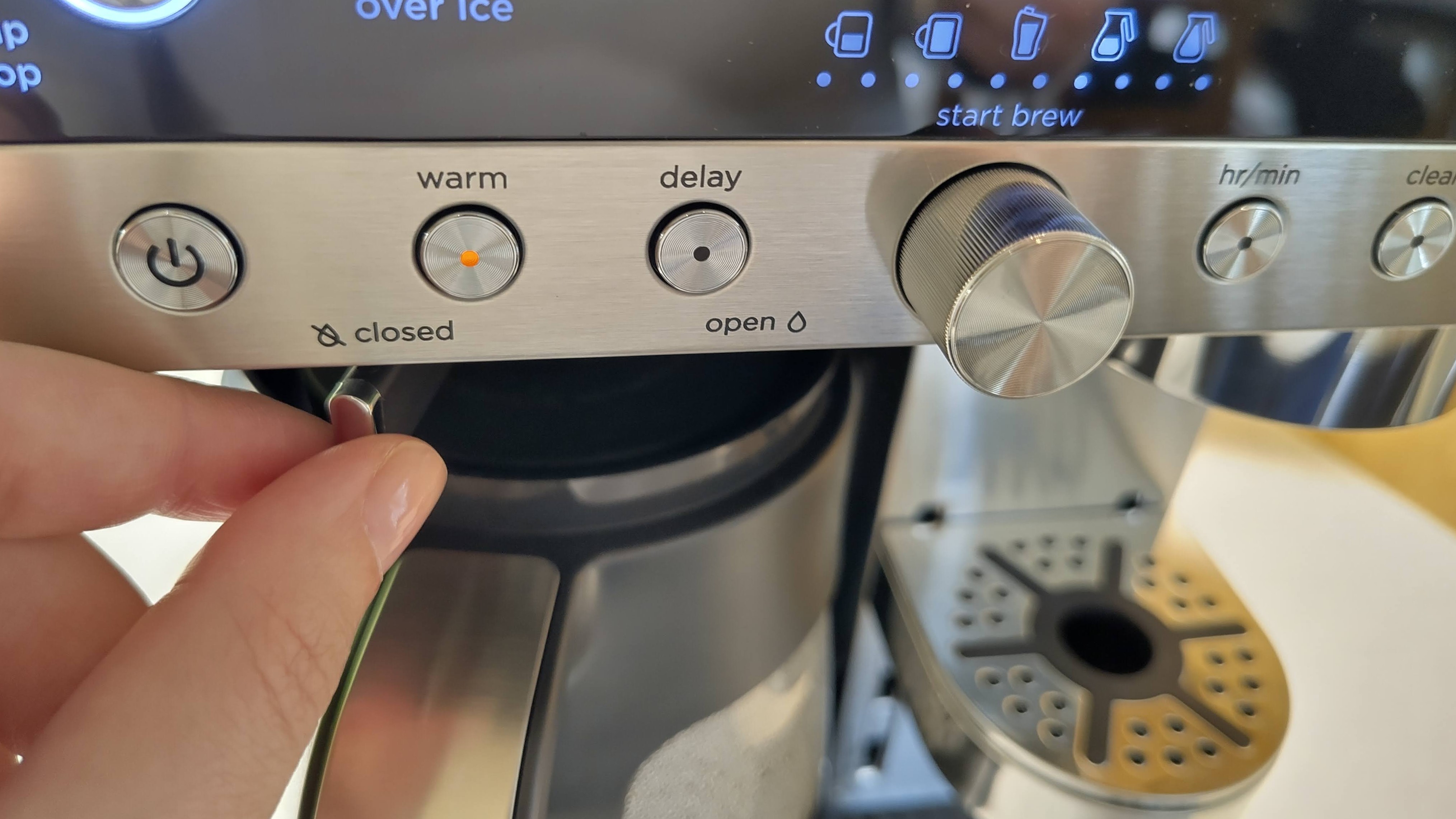
On the left-hand side of the DualBrew System you have a feature-packed drip coffee maker, with features including a timer (so you can prepare everything before bed and wake to freshly-brewed coffee in the morning), a drip-stop valve, and a smart hotplate that keeps your coffee hot without scalding it. It's one of the best drip coffee makers I've tested — and it even makes cold-brew.
This is the cheapest this two-in-one coffee maker has been in 2026, and a great buy for Prime Day if you love both drip and espresso, and don't have space in your kitchen for two machines.View Deal
The UK deal on the DualBrew System is even better; this is the cheapest it's ever been by a long shot. I really don't need another coffee maker at home, but with 32% off, even I'm tempted.View Deal
2. Nespresso Lattissima One
FutureFutureFutureFutureFuture
Most Nespresso machines just make espresso, but the Lattissima One (made by De'Longhi) also includes an automatic milk frother for lattes, cappuccinos and macchiatos at the tap of a button. It's ideal if you're the only coffee-lover in your household and want a personal machine for preparing single servings.
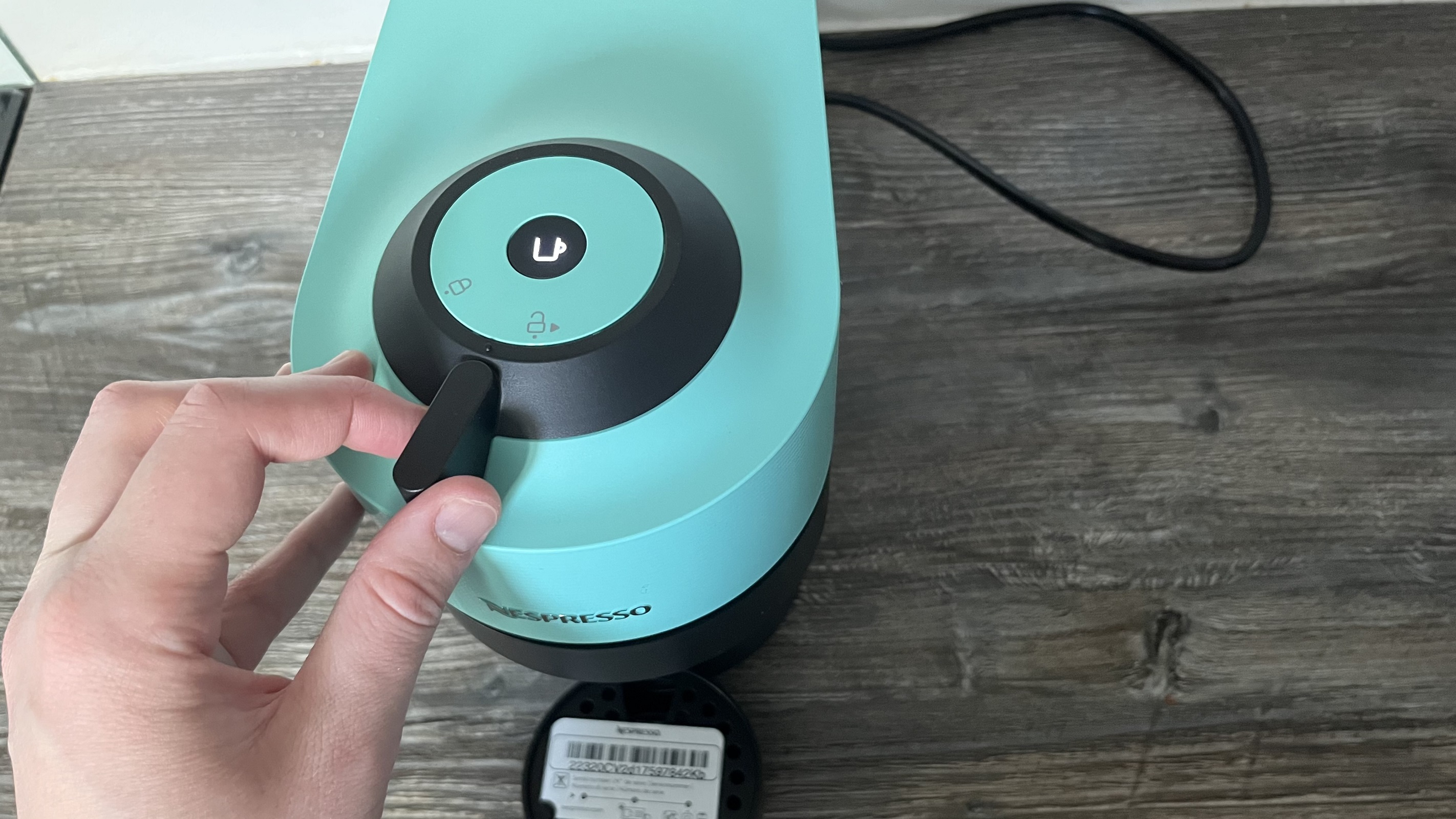
Like the Ninja Prestige DualBrew System above, it takes Nespresso Original capsules, which means you have a huge choice of drinks from big brands and indie roasters alike. After testing your tap water with the litmus strip provided and setting the hardness on the machine, just drop in a pod and use the three buttons to choose your preferred size and type of drink.
Our reviewer Emily Peck was surprised by how quietly the Lattissima One went about its work, and found the resulting coffee delicious. She had to consult the manual to check what each button does (they perform multiple functions) but once she had that down, she was making great coffees with ease.
The Lattissima One always gets some good discounts during sales events, and Prime Day 2026 is no exception. This is Amazon's best price this year, and the deal applies to both the black and white models.View Deal
The Lattissima One is even cheaper in the UK for Prime Day, and you'll get the biggest saving if you opt for this attractive pastel green version. It comes with a starter set of Nespresso capsules too.View Deal
The Nanopresso is an ingenious little coffee maker that relies on elbow grease rather than an electric pump to extract your espresso. The standard version works with ground coffee only, but it's even more convenient if you opt for the version with an adapter for Nespresso Original capsules. After all, who wants to carry loose coffee grounds around when they're exploring the great outdoors?
Our tester noted that it feels durable and rugged (ideal for throwing in a backpack), and although you'll need to familiarize yourself with the various unusual-looking components before taking it out for the first time, you'll soon be able to assemble it and start brewing in moments.
"All you need is access to hot water and some kind of stable surface to set everything up," said our tester, who was seriously impressed by the resulting espresso. "The Nanopresso actually had us asking why coffee had become so complicated, when all you really need for a wake-up call is a small and mighty piece of kit like this," she concluded. Why indeed?
Amazon has knocked the Nanopresso down to its lowest-ever price for Prime Day, paired with a Nespresso Original adapter so you can use it with either ground coffee or pods as the fancy takes you.View Deal
There's also a 20% discount on the same portable coffee-making setup in the UK. Like the US deal, this is a record-breaking price cut, so if you're looking for an espresso maker for summer camping expeditions, this could be the one.View Deal
4. Nespresso Vertuo Pop
FutureFutureFutureFuture / Jennifer OksienFuture / Jennifer Oksien
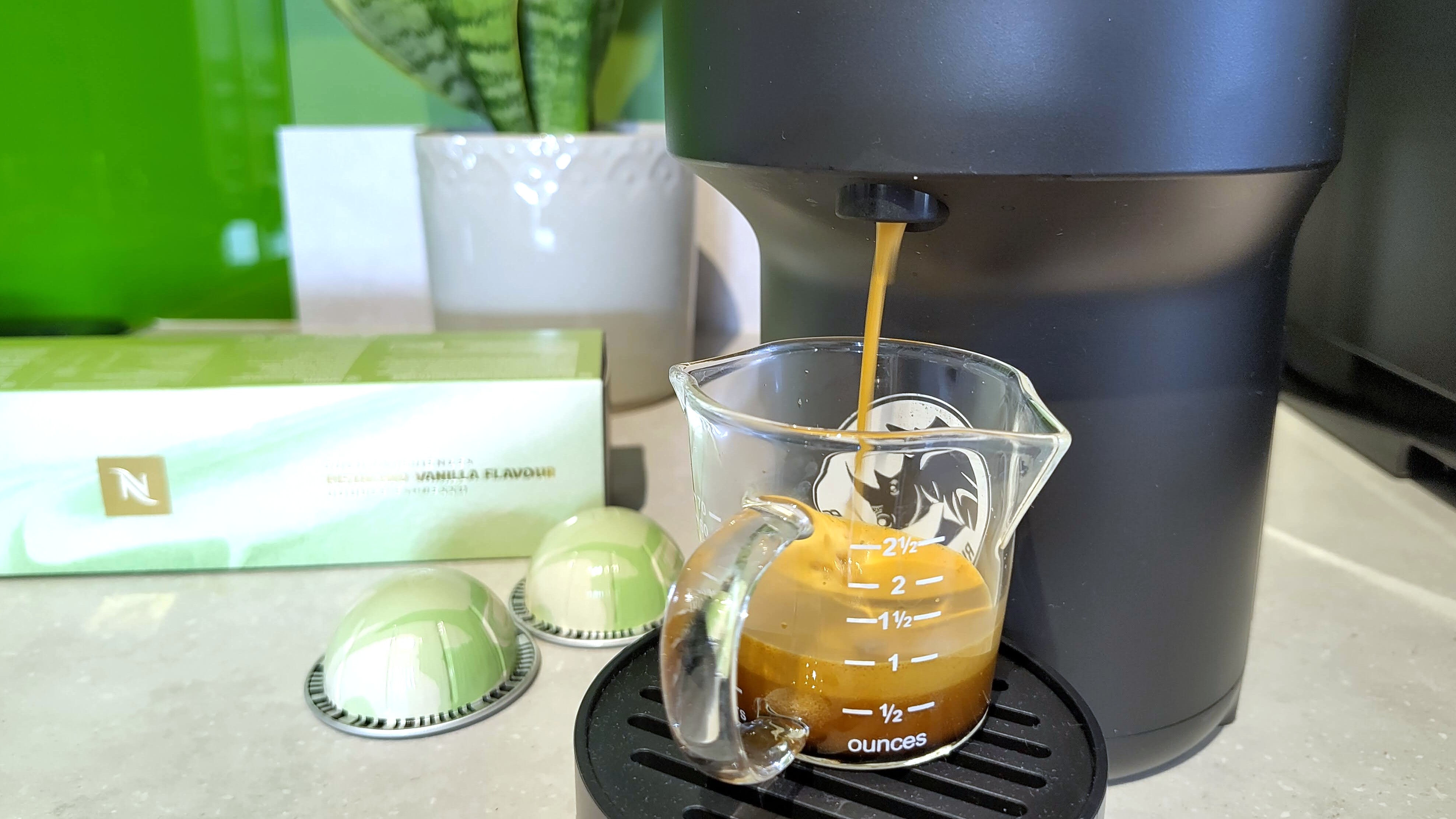
The Nespresso Vertuo Pop is made by Breville (Sage in the UK), so you can be confident that it's well-made and durable, despite its budget price tag. This mini Nespresso machine is always an affordable option, and it's even cheaper in this week's Amazon Prime Day sale. It takes dome-shaped Nespresso Vertuo capsules, which include a wide variety of regular and flavored coffees, including special editions like Coconut and Vanilla (designed to be made over ice) and Pistachio Vanilla.
Our tester Jennifer Oksien called it "a fabulous entry-level coffee maker", and owning one myself, I'm inclined to agree. It heats up in about a minute (just power it on and wait until the light on top stops blinking), after which you can simply slide in the pod, press down the lid, and hit the brew button. There are no options to choose between different drink sizes because Vertuo pods do that for you — the machine detects which one you're using and uses the appropriate amount of water without you doing a thing.
The Vertuo Pop+ has a larger water tank than the classic Pop, so you can make drinks for two before it needs refilling. This pistachio green version is usually more expensive than other colors, but it's down to a record-low price this Prime Day.View Deal
Nespresso machines don't get cheaper than the original Pop, and the Coconut White version has received a major Prime Day price cut. It's not quite a record low (it was a couple of pounds less back in 2023) but it's still a huge saving.View Deal
5. Nespresso Vertuo Next
FutureFuture - Joel BurgessFutureFuture
The Nespresso Vertuo Next is a step up from the Pop, and is noticeably taller, with a larger water tank, more space for your cup, and a bigger bin for used capsules. It's a piece of cake to use as well, and our tester Sophie Bird deemed it the simplest coffee maker she'd ever used — and considering how many coffee machines we test here at TechRadar, that's saying something. She timed the whole brewing process from start to sip, and found it took just 100 seconds, making this an excellent option if you're pressed for time in the morning.
She found the Vertuo Next virtually mess-free as well, noting that there was no splashing when the machine was dispensing coffee — largely thanks to the height-adjustable drip tray. The Vertuo Next is taller than the Pop above, so you can comfortably use larger cups (such as your favorite takeaway cup), and has a bigger water tank for larger brews.
$80 off a top-notch Nespresso machine? Don't mind if I do! This deal applies to the Vertuo Next in stylish gray or navy blue. It dropped to $90 yesterday though, so it might be worth holding out until Thursday to see if it goes back down again.View Deal
The US deal is great, but coffee aficionados in the UK are even luckier, with the Vertuo Next selling for less than half price this Prime Day. It's almost as cheap as the Vertuo Pop, so take a minute to consider which will work best for you.View Deal
Amazon Prime Day is one of the best events for deals on home cooking appliances, including air fryers, which I turn to every time I lack the time or patience to use the oven.
If you love your air fryer just as much as I love mine, but think you could be getting more out of it, some of our highest-rated air fryers from our favorite brands are some of the star appliances in Amazon's monster sale — with the king of dual basket air fryers, Ninja, being one of them.
Today's best dual basket air fryer deals in the US
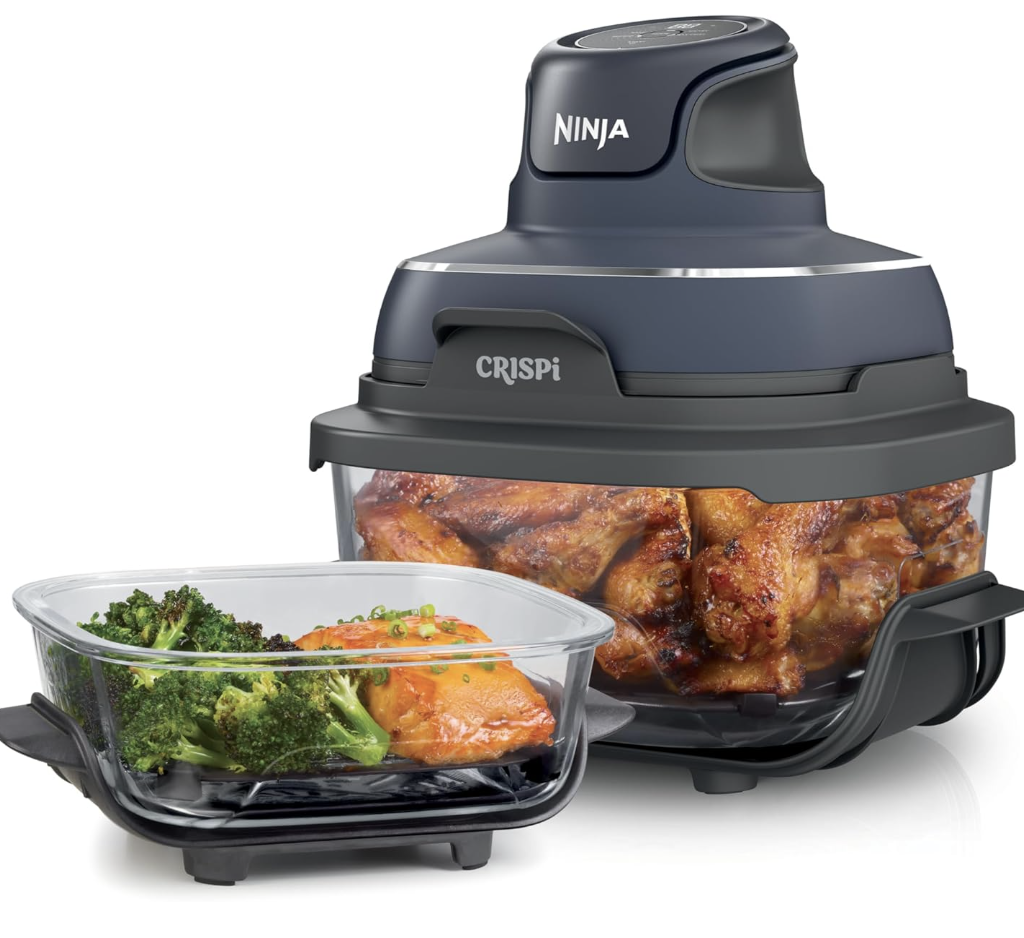
The Ninja Crispi's main selling point is that its glass bases double as food containers, making them perfect for meal prep. The larger one is 3.8L, providing enough space to feed up to six people while also allowing simultaneous cooking of a whole 1.2kg chicken and vegetables. This Prime Day deal is $20 shy of the record-low price we saw during Black Friday.
Though it looks more like a mini oven than your standard air fryer, this has seven functions that cover every base when it comes to cooking. Investing in an air fryer oven can help you cut back on the number of small appliances you have taking up countertop space.
For just under half price, you're getting an air fryer that's dependable as well as affordable. Right now, it's much better value than it was during last year's Prime Day and Black Friday events, and I'm confident you'll be getting your money's worth.
An air fryer allows you to enjoy your favorite fried foods with less oil, and this Ninja XL model is perfect for families. The 6.5-quart capacity drawer is enough to make meals for the whole family, and preset functions make air frying, roasting, reheating, and dehydrating easy.View Deal
Today's best dual basket air fryer deals in the UK
The Ninja Foodi Max is the ultimate air fryer for many and it's now down to a great low price at Amazon. It offers six different functions, including Max Crisp, air frying, roasting, baking, reheating, and dehydrating. With two baskets, you get two independent cooking zones with the option to have them sync or match up, depending on your needs. Its extra large capacity is perfect for family cooking or batch cooking as it gives you plenty of room for a 2kg chicken or 1.4kg of fries in each compartment.
Record-low price: This dual-basket fryer to yo-yo in price, but this is the first time we've seen it drop below £100 since Black Friday last year. For a dual basket model and 13 different cooking methods, how can you go wrong?View Deal
Ninja's recent space-saving air fryer is just £5 more than its lowest-ever price, which is still a bit of a steal for the popular and well-rated appliance. We loved it at TechRadar, awarding it full marks in our review and even putting it in our best air fryer buying guide. Well-built and great-looking on any countertop, it offers five cooking levels across two drawers and two racks, while the 9.5L capacity is ideal for medium to big families.
The Instant Pot Vortex's 12L cooking basket makes cooking for larger parties and families, packing eight cooking settings including grill, roast, and dehydrate. Given its large cooking space, you can add a divider to cook two different foods at once. View Deal
Here's a best-ever discount on Ninja's portable air fryer — and a great Prime Day deal. This bundle includes the PowerPod lid, plus two resealable glass containers to carry your dishes until you're ready to cook. According to our testing, it cooks exceptionally quickly, is easy to use and a breeze to clean, making this one of the best air fryer deals I've seen this year.
Quatre fois plus vite qu'un bébé humain. C'est la vitesse à laquelle un chat associe un mot à une image. Une étude japonaise vient de démonter une idée bien ancrée : relier les mots au monde réel ne serait pas l'apanage des primates. Votre chat vous écoute. Il a juste décidé de ne pas vous le...
Une crise sanitaire majeure frappe les États-Unis. Les experts tirent la sonnette d'alarme face à une épidémie d'infections sexuellement transmissibles (IST) qui échappe à tout contrôle. Les chiffres alarmants révélés par les Centers for Disease Control and Prevention (CDC) mettent en lumière...
Conventional wisdom says the best predictions are the ones that minimize mistakes, but new research suggests that is not necessarily how people see it. A study published in Management Science has found that when people make or evaluate predictions, they care more about the possibility of being exactly right than about reducing the size of potential errors. In many cases, people prefer predictions that increase the chance of a perfect outcome, even if doing so creates a greater risk of larger mistakes.
We're in the midst of (a very hot) summer, and I'm sure many of you out there are raring to go on your travels this season. But if you're about to jet off on your vacation, then it's best to be as prepared as possible. And you know what you need to make your travels as seamless and enjoyable as possible? Some top-tier tech.
I'm a Senior Reviews Writer here at TechRadar, and have tested hundreds of gadgets over the years, from premium noise-cancelling headphones through to power banks and misting fans. So, I've got the lowdown on all the travel tech essentials you need to make this summer one to remember — for all the right reasons, of course.
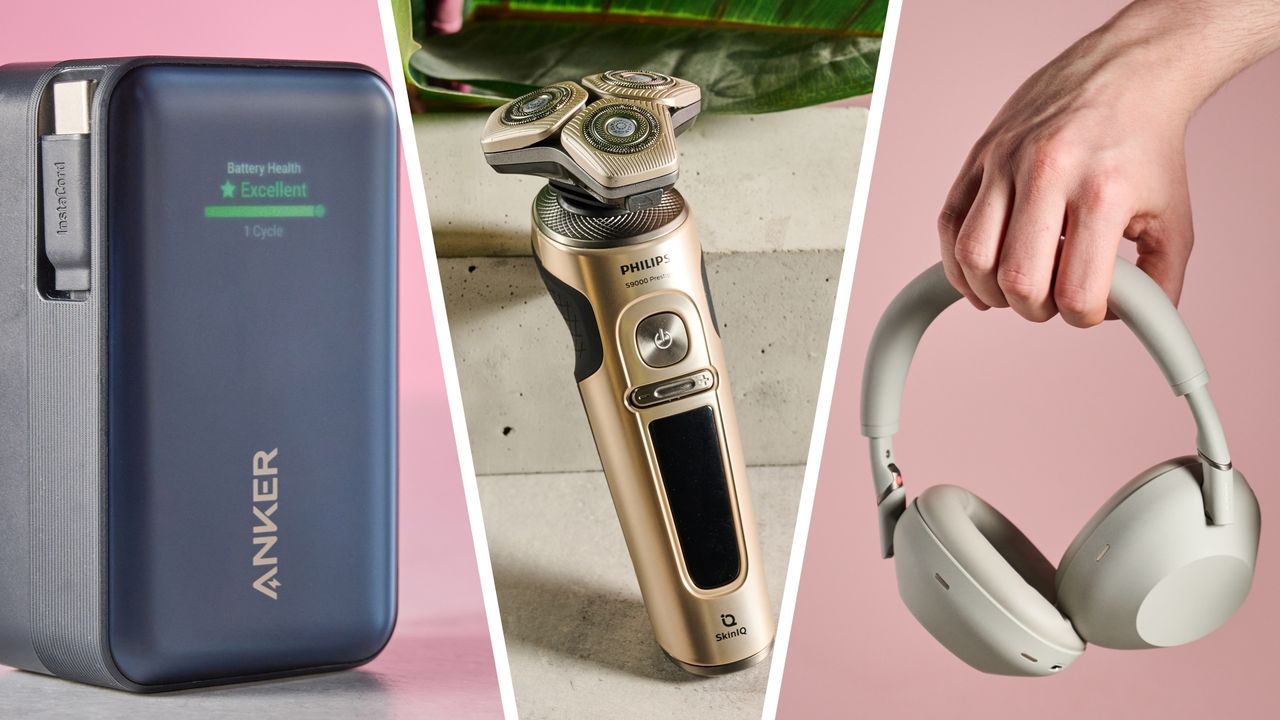
I've included seven must-haves, with a small speaker, travel chargers, and even a compact clothes steamer on the list. Everything here has either been tested by me, or someone on the TechRadar team, so I'm confident that each item will serve you well on your adventures this summer and beyond. So, without further ado, let's dive right into my top picks!
1. Noise cancelling headphones: Sony WH-1000XM6
Oh look, it's me wearing the Sony WH-1000XM6! (Image credit: Future)
Ah, Sony WH-1000XM6, my beloved. These are, in my view — and the view of many at TechRadar — the best headphones you can buy right now.
The XM6 have it all. Class-leading active noise cancellation works great, even on flights with jet rumbles and screaming children. They sound incredible, with brilliant balance across the frequency range, as well as plenty of low-end punch and excitement to make energetic tunes sound their best. And they're foldable too, making them incredibly compact when you're on the move.
These come with a handy magnetic carry case, 30 hours of battery life, and excellent touch controls. Sony's Sound Connect app also makes it easy to tailor sound to your liking and make any subtle changes you need. They're simply the best, but I'll let you find that out for yourself.
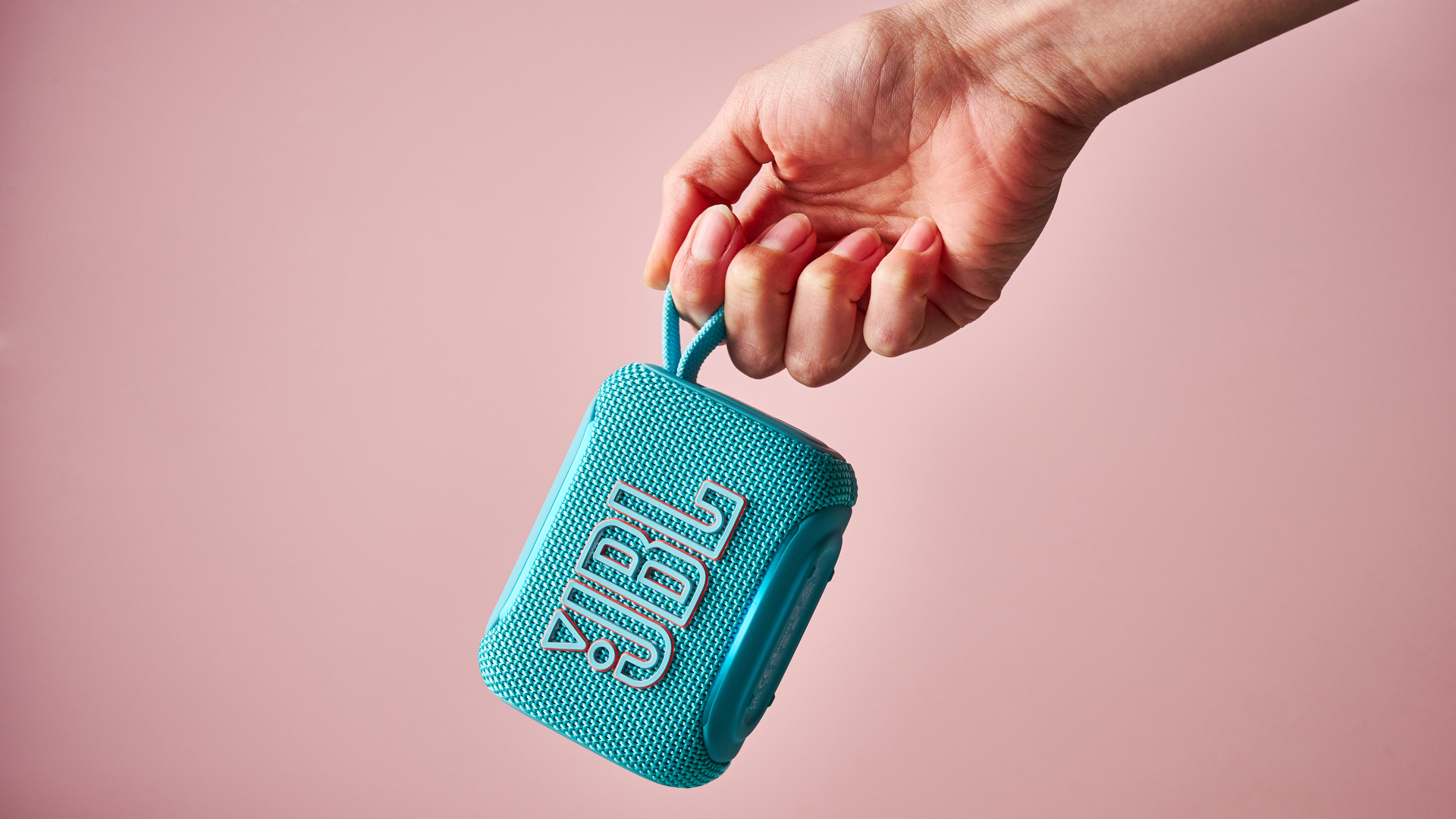
2. Small speaker: JBL Go 5
This small speaker is ideal for getting ready or listening to tunes by the beach (Image credit: Future)
The JBL Go 5 launched recently, and when I reviewed it, the speaker genuinely took my breath away.
It's exactly how to do an upgrade right, offering better sound, a more flashy design, and even better durability than its already impressive predecessor, the JBL Go 4. I love its edge lighting, its well-balanced sound with clean bass and rich mids, and also its broad feature set, which includes EQ options and multi-speaker pairing.
Despite improving on what its predecessor had to offer, the Go 5 is available at a very similar price, typically coming in at around the $55 / £40 mark, and if you need excellent sound, solid battery life, and high level (IP68) waterproofing on a budget, then it's the best small Bluetooth speaker to buy right now.
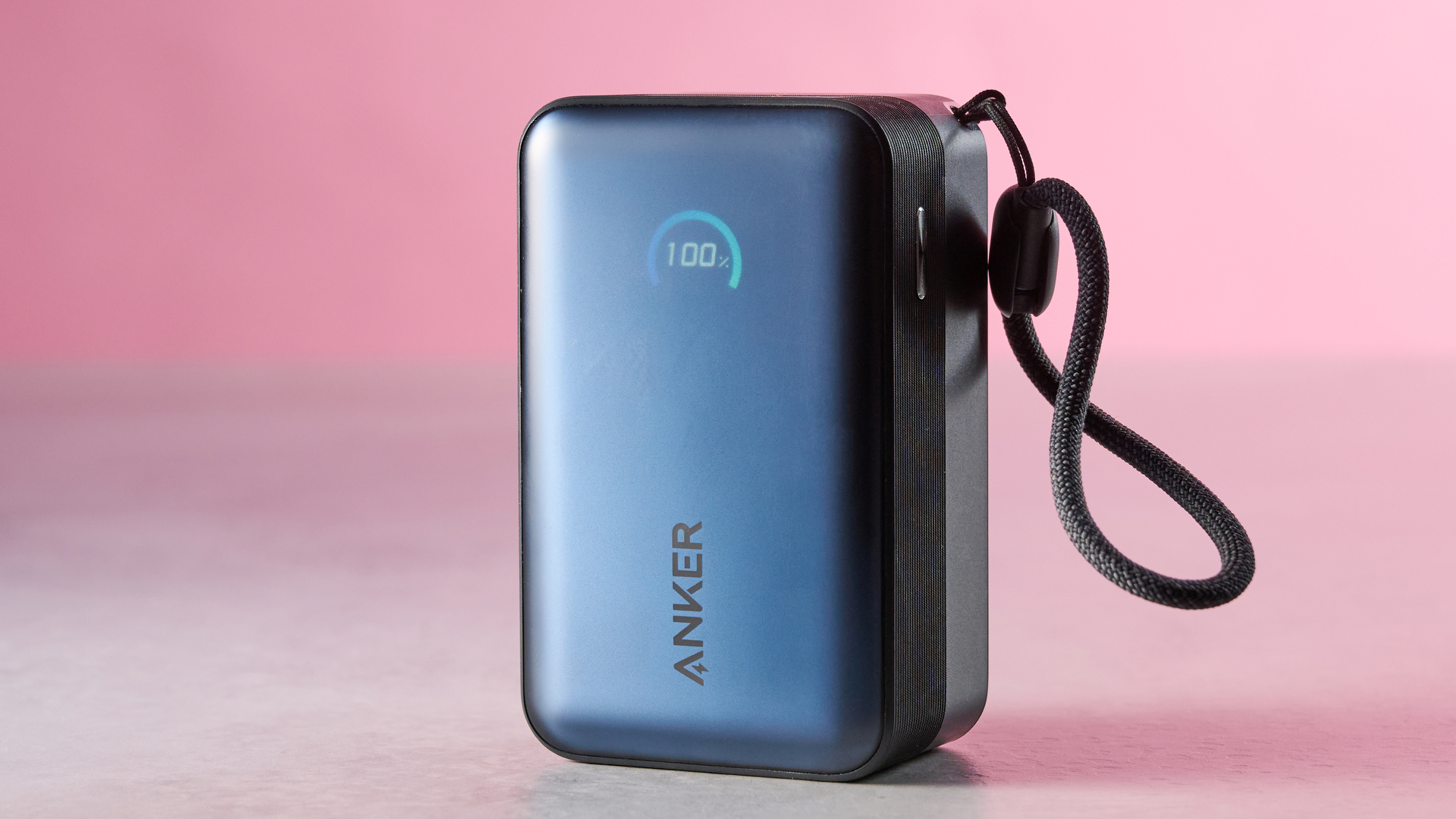
3. Power bank: Anker Nano Power Bank 10K 45W
With an integrated cable and speedy charging, this power bank is ideal for on-the-go use (Image credit: Future)
I genuinely bring this Anker power bank with me everywhere. It's the definitive portable battery for travel for a few key reasons.
The first is its size. This model is absolutely tiny and can easily slip into a pocket or small bag, no problem. Second, it's incredibly practical. There's an integrated USB-C cable, making charging on the go totally seamless. And finally, it's a fantastic performer. That 45W max wattage means fast-charging is easily accessible on even some of the best phones.
A 10,000mAh capacity should also mean it can charge a pair of wireless headphones as well as your handset, so if you want an ultra-practical, lightweight power bank to bring on the go, the Anker Nano Power Bank 10K 45W is my number one recommendation.
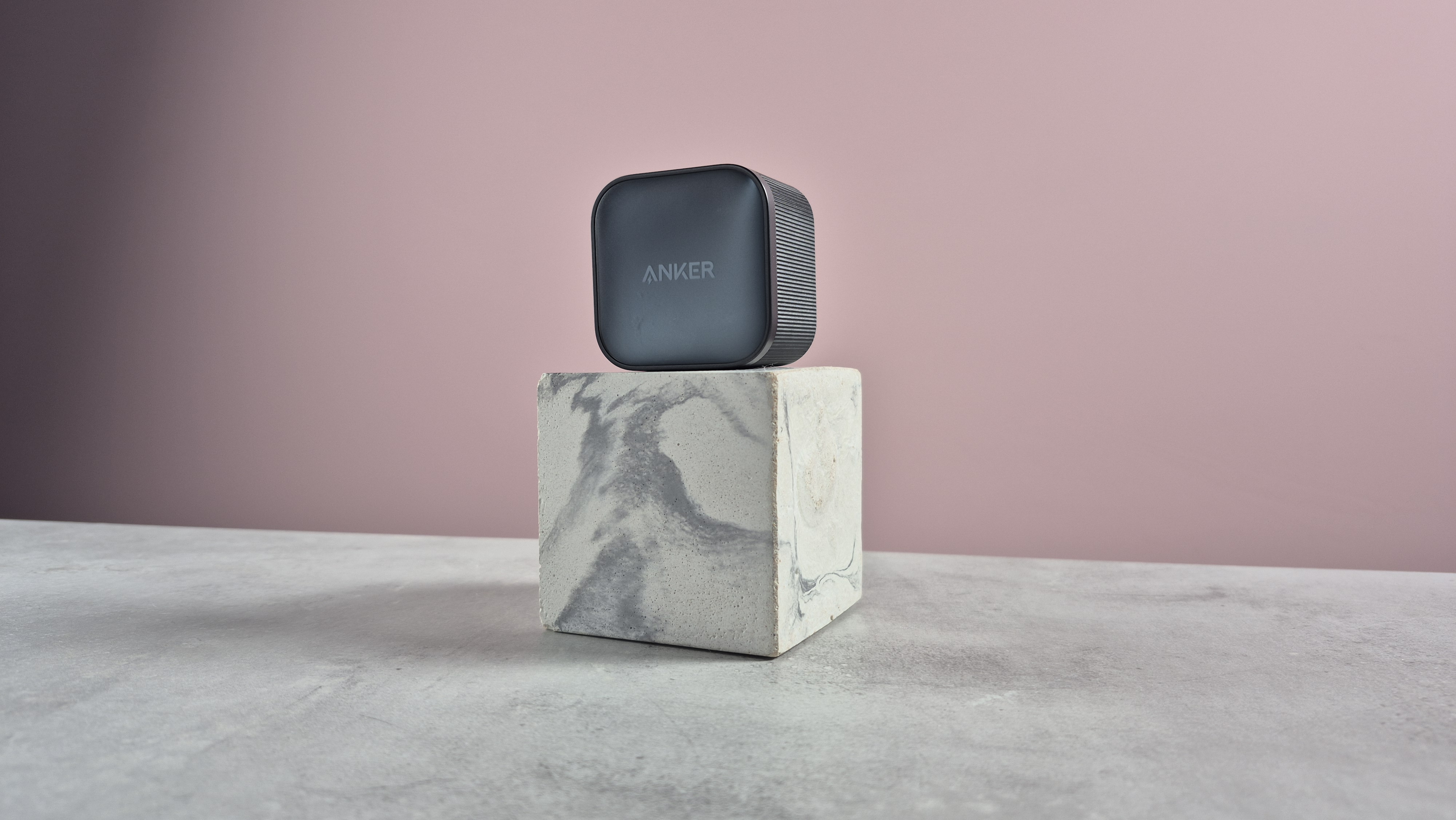
4. Travel charger: Anker Nano Charger 45W with USB-C Cable
It's compact, high-performing, and even comes with a USB-C cable (Image credit: Future)
If you need a travel charger for your phone, tablets, and wireless earbuds, then look no further than the Anker Nano Charger 45W, which comes with a USB-C cable in the box — a nice touch!
I've used this one a lot myself, and it's great for travel. Why? Well, it's incredibly compact and packs in quite a bit of power, meaning you can make use of fast charging without lugging a massive brick around. If you're using a travel adapter, the model's low weight also means it won't awkwardly get weighed down or stick out, which is a huge plus.
This charger is well-built, foldable — helping it to slide into your pocket — and highly affordable. It really has it all, so if you're still using a slow charger, then take things up a notch with this awesome Anker alternative.
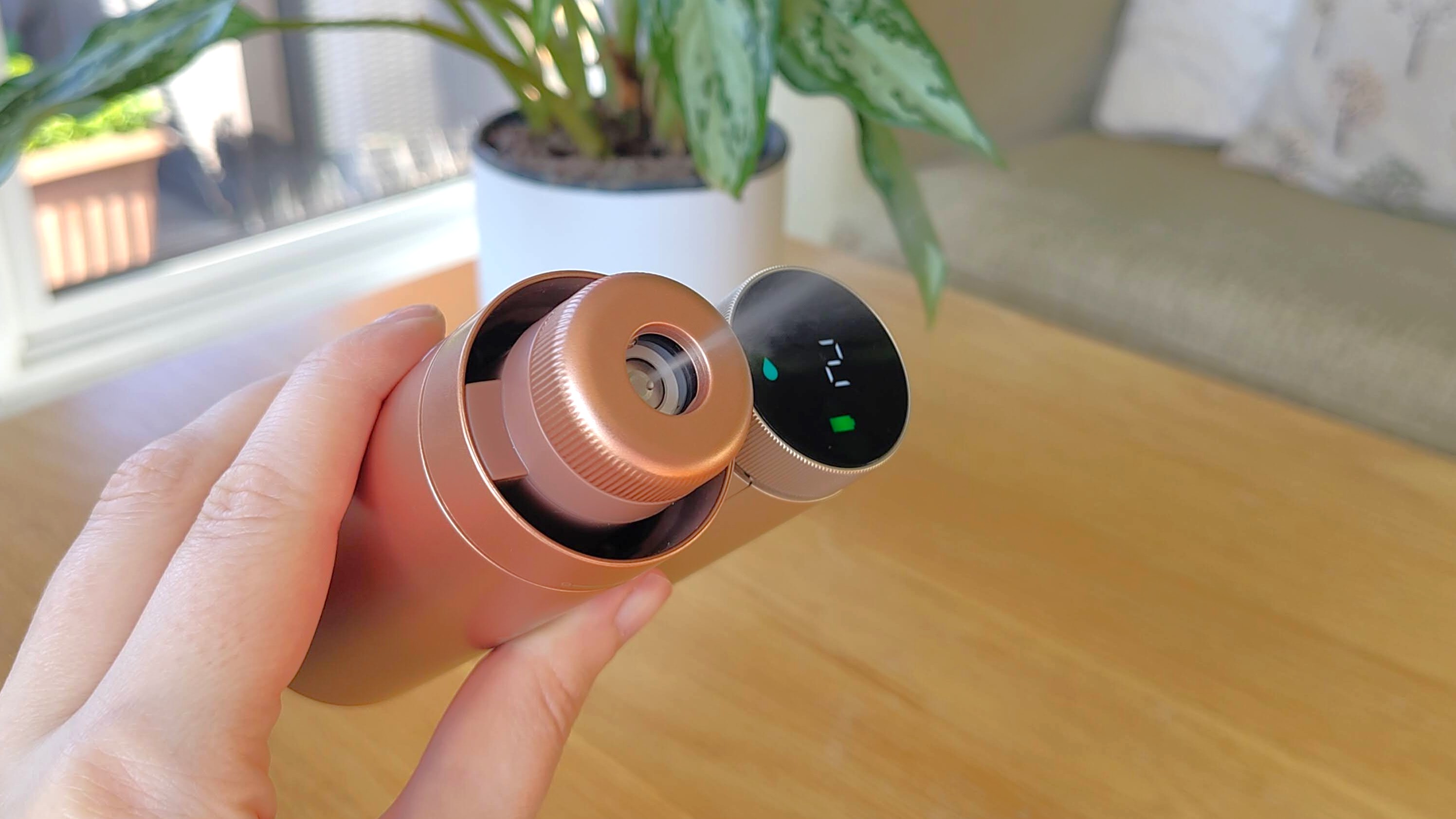
5. Portable fan: Shark ChillPill
Take a ChillPill with this awesome portable fan (Image credit: Future)
In the UK, it's absolutely scorching right now. It feels like I'm fighting for my life here with the combination of high humidity and near record-breaking temperature. And when you're on your summer travels, I'd wager that it will be similarly blazing in a number of countries. What you need, then, is a portable fan.
We're big... fans... of the Shark ChillPill here at TechRadar, and awarded it a 4.5 star review recently. It has good battery life, is filled with a range of cooling options, and even has a mister for when you need a healthy blast of cold.
The build and design quality is strong here too, and the straightforward controls make it a joy to use. Yes, it's a little expensive, but we've seen it pop up on sale from time to time, so if you want to stay chilled on the move, then I'd strongly suggest picking this lil' gadget up.
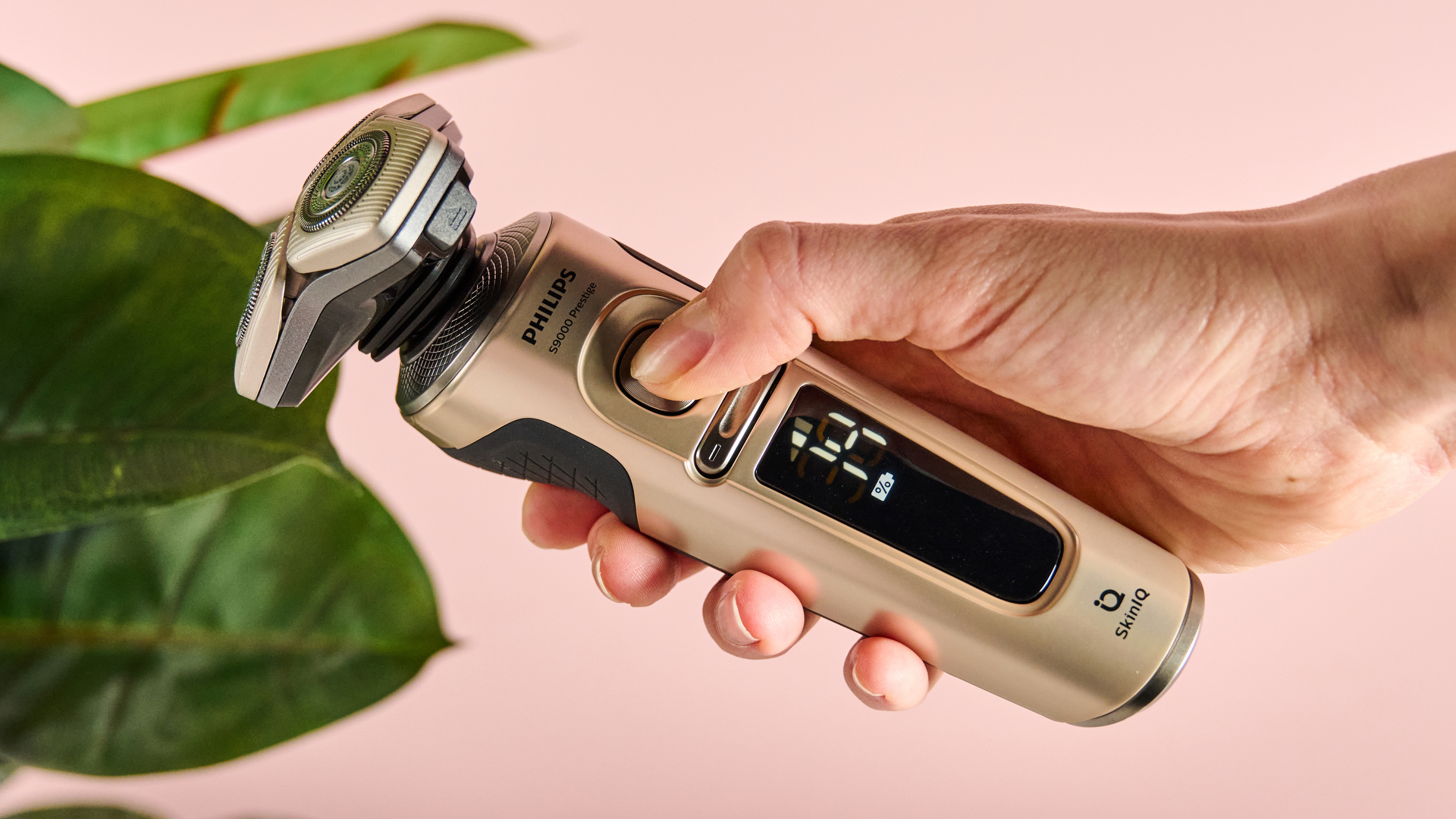
6. Philips Shaver S9000 Prestige
(Image credit: Future)
OK, so not everyone will need this, but if, like me, your facial hair seems to grow back in the blink of an eye, the Philips Shaver S9000 Prestige will be a great addition to your travel tech arsenal.
With multiple speed settings to suit your desired sensitivity, wet and dry shaving versatility, interchangeable heads (including a beard trimmer), and spectacular handling, the S9000 Prestige is a true all-rounder.
This model also has solid battery life and I rarely need to juice it up. But it comes with a wireless charging pad for when you're running low on power. There's also a cleaning device thrown in the box, and a carry case for whenever you're on the move.
I've found that the S9000 Prestige is kind on my skin, which is pretty prone to razor burn, and its flexible foil shaver is great at getting into those hard to reach areas around the nose, for instance. It launched at a fairly high price, but you can regularly swipe it up on sale now, so why not give it a go?
7. Clothes steamer: various options
OK, in all honesty, I've not actually got a travel clothes steamer, but when some colleagues of mine heard that I was writing this piece, they were clear that it's a must have.
After all, how many times have you been on holiday or out on a business trip and realized that our garments look a little creased? For me, it's a few times too many. With a compact clothes steamer, you can wave goodbye to pesky creases and wrinkles in a flash.
So, I have a few recommendations from the team that I'm here to share with you. For our US readers, Managing Editor of News & Deals, Jacob Krol, suggests the Conair Handheld Garment Steamer. This affordable model boasts "turbo steam power," comes with a 3-in-1 attachment, and has a water tank that's good for 20 minutes of steaming. Not bad, eh?
Over the pond, our Managing Editor of Social & Engagement, Josephine Watson, had a couple of recommendations. The first, the Tefal Pure Pop Slim Handheld, is cheap, comes in a range of funky colors, and heats up in just 15 seconds for super speedy action. Josephine told me that her bridesmaid friend bought this model in order to save a wedding dress disaster — and luckily, it worked. Talk about coming in clutch.
Josephine also recommended the Russell Hobbs Steam Genie 2in1 Handheld, even claiming she would trade her firstborn for it. Pretty high praise. This model has a 150ml water tank, can heat up nice and swiftly, and claims to kill up to 99.9% of bacteria within 60 seconds.
In romantic relationships, touch is usually considered part of everyday life: a quick back rub while cooking dinner, a hug after a long day at work or a lingering kiss before falling asleep. It's a simple way to show support, express affection and communicate sexual desire.
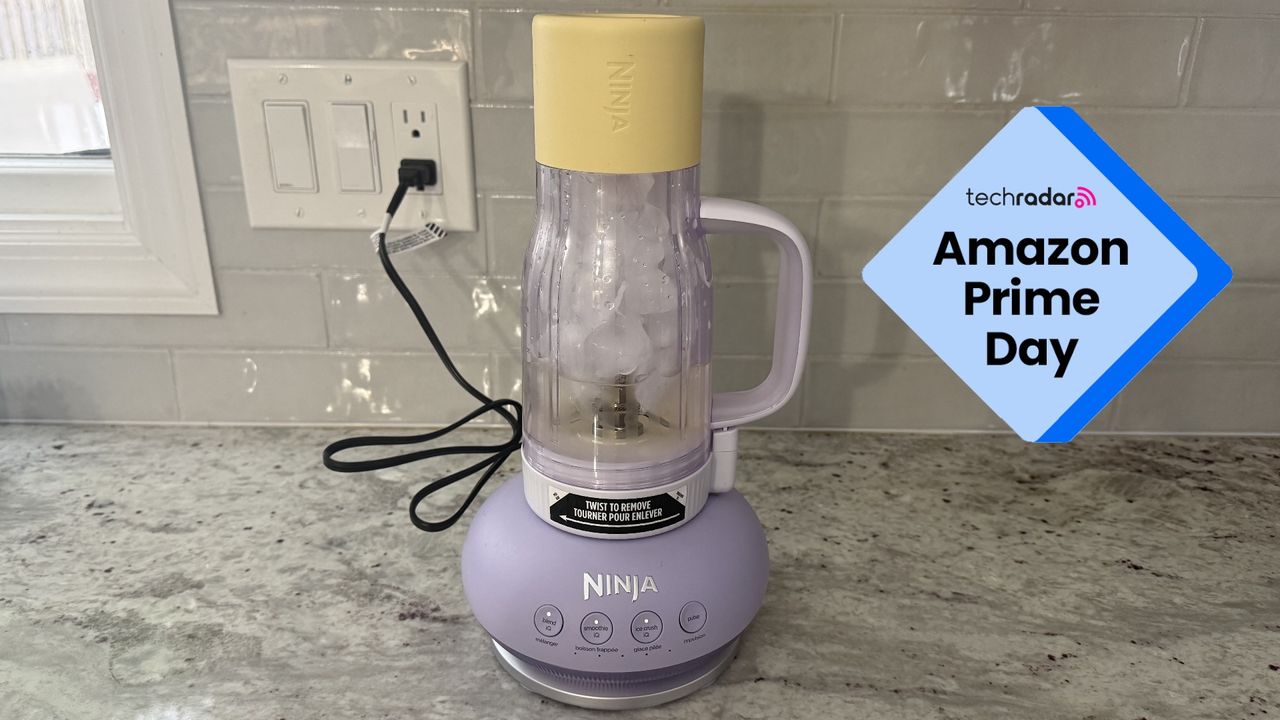
This spring, as many are wont to do, I decided to use the power of shakes to get myself a bunch of nutrients that I'm assured will change my life. I settled on a concoction of oat milk, protein powder, cacao, chia seeds, and banana, and got myself a Ninja BlendBoss.
I wanted something without too big a footprint on the surface. I liked the 'tumbler blender' design, meaning you can take your drink away with you instantly after blending without decanting into something else. Plus, our Ninja BlendBoss review was glowing, so it seemed like an ideal fit.
And for a while now, it's done a perfect job for my morning routine. I get a nice smooth drink, with the chia seeds smashed into smaller bits so they don't get stuck in my teeth and make me look a fool all day, and everything is fully mixed just using the 'Blend IQ' preset mode.
More recently, though, I've been living through a heatwave, and I've finally had reason to explore its ability to crush ice… and I'm so glad I happened to already have the BlendBoss at home, because the ability to summon a super-cold slushie-style drink in under two minutes feels like having a superpower right now.
We gave the Ninja BlendBoss 4.5 stars out of 5 in our review, praising it as "a small but mighty blender that makes it easy to blend your favorite smoothies and iced beverages". We liked its powerful operation, small footprint, and the fact that it blends right into a tumbler you can take away. This is its first real discount, because it's a pretty new product.View Deal
The UK BlendBoss deal is even better than the US one — these are the first real discounts it's had, and this is a great price for something this easy and powerful.View Deal
It's not quite the smoothness of a true slushie, of course — otherwise, what would anyone need the Ninja Slushi for? — but it can really pulp that ice to provide something with the 'blended cocktail' consistency.
Yes, obviously, I could (and regularly do) put regular ice in my drink, but that just provides a gentle cold spot near where the ice is. The BlendBoss gives me a way of delivering a tasty blizzard right to my insides. I've never had such easy access to ice cream headaches, and I'm over the moon about it.
It's also convenient that you can easily buy a second tumbler to use with it, so that if I'm enjoying my quick slushie straight from the container, my partner doesn't have to wait — she can have an ice schedule entirely of her own making.
Now that I've tested how well it works for ice crushing, I'll probably end up using it for frozen margaritas during a lot more of the year. Maybe I'll learn what's in a daiquiri. For now, I'm avoiding alcohol during the heatwave — I'm just happy with it being my ultimate cold drink buddy.
A recent episode underscored the Trump administration’s increasing reliance on advanced A.I. systems for cybersecurity even as it battles a leading U.S. developer.
People make financial choices to avoid losing money or experiencing regret, rather than simply balancing expected monetary returns with their tolerance for financial risk, according to a new study led by Lisa Posey, associate professor of risk management in the Penn State Smeal College of Business.
Giving AI a human-like memory limitation may actually help it learn language better. In their new proof-of-principle study, Abishek Thamma (University of Amsterdam) and Micha Heilbron (Max Planck Institute for Psycholinguistics) show that small language models equipped with a transient memory learn grammar more efficiently when trained on child-scale amounts of language input. The findings demonstrate how insights from psycholinguistics can inspire new approaches to AI learning. The findings are published in the journal Transactions of the Association for Computational Linguistics.
New research from Edith Cowan University (ECU) suggests attitudes, particularly those that excuse harmful behavior, may be a stronger predictor of willingness to create deepfake pornography than personality traits. The findings are published in the Journal of Sexual Aggression.

 Login