❌

Reading view

Governmental Efficacy Drives Climate Action Psychology

In the urgent and multifaceted battle against climate change, understanding the psychological pathways that drive individual and collective action is crucial. Recent research underscores governmental efficacy—not merely as a political concept but as a psychological catalyst—as a pivotal determinant in galvanizing public engagement with climate initiatives. This insight shifts the paradigm from traditional economic or policy-driven explanations to a deeper recognition of how people’s belief in government competence fundamentally shapes climate-related behaviors and attitudes.

Climate change, as a global crisis, demands robust cooperation between citizens, governments, and institutions. Governments worldwide often attempt to implement policies and programs aimed at reducing carbon emissions, promoting renewable energy, and enhancing sustainability. However, such measures frequently encounter public skepticism or apathy. The research conducted by Goldwert, Sabherwal, and Vlasceanu highlights that the perception of government efficacy—that is, the public’s confidence in the government’s ability to enact meaningful change—acts as a critical psychological mechanism enabling or hindering climate action.

At its core, governmental efficacy is a psychological construct reflecting the belief that governmental bodies possess the competence, resources, and willpower to address climate crises effectively. This belief influences individuals’ propensity to participate in climate activism, adopt environmentally friendly behaviors, and support pro-environmental policies. The study reveals that when people trust that their government can and will perform decisively and competently on environmental issues, they feel empowered and are more motivated to contribute to the collective effort.

Moreover, the research draws on extensive psychological theory and behavioral science frameworks to explain how perceptions of governmental efficacy impact motivation. Notably, the role of self-efficacy—the belief in one’s own ability to effect change—is intertwined with collective efficacy regarding governments. When governments demonstrate efficacy, they enhance citizens’ sense of personal and collective agency, creating a feedback loop that fosters more dynamic participation in climate solutions.

The authors intricately explore how different dimensions of governmental efficacy influence climate engagement. These include the perceived transparency of government actions, accountability mechanisms, the clarity of communication regarding climate policies, and the tangible outcomes of implemented measures. Each of these dimensions works collectively to nurture a sense of trust and effectiveness, which is indispensable for sustaining long-term climate action.

Additionally, the research proffers that diminished confidence in government efficacy can have a demobilizing effect, breeding cynicism and disengagement. This dynamic is particularly salient in regions or countries where political instability, corruption, or historical failures undermine trust in public institutions. In such contexts, grassroots movements and non-governmental organizations often struggle to compensate for the psychological vacuum left by ineffective governance structures.

In transcending the usual discourses surrounding climate action, this research brings psychological determinants to the forefront. It suggests that increasing governmental efficacy perception is not solely a task for policymakers but also for communicators, educators, and community leaders. Strategic public engagement that transparently showcases government capabilities and ethical commitments can foster this efficacy perception, transforming passive observers into active participants.

The implications of this study extend to international climate policy frameworks, where nations’ commitments and track records are scrutinized by citizens and global observers alike. High-profile failures to meet targets or opaque governance breeds disillusionment. Conversely, governments that effectively communicate both their successes and challenges—and engage citizens in problem-solving—can inspire broader public confidence and support.

Furthermore, this psychological perspective has ripple effects on innovation and technology acceptance in climate mitigation. When citizens trust their governments’ ability to manage the complexities of new technologies—such as carbon capture, geoengineering, or renewable infrastructure—they are more likely to endorse and adopt these innovations. This psychological endorsement is crucial for scaling emerging climate solutions from experimental phases to widespread societal integration.

The authors also delve into the nuanced relationship between governmental efficacy and media narratives. Media representations not only shape public perception but also reflect and influence political accountability. Transparent and factual media coverage that highlights government efficacy in climate matters can amplify motivation for individual and collective action, while sensationalism or misinformation can erode these perceptions.

From a policy standpoint, the research advocates for governance models that prioritize transparency, inclusivity, and responsiveness. Collaborative governance, which involves stakeholders across sectors and levels, tends to enhance perceptions of efficacy by distributing responsibility and fostering shared ownership of climate goals. Such models not only bolster democratic legitimacy but also improve policy resilience through diversified input and adaptive capacities.

This study also explores the temporal dynamics of governmental efficacy. Short-term successes in climate policy can provide critical psychological boosts, fostering sustained engagement. Yet, it is the consistency of governmental performance and communication over time that cements long-range trust and motivation. This insight supports sustained investment not only in technical capacity but also in institutional stability and ethical governance.

Given the rising tide of climate anxiety and eco-paralysis among populations worldwide, the authors emphasize the transformative power of reinforcing governmental efficacy. In psychological terms, this approach combats helplessness and despair by cultivating hope and agency, critical emotions necessary for lasting behavioral change.

As climate change continues to present complex and evolving challenges, the integration of psychological perspectives like governmental efficacy into environmental strategies can significantly amplify their effectiveness. By recognizing and nurturing this vital pathway, societies can unlock new levels of climate engagement, ensuring that policies and initiatives do not languish in public disinterest but instead become powerful catalysts for collective transformation.

Ultimately, the research by Goldwert, Sabherwal, and Vlasceanu offers a compelling, empirically grounded narrative that elevates the psychological mechanisms underpinning climate action. It opens fresh avenues for research and practice, suggesting that tackling climate change is as much about fostering belief in collective competence as it is about technical innovation or legislative frameworks. This paradigm encourages a holistic understanding that intertwines governance, psychology, and social dynamics in the deeply interconnected quest for a sustainable future.

Subject of Research: Psychological pathways linking governmental efficacy to climate action

Article Title: Governmental efficacy is a key psychological pathway to climate action

Article References:
Goldwert, D., Sabherwal, A.C., & Vlasceanu, M. Governmental efficacy is a key psychological pathway to climate action. Commun Earth Environ (2026). https://doi.org/10.1038/s43247-026-03743-1

Image Credits: AI Generated

  •  

Popular Diabetes and Weight-Loss Drugs May Reduce Aggressive Behavior

Medicines called GLP-1 receptor agonists have become some of the most talked-about drugs in recent years. They were first developed to help people with type 2 diabetes manage their blood sugar levels. Later, doctors discovered that these medicines could also help people lose weight by reducing appetite and making them feel full for longer. As […]

The post Popular Diabetes and Weight-Loss Drugs May Reduce Aggressive Behavior appeared first on Knowridge Science Report.

  •  

Can Family Conversations Reduce Teen Alcohol Use?

A groundbreaking study at The University of Texas at Arlington is poised to transform how families address adolescent alcohol use through innovative, technology-enhanced communication strategies. With a new five-year, $3.33 million federal grant, researchers are expanding their efforts to develop a family-based intervention program targeting early discussions between parents and teens about alcohol consumption and its social media influences.

Underage alcohol use remains a pressing public health issue in the United States, with nationwide surveys indicating that over 12 million individuals aged 12 to 20 have consumed alcohol at least once. Despite decades of research and intervention programs, the persistence of early alcohol experimentation underscores the need for novel approaches that account for the evolving digital landscape. Social media platforms profoundly shape adolescents’ perceptions and attitudes toward alcohol, often normalizing its consumption through peer influences and targeted advertising.

The UT Arlington project, led by the Studying Alcohol and Related Risks (STARR) Lab, harnesses multidisciplinary expertise spanning adolescent behavioral health, web-based intervention design, social work, and digital media studies. Principal investigator Dana Litt highlights that the initiative integrates years of collaborative research to craft a robust community resource that tackles the complex interplay between adolescent substance use and online social environments. By engaging families in effective communication, the program aims to instill critical thinking and awareness about alcohol-related risks before youths initiate use.

Previous intervention models often focused on older adolescents already experimenting with alcohol, but this study innovatively targets younger teens aged 12 to 17. This demographic shift is grounded in recent findings that pre-exposure attitudes toward substances significantly predict future use patterns. Early intervention that fosters open dialogue about alcohol and its portrayal on social media can disrupt these trajectories by equipping families with tools for informed conversations well before exposure escalates.

Co-principal investigator Melissa Lewis elaborates on the urgency of addressing alcohol use factors earlier in adolescent development due to the omnipresence of alcohol content on platforms such as Instagram, TikTok, and Snapchat. Studies reveal that repeated exposure to alcohol-related visuals and narratives subtly shapes normative beliefs, leading teens to underestimate the risks and overestimate peer approval. By facilitating early parent-teen discussions, the program leverages critical windows of neurocognitive development to build resilience against these influences.

An integral feature of the intervention is its bilingual accessibility, offering both English and Spanish versions tailored to the diverse communities in the Dallas-Fort Worth area. This linguistic inclusivity acknowledges the demographic realities and aims to bridge cultural gaps that often hinder engagement with prevention programs. By customizing content to resonate with multiple communities, the project enhances its potential for implementation and scalability.

The research team emphasizes the program’s flexibility as a dynamic communication tool that parents can adapt to address not only alcohol use but also emerging concerns such as vaping and other substance-related behaviors. This adaptability responds to the multifaceted nature of adolescent risk factors and the rapidly evolving social media landscape, promising long-term relevance and utility across different contexts and substances.

In developing this intervention, the STARR Lab collaborates with several local organizations, including Challenge of Tarrant County, SMART Arlington, Lena Pope, Recovery Resource Council, and JPS Health Network. These partnerships ensure that the tool is grounded in community needs and practical realities, facilitating its adoption as a trusted, no-cost resource for families. This community-engaged research model exemplifies a bidirectional flow between academic inquiry and real-world application.

The effort aligns with UTA’s broader mission to produce high-impact research that transcends academia and delivers tangible societal benefits. By positioning the university as a central hub for reliable information and support around adolescent health issues and social media influences, the project fosters a sustained infrastructure for preventive interventions that can evolve with technological trends and public health priorities.

Beyond its immediate aims, the research holds promise for significantly reducing underage drinking rates by addressing the root mechanisms through family dialogue and critical media literacy. This preventive focus contrasts with traditional approaches that often intervene post-initiation, offering a proactive paradigm shift. If effective, these models could also be adapted to mitigate other behavioral health challenges driven by digital media exposure.

The scientists behind the study bring methodological rigor by integrating behavioral theories, communication science, and digital evaluation metrics to assess intervention efficacy. The multidisciplinary team, including colleagues from UTHealth Houston School of Public Health, the University of Washington, and the University of North Texas Health Science Center, exemplifies comprehensive expertise essential to tackling a complex public health issue at multiple ecological levels.

Ultimately, this study represents a strategic nexus of research innovation, community partnership, and public health advocacy aimed at empowering families to navigate the often opaque and pernicious world of adolescent substance use amplified by digital media. Its success could redefine prevention frameworks nationwide, offering scalable, culturally sensitive tools for healthier youth development amid an increasingly interconnected social landscape.

Subject of Research: Adolescent alcohol use prevention through family-based communication interventions addressing social media influences

Article Title:
[Not provided in the original content]

News Publication Date:
[Not provided in the original content]

Web References:
[Not provided in the original content]

References:
[Not provided in the original content]

Image Credits:
[Not provided in the original content]

Keywords:
Social work, adolescent substance use, underage drinking, alcohol prevention, social media influence, family-based intervention, digital health, public health, bilingual program, adolescent behavior, substance use research, community partnership

  •  

New Study Finds GLP-1 Medications May Reduce Risk of Violent Behavior

In recent years, glucagon-like peptide-1 (GLP-1) receptor agonists have emerged primarily as breakthrough medications targeting metabolic disorders such as type 2 diabetes and obesity. Medications like Ozempic and Wegovy have revolutionized treatment protocols by improving glycemic control and promoting weight loss through mechanisms involving appetite regulation and insulin modulation. However, intriguing new research spearheaded by scientists at Rutgers University suggests that the influence of GLP-1 receptor agonists may extend well beyond metabolic pathways, potentially modulating complex behaviors associated with violence and aggression.

The Rutgers study, published in the esteemed journal Criminology, delves into the behavioral ramifications of GLP-1 receptor agonist usage among adults in the United States. This groundbreaking investigation focused on whether these medications could attenuate the well-documented links between impulsivity, alcohol consumption, and violent behavior—an intersection of psychological and physiological domains rarely explored in pharmacological research. Given the increasing prevalence of GLP-1 usage, understanding these potential secondary effects holds substantial public health significance.

Researchers employed data gathered from a 2025 nationwide survey encompassing over 7,500 U.S. adults, narrowing their primary analysis to a subgroup of 821 individuals who had a history of GLP-1 medication use. This cohort was meticulously categorized into current versus former users to discern if ongoing GLP-1 receptor activity correlates with measurable differences in violent behavior frequency. Violent behavior metrics were derived from validated self-reported scales encompassing acts ranging from physical fights and assaults to more severe offenses like robbery, allowing for a comprehensive behavioral profile aligned with criminological standards.

A pivotal discovery from the analysis was the pronounced moderation of the relationship between impulsivity and violent conduct among current GLP-1 users. The data revealed that the association strength between impulsivity—a critical psychological trait linked to poor decision-making and aggression—and violent actions was reduced by approximately 62% in active GLP-1 users compared to those who had discontinued use. Such a substantial attenuation suggests that GLP-1 receptor agonists may exert neurobehavioral effects that temper impulsive drives which frequently precipitate violent acts.

Complementing these results, the study also examined the interplay between alcohol consumption, impulsivity, and violence. Alcohol’s role as a disinhibitor and amplifier of aggressive tendencies is well established. Among current GLP-1 medication users, the correlation between alcohol intake and violent behavior was notably diminished, showing around a 52% reduction in association strength relative to former users. While these findings were somewhat less consistent across different analytic models, they broadly indicate that GLP-1 receptor agonists might mitigate alcohol’s exacerbation of violent impulses, potentially via neurochemical or systemic pathways that modulate inhibitory control.

The underlying neural mechanisms posited by researchers revolve around the interplay of GLP-1 receptor activation within the central nervous system. GLP-1 receptors are expressed not only peripherally but also in brain regions implicated in impulse control, reward processing, and executive functions, such as the prefrontal cortex and limbic structures. Activation of these receptors could conceivably influence neurotransmitter systems including dopamine and serotonin pathways, which are integral to regulating mood, impulse control, and aggression. This neuropharmacological modulation may resemble cognitive behavioral therapy in effect — attenuating the translation of impulsive urges into violent actions without necessarily eradicating impulsivity itself.

Daniel Semenza, lead author and director of research at the New Jersey Gun Violence Research Center, underscored the public safety implications of these findings. With GLP-1 drugs increasingly prescribed globally, it is paramount to deepen scientific understanding of their broader psychobehavioral consequences. Exploring how these medications might serve dual roles in metabolic regulation and behavioral modulation opens new vistas in the multidisciplinary fields of medicine, psychology, and criminology. Such knowledge could inform clinical decisions and policies aimed at reducing violence, a persistent societal challenge with profound public health ramifications.

Nevertheless, the authors caution that the study’s observational, cross-sectional nature precludes definitive causal inferences. While associations are compelling, longitudinal and experimental research designs are essential to elucidate temporal dynamics and confirm whether GLP-1 receptor agonists actively reduce violence risk or if the observed correlations reflect confounding factors. Future studies integrating neuroimaging, pharmacokinetics, and behavioral assessments could unravel the precise biological and psychological pathways mediating these effects.

Christopher Thomas, coauthor and assistant professor at Rutgers University-Camden, highlighted the similarity between the behavioral influences observed and therapeutic interventions like cognitive behavioral therapy. Such parallels suggest that GLP-1 receptor agonists may have untapped potential as adjunctive treatments for impulse control disorders or behavioral problems characterized by aggression. Their dual metabolic and psychobehavioral actions could redefine therapeutic strategies for complex patients with overlapping physiological and psychiatric needs.

Moreover, understanding these effects could broaden the scope of violence prevention frameworks. If GLP-1 receptor agonists contribute to weaker links between impulsivity, substance use, and violent behavior, integrating pharmacotherapy with social and psychological interventions might amplify public safety outcomes. This intersection of neurobiology and criminology exemplifies the innovative, interdisciplinary research needed to address entrenched societal issues.

In summary, the Rutgers study furnishes compelling preliminary evidence that GLP-1 receptor agonist medications, beyond their established metabolic benefits, may significantly dampen the behavioral pathways leading from impulsivity and alcohol consumption to violence. These findings urge a paradigm shift toward holistic evaluation of drug effects encompassing neural, behavioral, and social domains. As the prescribing landscape for GLP-1 medications continues to expand, vigilant research and nuanced understanding will be critical to harnessing their full therapeutic potential while safeguarding public health.


Subject of Research: People
Article Title: GLP-1 receptor agonist use and violent crime among US adults
News Publication Date: 17-Jun-2026
Keywords: Violence, Drug therapy, Weight loss, Mental health

  •  

Young Frogs Adopt Cautious Behavior in Response to Disease Outbreak

For a diminutive amphibian measuring no larger than a single fingernail, the allocation of energy can mark the fine line between survival and demise. Recent groundbreaking research from the University of Florida delves into the intricate decisions juvenile frogs make regarding energy distribution, especially when confronted with lethal pathogens. By leveraging a blend of empirical data and computational modeling, the study uncovers nuanced strategies these tiny creatures adopt, balancing growth and immune defense — insights that not only illuminate amphibian biology but also shed light on broader ecological and evolutionary dynamics.

Central to this study is the common coqui frog (Eleutherodactylus coqui), an emblematic species native to Puerto Rico known for its direct development, bypassing the traditional tadpole stage. This biological peculiarity means these frogs hatch as fully formed miniature adults, profoundly influencing how energy constraints impact their early life stages. Given their extraordinarily small size, approximately equivalent to a human pinky nail, tracking individual frogs in natural environments is virtually impossible. Consequently, the research team integrated robust field and experimental observations into sophisticated computer models, simulating how these frogs allocate scarce resources across growth and immunity throughout a typical year.

The research focuses poignantly on the interplay between the coqui frogs and a devastating fungal pathogen, Batrachochytrium dendrobatidis (Bd), commonly known as chytrid fungus. This pathogen has wreaked havoc on amphibian populations globally, making it a critical subject for understanding disease ecology. Leveraging data encompassing seasonal fluctuations in food availability and infection risk, the models capture the dynamic energy budgeting decisions these amphibians undertake. Intriguingly, findings reveal a compelling survival strategy: juvenile frogs prioritize rapid growth during early life phases, deferring costly immune investments until infection intensity escalates to dangerous levels.

This strategic delay in immune response is hypothesized to optimize survival probabilities. Small, slow-growing individuals face heightened predation risks, making early growth paramount. By investing in immunity only when faced with a significant pathogenic threat, frogs effectively balance the trade-offs between immediate survival pressures and long-term health. The models demonstrate that this energy allocation strategy maximizes fitness, highlighting the sophistication of amphibian physiological responses to environmental and pathogenic stressors.

Temporal variation emerges as a decisive factor modulating these energy allocation decisions. Seasonal oscillations in temperature and precipitation orchestrate changes in food resources and pathogen prevalence. Frogs hatching during favorable summer conditions, when prey is abundant, can allocate energy more flexibly across growth and immune defense, enhancing their chances for survival and successful maturation. Conversely, cohorts born during cooler and drier periods encounter constrained energy budgets, compelling a more frugal distribution that compromises both growth rates and immune competence, with dire consequences for survival.

This research also illuminates the broader implications of climate change for amphibian populations. Extending or intensifying cool, dry periods could exacerbate energetic limitations faced by juvenile frogs, impeding rapid growth and compromising immune defenses. Such shifts threaten to undermine population resilience against pathogens like chytrid fungus, potentially precipitating more severe declines. Understanding these vulnerabilities is crucial for conservation efforts aiming to buffer amphibian species against accelerating environmental perturbations.

Methodologically, the study exemplifies the power of integrating mechanistic disease models with empirical data sets. By simulating individual-level energy trade-offs in relation to pathogen exposure within fluctuating environments, the researchers transcend traditional population-level disease modeling. This approach unveils heterogeneity in individual responses, a key dimension often masked in aggregate analyses, enabling a more precise understanding of disease dynamics and host resilience.

The study’s lead author, Zuania Colón-Piñeiro Ph.D., emphasizes the importance of dissecting individual heterogeneity in disease ecology: “Not all individuals respond identically to pathogens, and understanding this heterogeneity is vital for predicting population outcomes.” Her collaboration with senior author Ana V. Longo Ph.D. underscores the synergy between empirical natural history and theoretical modeling, with Longo highlighting the unique biology of coqui frogs that facilitates this research and provides broader insights into amphibian developmental strategies.

The implications of these findings extend beyond the realm of wild amphibians. The computational framework developed by the team offers a valuable tool for conservationists managing captive breeding programs. By modeling energy allocation strategies under varying environmental conditions and pathogen pressures, conservationists can optimize rearing protocols to boost survival rates post-release, enhancing the efficacy of reintroduction programs. This translational potential exemplifies the study’s impact, providing a bridge between fundamental ecological theory and practical wildlife management.

Importantly, the research team advocates for the continued integration of fieldwork and modeling. Models, while powerful, rely on accurate and extensive biological data to yield meaningful predictions. Field studies that track environmental variables, pathogen prevalence, and individual growth trajectories remain indispensable. This dual approach ensures that theoretical insights remain grounded in biological reality, ultimately guiding more effective interventions to safeguard vulnerable species.

The study, entitled “Playing it safe at early life stages: Balancing energy allocations to maximize fitness under seasonal pathogen dynamics,” stands as a testament to interdisciplinary collaboration, involving expertise across multiple departments at the University of Florida, the University of Puerto Rico, and partner institutions. By illuminating how minute amphibians navigate the energetic tightrope of survival amidst disease threats and fluctuating environments, it adds a significant chapter to our understanding of life history evolution and disease ecology.

As amphibian declines continue to raise alarms on global biodiversity fronts, insights from such detailed mechanistic studies are invaluable. They remind us that survival strategies are seldom straightforward and that even the tiniest creatures deploy sophisticated physiological tactics honed by evolution. Understanding these strategies underpins efforts to stem biodiversity loss, highlighting the intricate tapestry connecting organismal biology, environmental dynamics, and disease.


Subject of Research: Animals

Article Title: Playing it safe at early life stages: Balancing energy allocations to maximize fitness under seasonal pathogen dynamics

News Publication Date: 15-Jun-2026

Web References: http://dx.doi.org/10.1111/1365-2656.70282

Image Credits: Alberto López

Keywords: Frogs, Amphibians, Developmental biology, Evolutionary developmental biology, Immune system, Adaptive immune system, Immune regulation

  •  

Female Chickadees Select Male Partners Based on Cognitive Abilities

In a groundbreaking study recently published in eLife, researchers have unveiled compelling evidence that female North American mountain chickadees, a species traditionally characterized by socially monogamous mating systems, selectively seek out males exhibiting superior spatial cognitive abilities for extra-pair copulations. This revelation adds a fascinating dimension to our understanding of mating behavior and cognitive evolution in wild avian species, highlighting the intricate interplay between cognitive traits and reproductive strategies.

The study centers on mountain chickadees, non-migratory birds inhabiting temperate environments, renowned for their reliance on sophisticated spatial navigation to store and retrieve food caches. These birds’ survival depends heavily on their capacity for spatial learning and memory, making them an ideal model to investigate the role of cognitive function in mating preferences. By focusing on this species, the research addresses a critical question: do female birds prioritize cognitive skills of potential mates, beyond social pair bonds, to maximize reproductive success?

To quantify spatial cognition, the researchers engineered an innovative experimental setup involving ‘smart’ feeder arrays configured to dispense sunflower seeds at unique locations, individualized for each tagged chickadee. By systematically tracking how many errors each male made in locating their designated food source, the team accurately gauged spatial learning efficiency and memory retention. This mechanistic approach enabled an objective assessment of cognitive performance under naturalistic conditions, bypassing subjective behavioral observations.

Over the course of three breeding seasons, the research team meticulously documented parentage using genetic analyses to detect the prevalence and paternal identity of extra-pair offspring. Their findings revealed that nearly 70% of nests contained offspring sired by males other than the social partner, with approximately one-third of sampled chicks resulting from such extra-pair copulations. Notably, males demonstrating superior spatial cognition sired significantly more extra-pair young, suggesting these cognitive traits confer a conspicuous reproductive advantage.

Importantly, the data showed that males excelling in spatial tasks could sire between six and seven extra-pair offspring annually, dwarfed not by age but by cognitive prowess. This finding disrupts conventional assumptions that reproductive success correlates linearly with age or physical dominance, positioning advanced cognitive abilities as a pivotal determinant in extra-pair mating dynamics. Females appear to leverage these abilities when selecting mates beyond their social partner, potentially securing superior genetic quality for their progeny.

Further analyses indicated that males with higher cognitive scores did not suffer reproductive deficits within their social nests, maintaining comparable clutch sizes and chick mass relative to cuckolded males. Intriguingly, cognitive superiority was associated with heavier offspring overall, which likely translates to increased survival probabilities and long-term fitness benefits. Thus, spatial cognition appears to enhance male reproductive success both directly and indirectly.

Exploring female factors, the study unveiled a compelling pattern: females exhibiting lower spatial cognitive capabilities were more prone to have extra-pair young. This suggests a strategic response where cognitively limited females seek extra-pair copulations as an adaptive mechanism to compensate for their own deficiencies, thereby securing mates with enhanced spatial abilities. This bidirectional cognitive dynamic underscores complex sexual selection pressures governing mate choice.

Crucially, the likelihood of social males being cuckolded did not directly relate to their cognitive performance. Instead, female choice driven by assessing alternative males’ spatial skills determined extra-pair mating outcomes. This decouples social pair bond stability from cognitive prowess, signaling selective pressures favoring cognitive traits beyond social fidelity. It also emphasizes the nuanced cognitive evaluation females employ during mate selection processes.

These findings have profound implications for evolutionary biology, particularly in understanding how cognitive characteristics influence sexual selection. By demonstrating that spatial cognitive abilities contribute to reproductive success and offspring viability, the study offers robust empirical evidence supporting natural selection acting on cognitive traits in natural populations, reinforcing the theory that cognitive evolution is intertwined with reproductive strategies.

Moreover, the research methodology blending fieldwork, engineered cognitive assessments, and genetic parentage analysis exemplifies a cutting-edge interdisciplinary approach. This allows researchers to unravel the subtle yet consequential behavioral and genetic factors shaping population dynamics in wild animals, paving the way for future studies investigating cognition’s role across diverse taxa.

Senior author Vladimir Pravosudov summarizes the significance: “Our results demonstrate that sexual selection extends into cognitive domains, with females preferring males whose spatial skills enhance offspring survival. This contributes to shaping cognitive evolution in species where spatial memory directly influences fitness.” The study thereby enriches our comprehension of how natural and sexual selection jointly sculpt complex traits like cognition.

In conclusion, the evidence presented calls for a paradigm shift in considering cognitive traits as central to mating strategies and reproductive fitness. This research not only deepens insights into mountain chickadee behavior but also broadens the evolutionary narrative, spotlighting cognition’s integral role in survival and reproductive success. Future explorations may unravel similar patterns in other species, expanding our grasp of the cognitive dimensions of sexual selection.

Subject of Research: Animals

Article Title: Male chickadees with better spatial cognition sire more extra-pair young

News Publication Date: 16-Jun-2026

Web References: http://dx.doi.org/10.7554/eLife.110905.1

Image Credits: Vladimir Pravosudov (CC BY 4.0)

Keywords: Ecology, Animals, Birds, Cognition, Spatial memory, Evolutionary biology, Natural selection

  •  

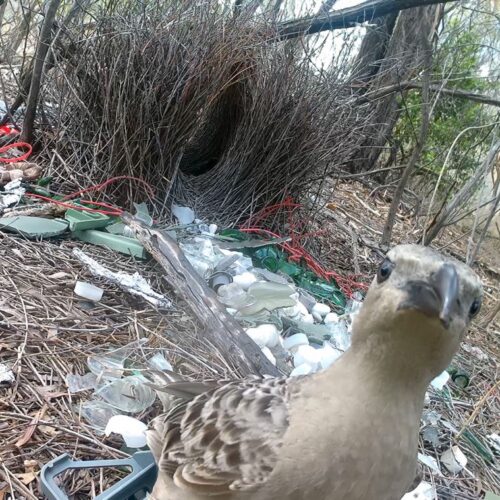
Male bowerbirds prefer to dazzle females with bright human-made items

Male bowerbirds are notorious for their complex mating rituals. They build intricate tunnels out of twigs—the bowers from which they get their name—and then decorate them with random colorful items gleaned from the environment. When a female of the species shows up to check out a male's fancy digs, the male tosses his shiniest objects in her direction and shows off his plumage in hopes of impressing her.

According to a new paper published in the journal Royal Society Open Science by University of Exeter scientists, urbanization and the associated growing availability of brightly colored human-made items have had a significant impact on courtship display behavior in Australian male bowerbirds. There are marked differences in the choice of decorations for bowerbirds in urban versus rural environments. This might be because urban birds simply have greater access to the items than their rural counterparts, since birds in both environments show a marked preference for human items.

The University of Exeter researchers monitored the bowers of 61 male great bowerbirds in two sites in Australia's northern Queensland—the rural Dreghorn Cattle Station and the urban Townsville City—during the prime breeding season (September–December 2023). Then they photographed the bower decorations in situ from above in both visible and UV light (bowerbirds can see in the UV range), using an umbrella to create diffuse lighting.

Read full article

Comments

© Caitlin Evans

  •  

How Pigeons Find Their Way Home May Finally Be Solved

Homing Pigeon ReleaseA study suggests pigeons navigate using iron-rich immune cells in their livers that can respond to Earth’s magnetic field. The findings may solve a decades-old mystery about bird navigation and reveal a surprising new sensory role for the immune system. Pigeons are famous for their ability to travel long distances and still find their way [...]
  •  

Wasp Colonies Explode Into Violence After Losing Their Queen

Polistes canadensis CloseThe loss of a queen triggers intense battles for power among female wasps, disrupting the colony’s social structure. Surprisingly, other wasps avoid the fighting and keep the colony functioning by taking care of its most important daily tasks. What happens when a queen suddenly disappears from a wasp colony? According to new research led by [...]
  •  

Streetlights Are Trapping Thousands of Isopods in Mysterious “Death Spirals”

Armadillo sordidus Isopod in AggregationArtificial streetlights can lure isopods into massive circular processions that may leave them vulnerable to predators. Researchers have made a world-first observation of thousands of Israeli isopods leaving their normally solitary shelters and moving together in huge synchronized “death spirals” caused by artificial streetlights. By testing different light arrangements, the team found that vertical beams [...]
  •  
❌