❌

Reading view

OpenAI adds spend controls and usage analytics to ChatGPT Enterprise

OpenAI has introduced spend controls and enhanced usage analytics for ChatGPT Enterprise to enable organizations to monitor AI adoption, track consumption across teams, and set budgets for AI usage. But, analysts cautioned, it still can’t show how those costs lead to business benefits.

The new features provide administrators with centralized dashboards showing how ChatGPT is being used across an organization, enabling them to understand adoption patterns, and manage AI costs by setting budgets and tracking spending.

“The Global Admin Console brings ChatGPT and Codex credit usage into one view, so admins can see a more granular breakdown of credit consumption across users, products, and models — helping them understand where spend is coming from and how it maps to actual credit usage,” OpenAI said.

A shift toward AI cost governance

The introduction of budgeting and usage analytics reflects a broader change in enterprise priorities, according to Biswajeet Mahapatra, principal analyst at Forrester.

“Enterprises are clearly shifting from adoption-led enthusiasm to cost and value governance, but this is a natural maturity transition rather than a pullback,” Mahapatra said. “AI is no longer an adoption problem but a measurement and credibility problem, with productivity gains present but fragmented and hard to tie to financial outcomes.”

As AI expands across business units, spending becomes distributed across teams, tools and experiments, making visibility and governance increasingly important, he said.

“Budgeting, usage visibility and spend controls are therefore becoming foundational, not just operational concerns, as they enable alignment between technology usage and business outcomes,” Mahapatra added.

OpenAI is addressing those needs with its new dashboards and spending controls address, he said.

Agent sprawl will add to cost control challenges

Anushree Verma, senior director analyst at Gartner, said AI cost governance is becoming a focus for enterprises, as fragmented pricing models, vendor-defined consumption units and inconsistent pricing structures make it difficult for organizations to predict AI costs.

She expects the challenge to intensify over the next few years as enterprises scale up their use of AI.

“By 2028, an average global Fortune 500 enterprise will have over 150,000 agents in use, up from less than 15 in 2025, generating significant agent sprawl, IT complexity and management challenges,” she said.

Against that backdrop, OpenAI’s new administrative capabilities provide organizations with tools to monitor organizational usage and spending as AI deployments become larger and more distributed.

Measuring AI value beyond consumption

While OpenAI’s analytics emphasize adoption patterns and usage visibility, analysts say enterprises will ultimately need to connect AI consumption with business outcomes.

“Token consumption alone is insufficient because it measures activity rather than impact,” Mahapatra said.

Instead, organizations should evaluate AI initiatives using business metrics such as revenue growth, cost reduction and risk mitigation alongside operational indicators including productivity improvements and quality gains.

Verma said traditional cloud FinOps practices are also evolving to accommodate AI’s usage-based economics.

“Traditional FinOps practices were built around predictable, centralized cloud environments and are insufficient for handling unpredictable AI consumption metrics, such as token usage, LLM requests and GPU hours,” she said.

She added that real-time tracking is becoming increasingly important as multiagent systems scale, because misconfigurations can cause AI costs to rise rapidly across interconnected environments.

This article first appeared on CIO.

  •  

Databricks targets AI operations bottlenecks with ZeroOps

Databricks is pitching a fix for what it sees as the growing operations mess in enterprise AI. With the launch of Genie ZeroOps, unveiled at its Data + AI Summit, the company is targeting a problem many data teams know too well: it’s no longer building pipelines and models that hurts, it’s keeping them running.

As data estates sprawl and AI workloads multiply, engineering time is increasingly eaten up by maintenance. Meanwhile, AI coding tools are accelerating development, churning out even more assets that need oversight, widening the gap between how fast teams can build and how much they have to manage.

Databricks Genie ZeroOps is a new agentic operations capability that is designed to automate the monitoring, investigation, and remediation of issues across data and AI workloads.

Currently in private preview, ZeroOps uses an AI agent to identify anomalies, trace root causes using metadata and lineage information via Unity Catalog, generate proposed fixes, and then test those fixes in an isolated environment before pushing them out for human review to be applied in production.

Targeting real operational complexity?

Genie ZeroOps addresses a legitimate enterprise challenge around operational complexity, particularly the growing burden of maintaining data and AI workloads in production, analysts say.

“Most data teams spend more time keeping pipelines and models alive than building new ones,” said Amit Chandak, chief analytics officer at IT consulting firm Kanerika.

Echoing Chandak, independent consultant David Linthicum said enterprises continue to grapple with deployment drift, incident response, compliance checks, and root-cause analysis across increasingly fragmented data and AI estates.

Those challenges, echoed Victor Coimbra, CTO of IT consulting firm Artefact, are compounded by the emergence of agentic coding tools that accelerate the development of assets, such as machine learning pipelines and models that need “babysitting.”

That maintenance burden carries a significant productivity cost, said Robert Kramer, managing partner at KramerERP, noting that activities such as managing infrastructure, deployment environments, support processes, and operational workflows consume time without directly creating business value.

Those productivity drains, according to Coimbra, have proven difficult to eliminate despite the emergence and widespread adoption of automated observability and governance tools.

“What is different here is the agentic piece. Databricks is trying to move from tools that alert humans to systems that diagnose issues, propose fixes, and validate them in a governed environment without breaking anything in production,” echoed Stephanie Walter, practice leader of AI stack at HyperFRAME Research.

Shifting the role of platform teams

That shift, according to analysts, could change the way most enterprise platforms and development teams work currently.

“Skilled engineers spend the majority of their time on toil. If the ZeroOps agent, in the background, handles monitoring, investigation, and fix-proposal, engineers shift from doing the operational work to reviewing it. The traditional split between ‘people who build’ and ‘people who keep things running’ starts to blur,” said Ashish Chaturvedi, leader of executive research at HFS Research.

“Additionally, this would also mean that platform teams (engineers responsible for maintenance) can focus on genuinely novel failures rather than the repetitive ones,” Chaturvedi added.

The shift, according to Coimbra, could also affect how enterprises scale platform teams: “They can stop hiring operations staff in lockstep with every new pipeline. The same team can cover a lot more.”

Given that the capability is still in preview, Kanerika’s Chandak pointed out that the headcount reduction claims may be overstated.

ZeroOps could instead pose the risk of “skill atrophy,” Chandak said.

“If engineers stop debugging because the agent does it, the team’s ability to handle the cases the agent cannot handle becomes a real exposure,” Coimbra added.

What ZeroOps could mean for CIOs

Genie ZeroOps could be attractive to CIOs because it links innovation capacity with operational discipline rather than forcing a tradeoff between the two, Linthicum said.

“The appeal is straightforward: reduce operational drag, shorten deployment cycles, improve service resilience, and enforce governance without scaling headcount at the same rate as workloads,” Linthicum said.

That combination of efficiency and reliability could help CIOs rein in one of the biggest costs associated with operating data and AI environments, Chaturvedi said. “ZeroOps attacks time spent on maintenance. CIOs have watched their data engineering budgets balloon while the proportion of that spend going to net-new value shrinks.”

Linthicum warned that CIOs should consider the new offering with calculated skepticism and seek metrics to validate Databricks’ claims.

“The headline metrics are mean time to detect and mean time to resolve, plus the share of incidents the agent closes without a human stepping in. Those tell you whether it is actually removing the operational complexities that it promises,” Kanerika’s Chandak echoed.

“Underneath these metrics, CIOs should track the accuracy of their root cause calls, the false positive rate on proposed fixes, and the proportion of fixes engineers approve without editing, because that last number is the real trust signal. On cost, they should measure cost per incident handled against the human baseline, net of agent compute,” Chandak added.

That scrutiny, Chandak further added, is even more important for CIOs because Databricks is entering an emerging category.

“Most vendor agent announcements target the build and use layers, helping people write code or ask questions of their data. ZeroOps targets the operate layer, which is less crowded,” Chandak said.

ENDS

  •  

Judge signals AI recruitment tool vendors like Workday may not escape liability for discrimination

A federal judge has rebuffed Workday’s claim that it cannot be held liable under California anti-discrimination laws when its tools are used to screen (and potentially reject) job candidates in other states.

This week, US District Judge Rita Lin indicated that she will likely allow additional state discrimination claims against Workday to move forward. This would significantly expand the closely-watched case and likely ratchet up scrutiny of AI recruiting tools and their potentially inherent biases when it comes to age, race, sex, disabilities, and other factors.

Further, it could indicate that, even if a company is not the final employer, it may be held liable if its tools materially influence who gets rejected. This could set new legal standards for AI hiring systems, and have implications across industries, experts note.

“This case reinforces the importance of actually managing AI risks,” said Valence Howden, advisory fellow at Info-Tech Research Group. “If an AI-enabled model or ATS [Applicant Tracking System] is making decisions based on historical information, it can raise questions about whether bias in outcomes and datasets has been properly addressed.”

The case so far

Mobley v. Workday, Inc. alleges that Workday’s AI screening tools discriminate against job seekers based on age, race, and disability. The suit was filed in 2024 in the US District Court of California by Derek Mobley, a Black disabled man over 40, who claimed Workday’s algorithms continually screened him out as he applied for more than 100 positions on the platform.

The claims alleged discrimination prohibited by several US and California statutes: Race and sex under the Civil Rights Act of 1964 (Title VII); disability under the Americans with Disabilities Act of 1990 (ADA); age under the Age Discrimination in Employment Act of 1967 (ADEA); and race, gender, and age under California Fair Employment and Housing Act (FEHA).

Specifically, the suit centered around Workday’s use of automated, algorithm-driven tools for applicant screening. It alleged that these systems rely on historical data and statistical modeling that can make them susceptible to existing biases, even if protected characteristics like race, age, sex, or disability are not explicitly provided.

Bias may enter these systems in different ways, the plaintiffs argued, including via training data, model design, and evaluation criteria for candidate fit. The system could reproduce discriminatory outcomes by making correlations from data. For instance, years of experience on a resumé may indicate age; long employment gaps may infer a disability or caregiving responsibilities; educational and institutional affiliations could reflect race.

Workday has argued that it is not subject to liability under employment statutes because it does not qualify as the job applicants’ “employer.” But federal judges have allowed key parts of the lawsuit to move forward, ruling that Workday could potentially be treated as an employer’s “agent” for the purposes of anti-discrimination law.

The latest dispute centers on FEHA. According to legal sources, the California statute is among the strongest anti-discrimination laws in the US, in many cases providing broader protections than federal employment laws.

Workday asked the court to dismiss claims brought under California law, saying FEHA should not apply to the hiring decisions of out-of-state employers and applicants. The company’s lawyers argued that enforcing this would effectively allow California law to supersede that of other states, just because a company used their platform.

But Lin disagreed, saying FEHA does apply, and in fact, Workday is directly liable for its “own engagement in FEHA-regulated activities on the employer’s behalf.” Holding businesses liable for “their own discriminatory conduct” is within the scope and purposes of FEHA and consistent with public policy.

However, the issue is still to be decided; Lin did not indicate when she would release a final ruling.

Workday’s defense

A Workday spokesperson called the claims in the suit “false.”

“Workday’s AI recruiting tools don’t make hiring decisions and are designed with human oversight at their core,” the spokesperson told CIO. “Our technology looks only at job qualifications, not protected traits like race, age, or disability. We rigorously test our products as part of our responsible AI program to confirm our tools do not harm protected groups.”

Workday’s platform is meant to provide insights on how well a candidate’s qualifications match the requirements of a posted job, the company said. Those tools focus only on qualifications listed in a candidate’s application, which are compared to qualifications identified by the employer as important for the job.

Workday’s Chief Responsible AI Officer Kelly Trindel said its AI does not make employment decisions, automatically reject candidates, or determine who gets a job; further, she said, there is no evidence that the company’s tools result in harm to protected groups.

Trindel, who is former chief analyst of the Equal Employment Opportunity Commission (EEOC), leads a dedicated team composed of psychologists and PhD-level data scientists whose sole focus is to ensure that its AI is “responsible, fair, and ethical.” She said that the company’s AI systems undergo ongoing reviews throughout their lifecycle to help prevent unintended consequences, and Workday is “committed to accountability, transparency, and trust,” and invests “significant resources” into identifying and mitigating bias.

Further, she said, Workday has a company-wide commitment to ethical AI, and an independently-evaluated AI governance program based on standards from the National Institute of Standards and Technology (NIST) and the International Standards Organization (ISO).

“Workday builds AI to support people, not replace them, and this is of particular importance when it comes to hiring,” Trindel noted. Its platform is designed to help employers “manage high-volume processes more efficiently, surface relevant information, and reduce administrative work so teams can spend more time applying their expertise and judgement to hiring decisions.”

What this means for enterprise leaders

Workday isn’t alone in its legal challenges; other AI hiring tools are also being scrutinized over their methodologies, algorithms, and data-collecting practices. Eightfold, for one, is also facing a California class action lawsuit alleging that its tools unfairly rely on job candidates’ online data to predict whether they’d be a good fit for a position.

This means that enterprises, who are already feeling increased pressure to document hiring decisions, conduct AI bias audits, and maintain human oversight in recruitment and hiring, must be even more diligent in their vetting of AI tools.

Organizations must be actively defining how these recruitment tools should work, identifying bias in their algorithms, and setting up structures to test for bias across the tools’ decision-making logic, Info-Tech’s Howden advised.

“Validation of non-biased outcomes also needs to be active and ongoing, rather than a point-in-time exercise,” he said.

While Workday and others say human oversight is paramount, “it’s hard to incorporate humans into the process if the platform does the weeding out before humans have the ability to intervene,” Howden pointed out.

Discriminatory biases can exist in past hiring decisions, so it’s easy to forget that AI can “emulate and adapt those biases as part of its perspective,” he said. That includes how AI looks at language: Different cultures use different phrasing, and AI can capture that and use it to exclude candidates.

Ultimately, he called the case a “cautionary tale” illustrating how lightly some organizations have been treating AI risk. It also highlights the urgency involved in building out more advanced enterprise risk practices, “rather than relying on the limited capabilities they may have employed up until now.”

This article originally appeared on CIO.com.

  •  

Scientists Awarded $4 Million to Enhance Endangered Species Management on Military Lands

Across the expansive military installations of the United States, where substantial tracts of restricted-access natural lands persist, an evolving challenge has taken shape: how to effectively conserve endangered species amid overlapping and often conflicting recovery plans. These lands, which serve dual purposes of defense readiness and environmental stewardship, present a unique ecological puzzle. Amid this complexity, researchers at Virginia Tech’s College of Natural Resources and Environment have embarked on pioneering projects funded by two $2 million grants, aiming to redefine conservation strategies on military properties by emphasizing ecosystem-wide management rather than isolated species-specific interventions.

Historically, wildlife management on military bases has heavily relied on individual species’ recovery plans, a methodology that becomes problematic when multiple endangered species inhabit the same territory. Each species’ plan often prescribes distinct conservation actions, potentially leading to redundant efforts, increased management complexity, and sometimes conflicting directives. Recognizing these inefficiencies, the Virginia Tech research initiative seeks to develop integrated strategies that optimize land management actions to benefit diverse species assemblages simultaneously. This integrative approach has the potential not only to streamline operational practices on military lands but also to serve as a scalable model for ecosystems worldwide grappling with multifaceted conservation demands.

One cornerstone of this research is led by Assistant Professor Elizabeth Hunter, who operates within the U.S. Geological Survey’s Virginia Cooperative Fish and Wildlife Research Unit. Hunter’s project area in southeastern Georgia—including large military bases characterized by fire-managed ecosystems—examines the application of prescribed burning as a habitat management tool. Prescribed fire has traditionally been tailored around a handful of focal species, such as the red-cockaded woodpecker, leaving many other species with differing ecological needs inadequately addressed. Hunter’s work challenges this paradigm by employing cutting-edge monitoring technologies to survey a wide spectrum of taxa, from avian and mammalian species to amphibians, reptiles, insects, and crucial pollinators, aiming to capture a comprehensive biological response to various fire regimes.

By integrating extensive biodiversity data into a sophisticated multi-objective optimization framework, Hunter’s team can evaluate how different prescribed burning strategies affect numerous species simultaneously. This analytical tool allows for the assessment of trade-offs and synergies in conservation outcomes, addressing complex ecological interactions. The methodology asks crucial questions such as whether it is possible to adjust burn frequency, intensity, and spatial patterns to enhance habitats for multiple species concurrently. Such questions are vital for military land managers, who must balance ecosystem health with operational imperatives. Collaborations with organizations like the Orianne Society and the National Council for Air and Stream Improvement anchor this work in both academic and applied conservation contexts.

Parallel to Hunter’s fire ecology focus, Associate Professor Haldre Rogers directs research tackling the inefficiencies inherent in the current species-by-species recovery plan framework under the U.S. Endangered Species Act. Rogers’ project, focused on the Marianas Islands, explores whether ecosystem-wide habitat management can serve as an effective surrogate for the management of multiple individually listed species. Given that military lands often harbor dozens of endangered species with overlapping but separate recovery plans, the question arises: can habitat proxies be identified that allow for effective ecosystem-level conservation without the cumbersome requirement of separate interventions and monitoring for each species?

Rogers utilizes innovative ecosystem hypergraph modeling to encapsulate the intricate web of species interactions, habitat connectivity, and life-history traits, thereby identifying clusters of species that might respond similarly to shared management actions. This approach strives to uncover ecological congruencies and potential conflicts, aiming to inform management choices that maximize conservation benefits while minimizing inadvertent harm to co-occurring species. The project acknowledges inevitable ecological trade-offs but aspires to equip land managers with a landscape-scale understanding that promotes more efficient and informed decision-making.

The ecological importance of military installations in the United States cannot be overstated. Many contain well-preserved habitats that have been safeguarded from urban development, offering refugia for imperiled species. Activities such as prescribed burning and restricted access have inadvertently preserved biodiversity hotspots. At the same time, these installations must fulfill critical defense and training missions, underscoring the need for a delicate balance between operational readiness and environmental stewardship. The innovations proposed by Hunter, Rogers, and their teams promise a new frontier in reconciling these dual mandates through science-driven, scalable conservation models.

Their research partnership traverses multiple disciplines and institutions, spanning Virginia Tech’s Department of Fish and Wildlife Conservation and Statistics, collaborations with Rice University, Brown University, MIT, and contributions from postdoctoral scholars. This transdisciplinary approach enriches the projects with a fusion of ecological expertise, advanced computational modeling, and applied management perspectives. By leveraging emerging technologies and sophisticated analytical tools, these projects are poised to generate transformative insights relevant to conservation practitioners, policymakers, and military land managers alike.

In essence, these Virginia Tech-led studies embody a paradigm shift: transitioning from fragmented, species-specific management plans to holistic ecosystem-based strategies is both a necessity and an opportunity. This shift acknowledges the complex interdependencies among species and their habitats, calling for innovative methodologies that embrace ecological complexity rather than oversimplify it. For military lands, where the intersection of conservation and operational use is most pronounced, such research can catalyze both more effective biodiversity protection and enhanced land-use efficiency.

By integrating large-scale biological monitoring with computational optimization and ecosystem modeling, this research presents a robust framework for addressing the mounting challenges of endangered species management amid competing land uses. The implications extend far beyond military properties, offering a strategic blueprint adaptable to diverse ecosystems facing overlapping conservation mandates. The collective efforts spearheaded by Hunter and Rogers represent a significant leap forward in safeguarding the nation’s biological heritage through science-guided stewardship, setting the stage for broader applications in the global conservation community.

As endangered species faces continue to escalate globally, the insights arising from military installation ecosystems can inform best practices worldwide. The integration of multi-species data into management decisions, the recognition of ecosystem processes over isolated species needs, and the embracing of technological and analytical innovation underscore the future of conservation science. In a world of finite conservation resources and competing priorities, finding operationally feasible yet ecologically sound approaches is paramount.

These projects, supported by the Strategic Environmental Research and Development Program, exemplify such an approach, bridging theoretical science and practical land management. Their success will not only enhance the resilience of endangered species populations on military lands but also serve as a clarion call to redefine conservation paradigms universally. Ultimately, their work invites a transformative dialogue around how humanity navigates the complex stewardship of nature amid modern societal demands.


Subject of Research:
Endangered species management on military lands through ecosystem-based strategies and multi-species conservation optimization.

Article Title:
Rethinking Conservation: Integrated Ecosystem Management for Endangered Species on Military Installations

News Publication Date:
Not provided

Web References:

Image Credits:
Photo courtesy of Elizabeth Hunter.

Keywords:
Endangered species, Extinction, Wildlife management, Conservation biology, Ecosystem management, Prescribed fire, Habitat connectivity, Multi-species optimization, Military land conservation, Ecosystem hypergraphs.

  •  

Pinpointing Precision: Tailoring Therapies for Aggressive Asbestos-Related Cancer

A groundbreaking clinical trial is underway at Leicester, spearheaded by leading researchers aiming to revolutionize treatment options for patients afflicted with mesothelioma, a particularly rare yet aggressive form of cancer. This innovative research offers a glimmer of hope to those affected, potentially extending their survival and enhancing quality of life by tailoring therapies to individual genetic profiles.

Mesothelioma arises predominantly in the linings of the lungs or abdomen and is intimately connected to asbestos exposure, a factor that has rendered this malignancy notoriously difficult to treat. Despite approximately 2,700 new diagnoses annually in the UK, prognosis remains grim, with survival rates and available treatment strategies offering limited success. Traditional therapies fail to adequately address the biological heterogeneity of this cancer, underscoring the urgent need for novel, personalized interventions.

Central to this trial, known as SELECTmeso1, is the use of targeted cancer therapies designed to exploit specific genetic vulnerabilities within tumor cells. This approach addresses the problem of variable treatment efficacy by stratifying patients based on identifiable genetic biomarkers, thus aligning therapeutic strategies with the molecular underpinnings of each patient’s disease. Trials like SELECTmeso1 embody the forefront of precision oncology, promising more effective and less toxic interventions.

The project is a collaboration between esteemed institutions including the NIHR Biomedical Research Centres in Leicester and Southampton, with the Southampton Clinical Trials Unit managing operations and oversight. Backed financially by Asthma + Lung UK, this research initiative emphasizes the growing recognition within the medical community of the importance of precision medicine in oncology, especially for diseases with limited therapeutic options like mesothelioma.

Professor Dean Fennell, Chair of Thoracic Medical Oncology at the University of Leicester and lead investigator, highlights the crux of the personalized treatment paradigm: understanding the cancer’s unique genetic landscape. Nearly 50% of mesothelioma patients exhibit a deletion of the MTAP gene, a genetic anomaly that is intricately linked with more aggressive tumor behavior and resistance to conventional therapies. This genetic deletion simultaneously presents a distinctive therapeutic target.

The trial focuses on exploiting the absence of the MTAP gene to disrupt the cancer cells’ growth machinery selectively. In healthy cells, the MTAP gene is involved in critical metabolic pathways, but its deletion in cancer cells creates a biochemical dependency that can be targeted pharmacologically. The investigational drug, Navlimetostat (also referenced as BMS-986504), developed by pharmaceutical giant Bristol Myers Squibb, is a first-in-class PRMT5 inhibitor designed to exploit this metabolic vulnerability, thereby selectively inducing cancer cell death while sparing healthy tissue.

Navlimetostat operates by inhibiting protein arginine methyltransferase 5 (PRMT5), an enzyme crucial to the survival of cancer cells deficient in MTAP. By blocking PRMT5, Navlimetostat disrupts methylation-dependent processes vital to tumor cell proliferation and survival, effectively ‘starving’ the cancer at a molecular level. Early phase studies in other malignancies have shown promising anti-tumor activity and manageable safety profiles, laying a robust foundation for its evaluation in mesothelioma.

The SELECTmeso1 phase of the trial recruits patients with relapsed mesothelioma who test positive for the MTAP gene deletion. The trial administers Navlimetostat orally in three-week cycles, continuing up to six months. Researchers monitor both tumor response and patient tolerance meticulously, aiming to affirm the drug’s efficacy and safety within this highly specific patient subgroup.

This trial represents the initial stage of a larger adaptive platform study intending to evaluate multiple targeted agents against various genetic biomarkers across the spectrum of mesothelioma cases. By adopting a platform model, SELECTmeso aims to streamline clinical investigation, allowing simultaneous testing of several therapeutic candidates tailored to genetic signatures in patients’ tumors, thereby accelerating the pace of discovery and clinical translation.

Looking to the future, the platform design will incorporate molecular profiling of tumor samples to guide patient enrollment across sub-trials, each exploring a drug matched to a distinct biomarker. Such precision trials could transform the clinical landscape, enabling oncologists to offer bespoke therapies with improved outcomes versus the current ‘one-size-fits-all’ approach. Through this strategy, SELECTmeso1 pioneers a new chapter in mesothelioma treatment.

Dr. Samantha Walker of Asthma + Lung UK emphasizes the transformative potential of this research, especially given the dismal survival statistics and lack of curative options for mesothelioma patients. The advancement of targeted therapies has altered the natural history of multiple cancers, and the hope is that SELECTmeso1 will similarly deliver breakthroughs for this challenging disease, ultimately informing standard clinical practice worldwide.

The trial has already commenced recruitment at Leicester Royal Infirmary and will expand to ten additional UK hospitals, enrolling up to 30 patients for this initial evaluation. If successful, this could lay the groundwork for larger, practice-changing trials and establish a template for personalized cancer treatment paradigms not only for mesothelioma but also for other malignancies characterized by genetic heterogeneity.

In sum, the SELECTmeso1 trial exemplifies the cutting-edge intersection of genomics and oncology, demonstrating how understanding cancer’s molecular vulnerabilities can inform smarter, targeted treatments. It embodies the hope and progress achievable through collaborative research, innovative drug design, and precision medicine to improve survival and quality of life for patients facing devastating diagnoses.


Subject of Research: People

Article Title: Personalized Targeted Therapy Trial for Mesothelioma Opens New Frontiers in Cancer Treatment

News Publication Date: Not explicitly stated in source content

Web References:

References:
Cancer Research UK statistics on mesothelioma incidence and survival
Details of Navlimetostat (BMS-986504) as a first-in-class PRMT5 inhibitor by Bristol Myers Squibb

Image Credits: University of Leicester

Keywords: Mesothelioma, Targeted therapy, Personalized medicine, MTAP gene deletion, Navlimetostat, PRMT5 inhibitor, Clinical trial, Cancer research, Genetic biomarkers, Precision oncology, Cancer treatment, Drug development

  •  

Jamf CEO: ‘AI is happening whether organizations know it or not’

Beth Tschida, who became Jamf CEO in May after serving as CTO and as interim CEO, is the first woman to lead the company in its near 25-year history. I spoke with her this week at the London Jamf Nation event, where the company introduced its new AI Governance solution.

How the transition to CEO is going 

“It’s been a great privilege and an adjustment,” she said. “Jamf has always been a company deeply focused on culture, which is exactly why I love being here. Having the ability to influence and improve that culture from this role is something I feel very supported in doing.”

The last few years have seen a variety of changes at Jamf, which was briefly a public company. “We’ve come through a period of change, not all of it easy,” Tschida said. “But we now have a great partnership with Francisco Partners. We’re private, we’re focused on solving customer problems, and we’re finding ways to lean into what we’re good at.”

Women in tech and mentorship

Tschida is a good choice to lead a software engineering company, as she’s an engineer herself. She originally joined Jamf as vice president for software engineering in 2018, moving up to CTO in 2022. She’s also one of the few women in leadership positions in tech. (To Jamf’s credit, the company also has CIO Linh Lam on its team.)

“I think it’s important for women to stay deep in the tech, build their skills and find their voice confidently,” Tschida said. “You’ll never know all the technology out there. Nobody does. What matters is the ability to keep adapting and evolving.”

Tschida stressed the importance of mentorship. “I feel very honored to have a chance to be a role model for other women,” she said. “I had women who forged a path for me, including a female CIO early in my career who I asked to mentor me and learned an enormous amount from. I’m certainly not the first woman in tech, but I do want to play my part in helping others grow in their careers.

“Ultimately, I want to be respected for what I do, not for my gender. That’s how everyone should be judged.”

AI Governance

Tschida’s product focus means she knows what matters to Jamf. “If you focus on the problems customers have and how your product can help fix them, that’ll take you to where you want to go.”

For many in the enterprise, both in and beyond the Apple space, the next big problem is AI — how to deploy it, how to manage it, and how to regulate it.

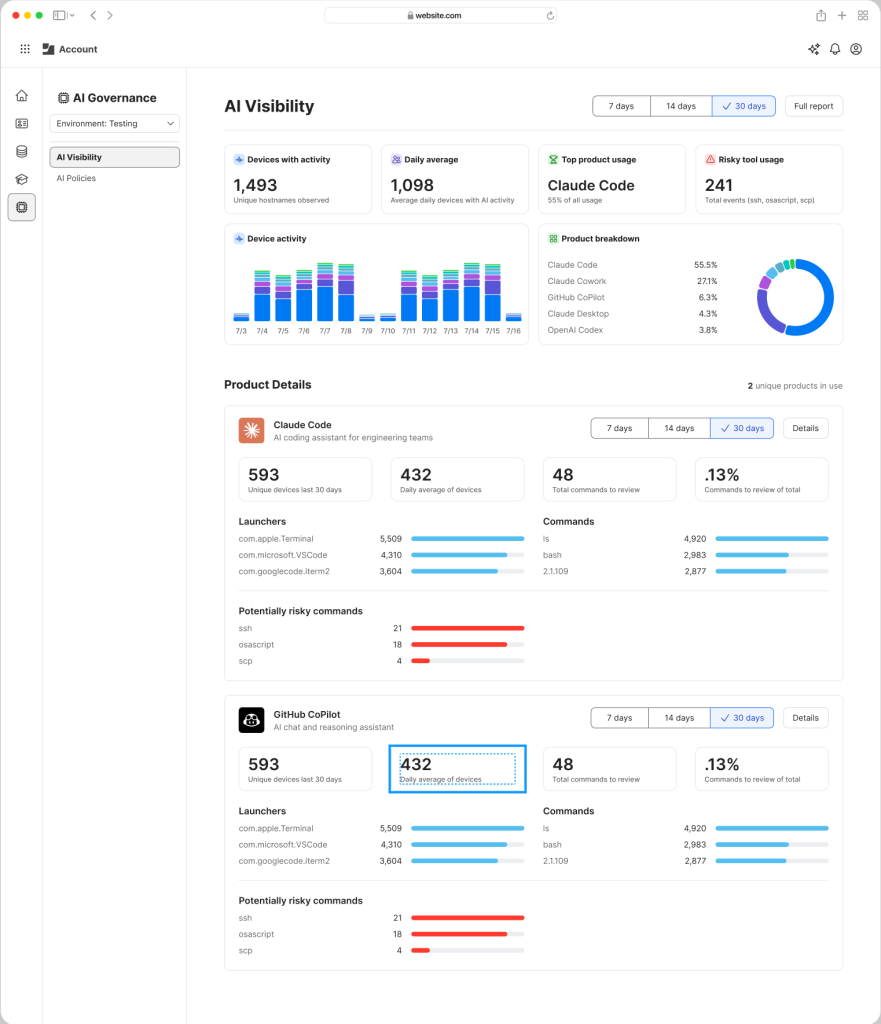
AI Governance is a new Jamf solution that has been developed in response to those pain points. Countless surveys, including Jamf’s own data, show that AI is being widely used across every company, but IT lacks visibility into its use. It’s hard to know what data is being shared with AI tools, which services are being used, and how to report on that use effectively — particularly in regulated industries.

AI Governance is designed to make it possible for anyone managing an Apple fleet to get granular insight into AI use across their Mac, iPhone, and iPad devices. It uses telemetrics to shed light on that use, offers governance and management tools to help IT gain better oversight and control over it, and provides highly comprehensive reporting tools suitable for internal or regulatory review.

“AI is happening whether organizations know it or not,” said Tschida. “That’s the problem. You can try to block it, but that’s very hard to do well. It’s far better to build visibility and governance around it.”

The offering makes it possible for companies to enable the AI use they already know is taking place while protecting corporate interests and enabling fast and accurate reporting. You can find out more details here.

Empowering better AI

Jamf’s approach is focused on endpoint management. AI Governance means IT can see what’s running on a device, categorize it, and understand what AI tools and models are in use. “If you know how people are running AI on your fleet, you can open it up safely. Then all of your customers and employees can find their way to figure out how AI is going to optimize their workforce,” she said.

What does that look like in practice? Think of it as an orchestration layer. IT can define different AI configurations for different teams: HR might use one set of models, engineers another. And admins can apply opinionated postures per group: what models are permitted, what cloud services they connect to, what’s visible to IT versus the CISO versus the CFO. “It’s an extension of what Jamf has always done, it just now applies to AI endpoints too.”

What about regulatory complexity across geographies? “A lot of governance controls are shared across regulations; a good base set is a healthy way to run regardless. But each regulation has its own twists. Our mission is to make sure customers operating in different markets can expand on that base and fit the specific models and regulations they need, getting the right configurations to the right devices.”

Managers must prepare for AI cost challenges

There’s a second dimension beyond management — cost. The industry is developing quickly, with new AI models appearing almost every week. Yesterday’s leading LLM is tomorrow’s fading star, even while the cost of AI infrastructure goes through the roof. As that churn slows, investors will want to start seeing returns on their bets, which is why token costs — the price of running AI services, at least in the cloud — are climbing fast.  

As costs become more realistic, that’s going to change the nature of AI deployment from the laissez-faire, anything goes approach to a more strategic management of such use. “Models keep dropping fast, but token costs are only going to go up,” said Tschida.

“Organizations will need to decide: just because you can build something with AI, should you? What’s the right model for what work? We’re helping customers move from, ‘We’ll just block it’ or ‘We’ll turn it on and hope for the best,’ toward a place where they have a real viewpoint and can manage and change that viewpoint over time.”

The ever-changing AI world is also prompting Jamf to make more of its APIs externally available. “We’re used across every industry and every geography, at every scale,” said Tschida. “There’s no way we can build every workflow every customer needs, we’d never get to all of them.”

Embracing openness also helps build future foundations. “Thinking about where we’re heading next — agentic endpoint management — having platform APIs allows our customers to build things they can imagine, that we can learn from, in a way that solves their specific problems.”

Apple, WWDC, and the enterprise

Tschida’s comments come shortly after WWDC 2026, where Apple introduced a raft of AI advances that formed a strong foundation for its future, improvements that matter to Jamf. “When Apple innovates, Jamf celebrates,” she said.

“Apple is doing great things in their AI ecosystem, revamping Siri, expanding their AI capabilities, making Apple the platform people want to run AI on because those machines simply perform better. Our job is to take what Apple builds and bring it into the enterprise in the way that enterprises actually need it.”

Most of the industry recognizes that Apple’s enterprise story has changed dramatically as its products see accelerating use, and momentum is not slowing. Tschida reflected on how just a few years ago, Apple in the enterprise was an option in employee choice programs. “Now it’s becoming the clear choice,” she said. “We expect that trend to continue. And the more Apple invests in AI running natively on device, the stronger that argument gets.”

Where is Jamf going?

AI Governance is a unique answer to an increasingly important set of questions that are now beginning to affect the IT management of Apple’s platforms. (It’s not clear whether anything as sophisticated exists for other platforms at al, but as the need to manage AI grows, demand for such solutions will grow.)

Ultimately, the company’s latest move reflects Jamf’s inherent strategy under its new CEO. “Focus on customers, listen to them, solve their problems, and don’t throw tech at it. Ask: what’s the problem? Can we solve it? That focus is what takes you where you need to go.

“We’re on a good trajectory, customers stay with us, and the culture has always underpinned us. Now we’re finding ways to lean into it even further,” she said.

You can follow me on social media! Join me on BlueSky,  LinkedIn, Mastodon and subscribe to The Core.

  •  

Estonia plans government IDs giving AI agents rights and responsibilities

There’s no shortage of agentic AI tools out there that offer to perform online tasks on your behalf, if only you’ll give them all your passwords and credit card details. The trouble starts when those agents don’t know when to stop — or when others don’t know to stop them.

In Estonia, the country’s AI Council has plans to change that, proposing to issue government-backed digital identities for AI agents that spell out what powers a person or company is willing to delegate to them.

“In the future, AI will increasingly perform digital operations on behalf of a person, company, or institution,” said Estonian Prime Minister Kristen Michal in a news release. “To do this, it must be clear who is acting, on whose behalf, with what rights, and who is responsible.”

He supported the AI Council’s proposal to create a digital identity for AI agents that will define agents’ rights and enable them to act in a verifiable and auditable manner.

The ID could, the council suggests, show whether an agent is only allowed to view data, create or edit documents, or make payments, and if so, up to what limit.

First mover advantage

There’s no telling when the plan will come to fruition — although Michal is keen for his country to take the lead.

“If we act quickly and wisely, Estonia will become the first country in the world to create an official digital identity for AI agents,” he said.

Estonia is already a leader in the use of digital identities for humans. Estonians can use their national digital ID cards for voting, signing documents, accessing medical and tax records. The country also offers foreigners the option of applying for “e-residency,” a digital identity enabling them to create a company in Estonia and digitally sign all related documents online as they interact with the country’s widely digitized administrative processes.

Michal created the AI Council in January, calling on Estonian startups, investment funds, industry and research institutions to systematically implement AI across the country’s industry, education, healthcare, and energy sectors.

AI vendors have already proposed creating digital identities for agents, but so far these are intended only to manage the activities of agents within the enterprise, or for interconnecting enterprise IT platforms, and none of them have the backing of governments.

Estonia’s proposal could put the tiny Baltic country at the cutting edge of agentic AI usage and set an example for others.

  •  

From RAG to ontology: Databricks bets on context as the key to trusted AI agents

First came vector databases, then RAG. Now, the next frontier in enterprise AI is taking shape: context layers that give autonomous agents a shared understanding of the business, a vision Databricks is advancing with Genie Ontology.

Currently in preview, Genie Ontology automatically extracts business context from enterprise data, dashboards, queries, pipelines, documents, and applications and organizes it into a living graph that AI agents can use to understand how an organization operates.

Showcased at the company’s Data + AI Summit, Genie Ontology uses a ranking system inspired by Google’s PageRank to identify the most authoritative business definitions within an organization.

Rather than treating all sources equally, it weighs factors including who created the information, how widely it is used, its links to certified datasets and assets, and how recently it was updated before determining which answer an AI agent should rely on, Databricks CEO Ali Ghodsi said during his keynote late on Tuesday while explaining the new offering.

Organizations can also upload their own business definitions or ontologies to Genie Ontology via Databricks’ existing Unity Catalog Semantics platform, Ghodsi added.

Ontology promises consistency, but readiness remains a hurdle

For CIOs, a unified context layer, such as Genie Ontology, will materially improve consistency, trust, and governance for enterprise AI deployments, according to analysts.

“One definition feeding every agent means you stop getting three different answers to the same question,” said Michael Leone, principal analyst at Moor Insights and Strategy.

“Older approaches, such as RAG and vector search, just pull back whatever looks similar to your question, and they don’t actually understand your business. An ontology gives the agent the meaning a catalog can’t, what your terms mean, and which source to trust,” Leone added.

That improvement in consistency, according to Ashish Chaturvedi, leader of executive research at HFS Research, could also improve trust, which remains one of the most critical barriers to AI adoption.

“The single biggest barrier to enterprise AI adoption is that decision-makers don’t trust AI outputs enough to act on them without checking. An ontology that grounds answers in governed business definitions, with lineage back to source, directly attacks that trust deficit,” Chaturvedi said.

Alternatively, Leone was more cautious about the trust argument: “It’s a promising idea, but it still has to prove itself before I’d lean on it for anything that matters.”

Echoing Leone, HyperFRAME Research’s practice leader of AI stack Stephanie Walter pointed out that ontologies have a missing link, and that is verification: “Ontologies can improve context, but they do not guarantee the answer is correct. An agent can still pull incomplete data, apply the wrong logic, skip rows, misunderstand a workflow, or take the wrong action.”

That verification gap becomes even more critical, according to Leone, because most enterprises don’t have the data and governance readiness required to implement an ontology layer for AI deployments: “If your data and governance aren’t already in order, this just speeds up your existing mess.”

Seconding Leone, Walter pointed out that an ontology cannot fix messy definitions, poor lineage, weak ownership, or fragmented permissions on its own.

Additionally, the analyst pointed out that the hard part for CIOs is not creating an ontology once but keeping it accurate as the business changes: “Enterprises will need clear data ownership, metric ownership, domain expertise, governance processes, and a way to resolve conflicting definitions.”

“Otherwise, the ontology becomes another stale metadata project with a more sophisticated name,” Walter added.

A growing risk of CIO confusion

Beyond data and governance readiness, CIOs also face a growing risk of confusion in the wake of several technology vendors pursuing approaches, similar to Genie Ontology, to ground enterprise AI in a business context, according to analysts.

Over the past year, Snowflake, Microsoft, and others have introduced some form of ontology, semantic, and context-layer offerings, but the problem is in how these offerings are named, Leone said.

“Everyone slapped a different name on basically the same idea. It slows people down as it creates confusion,” Leone noted.

That confusion could also backfire on Databricks and other vendors, according to Bhupendra Chopra, cofounder and CRO of IT consulting firm Kanerika: “While the marketing has converged around context-building offerings, most enterprises will choose the platform where their data already resides.”

HFS Research’s Chaturvedi doubled down on that view, saying CIOs should resist evaluating ontology offerings in isolation and asked them to stick to the mantra of context layer follows data gravity: “If your data lives in Databricks, Genie Ontology is your path. If it’s in Snowflake, Horizon Context is. If you’re a Microsoft shop, the IQ family is.”

Additionally, Chaturvedi urged CIOs to look beyond functionality and assess how open and portable these offerings are, particularly in multi-platform environments where business definitions may need to move across data lakehouses, analytics tools, and AI platforms.

This is where Chaturvedi sees Snowflake differentiating itself from rivals, with its focus on open semantic interoperability aimed at reducing the risk of semantic lock-in as enterprises evolve their data and analytics stacks.

The battle for the AI control plane

Snowflake’s efforts to differentiate itself, though, analysts pointed out, at least for CIOs, draw attention to a larger race among vendors, including Databricks, to become the control plane for enterprise AI.

While Snowflake is attempting to position itself as an AI control layer through a combination of Snowflake Intelligence, Horizon Catalog, and its push for open semantic interoperability, Microsoft is embedding business context and governance across its Copilot, Fabric, and broader AI stack through offerings such as Work IQ, Fabric IQ, and Foundry IQ, Chaturvedi said.

Databricks’ Genie Ontology, too, is part of a similar strategy, Chaturvedi pointed out, urging CIOs to view the offering in the context of the company’s wider effort to position its lakehouse platform as the foundation on which enterprise AI agents are built, governed, and eventually deployed.

“It’s absolutely a control-plane play. When you connect the dots across everything Databricks has announced at this summit, including LTAP, OpenSharing, and Genie Ontology, you see a single place where enterprise data, governance, business semantics, and agent execution all converge,” Chaturvedi added.

Further, the analyst noted that the control-plane strategy reflects Ghodsi’s broader vision that data platforms could evolve into what the CEO describes as an “agentic system of record” — an authoritative source that AI agents read from, reason over, and act through.

The concept mirrors earlier platform shifts, Chaturvedi said, where ERP systems became the system of record for business transactions and data warehouses became the system of record for analytics.

The next battle, the analyst said, is over which platform becomes the system of record for enterprise AI agents.

Moor Insights and Strategy’s Leone agreed that data platforms are well-positioned to compete for that role because they already own the data, governance controls, lineage, and permissions that agents require to operate safely at scale.

Still, analysts cautioned that context alone will not determine which vendor comes out on top.

“The next enterprise AI battleground is not just context. It is verifiable execution,” Walter said.

  •  

Dexmedetomidine Safety, Pharmacokinetics in Cooling Infants

In the delicate realm of neonatal intensive care, managing infants suffering from hypoxic-ischemic encephalopathy (HIE) presents a multifaceted challenge. Therapeutic hypothermia (TH) has emerged as the cornerstone treatment for neonatal encephalopathy, significantly improving neurological outcomes by mitigating ongoing brain injury that occurs after asphyxia at birth. However, the sedation and analgesia required during TH add complexity to clinical care. Traditionally, morphine has been the analgesic agent of choice, but concerns over its respiratory depressant effects and potential neurodevelopmental consequences have prompted the search for safer alternatives. Enter dexmedetomidine, a potent alpha-2 adrenergic receptor agonist known for its sedative and analgesic properties without significant respiratory compromise. Yet, despite its promising pharmacological profile, the safety and pharmacokinetics (PK) of dexmedetomidine in neonates undergoing cooling therapy remain largely unexplored—until now.

A groundbreaking clinical trial, aptly named the DICE trial (Dexmedetomidine use in Infants undergoing Cooling due to neonatal Encephalopathy), spearheaded by Baserga et al., has cast new light on this issue. Published recently in Pediatric Research, the trial meticulously investigates both the safety parameters and PK behavior of dexmedetomidine when administered to cooled neonates. This research addresses a critical void in pediatric pharmacology, potentially reshaping sedation practices in neonatal intensive care units worldwide.

Therapeutic hypothermia involves lowering the infant’s core temperature to 33.5°C for 72 hours, slowing metabolic processes and reducing neuronal damage after birth asphyxia. While TH improves survival and reduces disability rates, it also complicates drug metabolism due to the altered physiologic state induced by hypothermia. Infants undergoing TH frequently require continuous sedation to prevent shivering and alleviate stress, conditions that exacerbate brain injury if unmanaged. The sedative agent must provide effective analgesia without impeding vital respiratory functions or prolonging recovery. Morphine, despite being widely utilized, is not an optimal candidate due to dose-dependent respiratory depression and a potentially detrimental impact on developing neural circuits.

Dexmedetomidine’s mechanism of action involves selective stimulation of alpha-2 adrenergic receptors in the locus coeruleus region of the brainstem, leading to decreased norepinephrine release and hence sedation and analgesia. Unlike opioids, it typically does not cause respiratory depression, making it an attractive alternative for fragile neonates on TH. However, neonates present unique challenges due to immature hepatic enzyme systems and renal functions, making PK predictions complex. Additionally, TH alters enzyme activity and systemic circulation, affecting drug clearance and distribution.

The DICE trial comprehensively evaluates dexmedetomidine’s PK parameters, including clearance rates, volume of distribution, and half-life in cooled neonates. Infants receiving dexmedetomidine during TH were closely monitored for any adverse events, sedation depth, and plasma drug concentrations using highly sensitive assays. This allowed the researchers to generate detailed PK profiles, vital for establishing dosing regimens that ensure efficacy and safety.

One of the study’s pivotal findings is that the clearance of dexmedetomidine is significantly reduced during the hypothermic phase compared to normothermia. This decrement underscores the importance of dose adjustment since standard dosages could lead to drug accumulation, increasing the risk of bradycardia or hypotension. Conversely, as rewarming commences, clearance values gradually return toward normal, necessitating further dose modulation to maintain therapeutic plasma levels.

Safety endpoints reported by Baserga and colleagues are particularly encouraging. Adverse effects typically associated with dexmedetomidine, such as profound bradycardia and hypotension, were infrequent and generally mild. Continuous cardiorespiratory monitoring revealed stable parameters in the majority of subjects, with no episodes of respiratory depression. Importantly, sedation scores indicated adequate analgesia and sedation quality, thereby validating dexmedetomidine’s dual role without the respiratory risks posed by opioids.

Beyond PK and safety, the trial explores the pharmacodynamic implications of dexmedetomidine during TH. The sedative’s anti-inflammatory and neuroprotective properties may synergize with hypothermia’s benefits, although this hypothesis requires further investigation. Animal model data suggest that alpha-2 adrenergic agonism may attenuate excitotoxic injury and oxidative stress, pathways central to neuronal death in HIE. Should future studies confirm these effects in humans, dexmedetomidine could transform neonatal encephalopathy management by enhancing neuroprotection beyond sedation.

Another critical aspect highlighted by the research is dexmedetomidine’s impact on intensive care workflow. Its relatively predictable sedation profile and minimal respiratory depression could reduce the need for mechanical ventilation, thereby lowering the risk of associated complications. Enhanced safety margins facilitate more tailored sedation strategies and potentially shortened intensive care stays, lifting both clinical and economic burdens on neonatal units.

The DICE trial’s results yield a compelling argument for revisiting current sedation protocols in TH-treated neonates. The detailed PK modeling and robust safety data provide clinicians with a scientific foundation for incorporating dexmedetomidine into standard care. Yet, the authors prudently emphasize the need for larger randomized controlled trials to conclusively determine long-term neurodevelopmental outcomes, optimal dosing schedules, and comparative efficacy versus morphine.

This research emerges amidst a broader paradigm shift in neonatal critical care, where individualized pharmacotherapy and precision medicine are gaining ground. Neonatal drug development historically suffers from a paucity of rigorous studies, often leading to off-label medication use based on extrapolation from adult data. The DICE trial represents a milestone by focusing exclusively on neonates under a specialized treatment modality, thereby refining our understanding of drug behavior in this vulnerable population.

The adoption of dexmedetomidine could align with evolving ethical standards prioritizing minimization of harm and maximal comfort in neonatal intensive care. Parents and clinicians alike are increasingly motivated to seek sedation regimens that preserve neurocognitive potential while ensuring humane care during painful and distressing therapeutic procedures.

In conclusion, the DICE trial spearheaded by Baserga et al. denotes a landmark advance in neonatology. By delineating the pharmacokinetics and safety profile of dexmedetomidine in infants undergoing therapeutic hypothermia for neonatal encephalopathy, this study charts a promising path forward. The synergy between TH and dexmedetomidine could herald a new era of neuroprotective sedation strategies that not only alleviate pain and discomfort but also contribute to improved neurological outcomes in the most fragile patients. As further validation studies emerge, dexmedetomidine stands poised to become an indispensable therapeutic tool in the neonatal intensive care arsenal.


Subject of Research: Safety and pharmacokinetics of dexmedetomidine use in neonates undergoing therapeutic hypothermia due to neonatal encephalopathy.

Article Title: Dexmedetomidine use in Infants undergoing Cooling due to neonatal Encephalopathy (DICE trial): safety and pharmacokinetics.

Article References:
Baserga, M.C., Bahr, T.M., Yang, M.J. et al. Dexmedetomidine use in Infants undergoing Cooling due to neonatal Encephalopathy (DICE trial): safety and pharmacokinetics. Pediatr Res (2026). https://doi.org/10.1038/s41390-026-05184-0

Image Credits: AI Generated

DOI: 16 June 2026

Keywords: neonatal encephalopathy, therapeutic hypothermia, dexmedetomidine, sedation, analgesia, pharmacokinetics, neonates, neuroprotection

  •  

Assessing Urban Flooding Factors with SCS-TR20, SBUH

Urban flooding has emerged as one of the most pressing environmental challenges faced by modern cities worldwide. As urbanization accelerates and impermeable surfaces replace natural landscapes, the capacity of drainage systems and natural waterways to manage stormwater dramatically decreases. This phenomenon exacerbates flood risks, leading to significant economic damage, disruption of daily life, and threats to public safety. In this context, the innovative research conducted by Dehdehi, Soleimani-Motlagh, and Haghizadeh offers a critical evaluation and in-depth analysis of the factors influencing urban flooding using advanced hydrological modeling techniques. Their work employs the Soil Conservation Service – Technical Release 20 (SCS-TR20) model and the Sacramento Soil Moisture Accounting Unit Hydrograph (SBUH) model to unravel the complexities behind flood dynamics in urban environments.

The study begins by contextualizing the incidence of urban flooding within rapidly expanding metropolitan areas. Urban landscapes are characterized by an extensive network of roads, buildings, and other paved surfaces, significantly altering the natural water cycle by accelerating runoff and reducing infiltration. The authors argue that understanding these changes requires precise hydrological models capable of simulating surface runoff, infiltration, and subsurface flow processes under varying climatic and land use scenarios. Both SCS-TR20 and SBUH models boast comprehensive frameworks that may be tailored to urban catchments, enabling the dissection of hydrological responses to precipitation events with high spatial and temporal resolution.

Fundamental to their research is the exploration of how different physical and environmental factors affect urban flooding. These include soil properties, topography, storm characteristics, land use patterns, vegetation cover, and urban infrastructure design. The SCS-TR20 model, originally developed to estimate direct runoff from small watersheds, is applied here to quantify the runoff generation process by integrating rainfall data with land surface conditions. It incorporates parameters like curve number (CN), which reflects soil infiltration capacity and land cover, to predict peak discharge during storm events. This allows the researchers to examine how changes in impervious surface area or soil moisture status may intensify or mitigate runoff production in urban catchments.

Simultaneously, the study leverages the SBUH hydrological model, a unit hydrograph-based method that simulates watershed response to rainfall by accounting for soil moisture dynamics. The SBUH model provides a mechanistic representation of subsurface flow and its contribution to streamflow, which is often overlooked in simpler runoff generation models. By embedding soil moisture accounting within the urban context, the authors can capture delayed flow components and baseflow behavior, enriching the flood prediction process. This is particularly important in urban areas where drainage infrastructure can alter natural groundwater recharge pathways.

A critical component of their methodology involves calibrating and validating these models against observed hydrological data from urban watersheds experiencing recurrent flooding. The researchers emphasize rigorous parameter optimization to enhance predictive accuracy. They adopt techniques such as sensitivity analysis to identify which parameters most significantly influence model outputs, thereby guiding priorities for data collection and urban planning interventions. The models’ outputs are then cross-verified through statistical measures, including Nash-Sutcliffe efficiency and root mean square error, confirming their robustness in simulating runoff processes in real-world urban systems.

Their findings highlight that urban flooding is not solely dependent on rainfall intensity and volume but is profoundly affected by intricate interactions between soil characteristics, land cover changes, and urban drainage infrastructure. For instance, increasing impervious surfaces significantly raises the curve number, leading to more immediate and higher runoff peaks. Moreover, poor maintenance or design flaws in stormwater systems exacerbate flooding by reducing conveyance capacity. The study also reveals that antecedent soil moisture conditions before rainfall events play a pivotal role; saturated soils contribute to quicker runoff generation and potential flash floods, emphasizing the need for integrated urban water management that considers soil moisture dynamics.

The implications of this research extend to urban planners, environmental managers, and policymakers. By elucidating how specific landscape and infrastructure features influence flood risks, the models can inform the design of resilient urban drainage networks. Incorporating green infrastructure, such as permeable pavements, rain gardens, and bio-retention basins, can modulate runoff by enhancing infiltration and delaying peak flows, a strategy validated by simulation scenarios using their models. Additionally, the work supports the advancement of early warning systems that integrate hydrological forecasts with real-time rainfall data, offering communities proactive flood risk mitigation.

Significantly, the study advances the hydrological modeling field by adapting traditional models—initially designed for rural or agricultural catchments—to the complex hydrodynamics of urban settings. This adaptation includes customizing parameter sets to account for heterogeneity in urban land use, addressing issues such as localized flooding resulting from blocked drains or topographical depressions. The dual-model approach combining SCS-TR20 and SBUH affords a more comprehensive understanding than reliance on a single modeling framework, as it captures both surface and subsurface hydrological processes with greater fidelity.

Furthermore, the research contributes to global climate change discussions by considering how altered precipitation patterns may interact with urban factors to exacerbate flooding. The authors simulate future storm scenarios based on climate projections, revealing potential increases in flood frequency and severity if urban areas do not enhance their stormwater resilience. This evidence reinforces the urgency of integrating climate adaptation measures into urban development policies, underscoring the indispensable role of hydrological models in forecasting and managing emerging flood risks.

An additional innovative aspect of this study is the use of high-resolution spatial data and advanced computational techniques to implement the hydrological models. Remote sensing technologies and geographic information systems (GIS) are applied to delineate watershed boundaries, map land cover, and analyze slope and soil properties with great precision. The incorporation of these technologies allows for dynamic model updating and supports scenario testing for various urban growth and land use change possibilities. By utilizing such data-driven methods, the authors ensure that their flood impact analyses are both spatially relevant and temporally sensitive.

The multi-faceted modeling framework also evaluates the effectiveness of different flood mitigation strategies using scenario-based simulations. For example, the researchers model the impact of increasing urban green spaces or enhancing stormwater storage capacity on reducing flood peak discharge. These simulations provide actionable insights for urban engineers and policymakers by demonstrating which interventions yield the greatest reduction in flood risks under diverse weather conditions. Consequently, their work serves as a decision-support tool to prioritize resource allocation and infrastructure investments in flood-prone urban regions.

In summary, the comprehensive evaluation and analysis conducted by Dehdehi, Soleimani-Motlagh, and Haghizadeh signify a breakthrough in understanding urban flood dynamics through integrated hydrological modeling. By leveraging the strengths of SCS-TR20 and SBUH models, their study provides a nuanced depiction of how natural, built, and climatic factors coalesce to influence flooding in cities. These insights pave the way for smarter urban water management, resilience building against extreme weather events, and sustainable urban growth.

Looking forward, the authors advocate for further refinement of hydrological models through enhanced data assimilation and coupling with hydraulic simulations to address flooding at the street and neighborhood scales. They also suggest expanding their approach to encompass socio-economic dimensions, thereby assessing the human and economic impacts of flood events alongside hydrological predictions. Such interdisciplinary integration will be vital as urban flood challenges intensify in the face of urban expansion and climate variability.

Ultimately, this pioneering research not only enriches the theoretical hydrology landscape but also offers practical tools for urban flood mitigation worldwide. As cities grapple with the escalating frequency of intense storm events, such scientifically rigorous and technologically sophisticated studies provide a beacon for safeguarding populations, infrastructure, and ecosystems from the devastating consequences of urban flooding.


Subject of Research: Evaluation and analysis of factors affecting urban flooding through hydrological modeling.

Article Title: Evaluation and analysis of the impact of factors affecting urban flooding using SCS-TR20 and SBUH hydrological models.

Article References:
Dehdehi, N., Soleimani‑Motlagh, M. & Haghizadeh, A. Evaluation and analysis of the impact of factors affecting urban flooding using SCS-TR20 and SBUH hydrological models. Sci Rep (2026). https://doi.org/10.1038/s41598-026-58279-3

Image Credits: AI Generated

  •  

Levothyroxine Trends in Congenital Hypothyroidism: 10-Year Study

In recent years, the global medical community has observed an alarming rise in the incidence of congenital hypothyroidism (CH), a condition characterized by insufficient thyroid hormone production in newborns. This endocrine disorder, if undiagnosed or untreated, can lead to profound developmental delays and intellectual disabilities. Against this backdrop, a landmark study published in Pediatric Research sheds new light on the long-term administration and cessation patterns of levothyroxine—a synthetic thyroid hormone replacement—in patients assumed to have CH. This nationwide cohort investigation, spanning over a decade, provides unprecedented insights into treatment paradigms and patient management on a population scale.

The study meticulously tracked levothyroxine usage across a broad demographic, encompassing thousands of newborns clinically suspected of congenital hypothyroidism. Using comprehensive health databases, researchers were able to delineate initiation rates, dosage adjustments, duration of therapy, and the critical junctures at which discontinuation occurs. They highlight how early diagnosis, often through neonatal screening programs, has revolutionized patient outcomes but also raised new questions regarding optimal treatment length and criteria for safely discontinuing therapy.

One of the foundational aspects explored in this investigation is the temporal trend of levothyroxine initiation. The data convincingly demonstrate a marked increase in the frequency of diagnoses and subsequent treatment initiation over the 10-year observation period. This escalation aligns with heightened screening sensitivity and revised diagnostic thresholds, suggesting that what was once considered atypical or borderline hypothyroidism is now more frequently targeted for intervention. Such shifts bring about complex clinical decisions around the balance between necessary hormone supplementation and potential overtreatment.

In delineating the course of levothyroxine administration, the study underscores that a significant subset of patients undergoes treatment discontinuation, reflecting evolving clinical judgments based on follow-up evaluations. These discontinuations often result from confirmatory testing that challenges the initial diagnosis or reveals transient hypothyroidism, a condition that resolves spontaneously without lifelong hormone dependency. Understanding when and how to discontinue therapy safely remains a cornerstone in preventing unnecessary treatment burden and its accompanying risks.

Moreover, the investigation probes into the demographic and clinical determinants influencing levothyroxine discontinuation. Variables such as age at diagnosis, initial thyroid function test results, and the presence of thyroid dysgenesis or dyshormonogenesis significantly sway therapeutic decisions. The study’s granular stratification reveals that patients with milder biochemical abnormalities or transient hypothyroidism are more likely to cease treatment within the first few years of life, emphasizing the importance of individualized care pathways.

Intriguingly, the analysis also touches upon the challenges in differentiating permanent congenital hypothyroidism from transient cases during the neonatal period. These diagnostic ambiguities are amplified by biochemical fluctuations, maternal thyroid conditions, and environmental factors such as exposure to iodine or goitrogens. The study’s extensive dataset allows for a nuanced understanding of these confounders, paving the way for refined diagnostic algorithms and personalized monitoring protocols.

The ramifications of sustained levothyroxine therapy extend beyond hormone replacement; they encompass metabolic, cardiovascular, and neurodevelopmental domains, especially if treatment is misaligned with the patient’s true thyroid status. Over-replacement can lead to iatrogenic thyrotoxicosis, while under-treatment perpetuates hypothyroid sequelae. This cohort study underscores the imperative for vigilant clinical and biochemical monitoring, leveraging advances in assay technologies and genetic profiling to tailor interventions precisely.

From a public health perspective, the rising levothyroxine use in presumed CH presents implications for healthcare resource allocation, long-term follow-up infrastructure, and parental counseling. National screening programs must adapt to integrate not only early detection but also robust tracking systems that ascertain treatment necessity, effectiveness, and safety over time. This study’s nationwide scope lends critical data to guide policy refinements and equity considerations in thyroid disease management.

Furthermore, the researchers advocate for a paradigm shift towards dynamic therapeutic frameworks, where treatment initiation is complemented by scheduled re-evaluations to determine the persistence of hypothyroidism. By promoting trial discontinuations under strict supervision, clinicians can limit unnecessary exposure to levothyroxine, thereby mitigating potential adverse effects and preserving health system sustainability.

Equally important, the study highlights gaps in current clinical guidelines, which often lack consensus on precise criteria for levothyroxine cessation. These ambiguities contribute to variability in practice and patient outcomes. The authors call for concerted efforts among endocrinologists, neonatologists, and healthcare policymakers to develop evidence-based protocols informed by longitudinal data such as theirs.

In terms of methodology, the utilization of expansive health claims and prescription data validates the reliability and real-world applicability of the findings. The analytical approach, employing survival analysis and multivariate regression modeling, unravels complex patterns of drug utilization and discontinuation, while adjusting for confounding factors. This rigorous epidemiological framework sets a benchmark for future pharmacoepidemiological research in pediatric endocrinology.

It is also noteworthy that the study addresses psychosocial dimensions indirectly, recognizing that parents and caregivers play pivotal roles in adherence and decision-making regarding levothyroxine therapy. Long-term treatment regimens can strain families emotionally and financially, underscoring the need for supportive care models and transparent communication strategies.

The implications of the rising incidence of CH—and correspondingly, levothyroxine use—also evoke considerations about environmental and genetic influences driving this trend. Although not the primary focus, the comprehensive data collected may inspire ancillary investigations into prenatal exposures, epigenetic modifications, and population-based genetic predispositions contributing to this public health challenge.

Ultimately, this landmark investigation by Kim, Woo, Lee, and colleagues portrays a nuanced portrait of levothyroxine use in presumed congenital hypothyroidism, emphasizing the dual imperatives of timely treatment and judicious discontinuation. Their ten-year nationwide cohort analysis unearths critical trends that will undoubtedly inform clinical practice, guideline development, and health policy designed to optimize outcomes for affected infants and children worldwide.

As pediatric endocrinology advances, the insights gleaned from this study serve as a timely reminder of the complexity underlying ostensibly straightforward diagnoses. The nuanced interplay between biochemical parameters, diagnostic certainty, patient heterogeneity, and long-term treatment strategies requires clinicians to balance evidence-based medicine with individualized care. This study not only contributes pivotal epidemiological evidence but also catalyzes a re-examination of management philosophies in congenital hypothyroidism.

In conclusion, the increasing incidence of congenital hypothyroidism and the corresponding escalation in levothyroxine use illuminate a critical area for continued research and healthcare innovation. The ten-year nationwide cohort study effectively captures the evolving landscape of diagnosis, treatment, and discontinuation, reinforcing the need for integrated multidisciplinary approaches. By fostering personalized medicine approaches grounded in large-scale data analysis, healthcare systems can aspire toward improved thyroid health in newborns and beyond.


Subject of Research: Use and discontinuation patterns of levothyroxine treatment in patients with presumed congenital hypothyroidism over ten years in a nationwide cohort.

Article Title: Levothyroxine use and discontinuation in presumed congenital hypothyroidism: a 10-year nationwide cohort study.

Article References:
Kim, S.Y., Woo, H.A., Lee, E.H. et al. Levothyroxine use and discontinuation in presumed congenital hypothyroidism: a 10-year nationwide cohort study. Pediatr Res (2026). https://doi.org/10.1038/s41390-026-05153-7

Image Credits: AI Generated

DOI: 16 June 2026

  •  

Insurance Shortfalls Challenge Expansion of Net-Zero Hydrogen Technologies

The global shift toward net-zero emissions has thrust hydrogen into the spotlight as a promising energy vector capable of decarbonizing sectors traditionally reliant on fossil fuels. Yet, as hydrogen technologies surge from concept to commercial reality, a critical question has emerged: can the insurance industry keep pace with the novel risks intrinsic to these systems? A compelling new article published in Engineering unveils the stark challenge facing insurers and innovators alike. It argues that the nascent nature of hydrogen processes and infrastructures presents a complex risk landscape that current insurance frameworks are ill-equipped to navigate, potentially impeding large-scale deployment needed to meet climate goals.

Central to the discourse is the intricate, multifaceted nature of hydrogen technologies, encompassing production, storage, transport, and utilization systems. Unlike mature renewable technologies such as wind and solar, hydrogen operations are fraught with unique hazards—including extreme flammability, material embrittlement due to hydrogen exposure, and elusive leakage risks—that conventional insurance models have yet to thoroughly address. This gap in risk assessment and management means that financial security mechanisms crucial for investment confidence remain underdeveloped, posing a significant barrier to scalable hydrogen adoption.

The article elucidates that hydrogen’s promise as a clean energy carrier depends not only on decarbonized production but also on scaling the entire value chain rapidly and reliably. However, these pioneering engineering systems entail a gamut of evolving operational risks. These span from property damages and equipment failures to worker safety concerns heightened by hydrogen’s explosive potential. Cybersecurity risks also arise given the increasing digitalization of energy assets, while governance challenges manifest through liability exposures of company directors as projects push technical boundaries. Furthermore, these uncertainties extend into supply chain fragility and performance shortfalls during system ramp-up phases, compounding insurers’ difficulties in crafting comprehensive coverage.

Drawing a parallel to renewable energy insurance markets, the authors observe how wind and solar have benefited from years of data accumulation, modeling refinement, and standardization efforts that underpin sophisticated insurance offerings. This data-driven maturation enables parametric insurance and warranties that safeguard against specific performance metrics and supply chain disruptions. Yet, hydrogen insurance remains embryonic, characterized by cautious underwriting and limited products chiefly targeted at niche applications rather than broad industrial deployment. This immaturity translates to cost premiums and coverage limitations that stall financing and project momentum.

To transcend these hurdles, the article emphasizes the critical need for structured data collection and robust risk characterization specific to hydrogen processes. Without granular operational insights and validated risk models, insurers default to conservative stances that restrict underwriting appetite. The authors champion innovative insurance instruments, notably parametric policies calibrated to predefined risk triggers, and performance warranties that hedge against technology underperformance. These solutions can lower uncertainty for investors and catalyze capital flow, but their success hinges on collaborative data-sharing and transparent risk communication between all stakeholders.

Importantly, the narrative draws attention to a strategic opportunity for insurers. Engagement with hydrogen not only mitigates climate-related portfolio risks but also opens access to a burgeoning industrial market driven by global net-zero ambitions. Nonetheless, disconnects persist between technology developers’ needs and insurers’ capabilities, underscoring the urgency for proactive, multi-stakeholder dialogue. Fostering early-stage collaboration among engineers, academia, private sector, and insurance providers is pivotal to co-design risk assessment methodologies, standardize certification regimes, and ultimately align insurance solutions with engineering innovation trails.

Academia is positioned as a critical catalyst in this ecosystem. Researchers can bridge the gap by aggregating operational data, refining risk models via simulations and real-world studies, and facilitating standardization efforts that underpin insurer confidence. Such integrative efforts advance both scientific understanding and commercial viability. Aligning insurance mechanisms with engineering innovation timelines ensures risk management is embedded from technology readiness level milestones onward, thus streamlining the pathway from pilot projects to full-scale industrial rollouts.

The article also highlights the financial repercussions of currently inadequate insurance coverage. High premiums and coverage gaps retard investment flows and engender hesitancy among financiers wary of unquantified risks. As hydrogen projects are capital-intensive with long development horizons, risk mitigation via comprehensive insurance is non-negotiable for unlocking broader investor appetite. Hence, the advancement of hydrogen insurance products is not merely a financial instrument but a keystone for sustainable market adoption and technological acceleration.

Furthermore, the article delves into technical challenges such as hydrogen’s propensity to induce embrittlement in metals, which degrades structural integrity over time and raises maintenance costs. Insurance models must incorporate such materials science insights to accurately price and cover long-term durability risks. Leakage detection and mitigation technologies also play a vital role in controlling operational hazards, with insurance frameworks incentivizing advancements in sensor deployment and safety protocols. These technological synergies between engineering and insurance amplify resilience and facilitate risk reduction.

In conclusion, the article contends that unlocking hydrogen’s potential as a linchpin of a net-zero future demands a paradigm shift in insurance thinking coupled with systemic collaboration. By gathering rigorous data, designing bespoke risk instruments, and fostering cross-sector partnerships, the insurance market can evolve to support hydrogen innovation robustly. This evolution will serve as the linchpin of investor confidence, enabling swift scale-up while safeguarding public and environmental safety. Without such advancements, the hydrogen economy risks stalling, imperiling global decarbonization trajectories.

The implications extend beyond risk transfer to the very architecture of hydrogen energy systems. Insurance integration informs engineering decisions, safety standards, and policy frameworks, creating a virtuous cycle that harmonizes technical innovation with financial viability. The authors’ clarion call is clear: accelerating the hydrogen transition mandates bridging the gap between emergent technology risks and insurance market readiness. Achieving this nexus will be transformative—not only for hydrogen but for the broader energy transition imperative writ large.

Subject of Research: Insurance frameworks and risk management for new hydrogen technologies and adapted hydrogen processes.

Article Title: Insurance for New and Adapted Hydrogen Processes

News Publication Date: 15-Apr-2026

Web References:
https://doi.org/10.1016/j.eng.2025.11.018
https://www.sciencedirect.com/journal/engineering

Image Credits: Elisabeth Shrimpton, Nazmiye Balta-Ozkan

Keywords: Hydrogen, Net-Zero Energy Transition, Insurance, Risk Management, Engineering Innovation, Parametric Insurance, Performance Warranty, Material Embrittlement, Hydrogen Safety, Technology Readiness, Energy Decarbonization, Financial Instruments

  •  

Databricks pitches LTAP as a new foundation for agentic applications

As enterprises rush to build AI agents that can reason over business data and take action, Databricks argues that the long-standing practice of separating operational and analytical data systems is turning into a liability.

That separation, the cloud-based data warehouse provider says, is becoming increasingly strained as AI agents require simultaneous access to live operational data and historical context to make decisions and take actions in real time, unlike humans, who traditionally can work with data that is minutes or hours old.

At its annual Data + AI Summit, the data warehouse provider introduced Lake Transactional and Analytical Processing (LTAP), a new architecture designed to unify transactional and analytical data on a single storage layer.

The new approach, according to Databricks, differs from traditional online transaction processing (OLTP) and online analytical processing (OLAP) architectures, which typically store operational and analytical data in separate systems.

Traditionally, OLTP databases are optimized for running day-to-day business operations such as order processing, payments, and inventory updates, while OLAP systems are designed for large-scale analytical queries and reporting.

As a result, enterprises often need to rely on ETL pipelines, data replication, and separate infrastructure to move information between the two environments.

LTAP, Databricks said, seeks to eliminate the reliance on ETL pipelines, replicated databases or separate data copies by storing data once in a shared lakehouse layer while allowing dedicated compute engines to handle transactional and analytical workloads independently.

This approach, the company argued, provides AI-driven agents and applications access to both live operational data and historical analytical context without requiring data movement or duplicate copies.

Developer simplicity in the agentic era

Analysts, too, agree with Databricks’ contention that AI agents place new demands on enterprise data architectures.

“Agents don’t behave like people, or even like the apps we built for people. They read for context, loop, try things, then write something back, thousands of times over in ways you can’t fully predict. At that volume, the constant bouncing between production and analytics systems starts becoming the bottleneck. The pressure to collapse that gap is real, and LTAP is one way to approach it,” said Michael Leone, principal analyst at Moor Insights and Strategy.

Bhupendra Chopra, cofounder and CRO at IT consulting firm Kanerika, pointed out that an autonomous agent’s data access pattern makes the traditional architectures brittle: “We’re seeing this directly with clients deploying multi-agent systems, the pipeline layer becomes the ceiling almost immediately as an agent runs hundreds of times per task.”

The analysts also pointed out that the ability to collapse the gap between OLAP and OLTP is likely to help developers design more robust AI agents or applications that enterprises are currently targeting to deploy.

“The most interesting workflow or application patterns are real-time, context-aware applications that combine transactions, analytics, and AI in one flow,” said Stephanie Walter, practice leader of AI stack at HyperFRAME Research.

“Examples include AI agents that update customer workflows while seeing historical account context and fraud systems that act on live transactions and long-term behavioral patterns,” Walter added.

Designing such applications today, however, according to Leone, would require developers to pull together data from transactional systems, data warehouses, vector databases, and other sources through custom integrations, creating significant engineering complexity and maintenance overhead.

Operational simplicity and governance gains for CIOs

For CIOs,  LTAP’s ability to reduce that engineering complexity, according to Ashish Chaturvedi, leader of executive research at HFS Research, will result in operational simplicity as well as cost savings.

“Most prominent advantage would be fewer data pipelines and everything that cascades from eliminating them. Most enterprises don’t realize how much of their data engineering budget is pure plumbing maintenance,” Chaturvedi said.

Kanerika’s Chopra pointed out that a substantial portion of data engineering capacity in mid-to-large enterprises today is consumed by maintaining synchronization between transactional and analytical systems.

The implications, however, Chaturvedi noted, are not limited to developer productivity, architectural simplicity, or cost savings: “The strategic prize is simplified governance. When you have one copy of data under one governance model instead of the same data scattered across operational stores, replicas, warehouses, and vector databases, you’ve solved the governance fragmentation problem.”

That simplification, according to Chopra, will matter operationally for enterprises deploying multiple AI agents, as these workflows can amplify governance gaps at a speed and scale that no human workflow ever did.

LTAP versus HTAP

Despite all its benefits, though, LTAP isn’t the first effort to unify operational and analytical workloads under a single architecture and for years.

The industry has pursued a similar goal through Hybrid Transactional and Analytical Processing (HTAP) architecture, which sought to combine operational and analytical workloads on tightly coupled infrastructure to serve both workload types from the same system.

LTAP, in contrast, separates storage from compute, allowing different engines to access a common data layer while remaining independently scalable, Databricks said.

That separation of compute engines is why analysts think that LTAP might be a better bet than HTAP.

“HTAP never took off because asking one tightly bound system to be great at transactions and great at analytics usually left it mediocre at both, so customers ended up paying a premium for that compromise,” Leone said.

“I think separating storage from compute is the right instinct, and it’s the same move that made the modern cloud data world work in the first place. It matters because the thing that sank HTAP was one workload starving the other, and giving each side its own dedicated engine is exactly how you keep that from happening,” Leone added.

Another reason for HTAP’s failure, according to David Menninger, executive director of software research at ISG, was its requirement for enterprises to replace existing data platforms with a new architecture.

LTAP, by contrast, builds on the now-common practice of separating compute and storage, making the addition of an operational layer less of an architectural transformation and potentially lowering the barrier to adoption, Menninger added.

Not yet the default architecture for AI agents

However, despite the enthusiasm around LTAP, analysts warned CIOs against viewing this as the inevitable successor to existing data architectures.

“CIOs will still need to choose their data architecture based on latency, reliability, ecosystem fit, cost, compliance, and developer experience,” Walter said.

Echoing Walter, Chaturvedi pointed out that for LTAP to become the de facto standard for the industry, Databricks will need more than architectural elegance: “The architecture looks sound on paper. The proof will be in the commit-to-query latency numbers under real load.”

LTAP, Databricks said, is expected to be released soon as part of Lakebase, without providing any specific timelines.

  •  

Routing-App Interventions Easing Urban Traffic Congestion

Urban Congestion Relief Through Intelligent Routing-App Interventions: A Paradigm Shift in City Traffic Management

The relentless growth of urban environments across the globe has precipitated a parallel surge in vehicular congestion—a complex phenomenon undermining mobility, elevating pollution levels, and eroding the quality of life for city dwellers. Conventional traffic management strategies, often reliant on static infrastructure modifications such as road expansions and traffic signal adjustments, have reached their practical limits. An emerging frontier in mitigating urban congestion lies within the harnessing of advanced digital technologies, particularly the integration of real-time data analytics with routing applications used ubiquitously by commuters. Recent groundbreaking research unveiled by Arora, Bayen, Cabannes, and their colleagues in Nature Cities embarks on an ambitious exploration of this very premise, investigating the potential of dynamic routing-app interventions as tactical levers to alleviate urban congestion.

At the core of this research is the hypothesis that leveraging the behavioral responsiveness of drivers to app-generated routing directives can induce systemic traffic flow improvements, transcending the limitations of localized traffic optimizations. Unlike traditional traffic control mechanisms that operate with fixed or pre-programmed rules, modern routing applications provide an interactive, real-time communication channel that dynamically responds to evolving congestion patterns. This interplay between user behavior and algorithmic routing creates a feedback loop, offering fertile ground for experimentation in large-scale urban ecosystems.

The research team implemented a series of carefully controlled field experiments in multiple metropolitan areas, characterized by chronic congestion issues, to test the efficacy of app-driven routing interventions. The methodology involved modulating routing recommendations provided to a subset of drivers using popular navigation platforms while continuously monitoring traffic density, speed metrics, and emission profiles through a network of sensors and GPS data streams. This data-driven approach enabled the researchers to assess how incentivizing alternative route adoption or staggered travel times among participants influenced overall traffic distribution and congestion hotspots.

One of the standout features of the study was its commitment to preserving user autonomy while gently nudging route selection behaviors. Instead of mandating predetermined paths, the deployed interventions focused on transparent communication of traffic conditions alongside personalized routing suggestions crafted using machine learning models. These models factored in predicted congestion levels, expected travel times, and the spatial-temporal dynamics of urban traffic, ensuring that suggested alternatives were not only theoretically optimal but practically attractive to users.

The observed outcomes painted a compelling narrative. Across multiple urban contexts, the introduction of routing-app interventions led to statistically significant reduction in peak-period congestion. Key arterial roads, historically burdened with stop-and-go traffic, experienced improved throughput, while lesser-used parallel corridors saw increased but manageable load distributions. Such traffic load balancing effectively attenuated bottlenecks that conventional infrastructure modifications had failed to resolve. Moreover, the dynamic routing strategies contributed to smoother traffic flow patterns, reducing unnecessary idling times and thus curbing vehicular emissions—a critical co-benefit aligned with urban sustainability goals.

Delving into the technical underpinnings, the researchers employed reinforcement learning frameworks to optimize routing recommendations adaptively. These algorithms continuously integrated real-time traffic data, user compliance rates, and historical congestion trends to refine their decision-making processes. This adaptive learning mechanism was pivotal in accommodating the stochastic nature of urban traffic, including unanticipated events like accidents or sudden weather changes, enhancing the robustness of intervention efficacy.

Critically, the researchers also explored the social dimensions of their interventions. Recognizing that user acceptance and trust are fundamental to the success of app-driven traffic management, the study encompassed surveys and behavioral analyses to understand motivational drivers behind compliance. Findings indicated that transparency in communication, coupled with clear demonstrable benefits such as time savings, significantly boosted user engagement with routing suggestions, highlighting the importance of human-centric design in such digital systems.

The scalability of these experiments further positions routing-app interventions as transformational tools for urban planners and policymakers. Unlike physical infrastructure projects entailing substantial capital expenditures and prolonged timelines, digital routing modifications are inherently flexible and can be deployed rapidly across heterogeneous city landscapes. The research advocates for the incorporation of such intelligent systems into broader smart city frameworks, facilitating integrative traffic management that synergizes infrastructure, data analytics, and user behavior.

Despite the encouraging results, the study also foregrounds challenges warranting ongoing inquiry. Among these, the risk of shifting congestion rather than alleviating it entirely necessitates sophisticated algorithmic balancing to avoid creating secondary bottlenecks. Furthermore, the prevalence of privacy concerns regarding data collection and user tracking underscores the need for ethical governance and secure data handling protocols to maintain public trust.

The implications of this research extend into future urban mobility paradigms. As autonomous vehicles and connected infrastructure become more entrenched, routing-app frameworks will likely evolve into coordinated multi-agent systems capable of orchestrating complex traffic ecosystems with minimal human intervention. The demonstrated capacity of current routing-app interventions to modulate and improve urban congestion lays critical groundwork for such advancements, heralding a new era of intelligent traffic management.

Integrating these insights, city administrators are now empowered to design pilot programs that leverage existing navigation apps as low-barrier platforms for peripheral traffic optimization. By fostering collaboration between municipal authorities, app developers, and the commuting public, cities stand on the cusp of realizing adaptive, data-rich environments where urban congestion is actively managed through intelligent digital interventions rather than reactive measures.

In conclusion, the pioneering work by Arora et al. delineates a paradigm shift away from solely infrastructure-centric congestion mitigation towards a more holistic model that incorporates human behavior, artificial intelligence, and real-time data streams. As cities grapple with escalating mobility demands and environmental imperatives, routing-app interventions emerge as a scalable, effective, and user-friendly strategy with the potential to reshape the urban transportation landscape fundamentally. Continuing research and practical deployment in diverse urban contexts will be essential in refining these approaches to achieve sustainable, equitable, and resilient urban mobility ecosystems globally.

Subject of Research:
Article Title:
Article References:
Arora, N., Bayen, A., Cabannes, T. et al. Urban congestion relief experiments through routing-app interventions. Nat Cities (2026). https://doi.org/10.1038/s44284-026-00443-x
Image Credits: AI Generated
DOI: https://doi.org/10.1038/s44284-026-00443-x
Keywords: Urban congestion, routing applications, traffic management, real-time data analytics, adaptive algorithms, reinforcement learning, smart cities, digital interventions, traffic flow optimization

  •  

Develop smarter AI agents with data fabrics

Every organization has data scattered across data warehouses, data lakes, SaaS platforms, cloud drives, and data centers. Data fabrics enable organizations to centralize and control data access, making it easier for users, such as data scientists and citizen data analysts, to find and use trusted and governed data sources. 

Data fabrics, data meshes, and distributed data clouds are all platforms to help IT and data teams put some order to the chaos around the myriad of data sources they support. Large companies need data fabrics due to the volume and variety of their data sources.

“A data fabric can be thought of as the connective tissue that ensures consistent accessibility, availability, and understanding of data across an organization,” says Dominic Wellington, data and AI expert at SnapLogic. “Individual siloed platforms may have their own internal data transfer systems, and particular teams or departments may adopt interchanges that work for that domain, but a data fabric operates at a higher level, ensuring that unified data policies are applied end-to-end across the entire enterprise.”

Types of data fabrics

When reviewing data fabrics, it’s important to consider their primary use cases, supported data types, data processing capabilities, data management structures, and governance functions. Below are some considerations when reviewing data fabrics as features, platforms, and stand-alone products.

  • Some data fabrics are optimized for analytics and machine learning use cases and may have limited support for unstructured data.
  • Other data fabrics extend the functionality of data governance platforms beyond data cataloging and metadata management and now include persistent data management, data quality, and dataops capabilities.
  • Many data integration and API connectivity platforms go beyond proxying, pipelining, and transforming data to include search, governance, and other capabilities from data centralization.
  • Some SaaS platforms are extending their connectivity and data integration capabilities, enabling multicloud portability and persistent data.
  • The more advanced data fabrics support features needed for AI agents and AI model training. These platforms create a semantic context layer for structured and unstructured data sources, support Model Context Protocol (MCP) integrations, have real-time query capabilities, centralize policy-driven governance, and track data lineage.    

Why data fabrics are needed for AI

Data fabrics are not just for enterprises, and today, even smaller companies need them as part of their AI democratization programs. Here are a few reasons why:

  • AI agents in enterprise SaaS solutions need access to broader data sets than those core to their workflows. Platforms such as Adobe, Appian, Oracle, Salesforce, ServiceNow, SAP, and Workday offer data fabric capabilities to bring data outside of the business processes they manage into scope for their AI agents.
  • Unstructured data is important for setting the context for AI agents, and data fabrics are now used to provide access to documents, emails, transcripts, and other media formats.
  • Data fabrics provide data access standards for the devops teams experimenting with AI code generators, vibe coding tools, and spec-driven development approaches to develop applications and AI agents. 
  • As companies use MCP servers to connect AI agents, data fabrics provide a standardized way for the agents to access governed, trusted data sources.

“As AI agents move from generating insights to taking action, the data fabric becomes foundational in the agentic era,” says Irfan Kahn, president and chief product officer of SAP Data & Analytics. “Most enterprises operate across scattered data sources and diverse data landscapes, and what’s needed is shared business context, governed access, and clear accountability for how data is used in decision-making. Without that context, agents can’t fully understand or coordinate across the enterprise to deliver meaningful value.”

Sanjay Koppikar, chief product officer and cofounder of EvoluteIQ, adds, “Multi-agent architectures become untrustworthy when a unifying data fabric architecture is missing, since agents will often work against each other in the service of their own objectives.”

Delivering context to AI agents

AI agents need a combination of real-time data, user information, problem details, and historical context to guide their decision-making. Vishal Sood, president of research and development at Typeface, says, “MCP and data fabrics give agents access, but the harder problem is contextualizing data across multiple sources and ensuring the underlying content, media, and unstructured data are trustworthy.”

Data fabrics are the foundational elements for providing current information and long-term memory to AI agents. They simplify the many-to-many problem of connecting multiple AI models, AI agents, and MCP server integrations to multiple structured and unstructured data sources.

“The data fabric does a beautiful job of encompassing three concepts needed to create applications and processes: the data catalog, the data model, and data access,” says Sanat Joshi, executive vice president of product and innovations at Appian. “But now add business rules, process models, APIs, security groups, the organizational model, and their interrelationships into one unified view of the enterprise, and that becomes your context layer.” 

Integrations with data fabrics

Devops teams just getting started on an AI agent proof of concept may want to connect directly to the optimal data sources and APIs. Michel Tricot, CEO and cofounder at Airbyte, says connecting agents to live APIs is a great start, but it creates two big problems: APIs only return data that an agent already knows to ask for, and every query is an expensive API call chain that, with overhead, can overwhelm infrastructure in production volumes.

Tricot says the data fabric for AI use cases must be dynamic, leveraging discovery of available information from replicated data, fetching live contextual information, and writing the data back to business applications to update records.

Moving data in and out of the data fabric requires an integration strategy. Zero-ETL (extract, transform, load) is one low-cost, efficient approach for connecting to structured data sourced without replicating information. Once information is accessed centrally, it also enables streamlined security and governance.

“The promise of AI agents breaks down when they’re stuck waiting on brittle ETL, dealing with poor data quality, and lacking the right context to perform analysis,” says Preston Wood, chief security and strategy officer at Databahn. “Generating AI-ready data within a data fabric gives agents real-time access to operational data without the latency and drift that undermine decision quality. A well-architected data fabric provides the governance and lineage controls that let you deploy agents confidently, knowing exactly what data they’re touching and why.”

Centralizing AI-ready data

Data fabrics centralize AI-ready data and help data governance teams address data quality issues, biased data concerns, privacy compliance, and other data governance non-negotiables. Data fabrics also help address integration issues, monitor for data pipeline errors, and report on performance latencies. The result is that AI agents, models, and other analytics capabilities can then connect to trusted data sources with consistency.

“As AI agents and MCP architectures increasingly rely on data fabrics as their golden source of truth, data quality stops being a hygiene problem and becomes a trust problem, as we all know that trust is foundational to autonomous decision-making,” says Kellyn Gorman, database and AI advocate and engineer at Redgate Software. “Organizations that invest now in semantic consistency, lineage tracking, and observable data contracts across data fabrics will be the ones whose AI agents can be trusted to act without constant human correction.”

Data fabrics that support zero-ETL and other bidirectional integrations with sources thus become an organizational knowledge base, the data source for training AI models, and a foundation for producing data metrics.

“AI agents are only as reliable as the data they’re built on, and most organizations underestimate how much implicit tribal knowledge lives in their transformation logic rather than their source systems,” says Tobias Ostwald, director of analytics at NMI. “If you’re exposing a data fabric to agents or MCP integrations, you need lineage, testing, and metric definitions baked into the layer itself, not just documented somewhere, because the agent can’t call a colleague to gut-check a number.”

Streamlining security and governance

With a data fabric in place, governance, security, and other risk management leaders have a central location to manage data security, centralize access controls, and fulfill other governance responsibilities. Miles Ward, CTO of AI in Solution Lines at Insight, says, “We have to move past security by isolation to a governance model where the fabric itself enforces the pavement and walls of compliance.”

The data fabric also governs entitlements for AI agents and their users. Centralizing these business rules can help organizations avoid creating AI debt, a risk if controls are implemented directly in data sources or consumers.

“The convergence of AI-generated code sprawl and autonomous MCP connectivity creates a ‘perfect storm’ of architectural drift and toxic permission combinations,” says Karen Cohen, vice president of product at Apiiro. “Effective governance requires a security data fabric that monitors these autonomous connections in real time to enforce intent-based policies and strictly limit agent scope to its specific purpose. By integrating guardrails that align AI-assisted development with secure architecture principles, enterprises can proactively secure their expanding attack surface without sacrificing developer velocity.”

Future considerations for data fabrics

Expect vendors to expand the scope of their data fabrics beyond text and documents. Some will include specialized document processing for common formats such as invoices, contracts, and product documentation. There will be skills and tools to support industry-specific documents such as health records and construction documents. Others will support multimedia file types and provide metadata extraction and search capabilities. 

“Enterprises are asking agents to reason across contracts, images, PDFs, and video, and this is where most data fabrics break,” says Dave Shuman, chief data officer at Precisely. “Multimodal data must be chunked, embedded, and governed with the same rigor as structured data, including lineage and access controls.”

Several other emerging capabilities include:

  • Extended support for AI agent interfaces to aid in data discovery, and with greater contextual controls on where and when AI agents can access sensitive data
  • Business ontologies, semantic layers, and knowledge graph capabilities, with management tools or integrations with third-party platforms
  • Support for data contracts, service-level agreements, centralized data observability, auditing, and other functions that will enhance explainable AI capabilities
  • Finops functions to track costs for data owners and consumers

As more companies depend on AI agents in their operations, expect top data fabric platforms to release capabilities to expand scope, scale, use cases, and governance.  

  •  

DocLang aims to make documents readable by AI, not humans

AIs struggle to understand documents designed for humans; the DocLang working group seeks to flip that imbalance with its specification for machine-readable business documents “built from the ground up for LLM tokenizers.”

The working group, founded by IBM, Nvidia, and Red Hat and hosted by the Linux Foundation’s LF AI & Data project, aims to create an open, universal, AI-native document format designed to improve how enterprises prepare, exchange, and govern document data for AI systems. ABBYY and Human Signal will also be involved in its development, and other contributors are welcome.

“Enterprises today work across a fragmented landscape of document formats, including PDFs, JPEGs, and other file types built primarily for human consumption rather than AI interpretation,” the group said in its launch announcement.

“This disconnect can introduce complexity, raise costs, and reduce reliability when extracting meaning from business documents,” as organizations increasingly rely on generative AI and agentic systems, it said.

Mark Collier, executive director of LF AI & Data, said the goal of the DocLang Specification Working Group is to “develop a vendor-neutral, interoperable standard that helps organizations prepare document data for AI more reliably, transparently, and at scale.”

DocLang defines a structured, machine-readable format for documents of any type, like JSON for data, that any tool can implement and any pipeline can consume. It builds on DocLing, a document processing toolkit hosted by LF AI & Data that can transform human-readable PDFs, word processor documents or spreadsheets into structured data.

Standards must evolve for AI

Something like DocLang is needed, said independent technology analyst Carmi Levy. “Existing document standards have done an admirable job allowing global stakeholders to confidently collaborate for decades, but it’s becoming increasingly clear that they are in desperate need of an update as AI reshapes the rules around how work gets done,” he explained.

Largely static document types, he said, “can be somewhat limiting when AI is redefining the very word, ‘document.’ In many ways. AI-age documents are far more iterative and dynamic than what they once were, and the definitions need to evolve with the times. The documents we currently live with simply weren’t designed for the AI age.”

Within that context, Levy said, “DocLang represents an early, best hope of achieving some kind of foundational baseline for document standards, one that will hopefully allow more intelligent, more efficient, lower-risk workflows than is currently the case.”

Taking an open-source, vendor-agnostic approach to the process ensures the collective will take precedence over the needs of specific vendors, he said, adding, “earlier standards-setting efforts around networking, documentation, the web, and the cloud powered the free-flowing digital landscape that defines modern life.”

An AI-centric documentation standard will carry that reality into the next generation of technology, said Levy.

A question of governance

The entire concept of LLMs, Jason Andersen, principal analyst at Moor Insights & Strategy said, “involves using natural human languages. The computer is supposed to understand us without us changing our syntax or language. Forcing a syntax on users is exactly what we have today with SEO and more advanced programming languages.”

With something like DocLang, where the standard can be applied to content ingestion, he said, “I would be OK with that being automated, which seems to be the intent. The use case I envision is that when I upload a document to an agent, a skill can be run to preprocess the document into the DocLang standard format, saving tokens.”

That makes sense, he said, adding that he thinks it’s good “if it can help generate outputs, like a visualization, that can be shared outside an AI tool. On that front, that is also why I am liking Web MCP, since you are just adding some code to the page, like CSS or JavaScript, and the consumer, in this case, an AI browser or skill, is better equipped to handle the site.”

The point, he said, is, “these standards need to preserve the fact that humans can still do what they want, and do not need to know any coding to be proficient. In terms of governance, I am not sure if it matters.”

But one analyst did foresee governance problems arising from DocLang’s use.

Yaz Palanichamy, senior research analyst at Info-Tech Research Group, said DocLang adoption will require organizations to implement and review controls in order to scale its use accountably and securely.

This article first appeared on CIO, on June 10, 2026.

  •  

The causes of cloud outages are changing

For years, the cloud market has made a simple promise: Move workloads to large-scale platforms, gain better resilience, and worry less about downtime. That promise was never entirely wrong, but it is becoming less complete. The latest findings from Uptime Institute’s seventh Annual Outage Analysis suggest that the outage landscape is changing in ways that should concern both cloud providers and cloud customers. The biggest risks are no longer limited to broken physical infrastructure. They are increasingly tied to the complexity of the systems used to run, coordinate, update, and recover that infrastructure.

The most alarming number in the report is that IT and networking issues accounted for 23% of impactful outages in 2024. Uptime Institute links these increases to growing IT and network complexity; the long-term shift toward colocation, cloud, and third-party digital services; and the resulting increase in change-management failures and misconfigurations. That number is more than a statistical footnote. It points to a structural change in how outages happen and why cloud outages are becoming such a stubborn problem.

Hardware redundancy can protect against component failures, but it doesn’t help much when the outage stems from a bad configuration, an automation error, a faulty network change, or an underappreciated control-plane dependency. In those cases, the infrastructure itself may remain intact while the system that governs it breaks down. The industry is learning that resiliency is less about duplicating equipment and more about managing complexity. Today’s increasingly distributed and software-defined environments cannot operate safely at scale.

Failures at the operational level

Uptime’s findings show that power remains the leading cause of major outages, underscoring that traditional infrastructure engineering still matters a great deal. But even as providers continue to improve physical resilience, outages can still arise from the digital and procedural layers above it. Cloud platforms are now dense stacks of services, APIs, orchestration systems, software-defined networks, identity controls, failover logic, and third-party dependencies. That complexity creates more possible points of interaction and more opportunities for an error in one layer to cascade into several others.

This helps explain why outages can feel more surprising today than they did a decade ago. In older data center models, an outage often had a more apparent root cause, such as a power event, a cooling failure, or a hardware fault. In cloud environments, the trigger may be a small configuration change that propagates across regions, a policy update that unintentionally blocks service communication, or a network control failure that affects seemingly unrelated services. These are not failures of raw infrastructure capacity. They are failures of complexity management.

The report’s language around change management and misconfiguration is especially important because it challenges one of the most common assumptions in the cloud market: that scale automatically produces better operational outcomes. The reality? Scale can magnify both strengths and weaknesses. Large cloud providers have more engineering talent, more sophisticated tools, and more redundancy than almost any enterprise customer. But they also run far more interconnected systems at far greater speeds with far more automation. A single process failure can have a wider blast radius.

Another important lesson from the Uptime analysis is that automation has not removed the human factor. If anything, it has changed its form. Even in highly automated environments, human error remains central to the problem. The report notes that in 2025, the share of outages caused by human failure to follow procedures rose by 10 percentage points compared with 2024. A related industry summary of the report notes that 58% of human error-related outages were caused by staff failing to follow established procedures.

That matters because cloud providers often position automation as the answer to reliability. Automation is essential, but it only works as well as the operational model that surrounds it. If teams deploy changes too quickly, rollback paths are weak, approval chains are bypassed, or procedures are incomplete, automation can accelerate failure rather than prevent it. In a modern cloud environment, a human mistake is rarely just a single keystroke. It is more often a design weakness in process, governance, testing, or accountability.

This is also why customers should resist the comforting notion that outages are somebody else’s problem once workloads move to the cloud. Provider-side mistakes remain real, but customer architectures are increasingly entangled with provider networking, identity, observability, and platform services. When an outage occurs, the customer may not have caused it, but they still bear the business impact. The shared responsibility model does not end with security. It extends to resilience planning as well.

Better change management

The Uptime data points to a clear conclusion: Cloud providers need to treat operational discipline as a first-class design requirement. That starts with better change management. High-risk changes should be tested more aggressively, staged more gradually, and accompanied by stronger rollback mechanisms. Providers also need better dependency mapping to understand how a change in one control layer can affect services far beyond its immediate scope. If the system is too complex to clearly explain, it is too complex to operate.

Providers also need to improve procedural quality. The rise in outages caused by failing to follow procedures suggests that procedures are being ignored under operational pressure or that they are too cumbersome, outdated, or unclear for real production conditions. Neither explanation is comforting. Stronger runbooks, better training, more realistic failure drills, and tighter operational guardrails are not glamorous investments; they are increasingly central to resilience.

Another pressure point is visibility. Uptime notes that software-based and distributed resiliency tools can improve availability, but they also introduce new risks and complicate root-cause analysis. Cloud providers need more transparent and faster incident diagnosis, not just more layers of abstraction. Customers cannot build trust in resilience if every major incident becomes a long exercise in reconstructing opaque service dependencies after the fact.

Design with outages in mind

What’s the financial impact of more frequent problems? Uptime’s 2024 analysis found that 54% of respondents reported that their most recent significant outage cost more than $100,000, and 20% said it cost more than $1 million. These are not edge-case losses. They show that outages remain costly even if they are less frequent than in earlier years.

Customers need to stop evaluating cloud resilience through uptime promises and start evaluating it through failure behavior. How does a provider isolate faults? How transparent is incident communication? How portable are workloads if a major service degrades? How dependent is the architecture on a single region, network path, identity service, or control plane? These are not just technical questions; they are now critical business questions.

The core lesson from Uptime’s data is simple. Outages are becoming a bigger problem for cloud providers and customers because the cloud’s biggest vulnerabilities are increasingly tied to complexity, process failures, and control-plane mistakes, not just broken infrastructure. In addition to adding redundancy, the next phase of cloud improvement will focus on building systems that are easier to understand, safer to change, and more disciplined to operate.

  •  
❌