Scientists identified an autoimmune mechanism linked to a major IBD risk gene, opening the door to targeted diagnosis and personalized therapies for thousands of patients. For decades, inflammatory bowel disease (IBD) has been treated as a single disorder, even though patients often experience dramatically different symptoms, disease courses, and responses to therapy. A new study [...]
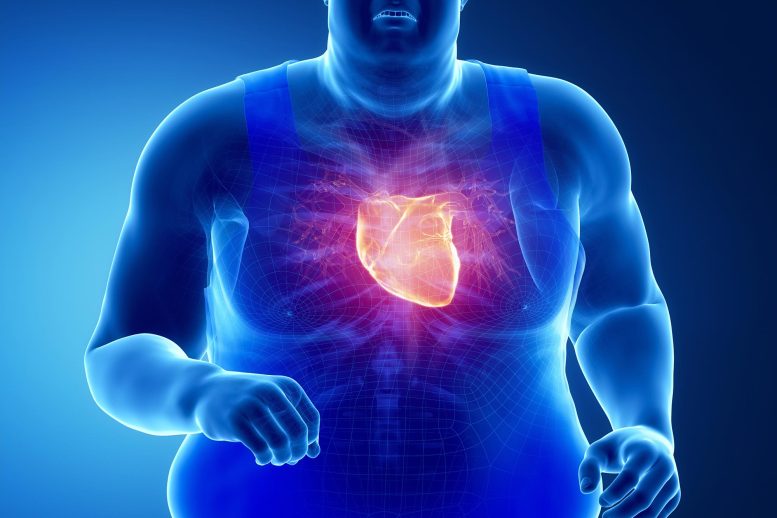
Swimming matched running for fitness gains but delivered greater heart growth and more favorable molecular changes, making it potentially more beneficial for cardiovascular health. For decades, swimming and running have been considered two of the best forms of aerobic exercise for cardiovascular health. But new research suggests they may not strengthen the heart in exactly [...]
Lower vitamin C levels were linked to reduced brain volume and weaker neural connectivity in older adults, suggesting a potential connection between nutrition and brain health. Could a common vitamin help preserve the brain as we age? A new study of more than 2,000 older adults in Japan found that people with lower levels of [...]
For 26 years, Bertrand Nelson’s body was a battleground. He fought HIV and sarcoidosis. Then, a devastating bout of Legionnaires’ disease in 2021 left his lungs shattered and his liver failing. By 2024, the 56-year-old was tethered to an oxygen tank.
He needed a miracle. On March 21, 2026, he got two and made medical history.
In a marathon surgery at NYU Langone Health, surgeons performed the world’s first HIV-positive-to-HIV-positive lung transplant. Nelson did not just get a new lease on life. He also received a new liver on the exact same day. Today, he is breathing entirely on his own.
“This is a watershed moment for the HIV-positive community and represents real progress in creating equity in organ transplantation,” said Sapna Mehta, MD, clinical director of NYU Langone Transplant Institute and co-architect of the research protocol.
“While these transplants are still only allowable under certain research protocols, this marks an expansion of options for people in need of a lifesaving organ,” Mehta added.
Expanded donor pool
Organs from HIV-positive donors were strictly discarded. However, the 2013 HIV Organ Policy Equity (HOPE) Act opened the door for research protocols to change that. While doctors have previously transplanted HOPE hearts, kidneys, and livers, the delicate and infection-prone nature of lungs kept them off the table until now.
The breakthrough addresses a deep inequity in the American healthcare system. Right now, roughly 1.2 million people in the U.S. live with HIV. Because of modern antiretroviral therapies (ART), most live near-normal lifespans and cannot transmit the virus.
Under the old rules, organ failure meant facing an excruciatingly long waitlist. By allowing HIV-positive patients to accept organs from HIV-positive donors, medicine is unlocking an entirely new pool of available lifelines.
“Transplantation of HOPE hearts and abdominal organs has been done before, but this has not been done in lung transplantation. It takes a special kind of patient to be willing to do something that hasn’t been done before,” said Mark A. Sonnick, MD, transplant pulmonologist at NYU Langone Transplant Institute and co-author of the research protocol.
Nelson was ready to be that patient. His motivation was close to home.
“I want to be well for her,” Nelson said, speaking of his mother, who turns 82 this August. “I want her to see me thriving.”
Nelson is doing fine now
In 2000, Nelson was diagnosed with HIV and sarcoidosis, a condition that went into remission until a severe case of Legionnaires’ disease in 2021 reactivated it, damaging both his lungs and liver.
By 2024, his health had deteriorated to the point of requiring continuous oxygen, leading to his evaluation for a groundbreaking dual-organ transplant under the HOPE Act. On March 21, the medical history was made with the first HIV-positive-to-HIV-positive lung transplant.
Nelson is currently out of the hospital, lifting weights, and rebuilding the strength he lost during four grueling years of limited mobility.
For the broader medical community, NYU Langone’s triumph is a proof of concept. The institute is currently one of the only centers in the nation approved to perform these specific transplants. But Nelson hopes his story will spark a chain reaction, raising awareness and expanding the protocol to hospitals nationwide.
“There are so many others who need access to this level of care,” Nelson said. “The more organs that become available, the better the odds of finding the right match and living a long life.”
You need a quarter teaspoon for your face alone, a half teaspoon if you include the neck (which you should!)
This is Optimizer, a weekly newsletter sent from Verge senior reviewerVictoria Song that dissects and discusses the latest gizmos and potions that swear they're going to change your life. Opt in for Optimizer here.
On TikTok, the tanned youths are explaining why they no longer wear sunscreen. In one video, a young man films himself in the ocean while describing how you can naturally build up a "solar callus" or sun tolerance to getting burned. (You can't.) In another, a young woman confidently states that eating healthy foods full of polyphenols and other antioxidants will help make your body more resilient to sunburn. (Antioxidants help w …
Artificial intelligence is already changing the way people search for information, translate languages, and communicate. Now, researchers believe the same technology could also help doctors detect heart disease. Heart disease affects hundreds of millions of people around the world and remains one of the leading causes of death. According to global estimates, nearly 18 million […]
High estrogen in the brain's memory center may worsen one's resilience against traumatic events, swaying the tendency to develop memory problems or post-traumatic stress in the aftermath, a recent study in mice suggests.
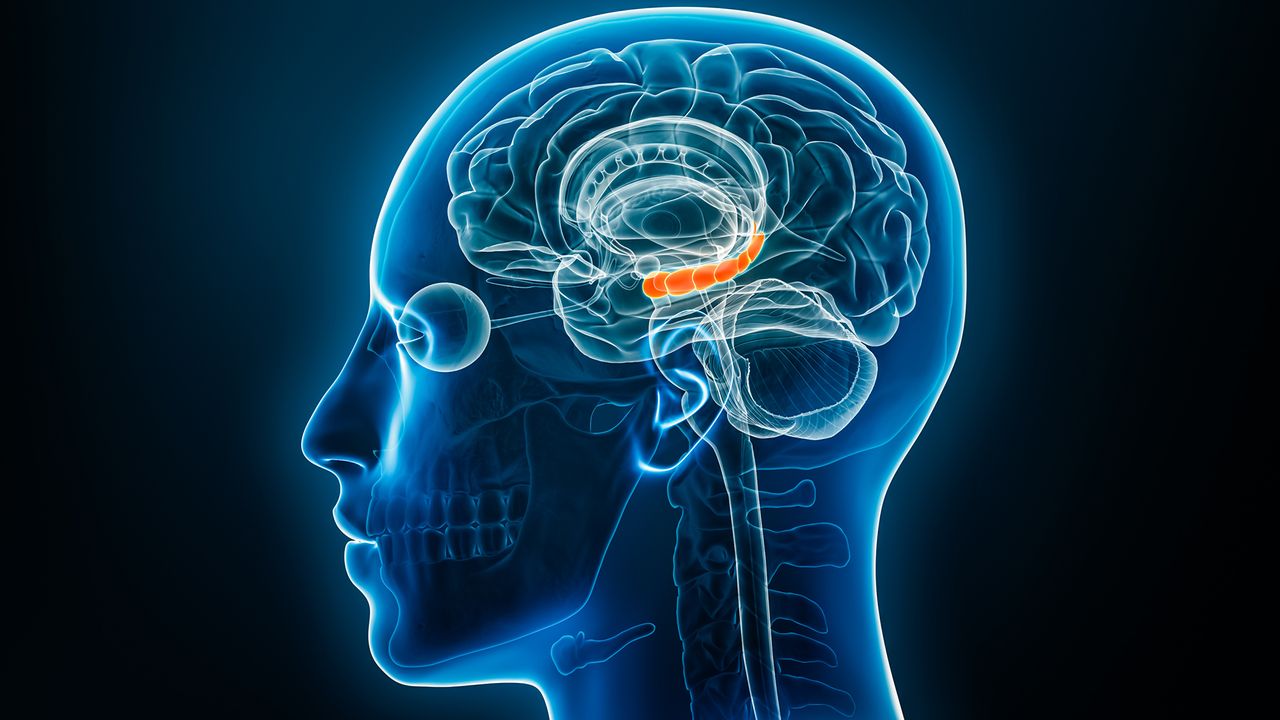
The research, published in April in the journal Neuron, explored the effects of estrogen in the mouse brain. It zoomed in on the hippocampus, a key part of the brain involved in learning and memory. Both male and female mammals produce significant amounts of estrogen in the hippocampus, despite it often being framed as a "female" hormone.
"We're so biased to think of female high estrogen, male low estrogen," said study co-author Elizabeth Heller, an associate professor of pharmacology at the University of Pennsylvania Perelman School of Medicine. But "in this local brain region, where you have local production of estrogen, actually sometimes the males are higher than the females depending on the female's cycling," Heller told Live Science. Estrogen levels in the female hippocampus rise and fall in line with the body-wide hormone cycle, while its levels in the male hippocampus remain fairly steady.
The study suggests that these local estrogen concentrations may influence one's vulnerability to memory problems following major acute stress. Although the research was conducted in mice, the authors think it likely has relevance to humans.
"I think this is highly translatable," study senior author Dr. Tallie Z. Baram, a professor, developmental neuroscientist and child neurologist at the University of California, Irvine, told Live Science.
About 10% to 12% of women experience PTSD in their lifetime, compared with 5% to 6% of men. Some of that difference may stem from variance in men's and women's lived experiences; for instance, women have higher rates of sexual assault at young ages than men do. Biological differences between women and men are another potential factor, but their contribution to the phenomenon is poorly understood.
The new study highlights hippocampal estrogen as one difference that might matter. "The research has uncovered important new avenues for research on PTSD," Victoria Luine, a professor emerita of psychology at Hunter College in New York City who wasn't involved in the work, told Live Science in an email.
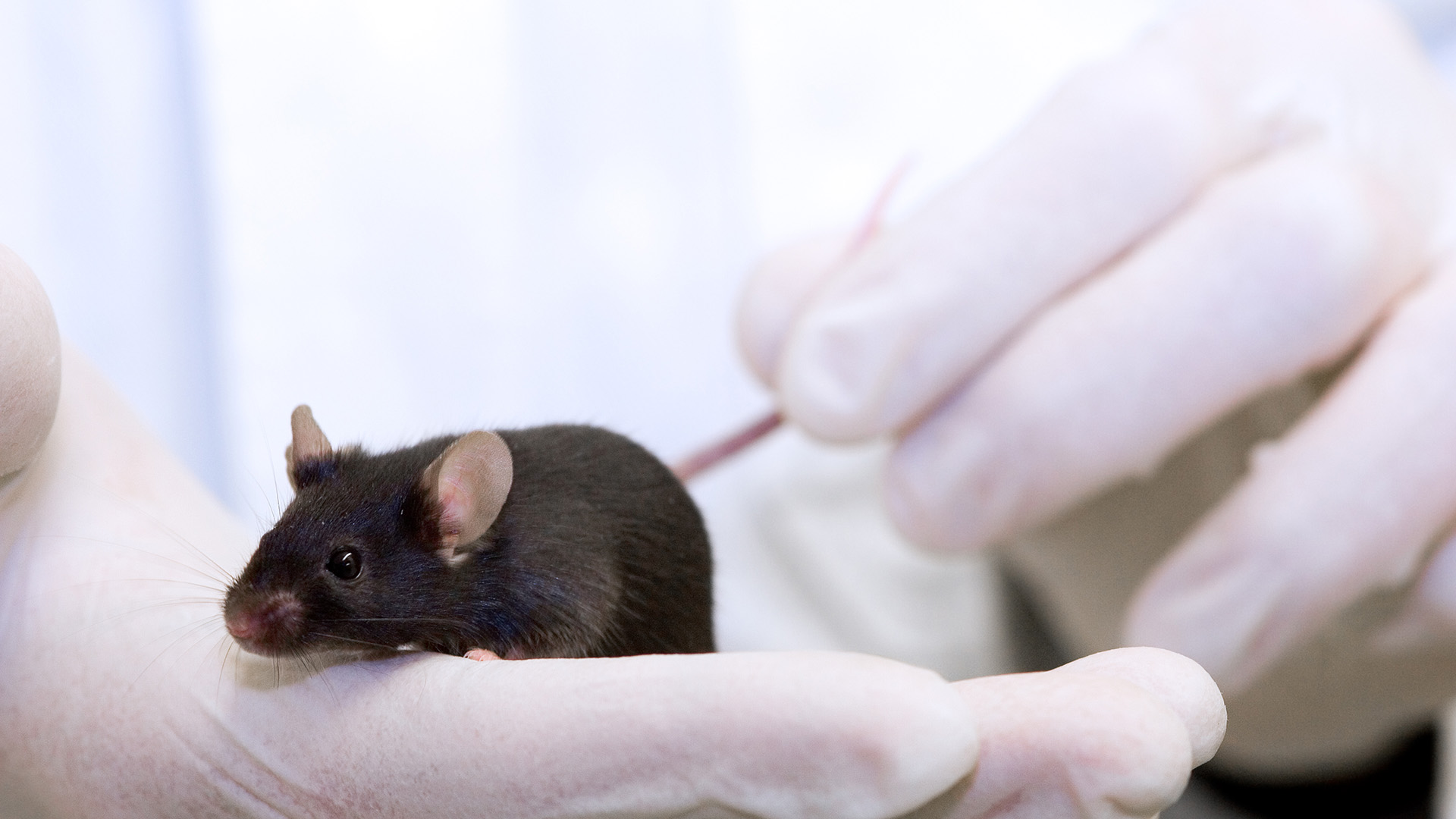
In the study, researchers simulated acute traumatic events by exposing lab mice to multiple stressors at the same time, including bright lights, loud music and the odors of other stressed-out mice. They ran the mice through various memory tests before and after the stressful experience and compared these rodents with a group that did not experience such stressors.
Compared with unstressed mice, the stressed-out male mice performed worse on the various memory tests, and those deficits persisted for weeks. "Even a month later, they had a memory deficit — so it's a really perseverative effect," Heller said.
The hormone cycles of female mice and humans are similar, but they occur on very different timescales, with the mouse cycle being about one-seventh the length of the human cycle. (Image credit: dra_schwartz via Getty Images)
A similar pattern was seen in female mice that were stressed out during proestrus, the phase of their hormone cycle when estrogen peaks and the body prepares for ovulation. Both sets of mice learned to associate certain cues with the stressful experience and avoid them, with females being more sensitive to those cues than males were.
But interestingly, female mice that were stressed during estrus, when estrogen plummets and ovulation occurs, showed resilience. Their behavior and memory remained comparable to those of unstressed mice. "The female mice that had low levels of estrogen laughed it off — they were completely protected," Baram said.
Studies suggest hippocampal estrogen levels are similar in male and proestrus female mice, while estrus females have lower levels. The researchers confirmed this using a technique called mass spectrometry, finding that estrus mice had half the amount of hippocampal estrogen that the males and proestrus females did.
In this context, that lack of estrogen in the hippocampus appeared to guard against the negative effects of stress. This finding was surprising, Baram noted, because estrogen is generally thought to promote memory function in both sexes and declines in estrogen, as seen during menopause, are tied to memory problems. That said, menopause takes place over a much longer timeline than the female mouse hormone cycle, which takes only four or five days.
A connection to DNA
Why do estrogen levels matter for memory? "Estrogen receptors directly control gene expression," Heller said. By binding to its receptors, estrogen turns the activity of certain genes up or down.
Heller's lab studies mechanisms that control gene activity in the context of psychiatric disorders. One of those mechanisms is chromatin remodeling, meaning changes in how DNA is packaged in a cell that can shift which genes can be activated at a given time. A portion of the chromatin can be "open," exposing genes to machinery that turns them on, or "closed," which typically shuts genes down.
It turns out that the high hippocampal estrogen in male mice and proestrus female mice opens up their chromatin in a way that might leave them vulnerable to memory issues ushered by severe stress. Female mice in estrus, by contrast, have a totally distinct chromatin profile that appears to be protective.
What is it about women at that stage in life that makes them more vulnerable to memory loss with aging?
Tallie Z. Baram, professor, developmental neuroscientist and child neurologist at the University of California, Irvine
"We can see that the function of many of those [open] genes relates to synapse biology," Heller said. Synapses are the points at which different neurons meet and exchange electrical signals, and they're central to the physical structure of memories in the brain.
It may be that, in most circumstances, it's useful to have high levels of hippocampal estrogen because they "open" the chromatin, enabling the hippocampus to forge new memories quickly in response to new experiences, Baram noted. But when these experiences consist of severe acute stress, "that same plasticity, that same ability of the brain to learn, turns problematic," she said. If the results carry over to humans, women may be particularly vulnerable to these memory impacts in certain phases of their menstrual cycles or points in their lifespans when estrogen is high.
In males and females, different flavors of estrogen receptor were responsible for the stress-induced memory issues. The reasons for this difference will be a matter of future study, Baram said. Additionally, future research could attempt to pinpoint exactly where the different estrogen receptors are located throughout the hippocampus, Heller said.
The study provides a "strong demonstration that estrogens drive sex-dependent, stress-induced changes in chromatin networks which can dramatically alter neural functions like memory," Luine said. What's more, "these results present cogent evidence that sex is a powerful biological variable."
It's important to include both sexes in research to truly understand how the brain functions and responds to external factors, like stress, Luine said. "An important aim of this and other studies is to protect humans against PTSD," she added, and this study strongly suggests preventive treatments for PTSD might need to be tailored by sex.
Beyond PTSD, Baram thinks the research could have implications for women's risk of aging-related memory problems and dementia.
The decline of estrogen in menopause is thought to raise this risk, but prior to menopause comes perimenopause — a period with massive spikes in estrogen. The study's findings hint that if stress shows up during perimenopause, the combination of stress and high estrogen levels may contribute to memory problems. Thus, perimenopause may represent another time when women are particularly vulnerable to memory disturbances, Baram suggested.
"We need to start thinking a little bit differently," she said. "What is it about women at that stage in life that makes them more vulnerable to memory loss with aging?"
This article is for informational purposes only and is not meant to offer medical advice.
This article was first published May 4, 2026.
See how much you know about the most complex organ in the human body with our brain quiz!
A solução de fisioterapia remota com IA da Sword estará disponível no SNS a partir da próxima semana. Segundo o únicórnio português, o objetivo passa por reduzir as listas de espera, cortar custos com deslocações e tornar o acesso a cuidados de saúde mais conveniente para todos os utentes.
Following the pandemic, the federal government is spending $150 million on new technology to ensure clean indoor air. Here’s what scientists are pursuing.
A London clinic owner has claimed he is treating people with stage 4 cancer by sealing them into a plastic bag while they're naked from the waist down and gassing them with chlorine dioxide.
A London clinic owner has claimed he is treating people with stage 4 cancer by sealing them into a plastic bag while they're naked from the waist down and gassing them with chlorine dioxide.
Researchers developed a brain-controlled gaming system that learns from the brain’s natural wiring, enabling fast BCI training and potentially transforming medicine, mental health, and human-computer interaction. It may not be long before video game controllers become optional. Researchers at Yale University have developed a new brain-computer interface (BCI) that allows people to play video games [...]
Treating high blood pressure seems simple in theory. Doctors diagnose the condition, prescribe medicines, and expect blood pressure to improve. In reality, controlling hypertension is often much more complicated. High blood pressure is frequently called a silent killer because it can quietly damage the body for years without causing noticeable symptoms. The condition greatly increases […]
For many years, e-cigarettes and vapes have been promoted as a safer alternative to traditional cigarettes. Because they do not burn tobacco, many people assumed they were far less harmful than smoking. Their fruity flavors, modern designs, and marketing campaigns reinforced the idea that vaping was a cleaner and healthier choice. Some health experts even […]

 Login

 Scientists identified an autoimmune mechanism linked to a major IBD risk gene, opening the door to targeted diagnosis and personalized therapies for thousands of patients. For decades, inflammatory bowel disease (IBD) has been treated as a single disorder, even though patients often experience dramatically different symptoms, disease courses, and responses to therapy. A new study [...]






 Early action is crucial.

 The eyes are a window to the brain.

 This could prevent thousands of hospitalizations.