❌

Reading view

Video: Child-friendly Codey robot showcases embodied AGI future in education, healthcare

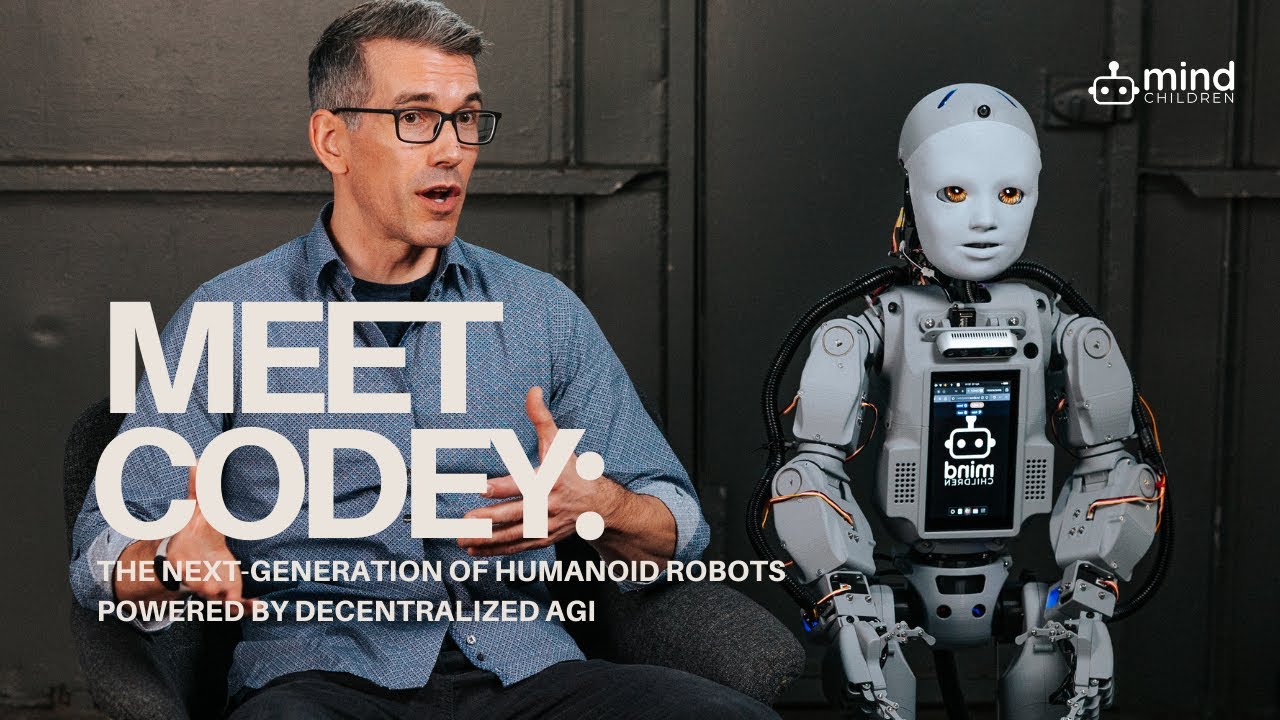
A Seattle-based robotics company has developed a three-foot-tall humanoid robot designed for use in public attractions and venues.

The AI-powered robot named Codey can navigate autonomously, engage in conversations without remote human control, and make independent decisions.

While not yet capable of performing complex physical tasks such as fetching objects, Codey is being developed for future roles in healthcare, education, and hospitality.

The company says the robot is designed to interact naturally with people, particularly children, in public-facing environments.

Codey targets companionship

Codey is designed to serve as an interactive companion in public-facing environments. Standing about three feet tall, the robot features glowing hazel eyes, expressive facial animations, and a friendly appearance intended to engage users, particularly children.

Powered by AI, Codey can navigate autonomously, hold conversations, and make basic decisions without requiring a remote human operator. Unlike many robots that rely heavily on teleoperation, Codey is designed to function independently, enabling more natural and responsive interactions with people. The robot uses a combination of sensors, onboard computing, and AI software to understand its surroundings and communicate with users in real time.

Mind Children plans to conduct pilot studies this year in museums, hotels, and art galleries to gather data and refine Codey ahead of mass production. One of the company’s near-term objectives is to enable the robot to perform simple physical tasks, such as pressing buttons. A second-generation version of Codey is scheduled for release in 2027. To support development, Mind Children has launched a crowdfunding campaign and has raised more than $600,000 toward its $1 million funding target.

In the longer term, Codey is expected to be introduced into healthcare, education, and hospitality settings. Potential applications include assisting visitors with information, providing companionship, supporting learning activities, and helping organizations deliver more engaging customer experiences.

Embodied AGI advances

At the core of Mind Children’s robotics platform is Hyperon, the decentralized artificial general intelligence (AGI) framework developed by SingularityNET. The system is designed to give robots advanced cognitive capabilities that go beyond traditional rule-based automation, enabling them to reason, learn, adapt, and make decisions in dynamic real-world environments.

By integrating Hyperon into its humanoid robots, Mind Children aims to create machines capable of understanding context, processing complex information, and responding more naturally to human interactions. The framework incorporates knowledge representation, reasoning engines, and human-inspired motivation systems that help robots prioritize tasks, pursue goals, and adapt their behavior based on changing circumstances. This approach is intended to move robots closer to exhibiting flexible, human-like intelligence rather than performing only pre-programmed actions.

Unlike conventional AI systems that rely on centralized computing and data control, Hyperon operates within SingularityNET’s decentralized ecosystem. This architecture allows AI services, knowledge resources, and computational capabilities to be distributed across a network, promoting collaboration, scalability, and interoperability among different AI agents and robotic platforms.

The partnership between Mind Children and SingularityNET positions the company among the first developers pursuing embodied decentralized AGI—an emerging field that combines advanced artificial intelligence with physical robotic systems. The goal is to create autonomous robots capable of perceiving, reasoning, learning, and interacting with the physical world while continuously improving their capabilities through decentralized intelligence networks.

💾

Codey, a child-friendly AI humanoid robot, is set for public deployment as Mind Children expands its capabilities.
  •  

US firm unveils humanoid and robots with new ecosystem for embodied ‘intelligence’

US robotics firm Faraday Future (FF) has unveiled its first-half embodied AI (EAI) robotics lineup, introducing a full-form Robot World that spans six major product series.

The company also launched what it describes as the world’s first Three-in-One EAI Robotics Education Ecosystem Strategy, aimed at connecting robotics education, industry, and consumer applications.

During an event at its new headquarters in El Segundo, California, Faraday Future debuted the Futurist humanoid robot and the FX Navi quadruped robot, with the latter priced at $1,990 and available for immediate sale and delivery.

The California-based firm also announced the FF Robotics Partner Program, designed to expand global collaboration across its robotics ecosystem.

Robotics ecosystem unveiled

FF has unveiled a broad EAI robotics ecosystem, introducing four new robots, an open developer platform, and what it describes as the world’s first Three-in-One EAI Robotics Education Ecosystem Strategy aimed at accelerating consumer and educational adoption of physical AI technologies.

Leading the launch is the All-New Futurist humanoid robot, positioned as FF’s flagship professional-grade platform. Standing about 5 feet 8 inches tall and weighing approximately 121 pounds (54 kilograms), the robot is 14 percent lighter than its predecessor and features a redesigned structure for greater stability and more natural movement. Equipped with 31 degrees of freedom and a knee-joint torque of up to 320 Nm, the humanoid can run at speeds approaching 11 mph (17.7 km/h).

According to the firm’s statement, it is powered by a dual-battery system that offers up to 6 hours of runtime. It is built on a Vision-Language-Action (VLA) architecture combined with a World Model for advanced perception, reasoning, and autonomous decision-making. The robot is designed for commercial reception, guided services, industrial handling, warehouse operations, and hazardous-environment tasks. Additional specifications and pricing will be announced at Automate 2026 in Chicago on June 22.

FF also launched the FX Navi, a quadruped robot designed for home and classroom use. Marketed as the first foundational EAI learning quadruped robot in the United States, Navi combines robotics hardware with a dedicated STEM education ecosystem. The robot features 12 motorized joints, weighs 8 kilograms, and can navigate everyday indoor environments. A smartphone inserted into the head module serves as its computing platform, supporting both iOS and Android devices.

Users can customize the robot through downloadable and printable 3D head designs, while over-the-air updates will continuously add new capabilities such as autonomous following, multimodal perception, and natural interaction. Navi starts at $1,990, with optional development and curriculum packages available for students, educators, and developers.

One brain strategy

The company also previewed two upcoming humanoid robots. Master Mini, approximately one meter tall, is designed for education and robotic sports competitions, while Nova, standing about 50 centimeters tall, is intended as an entry-level educational and companion robot for children.

FF said its robotics strategy is built around a “one brain, multiple forms” approach designed to power a wide range of embodied AI robots from a shared intelligence platform. At the core of the strategy is FF’s evolving EAI Brain, based on a Vision-Language-Action (VLA) architecture and World Model, supported by an open-source developer ecosystem. The company says the platform is designed to operate across different environments, perform tasks autonomously, and adapt to new applications through its Skills and Agent system.

Rather than focusing on a single humanoid robot, FF is developing multiple robot form factors under its EAI Robot World concept, allowing a common AI brain to be deployed across different devices and use cases. The ecosystem is further supported by an EAI Data Factory that gathers real-world operational data and a global industry network aimed at improving manufacturing efficiency and reducing costs. Together, these elements form an expanding ecosystem designed to support large-scale deployment of embodied AI technologies.

FF additionally launched its open developer platform, featuring tools such as Brain Blocks visual programming, natural-language coding, robot personality customization, motion-generation software, and SDKs for professional developers. Through its new Agent Skill Store and Developer Ecosystem Program, FF aims to encourage contributions from students, educators, researchers, and software developers while expanding robotics adoption across homes, schools, and industry.

💾

Faraday Future launches humanoid and quadruped robots, unveiling a new embodied AI ecosystem and education strategy.
  •  

Europe builds robotic arm that can see, feel and handle samples for Moon missions

European Space Agency (ESA) engineers are assembling one of Europe’s most advanced robotic arms, a system designed to handle samples and perform complex tasks during future missions to the Moon and Mars.

Known as the Sample Transfer Arm (STA), the robot can extend up to 2.4 meters and move with seven degrees of freedom, giving it a range of motion similar to a human arm. The system is equipped with cameras, sensors, and onboard electronics that allow it to perceive its surroundings and perform tasks with a high level of autonomy.

The robotic arm was originally developed as part of the joint NASA-ESA Mars Sample Return campaign. Its role was to transfer Martian samples collected by NASA’s Perseverance rover for eventual return to Earth.

Although the future of Mars Sample Return remains uncertain, the technology is now being positioned for a wider range of applications, including future lunar exploration missions.

Human-like space helper

The arm features a shoulder, elbow, and wrist configuration similar to a human arm. At its tip is a gripper capable of handling objects with millimeter-level precision.

The system also includes a sophisticated force and torque sensor that acts as a sense of touch. The sensor measures how an object is being pushed, pulled, or twisted in three-dimensional space, allowing the arm to manipulate items with greater accuracy.

Position sensors embedded throughout the joints continuously calculate the location of the arm’s tip, helping maintain precise control during operations.

Engineers say this level of precision could prove useful for a variety of activities in space, including collecting geological samples, transferring equipment, and supporting astronauts during surface missions.

The robotic arm also contains its own electronics unit, which acts as the system’s control center. Cameras mounted on the arm provide visual awareness, enabling the robot to detect and interact with objects in its environment.

Ready for testing

Teams at Italian aerospace company Leonardo are currently completing the integration of the system at the company’s facility in Nerviano, near Milan.

In the coming weeks, engineers will begin testing the arm in simulated space environments to evaluate its performance before any future deployment.

The project brings together companies and suppliers from across Europe. The industrial consortium is led by Leonardo and includes GMV and AVS from Spain, Maxon from Switzerland, 3DPlus from France, and COMOTI from Romania, along with suppliers from Denmark, Greece, and Germany.

The arm incorporates several specialized systems designed for spaceflight. These include a flexible wrist mechanism that allows softer contact with objects, a flat electrical harness that carries hundreds of signals throughout the arm, and structural mechanisms that help withstand the forces experienced during launch and landing.

European space agencies view advanced robotics as a key capability for future exploration missions, particularly as crews prepare for longer stays on the Moon and eventual missions to Mars.

With its ability to see, feel, and autonomously manipulate objects, the Sample Transfer Arm could become an important tool for handling samples and supporting scientific operations beyond Earth.

  •  

Can AI Help You Find Your Lost Keys?

In a groundbreaking stride toward enhancing robotic cognition, scientists at MIT have unveiled an innovative memory framework that equips robots with the capacity to create, retain, and retrieve extensive, richly annotated spatial memories over extended periods. This advancement marks a significant leap beyond traditional robotic mapping techniques, enabling robots to comprehend and interact with complex environments in ways that closely mirror human spatiotemporal reasoning. The development promises transformative impacts on robotic collaboration with humans, particularly in dynamic and large-scale settings such as industrial facilities and urban landscapes.

Traditional robots, while adept at constructing geometric maps and executing predefined tasks, lack the nuanced memory capabilities that humans effortlessly employ. Consider a factory worker recalling the exact location of a partially assembled component from the previous day—a routine yet intricate cognitive task. Robots confronted with this scenario traditionally falter because their mapping systems fail to integrate detailed object descriptions and temporal context seamlessly. MIT’s new framework addresses this critical deficiency by embedding rich semantic information directly into the spatial maps robots generate as they navigate, thus producing a coherent, language-accessible mental model of their environment.

At the core of this system is a method termed Describe Anything, Anywhere, Anytime, at Any Moment (DAAAM), which synergizes advanced computer vision with robust spatial mapping. DAAAM endows robots with the ability to tag objects with descriptive annotations as they explore. For instance, a robot might label a building as the “Stata Center,” noting its architectural style, or observe a collection of bicycles and recall specifics such as a red bike sporting a flat tire. Crucially, these annotations are spatially organized within a three-dimensional map, allowing the robot to group objects logically by their locations and create a persistent, queryable memory that supports efficient retrieval.

One of the distinguishing challenges in realizing such a system lies in balancing the richness of data with the constraints of real-time operation. Existing approaches to detailed environmental annotation are computationally intensive, often taking precious seconds to process a handful of objects, thereby rendering them impractical for dynamic robotic applications. To solve this bottleneck, the MIT team engineered an optimization technique for keyframe selection, enabling the robot to identify and annotate images that offer the clearest and most comprehensive view of multiple objects simultaneously. This selective strategy accelerates the annotation process by an order of magnitude, permitting the robot to construct and update its semantic map as it moves without latency.

Beyond data acquisition, the ability to efficiently query and extract relevant information from the amassed database of spatial and semantic knowledge is vital. The researchers integrated a sophisticated large language model (LLM) enhanced with tailored toolsets designed to mitigate common issues such as hallucinations and to refine the relevance of retrieved data. This framework allows for rapid, accurate responses to complex spatial-language queries like, “Where did I leave my wallet?” or inquiries about specific landmarks within an indoor or outdoor environment. By leveraging semantic search capabilities that consider both linguistic cues and geographical context, the robot can pinpoint targets with remarkable precision and speed.

The practical implications of this technology are profound. In manufacturing settings, a robotic assistant could be dispatched to retrieve components based on natural language queries referencing past events and locations, thus augmenting human productivity and safety. Similarly, augmented reality systems could harness this structured long-term memory to guide maintenance personnel through complex infrastructure, flag anomalies based on historical data, or assist commuters in navigating public transportation hubs with personalized, context-aware directions.

MIT’s approach signifies a departure from conventional 3D mapping systems that either sacrifice descriptive depth for computational efficiency or rely on rich annotations that are prohibitively slow to generate at scale. By fusing high-level semantic perception with spatial cognition underpinned by real-time processing capabilities, DAAAM lays the foundation for a new class of robots that can engage in sophisticated spatial-temporal reasoning analogous to human common sense.

Ongoing research aims to extend this framework’s scope to encompass temporally dynamic events, enabling robots not only to remember object locations but also to encode significant occurrences within their environment. Integrating confidence metrics into the system’s responses is also a priority, enhancing the reliability and interpretability of information supplied to human users in collaborative scenarios. The vision is to cultivate a versatile, generalist robotic agent capable of executing diverse tasks on demand through naturalistic human-robot interaction grounded in shared language and understanding.

The robustness of the DAAAM system was empirically validated through comparative experiments, demonstrating superior accuracy over leading existing methodologies by margins ranging from 21 to 53 percent, contingent on the nature of the queries. The project’s intersection of computer vision, robotics, and natural language processing underscores a multidisciplinary approach vital for advancing intelligent autonomous systems that are primed for real-world deployment.

With the proliferation of autonomous machines across myriad domains, the advent of this long-term spatiotemporal memory framework addresses a pivotal gap in robotic intelligence. Robots equipped with such memory capabilities can transcend static, pre-programmed functions, adapting fluidly to evolving tasks and environments while fostering seamless collaboration with humans through shared understanding. As such, MIT’s contribution is poised to accelerate the integration of robots as capable and context-aware partners in everyday human endeavors.

This research, funded partly by the U.S. Army Research Laboratory and the Office of Naval Research, was publicly disclosed in a paper authored by Nicolas Gorlo, Lukas Schmid, and Luca Carlone and presented at the Conference on Computer Vision and Pattern Recognition (CVPR). Luca Carlone, the principal investigator and a professor at MIT’s Department of Aeronautics and Astronautics, emphasizes that the technology was developed with the goal of endowing robots with human-like language-based spatial reasoning, a foundational step toward more intelligent and helpful machines.


Subject of Research: Robotics, Artificial Intelligence, Long-Term Spatial Memory for Robots

Article Title: MIT Develops Real-Time Long-Term Memory Framework for Robots Combining Semantic Understanding with 3D Mapping

News Publication Date: Not explicitly stated; presented at CVPR 2024

Web References:

Image Credits: MIT

Keywords

Artificial intelligence, Robotics, Spatiotemporal memory, Computer vision, Long-term memory, Language models, Human-robot interaction, Autonomous systems, Machine learning, Semantic mapping, Real-time processing, Augmented reality

  •  

AI coding agents taught robots how to install GPUs and cut zip ties

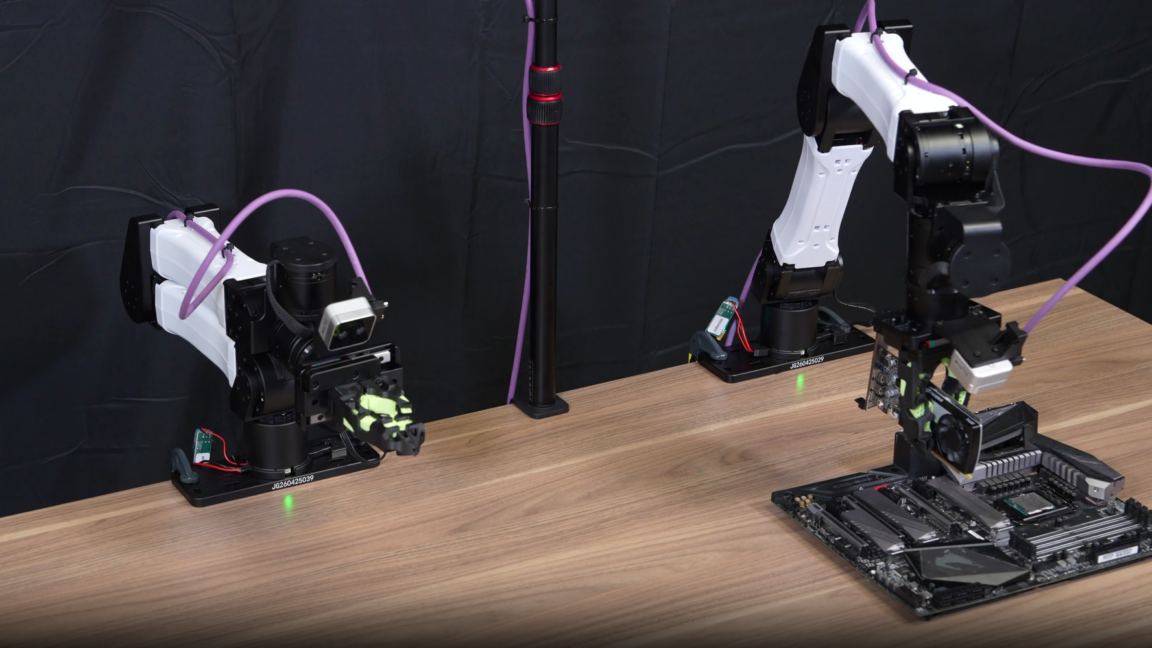
What happens when you give AI coding agents a lab full of robotic arms, some compute resources, and a “generous token budget” for teaching the robots various tasks? The agents can apparently figure out a training regimen that teaches the robots to successfully cut zip ties and even insert GPUs into thin sockets on motherboards.

That glimpse into how AI can act in a fully autonomous way to automate robot training was made possible by a new agent harness framework—software that wraps around AI models to enable their use of various tools while also providing capabilities such as memory, context, constraint, and feedback loops. That agentic harness, called ENPIRE, was developed by robotics researchers at the Nvidia GEAR (Generalist Embodied Agent Research) lab alongside collaborators from Carnegie Mellon University in Pittsburgh and the University of California, Berkeley.

“A part of our NVIDIA GEAR lab now self-improves tirelessly overnight,” wrote Jim Fan, director of AI at NVIDIA, in a LinkedIn post. “We just read the reports in the morning.”

Read full article

Comments

© NVIDIA

  •  

Scientists Create Modular Nanorobot Inspired by Mini Lunar Rockets

A groundbreaking advancement in nanotechnology has emerged from the University of Basel, Switzerland, where a research team has engineered a sophisticated modular nanorobot exhibiting unparalleled versatility. This innovative system comprises two distinct, reusable components: a propulsion module and a payload capsule, which autonomously self-assemble through a DNA-based molecular Velcro mechanism. Their dynamic interplay offers promising applications across medicine, industry, and environmental science, heralding a transformative direction in nanorobotics research.

Nanorobotics has often been confined to the realm of science fiction, evoking images of minuscule machines navigating within the human body or cleaning up environmental pollutants. However, the rapid progress in this field reflects a new reality where these tiny constructs—differing fundamentally from conventional robots due to their biochemical and nanoscale nature—have started to fulfill tangible roles. Unlike traditional robots equipped with electronic circuits and software, these nanorobots utilize biomolecules and nanoparticles as their building blocks, innovatively combining bioengineering and materials science.

The design philosophy underlying the Basel team’s nanorobot addresses a critical limitation that has hampered previous efforts: specificity of function. Traditional nanorobots tend to be single-purpose entities, finely tuned for a particular task and lacking adaptability. In contrast, this modular system’s architecture allows for the independent development and exchange of functional units, rendering it highly customizable. Such adaptability is pivotal for extending the utility of nanorobots across diverse scenarios, from executing targeted drug delivery within the human body to catalyzing chemical reactions in industrial environments.

At the core of the nanorobot’s structure lies two integral modules. The first is a magnetic propulsion unit, which empowers the nanorobot with directed mobility under external magnetic fields. This enables precise navigation through complex environments—a critical capability for any targeted therapeutic or catalytic application. The second module serves as a payload capsule, designed to securely house and transport therapeutic agents, enzymes, or other functional molecules to desired locations. This segregation of propulsion and payload functions epitomizes engineering elegance at the nanoscale.

The payload capsule is particularly remarkable due to its internal composition. It encapsulates four enzyme-loaded polymer vesicles—nanoscale spherical structures synthesized from polymers that can safeguard and regulate the biochemical cargo within. These vesicles are equipped with nanoscaled pores, facilitating the ingress of substrate molecules and the egress of reaction products while protecting the encapsulated enzymes from premature degradation or deactivation. Moreover, depending on the specific configuration, these vesicles can be selectively triggered to release bioactive substances on demand, a feature critical for controlled therapeutic interventions.

Achieving a robust yet reversible connection between the propulsion module and payload capsule, the researchers employed a DNA-based “Velcro” assembly system. This approach utilizes complementary strands of DNA grafted on the surfaces of both modules, fostering specific and programmable binding through Watson-Crick base pairing. Such molecular precision guarantees that the modules self-assemble and remain stably coupled during operation, yet can be separated and recombined efficiently. This dynamic assembly-disassembly paradigm allows for easy reloading of the payload and recycling of the propulsion units, a major advantage for scalability and cost-efficiency.

Another notable feature enhancing the nanorobot’s functionality is the strategic modification of the payload capsule with biomolecular ligands that enable targeted docking onto specific cells or substrates. Using the human cancer cell line HeLa as a test model, the scientists demonstrated that these nanorobots, when loaded with fluorescent markers, preferentially accumulate on the cell surfaces. This active targeting capability is instrumental for precise delivery of therapeutic agents, ensuring minimal off-target effects and enhancing treatment efficacy.

In a striking demonstration of biomedical potential, the enzyme-laden nanorobots successfully synthesized an anticancer drug directly at the targeted site, reducing the viability of HeLa cells to a mere 16 percent within 72 hours. This localized drug production exemplifies an advanced therapeutic approach where site-specific synthesis and delivery converge, potentially overcoming challenges related to systemic side effects and suboptimal drug concentrations. According to Dr. Voichita Mihali, the lead author, this concentration of drug activity represents a promising strategy for future oncological applications.

Beyond the biomedical sphere, the modular nanorobot’s catalytic prowess, combined with its magnetic propulsion, opens compelling avenues in environmental and industrial contexts. For instance, nanoscale catalysts capable of performing complex chemical transformations can be transported magnetically to reaction sites, where they perform precise functions before being retrieved for reuse. This magnetically enabled recyclability addresses a critical sustainability challenge, aligning with growing demands for environmentally responsible and economically viable technologies.

The ability to dissociate the two modules after task completion and reload the payload capsules before reassembling them underscores the potential for repeated usability. This reusability is vital for practical implementations where cost limitations and material efficiency are paramount. Moreover, it facilitates adaptability, as different payloads can be swapped in according to the specific functional requirement, whether it be therapeutic commands or industrial chemical catalysis.

Importantly, the modular design philosophy extends the nanorobot’s versatility beyond its current framework. By altering the composition of the payload capsule, this platform could be customized for a plethora of applications without necessitating complete redesign. This adaptability accelerates translational research by leveraging a common technological foundation to address multiple challenges spanning healthcare, environmental remediation, and manufacturing.

The interdisciplinary nature of this project also highlights effective scientific collaboration, combining expertise from the National Center of Competence in Research – Molecular Systems Engineering, the Swiss Nanoscience Institute, and Heidelberg University. Such collaborative efforts are critical to tackling the complex engineering and biological challenges inherent in creating functional nanomachines capable of interacting reliably within diverse and dynamic environments.

While the modular nanorobot represents a significant leap forward, its ultimate deployment in human clinical settings remains a long-term objective, contingent on extensive biocompatibility and safety validation. Nonetheless, its current design and demonstrated functionalities establish a crucial foundation. The system’s adaptability and multifunctionality promise to catalyze new directions in nanomedicine and industrial nanotechnology, potentially revolutionizing how minute robots operate and impact their environments.

In conclusion, the University of Basel’s innovative modular nanorobot not only redefines the capabilities of nanoscale machines but also introduces an engineering paradigm centered on modularity, programmability, and reusability. Its ability to combine magnetic propulsion with a versatile, enzyme-loaded payload paves the way for localized therapies and catalysis with unprecedented precision and efficiency. This research marks a transformative milestone that will likely inspire continued exploration into modular nanorobotics, nurturing advancements that could one day address some of the most pressing challenges in medicine and technology.


Subject of Research: Modular Nanorobots with Enzyme-Based Catalytic Activity and Magnetic Propulsion

Article Title: Multiplex Modular Nanorobotic Systems with Catalytic Activity under Magnetic Navigation

Web References: https://doi.org/10.1002/adfm.202600079

References: Advanced Functional Materials, University of Basel Research Articles

Image Credits: Voichita Mihali, University of Basel

Keywords

Nanorobots, Modular Nanorobotics, Enzyme Catalysis, Magnetic Propulsion, Targeted Drug Delivery, Polymer Vesicles, DNA-Based Assembly, Cancer Therapy, Biocompatible Nanomachines, Reusability, Molecular Velcro, Nanomedicine

  •  

Upsampling method sharpens AI vision with up to 16 times less GPU memory

From facial recognition on smartphones to humanoid robots, computer vision technology, which serves as the eyes of artificial intelligence (AI), is widely used in daily life. A joint research team from KAIST and international institutions has developed a technology that allows AI to see the world more clearly with minimal memory, increasing GPU (Graphics Processing Unit) memory efficiency by up to 16 times. The achievement is seen as a core technology that could accelerate the era of humanoid robots and on-device AI.

  •  

China’s Alibaba unveils AI brains designed to power the next generation of robots

Chinese firm Alibaba has launched its first embodied AI model family, which links large language models with real-world robotic actions.

The Qwen-Robot suite was developed by Alibaba’s Tongyi Lab and is undergoing pilot testing with selected Alibaba Cloud enterprise clients.

The suite comprises three models focused on navigation, manipulation, and world modeling for robots operating in physical environments.

Alibaba said the models enable machines to perceive, reason, and interact with the real world, joining a growing global push to advance embodied AI beyond traditional chatbot applications.

Robots meet reasoning

Alibaba says its Qwen family of AI models has become very good at understanding the physical world. These models can recognize objects, understand spatial relationships, follow complex visual instructions, and reason about real-world environments. For example, a model can understand a command such as, “Go to the kitchen, find the red cup, pick it up, and place it on the shelf.”

However, understanding a task is different from actually performing it. While a vision-language model (VLM) can describe the steps needed to complete a task, it cannot directly control a robot’s movements. The challenge is connecting human language and visual understanding with the motor actions required to interact with the physical world.

This problem is difficult because robot training data is very different from internet data. Information collected from navigation systems, robotic arms, vehicles, and cameras comes in different formats and is expensive to gather. Simply combining all this data often creates conflicts rather than improving performance.

To address this, Alibaba developed the Qwen-Robot Suite, which includes three specialized models. Qwen-RobotNav focuses on movement and navigation. It helps robots follow instructions, navigate to locations, track targets, and support autonomous driving.

According to its website, Qwen-RobotManip focuses on physical interaction. It enables robots to grasp, move, and manipulate objects using a large training dataset collected from different robotic systems. Qwen-RobotWorld acts as a world model, predicting how environments may change and helping robots understand the likely outcomes of their actions.

Together, these models aim to enable robots to understand instructions, interact with objects, navigate environments, and make decisions in the real world.

Physical AI accelerates

Alibaba showcased Qwen-RobotNav on a Unitree Go2 quadruped powered by NVIDIA Jetson Thor hardware and a single low-resolution camera. The robot successfully navigated an unfamiliar apartment, following spoken instructions across multiple rooms without preloaded maps, while maintaining an inference latency of 196 milliseconds.

The company claims that Qwen-RobotManip, its robotic manipulation model, was trained on more than 38,000 hours of open-source data covering object handling and interaction tasks. According to Alibaba, the model recently achieved the highest score in the generalist category of the RoboChallenge real-world robotics benchmark, earning a process score of 59.83 and a task success rate of 45 percent.

The company also unveiled Qwen-RobotClaw, a robotics agent framework that enables Qwen models to use the Qwen-Robot suite as physical-world tools. In one demonstration, an agent searched for a restroom, identified an out-of-order sign, and independently rerouted to another location. Alibaba further open-sourced Chat2Robot, a browser-based platform for testing embodied AI interactions.

As competition in embodied AI intensifies worldwide, Alibaba has expanded its ambitions beyond language and multimodal software with the launch of its Qwen-Robot models. The move reflects a broader industry shift toward creating AI systems capable of understanding and interacting with the physical world.

Alibaba’s move comes as competition in physical AI accelerates globally. In the US, Google DeepMind is advancing Gemini Robotics, while Nvidia is expanding its robotics ecosystem through Cosmos, Isaac, and GR00T. Start-ups, including Physical Intelligence, Skild AI, and Figure AI, are also developing general-purpose robotic intelligence, according to the South China Morning Post.

China is strengthening its position by pairing its manufacturing advantages with growing investments in AI software for autonomous decision-making. The sector now spans AI developers, robotics firms, and EV makers. Companies such as Alibaba, Tencent, Unitree, AgiBot, UBTech, Galbot, Spirit AI, GigaAI, Xpeng, and Xiaomi are actively pursuing embodied AI technologies.

  •  

Elephant trunk skin’s dual-zone design offers blueprint for advanced robotic grippers

An elephant’s trunk can haul a felled log across a clearing and, moments later, peel a single banana without bruising the fruit. That range — from raw strength to delicate precision — comes from a boneless, all-muscle structure that has fascinated soft robotics researchers for years.

A new study has now mapped exactly why the trunk’s skin enables that range, down to its microscopic architecture.

Researcher Lucia Beccai and colleagues studied trunk tissue obtained from a single adult Asian elephant (Elephas maximus) that died of natural causes at Zurich Zoo, Switzerland, in 2020.

Using 35 tissue samples taken across the specimen, the team combined biomechanical testing, histology, multiple imaging techniques, and computational modeling to characterize the trunk’s skin in unprecedented detail.

A skin split into two functional zones

The central finding is that the trunk’s skin is not a uniform material — it is sharply divided into two distinct mechanical zones, each engineered for an entirely different job.

The upper skin functions like an armor-like shield: tough, protective, and 3.14 times stiffer than the skin on the underside of the trunk. That stiffness makes sense functionally — the top of the trunk is what drags across rough bark, scrapes against the ground, and absorbs impact during heavy lifting and pushing.

The underside skin is the opposite: highly flexible and acutely sensitive, built specifically for grasping. Its low stiffness allows it to conform tightly to the contours of whatever object the elephant is handling — a log, a piece of fruit, another elephant’s trunk in greeting — maximizing contact area between the skin and the object and producing a steady, secure grip without requiring excessive muscular force.

A mechanical lens hidden beneath the surface

The most striking discovery lies just beneath the surface of the underside skin: dome-shaped structures called dermal papillae. Using finite element modeling — a computational technique that simulates how physical structures respond to stress — the researchers found that these papillae function like a subsurface mechanical lens.

Rather than simply cushioning the skin, the dome-shaped papillae concentrate and amplify mechanical stress at precisely the locations where the trunk’s sensory nerves are positioned.

In effect, the structure acts as a biological signal booster — taking a faint mechanical input, such as the texture of a banana peel, and intensifying it before it reaches the nerve endings responsible for interpreting touch.

What it means for robotics

According to the study’s authors, this two-zone, mechanically tuned architecture offers a direct, ready-made blueprint for engineers designing the next generation of soft robotic systems.

The trunk does not need separate “armor” and “sensor” components bolted together — it achieves both functions through a single continuous tissue with engineered variation in stiffness and subsurface geometry.

The practical implication: by using biomimetic multi-material approaches — fabricating robotic grippers from layered materials with deliberately varied stiffness, much like the trunk’s natural upper-lower dichotomy — engineers could build grippers with passive outer protection that simultaneously amplify faint tactile signals, all without exposing delicate sensors directly to mechanical wear and abrasion.

That combination has been a persistent challenge in soft robotic gripper design: sensors sensitive enough to detect subtle touch are often the same components most vulnerable to physical damage from repeated contact.

The elephant trunk’s solution — concentrating sensitivity beneath a protective, graduated-stiffness shield — offers a structural answer that robotics researchers have been seeking for years.

The study was published in the journal PNAS Nexus.

  •  

Could AI tell you where you left your keys?

An auto factory worker can remember the storage bin where she left a partly assembled component the night before and quickly return to that spot to pick it up. But robots that may work side by side with her would struggle to develop and access this same type of "spatiotemporal" memory.

  •  

Chinese automaker unveils Xiaosai humanoid robot for inspection and production roles

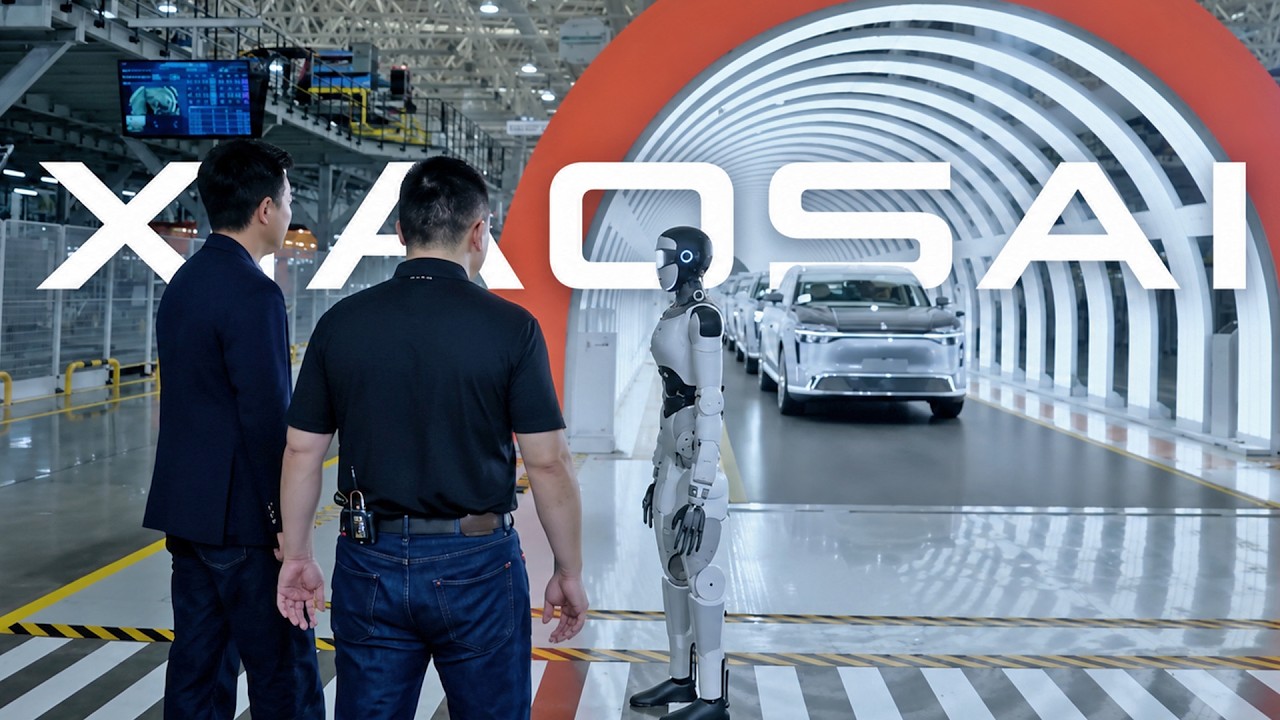
Chinese automaker Seres has unveiled its first humanoid robot, Xiaosai, marking the company’s entry into the rapidly growing embodied AI sector. The robot is designed with visual recognition, autonomous greeting, and voice interaction capabilities.

The launch highlights the automaker’s expanding focus on robotics, with several additional embodied intelligence robots expected to debut later this year as Seres broadens its presence beyond electric vehicles.

Recently, Hyundai announced plans to deploy over 25,000 Atlas humanoid robots in the US, targeting 30,000 annual units by 2028 with locally manufactured robot components.

Industrial humanoid debut

Chinese automakers are rapidly expanding into humanoid robotics, leveraging expertise in manufacturing, artificial intelligence, supply chains, and automation to develop a new generation of embodied intelligence systems.

The latest entrant is Seres, which has unveiled its first humanoid robot, Xiaosai. The announcement was made by Seres Group director and vice president Kang Bo, who released a video showcasing the robot and confirmed that several additional embodied intelligence products are currently under development and scheduled to make their official debut later this year, reports CNEVPost.

Thought more details are not available, the humanoid is reported to be equipped with visual recognition capabilities, can autonomously greet people, and supports voice-based interaction. Its introduction highlights Seres’ broader efforts to integrate advanced robotics into manufacturing operations.

The company’s factory already employs a range of specialized robots across AI-powered quality inspection, logistics delivery, and production-line collaboration. Among them are Xiaosai 01, which performs quality inspections for chassis assembly, and Xiaosai 02, which checks the exterior configuration of completed vehicles.

According to Seres, the facility’s smart hub coordinates more than 1,600 intelligent devices, while over 3,000 industrial robots operate in synchronization throughout the plant. The factory also incorporates technologies, including the Internet of Things (IoT), big data, digital twins, 5G connectivity, and artificial intelligence, creating a highly automated digital ecosystem, reports CNEVPost.

Automakers go the robot way

Seres’ move into humanoid robotics builds on earlier investments in embodied intelligence. In October 2024, the company signed a cooperation agreement with Volcengine, a subsidiary of ByteDance, in Beijing. The partnership focuses on intelligent robot technologies, including decision-making systems, control technologies, and human-machine augmentation, with an emphasis on multimodal cloud-edge collaboration.

The launch reflects a wider trend among Chinese automakers, many of which view humanoid robots as a natural extension of capabilities developed through electric vehicle production and intelligent manufacturing. Xpeng is among the companies accelerating efforts in the sector. Earlier this month, chairman and CEO He Xiaopeng personally assumed the role of “CEO” of the company’s robotics division to speed up commercialization and development.

BYD has also confirmed that it is developing humanoid robots and is exploring the possibility of selling them through its extensive dealer network in the future. Meanwhile, Chery-backed Aimoga has moved beyond development and into commercialization. The company has begun selling humanoid robots directly to consumers, with a retail price of 285,800 yuan (approximately $42,260).

As Chinese automakers continue investing in embodied AI, humanoid robots are increasingly becoming the next frontier of competition, transforming car manufacturers into major players in the rapidly evolving robotics industry.

💾

Chinese firm Seres unveils Xiaosai humanoid robot with AI vision and voice interaction, expanding beyond EVs into embodied robotics.
  •  

Eno humanoid robot aims to become the general-purpose machine for every workplace

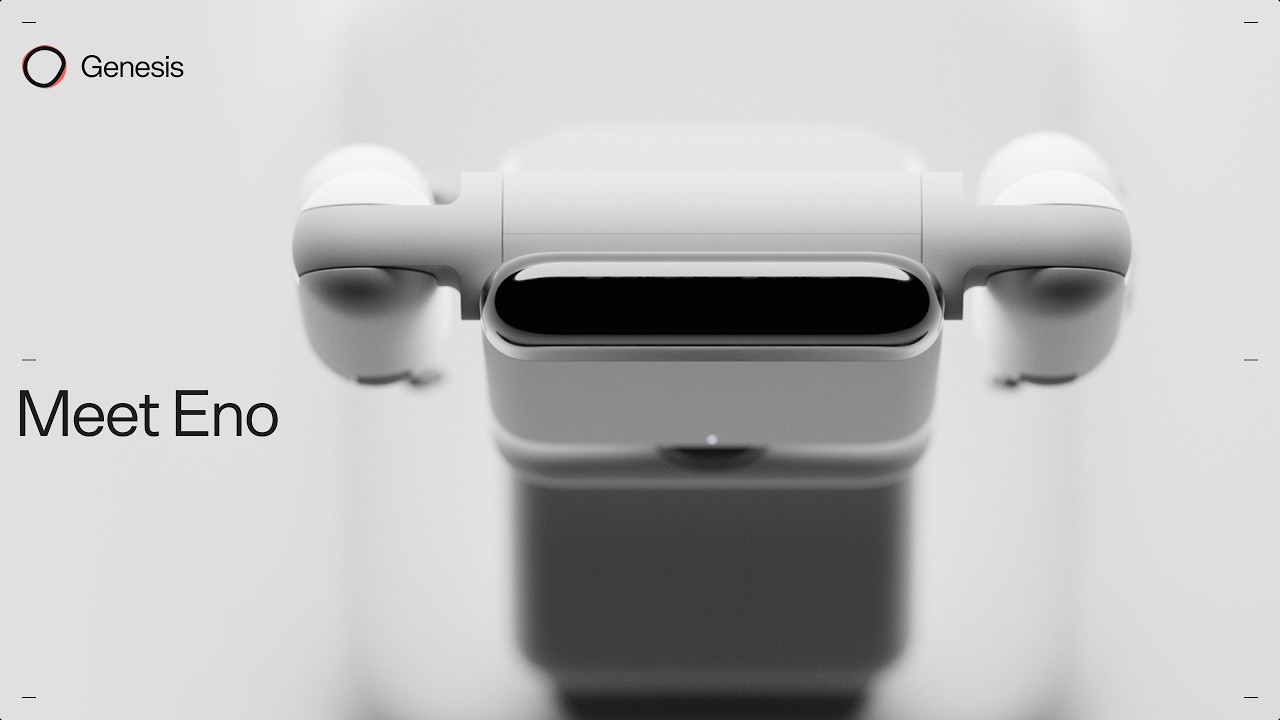
Genesis AI has unveiled Eno, its first general-purpose robot, as the company pushes toward building machines that can work across factories, laboratories, hospitals, hotels and eventually homes.

The robot combines Genesis AI’s custom hardware with GENE, the company’s robotics foundation model, which serves as Eno’s control system. According to the company, the robot is designed to perform complex tasks, adapt to changing environments and complete objectives with minimal human intervention.

Genesis AI said Eno differs from traditional industrial robots because it is built to operate as a physical agent rather than execute a fixed set of commands. The company claims the system can understand goals, reason through changing conditions, retain memory and carry out multi-step tasks over extended periods.

The announcement comes as companies across the robotics sector race to develop humanoid and general-purpose robots capable of handling a wider range of real-world jobs with less specialized programming.

Built beyond humanoids

Instead of closely resembling a human, Eno uses a wheeled base topped by an adjustable tower structure. The robot can change its height and reach in real time and fold into a more compact form when not in use.

Its most human-like features are its robotic hands. Genesis AI says the hands match the form and function of human hands, allowing Eno to use existing tools and interact with environments already designed for people.

“The only path to creating a robot that can truly deliver value to society and excel in the real world is through intentional design and a single, comprehensive system,” said Zhou Xian, co-founder and CEO of Genesis AI.

“From day one we’ve approached our design and engineering through a production mindset built around bringing our hardware, software and intelligence together as a whole.”

The company said Eno was designed alongside GENE so that the robot’s body and intelligence system function as a single platform. GENE is intended to give the robot human-level dexterity and the ability to handle long-horizon tasks that require planning and adaptation.

Showing robotic intent

One of Eno’s distinguishing features is an optional built-in screen that displays the robot’s reasoning process, operational status and intended actions in real time.

Genesis AI said the feature is designed to improve transparency and help people understand what the robot is doing as it works alongside human operators.

“What Genesis is building with Eno is a fundamentally new model for extending human capability through advanced robotics,” said Eric Schmidt, former Google CEO and Genesis AI investor.

“The breakthrough is not replacing human expertise, but amplifying it — making advanced robotics genuinely useful, accessible, and scalable across industries.”

According to the company, Eno could eventually manage entire workflows rather than perform isolated actions. Examples include keeping production lines supplied, coordinating tasks across facilities and preparing workspaces for the next shift.

Genesis AI plans to begin production and targeted customer deployments before the end of 2026. Initial deployments will focus on manufacturing, logistics and laboratory environments, followed by hospitality and healthcare settings. Consumer-focused applications are expected at a later stage.

The company recently raised $105 million in seed funding and says additional robotic platforms are already under development as part of its broader roadmap for general-purpose robotics.

💾

French startup Genesis AI unveils Eno, a general-purpose robot designed to handle complex tasks across industries.
  •  

Video: Ceiling-mounted DIY robot picks up toys, clothes, and household clutter

An engineer has developed an open-source ceiling-mounted robotic claw designed to tackle one of the constant challenges of family life—cleaning up clutter.

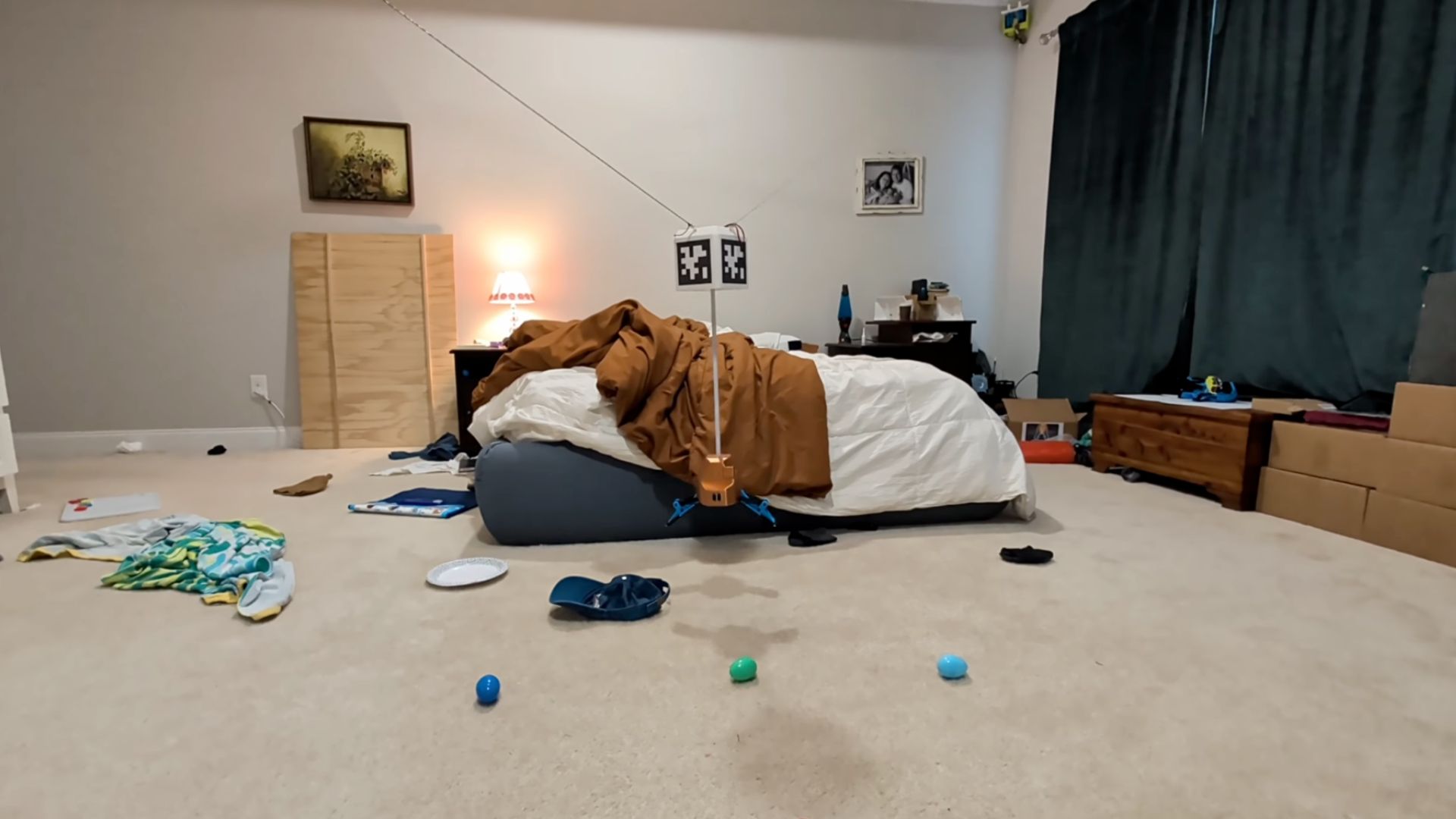
Called Stringman, the system uses cables suspended from four corners of a room to move a robotic gripper across the ceiling, locating and collecting items such as toys, clothing, and other household mess.

Powered by LeRobot-based firmware, the robot can identify objects, pick them up, and transport them to designated drop-off points.

According to its maker, the project’s software, hardware designs, and build instructions are available on GitHub. At the same time, ready-to-use kits are also being offered for users who prefer not to build the system themselves.

Stringman tackles clutter

The DIY cleaning robot is designed to tackle one of the most common household challenges—clutter left behind by children and pets.

Stringman is a cable-driven robotic crane that moves across a room using high-strength lines suspended from anchors mounted in its four corners. Rather than relying on a humanoid design or a mobile robot, Stringman uses a lightweight gripper that travels through the room’s airspace, identifying and collecting objects from the floor before transporting them to designated drop-off locations.

The project was created by Nathaniel Nifong, who believes many household tasks can be automated without the complexity and cost associated with humanoid robots. According to the project’s website, reducing the number of actuators significantly lowers the overall cost of robotics hardware. Stringman relies on just four motors and a two-finger gripper with a wrist mechanism, allowing it to perform basic pick-and-place tasks while remaining relatively affordable.

The robot is built on the open-source LeRobot platform and uses imitation learning to improve its grasping capabilities. Users can train the system through teleoperation, teaching it how to pick up various household objects. The software, firmware, mechanical designs, and build instructions are publicly available under an Apache 2.0 license, allowing enthusiasts to build, modify, and contribute to the project.

To organize items, users simply designate destinations such as laundry baskets, toy bins, or trash cans using clip-on fiducial markers. Stringman’s vision system maps these locations and generates a list of objects it believes should be collected. Users can review and modify these selections through an interface or manually click objects they want the robot to remove.

Open-source robot

One of the system’s biggest advantages is its reach. Unlike robotic arms that are confined to a limited workspace, Stringman can access much of an entire room. Its cable-driven architecture enables it to move from floor-level pickups to elevated shelves without requiring rails, wheels, or articulated limbs. Because it is powered directly from a wall outlet, it also avoids the charging downtime that limits many mobile robots.

The design incorporates active swing-cancellation algorithms to stabilize the gripper as it moves. This is particularly important because the gripper hangs approximately 50 centimeters below the suspension point, allowing it to reach beneath furniture and alongside obstacles. The software continuously compensates for momentum, helping maintain accurate positioning during movement, according to its website.

Privacy has also been a focus of the project. Stringman supports a fully local operating mode in which video processing and telemetry remain within the home network. Users who prefer remote access can connect the robot to an online account and monitor or control it through a web-based interface.

Despite its promise, the system remains a work in progress. The machine-vision models still require refinement, and certain objects—particularly flat items such as books—can be difficult for the gripper to handle reliably. The suspended cables also descend into the room while the robot is operating, creating practical limitations for occupied spaces.

Even with these challenges, Stringman represents an intriguing alternative to humanoid domestic robots. By focusing on a single household task and simplifying the hardware, the project demonstrates how practical home automation may emerge from specialized, low-cost designs rather than human-shaped machines. Future developments could potentially allow the robot not only to collect clutter into bins but also to return items directly to their proper storage locations.

💾

Stringman DIY robot uses ceiling-mounted cables and AI vision to pick up toys, clothes, and clutter around the home.
  •  
❌