British archaeologists may have found the remains of a site where people celebrated the solstice thousands of years ago, a few miles from the famed stone circle.
Sally Ride made history aboard the Space Shuttle Challenger on June 18, 1983, becoming the first American woman in space 20 years nearly to the day after Soviet Valentina Tereshkova’s flight. In 1977, as she was finishing her Ph.D. in physics, Ride saw a newspaper ad placed by NASA to recruit astronauts. For the firstContinue reading "June 18, 1983: Sally Ride is the first American woman in space"
NASA’s Fermi Mission Uncovers Possible Sibling Supernova Remnants
A new study of two supernova remnants, the debris left behind after stars explode, suggests the explosions came from stellar siblings that once orbited each other. The first star’s detonation sent its binary companion hurtling through space, and then, after traveling for thousands of years, the surviving star blew up too.
This multiwavelength scene shows the Jellyfish Nebula supernova remnant (right), the interstellar cloud it’s interacting with, and a distinctive curving filament to its upper left. The filament, which is shown here both in optical and ultraviolet (UV) light, is the visible part of an overlapping supernova remnant, G189.6+3.3, that is more prominent in radio and X-rays. Visible light is shown in yellow, UV from NASA’s Neil Gehrels Swift Observatory is shown in violet, and infrared light from NASA’s retired WISE (Wide-field Infrared Survey Explorer) mission appears in cyan, red, and orange. Both remnants are located about 6,000 light-years away in the constellation Gemini. The brilliant star at far right is Propus, also known as Eta Geminorum.
NASA Goddard Space Flight Center and M. Michailidis et al. 2026; optical: DSS; infrared: NASA/WISE/JPL-Caltech/UCLA; ultraviolet: NASA/Swift
“Using 16 years of data from NASA’s Fermi Gamma-ray Space Telescope, our analysis uncovered gamma rays associated with a supernova remnant that was hidden in the glare of its neighbor, the Jellyfish Nebula, one of the brightest gamma-ray-emitting supernova remnants known,” said Miltiadis Michailidis, a postdoctoral fellow in the physics department at Stanford University in California. “There are so many striking connections between the two remnants that we conclude they’re likely related, giving us the first known example of a binary system where both stars have undergone supernova explosions.”
Michailidis presented the findings Wednesday at the 248th meeting of the American Astronomical Society in Pasadena, California. A paper describing the results will appear in a future edition of Nature Communications.
The study focused on a faint supernova remnant called G189.6+3.3, which is mainly visible in X-rays. It is upstaged by its brighter and better-known neighbor, the Jellyfish Nebula (IC 443). The two star wrecks, both located in the constellation Gemini, appear to partially overlap as seen in X-rays. Recent X-ray evidence suggests that hot plasma likely associated with G189.6+3.3 may extend across the entire region, a hint that the overlap may be nearly total.
A massive star explodes when its energy-producing core runs out of fuel and collapses under its own weight, triggering an explosion that blows the star apart. The explosion’s shock wave encloses a hot cloud of debris that rapidly expands into space. So far, astronomers have cataloged about 300 supernova remnants in our galaxy.
The Fermi mission is part of NASA’s fleet of observatories monitoring the changing cosmos to help humanity better understand how the universe works. More than a decade ago, observations from Fermi’s LAT (Large Area Telescope) showed that the shock waves of supernova remnants accelerated particles to within a fraction of the speed of light, a process first proposed by physicist Enrico Fermi — the mission’s namesake — in 1949.
These high-speed particles, called cosmic rays, interact with interstellar gas to produce gamma rays, the highest-energy form of light. Protons make up 99% of cosmic ray particles. To prove that accelerated protons are responsible for the glow, astronomers search for a specific gamma-ray feature. When cosmic-ray protons smash into interstellar gas, they produce a short-lived particle called a neutral pion, which almost immediately decays into a pair of gamma rays. This emission occurs within a specific band of energies associated with the neutral pion’s mass and lies within the range detected by Fermi’s LAT instrument.
In 2013, Fermi observations proved that the Jellyfish Nebula, which is interacting with part of a glowing cloud of hydrogen gas known as Sharpless 249, produced gamma rays through this mechanism. Its neighbor, G189.6+3.3, was discovered in 1994 as part of an X-ray survey by the German-led ROSAT (Roentgen Satellite) mission.
A bright filament of gas lies between the overlapping remnants. New observations of this feature reveal that the shock wave from G189.6+3.3 slammed into dense interstellar gas there and dramatically slowed, key evidence that both remnants are interacting with the same cloud system.
The well-known supernova remnant IC 443 (right) has an older, fainter neighbor (shown here in blue-green and magenta) called G189.6+3.3. A filament of gas between them, glowing in visible and ultraviolet light (violet arc at center), traces the neighbor’s shock wave and shows that both remnants are interacting with the same molecular cloud, shown in red, orange, brown for infrared and radio data and yellow for visible light. Blue-green shows X-rays from the fainter remnant, while magenta shows gamma rays with energies greater than 10 billion electron volts; for comparison, visible light has energies between about 2 and 3 electron volts. In this view, high-energy light from the much brighter IC 443 has been removed for clarity. Gamma-ray emission near the filament stems from protons accelerated in the supernova’s shock wave as it expands into the cloud.
NASA Goddard Space Flight Center and M. Michailidis et al. 2026; radio, MWISP and ESA/Planck; infrared: NASA/WISE/JPL-Caltech/UCLA; optical: DSS; ultraviolet: NASA/Swift; X-ray: SRG/eROSITA; gamma ray: NASA/DOE/Fermi LAT Collaboration
Astronomers think the Jellyfish Nebula is also a candidate PeVatron, a cosmic particle accelerator capable of boosting protons to energies so high they could nearly escape our galaxy. Such particles can produce gamma rays with trillions of times more energy than visible light. Finding a second particle accelerator near the Jellyfish Nebula could offer scientists new clues for how supernova remnants develop into PeVatrons.
“The overlapping remnants, a connecting gas filament, and the availability of data from Fermi and other facilities motivated us to delve into this complex but little-studied region,” said co-author Marianne Lemoine-Goumard, an astrophysicist at the French National Centre for Scientific Research (CNRS) based at the University of Bordeaux. “With Fermi’s LAT instrument, we found gamma-ray emission associated with accelerated protons in the northern part of the fainter remnant. If both remnants are interacting with the same structure, then they must share a common distance from us.”
The team concludes the remnants lie about 6,000 light-years away, their explosion centers are separated by roughly 40 light-years projected onto the plane of the sky, and the original stars may have been 20 or more times the Sun’s mass.
Estimates of the remnants’ ages vary widely, but the team concludes that the age of the Jellyfish Nebula is 8,000 to 9,000 years, while G189.6+3.3 is between 20,000 to 110,000 years old. This means the delay between the explosions could have extended for up to 100,000 years.
In addition, the team conducted computer simulations of a million massive binary systems. They show that systems where the stars orbit close enough to exchange matter and interact during their lives can readily produce dual supernova explosions with similar separations and time delays as those found for the remnants. The team also estimated that the chance of randomly encountering this combination of observed spatial alignment and compatible distances to be less than 1%, strongly supporting a physical association.
“The evidence we’ve compiled — including observations across the spectrum, the chemical and physical properties of the remnants, simulations, and more — paints a compelling picture of a dual supernova event,” said Michailidis.
This study identifies a unique possible example of a binary system where both stars exploded as supernovae and left behind separate, detectable supernova remnants. Astronomers think that most massive stars form in binary or multiple-star systems. The Jellyfish Nebula/G189.6+3.3 complex offers astronomers a rare opportunity to study how massive binary stars evolve, exchange matter, explode, and experience velocity changes — called kicks — induced by the supernova blast. It also provides a powerful new laboratory for understanding how coupled supernova remnants behave, including how they accelerate particles, generate gamma rays, and shape their surrounding environments.
“Fermi’s gamma-ray observations of supernova remnants continue to reveal the dynamic lives of stars,” said Elizabeth Hays, the Fermi project scientist at NASA’s Goddard Space Flight Center in Greenbelt, Maryland. “We can now connect the glowing remains of two massive stars to a powerful pair that evolved together over thousands of years.”
In a groundbreaking advancement that could reshape the landscape of bioelectronic medicine, researchers have developed a wirelessly powered, bioresorbable electrical stimulation system with unprecedented programmable control over stimulation waveforms. This innovation integrates tissue-penetrating near-infrared (NIR) light to modulate electrical currents with precision, harnessing a novel bioresorbable silicon phototransistor as the cornerstone of its operation. Pioneering beyond earlier monophasic pulse devices, this technology allows for the delivery of monophasic, biphasic, and polyphasic stimulation patterns, significantly enhancing the versatility and therapeutic potential of implantable electrical stimulators designed to dissolve harmlessly after use.
Traditional electrical stimulators implanted in biological tissues have largely relied on wired connections or bulky batteries, impeding patient mobility and often necessitating additional surgeries for device removal. Bioresorbable devices emerged as a solution to these challenges by safely degrading in the body over time, eliminating the risks associated with permanent implants. However, these earlier systems primarily delivered monophasic pulses, limiting therapeutic precision and adaptability in complex treatments. The innovation reported by Kim, Seo, Wang, and colleagues introduces a new paradigm by integrating wireless power transfer via NIR light and programmable waveform control within a fully bioresorbable platform, thus extending the functional range and easing the clinical management of bioelectronic therapies.
Central to this system is the incorporation of bioresorbable silicon phototransistors engineered to serve as optoelectronic modulators within the electrical circuitry. When illuminated by externally applied near-infrared light that penetrates deep into biological tissues, these phototransistors effectively adjust current flows at critical circuit nodes. This optical modulation capability replaces conventional electronic control elements, which often rely on persistent power sources or invasive wiring, thereby enabling the device to operate autonomously while still allowing fine-tuning of stimulation parameters through non-contact optical inputs.
The adoption of near-infrared light as the wireless power and control mechanism is particularly significant. NIR light possesses the ability to penetrate through several centimeters of tissue without causing damage, providing a safe and efficient transmission channel between the external controller and the implanted device. This feature supports programmability in situ, empowering clinicians to tailor electrical stimulation waveforms dynamically after device implantation. Precisely controlling the shape, amplitude, and timing of the electrical pulses is crucial for optimizing therapeutic outcomes in applications such as neuroregeneration and cardiac pacing.
The research team demonstrated the remarkable versatility of their bioresorbable system by successfully delivering a variety of stimulation waveforms. Monophasic pulses, which are unidirectional current flows, serve as a baseline therapy. More complex biphasic and polyphasic waveforms, which alternate current direction and comprise multiple phases respectively, have been shown to minimize tissue damage and improve efficacy in various biosignaling contexts. The ability to generate these sophisticated patterns expands the therapeutic range of the device, potentially enabling treatments that were previously inaccessible using bioresorbable technologies.
In demonstrating practical utility, the device was tested in both small and large animal models, validating its capacity for clinically relevant electrical stimulation regimes. The system was effectively employed in single- and dual-chamber cardiac pacing, a critical intervention for managing arrhythmias and heart block. Through controlled electrical stimulation, the device could synchronize cardiac contractions, a feat crucial for restoring efficient cardiac output. These trials highlight the translational potential of the technology for future human applications, situating it as a promising alternative to current electronic pacemakers that require permanent implantation and battery replacements.
Further extending the functional scope, the researchers utilized the bioresorbable stimulator to activate phrenic neuromuscular pathways to either induce or block diaphragmatic movements. The phrenic nerve controls diaphragmatic excursion, essential for respiration, and its modulation has significant implications for respiratory therapies, such as in patients with spinal cord injuries or central hypoventilation syndromes. By enabling wireless, programmable neurostimulation of the phrenic nerve, the technology offers a minimally invasive approach to manage life-sustaining respiratory functions, with the added benefit of device degradation after the therapeutic window.
The bioresorbable nature of the silicon phototransistors and associated electronics assures that after fulfilling their therapeutic role, the devices gradually dissolve into biocompatible byproducts. This process circumvents the complications related to device explantation surgeries, reducing patient risk and healthcare costs. Moreover, the materials chosen minimize inflammatory responses and tissue irritation, facilitating seamless integration with host biology during the operational phase.
The engineering behind this system represents an intersection of materials science, optoelectronics, and biomedical engineering. The architecture leverages the semiconducting properties of silicon in thin-film, bioresorbable form, combined with circuit design optimized for minimal power consumption and maximal efficiency during NIR irradiation. These multidisciplinary innovations collectively overcome longstanding barriers in the fabrication of transient electronic implants capable of sophisticated programmable functionality.
Controlling the stimulation waveforms via light permits remote adjustment without physical connections, paving the way for real-time therapeutic modulation responsive to patient status or physiological signals. Future iterations could incorporate feedback mechanisms by integrating bioresorbable sensors that monitor tissue response, creating closed-loop systems for personalized medicine. This dynamic adaptability could be transformative in managing chronic conditions requiring variable and responsive electrical stimulation protocols.
This research also addresses one of the fundamental challenges of implantable devices: power delivery. The optical wireless power transfer circumvents the need for bulky batteries or explant procedures, offering renewed device miniaturization potential. Coupled with programmable phototransistors, these innovations enable multifunctional implants that conform to soft tissues and degrade harmlessly, a trifecta crucial for implantation in sensitive organs like the heart and nervous system.
The ability to deliver polyphasic waveforms through a single bioresorbable receiver unit is particularly noteworthy. Conventionally, generating these complex waveforms requires sophisticated circuitry and stable power sources, neither of which are trivial to implement in resorbable devices. The research showcases how optical control unlocks this capability without sacrificing bioresorbability or wireless operation, representing a paradigm shift in transient biomedical electronics.
The successful application of this device in large animal cardiac models bridges a critical gap toward clinical translation. Such models replicate human physiological scales and complexities far more closely than small animals, validating both the efficacy and safety of the system under conditions analogous to human therapies. This demonstration is an essential milestone on the path toward human clinical trials and eventual regulatory approval.
Moreover, the phrenic nerve stimulation experiments illustrate the broader applicability beyond cardiac pacing. Neuromuscular control via electrical stimulation has vast clinical relevance, from restoring motor function to modulating organ systems. The biodegradable, wireless nature of this system makes it especially suited for temporary therapeutic interventions, such as post-surgical recovery or transient disease states, where permanent implants would be unnecessary or undesirable.
While this work represents a major leap forward, ongoing challenges remain, including further optimization of device longevity relative to treatment durations, refinement of light delivery systems to maximize tissue penetration and minimize off-target effects, and integration with advanced biocompatible materials to tailor resorption timelines. Addressing these will be key to broadening the range of clinical applications and ensuring patient safety across diverse scenarios.
Overall, this wirelessly powered, light-controlled, bioresorbable stimulation system emerges as a versatile platform poised to transform bioelectronic therapies. Its elegant combination of programmable polyphasic waveform delivery, wireless operation via near-infrared light, and full bioresorbability addresses critical limitations of current implantable stimulators. By enabling sophisticated, minimally invasive, and transient electrical stimulation paradigms, this technology advances the frontiers of regenerative medicine, cardiac therapy, and neuromodulation, marking a significant milestone in the evolution of biomedical devices.
Subject of Research: Wireless bioresorbable electrical stimulation device with programmable waveform control using near-infrared light
Article Title: A wirelessly powered, light-controlled, bioresorbable stimulation system with programmable polyphasic waveforms
Article References:
Kim, J.U., Seo, S.G., Wang, H. et al. A wirelessly powered, light-controlled, bioresorbable stimulation system with programmable polyphasic waveforms. Nat Electron (2026). https://doi.org/10.1038/s41928-026-01655-8
On June 16, 1963, 26-year-old Soviet cosmonaut Valentina Tereshkova made history by becoming the first woman to travel into space. A former factory seamstress, Tereshkova was an accomplished amateur parachutist with over 100 jumps — a vital skill, since Vostok cosmonauts ejected before landing. Selected from over 400 applicants in 1962, she underwent months ofContinue reading "June 16, 1963: Valentina Tereshkova is the first woman in space"
In the rapidly evolving realm of artificial intelligence and deep learning, conventional electronic computing architectures are increasingly strained by the demands of large-scale data processing and intricate computational tasks. Optical computing has risen as a compelling alternative, leveraging the inherent physical phenomena of light—such as interference and diffraction—to execute computations fundamentally differently from traditional electronics. By harnessing these optical effects, optical computing systems (OCS) promise unparalleled advantages: notably superior processing speeds, heightened energy efficiency, and a natural aptitude for massive parallelism. These attributes make optical computing especially attractive for intensive applications like image processing, machine learning, and big data analytics, holding transformative potential across these domains.
Yet, despite these promising characteristics, contemporary optical computing platforms grapple with a significant bottleneck rooted in their hardware-centric development workflows. Conventionally, researchers must directly engage with physical OCS hardware to develop, tune, and validate computational tasks. This process entails sequential access to a limited number of costly and often heavily utilized devices. Users must physically occupy the system to load parameters, fine-tune configurations, and iteratively calibrate the hardware—an intrinsically tedious and time-consuming cycle. Each new user or task demands resetting the system state, leading to protracted queues, repetitive adjustments, and redundant calibrations. The resulting workflows impose long hours of equipment occupation and elevated trial-and-error expenses, stifling the possibility for concurrent task development and drastically curtailing research throughput and system agility.
To surmount these entrenched challenges, cutting-edge research has introduced the concept of the Digital Twin Optical Computing System (DT-OCS). This innovative approach establishes a high-fidelity digital replica—a “digital twin”—of the physical OCS that accurately models its input-output behavior under varying configuration parameters. Crucially, the digital twin allows researchers to perform extensive offline simulations, training, and optimization without the constraints of physical hardware availability. Analogous to a digital simulator software that mirrors a complex “real machine,” DT-OCS enables extensive task development and parameter tuning within a virtual environment, dramatically decoupling software development from hardware dependency. Consequently, optimized parameters validated digitally can be seamlessly transferred back to the physical system for deployment, bypassing numerous iterative hardware trials.
The implications of DT-OCS extend well beyond mere time savings. By effectively creating a “digital development toolkit” for optical computing, this framework revolutionizes the research ecosystem—transforming optical computing platforms from isolated, hardware-bound experiments to versatile, shareable research infrastructures. Researchers can now conduct task training, performance benchmarking, and method comparisons entirely within a unified digital realm, fostering collaborative innovation. Distinguished from legacy OCS paradigms, DT-OCS supports parallel task development workflows, allowing multiple computational problems to be advanced simultaneously without hardware conflicts. This capability markedly enhances flexibility, reduces development bottlenecks, and accelerates the maturation and practical adoption of optical computing technologies.
Envisioning the trajectory of optical computing, the integration of digital twin models with physical hardware appears indispensable. Contemporary transportation systems, for instance, benefit from the synergy between tangible road networks and dynamic digital mapping platforms. Similarly, next-generation optical computing platforms should embody dual representations: a robust physical computing infrastructure supplemented by perpetually updated digital twins. This paradigm champions accessibility, reproducibility, and scalability—cornerstones for fostering broad-scale collaboration. It paves the way for unified validation standards and equitable performance comparisons, catalyzing optical computing’s evolution into a general-purpose, widely deployable resource rather than a niche experimental setup.
The DT-OCS framework’s hallmark is its strategic decoupling of task development from hardware constraints. In traditional optical computing, task training and parameter fine-tuning necessitate iterative hardware engagements involving adjustments, diagnostics, and recalibrations. This approach encumbers the process with inefficiencies and precludes simultaneous multi-task development. DT-OCS obviates these impediments by faithfully modeling the physical system’s responses across parameter spectra, enabling exhaustive offline optimization. This digital-first workflow increases research agility, minimizes hardware occupancy, and substantially compresses the development timeline. Consequently, DT-OCS amplifies the throughput and adaptability of optical computing research endeavors.
The real-world efficacy of the DT-OCS framework has been experimentally validated using a cutting-edge high-speed optical computing system incorporating silicon photonic feature-computing chips. These empirical studies demonstrated DT-OCS applications in diverse computational domains, including image classification and sequential decision-making. Notably, configurations optimized within the digital twin translated flawlessly to the physical hardware, with observed task performance closely mirroring digital forecasts. This underscores not only the high fidelity of the DT-OCS model but also its robust transferability across practical scenarios. Moreover, by enabling parallel task development within the digital domain, DT-OCS expedites the overall research workflow, markedly elevating efficiency.
An illustrative application of the DT-OCS system involved offline training and deployment for the Fashion-MNIST image classification task—a benchmark dataset widely used in machine learning. This practical demonstration affirms DT-OCS’s capacity to bridge digital model development with real-world optical computing implementations. Beyond efficiency gains, DT-OCS signifies a conceptual shift toward disentangling computational task design from the idiosyncrasies of physical system constraints. Historically, optical computing research has been hamstrung by its dependence on specific hardware platforms and accessibility limitations, hindering reproducibility and cross-task comparisons. The introduction of an open-source digital twin framework surmounts these barriers by democratizing access and standardizing evaluation protocols.
By openly releasing the DT-OCS framework alongside associated task datasets, the research fosters a community-driven ecosystem where software-based task design, training, and validation can proceed independently of physical system constraints. This openness engenders scalability, reproducibility, and collaborative potential that traditional optical computing architectures cannot easily achieve. Researchers worldwide gain the freedom to explore broader task horizons, perform comprehensive benchmarking, and validate innovative approaches within a consistent computational substrate. Such a paradigm shift propels optical computing from isolated experimental configurations into accessible and extensible platforms, expediting technological advancements and practical deployments.
This pioneering work advocates a transformative application paradigm for optical computing platforms: the symbiotic coexistence of physical hardware and computationally equivalent open-source digital twin models. Only by embracing such dual-system architectures can the field transcend limitations imposed by experimental variability and hardware scarcity. The resultant platforms will be shareable, replicable, and adaptable to a diverse array of research challenges. As optical computing moves towards becoming a mainstream computational resource, the principles embodied by DT-OCS may well establish the foundational infrastructure that underpins scalable, collaborative innovation in photonic information processing.
Subject of Research: Not applicable
Article Title: Digital twin optical computing system
Depois dos auscultadores G325 X, lançados no início do ano, a Logitech G fecha o ecossistema da Série G3 com a chegada de um rato sem fios de 59 gramas e um teclado mecânico com ecrã de matriz de pontos. Ambos estão preparados para uma taxa de atualização de 8 kHz.
 Login



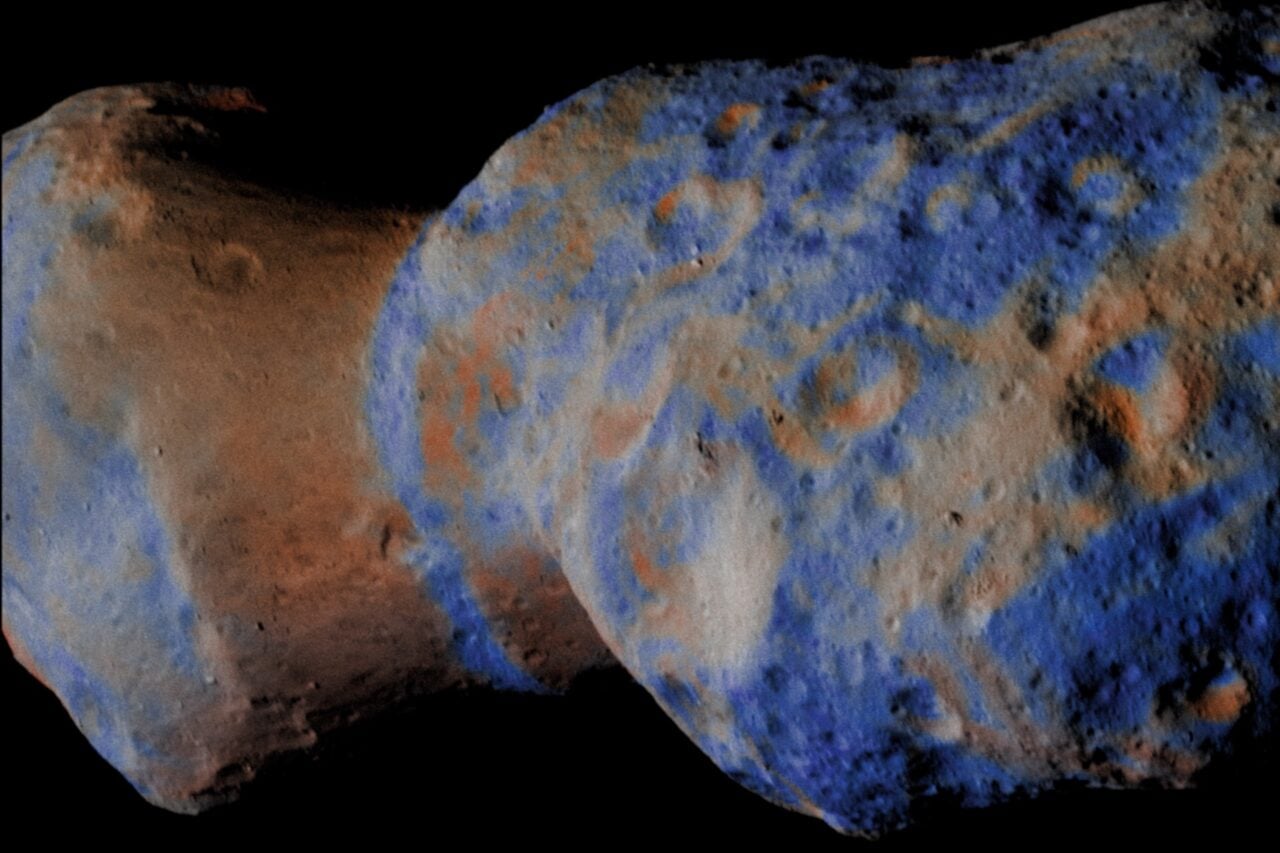








 Japan’s tiny SORA-Q rover showed what happened when SLIM landed upside down.