❌

Reading view

Próximo dobrável da Vivo chega com câmara de 200 MP e suporte a teleconversor para “ver” mais longe

Além de uma câmara principal de 200 MP e de uma telefoto periscópica ZEISS APO, o dobrável Vivo X Fold 6 será compatível com um teleconversor, que permite alcançar uma distância focal equivalente até 200 mm.

The post Próximo dobrável da Vivo chega com câmara de 200 MP e suporte a teleconversor para “ver” mais longe appeared first on Tek Notícias.
  •  

Ha superato il PIL di intere nazioni ed è entrato nel Guinness dei Primati. La storia incredibile dell'opera umana più costosa di sempre.

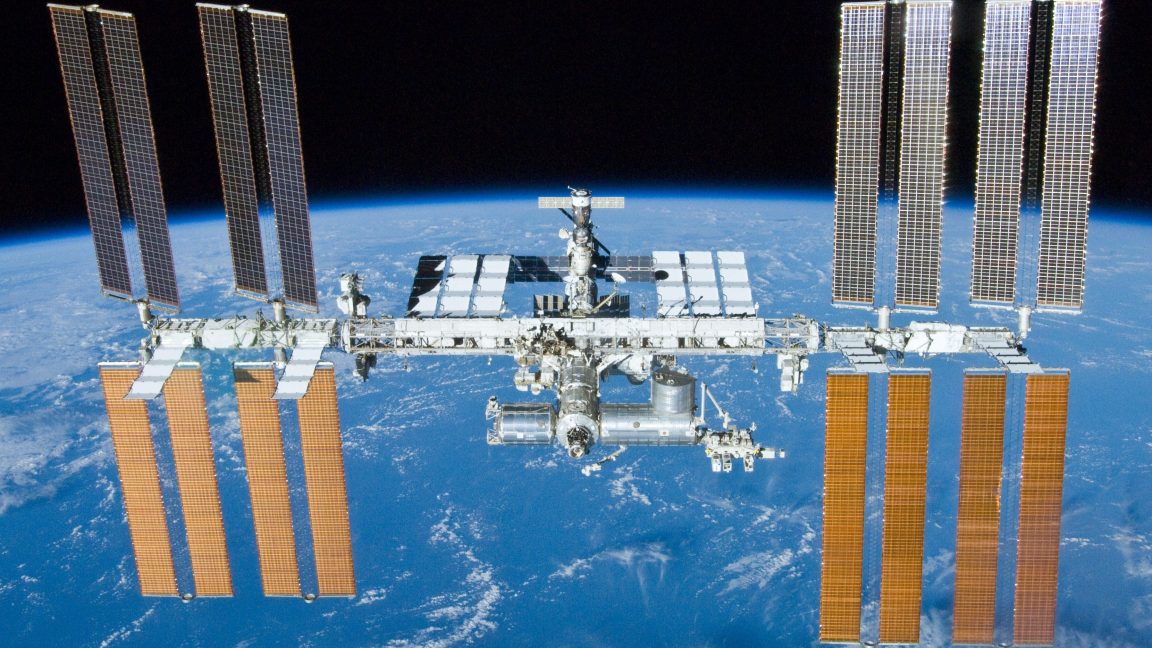
L'oggetto più costoso mai realizzato dal genere umano detiene un record ufficiale sul Guinness dei Primati, avendo superato un costo complessivo stimato in oltre 150 miliardi di dollari — una cifra superiore al PIL annuale di numerosi Stati. Presentato inizialmente nel 1984 con una previsione di budget di appena 8 miliardi, il progetto ha subìto una massiccia escalation finanziaria a causa di continui ridisegni strutturali, obsolescenza dell'hardware in corso d'opera e problemi di standard qualitativi da parte dei partner internazionali. A questi dati si aggiungono i costi operativi e di manutenzione, che si attestano stabilmente su oltre 3 miliardi di dollari all'anno. L'avamposto completerà il suo ciclo vitale nel 2030, anno in cui è previsto il suo definitivo ritiro attraverso un'operazione di smantellamento e rientro atmosferico guidata da SpaceX, dal valore di quasi un miliardo di dollari.
  •  

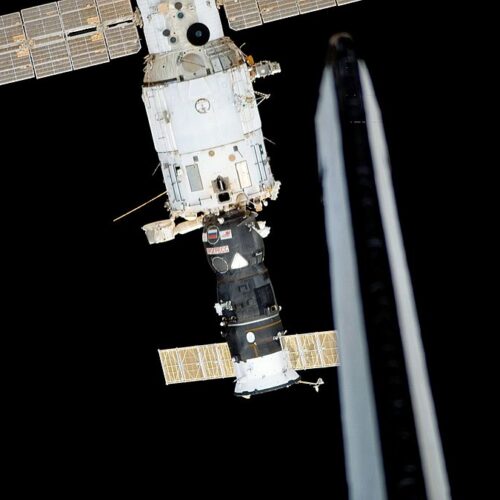
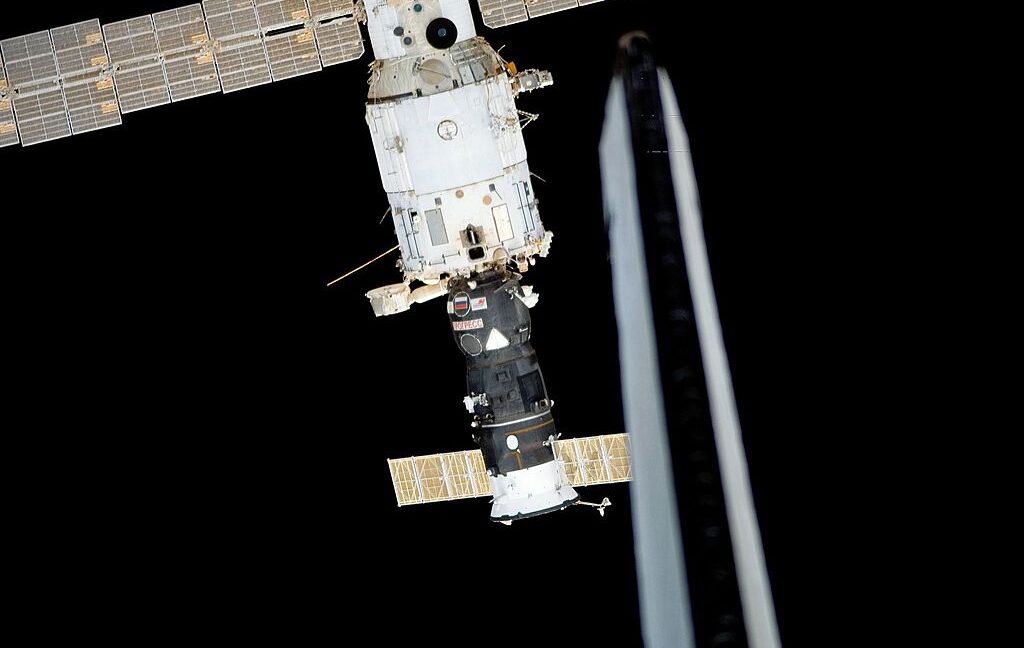
Russia appears set to finally address long-term, serious space station cracks

Ten days ago, in a moment of very high drama in orbit, NASA directed its astronauts living on the International Space Station to briefly seek emergency refuge in a Crew Dragon spacecraft.

Since then, neither the US space agency nor Roscosmos has provided additional public information about the situation in orbit. But according to sources who spoke to Ars, following the spectacle in space, the problem has been successfully fixed.

At issue were persistent cracks in a small area of the International Space Station attached to the Russian Zvezda service module, known as the PrK module. The problem has been ongoing since 2019, and Russian astronauts have been attempting various fixes, often using a sealant called Germetall-1.

Read full article

Comments

© NASA via Getty Images

  •  

La photo de la semaine : « Elles dansaient et serpentaient en dessous de nous »… une scène qu’ont vue les astronautes

Des rubans verts qui serpentent dans le ciel polaire, des voiles mouvants qui s’étirent sous la Station spatiale internationale (ISS) : Jessica Meir a partagé, il y a quelques jours, un time-lapse d’aurores australes d’une beauté presque irréelle.

  •  
  •  

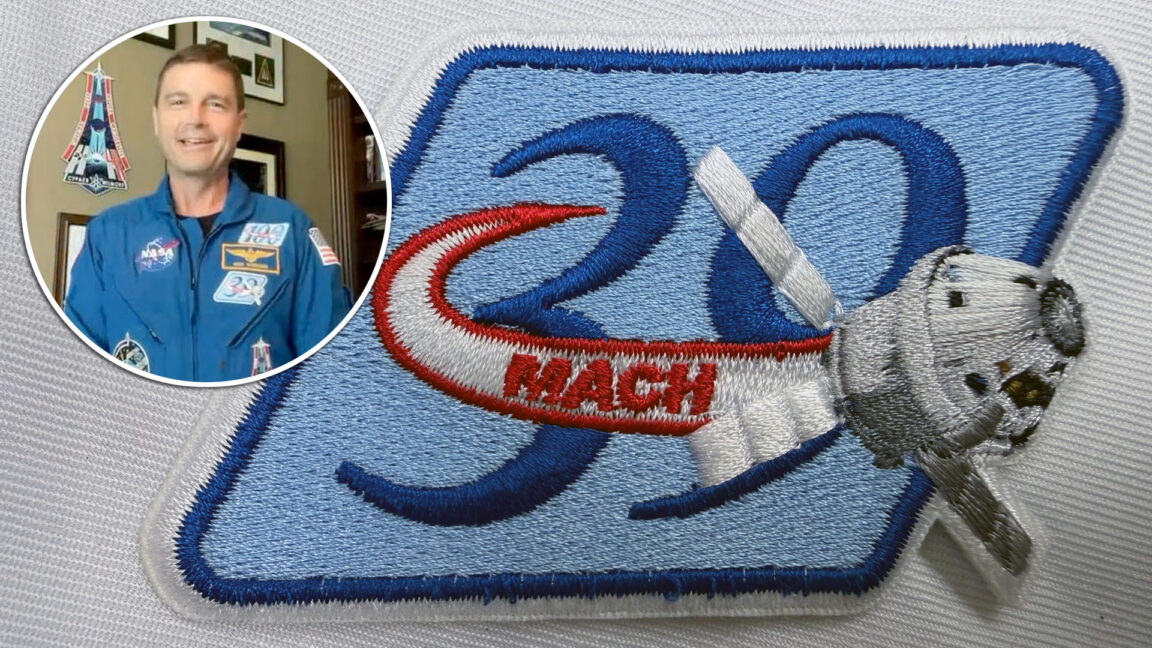
The fastest humans in the galaxy just got a spiffy patch to prove it

NASA's Artemis II crew are the fastest people alive, and now they have the patch to prove it.

Mission Commander Reid Wiseman, pilot Victor Glover, and mission specialists Christina Koch and Jeremy Hansen (the latter with the Canadian Space Agency) spent 10 days in early April flying by the Moon. Their journey took them farther away from Earth than any humans have gone (52,756 miles [406,771 km]) and then, on the way back on board their Orion spacecraft Integrity, they sped up to about 24,664 miles per hour (39,693 k/ph) reentering the atmosphere.

Only three other people in history have traveled faster. NASA's Apollo 10 astronauts Thomas Stafford, John Young, and Eugene Cernan set the record for the highest speed attained by a crewed vehicle relative to the Earth's surface: 24,791 mph (39,897 kph) on May 26, 1969.

Read full article

Comments

© Reid Wiseman/A-B Emblem/collectSPACE

  •  

Alarme na Estação Espacial ultrapassado: NASA cancela evacuação de astronautas devido a fuga de oxigénio

Os quatro astronautas da missão Crew-12 foram instruídos pela NASA a vestir os fatos espaciais e a refugiarem-se na cápsula Dragon, enquanto cosmonautas russos tentam uma reparação mais extensa no módulo Zvezda.

The post Alarme na Estação Espacial ultrapassado: NASA cancela evacuação de astronautas devido a fuga de oxigénio appeared first on Tek Notícias.

  •  

Células estaminais cultivadas no espaço podem ajudar a combater o cancro

Entre células estaminais, plantas e fluidos, a Estação Espacial Internacional continua a funcionar como um laboratório único, onde cada dia de trabalho ajuda a preparar o futuro da exploração espacial e, em muitos casos, a melhorar a vida na Terra.

The post Células estaminais cultivadas no espaço podem ajudar a combater o cancro appeared first on Tek Notícias.
  •  

Before it comes down, what should be saved from the International Space Station?

Humans do not just visit space; they live there, but a major part of that is coming to an end. The platform that made the longest continuous human presence in space possible is becoming history.

With NASA and its partners beginning preparations for the destructive end of the International Space Station (ISS) as soon as 2030, those who collect, curate, and study the station are now asking how to preserve the historic and culturally significant artifact, given that it is far too large and complex to keep intact.

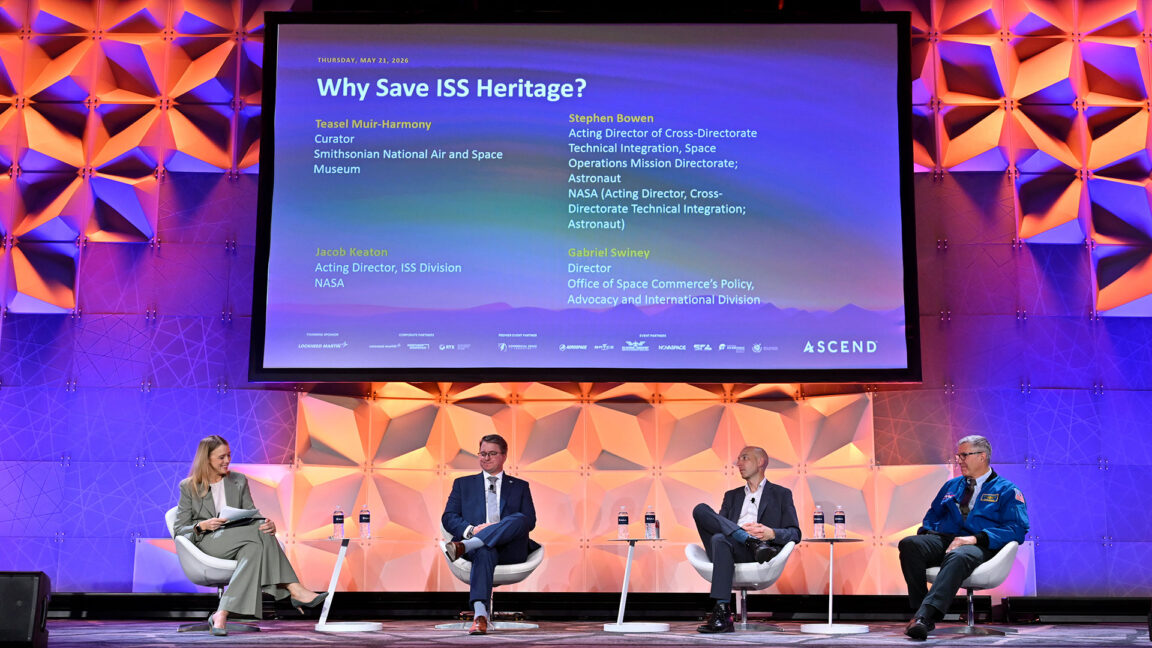
The Smithsonian National Air and Space Museum on Thursday hosted a three-part panel discussion, bringing together space program officials, museum curators, an archeologist, and an astronaut to begin answering the why, what, and how the ISS might be saved. The sessions were part of the American Institute of Aeronautics and Astronautics' (AIAA) ASCEND conference in Washington, DC.

Read full article

Comments

© AIAA/David Becker/PWHL

  •  

Uh-oh, the International Space Station is leaking again

NASA confirmed Thursday that the Russian segment of the International Space Station has begun leaking atmosphere into space again. It's an old problem that NASA recently hoped was resolved.

For more than half a decade, engineers from Roscosmos and NASA have been tracking the leak rate from a small Russian module attached to the space station that leads to a docking port. The source of these leaks, microscopic structural cracks, have been difficult to find and address.

In January, NASA said that after multiple inspections and sealant applications, the pressure inside this segment, known as the PrK module, had reached a "stable configuration." The PrK module is essentially a transfer tunnel attached to the Zvezda Service Module on the Russian segment of the space station.

Read full article

Comments

© NASA

  •  
❌