80 millions : c'est le nombre de requins tués chaque année par la pêche mondiale, selon une étude publiée dans la revue Science. Une pression colossale qui ne reste pas sans réponse de la part de ces prédateurs. Dans le golfe du Mexique, les requins s'adaptent, et pas forcément dans le bon sens.
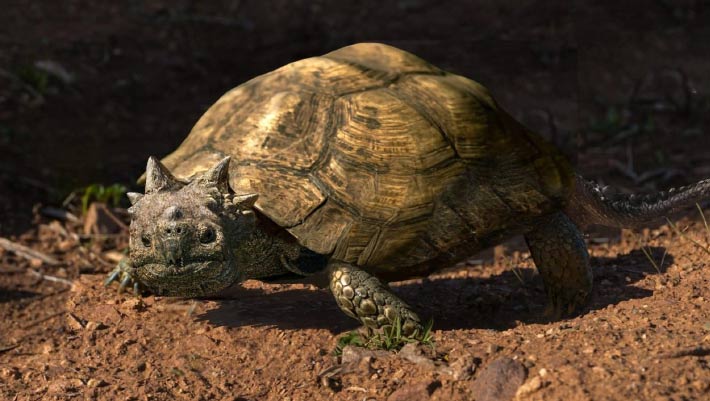
Paleontologists have identified a new species of meiolaniform turtle from northern Patagonia, Argentina, that lived during the Maastrichtian age, just before the asteroid-triggered mass extinction that wiped out all non-avian dinosaurs.
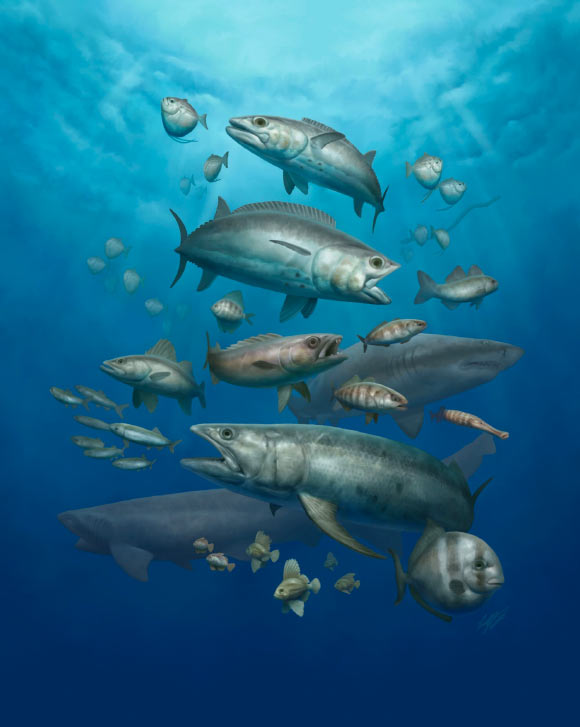
Paleontologists have described an assemblage of marine fish fossils from the 62.2-million-year-old site of Qreiya 3 in the Eastern Desert of Egypt, providing a window into this transition.
Chemical traces preserved in ancient rocks indicate that marine environments were deteriorating long before the catastrophe that wiped out vast numbers of species at the end of the Triassic period, around 201 million years ago.
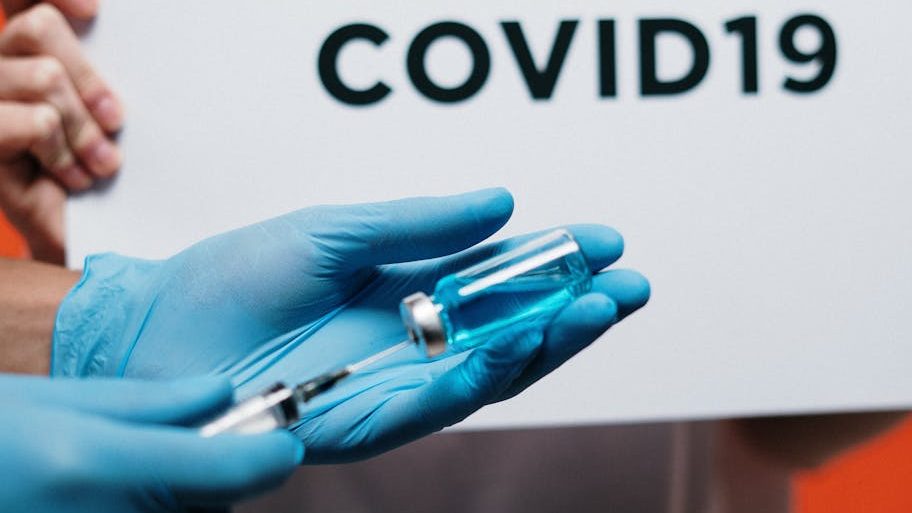
At the launch of "Make Europe Healthy Again," researcher Panagis Polykretis highlighted a critical issue with mRNA vaccines, asserting that they enable an immune attack on the body’s own cells, leading to severe adverse effects like myocarditis. He called for accountability and urgent safety studies amid rising health crises linked to the vaccines.
By studying fungal microfossils in 66-million-year-old rock samples from the Denver Basin in Colorado, Johns Hopkins University microbiologists have confirmed that the dinosaur-killing asteroid impact triggered a worldwide fungal takeover, and uncovered a second, previously unknown ecological crisis just before it.
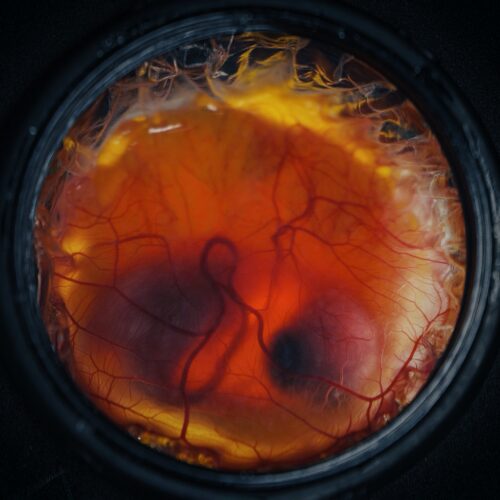
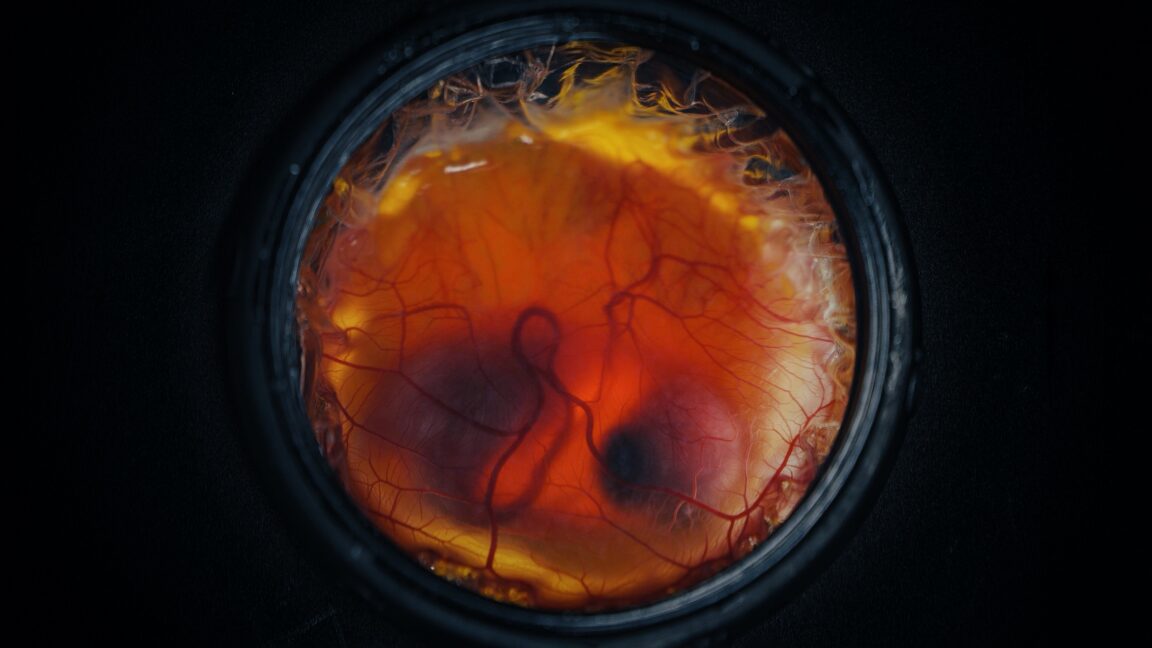
On Tuesday, biotech startup Colossal announced its newest development on the road to its announced goal: reversing the extinction of species, in this case, avian species. The development itself is essentially an artificial eggshell, one that allows almost the entire developmental process to occur without the shell. The company transferred the contents of eggs to their specially designed container within a day or two of laying and were able to have normal chicks walk away from it.
Beyond its potential utility for Colossal's intended efforts, the work is personally interesting to me because it may solve a problem I faced in my research days. I'm going to start by describing the research problem that Colossal may have solved, before coming back to what it hopes to use its technology to do—and why the company still has a few key hurdles left to overcome.
Watching development
For part of my career, I studied the development of vertebrates using chickens. While they're less closely related to us than something like mice, the basics of their development are largely the same. And, unlike mice, they develop outside of their mother's body. If you're careful, you can chip away a hole in the egg, perform manipulations on the developing embryo, and then seal it back up with some tape. The chicken embryo will keep developing, allowing you to see the impact of what you've done on normal development.

 Login