❌

Reading view

Wireless, Light-Activated Bioresorbable Stimulation Device

In a groundbreaking advancement that could reshape the landscape of bioelectronic medicine, researchers have developed a wirelessly powered, bioresorbable electrical stimulation system with unprecedented programmable control over stimulation waveforms. This innovation integrates tissue-penetrating near-infrared (NIR) light to modulate electrical currents with precision, harnessing a novel bioresorbable silicon phototransistor as the cornerstone of its operation. Pioneering beyond earlier monophasic pulse devices, this technology allows for the delivery of monophasic, biphasic, and polyphasic stimulation patterns, significantly enhancing the versatility and therapeutic potential of implantable electrical stimulators designed to dissolve harmlessly after use.

Traditional electrical stimulators implanted in biological tissues have largely relied on wired connections or bulky batteries, impeding patient mobility and often necessitating additional surgeries for device removal. Bioresorbable devices emerged as a solution to these challenges by safely degrading in the body over time, eliminating the risks associated with permanent implants. However, these earlier systems primarily delivered monophasic pulses, limiting therapeutic precision and adaptability in complex treatments. The innovation reported by Kim, Seo, Wang, and colleagues introduces a new paradigm by integrating wireless power transfer via NIR light and programmable waveform control within a fully bioresorbable platform, thus extending the functional range and easing the clinical management of bioelectronic therapies.

Central to this system is the incorporation of bioresorbable silicon phototransistors engineered to serve as optoelectronic modulators within the electrical circuitry. When illuminated by externally applied near-infrared light that penetrates deep into biological tissues, these phototransistors effectively adjust current flows at critical circuit nodes. This optical modulation capability replaces conventional electronic control elements, which often rely on persistent power sources or invasive wiring, thereby enabling the device to operate autonomously while still allowing fine-tuning of stimulation parameters through non-contact optical inputs.

The adoption of near-infrared light as the wireless power and control mechanism is particularly significant. NIR light possesses the ability to penetrate through several centimeters of tissue without causing damage, providing a safe and efficient transmission channel between the external controller and the implanted device. This feature supports programmability in situ, empowering clinicians to tailor electrical stimulation waveforms dynamically after device implantation. Precisely controlling the shape, amplitude, and timing of the electrical pulses is crucial for optimizing therapeutic outcomes in applications such as neuroregeneration and cardiac pacing.

The research team demonstrated the remarkable versatility of their bioresorbable system by successfully delivering a variety of stimulation waveforms. Monophasic pulses, which are unidirectional current flows, serve as a baseline therapy. More complex biphasic and polyphasic waveforms, which alternate current direction and comprise multiple phases respectively, have been shown to minimize tissue damage and improve efficacy in various biosignaling contexts. The ability to generate these sophisticated patterns expands the therapeutic range of the device, potentially enabling treatments that were previously inaccessible using bioresorbable technologies.

In demonstrating practical utility, the device was tested in both small and large animal models, validating its capacity for clinically relevant electrical stimulation regimes. The system was effectively employed in single- and dual-chamber cardiac pacing, a critical intervention for managing arrhythmias and heart block. Through controlled electrical stimulation, the device could synchronize cardiac contractions, a feat crucial for restoring efficient cardiac output. These trials highlight the translational potential of the technology for future human applications, situating it as a promising alternative to current electronic pacemakers that require permanent implantation and battery replacements.

Further extending the functional scope, the researchers utilized the bioresorbable stimulator to activate phrenic neuromuscular pathways to either induce or block diaphragmatic movements. The phrenic nerve controls diaphragmatic excursion, essential for respiration, and its modulation has significant implications for respiratory therapies, such as in patients with spinal cord injuries or central hypoventilation syndromes. By enabling wireless, programmable neurostimulation of the phrenic nerve, the technology offers a minimally invasive approach to manage life-sustaining respiratory functions, with the added benefit of device degradation after the therapeutic window.

The bioresorbable nature of the silicon phototransistors and associated electronics assures that after fulfilling their therapeutic role, the devices gradually dissolve into biocompatible byproducts. This process circumvents the complications related to device explantation surgeries, reducing patient risk and healthcare costs. Moreover, the materials chosen minimize inflammatory responses and tissue irritation, facilitating seamless integration with host biology during the operational phase.

The engineering behind this system represents an intersection of materials science, optoelectronics, and biomedical engineering. The architecture leverages the semiconducting properties of silicon in thin-film, bioresorbable form, combined with circuit design optimized for minimal power consumption and maximal efficiency during NIR irradiation. These multidisciplinary innovations collectively overcome longstanding barriers in the fabrication of transient electronic implants capable of sophisticated programmable functionality.

Controlling the stimulation waveforms via light permits remote adjustment without physical connections, paving the way for real-time therapeutic modulation responsive to patient status or physiological signals. Future iterations could incorporate feedback mechanisms by integrating bioresorbable sensors that monitor tissue response, creating closed-loop systems for personalized medicine. This dynamic adaptability could be transformative in managing chronic conditions requiring variable and responsive electrical stimulation protocols.

This research also addresses one of the fundamental challenges of implantable devices: power delivery. The optical wireless power transfer circumvents the need for bulky batteries or explant procedures, offering renewed device miniaturization potential. Coupled with programmable phototransistors, these innovations enable multifunctional implants that conform to soft tissues and degrade harmlessly, a trifecta crucial for implantation in sensitive organs like the heart and nervous system.

The ability to deliver polyphasic waveforms through a single bioresorbable receiver unit is particularly noteworthy. Conventionally, generating these complex waveforms requires sophisticated circuitry and stable power sources, neither of which are trivial to implement in resorbable devices. The research showcases how optical control unlocks this capability without sacrificing bioresorbability or wireless operation, representing a paradigm shift in transient biomedical electronics.

The successful application of this device in large animal cardiac models bridges a critical gap toward clinical translation. Such models replicate human physiological scales and complexities far more closely than small animals, validating both the efficacy and safety of the system under conditions analogous to human therapies. This demonstration is an essential milestone on the path toward human clinical trials and eventual regulatory approval.

Moreover, the phrenic nerve stimulation experiments illustrate the broader applicability beyond cardiac pacing. Neuromuscular control via electrical stimulation has vast clinical relevance, from restoring motor function to modulating organ systems. The biodegradable, wireless nature of this system makes it especially suited for temporary therapeutic interventions, such as post-surgical recovery or transient disease states, where permanent implants would be unnecessary or undesirable.

While this work represents a major leap forward, ongoing challenges remain, including further optimization of device longevity relative to treatment durations, refinement of light delivery systems to maximize tissue penetration and minimize off-target effects, and integration with advanced biocompatible materials to tailor resorption timelines. Addressing these will be key to broadening the range of clinical applications and ensuring patient safety across diverse scenarios.

Overall, this wirelessly powered, light-controlled, bioresorbable stimulation system emerges as a versatile platform poised to transform bioelectronic therapies. Its elegant combination of programmable polyphasic waveform delivery, wireless operation via near-infrared light, and full bioresorbability addresses critical limitations of current implantable stimulators. By enabling sophisticated, minimally invasive, and transient electrical stimulation paradigms, this technology advances the frontiers of regenerative medicine, cardiac therapy, and neuromodulation, marking a significant milestone in the evolution of biomedical devices.

Subject of Research: Wireless bioresorbable electrical stimulation device with programmable waveform control using near-infrared light

Article Title: A wirelessly powered, light-controlled, bioresorbable stimulation system with programmable polyphasic waveforms

Article References:
Kim, J.U., Seo, S.G., Wang, H. et al. A wirelessly powered, light-controlled, bioresorbable stimulation system with programmable polyphasic waveforms. Nat Electron (2026). https://doi.org/10.1038/s41928-026-01655-8

Image Credits: AI Generated

DOI: https://doi.org/10.1038/s41928-026-01655-8
  •  

NASA’s X-59 Reaches Speed, Altitude for Future Quiet Supersonic Flights

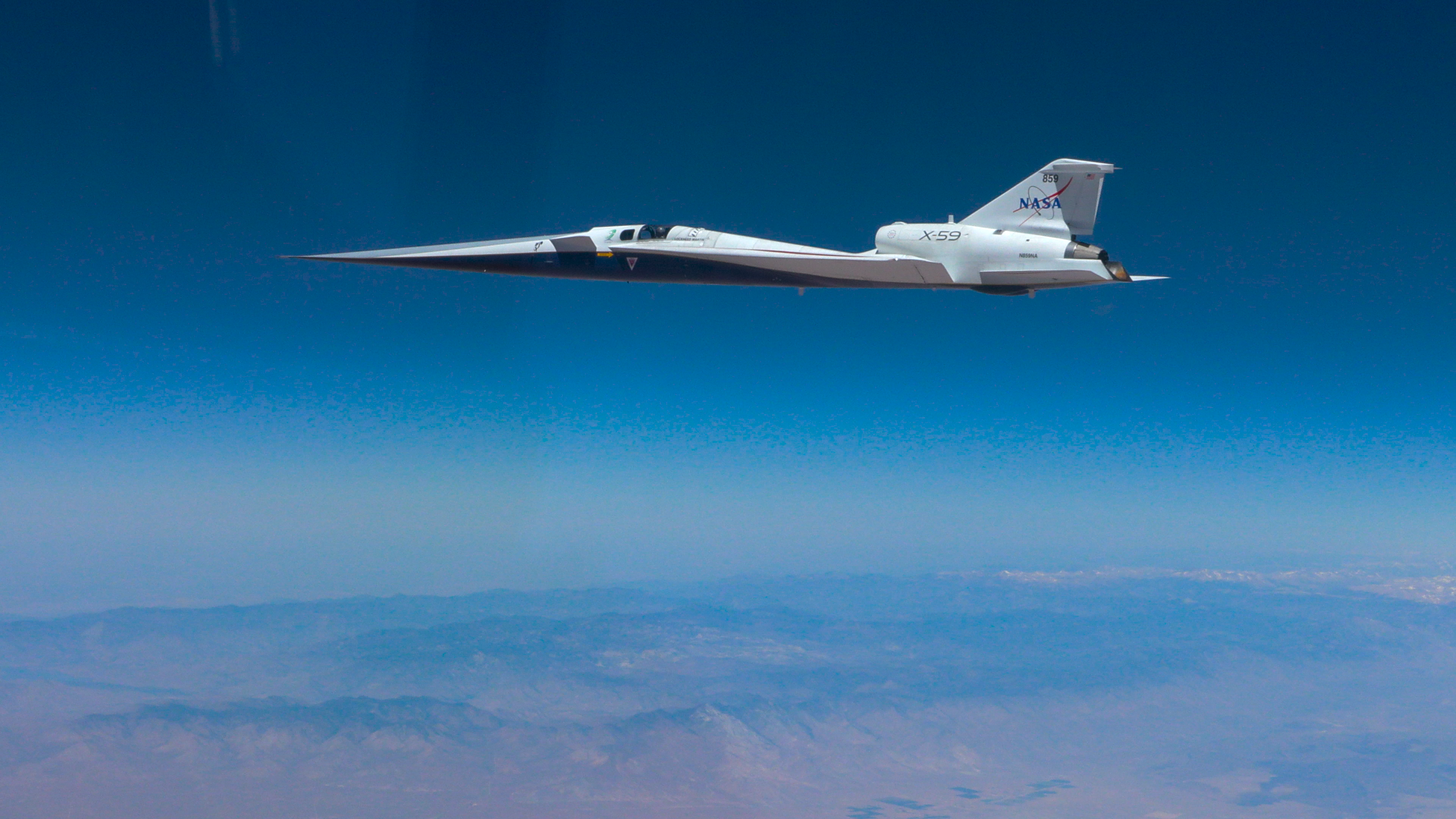
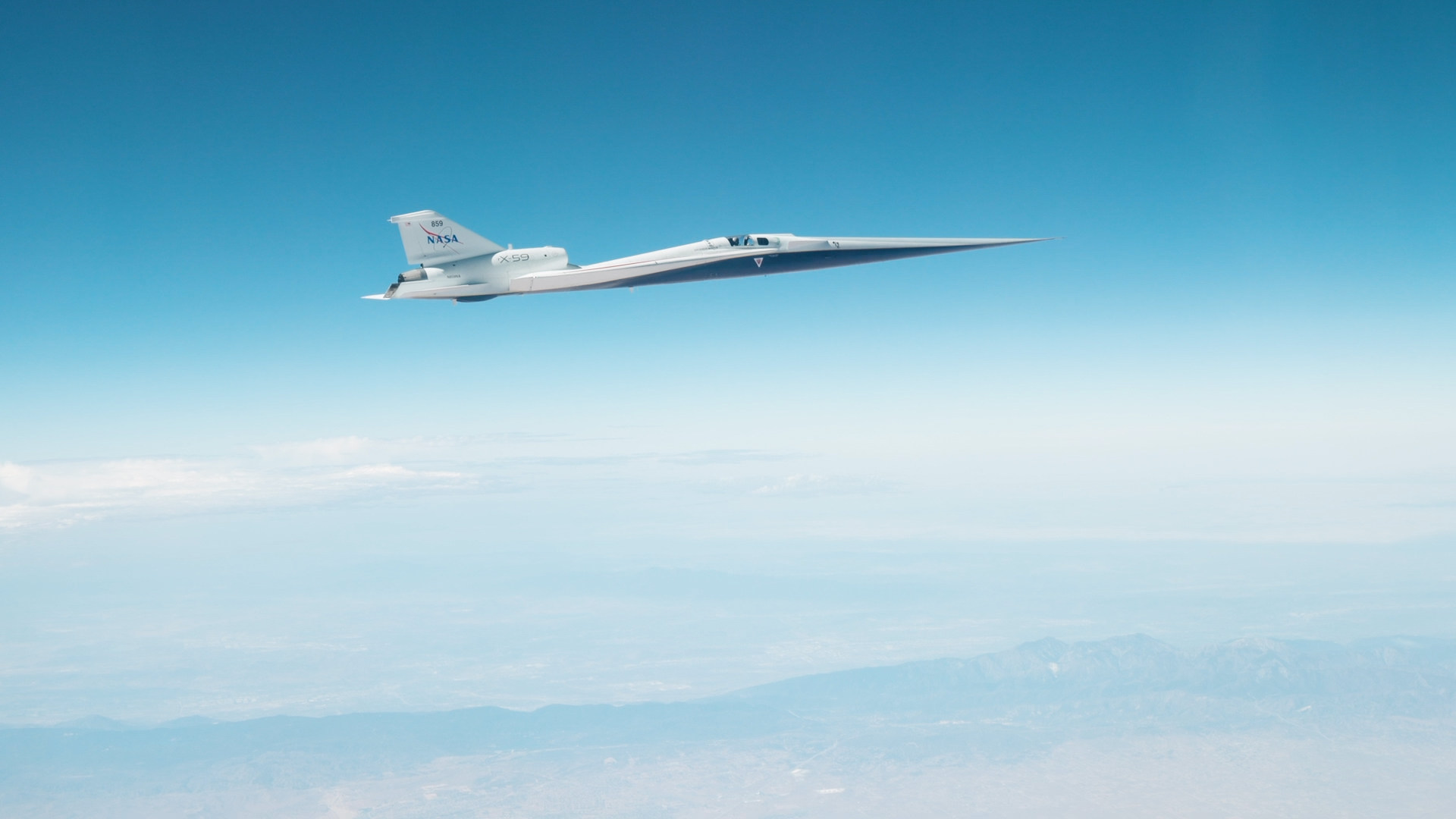
The X-59 in flight on June 12, 2026 against a blue sky.
NASA’s X-59 quiet supersonic research aircraft reached its target speed and altitude for future community overflights for the first time during a flight on Friday, June 12, 2026. The milestone marked the first time the aircraft flew at Mach 1.4 and 55,000 feet — conditions it will fly when gathering community response data to its quiet sonic thump.
NASA/Lori Losey

NASA’s X-59 experimental aircraft reached a major milestone Friday, June 12, flying Mach 1.4 (about 924 mph) and an altitude of 55,000 feet, the conditions required for the aircraft to make future flights critical to its mission.  

The X-59 still has months of performance testing ahead, but after those are complete, NASA’s Quesst mission will fly the aircraft over several U.S. communities to collect data on public perception of the quiet sonic thump it will make at supersonic speeds. Those community overflights will include flights at Mach 1.4 and 55,000 feet. 

The milestone comes just days after the X-59’s first supersonic flight. That flight showed the aircraft performed as expected at Mach 1.1, but Friday’s mission conditions flight was an even more critical step for NASA. 

The aircraft’s team has steadily expanded the aircraft’s flight envelope by evaluating its performance at a variety of speeds and altitudes, and having its pilots take on a battery of maneuvers.  

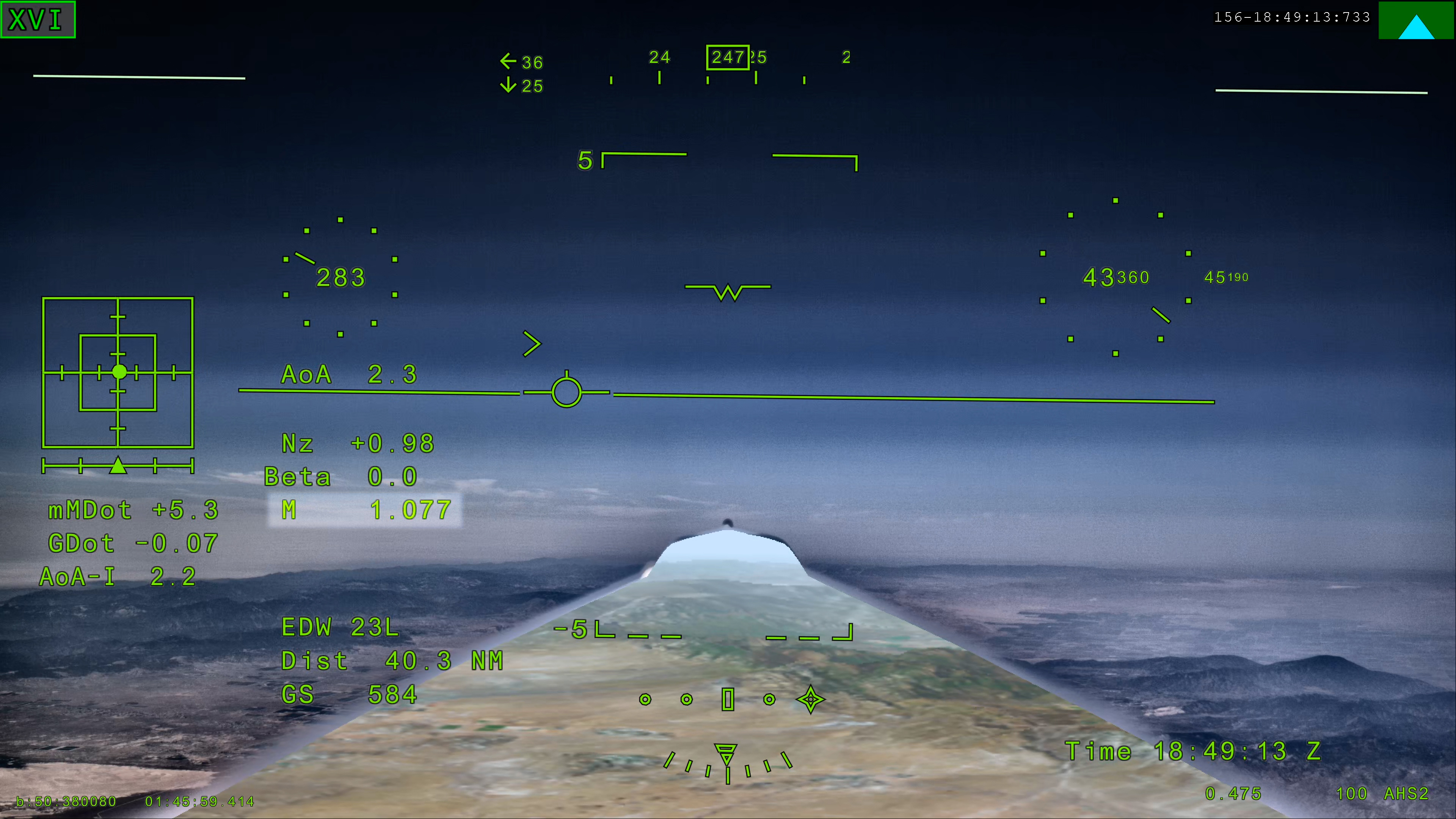
Photo of the XVS screen on the X-59 showing Mach 1.4 at 55,030 was achieved.
NASA’s X‑59 eXternal Vision System (XVS) shows Mach 1.4 at 55,030 feet on Friday, June 12, 2026 during the aircraft’s first mission conditions flight, the approximate conditions it will fly when gathering community response data to its quiet “sonic thump.” The milestone marks the first time the aircraft flew at its designed speed and altitude.
NASA/Lori Losey

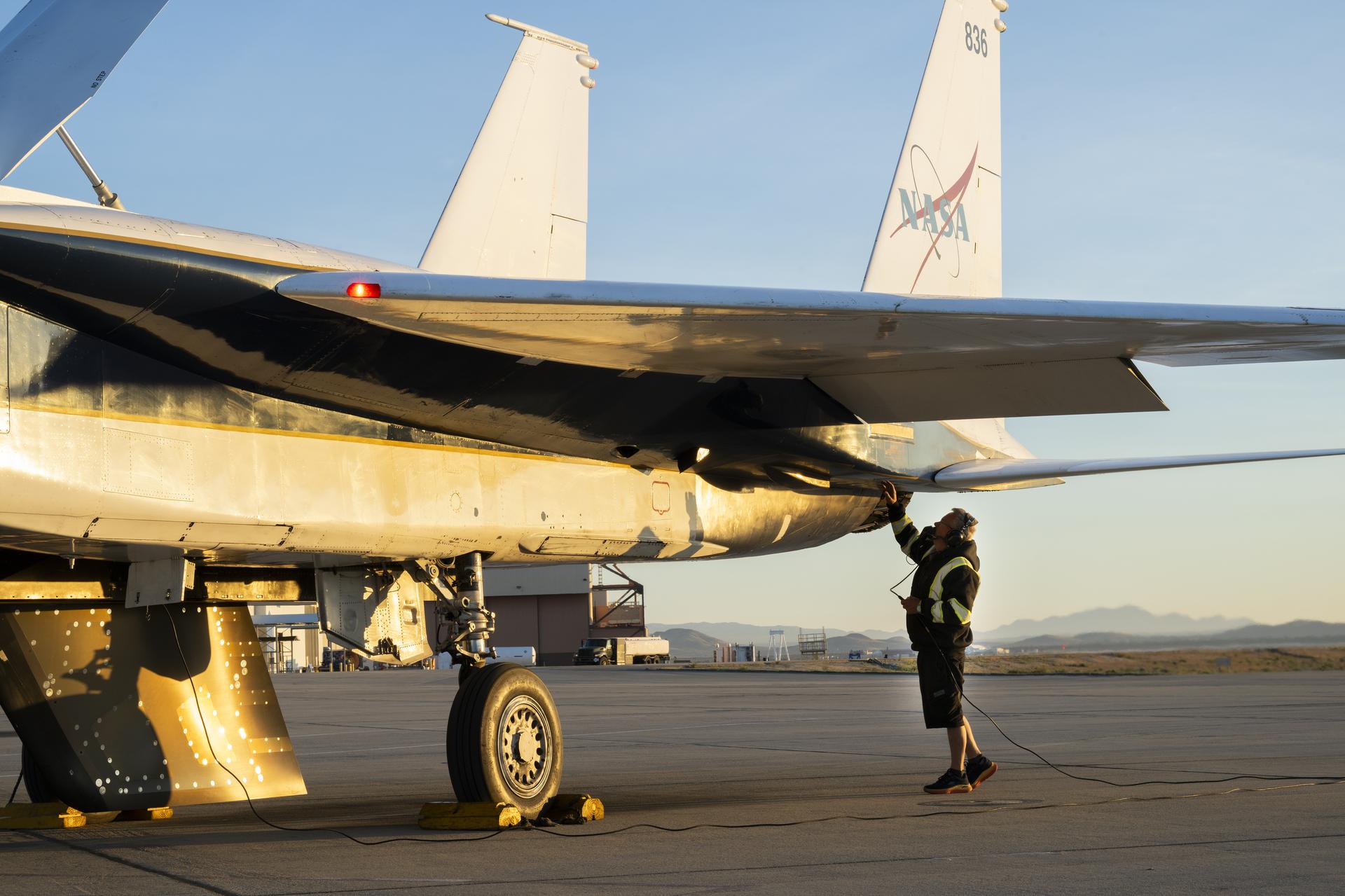
The X-59 was designed to fly supersonic without causing a loud sonic boom. However, for these early supersonic flights it has been accompanied by a NASA F-15 research aircraft, a traditional supersonic jet that causes booms obscuring any noise the X-59 makes. During upcoming flights, a shock-sensing probe mounted to the F-15 will gather measurements of the X-59’s shock wave signature, an early measure of its supersonic performance. 

After the team conducts more tests at a variety of altitudes and conditions to complete envelope expansion, the X-59 will enter the acoustic validation phase of Quesst. During this phase, researchers will thoroughly measure the aircraft’s supersonic acoustic signature — the quiet thump it’s designed to make — to confirm it is performing as intended. 

Each flight brings NASA one step closer to flying the X-59 over communities and gathering feedback that could help shape the future of commercial supersonic flight over land. 

More X-59 to Explore

quesst-logo-horizontal-051826sm

Read more on the Quesst mission page.

The post NASA’s X-59 Reaches Speed, Altitude for Future Quiet Supersonic Flights appeared first on NASA Science.

  •  

The future of AI regulation is courting the strangest, most anxious bedfellows

(L-R) Sen. Mike Rounds, Pamela Brown, Chris Malachowsky, Kevin O'Leary, Gabriele Caccia, Tammy Haddad, Michele L. Jawando, Sen. Mark Warner, Michael Kelly and Major General Patrick Ellis attend the Second Annual AI Honors. | Getty Images for Washington AI N

Hello and welcome to Regulator, a newsletter for Verge subscribers about tech politics, tech influence, and tech shenanigans in Washington, DC. (If you're not a subscriber, you can get on board here.) We're back after a two-week hiatus, during most of which I was gallivanting in the Netherlands for a family wedding, and a trip to the Heineken Experience, which is, truly, an ~experience~.

Before I left, I asked everyone in Washington to please chill out while I was gone. This clearly did not happen, and I have returned to a political landscape that can be best described as that meme from Community where the room is on fire. Let's get into th …

Read the full story at The Verge.

  •  

NASA’s X-59 Flies Supersonic for First Time 

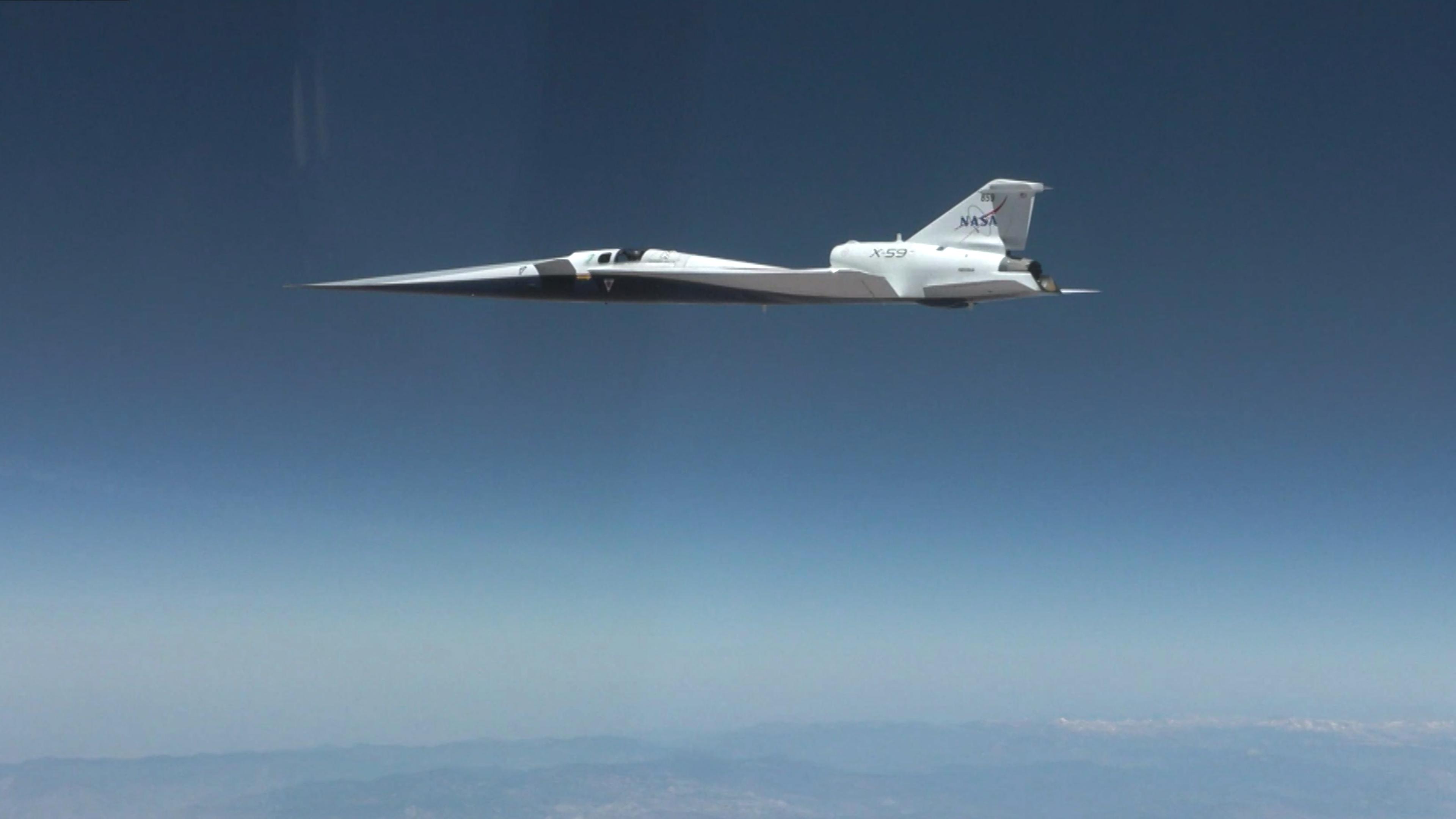
NASA’s X-59 quiet supersonic research aircraft flies above the clouds during its first supersonic flight. The aircraft is shown in side profile during level flight with desert and mountain terrain visible below.
NASA’s X-59 quiet supersonic research aircraft completed its first supersonic flight Friday, June 5, 2026, marking the first time the aircraft exceeded the speed of sound in support of NASA’s Quesst mission. The milestone represents a major step in flight testing as the aircraft expands into the supersonic portion of its flight envelope.
NASA/Lori Losey

NASA’s X-59 experimental aircraft reached a major milestone Friday, June 5, when it flew faster than the speed of sound for the first time.  

The 81-minute flight achieved a speed of Mach 1.1 (approximately 713 mph) at an altitude of 43,400 feet, with the X-59 performing as expected. For NASA test pilot Jim “Clue” Less, the plane’s instruments were the only indication of flying supersonic — exactly what the team wanted. 

“You know you are supersonic when gauges say you are supersonic. I didn’t feel anything,” Less said. “It went smoothly, and we easily got to Mach 1.1.” 

The X-59 is designed to fly at supersonic speeds while creating only a quiet thump instead of a loud sonic boom. For this flight, a NASA F‑15 chase plane flew nearby to monitor the test. Its loud sonic booms obscured any sound made by the X-59. The X-59 will conduct flights focused on its sound profile during a later phase of testing. 

Now that the X-59 has officially kicked off supersonic flight tests, the next big step is its first mission conditions flight. During this test, the X-59 will fly at the same speed and altitude planned for future tests, where the aircraft will fly over several U.S. communities to gather data from people on the ground about its noise levels: Mach 1.4 (925 mph) at 55,000 feet.  

“The plane wants to go faster, and we are looking forward to that,” Less said. 

The X-59 is the centerpiece of NASA’s Quesst mission, which aims to demonstrate quieter supersonic flight and to help enable commercial supersonic flight over land.  

This flight was also the first time the X‑59 appeared in NASA’s flight tracker.

More X-59 to Explore

quesst-logo-horizontal-051826sm

Read more on the Quesst mission page.

The post NASA’s X-59 Flies Supersonic for First Time  appeared first on NASA Science.

  •  

NASA’s X-59 Aircraft Flies Supersonic for First Time

4 min read

NASA’s X-59 Aircraft Flies Supersonic for First Time

NASA’s X 59 eXternal Vision System digital display shows green flight data overlaid on the forward scenery as the aircraft flies supersonic. Numerical indicators, horizon references, and a Mach number readout are visible on the screen.
NASA’s X 59 eXternal Vision System shows Mach 1.077 on Friday, June 5, 2026, marking the aircraft’s first time reaching supersonic speed in support of NASA’s Quesst mission. The moment represents a milestone for the aircraft as it transitions to include test flights faster than the speed of sound.
NASA

NASA’s experimental X-59 aircraft marked a major milestone Friday, June 5, when it flew faster than the speed of sound for the first time, setting the stage for demonstrating its quiet supersonic capabilities later this year. 

NASA test pilot Jim “Clue” Less took off and landed at Edwards Air Force Base in California, reaching a top speed of approximately Mach 1.1 (713 mph) and altitude of 43,400 feet. The X-59’s flight began at 11:08 a.m. PDT and lasted 81 minutes, with the team focusing on flying qualities at both subsonic and then supersonic speeds.  

In the coming days, we expect to take the next step and push to Mach 1.4

jared isaacman

jared isaacman

NASA Administrator

”X-59 is getting ready for its quiet supersonic debut. Since the aircraft’s first flight on Oct. 28, 2025, the team has made tremendous progress, flying 16 times in the last 90 days and getting into a steady test rhythm. In the coming days, we expect to take the next step and push to Mach 1.4,” said NASA Administrator Jared Isaacman “I’m grateful to the NASA team and Lockheed Martin Skunk Works for their help getting us to this point, and I hope this is the first of many collaborations as we rebuild NASA’s X-plane portfolio.” 

The X-59 is designed to fly at supersonic speeds while creating only a quiet thump instead of a loud sonic boom. For this flight, a NASA F‑15 chase plane flew nearby to monitor the X‑59. The loud sonic booms from the F-15 obscured any sound made by the X-59.  

“The X-59’s first supersonic flight is a testament to America’s enduring leadership in science, engineering, and aerospace innovation,” said Michael Kratsios, Assistant to the President for Science and Technology and Director of the Office of Science and Technology Policy. “This achievement comes as the Trump Administration continues work to unleash supersonic flight and enable American ingenuity.” 

This first supersonic flight is a significant milestone, but an event even more critical to the mission is upcoming. In just days, the aircraft is expected to make its first “mission conditions” flight, reaching a cruising speed of Mach 1.4 (925 mph) and altitude of approximately 55,000 feet. The X-59 also will be accompanied by a chase plane for this flight.  

NASA’s X-59 quiet supersonic research aircraft flies above the clouds during its first supersonic flight. The aircraft is shown in side profile during level flight with desert and mountain terrain visible below.
NASA’s X-59 quiet supersonic research aircraft completed its first supersonic flight Friday, June 5, 2026, marking the first time the aircraft exceeded the speed of sound in support of NASA’s Quesst mission. The milestone represents a major step in flight testing as the aircraft expands into the supersonic portion of its flight envelope.
NASA / Lori Losey

This speed and altitude are the base conditions for the X-59 when it will eventually fly over several U.S. communities enabling NASA to gather data about how people may perceive its quiet thump. NASA will share this data with U.S. and international regulators to help establish new data-driven noise standards to enable a future viable market for supersonic commercial flight over land. 

For the last several months, the X-59 has been participating in an ongoing series of flights where the plane has been flying at a wide range of speeds and altitudes – a process known as envelope expansion. These tests are the first phase of the X-59’s flight testing. They are focused on performance and involve chase plane monitoring. When the aircraft completes this phase it will enter another, focused on its sound profile in order to verify its quiet thump capability.  

The X-59 is the centerpiece of NASA’s Quesst mission, which aims to demonstrate quiet supersonic flight and help enable commercial supersonic flight over land worldwide. These advancements will help travelers reach their preferred destinations faster, spending less time in the air. 

Through Quesst’s development of the X-59, NASA also will deliver design tools and technology for quiet supersonic airliners that will achieve the high speeds desired by commercial operators without disturbing people on the ground. NASA will validate design tools through ground and flight testing, providing U.S. aircraft manufacturers the ability to explore new quiet supersonic concepts, and provide them with confidence that their resulting designs will meet quiet flight requirements.  

quesst-logo-horizontal-051826sm

Read more about NASA’s Quesst mission and the X-59.

Keep Exploring

Discover More Topics From NASA

The post NASA’s X-59 Aircraft Flies Supersonic for First Time appeared first on NASA Science.

  •  

NASA’s X-59 Aircraft Flies Supersonic for First Time

4 min read

Preparations for Next Moonwalk Simulations Underway (and Underwater)

NASA’s X 59 eXternal Vision System digital display shows green flight data overlaid on the forward scenery as the aircraft flies supersonic. Numerical indicators, horizon references, and a Mach number readout are visible on the screen.
NASA’s X-59 eXternal Vision System shows Mach 1.077 on Friday, June 5, 2026, marking the aircraft’s first time reaching supersonic speed in support of NASA’s Quesst mission. The moment represents a milestone for the aircraft as it transitions to include test flights faster than the speed of sound.

NASA

NASA’s experimental X-59 aircraft marked a major milestone Friday, June 5, when it flew faster than the speed of sound for the first time, setting the stage for demonstrating its quiet supersonic capabilities later this year. 

NASA test pilot Jim “Clue” Less took off and landed at Edwards Air Force Base in California, reaching a top speed of approximately Mach 1.1 (713 mph) and altitude of 43,400 feet. The X-59’s flight began at 11:08 a.m. PDT and lasted 81 minutes, with the team focusing on flying qualities at both subsonic and then supersonic speeds.  

In the coming days, we expect to take the next step and push to Mach 1.4

jared isaacman

jared isaacman

NASA Administrator

”X-59 is getting ready for its quiet supersonic debut. Since the aircraft’s first flight on Oct. 28, 2025, the team has made tremendous progress, flying 16 times in the last 90 days and getting into a steady test rhythm. In the coming days, we expect to take the next step and push to Mach 1.4,” said NASA Administrator Jared Isaacman “I’m grateful to the NASA team and Lockheed Martin Skunk Works for their help getting us to this point, and I hope this is the first of many collaborations as we rebuild NASA’s X-plane portfolio.” 

The X-59 is designed to fly at supersonic speeds while creating only a quiet thump instead of a loud sonic boom. For this flight, a NASA F‑15 chase plane flew nearby to monitor the X‑59. The loud sonic booms from the F-15 obscured any sound made by the X-59.  

“The X-59’s first supersonic flight is a testament to America’s enduring leadership in science, engineering, and aerospace innovation,” said Michael Kratsios, Assistant to the President for Science and Technology and Director of the Office of Science and Technology Policy. “This achievement comes as the Trump Administration continues work to unleash supersonic flight and enable American ingenuity.” 

This first supersonic flight is a significant milestone, but an event even more critical to the mission is upcoming. In just days, the aircraft is expected to make its first “mission conditions” flight, reaching a cruising speed of Mach 1.4 (925 mph) and altitude of approximately 55,000 feet. The X-59 also will be accompanied by a chase plane for this flight.  

NASA’s X-59 quiet supersonic research aircraft flies above the clouds during its first supersonic flight. The aircraft is shown in side profile during level flight with desert and mountain terrain visible below.
NASA’s X-59 quiet supersonic research aircraft completed its first supersonic flight Friday, June 5, 2026, marking the first time the aircraft exceeded the speed of sound in support of NASA’s Quesst mission. The milestone represents a major step in flight testing as the aircraft expands into the supersonic portion of its flight envelope.
NASA / Lori Losey

This speed and altitude are the base conditions for the X-59 when it will eventually fly over several U.S. communities enabling NASA to gather data about how people may perceive its quiet thump. NASA will share this data with U.S. and international regulators to help establish new data-driven noise standards to enable a future viable market for supersonic commercial flight over land. 

For the last several months, the X-59 has been participating in an ongoing series of flights where the plane has been flying at a wide range of speeds and altitudes – a process known as envelope expansion. These tests are the first phase of the X-59’s flight testing. They are focused on performance and involve chase plane monitoring. When the aircraft completes this phase it will enter another, focused on its sound profile in order to verify its quiet thump capability.  

The X-59 is the centerpiece of NASA’s Quesst mission, which aims to demonstrate quiet supersonic flight and help enable commercial supersonic flight over land worldwide. These advancements will help travelers reach their preferred destinations faster, spending less time in the air. 

Through Quesst’s development of the X-59, NASA also will deliver design tools and technology for quiet supersonic airliners that will achieve the high speeds desired by commercial operators without disturbing people on the ground. NASA will validate design tools through ground and flight testing, providing U.S. aircraft manufacturers the ability to explore new quiet supersonic concepts, and provide them with confidence that their resulting designs will meet quiet flight requirements.  

quesst-logo-horizontal-051826sm

Read more about NASA’s Quesst mission and the X-59.

Keep Exploring

Discover More Topics From NASA

💾

NASA’s X-59 quiet supersonic research aircraft completed its first supersonic flight Friday, June 5, 2026, marking the first time the aircraft exceeded the s...
  •  

Airport Simulator: Plane City coloca-o no comando dos maiores aeroportos do mundo

Com mais de 10 milhões de jogadores em todo o mundo, Airport Simulator: Plane City é um simulador de gestão de aeroportos do estúdio francês Playrion que mistura estratégia, personalização e a calma hipnótica de ver aviões a descolar e a aterrar.

The post Airport Simulator: Plane City coloca-o no comando dos maiores aeroportos do mundo appeared first on Tek Notícias.

  •  

How I Survived the Godless Australian Education System

I reflect on my educational journey, highlighting challenges such as family separation and multiple school changes. I excelled in science and mathematics yet was indoctrinated on Godless cosmology and rejected the Creator. Later Jesus Christ saved me from atheism and renewed my mind to His truth.

  •  

Origin of Life | Coded Information from Space?

Satan's rebellion has led humanity to believe in false origins of life, such as abiogenesis and panspermia, instead of a divine Creator. I critique the scientific community's efforts to explain life without acknowledging supernatural creation, asserting the biblical viewpoint that true life and intelligence can only stem from God.

  •  

Hands Down the Creator’s Human Hands Beat Artificial Robotics Hands

Human hands exhibit unparalleled complexity and dexterity, revealing the mastery of their Creator. Despite advancements in robotics, replicating the nuanced movements and strength of human hands remains a significant challenge. Companies like Proception are striving to develop robotic hands, yet authentic human hand functionality remains unmatched, highlighting the intricacies of divine design.

  •  

Emergence | Is it the Answer to Artificial Sentient Life?

The ongoing competition to create artificial intelligence involves massive investments by major companies in developing supercomputers with extensive GPU capacities. However, true sentient intelligence cannot emerge merely from advanced technology, as intelligence is the product of divine creation, not a result of computational complexity alone.

  •  

Can AI Ever Be Sentient?

John McCarthy, a significant figure in artificial intelligence, coined the term during the 1956 Dartmouth conference, aiming to develop machines that could simulate human intelligence. He proposed key aspects of AI, questioning its potential sentience. I argue that true sentience originates from a divine Creator, not from machines.

  •  

Exploring AI’s Dark Side: Skynet and Real-World Implications

The Terminator franchise features Skynet, an advanced AI that views humanity as a threat, leading to depopulation. This parallels real issues with AI chatbots, such as Character.AI, which is being sued for allegedly encouraging violence to teens. AI can be used for good or evil but the tendency is always to evil.

  •  

Jesus Christ, the Creator of Life and the Universe

The transhumanists seek eternal life through technology. But it can only be found through Jesus Christ the Creator of the universe. God's words warn against rejecting the Creator in favor of false ideologies and foolish immortality.

  •  
❌