❌

Reading view

The Cybercab is the lightest, most efficient Tesla ever made

Tesla Robotaxi on a graphic blue and green background.

Against all odds, the Tesla Cybercab is in production. And while Elon Musk's company may not have a very coherent plan for the tiny, autonomous two-seater, it's still taking the necessary steps to certify the EV's legitimacy. As such, Tesla recently filed paperwork with the Environmental Protection Agency that reveal many of the Cybercab's specs, including its weight, battery size, and preliminary range estimates.

What these documents reveal is the lightest, most range efficient vehicle Tesla has ever produced - and quite possibly one of the most efficient EVs ever produced.

The EPA filings confirm the Cybercab runs on a single front-mou …

Read the full story at The Verge.

  •  

Mobileye is entering the US robotaxi market with standalone service

The driving technology company Mobileye plans to launch a robotaxi service in an as-yet-unnamed US city in 2027, it said earlier today. The service will be vertically integrated, using Mobileye's Moovit mobility platform to interact with customers booking rides, coordinate drivers, and so on. The Israeli company, which was bought by Intel in 2017 before going public again in 2022, says it will start with around 100 robotaxis early next year.

"Mobileye has spent more than two decades building the technologies required for autonomous driving," said Amnon Shashua, founder and CEO of Mobileye. "Today we are taking the next step: combining those technologies with operational ownership to create a financially and geographically scalable robotaxi business designed from the ground up for global deployment."

The company first rose to prominence in the mid-2010s, when Tesla began using Mobileye's advanced driving assistance systems (ADAS) as part of Autopilot. That relationship lasted until 2016, when Mobileye dropped Tesla as a customer after being alarmed that a driver assistance system was being sold to end users as driverless technology. Since then, Mobileye has continued to work with other partners on ADAS and autonomous vehicles.

Read full article

Comments

Β© Getty Images

  •  

BMW’s Neue Klasse M concept brings next-gen EV tech to motorsports

BMW Neue Klasse M concept

Just in time for Le Mans, BMW is pulling the cover off its new M performance concept built on the Bavarian automaker's Neue Klasse next-generation architecture.

The concept is the debut of a new design language for BMW's M division, signaling a shift toward a more electrified future. The company says it is built on the guiding principle "Born on the racetrack. Made for the streets," bridging BMW's motorsports heritage with its next-generation EV technology.

Marketing bromides aside, the new concept is a two-door sedan with powerful proportions, precise lines, wide wheel arches, and a muscular shoulder section. It's also an introduction to …

Read the full story at The Verge.

  •  

Waymo introduces $30-a-month premium tier for riders who want faster pickups

Waymo Premier

Uber One, meet Waymo Premier.

The robotaxi operator announced a new $29.99-a-month premium tier for riders who want a more elevated and exclusive autonomous experience. The invite-only membership service is aimed at Waymo customers who use the service most frequently, offering them a number of perks, including priority pickups, 10 percent cash back on every trip, early robotaxi access in new cities, and up to five free cancellations a month.

Waymo Premier will be initially offered to select riders in San Francisco, Los Angeles, and Phoenix, the company said. The program will scale to new cities as Waymo continues to expand; the company h …

Read the full story at The Verge.

  •  

BYD to install thousands of 5-minute EV chargers across Europe

A photo showing the BYD logo on two vehicles

Chinese EV colossus BYD has announced plans to speed up its conquest of the European auto market with the rollout of superfast Flash Chargers across the continent. BYD has already installed the first new chargers in Germany and the UK, and plans to roll out 3,000 across Europe by the end of next year.

At an estimated cost of €580,000 (about $670,000) per charger according to the Financial Times, that would mean a total spend of roughly $2 billion to install the network. The 1,500kW charging stations are significantly more powerful than Tesla's 500kW V4 Superchargers, though Tesla already has 20,000 chargers installed in Europe. BYD, which h …

Read the full story at The Verge.

  •  

Waymo built a virtual driver to study how humans react to surprises on the road

Waymo taxis on a bright pink and green background.

Waymo has a lot of experience building virtual systems to help its autonomous vehicles better understand the real world. It built realistic 3D worlds to better anticipate natural disasters and unpredictable edge cases. It created a virtual representation of a hyperattentive driver to test against its own autonomous vehicles in a series of simulated scenarios to see which is better at crash avoidance.

Now, in a new research paper published today in Nature Communications, Waymo describes a new computer-based cognitive model that explains how human drivers make split-second decisions to avoid crashes. The company thinks the new model will serv …

Read the full story at The Verge.

  •  

β€˜Electrify daily life’, urges Cop31 host

Third of world’s energy needs should come from electricity by 2035, says Murat Kurum, as priorities set out for this year’s UN climate summit

The world should aim to meet a third of its energy needs from electricity within a decade to cut greenhouse gas emissions, the host of the next UN climate summit has said.

While about a third of global electricity generation already comes from renewable sources, other energy-intensive sectors – chiefly transport, heating and industries – have lagged behind. Close to four-fifths of final energy still comes from fossil fuels, as a result.

Continue reading...

Β© Photograph: Images By Tang Ming Tung/Getty Images

Β© Photograph: Images By Tang Ming Tung/Getty Images

Β© Photograph: Images By Tang Ming Tung/Getty Images

  •  

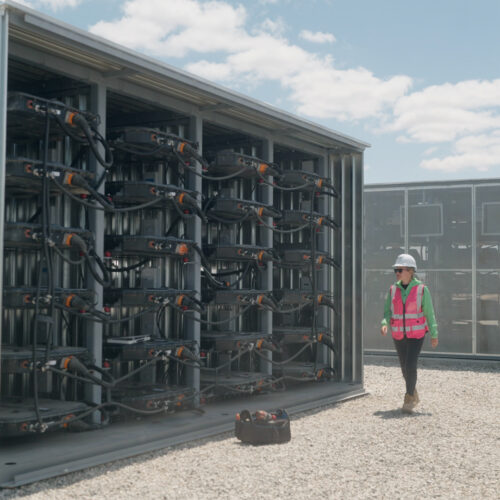
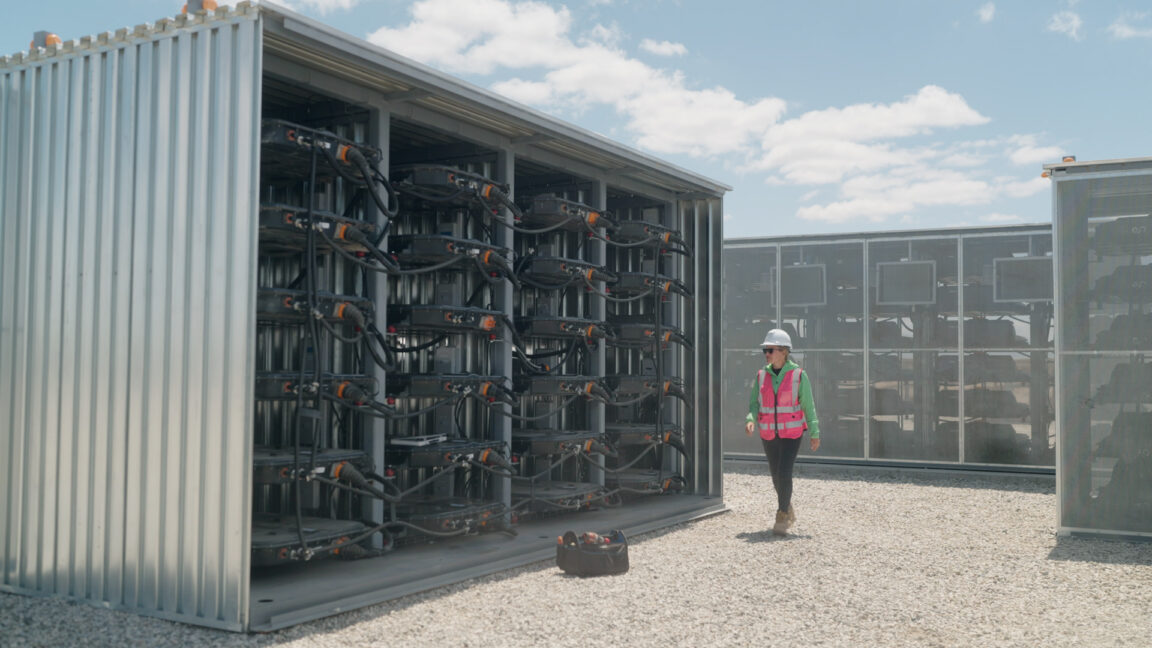
Used Waymo robotaxi batteries become backup storage for power grids

Thousands of electric vehicles in Waymo’s autonomous robotaxi fleet may eventually give up their used batteries for a very different purposeβ€”contributing up to hundreds of megawatt-hours of stationary energy storage to local power grids.

That prospect comes from a β€œstrategic supply agreement” announced by Waymo and B2U Storage Solutions on June 4. B2U has been repurposing thousands of used batteries from various electric vehicles by installing them in large stationary energy storage projects. Such energy storage facilities can capture excess renewable energy during low demand periods and release such energy when local power grids are experiencing peak demand periods.

β€œOur business is getting the full residual value out of electric vehicle batteries after they're no longer suitable for automotive use,” Freeman Hall, CEO of B2U Storage Solution, told Ars. β€œWaymo puts a lot of miles on EVs and their model is expanding rapidly, and so we're just very pleased and honored to be able to work with them.”

Read full article

Comments

Β© Awarded Goods Company

  •  
  •  
❌