❌

Reading view

Levothyroxine Trends in Congenital Hypothyroidism: 10-Year Study

In recent years, the global medical community has observed an alarming rise in the incidence of congenital hypothyroidism (CH), a condition characterized by insufficient thyroid hormone production in newborns. This endocrine disorder, if undiagnosed or untreated, can lead to profound developmental delays and intellectual disabilities. Against this backdrop, a landmark study published in Pediatric Research sheds new light on the long-term administration and cessation patterns of levothyroxine—a synthetic thyroid hormone replacement—in patients assumed to have CH. This nationwide cohort investigation, spanning over a decade, provides unprecedented insights into treatment paradigms and patient management on a population scale.

The study meticulously tracked levothyroxine usage across a broad demographic, encompassing thousands of newborns clinically suspected of congenital hypothyroidism. Using comprehensive health databases, researchers were able to delineate initiation rates, dosage adjustments, duration of therapy, and the critical junctures at which discontinuation occurs. They highlight how early diagnosis, often through neonatal screening programs, has revolutionized patient outcomes but also raised new questions regarding optimal treatment length and criteria for safely discontinuing therapy.

One of the foundational aspects explored in this investigation is the temporal trend of levothyroxine initiation. The data convincingly demonstrate a marked increase in the frequency of diagnoses and subsequent treatment initiation over the 10-year observation period. This escalation aligns with heightened screening sensitivity and revised diagnostic thresholds, suggesting that what was once considered atypical or borderline hypothyroidism is now more frequently targeted for intervention. Such shifts bring about complex clinical decisions around the balance between necessary hormone supplementation and potential overtreatment.

In delineating the course of levothyroxine administration, the study underscores that a significant subset of patients undergoes treatment discontinuation, reflecting evolving clinical judgments based on follow-up evaluations. These discontinuations often result from confirmatory testing that challenges the initial diagnosis or reveals transient hypothyroidism, a condition that resolves spontaneously without lifelong hormone dependency. Understanding when and how to discontinue therapy safely remains a cornerstone in preventing unnecessary treatment burden and its accompanying risks.

Moreover, the investigation probes into the demographic and clinical determinants influencing levothyroxine discontinuation. Variables such as age at diagnosis, initial thyroid function test results, and the presence of thyroid dysgenesis or dyshormonogenesis significantly sway therapeutic decisions. The study’s granular stratification reveals that patients with milder biochemical abnormalities or transient hypothyroidism are more likely to cease treatment within the first few years of life, emphasizing the importance of individualized care pathways.

Intriguingly, the analysis also touches upon the challenges in differentiating permanent congenital hypothyroidism from transient cases during the neonatal period. These diagnostic ambiguities are amplified by biochemical fluctuations, maternal thyroid conditions, and environmental factors such as exposure to iodine or goitrogens. The study’s extensive dataset allows for a nuanced understanding of these confounders, paving the way for refined diagnostic algorithms and personalized monitoring protocols.

The ramifications of sustained levothyroxine therapy extend beyond hormone replacement; they encompass metabolic, cardiovascular, and neurodevelopmental domains, especially if treatment is misaligned with the patient’s true thyroid status. Over-replacement can lead to iatrogenic thyrotoxicosis, while under-treatment perpetuates hypothyroid sequelae. This cohort study underscores the imperative for vigilant clinical and biochemical monitoring, leveraging advances in assay technologies and genetic profiling to tailor interventions precisely.

From a public health perspective, the rising levothyroxine use in presumed CH presents implications for healthcare resource allocation, long-term follow-up infrastructure, and parental counseling. National screening programs must adapt to integrate not only early detection but also robust tracking systems that ascertain treatment necessity, effectiveness, and safety over time. This study’s nationwide scope lends critical data to guide policy refinements and equity considerations in thyroid disease management.

Furthermore, the researchers advocate for a paradigm shift towards dynamic therapeutic frameworks, where treatment initiation is complemented by scheduled re-evaluations to determine the persistence of hypothyroidism. By promoting trial discontinuations under strict supervision, clinicians can limit unnecessary exposure to levothyroxine, thereby mitigating potential adverse effects and preserving health system sustainability.

Equally important, the study highlights gaps in current clinical guidelines, which often lack consensus on precise criteria for levothyroxine cessation. These ambiguities contribute to variability in practice and patient outcomes. The authors call for concerted efforts among endocrinologists, neonatologists, and healthcare policymakers to develop evidence-based protocols informed by longitudinal data such as theirs.

In terms of methodology, the utilization of expansive health claims and prescription data validates the reliability and real-world applicability of the findings. The analytical approach, employing survival analysis and multivariate regression modeling, unravels complex patterns of drug utilization and discontinuation, while adjusting for confounding factors. This rigorous epidemiological framework sets a benchmark for future pharmacoepidemiological research in pediatric endocrinology.

It is also noteworthy that the study addresses psychosocial dimensions indirectly, recognizing that parents and caregivers play pivotal roles in adherence and decision-making regarding levothyroxine therapy. Long-term treatment regimens can strain families emotionally and financially, underscoring the need for supportive care models and transparent communication strategies.

The implications of the rising incidence of CH—and correspondingly, levothyroxine use—also evoke considerations about environmental and genetic influences driving this trend. Although not the primary focus, the comprehensive data collected may inspire ancillary investigations into prenatal exposures, epigenetic modifications, and population-based genetic predispositions contributing to this public health challenge.

Ultimately, this landmark investigation by Kim, Woo, Lee, and colleagues portrays a nuanced portrait of levothyroxine use in presumed congenital hypothyroidism, emphasizing the dual imperatives of timely treatment and judicious discontinuation. Their ten-year nationwide cohort analysis unearths critical trends that will undoubtedly inform clinical practice, guideline development, and health policy designed to optimize outcomes for affected infants and children worldwide.

As pediatric endocrinology advances, the insights gleaned from this study serve as a timely reminder of the complexity underlying ostensibly straightforward diagnoses. The nuanced interplay between biochemical parameters, diagnostic certainty, patient heterogeneity, and long-term treatment strategies requires clinicians to balance evidence-based medicine with individualized care. This study not only contributes pivotal epidemiological evidence but also catalyzes a re-examination of management philosophies in congenital hypothyroidism.

In conclusion, the increasing incidence of congenital hypothyroidism and the corresponding escalation in levothyroxine use illuminate a critical area for continued research and healthcare innovation. The ten-year nationwide cohort study effectively captures the evolving landscape of diagnosis, treatment, and discontinuation, reinforcing the need for integrated multidisciplinary approaches. By fostering personalized medicine approaches grounded in large-scale data analysis, healthcare systems can aspire toward improved thyroid health in newborns and beyond.


Subject of Research: Use and discontinuation patterns of levothyroxine treatment in patients with presumed congenital hypothyroidism over ten years in a nationwide cohort.

Article Title: Levothyroxine use and discontinuation in presumed congenital hypothyroidism: a 10-year nationwide cohort study.

Article References:
Kim, S.Y., Woo, H.A., Lee, E.H. et al. Levothyroxine use and discontinuation in presumed congenital hypothyroidism: a 10-year nationwide cohort study. Pediatr Res (2026). https://doi.org/10.1038/s41390-026-05153-7

Image Credits: AI Generated

DOI: 16 June 2026

  •  

Insurance Shortfalls Challenge Expansion of Net-Zero Hydrogen Technologies

The global shift toward net-zero emissions has thrust hydrogen into the spotlight as a promising energy vector capable of decarbonizing sectors traditionally reliant on fossil fuels. Yet, as hydrogen technologies surge from concept to commercial reality, a critical question has emerged: can the insurance industry keep pace with the novel risks intrinsic to these systems? A compelling new article published in Engineering unveils the stark challenge facing insurers and innovators alike. It argues that the nascent nature of hydrogen processes and infrastructures presents a complex risk landscape that current insurance frameworks are ill-equipped to navigate, potentially impeding large-scale deployment needed to meet climate goals.

Central to the discourse is the intricate, multifaceted nature of hydrogen technologies, encompassing production, storage, transport, and utilization systems. Unlike mature renewable technologies such as wind and solar, hydrogen operations are fraught with unique hazards—including extreme flammability, material embrittlement due to hydrogen exposure, and elusive leakage risks—that conventional insurance models have yet to thoroughly address. This gap in risk assessment and management means that financial security mechanisms crucial for investment confidence remain underdeveloped, posing a significant barrier to scalable hydrogen adoption.

The article elucidates that hydrogen’s promise as a clean energy carrier depends not only on decarbonized production but also on scaling the entire value chain rapidly and reliably. However, these pioneering engineering systems entail a gamut of evolving operational risks. These span from property damages and equipment failures to worker safety concerns heightened by hydrogen’s explosive potential. Cybersecurity risks also arise given the increasing digitalization of energy assets, while governance challenges manifest through liability exposures of company directors as projects push technical boundaries. Furthermore, these uncertainties extend into supply chain fragility and performance shortfalls during system ramp-up phases, compounding insurers’ difficulties in crafting comprehensive coverage.

Drawing a parallel to renewable energy insurance markets, the authors observe how wind and solar have benefited from years of data accumulation, modeling refinement, and standardization efforts that underpin sophisticated insurance offerings. This data-driven maturation enables parametric insurance and warranties that safeguard against specific performance metrics and supply chain disruptions. Yet, hydrogen insurance remains embryonic, characterized by cautious underwriting and limited products chiefly targeted at niche applications rather than broad industrial deployment. This immaturity translates to cost premiums and coverage limitations that stall financing and project momentum.

To transcend these hurdles, the article emphasizes the critical need for structured data collection and robust risk characterization specific to hydrogen processes. Without granular operational insights and validated risk models, insurers default to conservative stances that restrict underwriting appetite. The authors champion innovative insurance instruments, notably parametric policies calibrated to predefined risk triggers, and performance warranties that hedge against technology underperformance. These solutions can lower uncertainty for investors and catalyze capital flow, but their success hinges on collaborative data-sharing and transparent risk communication between all stakeholders.

Importantly, the narrative draws attention to a strategic opportunity for insurers. Engagement with hydrogen not only mitigates climate-related portfolio risks but also opens access to a burgeoning industrial market driven by global net-zero ambitions. Nonetheless, disconnects persist between technology developers’ needs and insurers’ capabilities, underscoring the urgency for proactive, multi-stakeholder dialogue. Fostering early-stage collaboration among engineers, academia, private sector, and insurance providers is pivotal to co-design risk assessment methodologies, standardize certification regimes, and ultimately align insurance solutions with engineering innovation trails.

Academia is positioned as a critical catalyst in this ecosystem. Researchers can bridge the gap by aggregating operational data, refining risk models via simulations and real-world studies, and facilitating standardization efforts that underpin insurer confidence. Such integrative efforts advance both scientific understanding and commercial viability. Aligning insurance mechanisms with engineering innovation timelines ensures risk management is embedded from technology readiness level milestones onward, thus streamlining the pathway from pilot projects to full-scale industrial rollouts.

The article also highlights the financial repercussions of currently inadequate insurance coverage. High premiums and coverage gaps retard investment flows and engender hesitancy among financiers wary of unquantified risks. As hydrogen projects are capital-intensive with long development horizons, risk mitigation via comprehensive insurance is non-negotiable for unlocking broader investor appetite. Hence, the advancement of hydrogen insurance products is not merely a financial instrument but a keystone for sustainable market adoption and technological acceleration.

Furthermore, the article delves into technical challenges such as hydrogen’s propensity to induce embrittlement in metals, which degrades structural integrity over time and raises maintenance costs. Insurance models must incorporate such materials science insights to accurately price and cover long-term durability risks. Leakage detection and mitigation technologies also play a vital role in controlling operational hazards, with insurance frameworks incentivizing advancements in sensor deployment and safety protocols. These technological synergies between engineering and insurance amplify resilience and facilitate risk reduction.

In conclusion, the article contends that unlocking hydrogen’s potential as a linchpin of a net-zero future demands a paradigm shift in insurance thinking coupled with systemic collaboration. By gathering rigorous data, designing bespoke risk instruments, and fostering cross-sector partnerships, the insurance market can evolve to support hydrogen innovation robustly. This evolution will serve as the linchpin of investor confidence, enabling swift scale-up while safeguarding public and environmental safety. Without such advancements, the hydrogen economy risks stalling, imperiling global decarbonization trajectories.

The implications extend beyond risk transfer to the very architecture of hydrogen energy systems. Insurance integration informs engineering decisions, safety standards, and policy frameworks, creating a virtuous cycle that harmonizes technical innovation with financial viability. The authors’ clarion call is clear: accelerating the hydrogen transition mandates bridging the gap between emergent technology risks and insurance market readiness. Achieving this nexus will be transformative—not only for hydrogen but for the broader energy transition imperative writ large.

Subject of Research: Insurance frameworks and risk management for new hydrogen technologies and adapted hydrogen processes.

Article Title: Insurance for New and Adapted Hydrogen Processes

News Publication Date: 15-Apr-2026

Web References:
https://doi.org/10.1016/j.eng.2025.11.018
https://www.sciencedirect.com/journal/engineering

Image Credits: Elisabeth Shrimpton, Nazmiye Balta-Ozkan

Keywords: Hydrogen, Net-Zero Energy Transition, Insurance, Risk Management, Engineering Innovation, Parametric Insurance, Performance Warranty, Material Embrittlement, Hydrogen Safety, Technology Readiness, Energy Decarbonization, Financial Instruments

  •  

Ex-Tesla exec builds the home heat pump Tesla gave up for robots

Drew Baglino spent nearly two decades building Tesla’s batteries, motors, and power electronics. Now the former Tesla SVP is quietly building the one home energy product Tesla talked up for years and never shipped: a residential heat pump.

His startup, Sadi Thermal Machines, is a direct bet on an idea Tesla floated openly in 2022 — before the company reoriented itself around humanoid robots and robotaxis.

  •  

"Un Français consomme 1,2 kilo de viande par semaine au lieu des 300 grammes préconisés"

A l’occasion des 50 ans de la loi L214 sur le bien-être animal, l’association éponyme a publié un rapport sur l’évolution et les enjeux des pratiques d’élevage en France. Brigitte Gothière, directrice et cofondatrice du groupe, a répondu à Sciences et Avenir. Elle souligne la multiplication de ces structures, la course à la production, et évoque des mesures pour sortir de ce modèle alimentaire.

  •  

Ce que révèle Gabriel Barathieu sous les eaux de Mayotte dépasse l'imagination

Dans le lagon de Mayotte, chaque battement d’aileron raconte une histoire ancienne. Tortues centenaires, dauphins résidents et coraux architectes y composent un écosystème d’une précision presque scientifique, mais d’une beauté profondément poétique. Ici, la vie sous-marine semble respirer au...

  •  

Voici comment la présence d'un chien aide des enfants en difficulté à reprendre goût à la lecture

Le dispositif Caniscol permet à des enfants en difficulté de lecture de lire en compagnie d’un chien, dans un cadre bienveillant et sans pression, loin des évaluations scolaires. Cette approche les aide à prendre confiance en eux, à mieux gérer leurs émotions et découvrir leur potentiel...

  •  

À Cannes, cette cellule du Masque de Fer est au cœur de l'un des plus fascinants mystères de France

Sur l’île Sainte-Marguerite, écrin de verdure posé sur la Méditerranée face à Cannes, la cellule du Masque de Fer rappelle l’histoire d’un prisonnier dont l’identité reste l’un des plus grands mystères du royaume de France.

  •  

“Her Brain Had Been Intentionally Removed”: An Unsettling Iron Age Burial Practice Has Been Uncovered in Scotland 


Archaeologists say bones unearthed from an Iron Age burial in Scotland are revealing new insights into how human remains were interred in ancient Europe, in a region with scant evidence for mortuary practices in the archeological record.

Among the new findings, cuts within the skull of a woman’s 2,000-year-old Iron Age remains suggest the removal of her brain prior to burial, along with other evidence of mortuary processing. 

“Manipulation of one skeleton, including the possible removal of the brain, fashioning of long bones into ‘tools’ and reassembly for burial, suggests complex mortuary processing,” write the authors of a new study published in the journal Antiquity. 

Iron Age Remains

The study’s authors report that the woman’s remains, and those believed to have belonged to a teenage boy buried nearby, both had distant origins, adding to the intrigue. Archaeologists discovered the pair buried in a cairn in Sutherland’s Loch Borralie in northwest Scotland, a rare find in such well-preserved condition. 

Due to Britain’s acidic peat soil, few Iron Age human remains have been recovered, leaving many questions about the inhabitants’ funerary practices. This particular corner of Scotland is an exception, with an environment better suited to preserving bone, offering a rare window into this mysterious period.

“To find bodies of this age so well preserved is rare, but to discover evidence of a funeral ritual we previously knew nothing about was such a surprise and very exciting,” said lead author Dr. Laura Castells Navarro.

Unusual Mortuary Practices

“The adult female displayed incisions on the inside of her cranium, suggesting her brain had been intentionally removed after death,” Castells Navarro continued. “We have no other comparison of this type of practice, but we know that the dead were curated and treated carefully in Iron Age Britain, so our understanding is that this bone modification is within that same tradition of care.”

The sharpened bones, which the archeologists suspected were used as tools, included humeri, ulna, and femur. Why Iron Age Britons would have engaged in such elaborate and unusual manipulation of skeletal remains eludes archaeologists, although they note that the care evident in reassembling her skeleton for burial suggests she commanded the respect and reverence of those who laid her to rest.

Analysis techniques used on the bones include isotope testing and DNA mapping, revealing a close kinship suspected to be that of maternal second cousins.

Iron Age Connections

More intriguing than their relationship is the evidence of the distance they had traveled, as isotopic analysis revealed that the pair had grown up 50 miles to the southeast. Genetics pushed this even further, revealing family connections beyond the mainland, spreading out in opposite directions. To the northeast, they had relatives 108 miles away on the Orkney Islands, while to the southwest, they had kin 140 miles away at Applecross.

Archaeologists interpret this to mean that Iron Age Britons were extremely mobile, traversing water in family groups.

“Our research shows that prehistoric maritime communities periodically moved around the north coast and Northern Isles of Scotland, possibly in small groups,” Dr. Castells Navarro said. “This movement allowed for the spread and maintenance of cultural practices and traditions.”

With individuals of shared kinship spread so far, researchers suggest these complex mortuary practices were likely shared across Iron Age Britain, adding an intriguing new wrinkle to our assessment of these ancient people.

“I think we can assume that the Iron Age dead were not forgotten,” Dr. Castells Navarro concluded, “and still had meaning to the living, with a continued interaction between the living and the dead across time and distance.”

The paper, “Reconnecting the Dead in Iron Age Britain: Funerary Processing and Long-Distance Connectivity at Loch Borralie, Scotland,” appeared in Antiquity on June 10, 2026.

Ryan Whalen covers science and technology for The Debrief. He holds an MA in History and a Master of Library and Information Science with a certificate in Data Science. He can be contacted at ryan@thedebrief.org, and follow him on Twitter @mdntwvlf.

  •  

Près du détroit d’Ormuz, le crash de l’hélicoptère Apache américain a déclenché une opération inédite dans l’histoire

Pour la première fois dans l'histoire, deux membres d'équipage américains d'un hélicoptère AH-64 Apache tombé en mer près des côtes d'Oman ont été secourus par un drone naval de la marine américaine. Une manœuvre qui pourrait bien changer la donne lors d’une opération de combat.

  •  

Did Iron Age Britons remove brains of the dead?

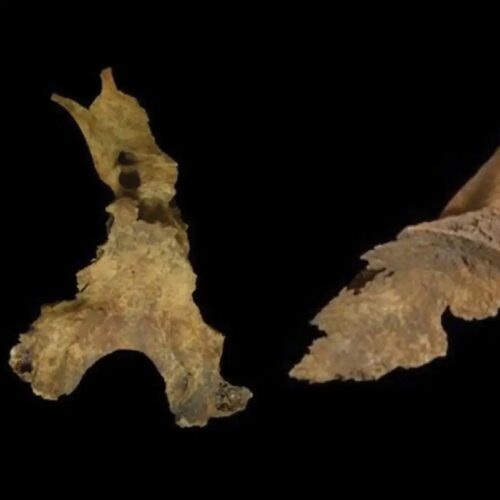
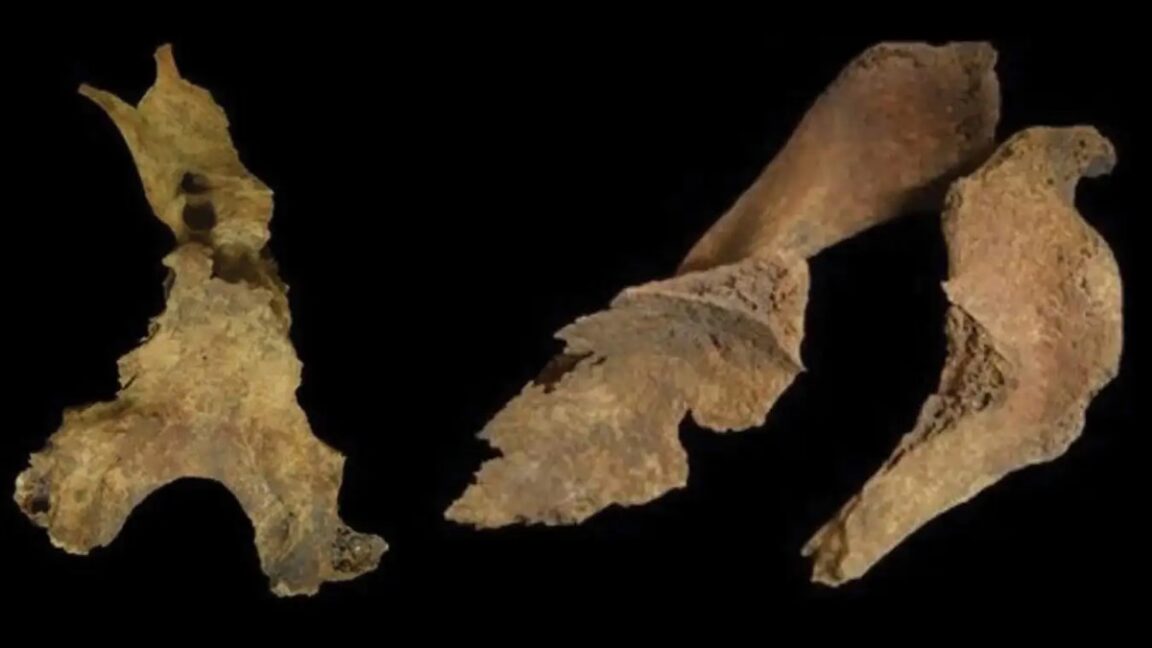
Very little is known about funerary practices in Iron Age Britain, since few human remains have survived. However, the environment in northwest Scotland is more conducive to preserving bone from that period. Archaeologists have previously noted evidence of postmortem manipulation of human remains, such as mummification, and of modifying human bones into tools or decorative artifacts. Now a new paper published in the journal Antiquity describes evidence of postmortem brain removal in remains from that region, as well as sharpened limb bones, possibly for use as tools.

The remains in question were found in 2000 at a burial cairn in Loch Borralie, near the most northwest tip of the Scottish mainland, after erosion revealed a human cranium. The excavated remains belonged to two individuals: one an adult female and the other a juvenile of (at the time) indeterminate sex; the cranium belonged to the latter. The authors of the new paper conducted a fresh osteoarchaeological analysis as well as multi-isotope and ancient DNA analysis. Radiocarbon dating of molar teeth from both sets of remains placed their deaths as occurring between 50 BCE and 70 CE.

In the case of the female individual, the authors noted an unusual break at the base of the cranium that likely occurred near the time of death. It's the kind of fracture that one gets from high-velocity impacts, including vehicular collisions, sporting accidents, falls, assaults, or even long-drop hanging. But the known forensic patterns observed in the aforementioned scenarios don't exactly match the pattern of the Iron Age cranium, leading the authors to conclude that it likely resulted from a targeted impact. They also noted perimortem fractures on both scapulae.

Read full article

Comments

© Rebecca Ellis-Haken

  •  

Scientists turn ordinary water into a powerful energy storage material

Water is one of the most common substances on Earth, but scientists have now discovered that it may have a surprising new use: storing electrical energy. Researchers at the Hamburg University of Technology in Germany have developed a new type of energy storage device that uses pure water as its main working ingredient. The technology […]

The post Scientists turn ordinary water into a powerful energy storage material appeared first on Knowridge Science Report.

  •  

Voici comment des chercheurs français ont réussi à retranscrire 32 000 manuscrits médiévaux grâce à l'IA

Quatre mois. C'est tout ce qu'il a fallu à une intelligence artificielle pour déchiffrer 32 763 manuscrits du Moyen Âge. Un exploit qui sidère les paléographes, habitués à consacrer des années entières à un seul document. Le projet CoMMa vient de réécrire les règles de l'archivage historique. 

  •  

Scientists Find a Smarter Way to Track Cancer and Heart Damage

Modern cancer treatment has entered a new era thanks to immunotherapy. Instead of directly attacking cancer cells with chemicals or radiation, immunotherapy encourages the immune system to do the job itself. This approach has helped many patients live longer and has changed the outlook for several types of cancer. One of the most widely used […]

The post Scientists Find a Smarter Way to Track Cancer and Heart Damage appeared first on Knowridge Science Report.

  •  

Comment l'industrie automobile transforme ses déchets en ressources stratégiques pour la transition écologique

L’image de carcasses de voitures empilées à perte de vue dans des casses à ciel ouvert est en train de changer, grâce une filière en pleine mutation qui permettra à terme de fabriquer les véhicules selon un modèle circulaire.

  •  

Spanish Cave Sanctuary Reveals More Than 11,500 Years of Activity

Sala Keimada, a chamber of Cueva Palomera in Burgos, Spain. Image credit: Ortega-Martínez et al., doi: 10.1016/j.jasrep.2026.105818.

New radiocarbon dates from Sala Keimada, a hard-to-reach chamber of Cueva Palomera in the province of Burgos, northern Spain, suggest that generations of people returned to the sacred space from the end of the Ice Age through the Iron Age, leaving behind art, structures and offerings.

The post Spanish Cave Sanctuary Reveals More Than 11,500 Years of Activity appeared first on Sci.News: Breaking Science News.

  •  

Le trésor caché de l’Estérel, la baie d’Agay offre un spectacle de couleurs inoubliable au coucher du soleil

Au pied du massif de l’Estérel, la baie d’Agay s’ouvre entre mer et roches rouges, dominée par la silhouette du cap Roux. Ici, la Méditerranée semble ralentir son rythme : quelques voiliers glissent sur l’eau tranquille et, chaque soir, le ciel s’embrase au-dessus des collines sombres. Une...

  •  
❌