❌

Reading view

A Chinese rocket breaks apart dangerously close to the Starlink constellation

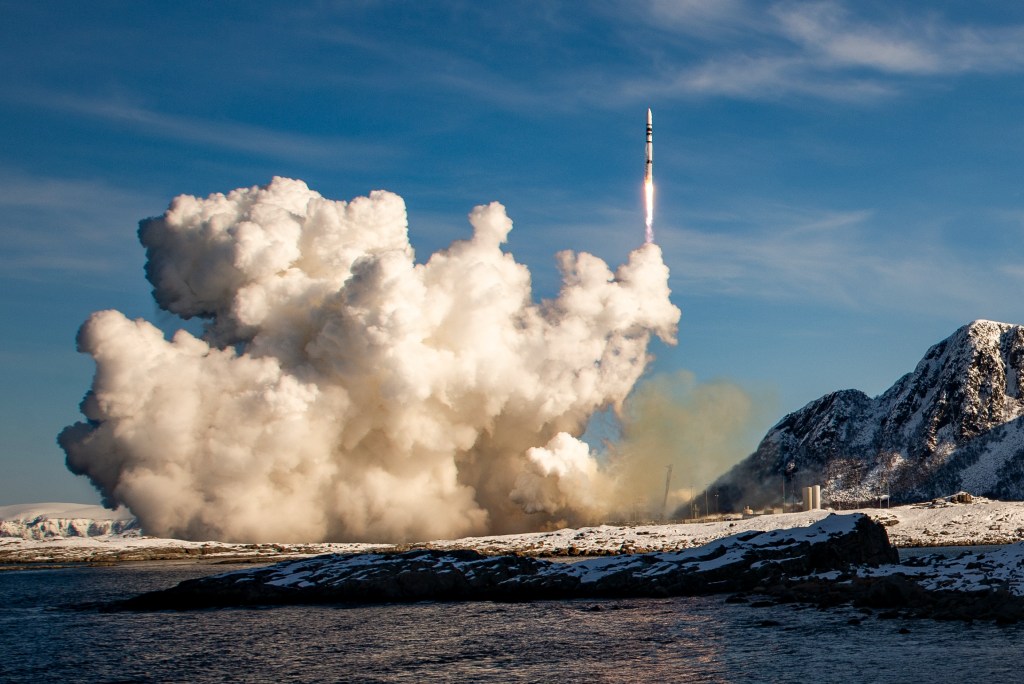
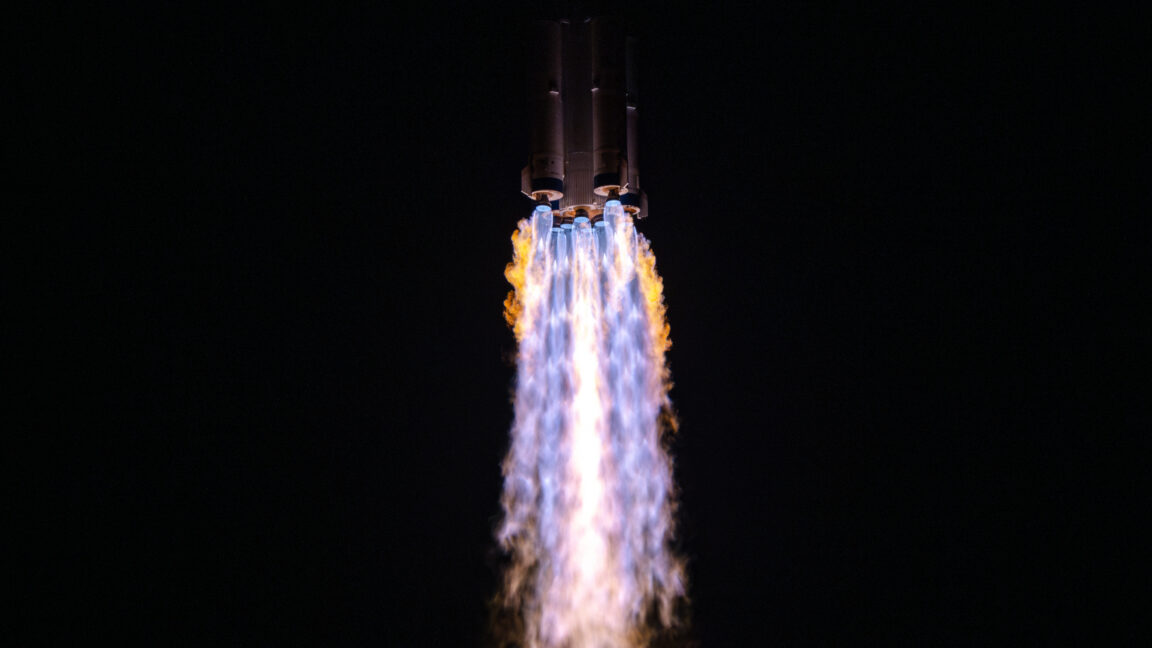
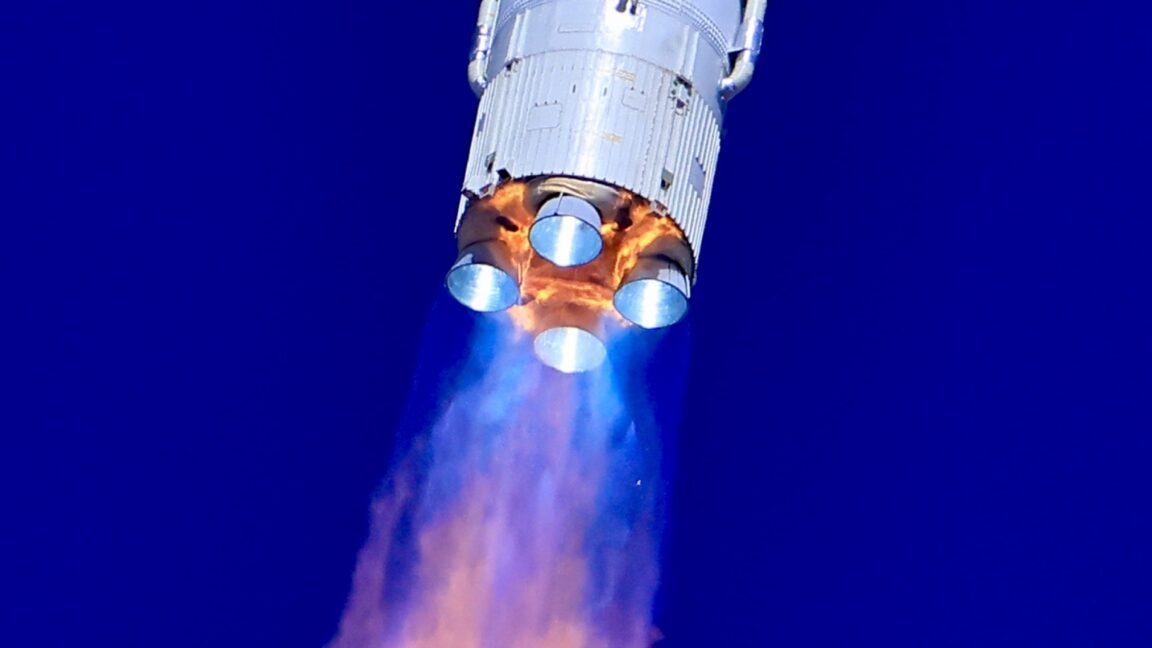
The upper stage from a commercial Chinese rocket that launched last week has broken apart in space, spreading debris in a heavily trafficked part of low-Earth orbit home to the International Space Station and a significant portion of SpaceX's Starlink broadband network.

The breakup occurred shortly after the Zhuque-2E rocket reached orbit on June 9 with two satellites providing direct-to-cell communications, perhaps around the time the upper stage was expected to perform a disposal burn. The US Space Force confirmed the breakup event in a post on space-track.org, a website used by the military to distribute orbit data to the public.

"The tracked pieces are being incorporated into routine conjunction assessment to support spaceflight safety," the Space Force wrote in an advisory. "There are currently no threats to human spaceflight. Analysis is ongoing."
Read full article

Comments

Β© Wang Heng/Xinhua via Getty Images

  •  

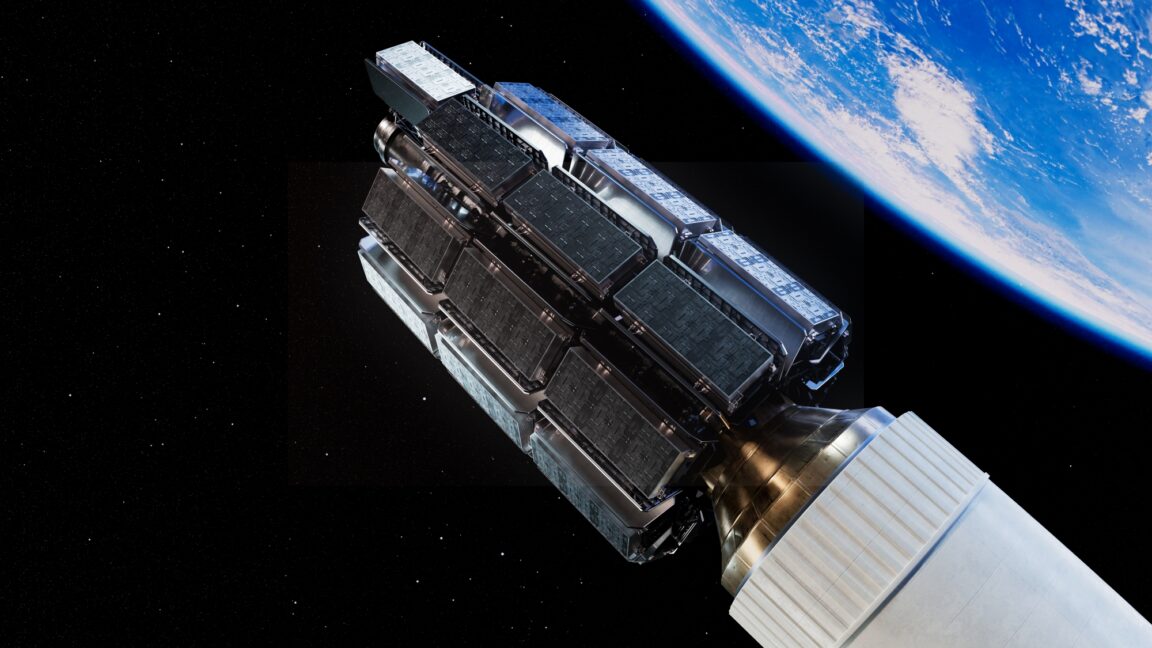
Long March 5 launches classified satellite, Zhuque-2E lofts direct-to-device test sats

China has conducted a pair of launches to advance its communications capabilities, using the country’s largest rocket and a commercial launcher.

The post Long March 5 launches classified satellite, Zhuque-2E lofts direct-to-device test sats appeared first on SpaceNews.

  •  

New Glenn forced an explosive rewrite for NASA’s plans to build a moon base

Blue Origin’s New Glenn exploded during a May 28 static-fire test. Credit: NASASpaceFlight

NASA unveiled plans in March to develop a lunar base as part of its β€œIgnition” event that outlined the agency’s new direction in human spaceflight. The plans, though, were rather […]

The post New Glenn forced an explosive rewrite for NASA’s plans to build a moon base appeared first on SpaceNews.

  •  

Commercial launch providers shortlisted for China’s low-cost cargo spacecraft

A wide aerial view of a rocket launch site in a desert landscape at sunset. A tall white rocket stands vertically on a launch pad near the center-right, surrounded by service towers and low buildings. A long rectangular assembly building and crane structure sit nearby, connected by paved roads. The surrounding terrain is flat, sandy, and sparsely developed, with distant mountains visible on the horizon under a warm orange sky.

China is expanding the role of its commercial rocket companies by shortlisting four such entities for launches of a new space station cargo transport system.

The post Commercial launch providers shortlisted for China’s low-cost cargo spacecraft appeared first on SpaceNews.

  •  

FCC lifts looming deadline for Amazon Leo satellite broadband constellation

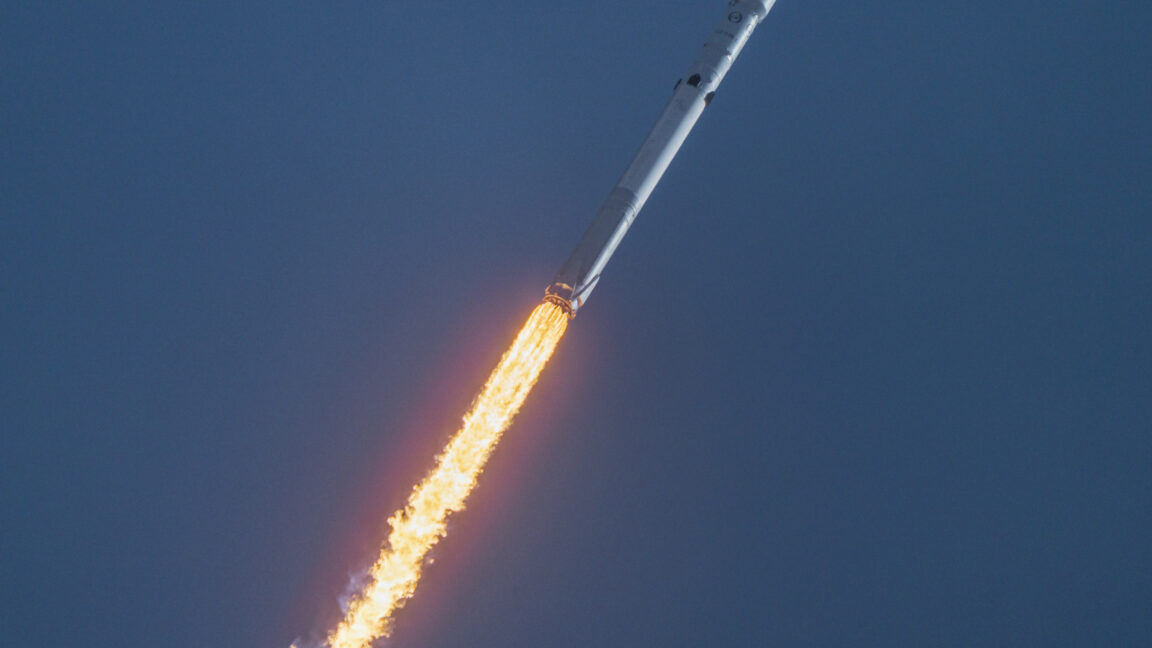
The Federal Communications Commission has waived a requirement for Amazon to launch half of its satellite broadband constellation by the end of July, a key regulatory reprieve that buys the tech giant time to get more of its spacecraft into orbit.

Amazon won regulatory approval for the Amazon Leo network in July 2020. The FCC's authorization came with two deadlines. First, Amazon had to launch half of its 3,232 satellites by July 30, 2026, in order to maintain authorization to launch the rest of the network. The regulator gave Amazon a deadline of July 30, 2029, to have all of its first-generation satellites in orbit.

It has been apparent for some time that Amazon would not meet the FCC's requirement to launch half of its satellitesβ€”1,616 spacecraftβ€”by the end of next month. Amazon filed an application in January requesting the FCC extend the deadline to July 2028 or waive it altogether. The commission decided on the latter option, removing any time limit for the 50 percent deployment milestone, but keeping the July 2029 deadline in place for the entire constellation.

Read full article

Comments

Β© Amazon

  •  

Safety officials finally have a good idea of what a big rocket explosion can do

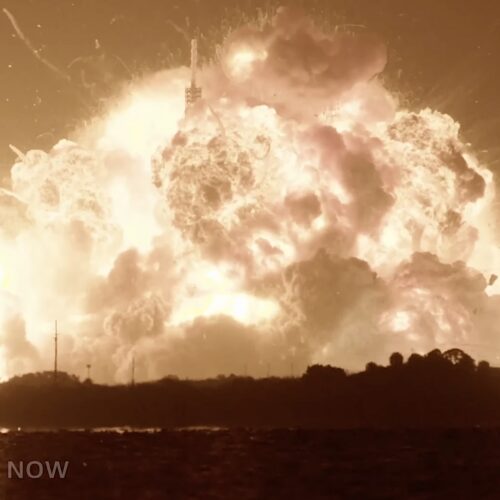
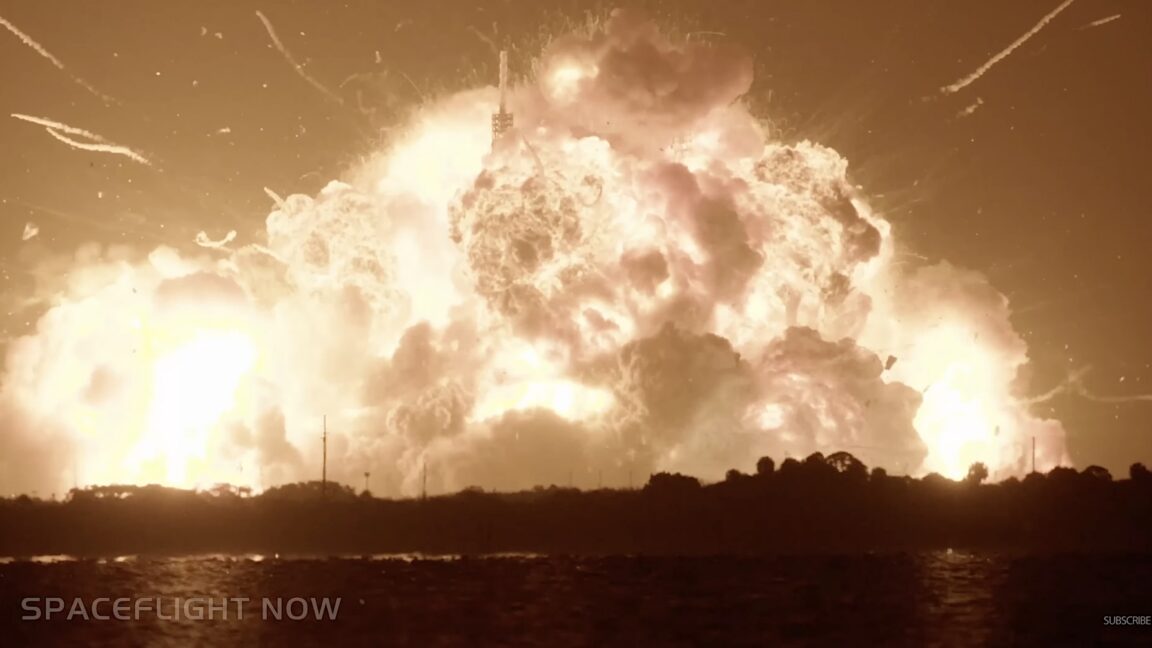
Last week's explosion of a New Glenn rocket at Cape Canaveral, Florida, was clearly a setback for Blue Origin and NASA, but it was a learning experience for safety officials looking to open up the spaceport to hundreds more launches per year.

The launch base on Florida's Space Coast is gearing up for a flurry of new arrivals. SpaceX is building multiple launch pads for its super-heavy Starship rocket, which will operate within a few miles of launch pads operated by SpaceX rivals Blue Origin and United Launch Alliance. Two other companies, Stoke Space and Relativity Space, are also developing launch sites along a narrow stretch of coastline at Cape Canaveral Space Force Station.

All of them have, or will soon have, rockets burning methane or liquified natural gas, replacing legacy launch vehicles fueled by kerosene, liquid hydrogen, or solid propellants. There are good technical reasons for making the switch, but until last week, engineers had scant real-world data on the damage that millions of pounds of methane and liquid oxygen would cause if a fully loaded rocket exploded on the launch pad or soon after liftoff.

Read full article

Comments

Β© Adam Bernstein/Spaceflight Now

  •  

Qianfan constellation deployment hits 200 satellites with Long March 8 and 6A launches

Construction of the Shanghai-led Qianfan constellation continued to accelerate this week with a pair of Long March launches, following on from two recent experimental flights.

The post Qianfan constellation deployment hits 200 satellites with Long March 8 and 6A launches appeared first on SpaceNews.

  •  

AST SpaceMobile sees New Glenn setback delaying initial commercial service into 2027

AST SpaceMobile expects Blue Origin’s recent launchpad explosion will delay its direct-to-smartphone constellation by three to six months, investment bank William Blair said in an equity research note, pushing initial commercial services into the first half of 2027.

The post AST SpaceMobile sees New Glenn setback delaying initial commercial service into 2027 appeared first on SpaceNews.

  •  

In a surprise launch, China debuts another big rocket designed for reusability

The race to field China's first reusable launch vehicle is far less predictable than a similar competition that played out in the United States a decade ago.

There was never any real question of which company would develop and demonstrate the first reusable orbital-class rocket in the United States. SpaceX landed a Falcon 9 booster for the first time in 2015, and a little more than a year later, it launched it back into space. It took nearly 10 years for anyone else to do the same. Blue Origin celebrated its first orbital-class booster landing last November with the successful recovery of one of its New Glenn boosters, followed by a relaunch of the same rocket in April.

In China, several companies and state-owned enterprises have a realistic shot at landing an orbital-class booster stage this year. For a time, it seemed like China's new crop of privately funded launch companies might have the advantage in accomplishing the first landing of an orbital-class booster. But Monday's launch of China's Long March 12B rocket, backed by the nearly unrestricted resources of the country's vast state-owned aerospace enterprise, suggests the industry's legacy players may now have a leg up.

Read full article

Comments

Β© VCG/VCG via Getty Images

  •  

Rocket Report: A dark day for Blue Origin; Pentagon eyes new launch site

Welcome to Edition 8.43 of the Rocket Report! A disclaimer: No one yet fully appreciates the ramifications of Blue Origin's New Glenn rocket explosion Thursday night on its launch pad at Cape Canaveral, Florida. What we know as of this writing is that much of Blue's sole orbital-class launch pad has been destroyed, and the New Glenn rocket will be grounded for an extended period of time. It is too soon for any hot takes, at least until the Sun rises at the Cape on Friday morning. One thing I am sure of is that we will be writing about this event for weeks, months, and years to come.

As always, we welcome reader submissions. If you don't want to miss an issue, please subscribe using the box below (the form will not appear on AMP-enabled versions of the site). Each report will include information on small-, medium-, and heavy-lift rockets, as well as a quick look ahead at the next three launches on the calendar.

Charting China's contribution to space junk.Β There's a problem with the drastic uptick in Chinese space launches over the last decade. China appears to be ignoring long-established norms about disposing of the upper stages of rockets, Ars reports. These are the parts of the vehicle that separate from the first stage of a rocket and push a satellite or spacecraft into orbit. In the early decades of spaceflight, launch operators routinely left upper stages in orbit after they released their payloads. But most launch companies today reserve enough propellant in their rockets to remove them from orbit to avoid the risk of spent upper stages becoming a source of space debris. But China is not following this trend. There has been striking growth in China’s rocket body mass. In the past five years, the mass of Chinese rocket bodies in long-lived orbits has risen from less than 100 metric tons to 252, according to a new analysis by Space Domain Awareness expert Jim Shell.

Read full article

Comments

Β© VCG/VCG via Getty Images

  •  
❌