❌

Reading view

Hidden Pollutants Drive 15 Percent of Global Warming, Wildlife Trade Creates ‘Pandemic Roulette’ With Billions of Animals — Today’s Environmental Briefing for Sun, Jun 14 2026

Scientists analyzing data on overlooked pollutants contributing to global climate change

Across the stories today, a common thread emerges: the gap between what we know and what we’re able to protect is narrowing, but not fast enough. From hidden pollutants driving 15 percent of global warming to fungal networks stretching nearly a billion times the distance to the sun, science continues revealing the intricate systems that sustain life on Earth—even as political and economic forces test our commitment to preserving them.

The day’s coverage points to growing momentum around conservation breakthroughs. In the Marshall Islands, researchers hunt for “super reefs” that could survive rising ocean temperatures, while Brazil celebrates Amazon deforestation dropping to nearly decade-low levels. Young Stanley the giraffe joins breeding programs in Wiltshire, osprey chicks hatch successfully in North Wales, and Australia’s PlantBank emerges as a global leader in seed conservation. These aren’t just feel-good stories—they represent systematic efforts to build resilience into ecosystems under unprecedented pressure.

Yet the challenges are accelerating too. A century of Antarctic research data now helps scientists track El Niño patterns, but current observations show Antarctica missing a France-sized area of sea ice while winter temperatures soar 20 degrees above normal. The Hoover Dam faces massive power cuts as Lake Mead approaches critical lows, and millions of climate-displaced people find virtually no legal pathway to safety in the United States. It’s a reminder that progress and pressure often arrive together.

Perhaps most striking is how these environmental shifts intersect with human communities. Behind the numbers are real communities adapting in real time—from families near the massive illegal waste dump behind a UK primary school that’s become an election flashpoint, to Florida volunteers mounting dramatic rescue operations for endangered sea turtles. When botanist Beronda Montgomery explores connections between trees and Black American history in her new memoir, she’s mapping how environmental and social justice have always been intertwined.

The global wildlife trade, operating like “pandemic roulette” as it moves billions of animals across continents, exemplifies how our interconnected world amplifies both risks and opportunities. Commercial satellite launches threaten the night sky that has guided humanity for millennia, while SpaceX prepares for a massive public offering. Each technological leap forward carries environmental trade-offs that ripple across systems we’re still learning to understand.

China’s story encapsulates these tensions perfectly: achieving a historic drop in power sector emissions for the first time in a decade, yet simultaneously surging coal power that threatens to reverse those gains. Australia faces a similar paradox, preparing to lead international climate negotiations even as climate denial gains political ground domestically.

What emerges from today’s reporting is a picture of accelerating change on multiple fronts. Scientists are racing to identify heat-resistant corals and document rare butterfly discoveries in Surrey, while bird enthusiasts fly across Australia for a single gull sighting—small acts of attention that collectively map our changing world.

As the week unfolds, all eyes will be on how these parallel tracks—scientific discovery, conservation innovation, political resistance, and community adaptation—continue to intersect. The federal judge ruling against the Trump administration’s cancellation of environmental justice grants signals that legal frameworks remain crucial battlegrounds. But the deeper story may be in the fungal networks beneath our feet: vast, interconnected systems working largely unseen to sustain life, reminding us that resilience often operates at scales both smaller and larger than we imagine.

The post Hidden Pollutants Drive 15 Percent of Global Warming, Wildlife Trade Creates ‘Pandemic Roulette’ With Billions of Animals — Today’s Environmental Briefing for Sun, Jun 14 2026 first appeared on EnviroLink Network.

  •  

African Elephant Brought to Indoor Convention Sparks Animal Welfare Concerns After Distressing Display

African Elephant Brought to Indoor Convention Sparks Animal Welfare Concerns After Distressing Display

An African elephant named Paige became the center of controversy after being brought into a Houston convention center as entertainment for a political gathering, highlighting ongoing concerns about using wild animals in inappropriate settings.

The four-ton elephant was presented as a “larger-than-life surprise” to convention attendees at the George R. Brown Convention Center on Friday. However, the spectacle quickly drew criticism from animal welfare advocates who questioned the ethics and safety of bringing such a large wild animal into an indoor venue filled with crowds.

The situation became particularly problematic when Paige urinated on the convention floor, demonstrating the stress and unsuitability of the environment for the animal. Elephants are highly intelligent, social creatures that require vast amounts of space and specific environmental conditions to thrive. Convention centers, with their loud noises, bright lights, and crowds of people, create stressful conditions that can negatively impact animal welfare.

This incident raises broader questions about the use of exotic animals for entertainment purposes, particularly in venues not designed for wildlife. Animal welfare experts consistently advocate for keeping wild animals in appropriate habitats where their physical and psychological needs can be properly met, rather than subjecting them to potentially harmful situations for human entertainment.

The post African Elephant Brought to Indoor Convention Sparks Animal Welfare Concerns After Distressing Display first appeared on EnviroLink Network.

  •  

Why Bird Enthusiasts Are Flying Across Australia for a Single Gull Sighting

Why Bird Enthusiasts Are Flying Across Australia for a Single Gull Sighting

A single black-headed gull spotted in Geraldton, Western Australia, has triggered a remarkable phenomenon in the birding community. While this species is as common as pigeons in London parks, its unexpected appearance on Australian shores has sent dedicated bird watchers, known as “twitchers,” scrambling across the continent for a chance glimpse.

To outsiders, the frenzy might seem puzzling. Why travel thousands of miles to see a bird that’s abundant elsewhere? The answer lies in the passionate world of competitive birding, where enthusiasts maintain detailed lists of every species they’ve observed within specific geographic boundaries. For Australian twitchers, spotting a black-headed gull on home soil represents a rare opportunity to add a new entry to their national birding records.

This obsessive pursuit of avian sightings extends far beyond casual hobby. Each year, Australia’s most dedicated birders journey to remote territories including Christmas Island, the Cocos Islands, Torres Strait, and Macquarie Island, often spending considerable time and money to document species that have strayed far from their typical ranges. While twitchers sometimes face mockery for their intense dedication, their meticulous record-keeping has significantly advanced scientific understanding of bird distribution patterns and migration routes—critical data in an era when many species face extinction pressures from climate change and habitat loss.

The post Why Bird Enthusiasts Are Flying Across Australia for a Single Gull Sighting first appeared on EnviroLink Network.

  •  

Climate Denial Gains Political Ground as Australia Prepares to Lead International Climate Negotiations

Climate Denial Gains Political Ground as Australia Prepares to Lead International Climate Negotiations

Australia faces a troubling paradox as climate change denial resurges in mainstream politics just as the country prepares to take a leadership role in global climate discussions. Recent polling data shows One Nation, a political party that openly rejects established climate science, has experienced significant growth in voter support, potentially positioning it as one of Australia’s most popular political movements.

The party’s platform directly contradicts decades of peer-reviewed scientific research demonstrating clear evidence of global warming and increasingly severe weather patterns. In a particularly striking example of flawed reasoning, One Nation advocates for completely dismantling Australia’s climate change department, arguing that since the agency hasn’t single-handedly altered global climate patterns, it has failed in its mission.

This political shift represents part of a broader transformation in Australian politics, where traditional assumptions about policy priorities are rapidly dissolving. The resurgence of climate denial appears particularly pronounced in certain media ecosystems and social media algorithms, creating distinct information bubbles that reinforce skepticism about environmental science.

The timing of this political development raises serious questions about Australia’s credibility as it assumes a prominent role in international climate negotiations. As extreme weather events continue to impact the continent—from devastating bushfires to unprecedented flooding—the disconnect between scientific consensus and political rhetoric has reached unprecedented levels, potentially undermining the country’s ability to advocate effectively for global climate action.

The post Climate Denial Gains Political Ground as Australia Prepares to Lead International Climate Negotiations first appeared on EnviroLink Network.

  •  

Scientists turn food waste into powerful beads that capture carbon from the air

Scientists in Switzerland have developed an innovative new material made from food industry waste that could help remove carbon dioxide (CO2) directly from the atmosphere more efficiently and at a lower cost. The research, led by scientists at ETH Zurich and published in PNAS, uses proteins extracted from waste products generated during dairy and tofu […]

The post Scientists turn food waste into powerful beads that capture carbon from the air appeared first on Knowridge Science Report.

  •  

China’s Coal Surge Threatens Historic Emissions Drop, Hoover Dam Faces Massive Power Cut as Lake Mead Hits Critical Low — Today’s Environmental Briefing for Sat, Jun 13 2026

Hoover Dam hydroelectric facility with dramatically lowered water levels visible at Lake Mead

**

Across the stories today, a common thread emerges: the tension between revelation and rescue—moments when new understanding drives urgent action, even as time runs short.

Beneath our feet, scientists have mapped fungal networks stretching nearly a billion times the distance to the sun, revealing an underground web of connection that dwarfs anything visible above ground. It’s a reminder that the natural world operates on scales both microscopic and cosmic, with systems we’re only beginning to understand. This same spirit of discovery appears in unexpected places—from the ghostly earthshine illuminating the moon’s dark side to the arrival of a tropical western reef heron in Wales, likely pushed northward by changing climate patterns.

The day’s coverage points to growing momentum around what happens when scientific insight meets conservation urgency. In Mozambique, nine female white rhinos completed their journey to establish the country’s first viable breeding population in generations—a decade-long effort finally bearing fruit. Meanwhile, Australian researchers at PlantBank work like modern-day ark builders, preserving seeds before species disappear forever. On Palau’s Ulong Island, the simple act of removing invasive rats triggered rapid ecological recovery across both land and marine environments, challenging assumptions about how long nature needs to heal.

Yet revelations don’t always bring good news. China’s power sector emissions fell for the first time in a decade, a historic milestone, but a coal surge threatens to reverse that progress. Trees may store less carbon than scientists hoped, according to new research examining growth patterns across 137 forest sites. And Antarctica is missing sea ice equivalent to France’s size, with winter temperatures soaring 20°C above normal—numbers that feel abstract until you consider their global implications.

It’s a reminder that progress and pressure often arrive together. Lake Mead approaches the critical threshold that will slash Hoover Dam’s electricity production, while thousands of marine animals die in fishing nets annually through bycatch. For the 58-year-old Kenyan fisherman Mohamed Mwazigona, returning to shore with just 2 kilograms of fish, these aren’t statistics—they’re the reality of dwindling catches that threaten coastal livelihoods.

Behind the numbers are real communities adapting in real time. Eight volunteers used ropes and pulleys to rescue a 172-pound loggerhead turtle named Bowser from a Florida pier—the kind of hands-on conservation that makes the difference between survival and loss. In Albania, protesters dubbed the “Flamingo Revolution” emerged after bulldozers illegally destroyed protected wetlands for a luxury resort, showing how environmental destruction can galvanize public resistance.

The stories also reveal how legal frameworks struggle to keep pace with environmental challenges. A federal judge ruled the Trump administration’s cancellation of environmental justice grants illegal, while Australia’s climate chief outlined plans to transform the country from fossil fuel exporter to renewable energy leader. Meanwhile, environmental laws were waived to enable border wall construction through Big Bend National Park, illustrating how political priorities can override conservation concerns.

What emerges is a picture of a planet under pressure, but also of human ingenuity rising to meet unprecedented challenges. As commercial satellites threaten the night sky that has guided humanity for millennia, conservationists celebrate osprey chicks hatching in Wales and sengi pups born in captivity. Progress isn’t linear, and solutions often come from unexpected directions—underground fungal networks, community rescue efforts, and the patient work of seed preservation.

As the week unfolds, all eyes will be on how these parallel stories of discovery and rescue continue to intersect, shaping our understanding of what’s possible when knowledge meets action.

The post China’s Coal Surge Threatens Historic Emissions Drop, Hoover Dam Faces Massive Power Cut as Lake Mead Hits Critical Low — Today’s Environmental Briefing for Sat, Jun 13 2026 first appeared on EnviroLink Network.

  •  

New lithium extraction method achieves 95% recovery with almost no freshwater

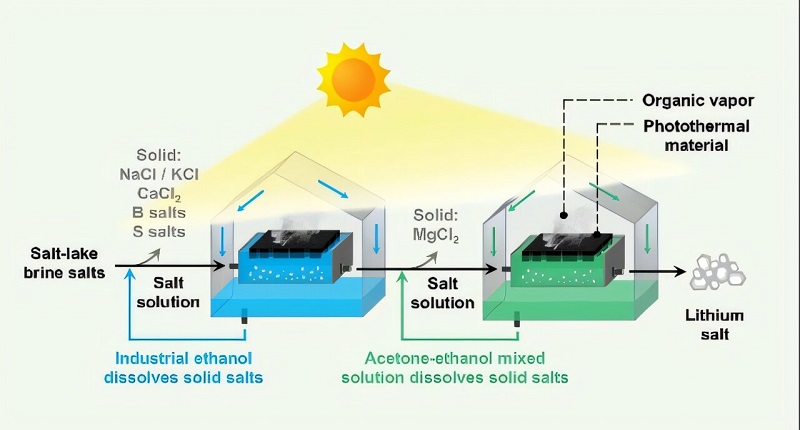
As demand for electric vehicles, smartphones, and renewable energy storage continues to grow, so does the need for lithium, a key ingredient in modern batteries. Now, researchers at Monash University have developed a new method that could make lithium production more efficient and environmentally friendly. The new technology allows lithium to be extracted from salt […]

The post New lithium extraction method achieves 95% recovery with almost no freshwater appeared first on Knowridge Science Report.

  •  

Australia can switch from fossil fuel exports to renewables, says next Cop president

Climate minister Chris Bowen says country must prepare for changing world and can play bigger role in reducing emissions

Australia will find exporting fossil fuels increasingly difficult but can switch to exporting clean energy products, the president of the next UN climate negotiations has declared.

Speaking at a climate conference in Bonn, Germany, Chris Bowen, Australia’s minister for climate change and energy, argued his country had led the global push to “transition away from fossil fuels” – based on the rapid growth of renewable energy and batteries in its domestic power grids – and that its economy could manage the switch.

Continue reading...

© Photograph: Bec Lorrimer/The Guardian

© Photograph: Bec Lorrimer/The Guardian

© Photograph: Bec Lorrimer/The Guardian

  •  

New water-harvesting jacket turns air into drinking water

Imagine wearing a jacket that can produce drinking water from the air around you. That idea is moving closer to reality thanks to engineers at the University of Texas at Austin, who have developed a special fabric that captures moisture from the atmosphere and turns it into clean water. The new technology could be useful […]

The post New water-harvesting jacket turns air into drinking water appeared first on Knowridge Science Report.

  •  

El Niño Officially Begins as Solar Power Surpasses Coal, SpaceX Eyes Historic IPO — Today’s Environmental Briefing for Fri, Jun 12 2026

Satellite view of Pacific Ocean showing temperature patterns indicating El Niño weather phenomenon

**

Across the stories today, a common thread emerges: the planet is sending signals, and communities are finally learning to listen—sometimes by choice, sometimes by necessity.

The day’s most prominent signal comes from the Pacific, where scientists have confirmed the arrival of a powerful El Niño that could rank among the century’s strongest climate events. This naturally occurring phenomenon, which emerges every few years to reshape weather patterns globally, arrives at a moment when human communities are already stretching to adapt to climate disruption. For families from Florida to California already spending an extra $400 to $900 annually on climate-related costs—rising to over $1,300 in the hardest-hit areas—the prospect of intensified extreme weather represents more than meteorological curiosity. It’s a reminder that progress and pressure often arrive together.

Yet the day’s coverage also points to growing momentum around solutions that seemed impossible just years ago. Solar power has quietly crossed a historic threshold, generating more electricity than coal in the United States for the first time ever—12.8% versus coal’s 12.2% in May alone. Meanwhile, engineers in Barcelona have finally realized Antoni Gaudí’s sustainable architecture vision at the Sagrada Familia, using modern technology to complete designs that were ahead of their time by more than a century. These breakthroughs suggest that patient innovation can eventually bridge the gap between ambitious vision and practical reality.

The tension between environmental protection and human needs surfaces repeatedly across today’s stories, revealing communities grappling with complex tradeoffs. In Queens, residents debate whether an abandoned railway should become green space or renewed transit infrastructure. Nebraska towns that fiercely rejected wind and solar projects are welcoming nuclear power plants. Even Britain found time to celebrate, with the peacock butterfly claiming the crown in the nation’s first-ever favorite species poll—a small but significant reminder that public engagement with nature remains strong.

Behind the numbers are real communities adapting in real time. In London, new research shows that clean air zones have measurably reduced emergency hospital visits, translating policy into tangible health benefits. But the challenges run deep: in Alabama, a community that lacks basic sanitation infrastructure now faces a proposed data center that would strain resources further, while in Ecuador’s Amazon, an Indigenous community surrounded by two rivers cannot access clean drinking water due to mining pollution.

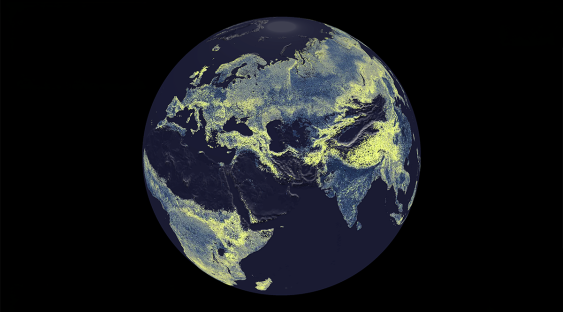
The natural world continues revealing both its resilience and vulnerability. Scientists captured the first-ever footage of goblin sharks in their deep-sea habitat, while researchers documented how elephant loss triggers immediate dung beetle extinctions in Kenya—the first direct evidence of coextinction in action. Perhaps most remarkably, new research has mapped the underground fungal networks that span 110 quadrillion kilometers worldwide, moving billions of tons of carbon in an invisible web beneath our feet.

These discoveries underscore how much we’re still learning about the systems that sustain life on Earth, even as we’re rapidly changing them. From pharmaceutical pollution in East African waters to the transformation of Miami’s Biscayne Bay into saltier, more acidic habitat threatening endangered sharks, the impacts of human activity continue cascading through ecosystems in ways we’re only beginning to understand.

As these stories unfold, they reveal a world where environmental challenges and solutions are increasingly inseparable from questions of justice, economics, and community resilience. The coming months will test whether the momentum behind renewable energy and conservation can match the scale of changes already underway.

The post El Niño Officially Begins as Solar Power Surpasses Coal, SpaceX Eyes Historic IPO — Today’s Environmental Briefing for Fri, Jun 12 2026 first appeared on EnviroLink Network.
  •  

Solar Power Surpasses Coal in US Electricity Generation for First Time in History

Solar Power Surpasses Coal in US Electricity Generation for First Time in History

In a landmark moment for renewable energy, solar power generated more electricity than coal in the United States for the first time ever during May 2024. Solar supplied 12.8% of the nation’s electricity, edging out coal at 12.2% – marking coal’s fourth-lowest monthly share on record.

This historic milestone represents the continuation of a dramatic energy transformation happening across America. Despite federal policies favoring traditional fossil fuels, solar energy has maintained its position as the leading source of new power capacity in the country. The shift reflects broader market forces driving the transition to cleaner energy sources, including declining costs of solar technology and increasing investor confidence in renewable infrastructure.

The milestone comes from data released by global energy think tank Ember, alongside supporting analysis from the Solar Energy Industries Association and Wood Mackenzie. These figures underscore how solar power has evolved from a niche alternative energy source to a mainstream electricity provider capable of competing directly with traditional fossil fuel generation.

The achievement highlights the resilience of the renewable energy sector and suggests that market dynamics may be more influential than policy directives in shaping America’s energy future. As solar installations continue expanding nationwide and costs continue declining, this May milestone may represent just the beginning of solar’s dominance over coal in the US electricity mix.

The post Solar Power Surpasses Coal in US Electricity Generation for First Time in History first appeared on EnviroLink Network.

  •  

El Niño Returns to Pacific Ocean, Scientists Warn of Potentially Record-Breaking Weather Extremes This Century

El Niño Returns to Pacific Ocean, Scientists Warn of Potentially Record-Breaking Weather Extremes This Century

A powerful El Niño weather pattern has officially formed in the Pacific Ocean, setting the stage for what meteorologists predict could be the strongest climate event of the century. The National Oceanic and Atmospheric Administration confirmed the phenomenon’s arrival as ocean temperatures rise significantly above normal levels near the equator.

El Niño occurs when warm ocean waters spread across the tropical Pacific, disrupting global weather systems and typically bringing more extreme conditions worldwide. This natural climate cycle alternates with its cooler counterpart, La Niña, every two to seven years, but the current formation shows signs of unusual intensity that has scientists particularly concerned.

The timing and strength of this El Niño could amplify weather extremes just as the planet continues warming due to climate change. Historical El Niño events have triggered devastating droughts in some regions while causing catastrophic flooding in others. Australia, Southeast Asia, and parts of South America often experience severe droughts, while California and the southern United States typically see increased rainfall and flooding.

Climate experts emphasize that this El Niño is forming against the backdrop of already rising global temperatures, potentially creating a dangerous combination that could shatter weather records. The phenomenon is expected to reach peak intensity during the fall months, when its effects on global weather patterns become most pronounced. Communities worldwide are being urged to prepare for potentially severe weather disruptions in the coming months.

The post El Niño Returns to Pacific Ocean, Scientists Warn of Potentially Record-Breaking Weather Extremes This Century first appeared on EnviroLink Network.

  •  

Albanian Wetlands Face Development Threat as Trump Family-Backed Resort Sparks Mass Protests

Albanian Wetlands Face Development Threat as Trump Family-Backed Resort Sparks Mass Protests

A pristine wildlife reserve in Albania has become the center of a heated environmental battle as plans for a luxury resort development move forward without public consultation. The proposed project, backed by Ivanka Trump and Jared Kushner, would transform a sensitive wetland area and nearby island into an upscale hotel complex, potentially devastating one of Europe’s most important bird habitats.

The controversy erupted when construction crews arrived at the protected site with heavy machinery and began erecting fences around the ecologically sensitive area. For nearly two weeks, Albanian citizens have taken to the streets in fierce protests, demanding transparency and protection for their country’s natural heritage. The wetlands serve as crucial habitat for flamingos and numerous other bird species, making them invaluable for both biodiversity conservation and eco-tourism.

Critics argue that the development represents a concerning pattern of environmental sacrifice in economically struggling nations. Albania, one of Europe’s poorest countries, faces pressure to attract foreign investment, but environmental advocates warn that destroying irreplaceable ecosystems for short-term economic gains could prove catastrophic for the region’s long-term ecological and tourism potential.

The absence of public consultation has intensified opposition to the project, with protesters emphasizing that such decisions should involve local communities who depend on these natural resources. As construction preparations continue despite growing resistance, the fate of this critical wetland ecosystem hangs in the balance, symbolizing the broader global tension between economic development and environmental preservation.

The post Albanian Wetlands Face Development Threat as Trump Family-Backed Resort Sparks Mass Protests first appeared on EnviroLink Network.

  •  

Peacock Butterfly Wins Britain’s First-Ever National Favorite Species Poll

Peacock Butterfly Wins Britain’s First-Ever National Favorite Species Poll

The peacock butterfly has claimed the crown as Britain’s most beloved butterfly species, according to results from the nation’s first comprehensive public vote on native butterflies. More than 20,000 people cast ballots in the nationwide poll organized by Butterfly Conservation, choosing from 60 different native species.

The winning peacock butterfly earned its popularity through a combination of stunning beauty and widespread accessibility. Distinguished by its striking lavender, yellow, and maroon eyespots set against rich rusty red and black wings, this species represents the perfect marriage of spectacular appearance and common occurrence. Unlike many rare butterfly species that require special trips to remote locations, peacock butterflies can be spotted in gardens, parks, and green spaces throughout the British Isles.

The peacock’s extended flight season contributes significantly to its familiar presence in British outdoor spaces. Active from spring through autumn, these butterflies maintain visibility for much of the year, allowing multiple generations of observers to encounter them during routine outdoor activities. Their adaptability to various habitats, from urban gardens to countryside meadows, ensures that both city dwellers and rural residents can enjoy regular sightings.

This inaugural poll highlights the important role that accessible wildlife plays in fostering public connection with nature. The peacock butterfly’s victory demonstrates how species that combine visual appeal with everyday encounters often become the most cherished ambassadors for broader conservation efforts, creating lasting emotional bonds between people and their local ecosystems.

The post Peacock Butterfly Wins Britain’s First-Ever National Favorite Species Poll first appeared on EnviroLink Network.

  •  

London’s Clean Air Zones Linked to Fewer Emergency Hospital Visits, New Study Shows

London’s Clean Air Zones Linked to Fewer Emergency Hospital Visits, New Study Shows

London’s efforts to tackle air pollution are showing measurable health benefits, with new research revealing that emergency hospital admissions declined after the city introduced its T-charge and Ultra Low Emission Zone (ULEZ) in central areas. Scientists from Imperial College analyzed extensive health records from before and after these pollution-reduction measures took effect, providing concrete evidence of improved public health outcomes.

The findings add to a growing body of evidence supporting the effectiveness of clean air initiatives across the UK. Similar zones have demonstrated remarkable results elsewhere—Bradford’s clean air zone led to a 25% reduction in doctor visits for heart and breathing problems, while central London’s emission restrictions correlated with fewer people taking sick leave from work.

These low-emission zones, while often controversial during the planning stages, are proving their worth through tangible health improvements. The zones work by restricting or charging the most polluting vehicles from entering designated areas, encouraging drivers to switch to cleaner alternatives and reducing harmful emissions in densely populated urban centers.

The research represents a significant milestone in understanding how environmental policy directly impacts community health. As cities worldwide grapple with air quality challenges, London’s experience offers compelling evidence that targeted emission controls can deliver rapid, measurable benefits to public health systems and reduce the burden on emergency medical services.

The post London’s Clean Air Zones Linked to Fewer Emergency Hospital Visits, New Study Shows first appeared on EnviroLink Network.

  •  

These tiny microbes can clean water and produce electricity at the same time

Imagine a technology that can generate electricity while cleaning wastewater at the same time. According to a recent review published in the International Journal of Environment and Waste Management, microbial fuel cells (MFCs) could help make that idea a reality. Microbial fuel cells are a unique type of energy system that use naturally occurring microorganisms […]

The post These tiny microbes can clean water and produce electricity at the same time appeared first on Knowridge Science Report.

  •  
❌