❌

Reading view

New research shows robot ‘personality’ in games hinges on timing and turn-taking
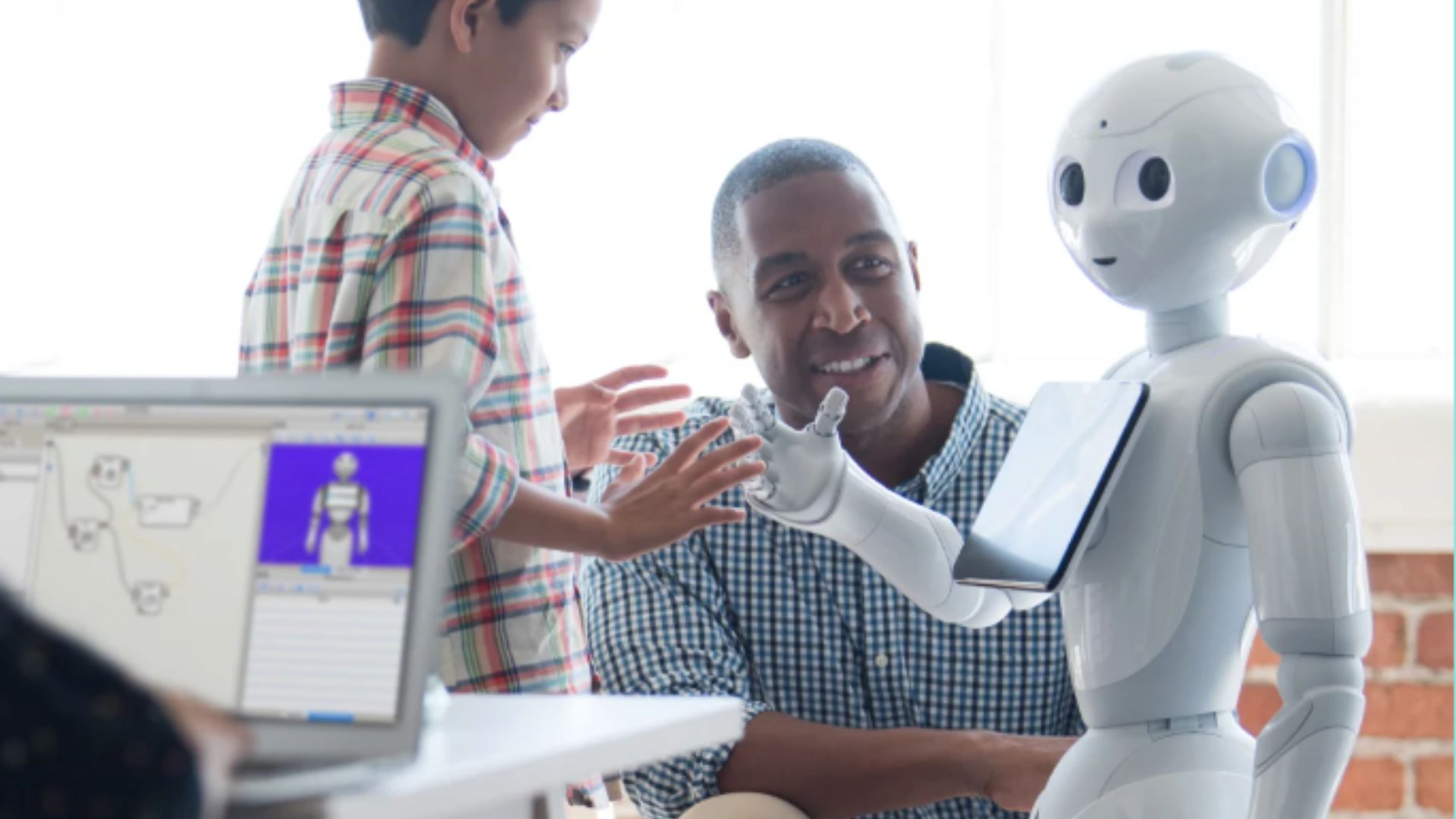
New research has found that humanoid robots could become effective playmates for humans, but only if their behavior aligns with people’s expectations.

A study by researchers at the Norwegian University of Science and Technology (NTNU) explored how people interact with humanoid robots during physical games.

The team conducted controlled laboratory experiments using Pepper, a social robot built to engage with humans, to better understand the experience of playing alongside or against a robot.

The findings suggest that robots can be enjoyable gaming companions when they act naturally and respond appropriately to the flow of play. However, mismatched behavior, awkward movements, or an overly competitive attitude can quickly frustrate users and reduce engagement during interactions.

Robot teammate test

Humanoid robots such as Pepper are designed to look and behave in ways that resemble humans, featuring recognizable traits such as heads, eyes, hands, facial expressions, and conversational abilities.

According to researchers, these human-like characteristics help people relate more easily to robots, but they also create expectations that robots will act in socially appropriate and predictable ways.

To better understand how people interact with robots during play, researchers conducted an experiment in which participants played a physical version of trash-can basketball with Pepper. The game involved throwing crumpled paper balls into a trash can from designated positions chosen to provide a balanced level of challenge for both the human participants and the robot.

The study examined two different gameplay modes. In one mode, participants cooperated with Pepper as teammates working toward a common goal. In the other, they competed directly against the robot. Researchers also varied the order of play, with either the human participant or Pepper taking the first turn.

By comparing these scenarios, the team evaluated how gameplay mode and turn order influenced player engagement, motivation, enjoyment of physical activity, and emotional responses.

The findings revealed that seemingly minor factors, such as who takes the first turn and whether the interaction is cooperative or competitive, can significantly affect how people perceive the experience. “Our observations show that robots can actually be good playmates, but only if they behave in ways that make sense to people,” said Yavuz Inal, associate professor at NTNU’s Department of Design in Gjøvik, in a statement.

Cooperative play wins

Participants generally reported the most positive experiences when the game began in cooperative mode. However, competitive play also proved highly engaging for many players. Several participants found competing against Pepper more exciting and motivating, particularly when they were allowed to start the game first, which increased their sense of control over the interaction.

Many players also experienced a strong sense of accomplishment when they outperformed the robot. Some even admitted that watching Pepper miss a shot added to the enjoyment. For these participants, competition with the humanoid robot created a fun challenge, clear objectives, and a rewarding sense of mastery that enhanced the overall gaming experience.

The study also found that participants became frustrated with Pepper for reasons similar to those that make people irritated with overly competitive friends or family members during board games.

Frustration was particularly noticeable when the robot started the game in competitive mode. Pepper’s slow pace, long pauses before taking a turn, and apparent determination to win often clashed with participants’ expectations of how a human-like playmate should behave. As a result, some players felt the robot lacked the responsiveness and natural flow needed for enjoyable gameplay. One participant likened the experience to playing against an “overworked printer with arms.”

According to the researchers, people expect robots cast as playmates to act like genuine players. “The results offer a glimpse into a future where robots not only assist us at work and in the healthcare system, but also participate in everyday activities such as play, exercise, and games,” said the team in a statement.

💾

A new study found that humanoid robots can be fun playmates, but natural behavior and timing are key to enjoyable gameplay.
  •  

Il 19 gennaio 2024, il lander giapponese SLIM — soprannominato “Moon Sniper…

Il 19 gennaio 2024, il lander giapponese SLIM — soprannominato “Moon Sniper” per la precisione del suo sistema di atterraggio — toccava la superficie lunare diventando il quinto veicolo spaziale nella storia a completare un allunaggio morbido. Quasi subito, però, qualcosa andò storto: i pannelli solari si trovarono orientati nella direzione sbagliata rispetto al sole, […]
  •  

FIFA World Cup 2026 gets Boston Dynamics’ robot dogs for venue security patrols

As the 2026 FIFA World Cup begins in North America, Hyundai Motor Company has launched its biggest mobility and robotics operation for a global sporting event. The company has sent over 1,500 vehicles and advanced robots to support logistics, security, and facility management in the United States, Canada, and Mexico.

This project is a big step forward in Hyundai’s partnership with FIFA and shows how robotics and autonomous technology are becoming more common at large public events. Four custom Spot robot dogs from Boston Dynamics, which is owned by Hyundai Motor Group, are leading the effort.

Spot robot dogs head to World Cup venues

The main technology on show is four Spot robot dogs working at two key tournament locations. Hyundai confirmed the robots will be at the International Broadcast Center in Dallas and at stadiums in New York and New Jersey.

These robot dogs can navigate busy, complex spaces independently while performing different tasks. According to Hyundai, Spot will patrol, carry out real-time inspections, and help monitor areas where large crowds are expected during the tournament.

This is the first time Spot robot dogs are being used at a FIFA World Cup, making it an important milestone for Hyundai as FIFA’s Official Robotics Partner.

The company views the tournament as an opportunity to demonstrate how robots can help venue staff and security teams manage large crowds and complex event setups.

Wherever the game goes. ⚽

Hyundai is ready for the FIFA World Cup 2026™ with its most advanced mobility fleet ever. From mobility solutions to SPOT, our four-legged security patrol, we're ready for kick-off.@FIFAWorldCup @BostonDynamics #Hyundai #NextStartsNow #Robotics pic.twitter.com/dUK6dZrFUq

— Hyundai Worldwide (@Hyundai_Global) June 5, 2026

Testing robotics beyond factory floors

Industrial robots have long been used in factories, where conditions are highly controlled. But event venues are much more unpredictable and challenging.

World Cup stadiums and broadcast centers will welcome thousands of visitors, staff, and media. These busy places are always changing, so robots need to move around people, obstacles, and ongoing events.

The tournament is a real-world test for autonomous technology in places where safety, reliability, and constant monitoring matter most. Experts see this as a key step in bringing robots into new roles beyond factories.

This move is part of a larger trend, as more tech companies look for practical ways to use autonomous systems in public places.

Fleet of more than 1,500 vehicles

In addition to its robotics program, the company is managing a large transportation effort to support logistics across all 16 host cities.

It is providing a fleet of 994 passenger vehicles and 506 buses. These vehicles transport teams, tournament officials, media representatives, and operational staff throughout the competition.

The fleet features a variety of Hyundai and Genesis models, so organizers can choose vehicles that meet their specific needs.

Selected vehicles are also available in hybrid versions as part of Hyundai’s broader push toward electrified mobility technologies.

Supporting the largest World Cup ever

The FIFA World Cup 2026 is expected to be the biggest edition of the tournament in history, creating unprecedented transportation and operational demands across three countries.

Managing movement between venues, training facilities, hotels, and media centers will require extensive coordination. Hyundai’s combined deployment of vehicles and robotics is intended to help address those challenges while showcasing technologies that could play larger roles in future global events.

  •  

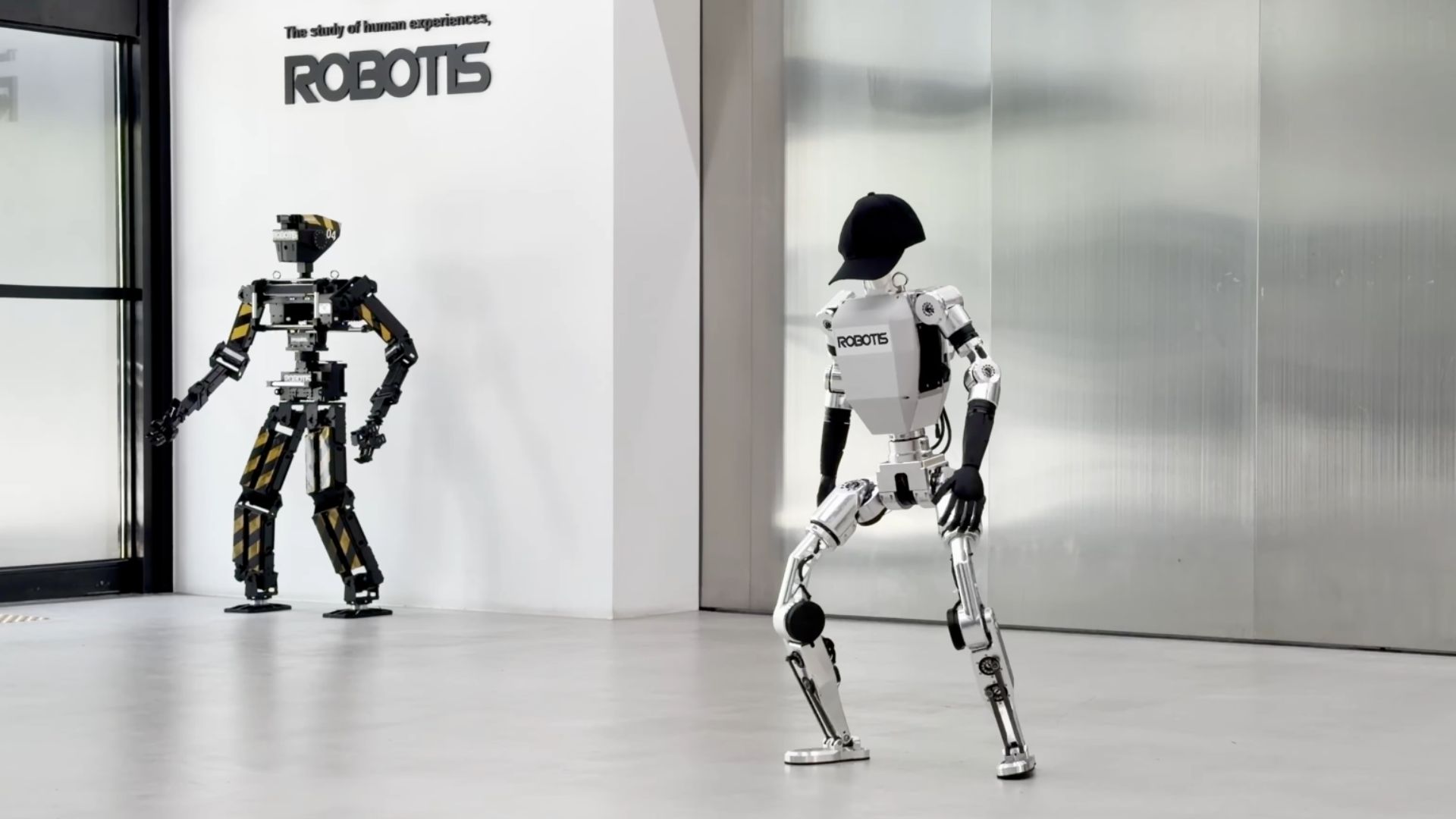
Watch: Korean humanoid robot performs viral K-POP dance, learns by watching videos

While China dominates humanoid robotics headlines, a Korean firm showcased a humanoid learning complex motions through an open-source AI framework.

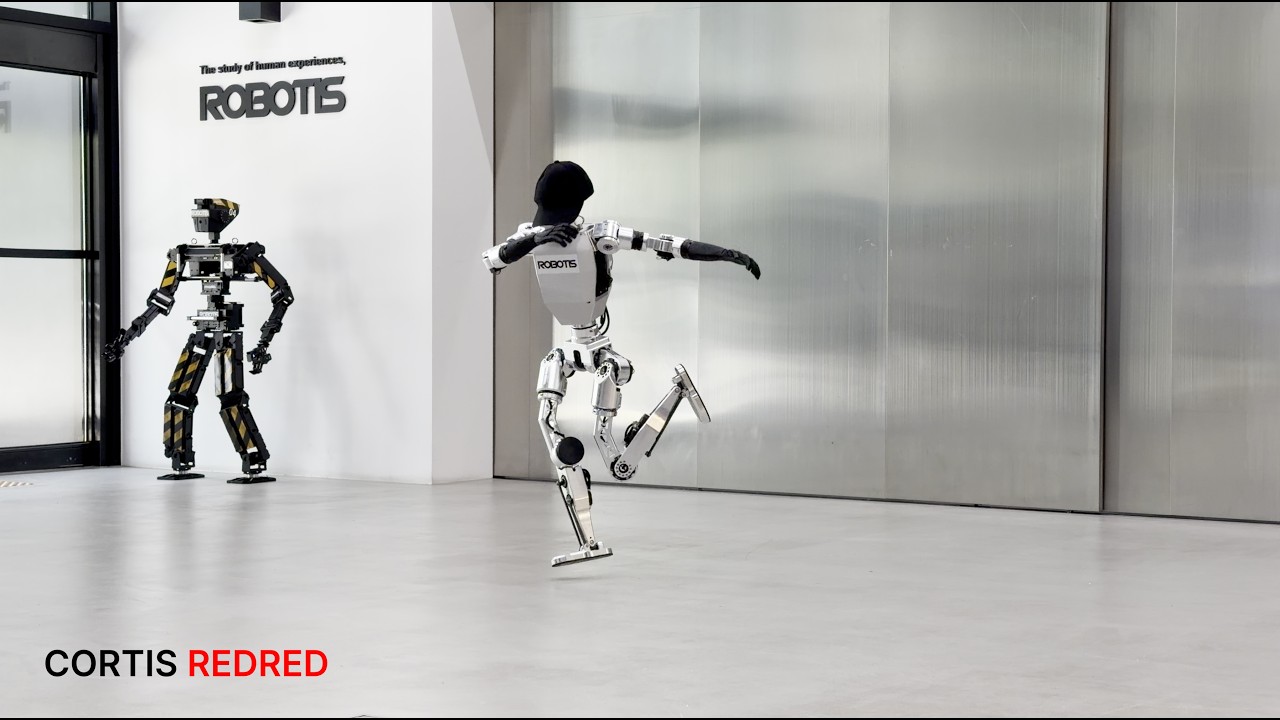
In a recent demonstration, ROBOTIS’ AI Sapiens learned the famous CORTIS REDRED Challenge motion using only smartphone video, eliminating the need for professional motion-capture systems.

The process combined video-based motion capture, motion retargeting, simulation-based reinforcement learning, and Sim2Real transfer.

According to the firm, the demonstration highlights how open-source tools can simplify humanoid robot training, enabling users to generate, learn, and execute full-body motions more easily.

Humanoid learns motion

ROBOTIS has demonstrated the capabilities of its AI Sapiens humanoid robot, an open-source platform for physical AI powered by DYNAMIXEL-Q actuators. The project is designed to make humanoid robot motion learning more accessible by using widely available hardware and open-source software tools.

In the demonstration, AI Sapiens learns and performs a complex full-body motion known as the CORTIS REDRED Challenge. Instead of relying on expensive professional motion-capture systems, the robot learns the movement from video recorded using a standard smartphone camera. This significantly reduces the cost and complexity of collecting training data for humanoid robots.

The motion-learning process begins with video-based motion capture. Human movements recorded on a smartphone are converted into digital motion data that can be processed by software. The captured motions are then passed through a motion retargeting stage, where the human movements are adapted to match the physical structure and joint limitations of the humanoid robot.

After retargeting, the robot is trained in a simulation environment using reinforcement learning. During this stage, the AI repeatedly practices the motion in a virtual world, allowing it to improve balance, coordination, and movement accuracy without risking damage to physical hardware. Simulation training also enables rapid testing and optimization before deploying the motion to the real robot.

Once training is complete, the learned behavior is transferred from simulation to the physical AI Sapiens robot through a Sim2Real pipeline. This process helps ensure that motions developed in the virtual environment can be executed successfully in the real world, despite differences between the simulation and the physical hardware.

Accessible AI robotics

ROBOTIS plans to release the motion generation and learning pipeline as open-source software, giving researchers, developers, educators, and hobbyists access to the tools used in the demonstration. The goal is to lower barriers to humanoid robotics development and enable a wider community to experiment with motion learning and physical AI systems.

According to ROBOTIS, AI Sapiens is a fully open-source humanoid robot platform designed for physical AI research and development. Standing 1.3 meters tall and weighing 34 kilograms, the robot features 23 degrees of freedom across its body, enabling a wide range of human-like movements.

The platform is powered by 23 next-generation DYNAMIXEL-Q quasi-direct-drive (QDD) actuators, including 14 QM-060 units and 9 QM-080 units. These actuators combine low gear reduction ratios, high-torque motors, and integrated control electronics to deliver high backdrivability, low impedance, and precise torque control, making them suitable for dynamic and compliant humanoid motion.

AI Sapiens is powered by an NVIDIA Jetson Orin NX 16GB computer, delivering up to 100 TOPS of AI performance for advanced robotics tasks. It supports Wi-Fi 5, Bluetooth 5.0, dual Ethernet ports, USB connectivity, and 24V/12V power outputs for connecting additional hardware.

The robot is powered by a 46.8V, 9000mAh battery. It is supported by a fully open-source ecosystem that includes hardware bills of materials, CAD files, source code, simulation assets, and development tutorials, enabling researchers and developers to customize and expand the platform.

💾

Korean humanoid robot learns complex humanoid motions from smartphone video using an open-source physical AI framework.
  •  

Robot hand uses touch and vision to harvest ripe fruit with near-100% accuracy

Researchers have developed a soft robotic gripper that can inspect fruit for ripeness and harvest it without causing damage, a capability that could help reduce food waste and improve harvesting efficiency.

The device uses soft silicone and polyurethane fingers equipped with multiple sensors to measure a fruit’s size, shape, color and firmness before deciding whether it is ready to be picked. The system was tested on strawberries and can remove the fruit by twisting its stem rather than cutting it.

The gripper was developed by a team that includes Anand Mishra, assistant professor in the Department of Mechanical, Materials and Aerospace Engineering at West Virginia University. The research began at Cornell University and is continuing at WVU.

The technology addresses a major challenge in agriculture: harvesting delicate fruits at the right stage of ripeness. Fruits such as strawberries and raspberries have a narrow harvest window and can bruise easily during picking, transportation and storage.

Gentle grip, smart sensing

“Our gripper’s quick, accurate inspections and harvesting can reduce spoilage of fruits and lower supply chain costs,” Mishra said.

“Fruit inspections are critical for harvesting decisions that have traditionally been made by human workers. However, using human workers for harvesting involves challenges such as labor shortages, health concerns and inaccuracies in picking.”

Agricultural robots have been proposed as a solution, but many existing systems are designed for controlled greenhouse environments rather than outdoor farms. Traditional robotic grippers can also damage soft fruit because of their rigid structures.

The new system combines tactile and visual sensing in a soft robotic design. Stretchable optical fibers embedded inside each finger act as tactile and curvature sensors, while a miniature camera and distance sensor are mounted in the palm.

The five-fingered gripper can identify a fruit’s shape, stiffness and ripeness while also detecting slippage during handling. Researchers reported that the device can open and close in less than two seconds, lift loads weighing up to one kilogram and achieve nearly 100 percent accuracy in shape prediction.

According to the team, the technology could be particularly useful for fruits that do not show obvious visual signs of ripeness. Avocados are one example, where growers often rely on touch rather than appearance to determine harvest timing.

Beyond the orchard

“My research group at WVU is called the Robiotics Lab because we focus on robots that mimic biology,” Mishra said.

“We design squishy, squeezy, rubbery robots inspired by animals.”

The gripper’s design draws inspiration from biological systems and resembles both a human hand and a starfish. Researchers say the soft structure allows it to absorb forces differently than conventional rigid robots, making it better suited for handling delicate objects.

Beyond agriculture, the sensing technology could find use in other fields that require careful manipulation.

“This system offers applications in space exploration, health care, food handling and underwater manipulation,” Mishra said.

“In biomedical robotics, for instance, the integration of curvature and tactile sensing could enhance wearable and rehabilitation devices.”

Researchers believe the combination of soft materials and integrated sensing could help robots interact more safely and effectively with both objects and their surroundings.

The study was published in the journal Nature Communications.

  •  

NASA Robotic Tech Demo Will Advance Prototype Gamma-Ray Detectors

4 min read

NASA Robotic Tech Demo Will Advance Prototype Gamma-Ray Detectors

A new type of gamma-ray sensor developed by NASA, called AstroPix, will take part in a robotic arm demonstration on the agency’s upcoming Fly Foundational Robots mission, set to launch in late 2027.

Gamma rays are the highest-energy form of light. Scientists observe them coming from events like lightning in Earth’s atmosphere, powerful solar flares from our Sun, and cosmic collisions in distant galaxies. The sensors on the AstroPix technology demonstration are designed to measure gamma rays between 20,000 and 700,000 electron volts. For comparison, visible light’s energy falls between 2 and 3 electron volts.

Current NASA missions, including the Fermi Gamma-ray Space Telescope and Neil Gehrels Swift Observatory, also observe gamma rays, including those with even higher energies.

But for energies between 500,000 to 1 million electron volts, existing detectors are less sensitive. This range is where many powerful explosions called gamma-ray bursts shine the brightest. It’s also where astronomers expect to see the strongest glow from the most massive and distant active galaxies powered by black holes. By stacking AstroPix detectors in future missions, scientists could bridge this gap and improve observations of these cosmic objects to better understand the processes that create and drive them.

“The Fly Foundational Robots spacecraft is also a technology demonstration, so the projects were a good fit for each other,” said Dan Violette, an AstroPix team member and post-doctoral fellow at NASA’s Goddard Space Flight Center in Greenbelt, Maryland. “We need to thoroughly test AstroPix’s performance before we can use the sensors in future science missions. We’ve flown comparable technologies on a scientific balloon mission, and the current prototype eventually will be part of a sounding rocket payload. Many of those flight opportunities only reach near space, though. It’s not often that technology demonstrations like ours can find a ride into orbit.”

A gloved hand holds a detector square
Each AstroPix chip has four silicon pixel gamma-ray detectors. Each of these detectors incorporates 1,225 pixels. AstroPix detectors, which are developed by NASA’s Goddard Space Flight Center in Greenbelt, Md., function similarly to the sensors in cellphone cameras except they are sensitive to gamma-ray light.
Image courtesy of Argonne National Laboratory

Each AstroPix chip contains four silicon pixel gamma-ray detectors, and each detector incorporates 1,225 pixels. The chips function similarly to the sensors in cell phone cameras.

The AstroPix Satellite Technology dEmonstration Payload, also known as A-STEP, will be hosted within the Fly Foundational Robots mission’s Orbital Replacement Unit, a movable module built by Rocket Lab Robotics. Rocket Lab Robotics also will provide a robotic arm that will pick up and reposition the unit during flight and perform in-orbit operations as part of a robotic servicing demonstration. The A-STEP payload will collect its data following the repositioning. Astro Digital will provide the spacecraft.

The Orbital Replacement Unit was designed to support power and data interfaces for a payload, but the original plan called for the robotic arm to reposition the module without one. As mission development progressed, however, the Fly Foundational Robots team identified an opportunity to further maximize the mission’s value by integrating an additional technology demonstration that could fit within the 11.8-inch (30-centimeter) cube.

“The unit already had the volume, power, and data needed to support the AstroPix team’s design,” said Bo Naasz, senior technical lead, In-space Servicing, Assembly, and Manufacturing in the Space Technology Mission Directorate at NASA Headquarters in Washington. “One of our major goals with Fly Foundational Robots is to demonstrate robotic changeout of payloads in orbit, enabling upgrades or improvements to satellites and space instruments at a fraction of the cost of a full mission. Allowing AstroPix to complete its own technology demonstration in orbit is a bonus.”

A satellite in space with Earth in the background
NASA’s Fly Foundational Robots mission will be hosted aboard a spacecraft provided by Astro Digital of Littleton, Colo., as shown in this artist’s concept. The robotic arm, provided by Motiv Space Systems in Pasadena, Calif., will perform a technology demonstration in orbit, including picking up and moving a small box containing the agency’s AstroPix gamma-ray sensors.
Rocket Lab Robotics

The AstroPix team is working to deliver their hardware this September, and it will be integrated into the Fly Foundational Robots payload before final integration onto the spacecraft. The Orbital Replacement Unit will hold the chips and all the associated electronics needed to provide power, and collect and transmit data during flight.

NASA’s Fly Foundational Robots mission is funded through the Space Technology Mission Directorate’s ISAM portfolio, managed at NASA Goddard. Rocket Lab Robotics will supply the mission’s robotic arm system through a NASA Small Business Innovation Research Phase III award. Astro Digital will host the orbital flight test of the arm through NASA’s Flight Opportunities program, managed at NASA’s Armstrong Flight Research Center in Edwards, California. The development of AstroPix was supported by NASA’s Astrophysics Division in the Science Mission Directorate at NASA Headquarters, through the agency’s Astrophysics Research and Analysis Program, and funded through the Nancy Grace Roman Technology Fellowship.

To learn more, visit:

https://go.nasa.gov/3R28tWE

By Jeanette Kazmierczak
Goddard Space Flight Center, Greenbelt, Md.

The post NASA Robotic Tech Demo Will Advance Prototype Gamma-Ray Detectors appeared first on NASA Science.

  •  

NASA Robotic Tech Demo Will Advance Prototype Gamma-Ray Detectors

4 min read

NASA Robotic Tech Demo Will Advance Prototype Gamma-Ray Detectors

A new type of gamma-ray sensor developed by NASA, called AstroPix, will take part in a robotic arm demonstration on the agency’s upcoming Fly Foundational Robots mission, set to launch in late 2027.

Gamma rays are the highest-energy form of light. Scientists observe them coming from events like lightning in Earth’s atmosphere, powerful solar flares from our Sun, and cosmic collisions in distant galaxies. The sensors on the AstroPix technology demonstration are designed to measure gamma rays between 20,000 and 700,000 electron volts. For comparison, visible light’s energy falls between 2 and 3 electron volts.

Current NASA missions, including the Fermi Gamma-ray Space Telescope and Neil Gehrels Swift Observatory, also observe gamma rays, including those with even higher energies.

But for energies between 500,000 to 1 million electron volts, existing detectors are less sensitive. This range is where many powerful explosions called gamma-ray bursts shine the brightest. It’s also where astronomers expect to see the strongest glow from the most massive and distant active galaxies powered by black holes. By stacking AstroPix detectors in future missions, scientists could bridge this gap and improve observations of these cosmic objects to better understand the processes that create and drive them.

“The Fly Foundational Robots spacecraft is also a technology demonstration, so the projects were a good fit for each other,” said Dan Violette, an AstroPix team member and post-doctoral fellow at NASA’s Goddard Space Flight Center in Greenbelt, Maryland. “We need to thoroughly test AstroPix’s performance before we can use the sensors in future science missions. We’ve flown comparable technologies on a scientific balloon mission, and the current prototype eventually will be part of a sounding rocket payload. Many of those flight opportunities only reach near space, though. It’s not often that technology demonstrations like ours can find a ride into orbit.”

A gloved hand holds a detector square
Each AstroPix chip has four silicon pixel gamma-ray detectors. Each of these detectors incorporates 1,225 pixels. AstroPix detectors, which are developed by NASA’s Goddard Space Flight Center in Greenbelt, Md., function similarly to the sensors in cellphone cameras except they are sensitive to gamma-ray light.
Image courtesy of Argonne National Laboratory

Each AstroPix chip contains four silicon pixel gamma-ray detectors, and each detector incorporates 1,225 pixels. The chips function similarly to the sensors in cell phone cameras.

The AstroPix Satellite Technology dEmonstration Payload, also known as A-STEP, will be hosted within the Fly Foundational Robots mission’s Orbital Replacement Unit, a movable module built by Rocket Lab Robotics. Rocket Lab Robotics also will provide a robotic arm that will pick up and reposition the unit during flight and perform in-orbit operations as part of a robotic servicing demonstration. The A-STEP payload will collect its data following the repositioning. Astro Digital will provide the spacecraft.

The Orbital Replacement Unit was designed to support power and data interfaces for a payload, but the original plan called for the robotic arm to reposition the module without one. As mission development progressed, however, the Fly Foundational Robots team identified an opportunity to further maximize the mission’s value by integrating an additional technology demonstration that could fit within the 11.8-inch (30-centimeter) cube.

“The unit already had the volume, power, and data needed to support the AstroPix team’s design,” said Bo Naasz, senior technical lead, In-space Servicing, Assembly, and Manufacturing in the Space Technology Mission Directorate at NASA Headquarters in Washington. “One of our major goals with Fly Foundational Robots is to demonstrate robotic changeout of payloads in orbit, enabling upgrades or improvements to satellites and space instruments at a fraction of the cost of a full mission. Allowing AstroPix to complete its own technology demonstration in orbit is a bonus.”

A satellite in space with Earth in the background
NASA’s Fly Foundational Robots mission will be hosted aboard a spacecraft provided by Astro Digital of Littleton, Colo., as shown in this artist’s concept. The robotic arm, provided by Motiv Space Systems in Pasadena, Calif., will perform a technology demonstration in orbit, including picking up and moving a small box containing the agency’s AstroPix gamma-ray sensors.
Rocket Lab Robotics

The AstroPix team is working to deliver their hardware this September, and it will be integrated into the Fly Foundational Robots payload before final integration onto the spacecraft. The Orbital Replacement Unit will hold the chips and all the associated electronics needed to provide power, and collect and transmit data during flight.

NASA’s Fly Foundational Robots mission is funded through the Space Technology Mission Directorate’s ISAM portfolio, managed at NASA Goddard. Rocket Lab Robotics will supply the mission’s robotic arm system through a NASA Small Business Innovation Research Phase III award. Astro Digital will host the orbital flight test of the arm through NASA’s Flight Opportunities program, managed at NASA’s Armstrong Flight Research Center in Edwards, California. The development of AstroPix was supported by NASA’s Astrophysics Division in the Science Mission Directorate at NASA Headquarters, through the agency’s Astrophysics Research and Analysis Program, and funded through the Nancy Grace Roman Technology Fellowship.

To learn more, visit:

https://go.nasa.gov/3R28tWE

By Jeanette Kazmierczak
Goddard Space Flight Center, Greenbelt, Md.

  •  

China’s robotic snakes slither across power lines to spot faults before failure

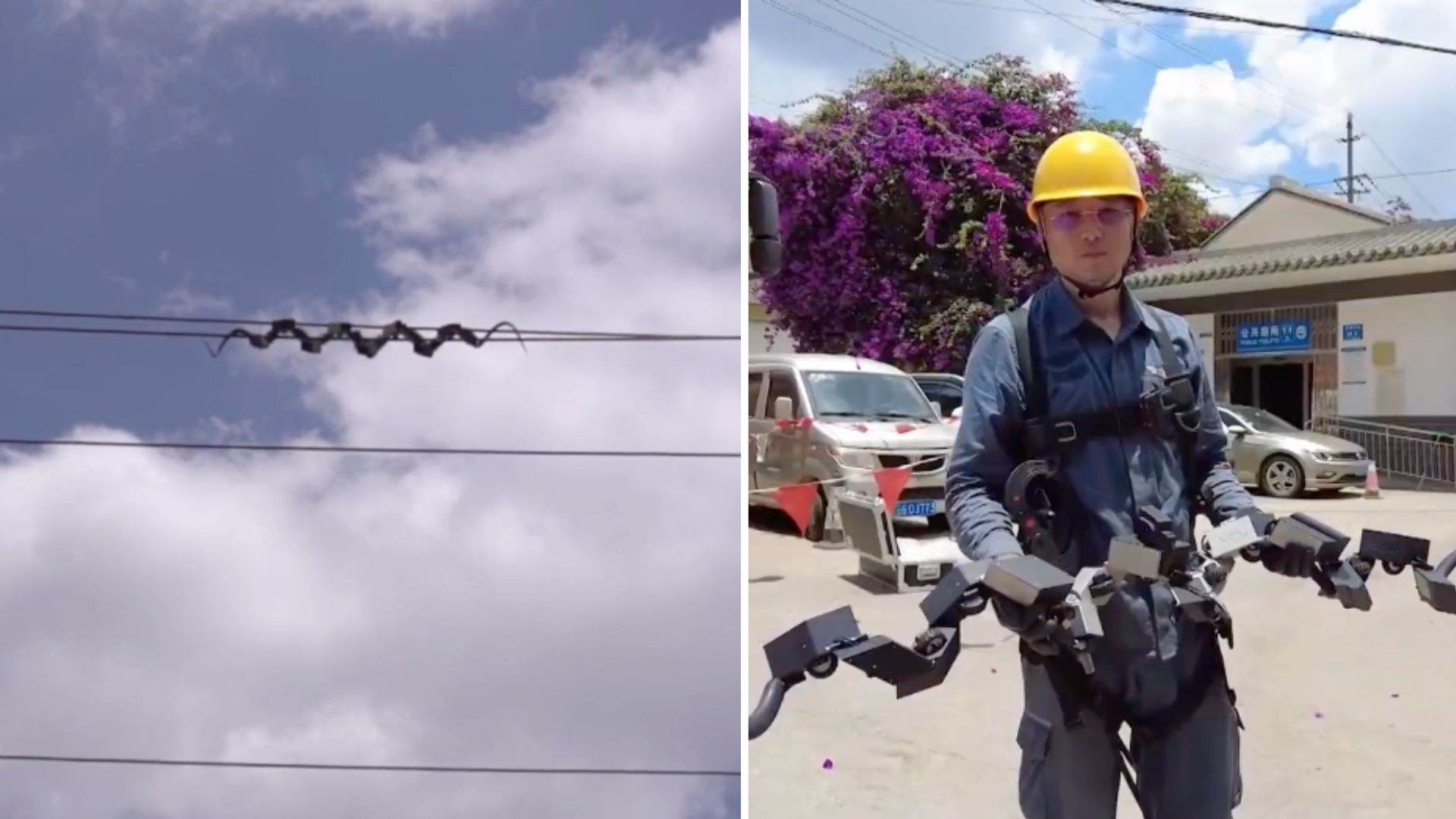
China has deployed robotic snakes to inspect power lines and help ensure a stable electricity supply.

The snake-like robots wrap around power lines and use onboard cameras and sensors to detect hazards such as damaged wires, worn components, and abnormal temperatures.

According to online media reports, the robots have inspected more than 80 miles (130 kilometers) of distribution lines serving exam sites near airport no-fly zones.

The system is three times more efficient than manual inspections, reducing the need for labor-intensive, hazardous work while improving reliability and safety.

Robotic grid guardians

Power utilities in southwestern China are using robotic snakes to inspect power lines, showcasing a new approach to infrastructure monitoring in environments where drones face limitations.

The snake-like robots have been deployed in Kunming, the capital of Yunnan province, where they move directly along power lines while inspecting critical electrical infrastructure. Equipped with cameras and sensors, the robots can identify faults such as broken wires, worn components, and abnormal temperature changes that could signal potential failures, reports the South China Morning Post (SCMP).

Developed by the Guandu District Power Supply Bureau, the robotic system has already inspected more than 80 miles (130 kilometers) of power distribution lines. According to its developers, the technology delivers inspection efficiency three times higher than traditional manual methods.

Unlike aerial drones, which are widely used for power-line inspections, the robotic snakes operate directly on the cables they monitor. This allows them to work in locations where drone flights are restricted, including areas near airport no-fly zones. The robots are also less vulnerable to high-voltage electromagnetic interference, a common challenge that can disrupt drone control systems and reduce image quality.

Meet the snake-like #robot patrolling power lines in #Kunming.

Slithering along cables, it uses onboard cameras and sensors to spot damage and overheating in real time. Even better, it draws power straight from the line, enabling autonomous 24/7 monitoring without interruption. pic.twitter.com/zXJq61oft4

— China SCIO (@chinascio) June 10, 2026

The system addresses several limitations of drone-based inspections, including restricted flight zones, weather dependence, and limited battery endurance. By providing continuous close-range monitoring of power infrastructure, the robotic snakes enable utility crews to quickly identify and address potential hazards, reports SCMP.

Intelligent grid inspectors

Chinese power utilities are deploying a range of robotic systems, including snake robots, robot dogs, drones, and surveillance cameras, to monitor electricity infrastructure and maintain reliable power supplies during the national college entrance exams.

The snake robot features a flexible, multi-jointed body that allows it to move along power lines and navigate around obstacles such as insulators. This design enables it to reach areas that are difficult for human inspectors and aerial drones to access. A camera and onboard sensors mounted in the robot’s head detect potential faults and safety risks, while a non-contact power-harvesting system allows the robot to draw energy directly from the power lines it is inspecting.

Following successful trials on multiple transmission routes, utility operators have expanded the robot’s deployment to more complex sections of the power grid. Robot dogs are also being used for inspections in high-voltage environments and other locations that are challenging or hazardous for human workers. Combined with drones and fixed monitoring systems, the robotic platforms provide continuous oversight of critical electrical infrastructure.

The deployment comes as approximately 12.9 million students sat for China’s National Higher Education Entrance Examination, known as the gaokao, one of the country’s most important academic tests. Reliable electricity is considered critical during the examination period, prompting utilities to adopt advanced robotic technologies to improve inspection efficiency and reduce operational risks, reports SCMP.

  •  

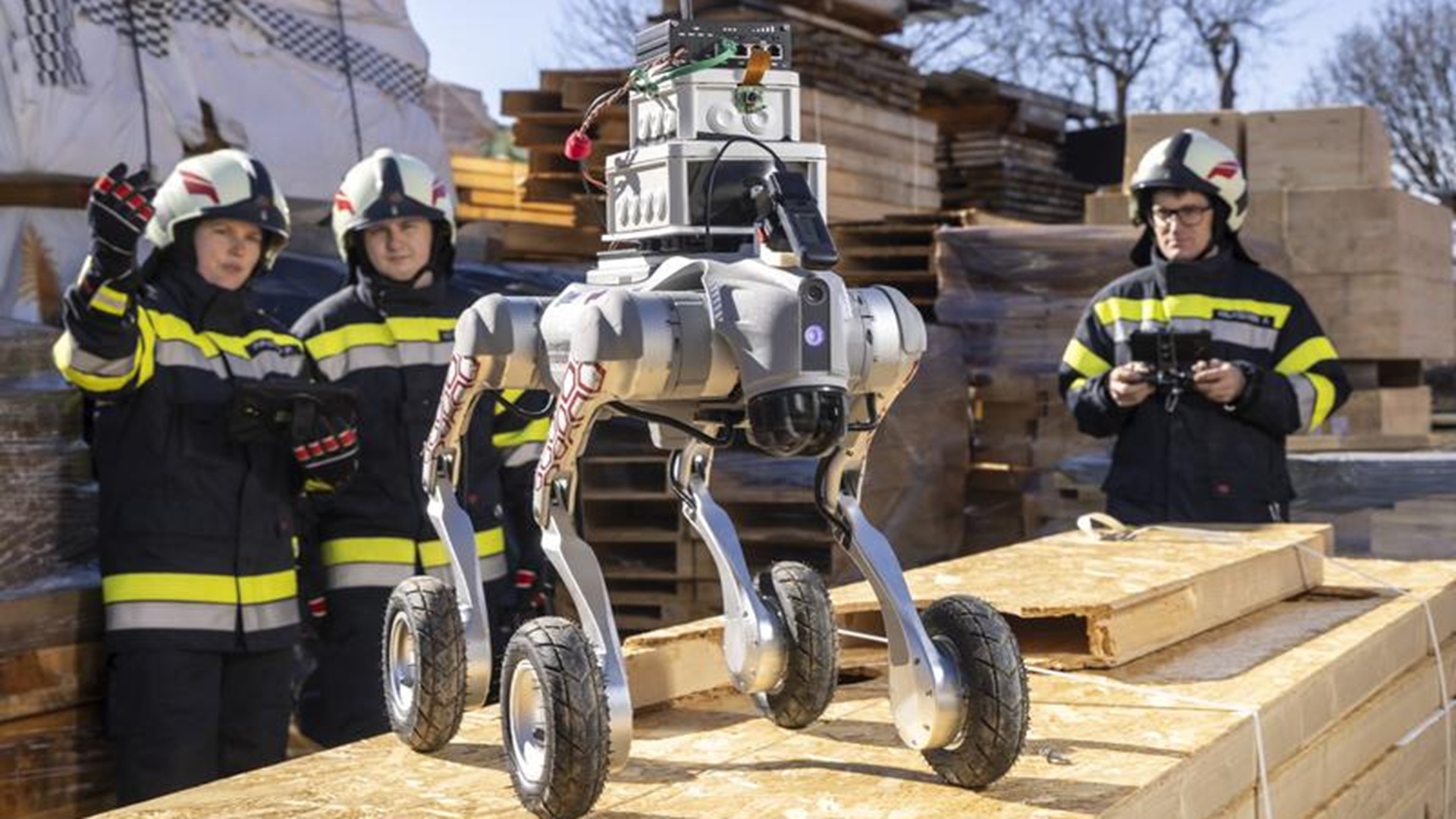
Four-legged robot dog spots hazardous toxins before firefighters enter danger zones

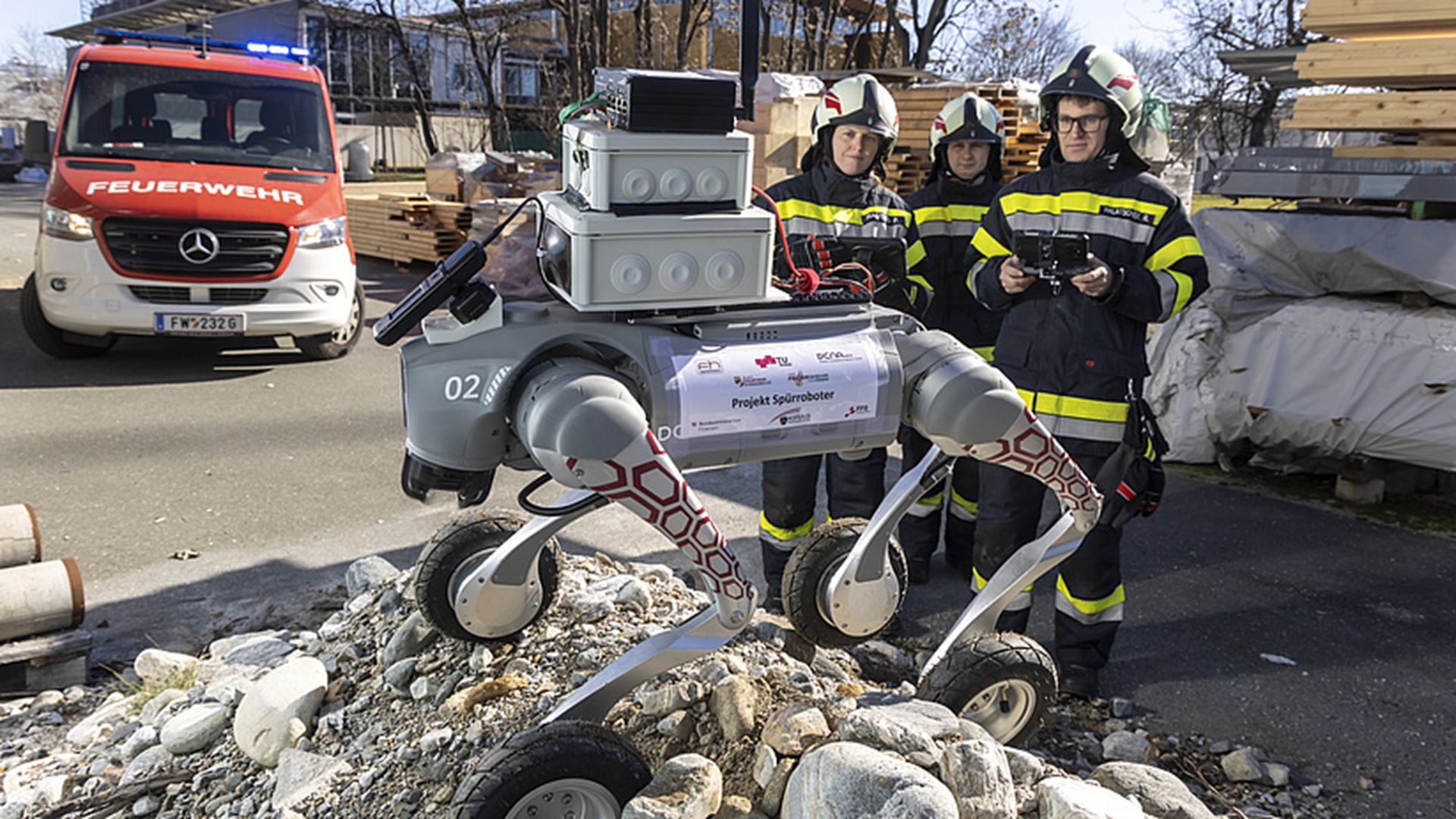
A four-legged robot dog designed to detect toxic substances could soon become the first responder sent into dangerous areas and help firefighting crews assess the damage without risking their own safety.

The remote-controlled detection robot was developed by researchers at the Graz University of Technology (TU Graz) in Austria. It is a compact, quadruped system that also incorporates measurement devices already used by fire services.

According to the research team, the detection robot has already been extensively tested by emergency services as part of large-scale pollutant drills. It has proved its ability to provide real-time data from danger zones.

Gerald Steinbauer-Wagner, PhD, an associate professor and robotics researcher at TU Graz, revealed that the dog can be deployed on missions ahead of firefighting crews. “It measures pollutant concentrations and delivers the data together with a camera image in real time from the danger zone,” Steinbauer-Wagner explained.

First into danger

In chemical accidents, emergency crews need to identify hazardous substances quickly while operating under dangerous conditions. Firefighters must typically don bulky protective suits, such as a Level A or B Hazmat suit, prior to entering contaminated areas to take measurements.

Although necessary to ensure total isolation from hazardous environments, the process can consume valuable time during an emergency. To address this issue, the team turned to robotics.

The robot gathers critical information while firefighters put on protective gear.
Credit: Lunghammer – TU Graz

As per the researchers, the robotic dog can be sent in before firefighters to collect critical information from the scene. “This allows the emergency services to assess the situation without having to enter the danger zone themselves,” Steinbauer-Wagner continued.

The technology reduces firefighting teams’ direct exposure to toxic substances. It could significantly improve their safety during industrial accidents and hazardous materials incidents.

“Based on a comprehensive requirements analysis, we developed an appropriate robotic strategy and integrated it into existing standard operational procedures,” Steinbauer-Wagner added. “This should ensure seamless collaboration between man and machine during the operation.”

A safer perspective

Instead of creating a new system, the team made it compatible with existing fire-service procedures. The researchers conducted an extensive requirements analysis before integrating it into established hazardous materials response protocols. The robot relies on commercially available parts for mobility, sensing, data processing, communication, and visualization.

“The results of the field tests were extremely promising in terms of mobility, user-friendliness and effectiveness,” Steinbauer-Wagner reported. Meanwhile, a recent potential analysis supported by the Austrian Research Promotion Agency (FFG) highlighted several advantages of the technology.

Gerald Czech of the Austrian Federal Fire Service Association emphasized that, in the event of a real incident, he would send the robot dog into the contaminated area before the firefighters go in. “For the fire service, every minute counts during a hazardous materials operation,” he said in a statement.

Czech further said receiving measurement data and images from the danger zone while crews are still putting on protective gear could save valuable time during an emergency. “This increases the safety of the crew and improves operational command,” he concluded.

Experts from the Styrian and Upper Austrian fire service associations, TU Graz, the University of Applied Sciences Upper Austria, as well as the Disaster Competence Network Austria, support the use of detection robots. They propose making them a permanent part of fire departments’ hazardous materials response teams.

💾

This four-legged robot dog that could detect hazardous substances and send real-time data to firefighters from danger zones.
  •  

Sonar–camera system sees through murky waters

For remotely operated underwater vehicles, cloudy and turbulent waters are often a no-go. When vehicles settle on the seafloor or dig through a sand bed, they can kick up clouds of sediment that make it tough for onboard cameras to see through. Often, the only thing to do is wait until the marine dust settles before a vehicle can safely proceed.

  •  
❌