Crowding the gates of a major health care conference, protesters called for Palantir to be booted out of the UK’s National Health Service over privacy concerns and political grievances.
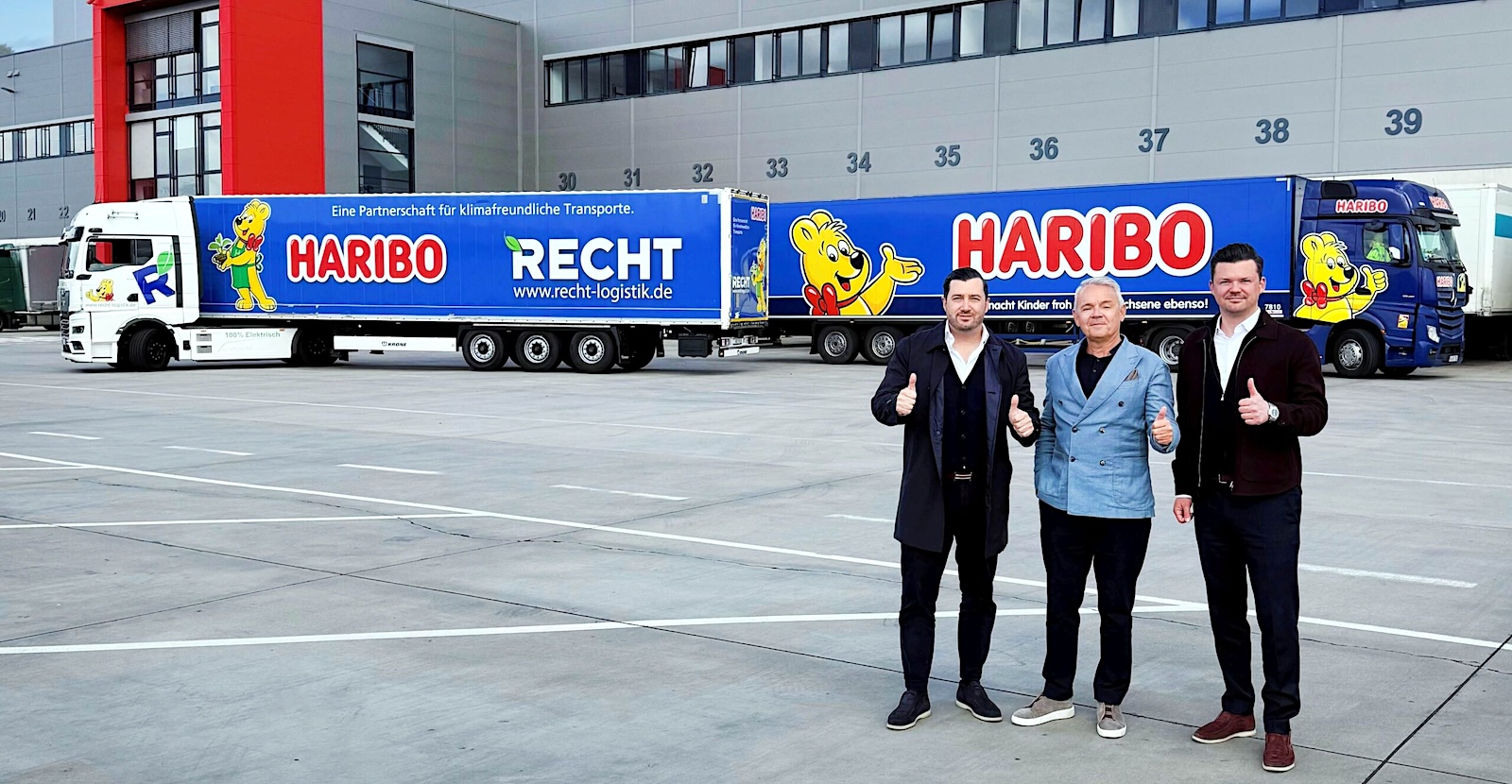
Iconic gummy candy brand HARIBO and its transport partners at Recht Logistik are turning to electric semi trucks to deliver emissions-free shipping across several of its European operations.
The new research found managing low-severity fires across 1 million acres a year could reduce the amount of land that burned from severe fires by about 25 percent, protection that lasts for years.
BYD is about to go head-to-head with Europe’s top luxury brands. Ahead of its official launch next month, new details reveal that the Denza Z roadster will feature a tri-motor setup, delivering a ridiculous 1,528 hp combined.
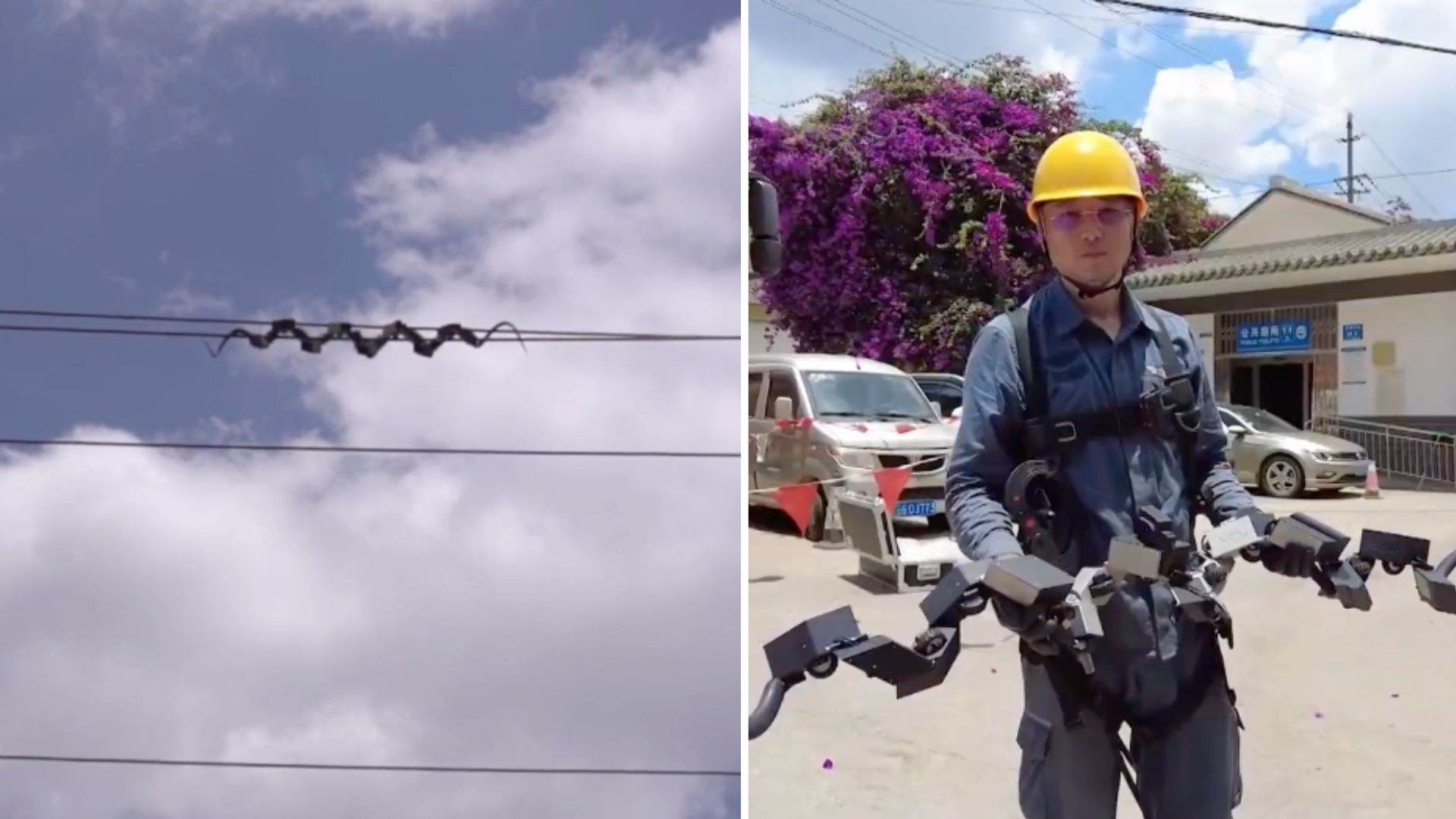
China has deployed robotic snakes to inspect power lines and help ensure a stable electricity supply.
The snake-like robots wrap around power lines and use onboard cameras and sensors to detect hazards such as damaged wires, worn components, and abnormal temperatures.
According to online media reports, the robots have inspected more than 80 miles (130 kilometers) of distribution lines serving exam sites near airport no-fly zones.
The system is three times more efficient than manual inspections, reducing the need for labor-intensive, hazardous work while improving reliability and safety.
Robotic grid guardians
Power utilities in southwestern China are using robotic snakes to inspect power lines, showcasing a new approach to infrastructure monitoring in environments where drones face limitations.
The snake-like robots have been deployed in Kunming, the capital of Yunnan province, where they move directly along power lines while inspecting critical electrical infrastructure. Equipped with cameras and sensors, the robots can identify faults such as broken wires, worn components, and abnormal temperature changes that could signal potential failures, reports the South China Morning Post (SCMP).
Developed by the Guandu District Power Supply Bureau, the robotic system has already inspected more than 80 miles (130 kilometers) of power distribution lines. According to its developers, the technology delivers inspection efficiency three times higher than traditional manual methods.
Unlike aerial drones, which are widely used for power-line inspections, the robotic snakes operate directly on the cables they monitor. This allows them to work in locations where drone flights are restricted, including areas near airport no-fly zones. The robots are also less vulnerable to high-voltage electromagnetic interference, a common challenge that can disrupt drone control systems and reduce image quality.
Meet the snake-like #robot patrolling power lines in #Kunming.
Slithering along cables, it uses onboard cameras and sensors to spot damage and overheating in real time. Even better, it draws power straight from the line, enabling autonomous 24/7 monitoring without interruption. pic.twitter.com/zXJq61oft4
The system addresses several limitations of drone-based inspections, including restricted flight zones, weather dependence, and limited battery endurance. By providing continuous close-range monitoring of power infrastructure, the robotic snakes enable utility crews to quickly identify and address potential hazards, reports SCMP.
Intelligent grid inspectors
Chinese power utilities are deploying a range of robotic systems, including snake robots, robot dogs, drones, and surveillance cameras, to monitor electricity infrastructure and maintain reliable power supplies during the national college entrance exams.
The snake robot features a flexible, multi-jointed body that allows it to move along power lines and navigate around obstacles such as insulators. This design enables it to reach areas that are difficult for human inspectors and aerial drones to access. A camera and onboard sensors mounted in the robot’s head detect potential faults and safety risks, while a non-contact power-harvesting system allows the robot to draw energy directly from the power lines it is inspecting.
Following successful trials on multiple transmission routes, utility operators have expanded the robot’s deployment to more complex sections of the power grid. Robot dogs are also being used for inspections in high-voltage environments and other locations that are challenging or hazardous for human workers. Combined with drones and fixed monitoring systems, the robotic platforms provide continuous oversight of critical electrical infrastructure.
The deployment comes as approximately 12.9 million students sat for China’s National Higher Education Entrance Examination, known as the gaokao, one of the country’s most important academic tests. Reliable electricity is considered critical during the examination period, prompting utilities to adopt advanced robotic technologies to improve inspection efficiency and reduce operational risks, reports SCMP.
Pour la première fois dans l'histoire, deux membres d'équipage américains d'un hélicoptère AH-64 Apache tombé en mer près des côtes d'Oman ont été secourus par un drone naval de la marine américaine. Une manœuvre qui pourrait bien changer la donne lors d’une opération de combat.
À plusieurs kilomètres sous la surface de l’océan Indien, des chercheurs ont mis au jour un site aussi spectaculaire qu’inattendu. Sur des centaines de kilomètres, des centaines de squelettes de baleines reposent dans les abysses, certains depuis plusieurs millions d’années.
Preparations for Next Moonwalk Simulations Underway (and Underwater)
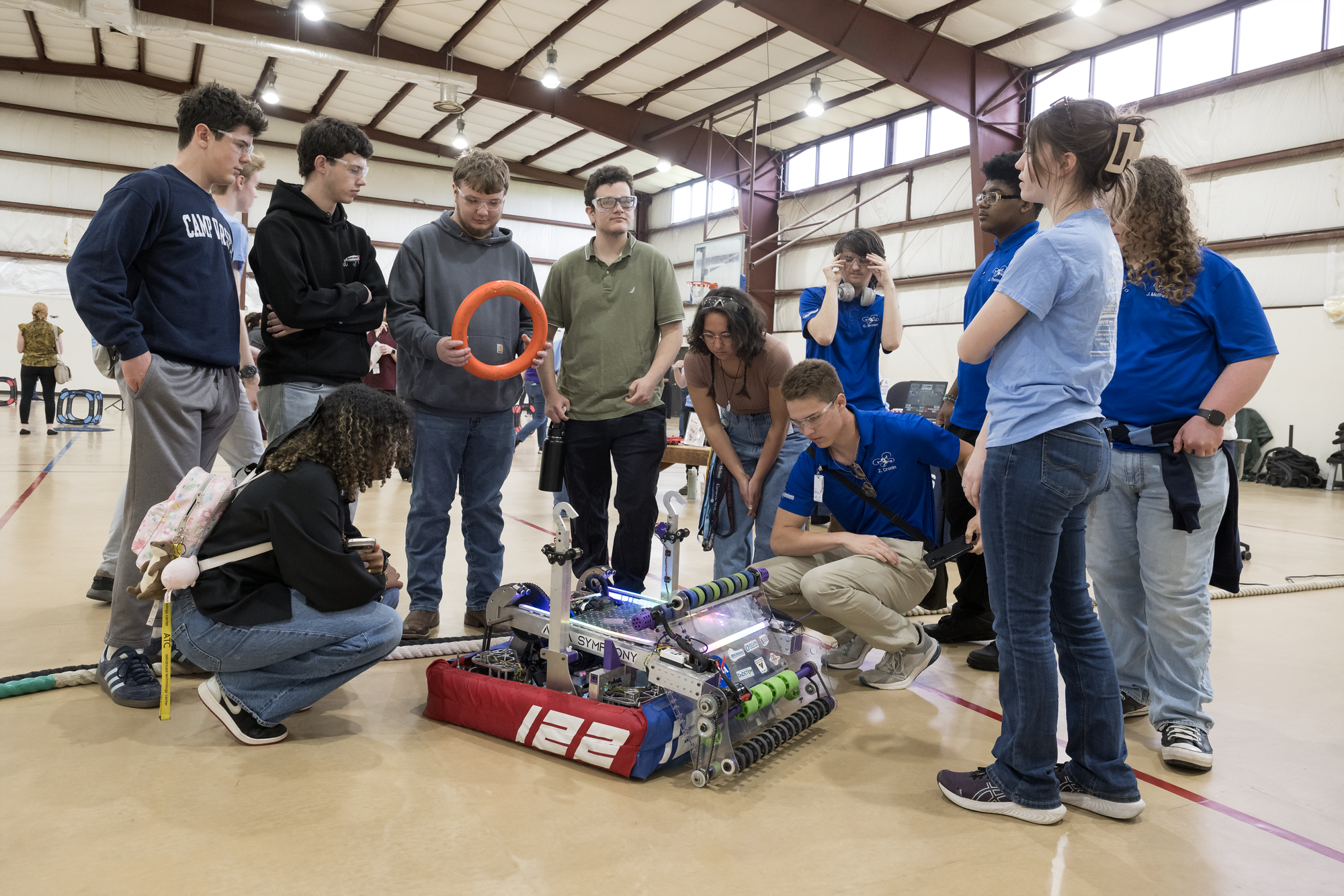
Students participate in a hands-on robotics demonstration during Career Technical Education Day at NASA’s Langley Research Center in Hampton, Virginia.
NASA/Mark Knopp
At NASA, remaining a global leader in exploration and innovation includes having a skilled and dedicated workforce. Technicians play a critical role in advancing the agency’s research and missions, applying hands-on expertise across engineering, fabrication, electronics, and countless other technical fields.
To help cultivate the next generation of technical talent, NASA’s Office of STEM Engagement hosted Career Technical Education Day recently at NASA’s Langley Research Center in Hampton, Virginia. One hundred high school and community college students from Virginia and North Carolina attended, eager to explore the technical career paths that help drive NASA’s work.
“Many students picture NASA as only astronauts or engineers and therefore never consider a career at NASA to be within their reach,” said Bonnie Murray, lead for the Office of STEM Engagement at NASA Langley. “Bringing students from local career and technical education programs to Langley allows them the opportunity to see technicians at work, hear the pathways those technicians followed, and understand how the skills they are developing in their related classes have a place in the NASA workforce.”
The event opened with remarks from NASA Langley’s Steve Gayle, who traced his path from an engineering technician co-op in the center’s Fabrication Division and a graduate of Langley’s Engineering Technician Apprentice Program to his current role as acting associate director. Gayle encouraged students to embrace challenges, think critically, stay curious, and create their own opportunities as they pursue their career goals.
“We need young, bright minds,” Gayle said. “At NASA, we rely on skilled hands-on professionals — technicians who operate our wind tunnels, apply their skills in our fabrication shops, and use their electronics knowledge to design, test, and build critical systems.”
Students visit NASA Langley Research Center’s model shop during Career Technical Education Day to learn about the materials and techniques technicians use to build model aircraft and spacecraft.
NASA/Ryan Hill
Throughout the day, students toured several of Langley’s world-class facilities, including the historic Landing and Impact Research Facility and one of the center’s wind tunnels. At each stop, they received a behind-the-scenes look at the spaces where NASA technicians build, test, and refine the tools and technologies that support the agency’s missions. The technicians spoke with students about their work, their career paths, and the skills needed to excel in technical roles.
Hands-on demonstrations and interactive activities lead by NASA technicians and aerospace industry partners helped students connect their classroom experience with real-world applications. Whether observing fabrication techniques, seeing instrumentation up close, or engaging with engineering demonstrations, participants experienced how STEM and technical skills directly translate into meaningful careers.
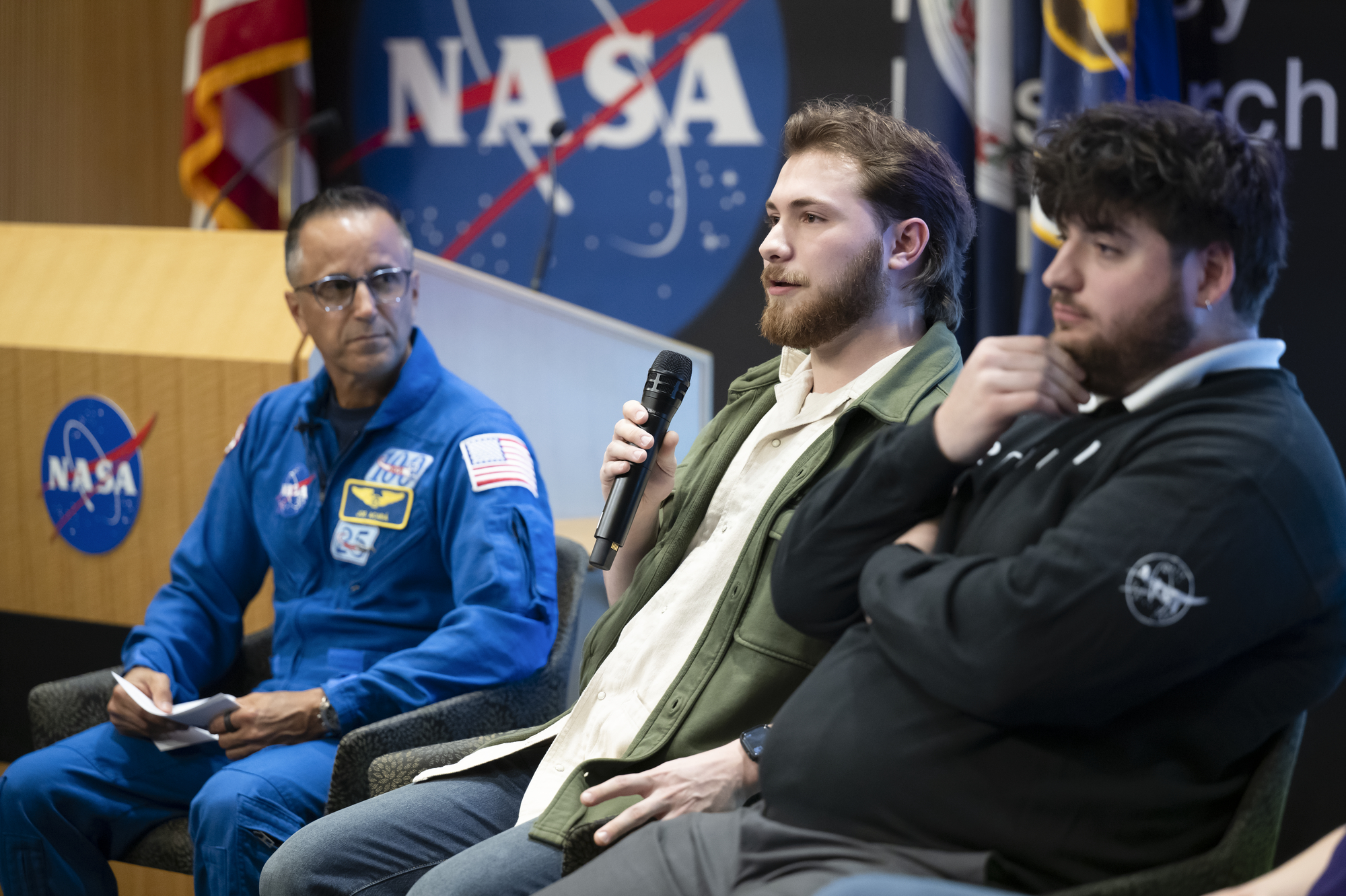
“Through events such as this, NASA seeks to prepare students for aerospace careers through experiences and investments that strengthen research capacity, build technical expertise, and expand reach in alignment with agency missions and needs,” Murray said. The event ended with a career panel moderated by NASA astronaut Joe Acaba, associate director of mission and strategy at NASA’s Johnson Space Center in Houston and former math and science teacher. The panel featured four Langley technician apprentices who shared insights into their roles and the value of strong foundational skills in technical fields.
Wyatt Healy, mechanical engineering technician apprentice at NASA’s Langley Research Center, answers questions during a career panel featuring NASA Langley technician apprentices during Career Technical Education Day.
NASA/Ryan Hill
“A basic grasp of how software, systems, and even everyday items function goes a long way as you progress in your technician journey,” said Wyatt Healy, mechanical engineering technician apprentice at NASA Langley. “When you have those fundamentals down, learning the more advanced concepts becomes much easier. It doesn’t happen overnight, but with a strong foundation, the sky is the limit.”
By connecting students with NASA professionals, facilities, and hands-on experiences, the event showcased a broad range of opportunities available in technical careers. It also underscored NASA’s commitment to building a strong, skilled workforce equipped to support the agency’s mission and tackle the challenges of tomorrow.
For more information about opportunities to connect students with NASA’s mission, work, and people, visit:
After deliveries began in April, the new BMW iX3 already looks like it could be the luxury brand’s next hit. BMW has now sold over 10,000 models, and the new iX3 has already become the best-selling EV in its class.
Depuis leur découverte par le télescope James-Webb, les « petits points rouges » défient les astronomes. Une nouvelle observation, presque par hasard, pourrait enfin lever le voile sur leur véritable nature.
We tend to view ourselves and the complex cells that build us as a distinct branch of the tree of life from the compact, seemingly featureless cells of bacteria and archaea. But we've found that our genome is actually a hybrid, a mish-mash of genes from bacteria and archaea, along with some that have evolved in our own lineage.
Scientists gradually settled on a simple explanation for this: the first complex cells were the product of a fusion between archaeal cells and bacteria, with the bacteria ultimately evolving into the mitochondria, a chemical-power-generating structure that still retains a bit of its own genome. Over time, many of the other bacterial genes were transferred to the nucleus of what was becoming what we now call a eukaryote, intermingling with the archaeal genes there.
But a new study has taken a careful look at some of the genes shared by all eukaryotes and comes to the conclusion that the reality is a little more complicated and that there were several waves of gene transfers from bacteria. The big picture of a merger between bacteria and archaea is still right, but it was only part of a picture where gene transfers among species were commonplace.
Zahra Teimouri, Mahtab Masouminia, Ashkan Irannezhad, Reza Eslami, Joseph Deering, Navid Noor, Shunquan Tan, Amirhossein Foroozan Ebrahimy, Shayan Angizi, Sung-Fu Hung, Drew Higgins We identify three factors governing NiNC performance in MEA CO2 electrolysis: nitrogen precursor impregnation, chelating-agent-assisted synthesis, and carbon support morphology, which collectively determine catalyst-layer structure and performance. To cite this article before page numbers are assigned, use the DOI form of citation above. The content of this RSS Feed (c) The Royal Society of Chemistry
Solid-state EV batteries are now being tested on the road in North America for the first time, promising longer range, faster charging, and lower costs.
GSMA warned 810 million women in low- and middle-income countries (LMICs) still do not use mobile internet, flagging slow progress in closing the digital gender gap.
In its latest Mobile Gender Gap Report 2026, the industry association found that in comparison, 595 million men in the same markets are not connected to mobile internet. Indeed, women in LMICs were 12% less likely than men to use mobile internet, leaving 200 million fewer women online.
Smartphone ownership remains a major barrier, as women in LMICs are 13% less likely than men to own a smartphone, equivalent to around 210 million fewer female owners.
The report found awareness of mobile internet is high and almost equal among men and women, but adoption continues to be held back by handset affordability, literacy and digital skills gaps. Even after women are connected, usage remains restricted due to safety and security concerns, data affordability and poor connectivity.
GSMA explained women are disproportionately affected due to social norms and structural inequalities, including lower education and income.
The report found the divide most acute in Sub-Saharan Africa and South Asia, where mobile internet adoption stands at 26% and 25% respectively. The regions together also account for more than two-thirds of the 810 million unconnected women.
Women in rural areas continue to face a sharper divide, with the report stating the gender gap is typically two to three times wider outside urban areas. The disparity is particularly pronounced in Sub-Saharan Africa, South Asia, the Middle East and North Africa.
Looking ahead, the industry association estimated closing the mobile internet adoption gap in LMICs between 2023 and 2030 could add $1.3 trillion to GDP. Meanwhile, narrowing the wider mobile ownership and usage gap could generate $230 billion in additional revenue for the mobile industry.
It called for coordinated action on handset and data affordability, digital skills, safety, services designed for women and wider structural inequalities.
Claire Sibthorpe, head of digital inclusion at GSMA, said “much more is needed to address the persistent and significant gender gaps in mobile internet adoption and use”. She warned AI and other emerging technologies are “creating greater digital divides and inequities”, making digital inclusion increasingly urgent.
JAKARTA — Indonesia’s oldest and largest environmental group, Walhi, has formally intervened in an environmental lawsuit filed by the government against a major logging company, arguing the government’s case fails to account for the full extent of ecological damage allegedly caused by the company’s operations. Walhi filed the intervention on May 20, 2026, in the Medan District Court, where the environment ministry is seeking 3.89 trillion rupiah ($214 million) in damages and environmental restoration measures against pulpwood plantation operator PT Toba Pulp Lestari (TPL). The environmental group is not arguing that the ministry’s damages claim is too small. Instead, it says the lawsuit overlooks key ecological impacts, such as critical orangutan and tiger habitats, that should also be addressed through court-ordered restoration. In January 2026, the environment ministry filed lawsuits against six companies over alleged damage to watersheds in North Sumatra province, which the government says contributed to the floods and landslides that struck the region in late November 2025 following cyclone-driven storms across Sumatra. The government also announced the revocation of the permits for TPL and 27 other companies in January 2026. TPL later disclosed to investors that it had received a forestry ministry decree dated Jan. 26 formally revoking its forest-use license, and that it had subsequently ceased forest-use activities within its concession. The floods and landslides struck three provinces on the island of Sumatra, including North Sumatra, and claimed the lives of more than 1,200 people. In its lawsuit against TPL, the environment ministry identified 1,261.5 hectares…This article was originally published on Mongabay
Google intègre « Gemini 3.5 Live Translate » à son application Google Traduction sur iOS et Android. Ce nouveau modèle audio traduit en quasi-temps réel plus de 70 langues, avec détection automatique et préservation de l'intonation du locuteur. Une avancée qui rend enfin la conversation...

 Login















 Open Access