Born in 1888, artist and illustrator Chesley Bonestell became famous for his realistic paintings of space. His work spanned decades and many formats and publications; perhaps most influential was his collaboration with Wernher von Brain on the 1952–54 Collier’s series, “Man Will Conquer Space Soon!” By making the stuff of science fiction seem achievable, his artwork helpedContinue reading "June 11, 1986: Chesley Bonestell dies"
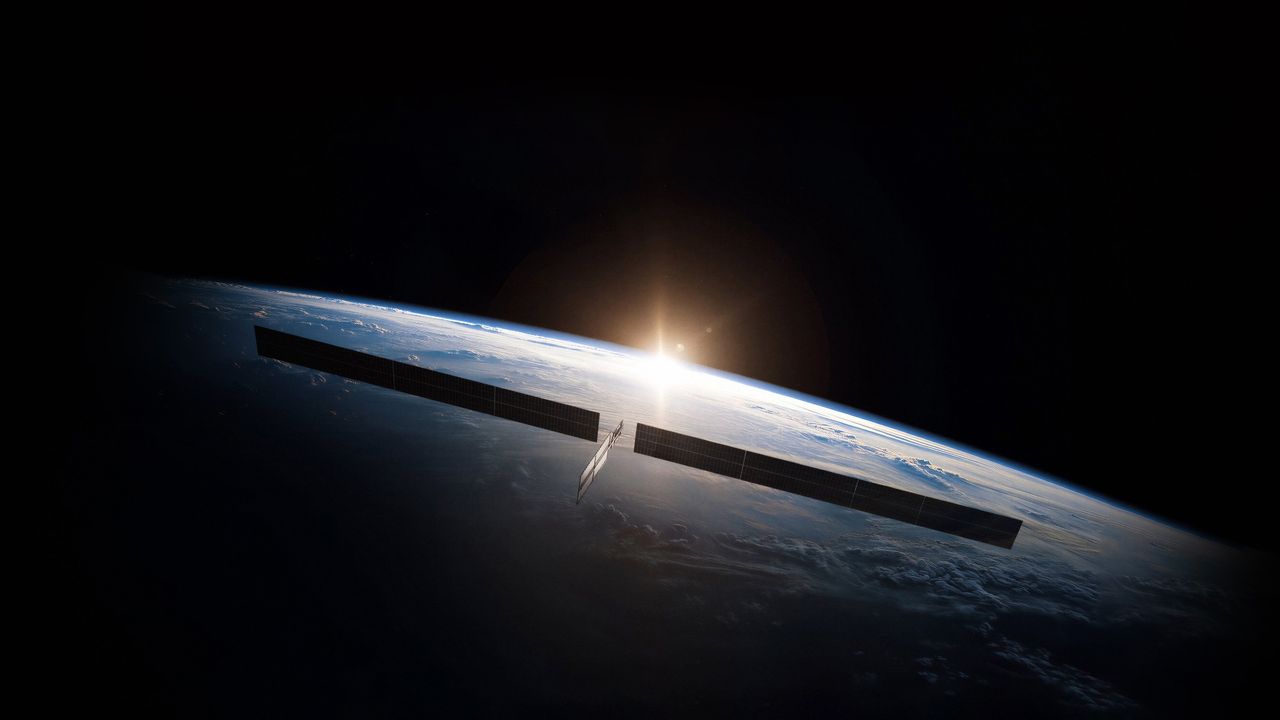
SpaceX CEO Elon Musk outlined more details for his company’s planned data centers in space ahead of a widely anticipated IPO on Friday (June 12) expected to make him a trillionaire.
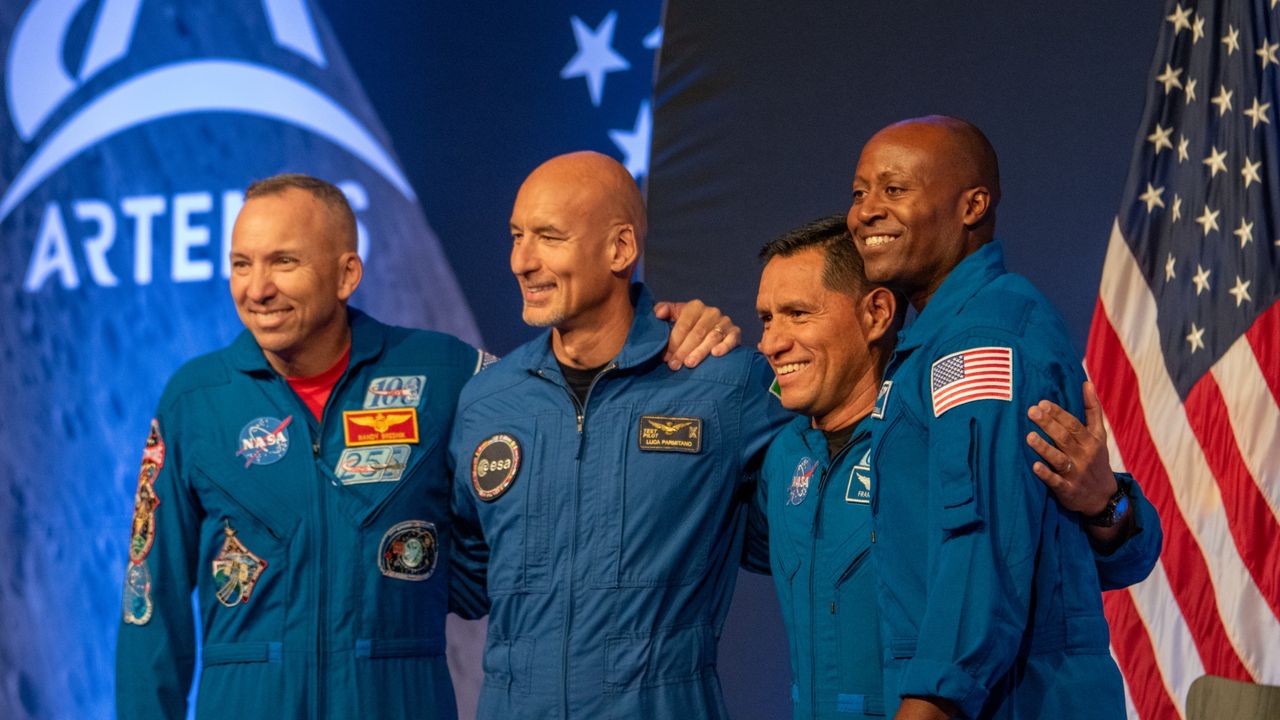
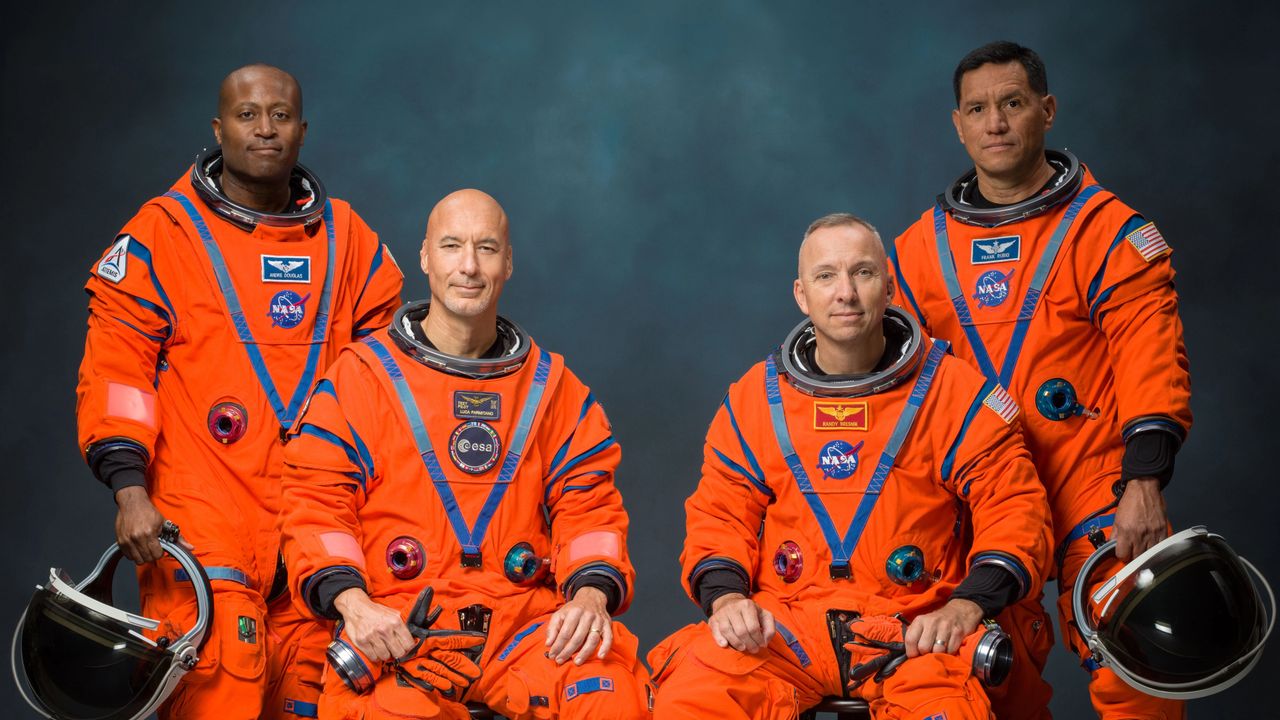
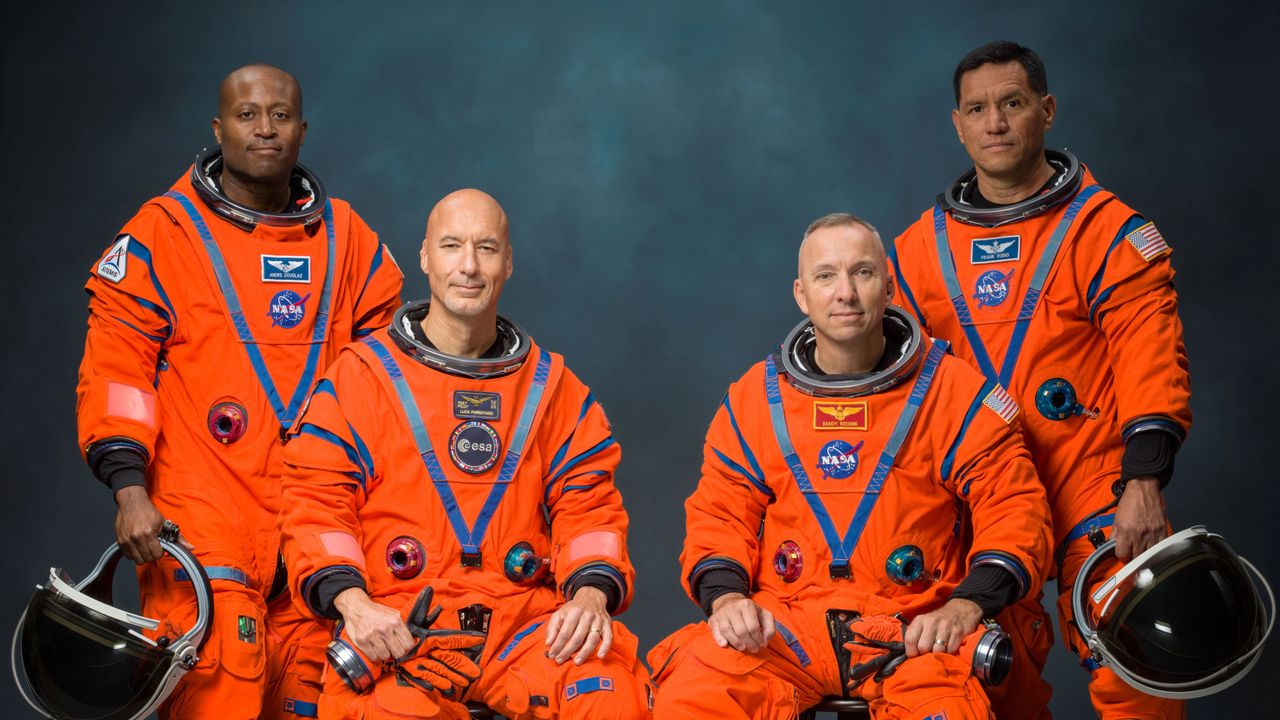
The four astronauts named to the Artemis 3 crew are all male, but NASA officials emphasized they were selected based on their qualifications and experience.
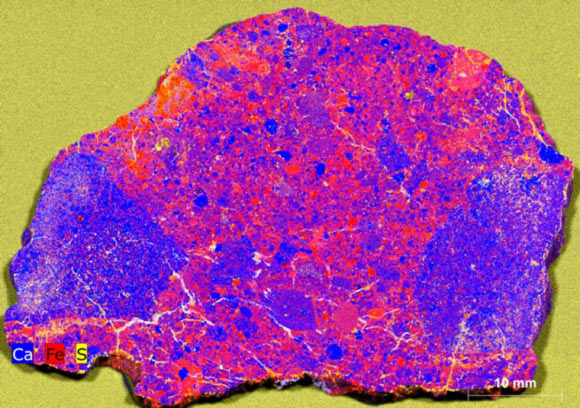
Planetary scientists analyzing a lunar meteorite known as Northwest Africa (NWA) 12593 have uncovered evidence of an asteroid impact that occurred 3.5 billion years ago on the Moon, helping to reconstruct a period of intense bombardment that left lasting marks across the inner Solar System.
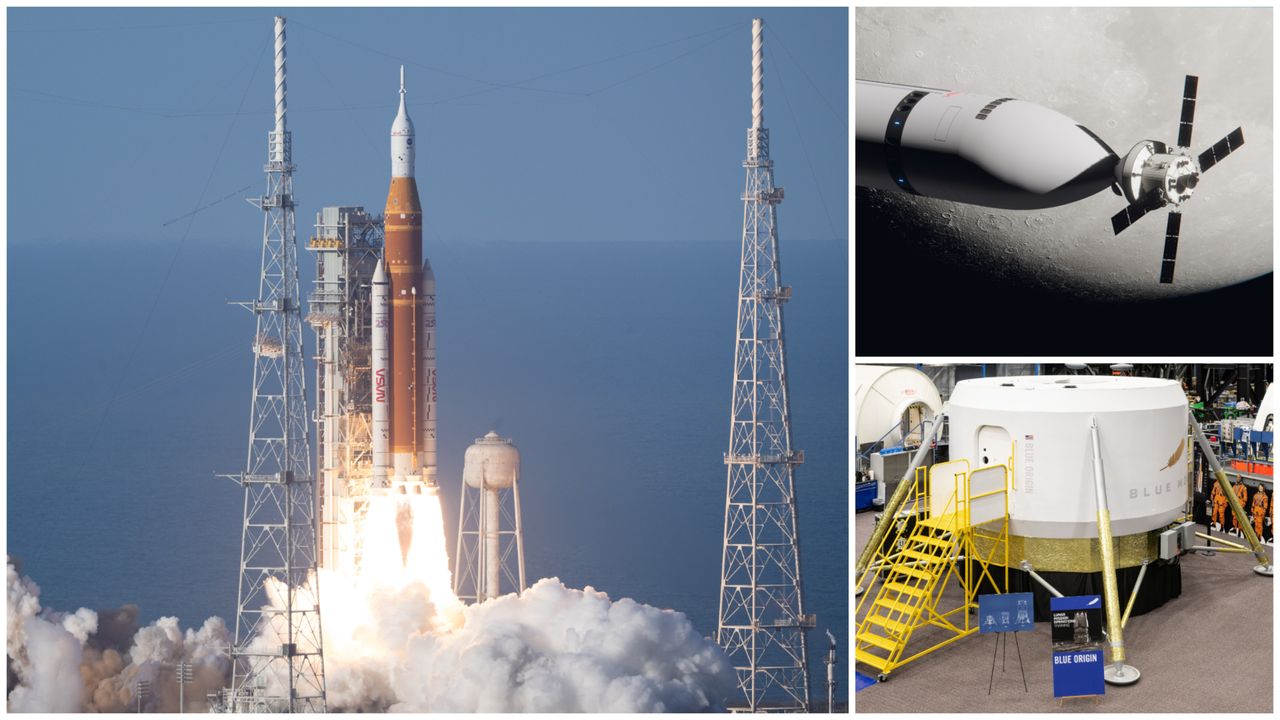
NASA's Artemis 3 mission in 2027 looks to be one of agency's most complicated missions ever, with three giant rocket launches and two private moon lander prototypes that haven't been built yet.
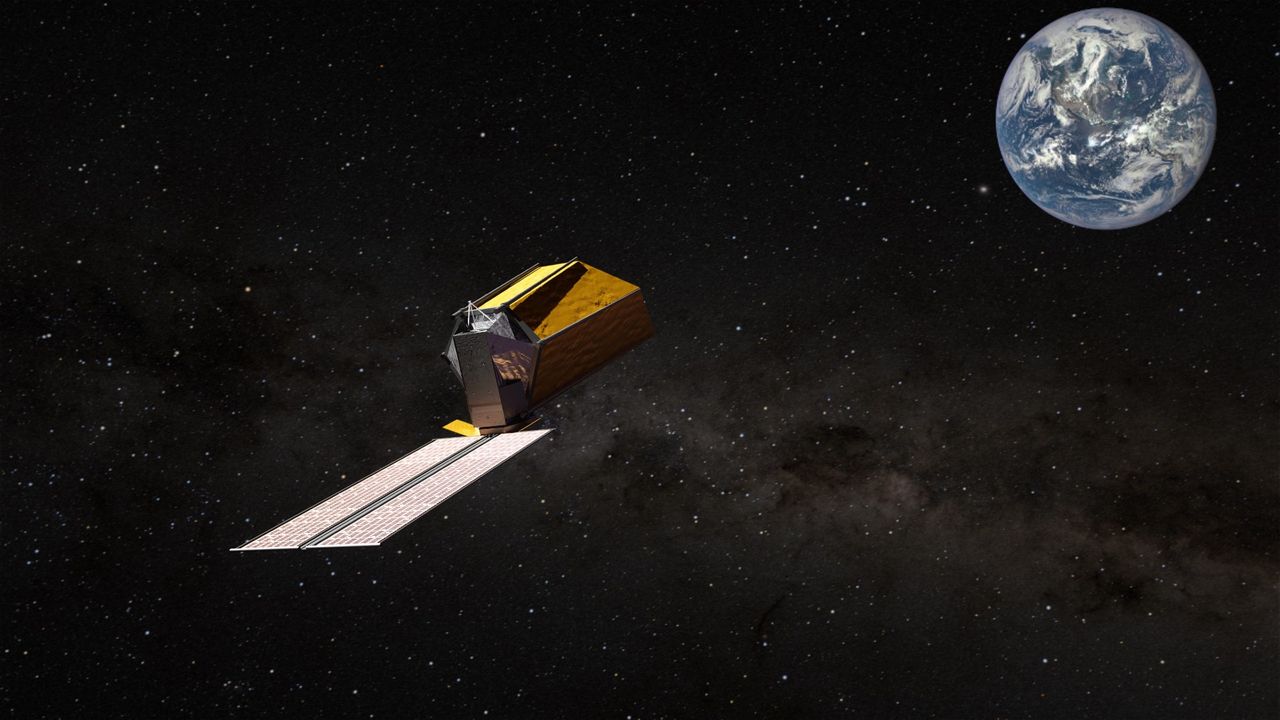
A new study analyzed how NASA's Habitable Worlds Observatory might be able to confidently spot biosignatures in the atmosphere of a distant ancient Earth.
NASA named the astronauts who will launch on its Artemis 3 mission next year to test docking procedures in Earth orbit ahead of a planned moon landing in 2028.
NASA's Artemis III crew has been revealed. The astronauts will launch into low Earth orbit next year to test docking with commercial lunar landers being developed by SpaceX and Blue Origin.
NASA astronaut Jessica Meir captured a breathtaking view of auroras on Earth from orbit while sheltering with her fellow astronauts in a SpaceX Dragon spacecraft.
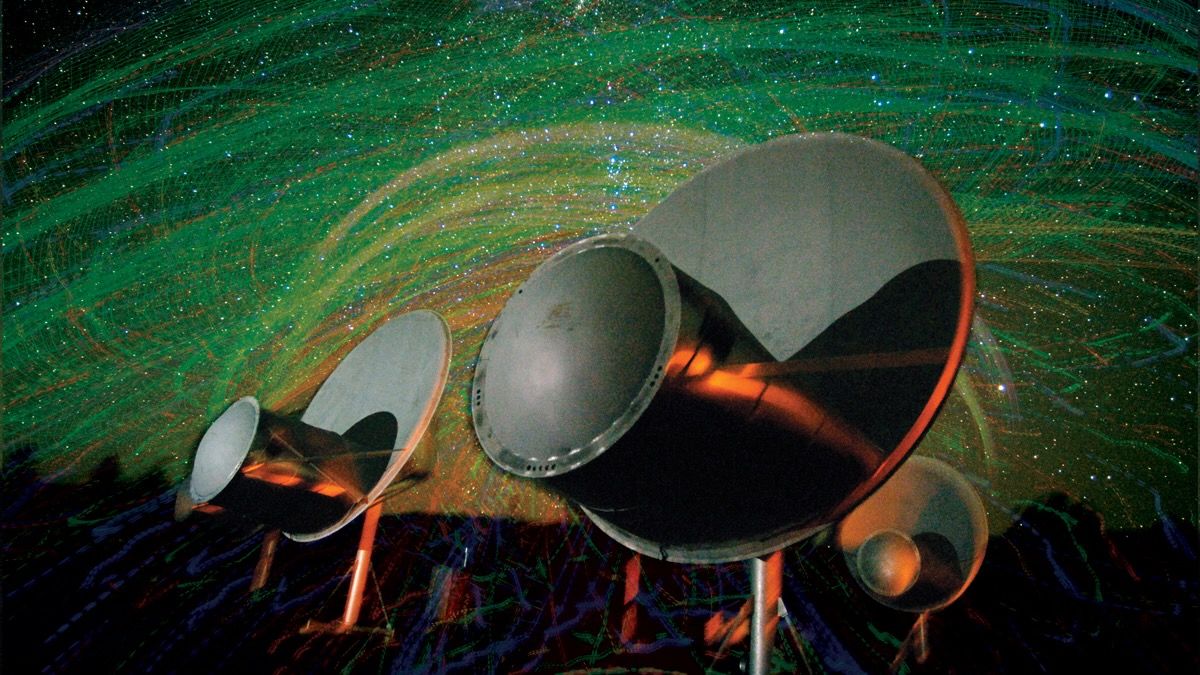
As Steven Spielberg's alien conspiracy thriller "Disclosure Day" heads to theaters, Space.com talks to the astronomer who has led efforts to make sure any real alien detection will not be kept a secret.
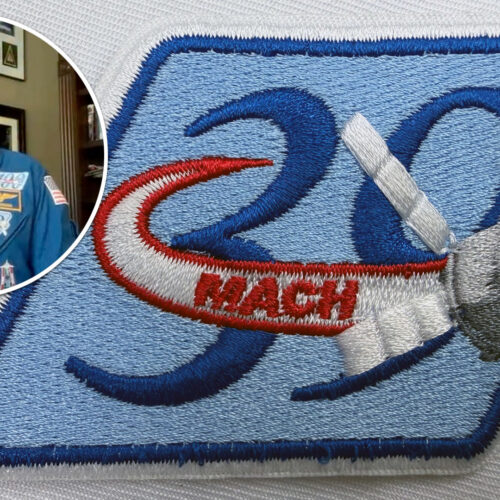
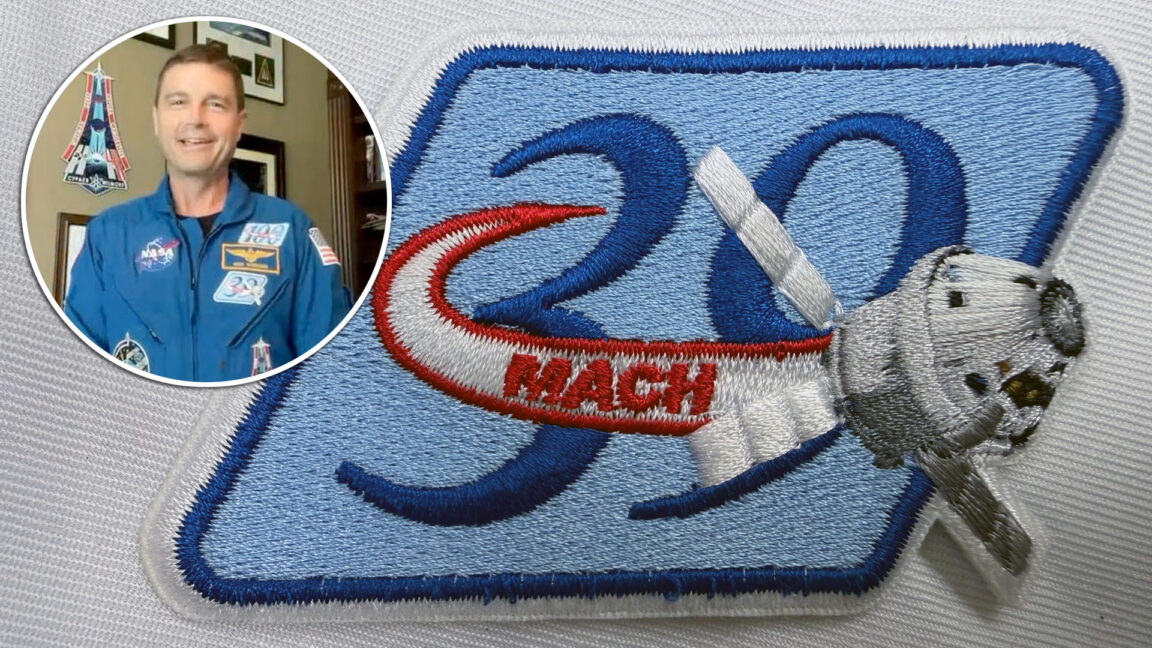
NASA's Artemis II crew are the fastest people alive, and now they have the patch to prove it.
Mission Commander Reid Wiseman, pilot Victor Glover, and mission specialists Christina Koch and Jeremy Hansen (the latter with the Canadian Space Agency) spent 10 days in early April flying by the Moon. Their journey took them farther away from Earth than any humans have gone (52,756 miles [406,771 km]) and then, on the way back on board their Orion spacecraft Integrity, they sped up to about 24,664 miles per hour (39,693 k/ph) reentering the atmosphere.
Only three other people in history have traveled faster. NASA's Apollo 10 astronauts Thomas Stafford, John Young, and Eugene Cernan set the record for the highest speed attained by a crewed vehicle relative to the Earth's surface: 24,791 mph (39,897 kph) on May 26, 1969.
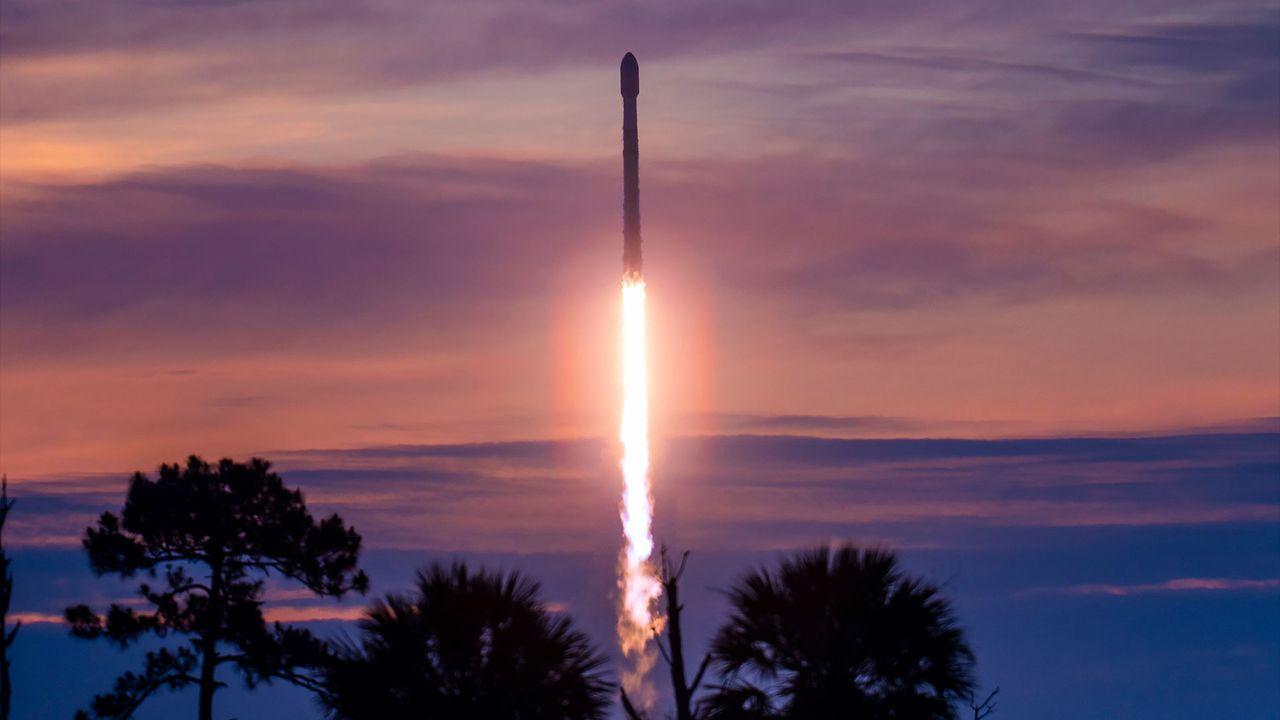
A SpaceX Falcon 9 rocket carrying 29 Starlink satellites lifted off from the Cape Canaveral Space Force Station in Florida on Monday, June 8, 2026. The first stage booster flew for a record 35th time.
 Login

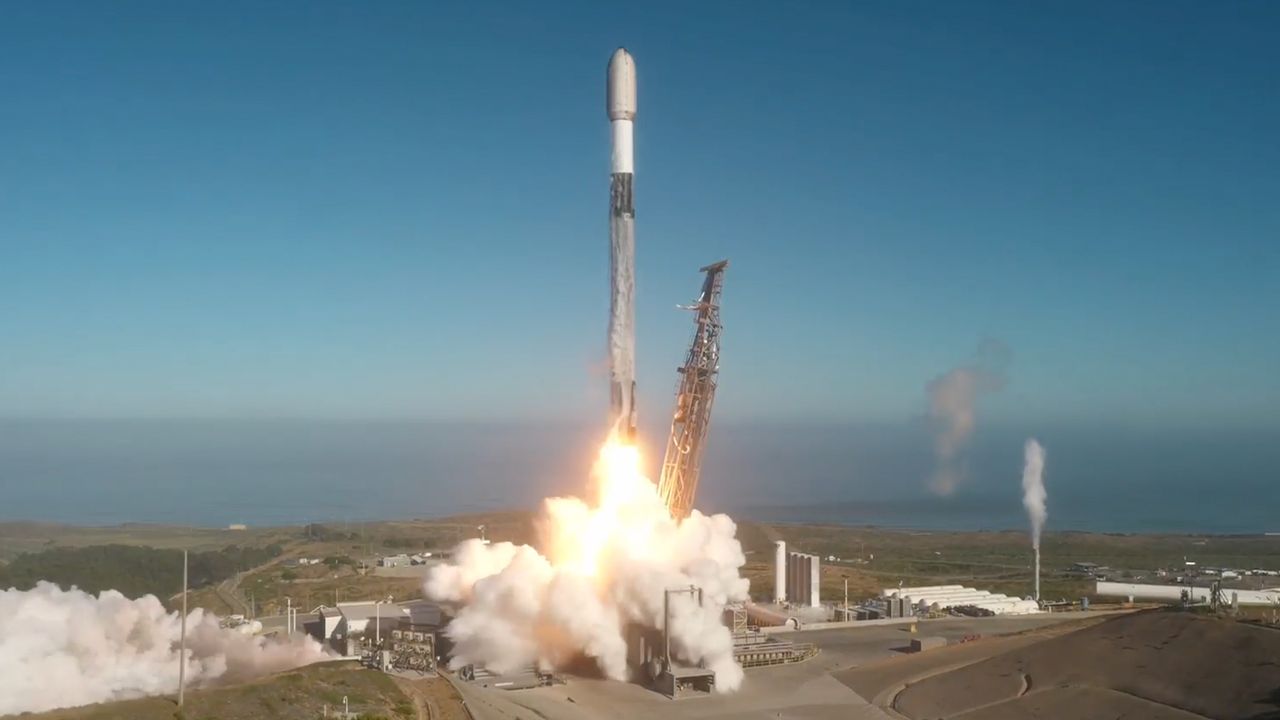

 The new space race is smaller and messier than we anticipated.

 The new undergarment is built to keep astronauts cool, breathing and moving.