❌

Reading view

Un artista del suono ha calato un idrofono nelle radici di Pando, il pioppo…

Un artista del suono ha calato un idrofono nelle radici di Pando, il pioppo tremulo clonale dello Utah che con i suoi 6.000 tonnellate e 47.000 tronchi identici è l'organismo vivente più grande del pianeta. Quello che ha registrato — un brontolio sotterraneo prodotto dal fremito di milioni di foglie che viaggia attraverso le radici — apre nuove possibilità per mappare e monitorare questo essere antico di 12.000 anni, oggi sempre più minacciato dalle attività umane.
  •  
  •  

Ryan Primrose dell'Ontario Centre for Archaeological Education coordina le…

Ryan Primrose dell'Ontario Centre for Archaeological Education coordina le indagini sul ritrovamento di una lastra di roccia a Wawa, in Canada, che reca incisi 255 caratteri runici. Il runologo Henrik Williams ha decifrato l'iscrizione, scoprendo che riproduce il Padre Nostro in svedese moderno tramite un sistema grafico del Seicento ripubblicato nel diciannovesimo secolo. L'opera, che include anche il disegno di una barca con 16 passeggeri e 14 misteriose "X", è attribuibile a un lavoratore svedese della Compagnia della Baia di Hudson e non a esploratori norreni.
  •  

Una visione offuscata prima in un occhio e poi nell’altro ha allarmato Neli…

Una visione offuscata prima in un occhio e poi nell’altro ha allarmato Nelize Pretorius e i medici pensarono si trattasse di congiuntivite. “Riuscivo a malapena a vedere”, ha ricordato. “Stavo perdendo la vista e nessuno sapeva spiegarmi il perché”, ha dichiarato ad ABC . La causa del problema non risiedeva affatto nei suoi occhi. Si trattava di […]
  •  

Friggere è una delle tecniche di cottura più diffuse nelle cucine di tutto…

Friggere è una delle tecniche di cottura più diffuse nelle cucine di tutto il mondo, ma pochi sanno che il calore elevato può trasformare l’olio in una fonte di composti chimici potenzialmente dannosi per la salute. Quando un olio viene sottoposto a temperature troppo alte o viene riutilizzato più volte, infatti, inizia un processo di […]
  •  

Earth’s Earliest Animals May Have Thrived Too Easily to Evolve

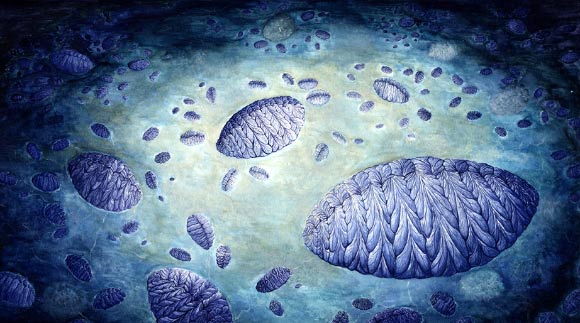
Artist’s reconstruction of the Fractofusus community: the bottom right features a large Fractofusus around which there are 5 to 8 medium specimens clustered; each of the medium specimens also has small specimens clustered around them; the small specimens therefore form an independent double cluster pattern, namely clusters of clusters. Image credit: C.G. Kenchington.

Fossils from some of the oldest-known animals on Earth, dating from 574 million years ago (Ediacaran period), suggest that cloning, not competition, dominated the Ediacaran seas, slowing evolution until environmental stress helped drive the rise of sexual reproduction and a burst of biodiversity.

The post Earth’s Earliest Animals May Have Thrived Too Easily to Evolve appeared first on Sci.News: Breaking Science News.

  •  

Record Club é uma rede social para quem gosta de descobrir e partilhar música com amigos

A proposta da Record Club é semelhante à de plataformas como a Letterboxd, mas aplicada ao mundo da música, permitindo acompanhar os mais recentes lançamentos e avaliar álbuns, assim como organizar e partilhar descobertas.

The post Record Club é uma rede social para quem gosta de descobrir e partilhar música com amigos appeared first on Tek Notícias.

  •  

Lunar Meteorite Preserves Evidence of Colossal Asteroid Strike

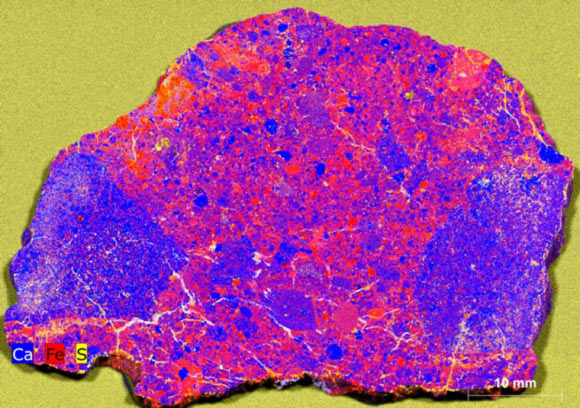
XRF map of 7.53 g slice of NWA 12593: calcium (Ca) and iron (Fe) illustrate the location and diversity of clasts; sulfur (S) highlights the location of cracks and terrestrial weathering. Image credit: Crow et al., doi: 10.1130/G54386.1.

Planetary scientists analyzing a lunar meteorite known as Northwest Africa (NWA) 12593 have uncovered evidence of an asteroid impact that occurred 3.5 billion years ago on the Moon, helping to reconstruct a period of intense bombardment that left lasting marks across the inner Solar System.

The post Lunar Meteorite Preserves Evidence of Colossal Asteroid Strike appeared first on Sci.News: Breaking Science News.

  •  

We managed to glean some interesting details about the Artemis III mission

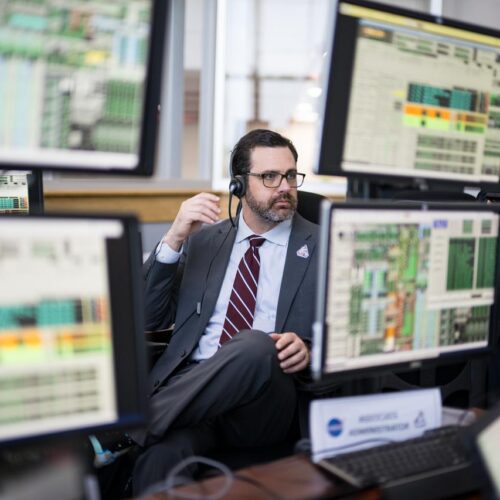
On Tuesday, NASA announced the crew for the Artemis III mission, which is scheduled to be flown no earlier than summer 2027. As part of the announcement, space agency officials also discussed plans for the crew to dock with both a Blue Origin lander and a SpaceX Starship lander during the spaceflight in low-Earth orbit.

The presentation, although informative, still left open key questions about the landers' readiness and what exactly they'll look like. After the crew announcement, Ars sat down with Jeremy Parsons, NASA's Artemis program manager, to answer some of these questions.

This interview, conducted at NASA's Johnson Space Center, has been lightly edited for clarity.

Read full article

Comments

© NASA/Aubrey Gemignani

  •  

You can just tell the Instagram algorithm what you want now

The Instagram camera icon on a pink, blue, and black background

Instagram is going to let you tweak what its algorithm shows you on your main feed. With the Your Algorithm feature, "you can now see the topics we think you're interested in, and change them, across all the major parts of Instagram," according to Instagram boss Adam Mosseri. Right now, the feature will only surface topics, but Instagram is working on "supporting requests for people, different moods or vibes, content types, and more."

The company has been slowly giving users more agency over some algorithms on Instagram, having already launched the Your Algorithm feature for your Reels feed and the Explore page. With Wednesday's announcemen …

Read the full story at The Verge.

  •  

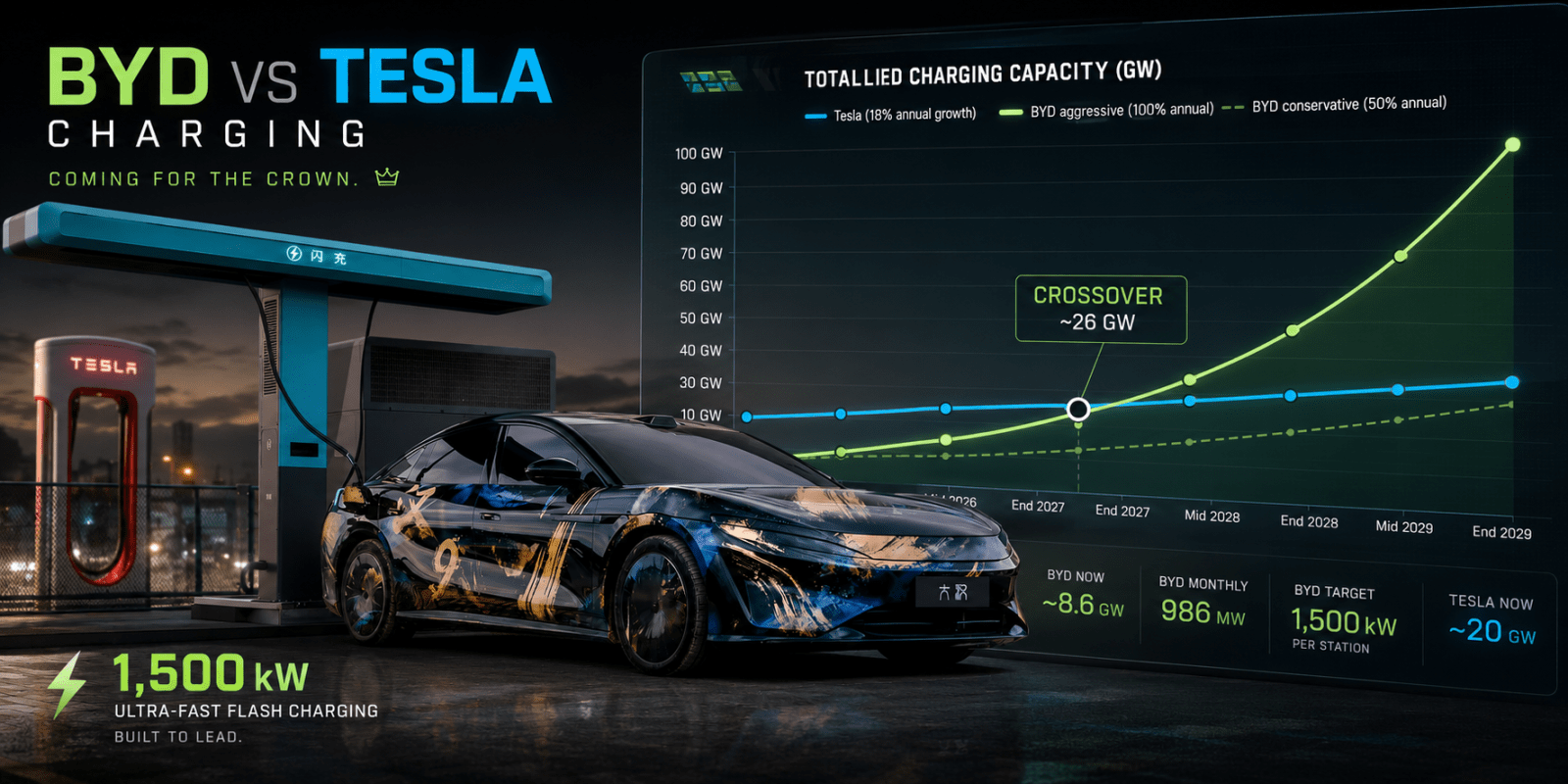
BYD is deploying 2.4x more charging power per month than Tesla

BYD is building a charging network that makes Tesla’s Supercharger look slow — and it’s deploying it at a pace that could see it surpass Tesla’s global network within two to three years.

The Chinese automaker has already deployed over 5,700 Flash Charging stations in China in just a few months and just opened its first overseas stations in Europe. The chargers deliver up to 1,500 kW of power — three times what Tesla’s latest V4 Superchargers can do.

  •  
  •  
❌