A próxima edição da iniciativa organizada pela Codfish Academy conta com a participação de Aaron Ludlow, Lead Producer da editora indie Playstack. As candidaturas estão abertas até ao dia 22 de junho.
A Legion Go Gen 2 é a evolução natural da portátil de gaming da Lenovo, melhorando o ecrã e atualizando o hardware, mas essas melhorias refletem-se no peso (na carteira e nas mãos).
At some point during the fog of 2021 or 2022, I noticed that my son's preferred brand of fruit snacks had switched from including 0.9 ounces per pouch to 0.8 ounces per pouch. Most shrinkflation is meant to fly under the radar, but in this case, I just happened to notice it. It felt bad! It's tangible evidence that your money is not going as far as it did in the very recent past.
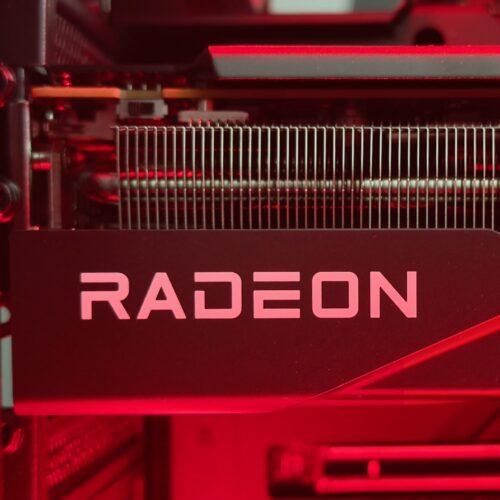
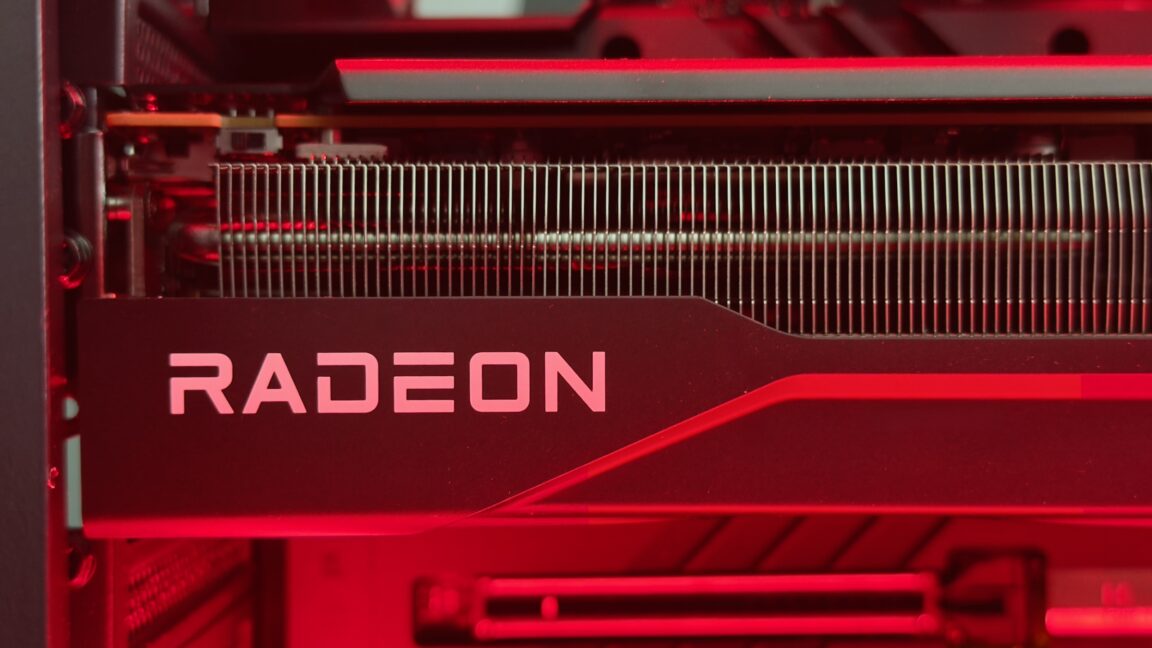
A little over a year ago, AMD launched the Radeon RX 9070 for a suggested retail price of $549. This month, it's launching the similarly named Radeon RX 9070 GRE for a suggested retail price of $549. This new card (actually the US launch of a GPU that's been available in China for a year or so) has 85 percent as many GPU cores, 75 percent as much memory, and 66 percent as much memory bandwidth as the regular RX 9070.
We'll evaluate the RX 9070 GRE in the context of the current GPU market, where prices have been edging upward due to the same AI-driven RAM shortages and price hikes that have made PC building and buying such a miserable experience for the last few months. But it's hard not to be a little upset about such a clear example of GPU shrinkflation—the same money for a markedly inferior product.
Apresentada durante a Computex 2026, a nova consola portátil da MSI é a primeira com o processador Intel Arc G3 Extreme, que promete melhor desempenho e maior eficiência energética que os modelos equipados com processador AMD Ryzen Z2 Extreme.
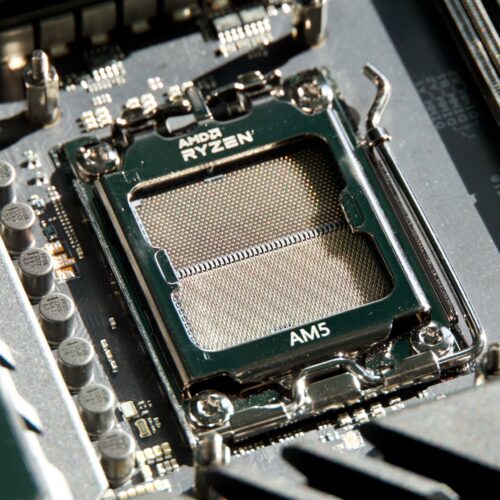
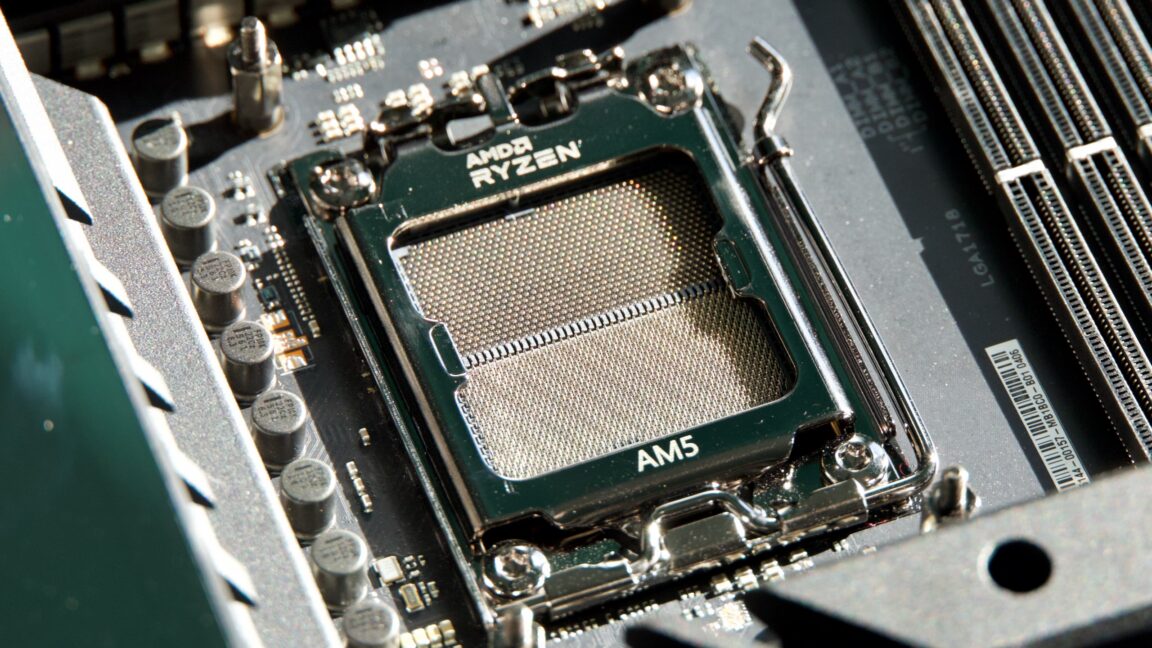
One of the benefits of building an AMD PC is that the company has historically supported its processor sockets for longer than Intel does, allowing the same motherboard (and RAM kit, if you want) to power your PC through multiple CPU upgrades. Today at Computex, AMD announced chips for the current AM5 socket and the improbably-still-around AM4 socket that will help extend their lives a little further, a nod to just how expensive it has become to build a new PC or perform a major upgrade these days.
The first of these announcements is something we knew about already: the relaunch of 2022's Ryzen 7 5800X3D, the first of AMD's commercially available 3D V-Cache processors. Dubbed a "10th Anniversary Edition" in reference to how long Socket AM4 has been around, the re-released chip is slower than regular 8-core Ryzen 5000-series CPUs in general productivity tasks but comes with 64MB of extra L3 cache that disproportionately benefits games. If you're trying to use a high-end GPU with an AM4 motherboard, it could help keep your CPU from being a performance bottleneck. The 5800X3D (re-)releases on June 25 for a suggested retail price of $349, which is less than it currently costs to buy secondhand.
As for the current AM5 socket, AMD officially announced that it was extending its support to at least 2029—it was originally planned to last until 2025, then until "2027+," so that means between two and four years of additional support, depending on how you're counting.
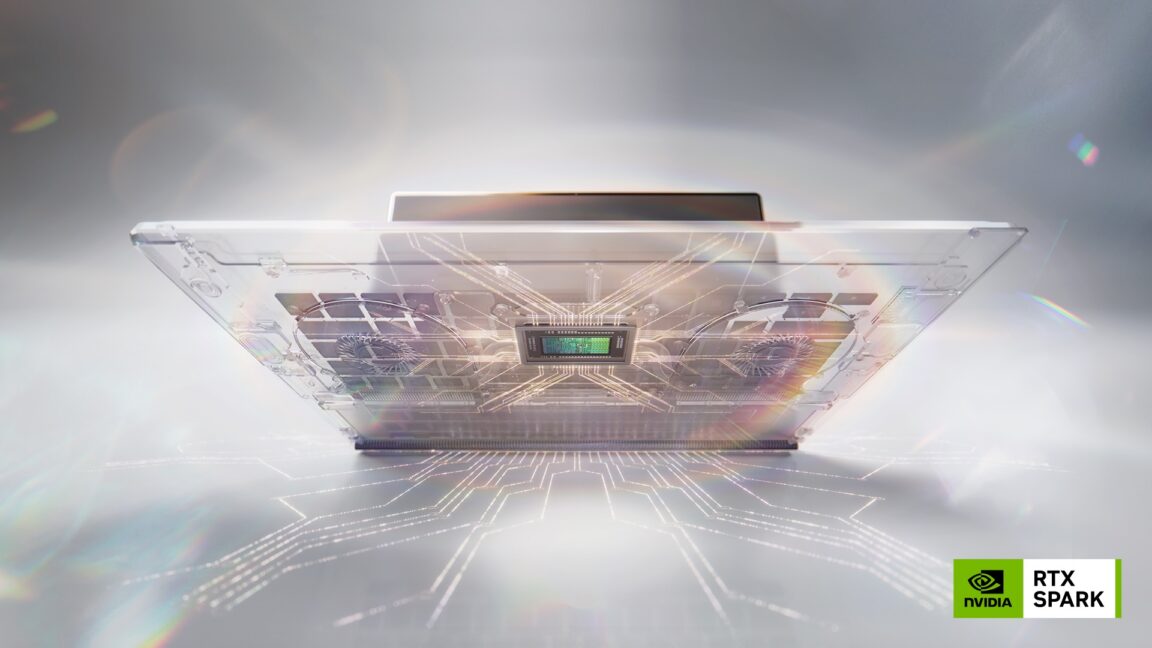
These days, Nvidia primarily sells AI data center products, and its traditional consumer devices feel like more of a side project. But the company occasionally still releases something designed for consumers. After a couple of years of rumors, Nvidia has announced an Arm-based chip designed to power Windows PCs. Dubbed RTX Spark, the new chip combines a 20-core Nvidia Grace CPU co-developed with MediaTek, up to 6,144 Blackwell-based GPU cores (the same architecture as the RTX 50-series GPUs), and support for up to 128GB of unified LPDDR5x memory.
Nvidia and its partners offered nothing about expected pricing, but both "slim Windows laptops with all-day battery life and premium displays" and "compact desktop PCs" are slated to be "available this fall" from partners including Asus, Dell, HP, Lenovo, Microsoft, MSI, Acer, and Gigabyte.
This isn't Nvidia's first chip for Windows PCs; earlier chips in the Tegra series powered several of the short-lived Windows RT tablets. But Tegra chips largely stopped appearing in consumer devices following the Tegra X1 in the late 2010s (variants power the original Nintendo Switch and the apparently unkillable Nvidia Shield TV box). Modern Arm-based PCs in the Windows 10 and Windows 11 eras have all used processors from Qualcomm.
Most of the Steam Deck imitators on the market right now use AMD silicon, specifically the Ryzen Z-series chips. These are the same chips AMD makes for regular laptops, but with different power settings better suited to a compact handheld system. There are handhelds based on Intel silicon (MSI’s Claw is the main one), but Intel hasn’t yet tried making silicon marketed specifically for that purpose.
Today, the company is throwing its hat in the ring with two Intel Arc G-series processors, which will allow gaming handhelds to leverage the company's genuinely quite good Arc B-series integrated GPUs. Intel says that several Arc G-series handhelds will arrive "starting in June 2026, with broader availability throughout the year." These systems will include a new MSI Claw model, a Predator Atlas 8 from Acer, and a device from OneXPlayer.
Intel normally uses its "Arc" branding for integrated and dedicated GPUs, but in this case, the "Arc" brand encompasses the entire chip, including the CPU, GPU, NPU, and other components.
Valve's Steam Deck handheld has been largely unavailable to buy since mid-February, a victim of the RAM and storage shortages that have been driving up prices for most consumer tech since the fall of 2025. The good news is that the Deck is back in stock on Valve's site and ready to ship in three to five days; the bad news is that it appears to have returned because somebody wished for it on a monkey's paw.
The 512GB version of the OLED Steam Deck now sells for a whopping $789, $240 more than its previous $549 price. The 1TB version (which also includes an anti-glare screen coating, a slightly nicer case, and an "exclusive startup movie and keyboard theme") will now run you $949, a $300 increase from its old $649 price. The old $399 base model with 256GB of storage and the older LCD screen has been discontinued, though this had been announced well before these price increases took effect.
These prices are particularly hard to swallow for a nearly 3-year-old revision of an over-4-year-old handheld PC. If there's a saving grace for Valve, it's that most competing handhelds from the likes of Asus and Lenovo are also pushing or exceeding that $1,000 mark. Of the Deck's major competitors, only the $600 Asus ROG Xbox Ally (and its AMD Ryzen Z2 A processor, which is very similar to the Deck's semi-custom AMD chip) is significantly cheaper than the Steam Deck.
Shiny new Nvidia apps like the GeForce Experience and the "Nvidia app" have come and gone, but the old Nvidia Control Panel and its rotating green Nvidia logo have existed as an option for managing basic settings since it was originally introduced in 2006.
That's ending with version 610.47 of Nvidia's Game Ready and Studio drivers for GeForce GPUs. Nvidia says the old Control Panel will no longer be installed by default, since "all actively supported Nvidia Control Panel features for GeForce users have been modernized and transitioned" to the new Nvidia app.
"The NVIDIA app contains all of the modern functionality of the NVIDIA Control Panel available for GeForce RTX GPUs, and much more, while running faster and more efficiently," writes Nvidia Technical Marketing Content Editor Andrew Burnes in the drivers' release notes.
 Login














 Good keyboards don't need to break the bank anymore.