❌

Reading view

China sets out $295B AI investment plan

China is reportedly plotting an outlay of around CNY2 trillion ($295 billion) over the next five years to build out data centres across the country, with state-owned telecoms operators tasked with managing the sites and vendor Huawei providing the bulk of the technology.

Bloomberg sources claim government agencies including the National Development and Reform Commission are drafting up plans to construct a network of “inter-connected computing hubs”, as part of a government initiative to boost domestic AI and increase competition with the US.

Operators China Mobile and China Telecom are named as being tasked with operating and connecting the bulk of the data centres, while suppliers including Huawei will be charged with providing at least 80% of the technology including AI chips.

The plan is in line with steps taken in recent years by the state to pump resources into domestic heavyweights like Huawei, effectively squeezing out US competitors such as Nvidia and AMD.

Funding for the plan will mainly come from sovereign debt including long-term special government bonds with more than a 10 year tenure and state funds for investment in strategic industries, added the sources.

In addition to the AI facilities, which will include data centres and faster mobile infrastructure, China also apparently plans to integrate the power grid to the project.

The planned investment figure does not include separate outlays planned by the country’s technology heavyweights including Alibaba and Tencent, added the sources.

Nvidia locked out
Notably, US AI companies are also planning for major AI investment. Meta Platform has set capex guidance of $125 billion to $145 billion for 2026, while Microsoft has committed to a $190 billion spend over the same period.

Robert Lea, an analyst at Bloomberg Intelligence said the big winner of China’s plan will be the nation’s economy, rather than private sector companies like Alibaba and Baidu.

“Domestic infrastructure suppliers including Huawei stand to benefit most, with Nvidia unlikely to get a look in,” he added.

The post China sets out $295B AI investment plan appeared first on Mobile World Live.

  •  

Pentágono acrescenta Alibaba, Baidu e BYD à lista de empresas chinesas com ligações ao exército da China

A atualização anual da chamada "lista 1260H" alarga o escrutínio dos EUA a gigantes tecnológicos e industriais chineses não estatais que, em princípio, não teriam qualquer ligação ao setor da defesa. A medida surge menos de um mês após a cimeira de Trump em Pequim. A China prometeu retaliar.

The post Pentágono acrescenta Alibaba, Baidu e BYD à lista de empresas chinesas com ligações ao exército da China appeared first on Tek Notícias.

  •  

Commercial launch providers shortlisted for China’s low-cost cargo spacecraft

A wide aerial view of a rocket launch site in a desert landscape at sunset. A tall white rocket stands vertically on a launch pad near the center-right, surrounded by service towers and low buildings. A long rectangular assembly building and crane structure sit nearby, connected by paved roads. The surrounding terrain is flat, sandy, and sparsely developed, with distant mountains visible on the horizon under a warm orange sky.

China is expanding the role of its commercial rocket companies by shortlisting four such entities for launches of a new space station cargo transport system.

The post Commercial launch providers shortlisted for China’s low-cost cargo spacecraft appeared first on SpaceNews.

  •  

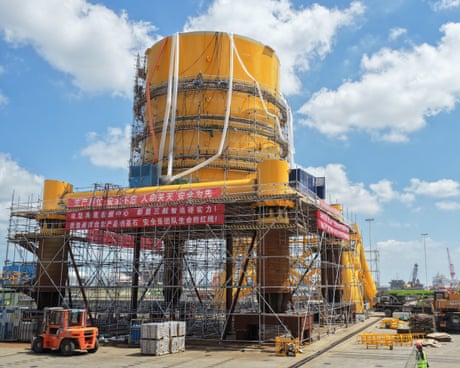
World’s first wind-powered underwater datacentre starts operating in China

Datacentre off Shanghai coast uses less power and water than land-based equivalent

The world’s first wind-powered underwater datacentre has started operations off the coast of Shanghai, as China presses forwards with solutions for energy challenges created by the country’s artificial intelligence boom.

The Shanghai Lingang undersea datacentre demonstration project, which launched in May, has a capacity of 24 megawatts. It is a joint effort between HiCloud Technology and China Communications Construction, a state-owned company.

Continue reading...

© Photograph: AFP/Getty Images

© Photograph: AFP/Getty Images

© Photograph: AFP/Getty Images

  •  

China’s EV shift cut pollution enough to prevent 262,000 deaths

China’s rapid switch to electric and other new energy vehicles cut urban air pollution enough to prevent an estimated 262,000 premature deaths, according to a new peer-reviewed study published in Nature Health.

It’s some of the strongest real-world evidence yet that electrifying transportation delivers measurable public-health benefits, not just lower tailpipe emissions on paper.

  •  

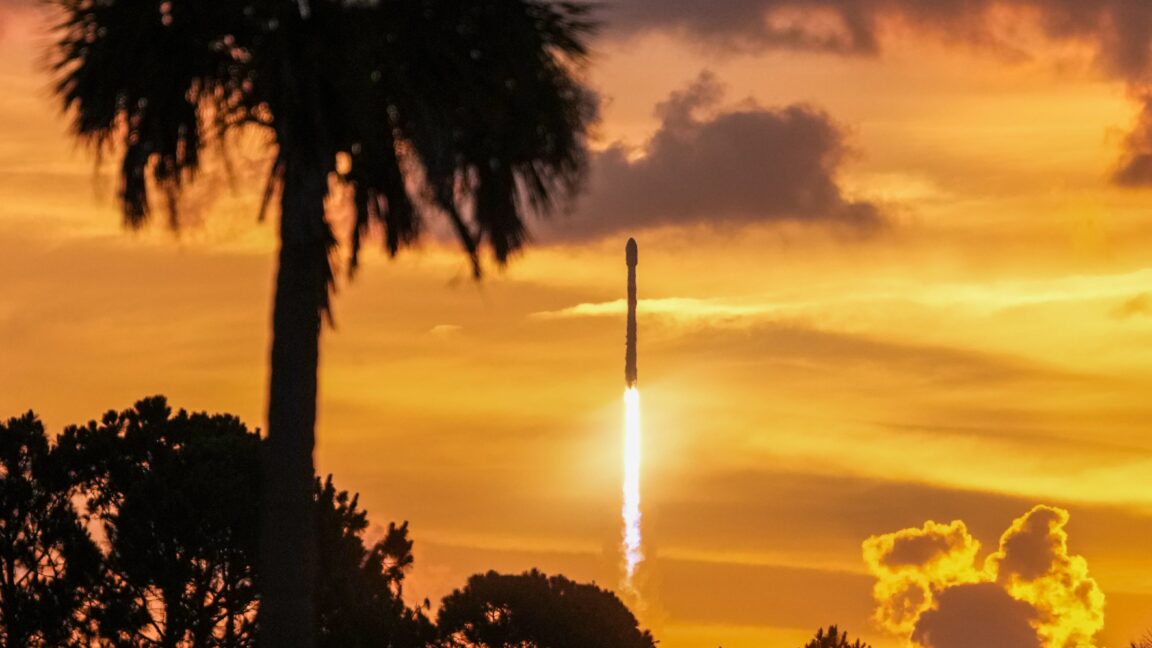
Rocket Report: Blue Origin explosion still making headlines; Impulse raises money

Welcome to Edition 8.44 of the Rocket Report! The news this week is decidedly weighted in favor of heavy-lift rockets, largely due to the fallout from last Thursday's explosion of Blue Origin's New Glenn on its launch pad in Florida. Blue Origin aims to resume launches at the badly damaged launch facility by the end of the year, but there's good reason to be skeptical of this timeline. With New Glenn grounded, will Blue Origin founder Jeff Bezos approach Elon Musk's SpaceX to launch his Blue Moon lander to the lunar south pole? It sure sounds like NASA is pushing for that.

As always, we welcome reader submissions. If you don't want to miss an issue, please subscribe using the box below (the form will not appear on AMP-enabled versions of the site). Each report will include information on small-, medium-, and heavy-lift rockets, as well as a quick look ahead at the next three launches on the calendar.

Spaceport development moves forward in Canada. There's been a lot of talk about the Canadian government's recent commitment to invest in a sovereign launch capability. There was the announcement last year of a federal budget of 182.6 million Canadian dollars ($131 million) over three years to establish a sovereign launch program. In March, the government said it would lease a dedicated launch pad at a commercially developed spaceport in Nova Scotia for national defense purposes, committing 200 million Canadian dollars ($144 million) to the deal. The agreement is a boon for Maritime Launch Services, which is developing Spaceport Nova Scotia after years of slow progress at the coastal site, SpaceQ reports.

Read full article

Comments

© SpaceX

  •  

Como nasceria um bebé em Marte? China procura respostas no Espaço

Durante décadas, a ideia de ter bebés no Espaço pertenceu mais ao território da ficção científica do que ao da investigação real. Mas parece que essa fronteira começou agora a mudar.

The post Como nasceria um bebé em Marte? China procura respostas no Espaço appeared first on Tek Notícias.

  •  

Qianfan constellation deployment hits 200 satellites with Long March 8 and 6A launches

Construction of the Shanghai-led Qianfan constellation continued to accelerate this week with a pair of Long March launches, following on from two recent experimental flights.

The post Qianfan constellation deployment hits 200 satellites with Long March 8 and 6A launches appeared first on SpaceNews.

  •  

New Microraptorine Dinosaur Discovered in China

Jian changmaensis (left) attacks the early bird Gansus yumenensis (right) in what is now the Changma Basin of northwestern China approximately 120 million years ago. Image credit: Lewis LaRosa / Jão Canola.

Jian changmaensis is the first non-avian dinosaur found at a paleontological site that has yielded more than 100 specimens of Early Cretaceous birds.

The post New Microraptorine Dinosaur Discovered in China appeared first on Sci.News: Breaking Science News.

  •  

Cães-robot podem entrar nos planos de Taiwan para missões de vigilância e defesa militar

Os cães-robot podem ser a próxima aposta das forças armadas em Taiwan para reforçar a vigilância e a defesa do território, juntando-se aos esforços de modernização militar face às crescentes tensões com Pequim.

The post Cães-robot podem entrar nos planos de Taiwan para missões de vigilância e defesa militar appeared first on Tek Notícias.

  •  

China builds institutional framework for space computing push

China is establishing an industrial policy framework to support a push to build space-based computing infrastructure, with the emergence of influential coordinating bodies.

The post China builds institutional framework for space computing push appeared first on SpaceNews.

  •  

After cooperation on SMILE mission, ESA and China chart parallel but separate paths

ESA and China recently launched the joint SMILE magnetosphere mission after a decade of cooperation, but despite similar goals, another collaboration appears distant.

The post After cooperation on SMILE mission, ESA and China chart parallel but separate paths appeared first on SpaceNews.

  •  

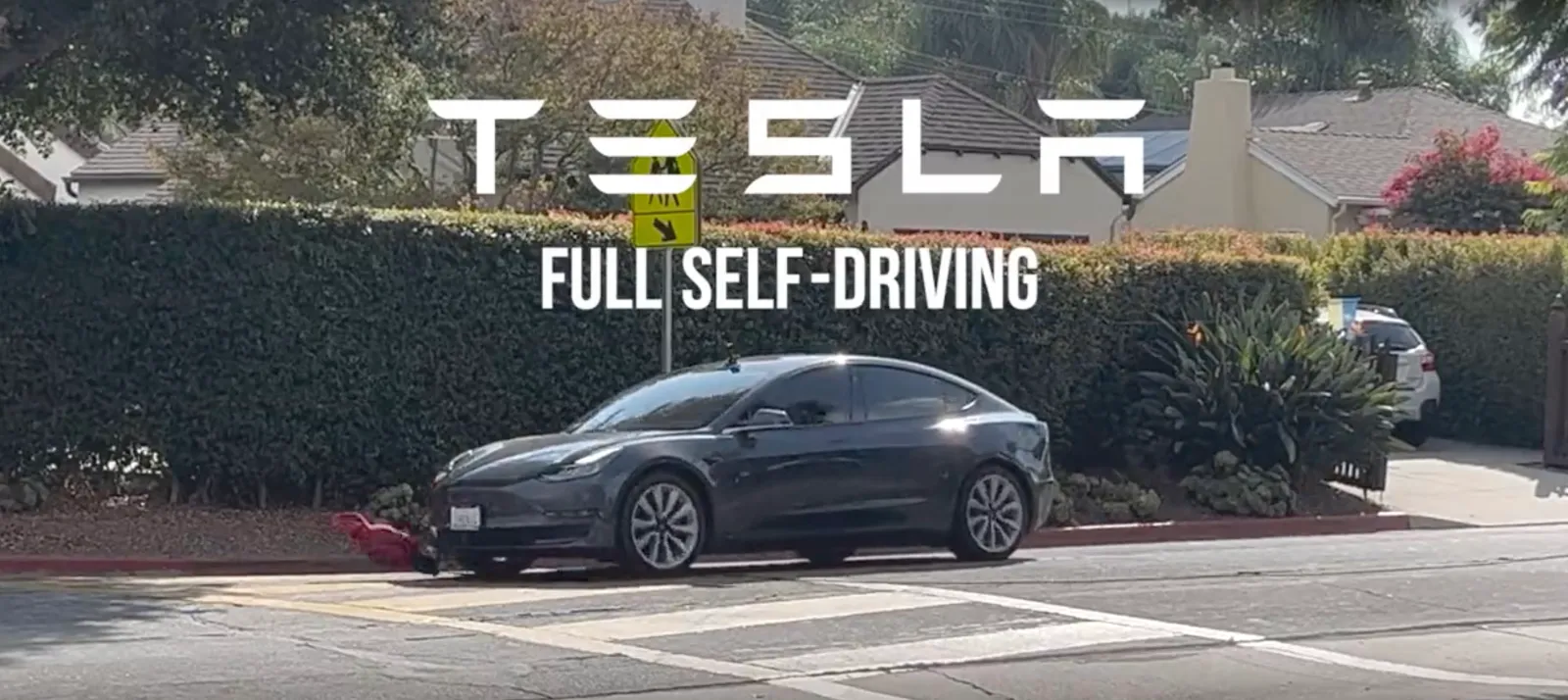
Tesla’s ‘Full Self-Driving’ fraud lawsuit gets first hearing in China — 10 owners seek $583K

A Beijing court held its first hearing in a consumer fraud lawsuit against Tesla over its “Full Self-Driving” software, with 10 owners seeking more than 3.95 million yuan ($583,000) in damages.

The case, which we first covered when it was filed last September, has grown from 7 to 10 plaintiffs and marks China’s first collective legal challenge targeting Tesla’s FSD promises.

more…
  •  

Israel’s Nuclear Arsenal: A Controversial Reality

Israel, a non-NPT signatory, may possess 200-400 nuclear warheads. Its minister's bomb remarks hint at this arsenal. The NPT encourages nonproliferation but excludes Israel, highlighting global nuclear hypocrisy and tension.

  •  
❌