❌

Reading view

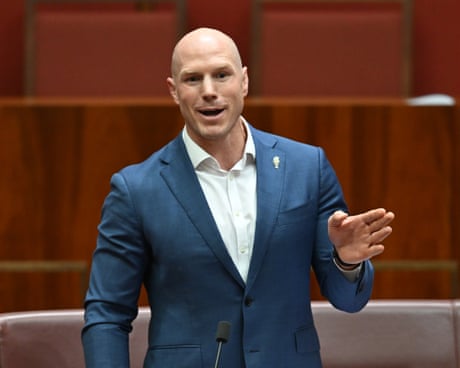
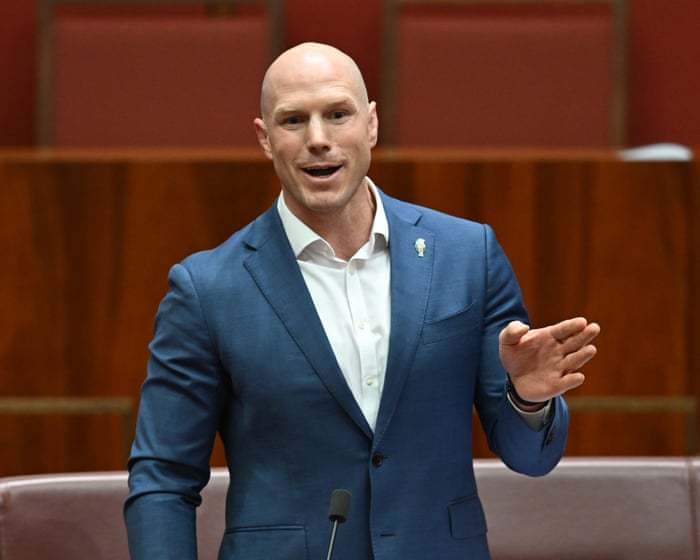
If Australian data centres are going to power the AI revolution, we deserve a fair return | David Pocock

We cannot afford to make the same mistake as we did with gas. If tech companies are going to use our land, energy and water for AI, they must pay their fair share of tax

Over the past few months, tens of thousands of Australians have emailed their local MP calling for a 25% tax on gas exports. More than 2,200 people have even chipped in their own money to fund billboards promoting the idea.

Why?

Continue reading...

© Photograph: Lukas Coch/AAP

© Photograph: Lukas Coch/AAP

© Photograph: Lukas Coch/AAP

  •  

Dead Sloths at Florida Wildlife Facility Reveal Trade Dangers While Iowa Farmers Break Ranks on Water Regulations — Today’s Environmental Briefing for Mon, Jun 8 2026

Deceased sloth being examined by veterinary pathologist in laboratory setting

**

Across the stories today, a common thread emerges: the gap between environmental promises and practice is forcing communities to take matters into their own hands, even as powerful interests dig in their heels.

The day’s coverage points to growing momentum around local action filling spaces where larger systems have failed. In Iowa, farmer James Hepp is breaking ranks with agricultural tradition, calling for mandatory water quality standards after voluntary programs fell short on his 1,600 acres. Meanwhile, in Ghana, marine biologist Issah Seidu has convinced fishing communities to trade endangered guitarfish for giant snail farming—creating economic opportunity that doesn’t depend on depleting the ocean.

These grassroots shifts are happening against a backdrop of institutional retreat. The aviation industry quietly admitted its 2050 net-zero pledges will likely miss the mark, just five years after making them. Democratic politicians are avoiding climate messaging despite electoral benefits, a phenomenon researchers call “climate hushing.” And the Trump administration invoked wartime powers to pour $700 million into coal revival, framing fossil fuels as national security.

Yet nature itself is sending mixed signals that complicate neat narratives about environmental decline. UK waters are experiencing an unprecedented octopus population boom that’s reshaping marine ecosystems from England to Scotland. Tuna populations are showing remarkable recovery through strict international fishing regulations. But for every success story, there’s a reminder of fragility: critically endangered Chinese pangolins discovered thriving in Nepal’s community forests, or 119 sailors’ graves from 1801 now threatened by Norfolk’s rising seas.

It’s a reminder that progress and pressure often arrive together. The same regulatory changes that created UK electric vehicle loopholes will pump an extra 17 million tonnes of carbon into the atmosphere by 2030. North Carolina legislators are simultaneously curbing data centers’ massive electricity consumption while boosting fossil fuel incentives—an environmental paradox wrapped in a single bill.

Behind the numbers are real communities adapting in real time. Over 600 Thai residents just completed a 42-mile “peace walk” demanding government action on heavy metal river pollution. In the Dominican Republic, 65-year-old Leoncia Ramos wants to leave the home she’s known her entire life, fleeing gold mine pollution while Canada’s corporate watchdog office sits empty. Long Island residents in Brookhaven are discovering that decades of landfill contamination now threatens their groundwater.

These stories reveal something crucial about this environmental moment: when institutions fail or retreat, communities don’t wait. They organize marches, develop alternative livelihoods, break with traditional alliances, and demand accountability. Whether it’s Michigan’s farm training program addressing agricultural crisis through hands-on education, or Malawi’s Elephant Marsh feeding thousands while facing conservation pressures, local knowledge and local action are filling critical gaps.

The tension between extraction and protection remains fierce—Shell operated leaking Nigeria pipelines for years despite knowing the risks to mangrove forests, while Colorado opens 156,000 acres of critical wildlife habitat to oil drilling. But today’s coverage also suggests that the most durable environmental progress might be happening at smaller scales, in communities that can’t afford to wait for global agreements or corporate promises.

As the week unfolds, all eyes will be on whether these grassroots innovations can scale up fast enough to match the challenges revealed in today’s headlines.

The post Dead Sloths at Florida Wildlife Facility Reveal Trade Dangers While Iowa Farmers Break Ranks on Water Regulations — Today’s Environmental Briefing for Mon, Jun 8 2026 first appeared on EnviroLink Network.

  •  

Lithium mining impacts local waters

Electric vehicles and other clean energy devices rely on batteries that use a metal called lithium. The expanded use of lithium has made lithium mining a rapidly growing industry. Lithium is most often found in volcanic rocks called pegmatites. Researchers have studied how much carbon and water pegmatite mining uses, but they don’t know how it affects local water quality. 

Pegmatite mining releases not only lithium but also other metals commonly found in pegmatite, such as rubidium and cesium. These trace metals are under-researched in terms of their environmental effects and possible human toxicity, though the EPA has linked high levels of lithium to adverse health effects in kidney function, neurological development, and thyroid function. As such, there’s currently no established safe level for lithium in drinking water, but the U.S. Geological Survey suggests a preliminary safety level of 10 micrograms per liter (μg/L). 

Researchers at Duke University recently tested how much pegmatite mining increased lithium levels in local waters, and how long those effects lingered after mining processes ended. To do so, they measured metal concentrations in waters downstream from 2 lithium mines and adjacent processing plants. They hypothesized that mining activities would increase interactions between rocks and the surrounding surface water and groundwater, impacting their lithium concentrations.

The researchers collected 99 water samples from surface streams and 93 samples from groundwater wells surrounding the Kings Mountain and Hallman Beam lithium mines, in a zone of about 40 kilometers (25 miles) along the border of South Carolina and North Carolina. The researchers took 51 surface water samples upstream of the mines to evaluate natural metal levels, and compared these with 48 downstream samples showing the mining-impacted metal levels. 

The researchers measured lithium and other trace elements, like rubidium, cesium, arsenic, and strontium, in the waters using an instrument called an inductively coupled plasma mass spectrometer. They found that lithium concentrations in the surface waters increased from a background of 0.2 to 79 μg/L to concentrations of 785 to 1,249 μg/L within 10 kilometers (6.2 miles) of the mines and processing facilities. The groundwater lithium levels were as high as 4,500 to 47,000 μg/L in the wells at the mines, but were not affected at downstream wells where lithium levels ranged from 0.5 to 890 μg/L. 

They suggested that lithium in the groundwater downstream from the mines came from natural interactions of the pegmatite rocks with the water, rather than from the mines themselves. This natural process was confirmed when the researchers noticed that lithium levels in the groundwater rose after rainfall, which caused more water-rock interaction.

The researchers also measured ions like calcium, sulfate, and chloride in the waters using a tool that can analyze compound molecules, called an ion chromatograph. They found that calcium and sulfate concentrations increased in surface waters within 10 kilometers (6.2 miles) downstream of the processing facilities. These downstream waters had 50 to 120 milligrams per liter (mg/L) of calcium and 100 to 300 mg/L of sulfate, compared to 5 to 20 mg/L of calcium and 3 to 10 mg/L of sulfate in the background surface waters. These ions are also byproducts of pegmatite processing, produced from a waste product made up of calcium sulfate, called gypsum. 

The team explained that active mining has been discontinued at this site for approximately 3 decades, meaning that the lithium concentrations they measured reflect the long-term release of lithium from inactive mines and mining waste. Drawing from historical data, they estimated that while the mines were active, they likely released 10 to 30 times the amount of trace metals they measured at the same location today. 

The researchers concluded that hard-rock processing impacts downstream metal and ion concentrations more than the mining itself. As lithium mining operations expand, the researchers suggested that future researchers examine lithium toxicity as well as the potential effects of its co-occurring metals, like rubidium and cesium. They also emphasized the need to find solutions for removing the trace metals and dissolved gypsum from water systems, or preventing them from leaking into the water systems to begin with.

The post Lithium mining impacts local waters appeared first on Sciworthy.

  •  

Aviation Industry Admits 2050 Net Zero Climate Pledges Will Likely Miss the Mark

Aviation Industry Admits 2050 Net Zero Climate Pledges Will Likely Miss the Mark

The aviation industry is backtracking on its ambitious climate commitments, with airline leaders now acknowledging that their landmark pledge to achieve net zero carbon emissions by 2050 will probably fall short. This admission comes just five years after global airlines made the collective promise in 2021, following similar commitments from national aviation authorities and governments in 2020.

Willie Walsh, head of the International Air Transport Association (IATA), is pointing fingers at multiple industry players for the anticipated failure. He places blame squarely on fuel suppliers for not delivering sufficient sustainable aviation fuel, governments for inadequate policy support, and aircraft manufacturers for delays in developing cleaner technologies. Walsh argues that the industry now needs to establish a more “realistic timeline” for achieving carbon neutrality.

The setback highlights the enormous challenges facing one of the world’s most carbon-intensive industries as it grapples with growing environmental pressure. Airlines are simultaneously dealing with a staggering $100 billion increase in jet fuel costs this year, making air fare increases virtually inevitable for passengers. This financial strain further complicates efforts to invest in the expensive clean technologies needed to reduce emissions.

The aviation sector’s struggle to meet its climate goals underscores the broader difficulties industries face in transitioning away from fossil fuels. With air travel demand continuing to rebound post-pandemic, the gap between ambitious environmental pledges and practical implementation continues to widen, raising serious questions about the industry’s commitment to meaningful climate action.

The post Aviation Industry Admits 2050 Net Zero Climate Pledges Will Likely Miss the Mark first appeared on EnviroLink Network.

  •  

Octopus Population Boom Spreads Across UK Waters from England to Scotland, Reshaping Marine Ecosystems

Octopus Population Boom Spreads Across UK Waters from England to Scotland, Reshaping Marine Ecosystems

A remarkable surge in octopus populations that began off England’s southwestern coast has now expanded northward, reaching waters around Scotland and Wales in what researchers are calling an unprecedented marine phenomenon. The dramatic increase in these highly intelligent invertebrates is creating ripple effects throughout UK coastal ecosystems and fundamentally altering the region’s fishing industry.

The octopus boom, first documented in 2025 along the Devon and Cornwall coastlines, appears to be directly linked to rising ocean temperatures around the British Isles. Warmer waters have created more favorable conditions for octopus reproduction and survival, allowing populations to flourish and expand their range far beyond their traditional southern territories.

This marine shift presents a complex picture for local fishing communities. While shellfish catches have declined significantly as octopuses prey on crabs, mussels, and other shellfish, fishers are discovering new economic opportunities in the growing octopus population. Many are adapting their techniques and equipment to capitalize on this unexpected bounty from the sea.

The ecological implications extend far beyond fishing quotas. Marine biologists note that octopuses are keystone species whose presence dramatically influences food webs and ecosystem dynamics. Their northward expansion represents one of the most visible examples of how climate change is redistributing marine life around the UK, potentially signaling broader shifts in ocean biodiversity that could reshape coastal environments for years to come.

The post Octopus Population Boom Spreads Across UK Waters from England to Scotland, Reshaping Marine Ecosystems first appeared on EnviroLink Network.

  •  

Ghana Marine Biologist Champions Snail Farming to Save Critically Endangered Guitarfish

Ghana Marine Biologist Champions Snail Farming to Save Critically Endangered Guitarfish

An innovative conservation approach in Ghana is offering fishing communities a sustainable alternative livelihood while protecting one of the ocean’s most threatened species. Marine biologist Issah Seidu has developed a program encouraging coastal fishers to transition from catching endangered guitarfish to farming giant snails, creating economic opportunities that don’t depend on depleting marine ecosystems.

Guitarfish represent a fascinating evolutionary puzzle—ancient creatures that combine a shark’s tail with a ray’s flattened body. Despite their unique biology, these slow-maturing animals face extinction across West African waters. Their highly valued fins drive intensive fishing pressure, while their meat serves as a prized local delicacy, creating dual threats to already vulnerable populations.

The conservation stakes are particularly high because guitarfish function as indicator species, meaning their health reflects the overall condition of marine ecosystems. These rays mature slowly and produce offspring just once annually, making population recovery extremely difficult once numbers decline. The International Union for Conservation of Nature has classified more than half of all guitarfish species as critically endangered, highlighting the urgent need for protective measures.

Seidu’s snail farming initiative addresses both economic and ecological concerns simultaneously. By providing fishers with alternative income sources, the program reduces fishing pressure on guitarfish populations while maintaining community livelihoods. This approach demonstrates how creative conservation strategies can bridge the gap between environmental protection and human economic needs, offering hope for both struggling fishing communities and the ancient guitarfish species they’re helping to preserve.

The post Ghana Marine Biologist Champions Snail Farming to Save Critically Endangered Guitarfish first appeared on EnviroLink Network.

  •  

Malawi’s Elephant Marsh Feeds Thousands but Faces Growing Conservation Pressures

Malawi’s Elephant Marsh Feeds Thousands but Faces Growing Conservation Pressures

In the pre-dawn darkness of southern Malawi’s Elephant Marsh, trader Flora Kumilai arrives at Sorjin Market to purchase boxes of smoked catfish that will eventually travel over 900 miles to markets on the Zambia-Democratic Republic of Congo border. “I found gold in fish,” she says, “and Elephant Marsh is the mine.” This bustling trade represents both the incredible productivity of one of Africa’s most important wetlands and the mounting pressures threatening its ecological future.

Elephant Marsh, a vast floodplain wetland system, serves as a critical lifeline for thousands of people across the region. The marsh’s rich waters support thriving fisheries that fuel an extensive trade network stretching across international borders. Traders like Kumilai can earn substantial profits by selling Malawi’s fish to customers who pay in U.S. dollars, with many using these earnings to support their families’ education and livelihoods.

However, this economic success story comes with significant environmental challenges. The increasing commercial pressure on the marsh’s fish populations, combined with climate change impacts and habitat degradation, raises serious questions about the long-term sustainability of this vital ecosystem. As more traders discover the lucrative cross-border fish trade, conservationists worry about overexploitation of the wetland’s resources. Balancing the immediate economic needs of local communities with the marsh’s ecological health represents one of the most pressing conservation challenges facing Malawi today.

The post Malawi’s Elephant Marsh Feeds Thousands but Faces Growing Conservation Pressures first appeared on EnviroLink Network.

  •  

Australia’s Elusive Platypus Reveals Key Lessons for Modern Wildlife Conservation

Australia’s Elusive Platypus Reveals Key Lessons for Modern Wildlife Conservation

The platypus, Australia’s most famous evolutionary oddball, is teaching conservationists a crucial lesson: you can’t protect what you can’t properly count. This semi-aquatic mammal’s secretive lifestyle makes it notoriously difficult to study and monitor, creating challenges for scientists trying to assess its conservation status.

With their dawn and dusk feeding habits and preference for spending most of their time underwater in rivers, platypuses leave few obvious traces of their presence. The IUCN currently classifies the species as near threatened, estimating around 50,000 individuals remain in the wild, though researchers acknowledge this number is highly uncertain. This knowledge gap has become increasingly problematic as environmental pressures mount on Australia’s river systems.

Climate change and human activities are creating a perfect storm of threats for platypus populations. Extended droughts shrink the pools where they hunt for food, while intense bushfires damage critical riverbank habitat and surrounding vegetation. Devastating floods can overwhelm their burrows faster than animals can escape, and pollution from mining, industry, and urban runoff depletes the aquatic invertebrates that form the backbone of their diet.

Despite these challenges, there’s reason for hope. Scientists have developed new frameworks to guide conservation decisions, helping determine when to protect platypuses in their current habitats versus when relocation might be necessary. Zoos are preparing enhanced emergency response capabilities, and innovative citizen science projects combined with environmental DNA sampling from water sources are helping fill critical data gaps about where platypuses still survive.

The post Australia’s Elusive Platypus Reveals Key Lessons for Modern Wildlife Conservation first appeared on EnviroLink Network.

  •  

UK Electric Vehicle Loopholes Add 17 Million Tonnes CO2 While Coastal Erosion Threatens 200-Year-Old Sailors’ Grave — Today’s Environmental Briefing for Sun, Jun 7 2026

Electric vehicles charging at station with emissions visualization showing carbon dioxide impact

Across the stories today, a common thread emerges: the growing tension between ambitious climate goals and the messy realities of making change happen on the ground. From Colorado’s largest-ever oil lease sale to federal subsidies flowing toward aging coal plants, the gap between environmental necessity and economic momentum has rarely felt more stark.

The day’s coverage points to growing momentum around innovation, but also the persistent pull of established systems. While virtual power plants gain traction in Massachusetts and Minnesota as states seek clean energy solutions, the federal government simultaneously allocated $700 million to support the struggling coal industry through the Defense Production Act. It’s a reminder that progress and pressure often arrive together, creating policy landscapes that can feel contradictory but reflect the complex economics of energy transition.

Perhaps most telling are the stories of communities caught between these larger forces. In Colorado’s northwestern wilderness, the Bureau of Land Management is opening 156,000 acres of critical wildlife habitat — including migration corridors for the nation’s largest elk herd — to oil and gas drilling. Meanwhile, in the Dominican Republic, 450 families near the Pueblo Viejo gold mine are demanding relocation from what they describe as dangerous pollution, while Canada’s corporate watchdog office remains unstaffed and unable to respond.

These human-scale impacts reveal how environmental challenges increasingly operate across borders and timescales. The Middle East conflict now threatens global food security through fertilizer trade disruptions, while mangrove forests — nature’s carbon guardians for tens of millions of years — face existential pressure from rising seas happening faster than these resilient ecosystems can adapt.

Behind the numbers are real communities adapting in real time. In Nepal’s fertile southern plains, farmer Dhruba Prasai stands guard over his crops every night as wildlife emerges from nearby forests, highlighting the complex relationship between conservation success and agricultural livelihoods. In Norfolk, authorities must consider exhuming a 200-year-old mass grave of sailors as coastal erosion — accelerated by climate change — threatens this historic site.

Yet today’s stories also showcase remarkable resilience and ingenuity. A Kent village transformed itself into a living solar system model to inspire environmental awareness. The stunning turquoise dwarf gecko has rebounded from near-extinction thanks to trade bans and conservation efforts. Amazon communities are pioneering new models for sustainable resource management while protecting some of the world’s last intact forests.

The juxtaposition feels particularly acute in water policy, where federal officials prepare to impose Colorado River management plans if seven states can’t reach agreement, while a Labour politician calls for public ownership of Thames Water amid ongoing environmental concerns. These parallel struggles — one over scarcity, another over stewardship — underscore how water governance has become a defining issue for both climate adaptation and democratic accountability.

As the week unfolds, all eyes will be on whether the Biden administration’s mixed signals on energy policy — supporting both clean innovation and fossil fuel infrastructure — represent a pragmatic transition strategy or a failure to fully commit to climate goals. The stories emerging from frontline communities, from Nepal’s fields to Colorado’s wilderness, suggest that the window for managed, equitable change continues to narrow, making each policy choice increasingly consequential for both people and planet.

The post UK Electric Vehicle Loopholes Add 17 Million Tonnes CO2 While Coastal Erosion Threatens 200-Year-Old Sailors’ Grave — Today’s Environmental Briefing for Sun, Jun 7 2026 first appeared on EnviroLink Network.

  •  

UK Electric Vehicle Rules Weakened Despite Climate Concerns as PHEVs Loophole Creates Major Emissions Gap

UK Electric Vehicle Rules Weakened Despite Climate Concerns as PHEVs Loophole Creates Major Emissions Gap

British vehicles are projected to release an additional 17 million tonnes of carbon dioxide into the atmosphere by 2030, primarily due to regulatory changes made last year that created loopholes in the country’s electric vehicle transition rules. The staggering emissions increase stems largely from provisions that allow manufacturers to sell more plug-in hybrid electric vehicles (PHEVs) while still meeting their clean car quotas.

Environmental campaigners are now pushing back against renewed industry pressure to further weaken these electric vehicle mandates. The current rules require car manufacturers to sell increasing percentages of electric vehicles each year, designed to accelerate the UK’s transition away from fossil fuel-powered transportation. However, automotive industry representatives are lobbying for a second round of regulatory rollbacks, arguing the targets are too aggressive.

The 17 million tonne emissions gap represents a significant setback for the UK’s climate goals, equivalent to the annual carbon footprint of several million households. Critics argue that the PHEV loophole undermines the environmental benefits these policies were meant to deliver, as plug-in hybrids still rely heavily on gasoline engines and often operate in conventional mode rather than electric-only driving.

This development highlights the ongoing tension between automotive industry concerns about market readiness and environmental advocates pushing for more aggressive decarbonization timelines. As the UK works toward its net-zero commitments, the effectiveness of current electric vehicle policies remains under intense scrutiny from both climate scientists and industry stakeholders.

The post UK Electric Vehicle Rules Weakened Despite Climate Concerns as PHEVs Loophole Creates Major Emissions Gap first appeared on EnviroLink Network.

  •  

Coastal Erosion Threatens 200-Year-Old Sailors’ Grave in Norfolk

Coastal Erosion Threatens 200-Year-Old Sailors’ Grave in Norfolk

Rising seas and relentless coastal erosion are forcing authorities to consider exhuming a historic mass grave containing the remains of 119 sailors who perished more than two centuries ago. The sailors died when HMS Invincible sank off the Norfolk coast in 1801 while en route to join Admiral Horatio Nelson’s fleet at the Battle of Copenhagen.

The recovered bodies were laid to rest at St Mary’s church in Happisburgh, the village closest to where the naval disaster occurred. Now, the same coastal forces that claimed the ship and its crew are threatening to expose their final resting place. Happisburgh sits on one of England’s most rapidly eroding coastlines, where the North Sea claims several meters of land each year.

The potential exhumation highlights a growing environmental challenge facing coastal communities worldwide. As sea levels rise and storm patterns intensify due to climate change, historic sites, cemeteries, and archaeological treasures along vulnerable shorelines face increasing risk. Coastal erosion rates have accelerated in recent decades, forcing difficult decisions about relocating or protecting cultural heritage sites.

The fate of these sailors’ remains serves as a stark reminder of how environmental changes can reach across centuries, disturbing even the most sacred and seemingly permanent human monuments. Local authorities must now weigh the costs and logistics of relocating the historic grave against the certainty of eventual exposure by advancing waters.

The post Coastal Erosion Threatens 200-Year-Old Sailors’ Grave in Norfolk first appeared on EnviroLink Network.

  •  

Breaking Barriers: First Female Chair of Grayling Society Champions River Conservation and Women in Angling

Breaking Barriers: First Female Chair of Grayling Society Champions River Conservation and Women in Angling

Marnie Lovejoy has made history by becoming the first woman to chair the Grayling Society, marking a significant milestone in the traditionally male-dominated world of fly-fishing and freshwater conservation. Her appointment comes at a crucial time for England’s rivers and the protection of one of its most elegant native fish species.

Known to anglers as the “lady of the stream” for its iridescent pink scales and graceful dorsal fin, the grayling faces mounting pressures from habitat degradation, pollution, and climate change. These beautiful fish require pristine water conditions to thrive, making them important indicators of river health across England’s waterways.

Lovejoy’s leadership represents more than just breaking glass ceilings in angling circles. She aims to inspire a new generation of women to take up fishing while simultaneously advancing conservation efforts for England’s struggling river ecosystems. Her dual mission addresses both the sport’s diversity challenges and the urgent need for river protection.

The timing of her appointment underscores broader changes in the angling community. Until 2024, some prestigious fishing clubs excluded women entirely, even as guests. Now, with Lovejoy at the helm of grayling conservation efforts, the sport is slowly evolving to embrace both gender equality and environmental stewardship. Her work could prove vital for protecting these sensitive fish and the pristine river habitats they depend on for survival.

The post Breaking Barriers: First Female Chair of Grayling Society Champions River Conservation and Women in Angling first appeared on EnviroLink Network.

  •  

Shell Operated Leaking Nigeria Pipeline for Years Despite Knowing Environmental Risks to Mangrove Forests

Shell Operated Leaking Nigeria Pipeline for Years Despite Knowing Environmental Risks to Mangrove Forests

Internal company documents reveal that oil giant Shell knowingly continued operating a severely compromised pipeline in Nigeria’s Niger Delta for years, despite being aware it posed significant pollution risks to the region’s precious mangrove ecosystems. The communications show that senior executives were informed as early as 2008 about the deteriorating conditions of the 97-kilometer Nembe Creek Trunk Line, yet chose to keep the oil flowing rather than shut down operations for repairs.

The pipeline, which carries 150,000 barrels of oil daily to export terminals, became a source of repeated environmental disasters as thieves tapped into the line through illegal connections, causing massive spills into the surrounding wetlands. Company documents from 2013 classified such compromised pipelines as requiring immediate shutdown or urgent remedial action, yet operations continued. The resulting oil contamination has devastated the region’s mangrove forests, which are home to diverse species of Rhizophora and Avicennia trees that form critical coastal ecosystems.

Local communities have paid a devastating price for Shell’s decision to prioritize profits over environmental protection. Residents of the nearby Bille community report that approximately 2,000 hectares of mangrove swamps have been killed by oil spills, with contamination affecting a total area of 13,200 hectares. The pollution has destroyed fish populations and other aquatic life that local communities depend on for their livelihoods. Satellite imagery confirms the massive scale of mangrove degradation around affected villages, showing the long-term environmental consequences of operating damaged oil infrastructure in sensitive coastal ecosystems.

The post Shell Operated Leaking Nigeria Pipeline for Years Despite Knowing Environmental Risks to Mangrove Forests first appeared on EnviroLink Network.

  •  

Ocean Monitoring Cuts Threaten Weather Forecasting While Helicopters Deliver 100 Tonnes for Mountain Trail Repairs — Today’s Environmental Briefing for Sat, Jun 6 2026

Ocean monitoring buoy floating in blue water with scientific equipment visible above surface

Across the stories today, a common thread emerges around the growing tension between humanity’s expanding footprint and the natural world’s capacity to sustain it — and the innovative ways communities are responding to that pressure.

From Nepal’s sleepless farmers standing guard against crop-raiding elephants to New York’s groundbreaking moratorium on data centers, the day’s coverage points to growing momentum around a fundamental question: How do we balance human needs with environmental limits? In Nepal’s fertile plains, farmer Dhruba Prasai embodies this struggle in the most personal terms, spending nights protecting his livelihood from wildlife that has nowhere else to go as habitats shrink. His story reflects a global pattern where conservation success — healthy animal populations — creates new challenges for the communities living alongside recovering ecosystems.

Meanwhile, the United States is grappling with its own version of this tension through energy infrastructure. New York’s proposed data center freeze represents the first state-level recognition that the digital economy’s physical infrastructure carries real environmental costs. As artificial intelligence development accelerates — highlighted by upcoming presidential meetings with tech leaders — states are being forced to confront whether unlimited growth in energy-hungry facilities aligns with climate commitments.

The policy landscape reveals a surprising role reversal that challenges conventional wisdom about climate action. While traditionally blue states like California retreat from aggressive environmental policies, red states are surging ahead in renewable energy development. This shift suggests that economic opportunity, not political ideology, may increasingly drive clean energy adoption. Virtual power plants are gaining traction in states like Massachusetts and Minnesota, signaling that grid modernization is becoming a bipartisan priority as electricity demand soars.

But perhaps the most encouraging thread running through today’s stories is the remarkable capacity for recovery when protection efforts succeed. Tanzania’s turquoise dwarf gecko has rebounded from near-extinction after trade bans halted the illegal capture of 40,000 individuals. Mangrove forests worldwide are staging unexpected comebacks after decades of destruction. Even in crisis, there are signs of resilience: curlew chicks successfully hatched from eggs rescued during wildfires, and New Mexico’s “reforestation pipeline” is training climate-resilient seedlings to heal wildfire-devastated landscapes.

It’s a reminder that progress and pressure often arrive together. The same technological advances driving data center construction are also enabling virtual power plants to balance renewable energy. Conservation successes that allow wildlife populations to recover create new management challenges for rural communities.

Behind the numbers are real communities adapting in real time. From Nepalese farmers developing night watch systems to Native American tribes seeing their bison restoration efforts threatened by new federal grazing rules, the human dimension of environmental change continues to play out in deeply personal ways.

The contrast between immediate local impacts and longer-term recovery stories suggests we’re in a pivotal moment where short-term adaptation strategies must align with longer-term restoration goals. As the week unfolds, all eyes will be on how policymakers balance competing demands — from Alaska’s Arctic refuge lease sale to Albania’s luxury resort controversy — while communities continue innovating at the intersection of human needs and environmental health.

The post Ocean Monitoring Cuts Threaten Weather Forecasting While Helicopters Deliver 100 Tonnes for Mountain Trail Repairs — Today’s Environmental Briefing for Sat, Jun 6 2026 first appeared on EnviroLink Network.

  •  

Ocean Monitoring System Cuts Could Cripple Global Weather Forecasting, Scientists Warn

Ocean Monitoring System Cuts Could Cripple Global Weather Forecasting, Scientists Warn

A proposed dismantling of America’s ocean observation network threatens to severely undermine weather prediction accuracy worldwide, leaving meteorologists and climate scientists operating with dangerous blind spots, according to leading researchers.

The ocean monitoring system plays a crucial role in tracking global climate patterns and marine ecosystems. Its potential elimination would dramatically reduce the precision of weather forecasts and El Niño predictions, creating significant economic ripple effects across multiple industries that depend on accurate atmospheric data. The system serves as a vital component of the international ocean observation network that helps scientists understand how our climate is changing.

Research published recently reveals that decommissioning this monitoring infrastructure would cause massive errors in annual ocean heating rate calculations – critical measurements for understanding global warming trends. Ocean temperatures drive much of Earth’s weather patterns, making continuous monitoring essential for everything from hurricane tracking to seasonal forecasting that farmers, shipping companies, and emergency management agencies rely on daily.

The loss of this data collection capability would force climate scientists to work with incomplete information at a time when precise environmental monitoring has never been more important. Weather-dependent industries, from agriculture to aviation, could face increased uncertainty and financial losses due to less reliable forecasting. The proposed cuts highlight the ongoing tension between government cost-cutting measures and the scientific infrastructure needed to understand and respond to climate change impacts.

The post Ocean Monitoring System Cuts Could Cripple Global Weather Forecasting, Scientists Warn first appeared on EnviroLink Network.

  •  

Administration Targets Rule Protecting 58 Million Acres of National Forests from Development

Administration Targets Rule Protecting 58 Million Acres of National Forests from Development

A critical environmental protection that has safeguarded America’s pristine wilderness for over two decades is now under threat. The Roadless Area Conservation Rule, which has protected more than 58 million acres of national forests since 2001, faces potential elimination under the current administration’s push to expand access to public lands.

The rule has served as a crucial barrier against road construction and timber harvesting in untouched forest areas, recognizing that while modern roads may last for decades, the environmental damage they cause to forest ecosystems begins immediately upon construction. When originally proposed, the protection garnered extraordinary public support, with nearly 2 million Americans submitting comments during the public review process—the vast majority advocating for the conservation measures.

This policy represents one of the most significant wilderness protection achievements in recent history, preserving an area larger than the entire state of Utah from industrial development. The protected forests serve as critical habitat for wildlife, carbon storage systems that help combat climate change, and sources of clean water for millions of Americans.

The potential rollback of these protections represents a broader shift in public lands policy that could fundamentally alter the character of America’s national forests. Environmental advocates warn that eliminating the Roadless Rule would open previously untouchable wilderness areas to logging, mining, and other extractive industries, potentially causing irreversible damage to ecosystems that have remained largely undisturbed for centuries.

The post Administration Targets Rule Protecting 58 Million Acres of National Forests from Development first appeared on EnviroLink Network.

  •  

Labour Politician Calls for Public Ownership of Thames Water Amid Ongoing Environmental Concerns

Labour Politician Calls for Public Ownership of Thames Water Amid Ongoing Environmental Concerns

Andy Burnham, Labour’s candidate in the upcoming Makerfield byelection, has publicly advocated for nationalizing Thames Water, stating that public ownership of water companies would “absolutely be an option” if he were to lead the Labour party. This represents a significant policy position that could reshape how Britain’s water infrastructure is managed.

Burnham’s call for nationalization comes amid growing concerns about the performance and environmental impact of privatized water companies. Thames Water, which serves millions of customers across London and the Thames Valley, has faced mounting criticism over issues including sewage discharge into waterways, infrastructure failures, and water quality concerns. The company’s financial struggles and environmental record have intensified debates about whether essential water services should remain in private hands.

The proposal reflects broader discussions about public versus private control of critical environmental infrastructure. Supporters argue that public ownership could prioritize environmental protection and long-term sustainability over profit margins, potentially leading to better outcomes for river health, reduced pollution incidents, and more robust investment in aging water systems. Critics, however, question whether government management would deliver the efficiency and innovation needed to address complex water challenges.

This policy stance signals a potential shift in Labour’s approach to utilities management and environmental stewardship, particularly as water companies face increasing scrutiny over their environmental performance and their role in protecting Britain’s waterways and drinking water supplies.

The post Labour Politician Calls for Public Ownership of Thames Water Amid Ongoing Environmental Concerns first appeared on EnviroLink Network.

  •  
❌