❌

Reading view

Cancer’s β€œUndruggable” Protein Has a Dangerous New Superpower

Malignant Cancer CellCancer’s most notorious growth protein may also be helping tumors survive chemotherapy. A protein already known for fueling cancer growth may have another troubling ability: helping damaged tumor cells repair their DNA and survive treatments designed to destroy them. Researchers at Oregon Health & Science University (OHSU) report that MYC, a protein that is overactive [...]
  •  

This Deep-Sea Predator Can Live for Centuriesβ€”Now Geneticists Are Close to Hacking the Secrets of Its Longevity


The mystery of the Greenland shark’s incredible longevity may finally be unraveling, as a team of international researchers has completed the first comprehensive genome map of the creature.

Native to the cold waters between Greenland, Iceland, and Canada, Greenland sharks boast one of the longest vertebrate lifespans on Earth, approaching 400 years. In a recent paper published in the Proceedings of the National Academy of Sciences, researchers led by Shigeharu Kinoshita of the University of Tokyo have identified some of the genetic basis of that extraordinary lifespan, which they say future researchers may exploit to treat cancer and age-related illnesses.

Greenland Sharks Longevity

As genetic sequencing technology has improved and costs have fallen, there has been a major increase in the number of sequences from long-lived species for comparative analysis. Discoveries have included identifying increases in genes related to the immune system and growth hormone receptors in rockfish and bat species noted for their longevity.

With an entire lifecycle in slow motion, Greenland sharks’ longevity can be traced to their prolonged development: they take 150 years to reach sexual maturity, growing only 1 centimeter per year. Despite being one of the slowest swimmers in the ocean, the species undertakes large-scale migrations spanning over 1,000 kilometers.

Genome Mapping

Large genome sizes, like those of the Greenland shark, pose enormous mapping challenges, full of many repetitive sequences. Despite their importance for management and conservation, few whale and shark species have been sequenced due to the difficulty involved. To fill data gaps in the genetic causes of longevity, aquatic species evolution, and the risks of biodiversity loss, the team chose the Greenland shark as their subject.

The University of Tokyo-led team mapped roughly 5.9 billion DNA base pairs, accounting for 96.7% of the shark’s genome. Among the discoveries were the identification of specific genetic features likely related to the Greenland shark’s longevity.Β 

In their paper, they wrote of discovering β€œgenetic traits associated with cancer, immune response function, genome stability, and cardiac function, deep-sea adaptations, and population size dynamics,” in the new research.

Longevity Results

One of the most crucial of these traits is how the shark appears to mitigate the genetic strain that contributes to aging by stabilizing the building blocks of chromosomes. Chromatin is a structure consisting of DNA, RNA, and proteins, which makes up chromosomes.

In the Greenland shark, the histone H1.0 protein, which binds DNA in chromatin, undergoes an amino acid substitution that may enhance stability and reduce the effects of aging.

Another genetic tool aiding the shark’s longevity is the presence of 59 copies of the FTH1b gene, which researchers discovered on pseudochromosome 33, far above the number seen in other shark or fish species. This helps regulate ferroptosis, a form of programmed cell death, thereby mitigating cell damage. Since the gene controls iron storage and ferroptosis is iron-dependent, the researchers say this multiplication of FTH1b could prevent oxidative cell damage.

Beyond those specific expressions, researchers also found expansion of entire gene families associated with DNA repair, immune functions, and cancer resistance.

Although limited to a single species, the research does advance general understanding of the genetic factors involved in extended lifespans. However, it will be up to future researchers to identify how this new information can be applied to human concerns.

The paper, β€œThe Greenland Shark Genome: Insights into Lifespan Extremes and Population Dynamics,” appeared in Earth and Planetary Science Letters on May 19, 2026.

Ryan Whalen covers science and technology for The Debrief. He holds an MA in History and a Master of Library and Information Science with a certificate in Data Science. He can be contacted at ryan@thedebrief.org, and follow him on Twitter @mdntwvlf.

  •  

Cancer : les Β« anticorps conjuguΓ©s Β» vont-ils bientΓ΄t remplacer la chimiothΓ©rapie classique ?

Et si l’avenir du traitement du cancer passait par des mΓ©dicaments capables de frapper uniquement les cellules malades ? Plus ciblΓ©s, souvent mieux tolΓ©rΓ©s et porteurs d’espoirΒ face Γ  des tumeurs rΓ©sistantes, les anticorps conjuguΓ©s pourraient bouleverser la prise en charge de nombreux cancers.

  •  

Voici comment des chercheurs ont rΓ©ussi Γ  produire un mΓ©dicament anticancer essentiel grΓ’ce Γ  de la levure

Une avancΓ©e majeure dans la production de traitements contre le cancer pourrait bientΓ΄t changer la vie de millions de patients Γ  travers le monde, en rendant ces mΓ©dicaments plus accessibles, abordables et respectueux de l’environnement.Β 

  •  

Ces aliments pourraient davantage vous protΓ©ger du cancer du sein si vous les choisissez bio

Une nouvelle Γ©tude franΓ§aise menΓ©e auprΓ¨s de plus de 30β€―000 personnes suggΓ¨re qu’un simple changement dans vos habitudes alimentaires pourrait Γͺtre associΓ© Γ  une rΓ©duction significative du risque de cancer du sein aprΓ¨s la mΓ©nopause. Voici ce que les chercheurs ont dΓ©couvert.

  •  

Ce mΓ©dicament contre l'asthme pourrait rΓ©activer les dΓ©fenses immunitaires contre le cancer

Des scientifiques ont dΓ©couvert qu'un mΓ©dicament bien connu contre l'asthme pourrait transformer des cellules immunitaires favorables aux tumeurs en alliΓ©es de la lutte contre le cancer. Une approche prometteuse qui pourrait, Γ  terme, renforcer l'efficacitΓ© de l'immunothΓ©rapie.

  •  

Scientists Discover Rogue Gene That Could Unlock New Cancer Treatments

DNA Mutation Cancer Genetics Disease BioengineeringA gene normally responsible for repairing DNA may have a darker side when produced in excess. Cancer treatment is increasingly moving beyond where a tumor forms and focusing instead on the genetic flaws that drive it. Now, researchers at Penn State College of Medicine have identified an unexpected DNA repair gene that could help expand [...]
  •  

Vitamin D Drug Shows Surprising Promise Against One of the Deadliest Cancers

Artistic Rendering of Cancer CellsA vitamin D-based therapy may help remodel the protective barrier surrounding pancreatic tumors, offering a potential new treatment strategy. Pancreatic cancer is notoriously difficult to treat in part because tumors surround themselves with a dense, protective barrier that blocks drugs and suppresses immune activity. Now, a small clinical trial led by researchers at Dana-Farber Cancer [...]

  •  

Why Some Cancers Turn Deadly: Researchers Uncover a Hidden Trigger

Cancer Cell Spread Abnormal GrowthA closer look at cancer cells with extra chromosomes uncovered surprising traits linked to faster-growing, more dangerous tumors, pointing to potential new indicators of disease severity. Cancer cells are notorious for breaking the rules of biology. One of the most dramatic violations occurs when a cell suddenly doubles its entire genetic library, creating a chromosome-packed [...]
  •  

Bill Gates | Depopulation by Vaccines and Elective Abortion

Pre-COVID Bill Gates spoke of global depopulation in a TED talk to be achieved through elective abortion and vaccines. COVID vaccines are the method causing miscarriages, sterility and cancers.

  •  

There Was No Pandemic, But Excess Deaths

There was no actual pandemic but there have been 17 million deaths due to the COVID-19 mRNA vaccines so far. These vaccines were launched without proper safety trials. Mortality rates and cancers increased post-vaccination due to immune system destruction.

  •  

The Physics of the Curse

The Curse resulted in decay, disease, and death affecting the entire creation, meaning the whole universe. The effects are seen in the cosmos and in living organisms. However a future restoration of creation is promised by God, reversing the effects of the Curse.

  •  

Healing Skin Cancer with Milkweed | God’s Provision Against the Curse

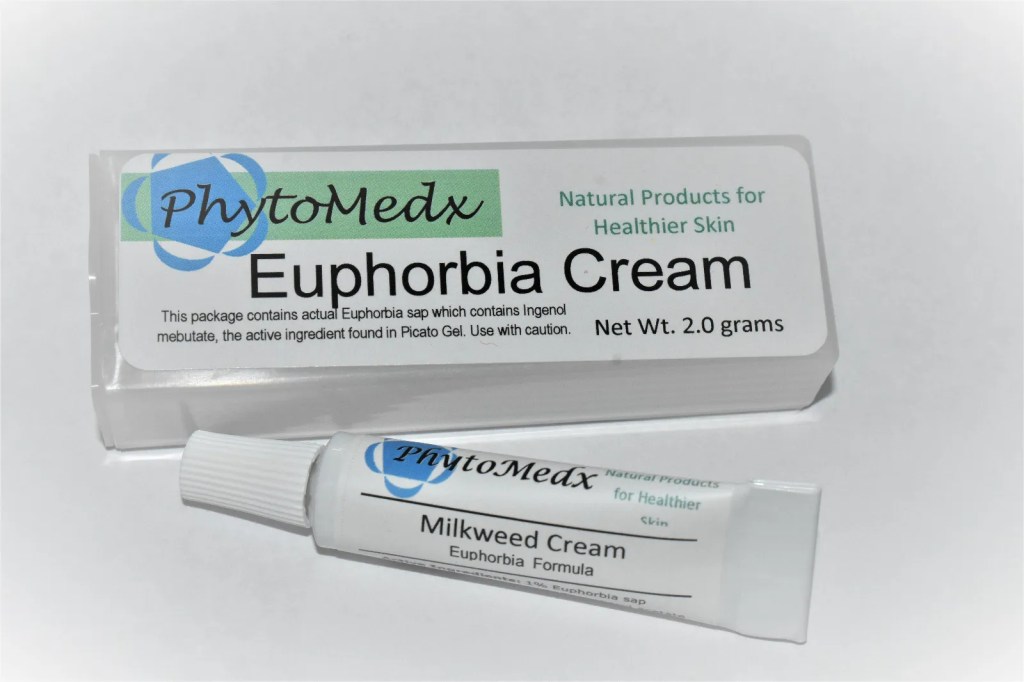
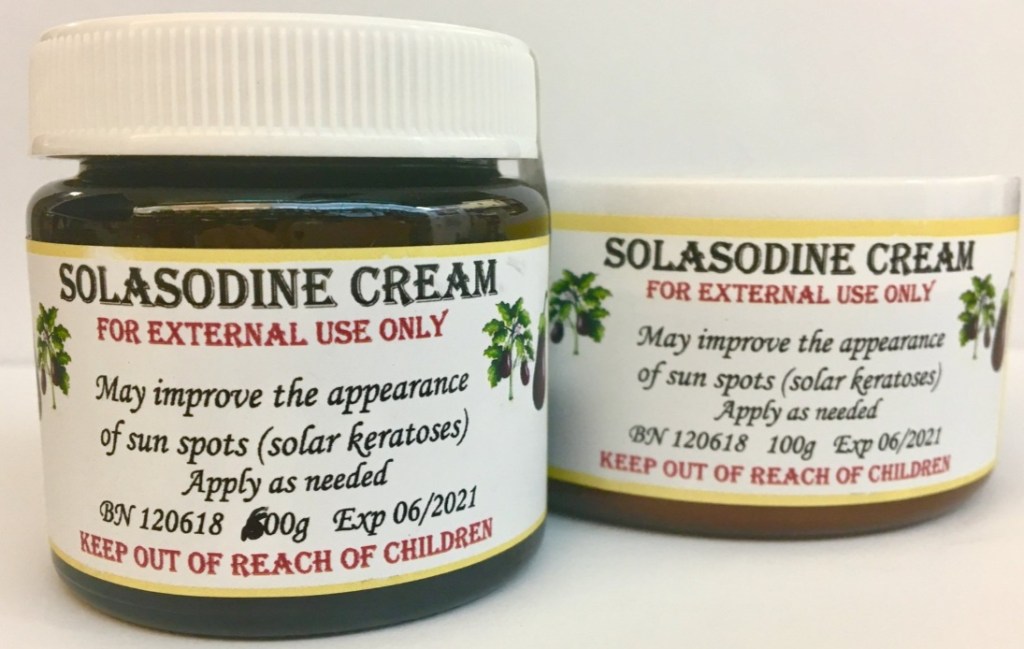
God cursed the creation which led to the emergence of diseases like cancer. But He also provided treatments for some of those diseases. Euphorbia peplus is such a plant, which is traditionally used to treat skin cancers. It is one natural remedy available from the weeds of the cursed creation.

  •  

Cancer | Caused by Parasites | New Treatment Protocol Explained

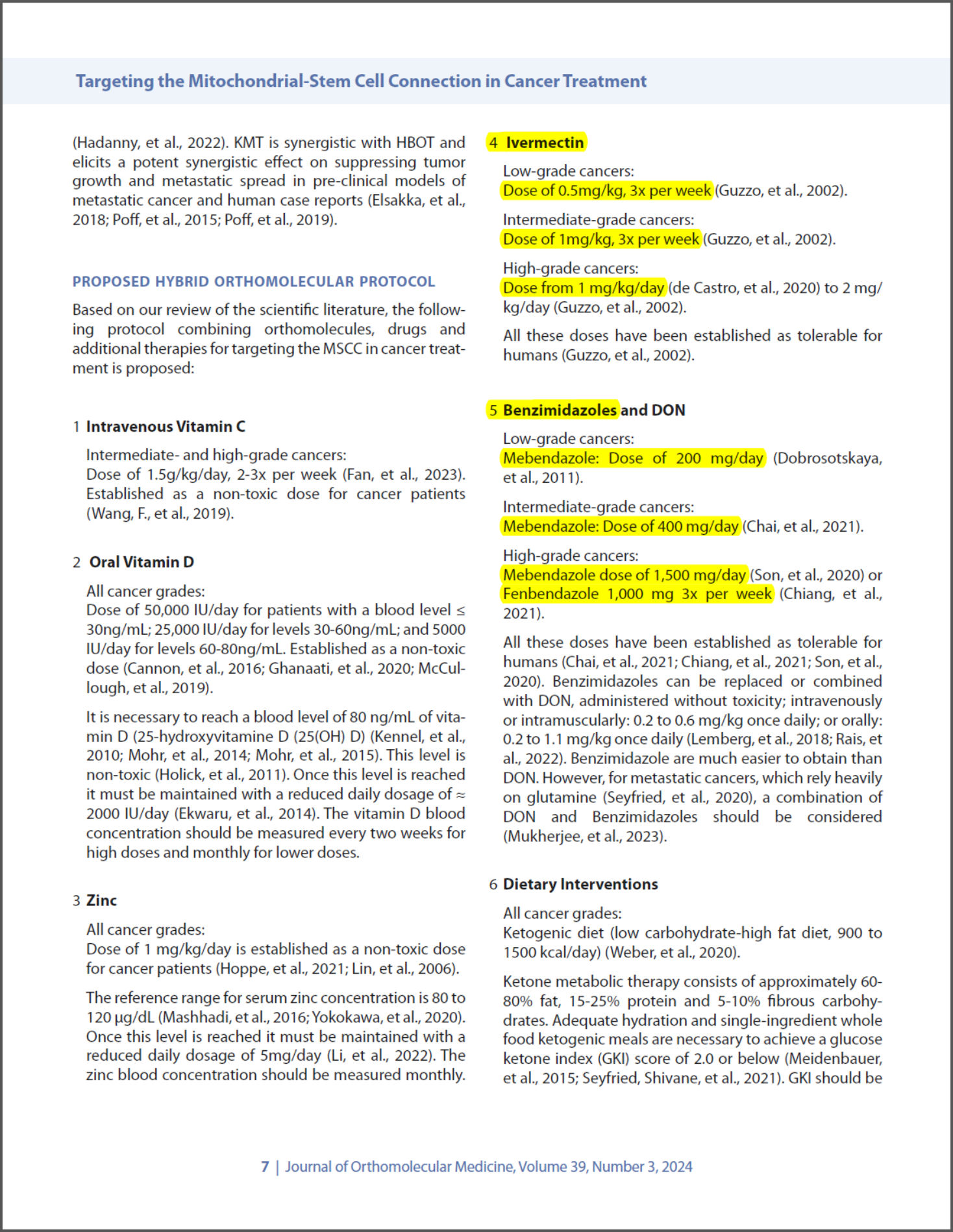
New research advocating a hybrid orthomolecular protocol using anti-parasitical drugs Ivermectin, Fenbendazole, and Mebendazole for cancer treatment offers new hope for cancer victims of the mRNA COVID bioweapon shots.

  •  

Scientists Made Older Mice Biologically Younger Using Gut Microbes

Medical Hologram Human LiverScientists restored young gut bacteria in aging mice and saw signs of rejuvenation along with complete protection from liver cancer. Returning the gut microbiome to a more youthful state could help slow aging and lower the risk of liver cancer, according to research entitled β€œRestoration of a youthful gut microbiome reduces liver aging and suppresses [...]
  •  
  •  
❌