❌

Reading view

Rocket Report: Blue Origin explosion still making headlines; Impulse raises money

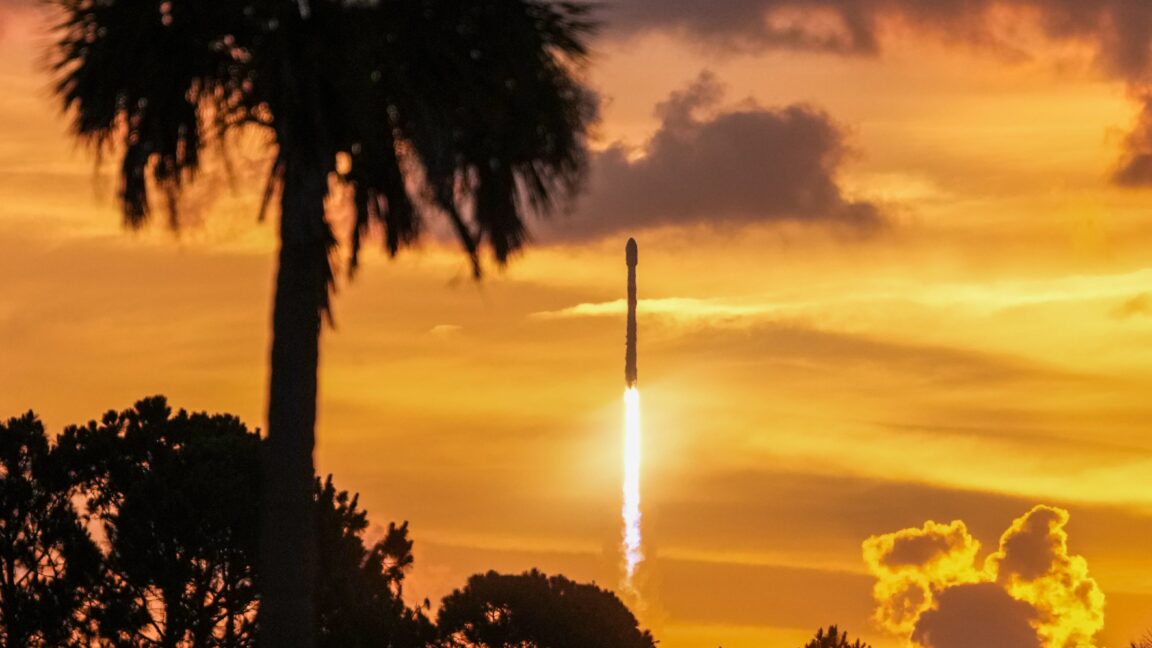
Welcome to Edition 8.44 of the Rocket Report! The news this week is decidedly weighted in favor of heavy-lift rockets, largely due to the fallout from last Thursday's explosion of Blue Origin's New Glenn on its launch pad in Florida. Blue Origin aims to resume launches at the badly damaged launch facility by the end of the year, but there's good reason to be skeptical of this timeline. With New Glenn grounded, will Blue Origin founder Jeff Bezos approach Elon Musk's SpaceX to launch his Blue Moon lander to the lunar south pole? It sure sounds like NASA is pushing for that.

As always, we welcome reader submissions. If you don't want to miss an issue, please subscribe using the box below (the form will not appear on AMP-enabled versions of the site). Each report will include information on small-, medium-, and heavy-lift rockets, as well as a quick look ahead at the next three launches on the calendar.

Spaceport development moves forward in Canada. There's been a lot of talk about the Canadian government's recent commitment to invest in a sovereign launch capability. There was the announcement last year of a federal budget of 182.6 million Canadian dollars ($131 million) over three years to establish a sovereign launch program. In March, the government said it would lease a dedicated launch pad at a commercially developed spaceport in Nova Scotia for national defense purposes, committing 200 million Canadian dollars ($144 million) to the deal. The agreement is a boon for Maritime Launch Services, which is developing Spaceport Nova Scotia after years of slow progress at the coastal site, SpaceQ reports.
Read full article

Comments

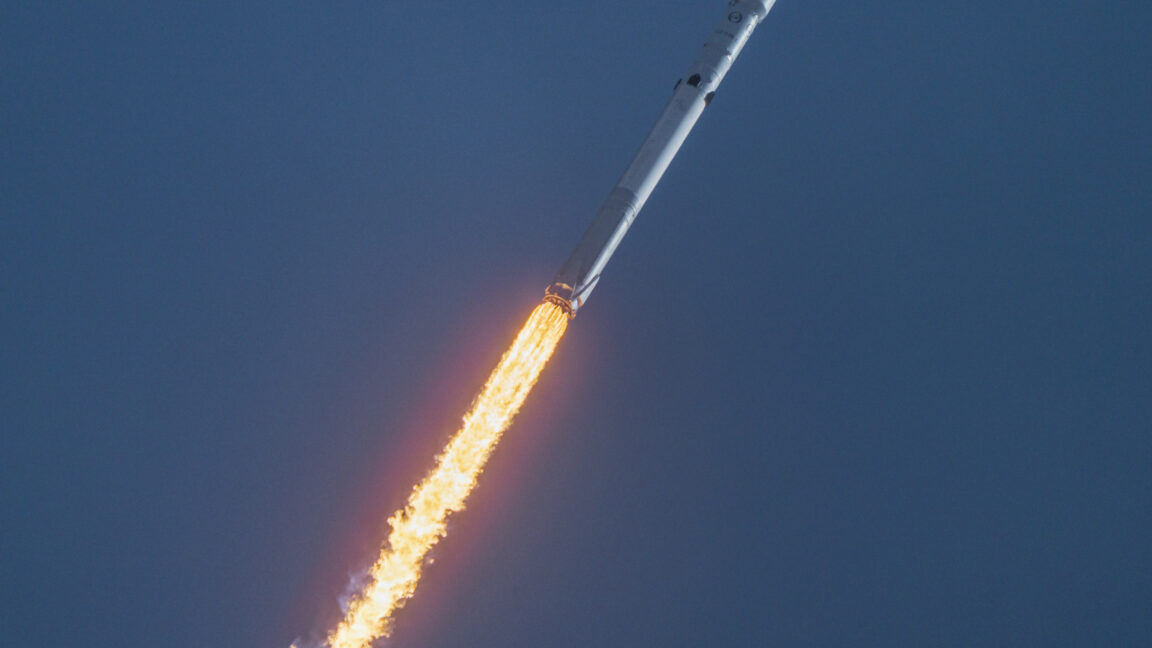
Β© SpaceX

  •  

Rocket Report: Blue Origin explosion still making headlines; Impulse raises money

Welcome to Edition 8.44 of the Rocket Report! The news this week is decidedly weighted in favor of heavy-lift rockets, largely due to the fallout from last Thursday's explosion of Blue Origin's New Glenn on its launch pad in Florida. Blue Origin aims to resume launches at the badly damaged launch facility by the end of the year, but there's good reason to be skeptical of this timeline. With New Glenn grounded, will Blue Origin founder Jeff Bezos approach Elon Musk's SpaceX to launch his Blue Moon lander to the lunar south pole? It sure sounds like NASA is pushing for that.

As always, we welcome reader submissions. If you don't want to miss an issue, please subscribe using the box below (the form will not appear on AMP-enabled versions of the site). Each report will include information on small-, medium-, and heavy-lift rockets, as well as a quick look ahead at the next three launches on the calendar.

Spaceport development moves forward in Canada. There's been a lot of talk about the Canadian government's recent commitment to invest in a sovereign launch capability. There was the announcement last year of a federal budget of 182.6 million Canadian dollars ($131 million) over three years to establish a sovereign launch program. In March, the government said it would lease a dedicated launch pad at a commercially developed spaceport in Nova Scotia for national defense purposes, committing 200 million Canadian dollars ($144 million) to the deal. The agreement is a boon for Maritime Launch Services, which is developing Spaceport Nova Scotia after years of slow progress at the coastal site, SpaceQ reports.

Read full article

Comments

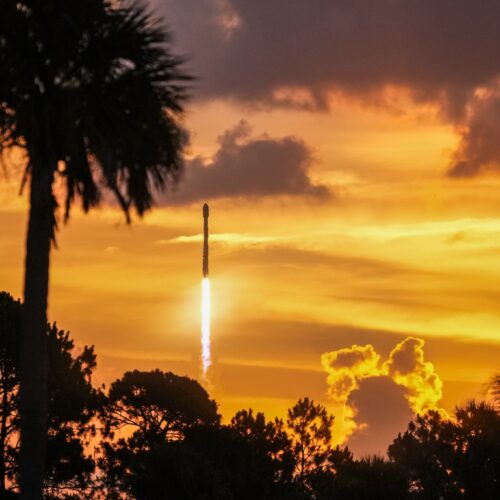
Β© SpaceX

  •  

Como nasceria um bebΓ© em Marte? China procura respostas no EspaΓ§o

Durante dΓ©cadas, a ideia de ter bebΓ©s no EspaΓ§o pertenceu mais ao territΓ³rio da ficΓ§Γ£o cientΓ­fica do que ao da investigaΓ§Γ£o real. Mas parece que essa fronteira comeΓ§ou agora a mudar.

The post Como nasceria um bebΓ© em Marte? China procura respostas no EspaΓ§o appeared first on Tek NotΓ­cias.

  •  

Qianfan constellation deployment hits 200 satellites with Long March 8 and 6A launches

Construction of the Shanghai-led Qianfan constellation continued to accelerate this week with a pair of Long March launches, following on from two recent experimental flights.

The post Qianfan constellation deployment hits 200 satellites with Long March 8 and 6A launches appeared first on SpaceNews.

  •  

New Microraptorine Dinosaur Discovered in China

Jian changmaensis (left) attacks the early bird Gansus yumenensis (right) in what is now the Changma Basin of northwestern China approximately 120 million years ago. Image credit: Lewis LaRosa / JΓ£o Canola.

Jian changmaensis is the first non-avian dinosaur found at a paleontological site that has yielded more than 100 specimens of Early Cretaceous birds.

The post New Microraptorine Dinosaur Discovered in China appeared first on Sci.News: Breaking Science News.

  •  

CΓ£es-robot podem entrar nos planos de Taiwan para missΓ΅es de vigilΓ’ncia e defesa militar

Os cΓ£es-robot podem ser a prΓ³xima aposta das forΓ§as armadas em Taiwan para reforΓ§ar a vigilΓ’ncia e a defesa do territΓ³rio, juntando-se aos esforΓ§os de modernizaΓ§Γ£o militar face Γ s crescentes tensΓ΅es com Pequim.

The post CΓ£es-robot podem entrar nos planos de Taiwan para missΓ΅es de vigilΓ’ncia e defesa militar appeared first on Tek NotΓ­cias.

  •  

China builds institutional framework for space computing push

China is establishing an industrial policy framework to support a push to build space-based computing infrastructure, with the emergence of influential coordinating bodies.

The post China builds institutional framework for space computing push appeared first on SpaceNews.

  •  

After cooperation on SMILE mission, ESA and China chart parallel but separate paths

ESA and China recently launched the joint SMILE magnetosphere mission after a decade of cooperation, but despite similar goals, another collaboration appears distant.

The post After cooperation on SMILE mission, ESA and China chart parallel but separate paths appeared first on SpaceNews.

  •  

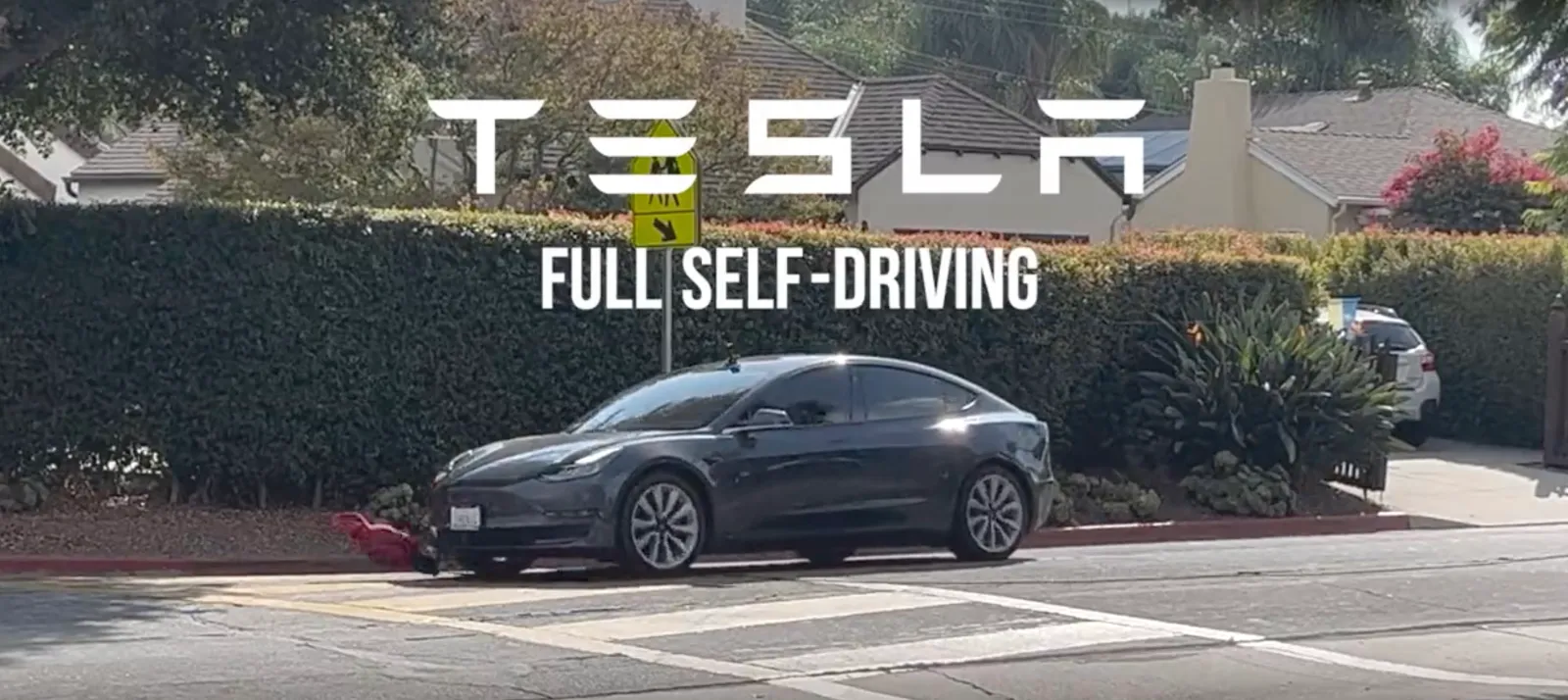
Tesla’s β€˜Full Self-Driving’ fraud lawsuit gets first hearing in China β€” 10 owners seek $583K

A Beijing court held its first hearing in a consumer fraud lawsuit against Tesla over its β€œFull Self-Driving” software, with 10 owners seeking more than 3.95 million yuan ($583,000) in damages.

The case, which we first covered when it was filed last September, has grown from 7 to 10 plaintiffs and marks China’s first collective legal challenge targeting Tesla’s FSD promises.

more…
  •  

Israel’s Nuclear Arsenal: A Controversial Reality

Israel, a non-NPT signatory, may possess 200-400 nuclear warheads. Its minister's bomb remarks hint at this arsenal. The NPT encourages nonproliferation but excludes Israel, highlighting global nuclear hypocrisy and tension.

  •  

In a surprise launch, China debuts another big rocket designed for reusability

The race to field China's first reusable launch vehicle is far less predictable than a similar competition that played out in the United States a decade ago.

There was never any real question of which company would develop and demonstrate the first reusable orbital-class rocket in the United States. SpaceX landed a Falcon 9 booster for the first time in 2015, and a little more than a year later, it launched it back into space. It took nearly 10 years for anyone else to do the same. Blue Origin celebrated its first orbital-class booster landing last November with the successful recovery of one of its New Glenn boosters, followed by a relaunch of the same rocket in April.

In China, several companies and state-owned enterprises have a realistic shot at landing an orbital-class booster stage this year. For a time, it seemed like China's new crop of privately funded launch companies might have the advantage in accomplishing the first landing of an orbital-class booster. But Monday's launch of China's Long March 12B rocket, backed by the nearly unrestricted resources of the country's vast state-owned aerospace enterprise, suggests the industry's legacy players may now have a leg up.

Read full article

Comments

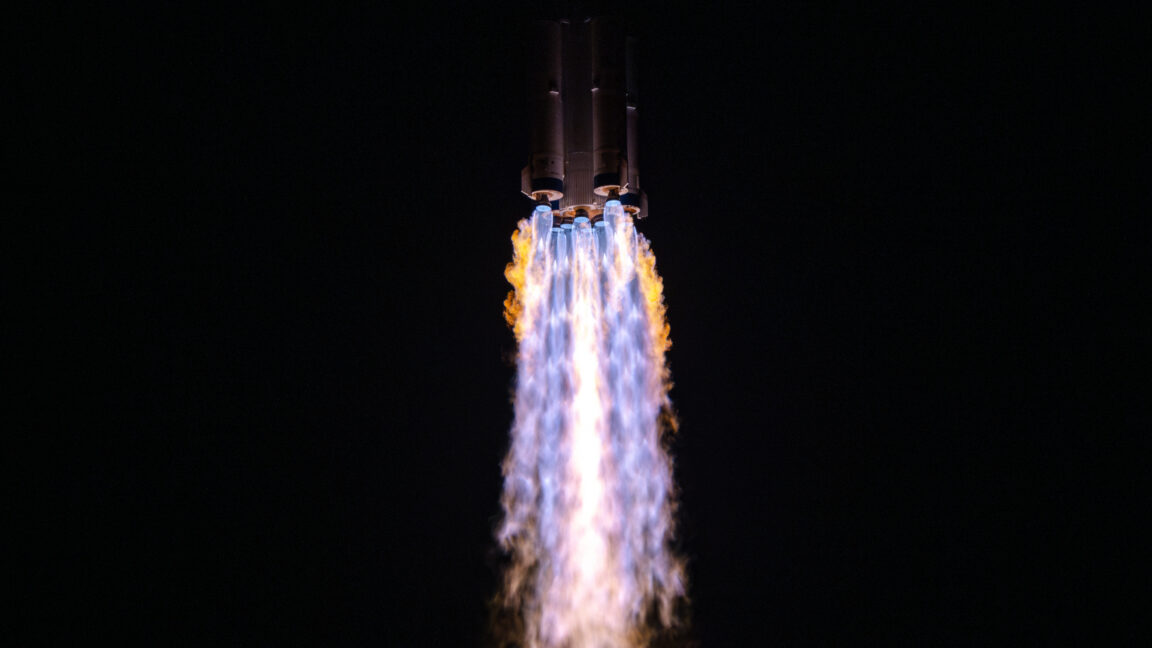
Β© VCG/VCG via Getty Images

  •  
  •  

Rocket Report: A dark day for Blue Origin; Pentagon eyes new launch site

Welcome to Edition 8.43 of the Rocket Report! A disclaimer: No one yet fully appreciates the ramifications of Blue Origin's New Glenn rocket explosion Thursday night on its launch pad at Cape Canaveral, Florida. What we know as of this writing is that much of Blue's sole orbital-class launch pad has been destroyed, and the New Glenn rocket will be grounded for an extended period of time. It is too soon for any hot takes, at least until the Sun rises at the Cape on Friday morning. One thing I am sure of is that we will be writing about this event for weeks, months, and years to come.

As always, we welcome reader submissions. If you don't want to miss an issue, please subscribe using the box below (the form will not appear on AMP-enabled versions of the site). Each report will include information on small-, medium-, and heavy-lift rockets, as well as a quick look ahead at the next three launches on the calendar.

Charting China's contribution to space junk.Β There's a problem with the drastic uptick in Chinese space launches over the last decade. China appears to be ignoring long-established norms about disposing of the upper stages of rockets, Ars reports. These are the parts of the vehicle that separate from the first stage of a rocket and push a satellite or spacecraft into orbit. In the early decades of spaceflight, launch operators routinely left upper stages in orbit after they released their payloads. But most launch companies today reserve enough propellant in their rockets to remove them from orbit to avoid the risk of spent upper stages becoming a source of space debris. But China is not following this trend. There has been striking growth in China’s rocket body mass. In the past five years, the mass of Chinese rocket bodies in long-lived orbits has risen from less than 100 metric tons to 252, according to a new analysis by Space Domain Awareness expert Jim Shell.

Read full article

Comments

Β© VCG/VCG via Getty Images

  •  
❌