For tens of millions of years, mangrove forests have stood as nature’s ultimate survivors, thriving where land meets sea in some of Earth’s harshest conditions. These remarkable trees have mastered the art of living in saltwater, creating vast coastal ecosystems that serve as powerful weapons against climate change by storing enormous amounts of carbon in their roots, trunks, and surrounding soil.
Beyond their role as carbon storage champions, mangroves form living shields that protect millions of people from storm surges and coastal flooding. Their intricate root systems act as natural breakwaters, absorbing wave energy and preventing erosion that could devastate coastal communities. These forests also support incredible biodiversity, serving as nurseries for countless fish species and providing habitat for birds, reptiles, and marine life.
However, new research reveals a troubling paradox: while mangroves are among our most effective natural allies in fighting climate change, they may not be able to withstand the very problem they help solve. Rising sea levels driven by global warming threaten to push even these resilient ecosystems beyond their survival threshold. The modeling study suggests that the rate of sea level rise may soon outpace the mangroves’ ability to adapt, potentially triggering a devastating feedback loop where the loss of these forests releases stored carbon back into the atmosphere.
This threat represents more than just the loss of trees—it signals the potential collapse of a critical natural infrastructure that protects both climate stability and human communities worldwide.
Across the stories today, a common thread emerges around the growing tension between humanity’s expanding footprint and the natural world’s capacity to sustain it — and the innovative ways communities are responding to that pressure.
From Nepal’s sleepless farmers standing guard against crop-raiding elephants to New York’s groundbreaking moratorium on data centers, the day’s coverage points to growing momentum around a fundamental question: How do we balance human needs with environmental limits? In Nepal’s fertile plains, farmer Dhruba Prasai embodies this struggle in the most personal terms, spending nights protecting his livelihood from wildlife that has nowhere else to go as habitats shrink. His story reflects a global pattern where conservation success — healthy animal populations — creates new challenges for the communities living alongside recovering ecosystems.
Meanwhile, the United States is grappling with its own version of this tension through energy infrastructure. New York’s proposed data center freeze represents the first state-level recognition that the digital economy’s physical infrastructure carries real environmental costs. As artificial intelligence development accelerates — highlighted by upcoming presidential meetings with tech leaders — states are being forced to confront whether unlimited growth in energy-hungry facilities aligns with climate commitments.
The policy landscape reveals a surprising role reversal that challenges conventional wisdom about climate action. While traditionally blue states like California retreat from aggressive environmental policies, red states are surging ahead in renewable energy development. This shift suggests that economic opportunity, not political ideology, may increasingly drive clean energy adoption. Virtual power plants are gaining traction in states like Massachusetts and Minnesota, signaling that grid modernization is becoming a bipartisan priority as electricity demand soars.
But perhaps the most encouraging thread running through today’s stories is the remarkable capacity for recovery when protection efforts succeed. Tanzania’s turquoise dwarf gecko has rebounded from near-extinction after trade bans halted the illegal capture of 40,000 individuals. Mangrove forests worldwide are staging unexpected comebacks after decades of destruction. Even in crisis, there are signs of resilience: curlew chicks successfully hatched from eggs rescued during wildfires, and New Mexico’s “reforestation pipeline” is training climate-resilient seedlings to heal wildfire-devastated landscapes.
It’s a reminder that progress and pressure often arrive together. The same technological advances driving data center construction are also enabling virtual power plants to balance renewable energy. Conservation successes that allow wildlife populations to recover create new management challenges for rural communities.
Behind the numbers are real communities adapting in real time. From Nepalese farmers developing night watch systems to Native American tribes seeing their bison restoration efforts threatened by new federal grazing rules, the human dimension of environmental change continues to play out in deeply personal ways.
The contrast between immediate local impacts and longer-term recovery stories suggests we’re in a pivotal moment where short-term adaptation strategies must align with longer-term restoration goals. As the week unfolds, all eyes will be on how policymakers balance competing demands — from Alaska’s Arctic refuge lease sale to Albania’s luxury resort controversy — while communities continue innovating at the intersection of human needs and environmental health.
A proposed dismantling of America’s ocean observation network threatens to severely undermine weather prediction accuracy worldwide, leaving meteorologists and climate scientists operating with dangerous blind spots, according to leading researchers.
The ocean monitoring system plays a crucial role in tracking global climate patterns and marine ecosystems. Its potential elimination would dramatically reduce the precision of weather forecasts and El Niño predictions, creating significant economic ripple effects across multiple industries that depend on accurate atmospheric data. The system serves as a vital component of the international ocean observation network that helps scientists understand how our climate is changing.
Research published recently reveals that decommissioning this monitoring infrastructure would cause massive errors in annual ocean heating rate calculations – critical measurements for understanding global warming trends. Ocean temperatures drive much of Earth’s weather patterns, making continuous monitoring essential for everything from hurricane tracking to seasonal forecasting that farmers, shipping companies, and emergency management agencies rely on daily.
The loss of this data collection capability would force climate scientists to work with incomplete information at a time when precise environmental monitoring has never been more important. Weather-dependent industries, from agriculture to aviation, could face increased uncertainty and financial losses due to less reliable forecasting. The proposed cuts highlight the ongoing tension between government cost-cutting measures and the scientific infrastructure needed to understand and respond to climate change impacts.
The Arctic National Wildlife Refuge faces another potential threat to its pristine wilderness as federal officials prepare to hold an oil and gas lease sale on Friday. The sale represents the latest attempt to open Alaska’s most protected wilderness area to energy development, despite fierce opposition from environmental advocates.
A coalition of conservation organizations has launched a preemptive campaign, sending letters directly to major oil company executives urging them to avoid participating in the auction. The groups cite significant legal risks surrounding the leasing program, pointing to ongoing litigation that could invalidate any agreements reached. Their strategy appears to be working—previous lease sales have attracted minimal interest from major energy companies, suggesting industry wariness about the controversial project.
The debate highlights a fundamental clash over how America should balance energy production with wilderness preservation. Drilling supporters view the refuge’s coastal plain as a vast untapped resource that could significantly boost domestic oil production while generating substantial revenue for federal and state governments. They argue that modern extraction techniques could minimize environmental impact while providing energy security benefits.
However, opponents contend that any industrial development would irreversibly damage one of America’s last truly wild places, threatening caribou migration routes, polar bear habitat, and countless other species that depend on the refuge’s undisturbed ecosystem. The outcome of Friday’s lease sale will likely serve as a barometer for industry confidence in the program’s long-term viability amid continued legal challenges.
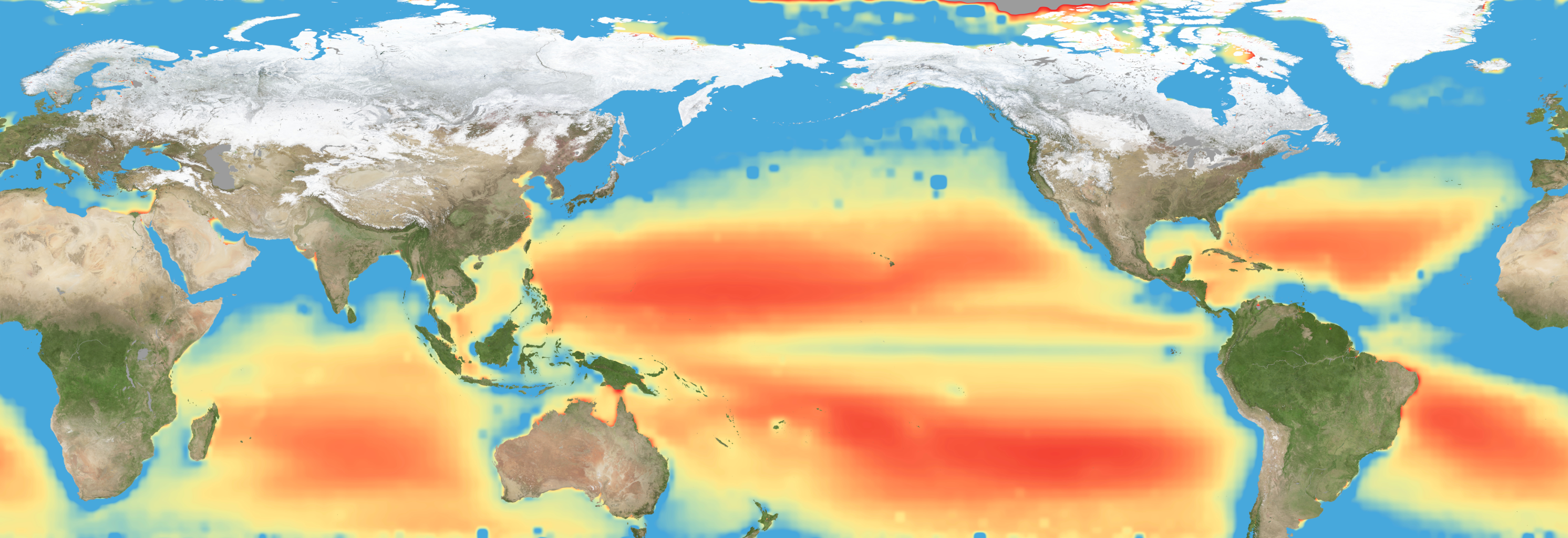
Warming waters decrease upwelling and lead to stress on marine microorganisms due to limited availability of vital nutrients. Red indicates the regions of highest nutrient-related stress.
Kel Elkins/NASA’s Scientific Visualization Studio
Editor’s note: This article was updated on June 5.
A new study combining NASA satellite observations, ocean surveys, and genetic testing on marine microorganisms found evidence that warming ocean waters may be limiting nutrient availability across much of the global ocean. The researchers report that this nutrient stress affects microscopic marine organisms and could influence marine ecosystems over time.
The research, published June 5 in Science Advances, tracked the condition of phytoplankton, which form the base of ocean food webs. Rather than measuring nutrients like nitrogen, iron, and phosphorus directly, the researchers inferred stress by tracking subtle shifts in the ratio of carbon to chlorophyll in phytoplankton observed from space. When the amount of chlorophyll decreases relative to carbon as seen in satellite data, it’s an indication that the plankton are stressed.
“As our ocean continues to change, the ability to observe and track ocean conditions through sustained, high quality remote sensing observations has never been more important,” said Laura Lorenzoni, Program Scientist for NASA’s Ocean Biology and Biogeochemistry Program at NASA Headquarters in Washington. “This is fundamental, as plankton communities are the base of the marine food web on which important economic activities rely.”
The research team combined two decades of data from NASA’s Aqua satellite’s Moderate Resolution Imaging Spectroradiometer (MODIS) sensor with plankton samples collected on research cruises around the world. The approach linked large-scale satellite observations with genetic markers in Prochlorococcus, a tiny but abundant marine microbe that shows signs of nutrient stress in its DNA. The result is a global map revealing where phytoplankton are thriving and where they’re struggling.
Ocean chlorophyll, as observed with NASA's Moderate Resolution Imaging Spectroradiometer (MODIS) instrument between January 2010 through May 2016.
Marit Jentoft-Nilsen/NASA's Goddard Space Flight Center
The strongest indications of nutrient stress on plankton appeared in the subtropical gyres, which are vast, relatively calm regions of the Atlantic, Pacific, and Indian oceans. In these areas, a layer of warm surface water stifles the flow of colder water from deeper in the ocean.
“When the surface of the ocean warms, it generates this very stable situation where a layer of low-density water sits on top of higher-density cold water,” said study coauthor Adam Martiny, an oceanographer at the University of California, Irvine. “You’ve probably experienced that if you’ve ever been to a lake in the summertime—it’s super warm right on the surface, and very cold deeper down when you stick your legs in.”
This layering blocks the upward flow of nutrient-rich water, limiting the availability of ocean surface nutrients that are crucial for plankton. In the South Pacific, one of the most nutrient-poor regions, a layer of warm surface water contributed to nitrogen and iron shortages, producing the most severe nutrient-related stress that the team discovered.
But the researchers were surprised to find that parts of the North Atlantic experience less nutrient stress than expected. Although there was evidence of a lack of phosphorus, the impact on microorganisms was comparatively mild.
That difference may reflect the biology of the organisms themselves. Phytoplankton can partially compensate for phosphorus shortages by recycling phosphorus more efficiently or replacing phosphorus-rich molecules inside their cells. Nitrogen shortages are harder to overcome because nitrogen is crucial for the proteins and cellular machinery required for photosynthesis and nutrient uptake.
The study revealed that nutrient stress is strongly correlated with seasons and major weather cycles such as El Niño and the Pacific Decadal Oscillation, which lead to warming waters in the Pacific Ocean. During La Niña events, which cool water over a large part of the Pacific, stronger upwelling brought more nutrients to surface waters and reduced stress in some regions. Superimposed on those multi-year cycles, however, was a longer-term trend.
From 2002 through 2021, average sea-surface temperatures increased across nearly 90% of the ocean area examined in the study. Over the same period, nutrient stress generally intensified, consistent with previous hypothesis that warming oceans may become increasingly stratified and less able to replenish surface nutrients.
In many nutrient-poor regions of the Southern Hemisphere, however, the researchers found evidence that nutrient stress had not increased as much as expected despite significant warming. They suspect that microbes capable of capturing nitrogen from the air may partially offset the effects of reduced nutrient mixing.
That finding hints that marine ecosystems may possess more resilience to warming climates than some models predict. It also underscores the complexity of forecasting how ocean biology will respond to continued warming.
“We have two really powerful tools,” said study coauthor Michael Behrenfeld, a biochemist with Oregon State University in Corvallis, Oregon. The tools include satellite observations and cellular studies. “Both produce big data sets, but they are kind of opposites. We have very detailed data about microscopic phytoplankton … and then we have global coverage with satellites.”
By combining satellites that monitor the entire ocean with genetic clues carried inside microscopic plankton, the researchers say they are gaining a new way to track biological responses to changing environmental conditions near real time.
The World Economic Forum is accused of promoting a totalitarian agenda disguised as sustainability, controlling lifestyles through carbon tracking and resource regulation. A senior Archbishop, Viganò, condemns global elites for seeking dominance via Agenda 2030, labeling it a 'global coup.' He urges resistance against these oppressive measures and defends truth-tellers like Rainer Füllmich.
This may be stunning news! The infamous climate alarmist Bill Gates now slams the “Doomsday” view of the Climate Change Cult, adopting a surprising change of tone on so-called ‘global warming’ in a setback to the green socialist movement.
Your Carbon Footprint is just one small feature of the tyranny. It is a tool to track you, a scam driven by powerful elites to control human activity and promote their interests under the guise of environmentalism. Climate change narratives serve their hidden agendas rather than genuine ecological concerns.
WEF advisor Yuval Harari exposes the globalist elite’s fatal hypocrisy. The existential risk is an AI that perfectly mirrors the values of its creators—a system built on centralized control, unaccountable power, and justified deception. And without Christ all humans are subject to evil satanic forces.
A recent high-grade iron ore discovery in Western Australia, valued at $6 trillion, raises questions about environmental policies. The processing of iron ore to make steel requires coal, leading to significant CO2 emissions, highlighting the stark contradiction with the Climate Cult agenda.
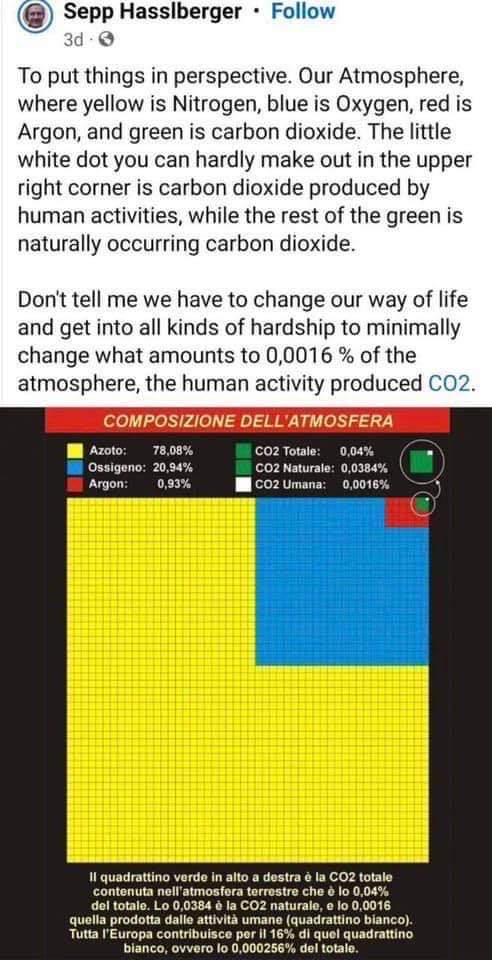
Recent measurements indicate a rise in atmospheric CO2, attributed to human activities by various "experts", despite claims that human contribution is minimal. Research by Dai Ato challenges the established pre-industrial CO2 level of 280 ppm, suggesting it’s underestimated and highlighting flaws in related climate studies, thus questioning current climate change assumptions.
The economics and physics of renewable energy production, tells us that coal, natural gas and petroleum are more efficient and cost-effective than wind and solar power, which rely on complex manufacturing chains. Green energy ideologies ignore fundamental principles of thermodynamics and energy density.
I discuss evidence supporting the Earth's magnetic field as a divine shield for life, highlighting its decay since Gauss's measurements. I link this decay to a young Earth, highlighting that Carbon-14 presence in minerals aligns with a creation timeline under 8,000 years.
Earth's albedo, which measures how much sunlight is reflected by the surface, has decreased by 1% since the 1980s, significantly affecting global temperatures. Dr. Ned Nikolov argues that this decline drives global warming, challenging the notion of human-induced causes. Climate control initiatives are money laundering schemes only benefiting the mega-rich.
Recent research suggests Mars may have once hosted oceans and sandy beaches, contradicting claims of insufficient water for a worldwide flood on Earth. While geological features indicate past water flow on Mars, the planet remains lifeless due to its harsh conditions.
Day 3 of creation, God formed dry land and initiated life with green plants, establishing essential conditions for future sentient life forms. This day also included the formation of Earth's physical structures. All creations were designed perfectly, paving the way for environmental balance and the development of biodiversity.
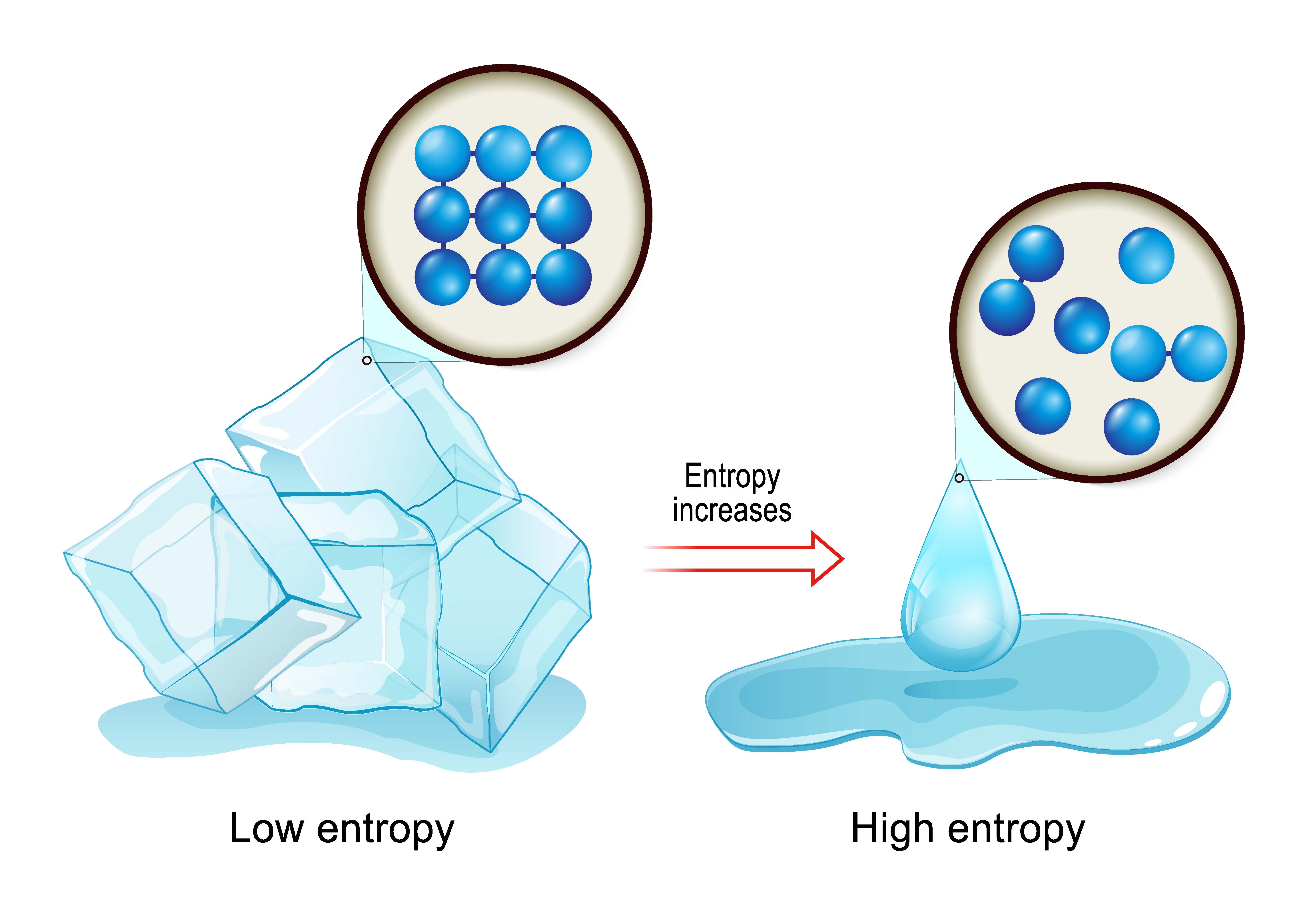
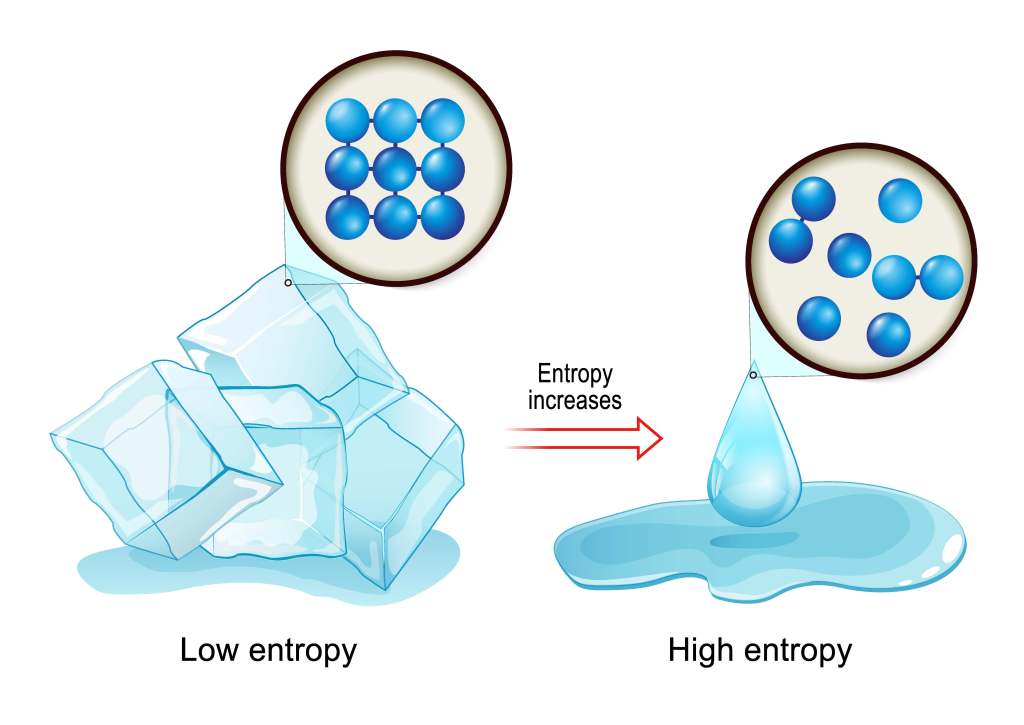
The four universal laws of thermodynamics are a part of God’s creation, and testify to His continuing work of creation. These fundamental physical laws argue against the big bang origin of the universe and spontaneous complexity arising in nature, attributing creation solely to a divine intelligence.
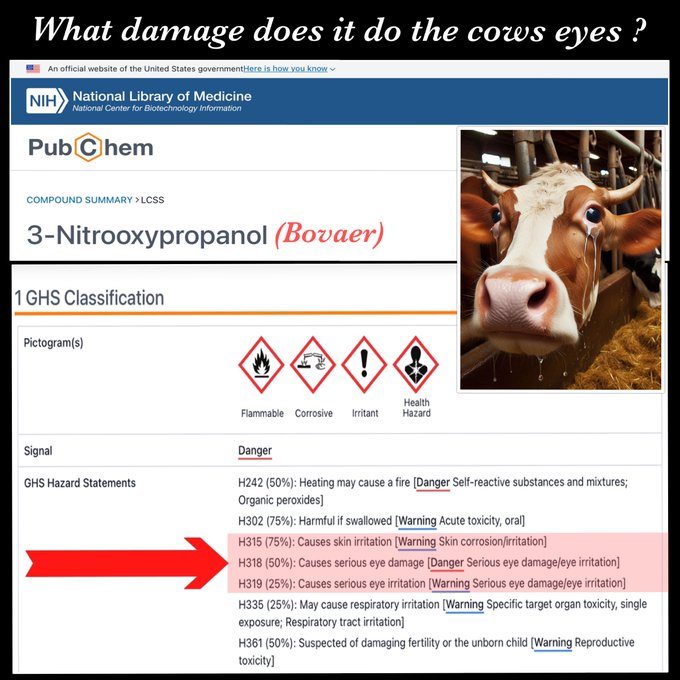
Public concern has surged over the food additive 3-nitrooxypropanol (3-NOP), used in cattle feed to reduce methane emissions. Critics claim this approach could lead to widespread cattle culling and a shift towards synthetic food production. Allegations link it to health risks, corporate interests, and a broader agenda against traditional agriculture.

 Login