 Login

Rocket launches are turning the upper atmosphere into an accidental climate experiment
 A new study finds pollution from satellite megaconstellations could account for 42% of the space sector’s climate impact by 2029.
 A new study finds pollution from satellite megaconstellations could account for 42% of the space sector’s climate impact by 2029.
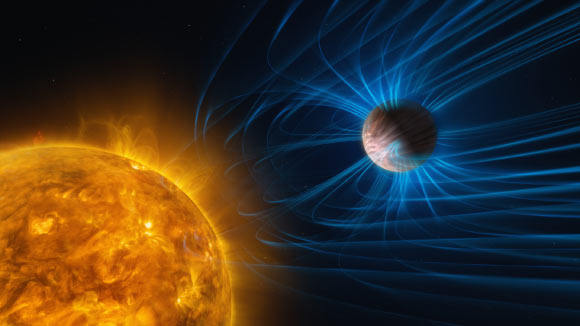
By tracking fierce winds racing through the atmospheres of seven ultra-hot Jupiters, astronomers have uncovered the strongest evidence yet that magnetic fields shape weather on worlds beyond our Solar System.
The post Astronomers Detect Clearest Signs Yet of Magnetic Fields on Extrasolar Planets appeared first on Sci.News: Breaking Science News.
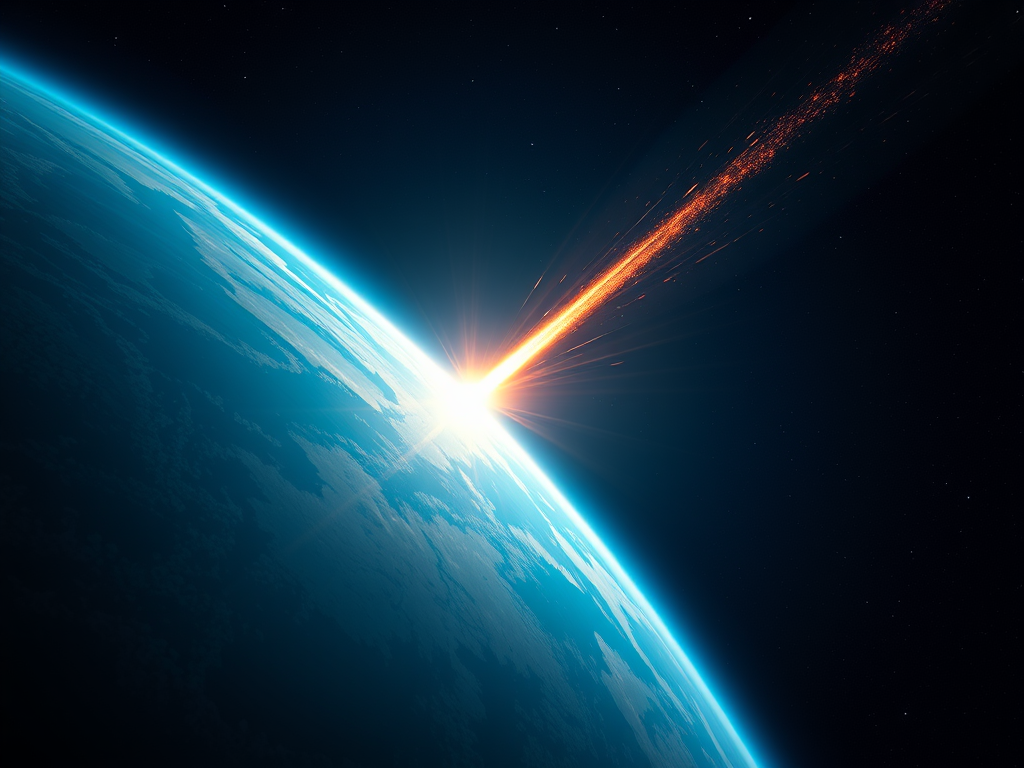


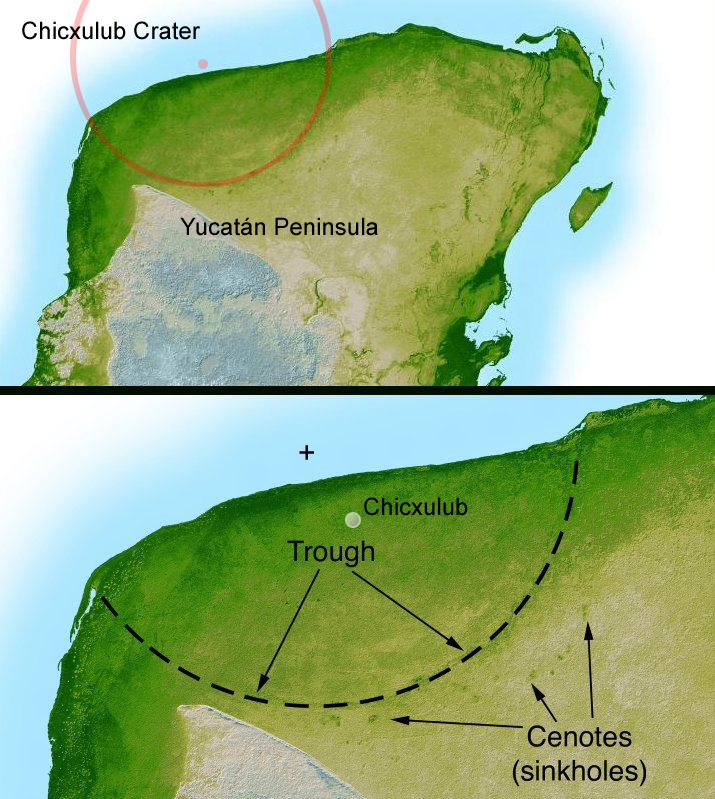
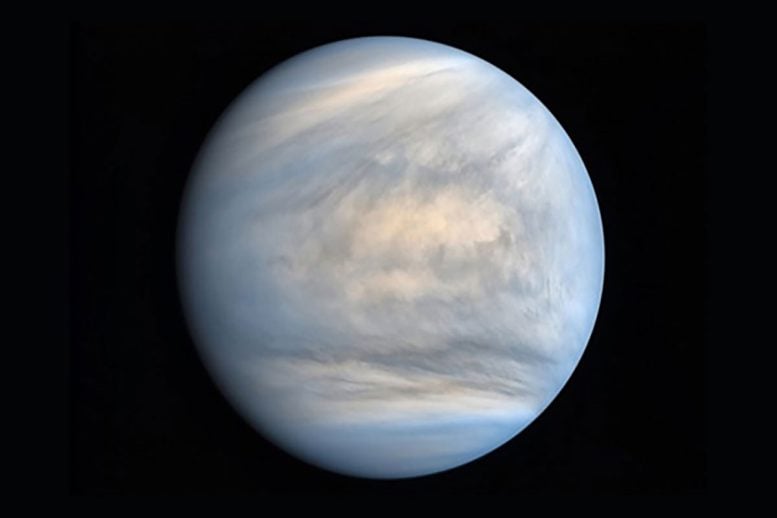 Models suggest that impact-ejected material from Earth could reach Venus’ clouds and potentially survive there briefly. Panspermia is the idea that life, or the ingredients needed for life, can move through space on asteroids, comets, and other objects. If life’s building blocks appear on one planet, a powerful impact could blast material from its surface [...]

Using spectral data from the Near-Infrared Spectrograph (NIRSpec) onboard the NASA/ESA/CSA James Webb Space Telescope, astronomers analyzed the atmosphere of TOI-199b, a distant Saturn-mass world that is neither frozen nor scorching hot.
The post Webb Detects Methane in Atmosphere of Exo-Saturn TOI-199b appeared first on Sci.News: Breaking Science News.

