Login

Scientists Turn Hookworms Into Living Pharmacies That Can Deliver Medicine From Inside Humans
 It's just crazy enough to work.
 It's just crazy enough to work.
 A gene normally responsible for repairing DNA may have a darker side when produced in excess. Cancer treatment is increasingly moving beyond where a tumor forms and focusing instead on the genetic flaws that drive it. Now, researchers at Penn State College of Medicine have identified an unexpected DNA repair gene that could help expand [...]
I t was the dead of winter in Boston. The surface of the Charles River was frozen solid. But Zachary Kelso braved the biting cold to finally put to rest a mystery that has haunted neuroscience labs for over half a century. To do that, Kelso, a research assistant in the Harvard lab of the neuroscientist Sam Gershman, needed some worms. Specifically, planarians: arrow-headed flatworms…
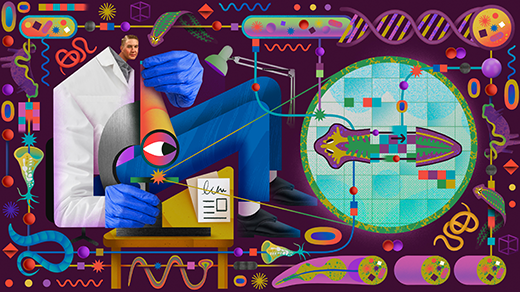
 New DNA evidence reveals bed bugs tracked human expansion from ancient caves to modern cities.
 Scientists have uncovered evidence that tiny microbes living inside fish may be helping shape the chemistry of the world’s oceans. The new study, led by former graduate student Anthony Bonacolta at the University of Miami Rosenstiel School of Marine, Atmospheric, and Earth Science, suggests that bacteria in fish intestines may work together with their hosts [...]
Despite having tiny brains, bumblebees have demonstrated a remarkable ability to socially learn how to use tools, solve simple puzzles, and cooperate to achieve a goal. It seems they can also solve object-manipulation tasks without any previous training, according to a new paper published in the journal Science. According to the authors, it's the first time this kind of spontaneous problem-solving has been demonstrated in an insect.
In 2024, Olli Loukola of the University of Finland co-authored a study demonstrating that bumblebees could cooperate to solve complex challenges. It's the kind of cognitive task scientists had previously only observed in large-brained mammals like humans and chimpanzees. Loukola et al. trained pairs of bees to push a Lego block to the middle of a mini-arena or push against a door at the end of a tunnel to get a reward.
The team noticed that the bees were more likely to engage in the tasks if their partners also participated, compared to untrained control groups. They concluded that bees can learn to solve novel cooperative tasks outside the hive and may even be intentionally working together, although the researchers cautioned that more detailed monitoring of the behavior was needed to fully understand the partners' roles.
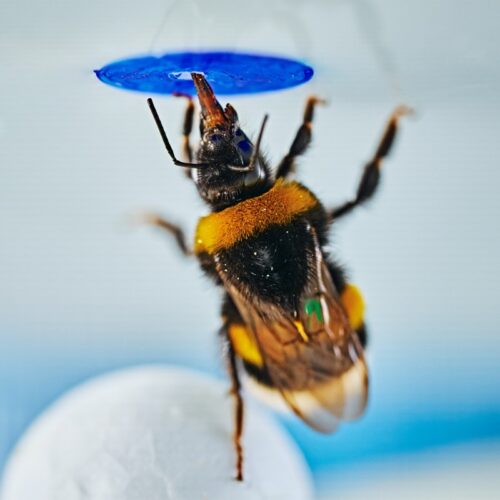
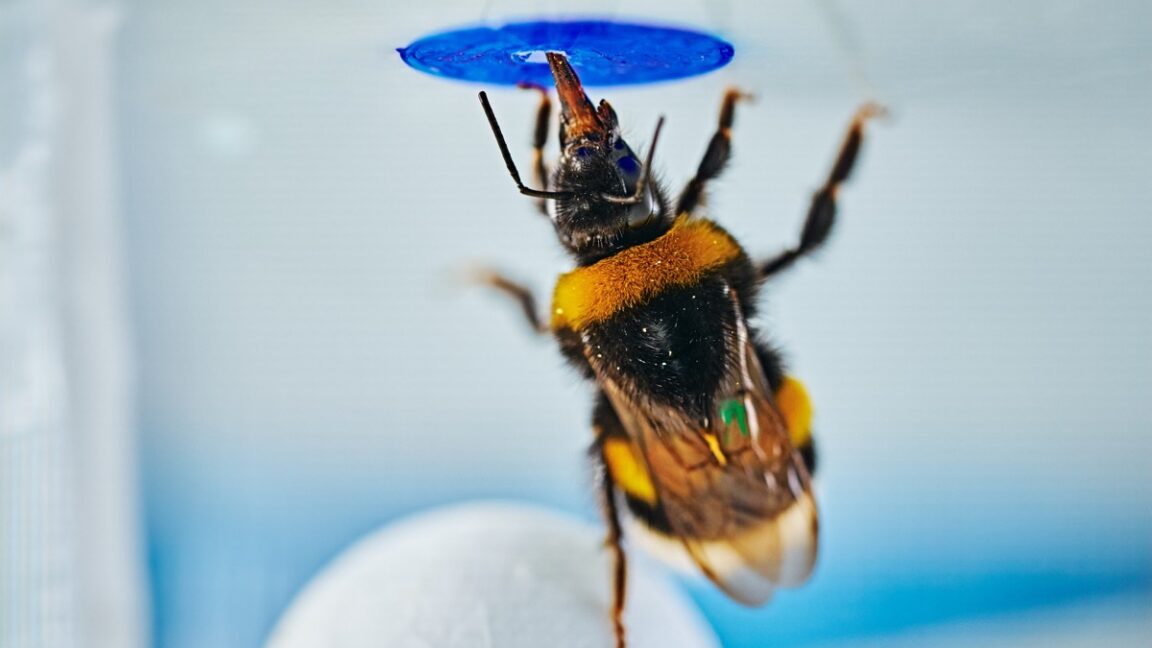
© Mikko Törmänen
 PFDA, a PFAS “forever chemical,” can cause craniofacial birth defects by disrupting retinoic acid regulation during fetal development, revealing the first clear molecular mechanism behind the link. Researchers have long linked perfluoroalkyl and polyfluoroalkyl substances (PFAS), often called “forever chemicals,” to serious birth defects. However, scientists have struggled to explain exactly how these pollutants affect [...]
 A newly identified pest is raising concerns for North Carolina’s blueberry industry. What began as a mystery beneath North Carolina’s blueberry fields has now been traced to a surprising culprit: a giant root-feeding beetle never before confirmed attacking blueberries anywhere else in the United States. Researchers at North Carolina State University have identified the insect [...]
Brown rot is a common fungal disease in the Southeastern United States that affects stone fruits like peaches, cherries, and plums. Monilinia fructicola is a tan, fuzzy fungus that grows on tree flowers, twigs, and fruit, and is the most common cause of brown rot. Once brown rot infects a tree, the damage is irreversible, causing significant crop losses in commercial orchards. Farmers try to control the spread of M. fructicola by applying chemical sprays, called fungicides, to fruit trees in the spring.
In M. fructicola, a biosynthesis gene named MfCYP51 encodes a major protein critical to the fungi’s survival. Certain fungicides, called demethylation inhibitor (DMI) fungicides, stop M. fructicola from growing by targeting this protein. Over the last 20 years, DMI fungicides have become less effective against brown rot as M. fructicola becomes more resistant.
Living microorganisms and their metabolites can control fungal diseases as an alternative to chemical fungicides, known as biofungicides. Many bacteria produce compounds like hydrogen cyanide and pyrrolnitrin that damage fungal cells. However, scientists have not found a biofungicide suitable for commercial production. A group of researchers at Clemson University in the USA and Huazhong Agricultural University in China set out to test whether the soil bacteria Pseudomonas chlororaphis and Bacillus subtilis could be effective biofungicides against brown rot.
The researchers performed an incubation experiment to analyze how the fungal cells make their critical protein from the MfCYP51 gene, a process called gene expression, under different fungicide treatments. They used 3 M. fructicola strains sensitive to traditional DMI fungicides and 3 resistant strains. They tested these with 5 different fungicide treatments: a DMI fungicide, a mixture of P. chlororaphis metabolites, a mixture of living B. subtilis cells, a DMI fungicide + P. chlororaphis metabolites, and a DMI fungicide + B. subtilis cells. They also set up a control treatment with sterile water instead of fungicide.
After 6 hours, the researchers extracted the molecule that measures gene expression, called RNA, from the fungi. They found that both the P. chlororaphis treatment and the DMI fungicide + P. chlororaphis treatment substantially reduced MfCYP51 expression in both the sensitive and resistant isolates compared to the controls. In contrast, the DMI fungicide, B. subtilis, and DMI fungicide + B. subtilis treatments increased MfCYP51 expression in the resistant isolates. The researchers concluded that P. chlororaphis has a unique ability to reduce gene expression, unlike other biofungicides.
To further investigate how the biofungicide treatments work, the team tested whether P. chlororaphis and B. subtilis produced the anti-fungal metabolite pyrrolnitrin. They added 1 milliliter of each treatment to a machine that separates and identifies liquid compounds using high pressure, called a high-performance liquid chromatograph. They found that the P. chlororaphis treatment contained pyrrolnitrin, so they hypothesized that it was responsible for reducing gene expression.
Additionally, the researchers tested their 5 treatments on brown rot in fruit. For each treatment, they took 10 Gala apples, washed and sterilized their surfaces, and sprayed them with the fungicides. After 24 hours, they poked holes in the apples with toothpicks and added 20 microliters of liquid containing M. fructicola cells to the poked holes. They placed the apples in a humid chamber for 5 days and measured the number and size of brown rot spots that developed on their surfaces.
Despite decreasing MfCYP51 expression, the researchers found that P. chlororaphis treatment alone didn’t reduce brown rot disease compared to the control, but the DMI fungicide and B. subtilis treatments did. The mixed treatments of DMI fungicide + P. chlororaphis and DMI fungicide + B. subtilis both reduced brown rot disease compared to the control, but only the DMI fungicide + P. chlororaphis treatment prevented it.
The researchers concluded that although biofungicides may not be fully effective on their own, commercializing them could allow farmers to use less DMI fungicide. They explained that scaling back the use of DMI fungicides would slow M. fructicola resistance. Finally, they proposed that future researchers test biofungicide mixtures containing pyrrolnitrin in the field to observe real-world effects on stone fruit trees.
The post Using bacteria to fight fungal brown rot appeared first on Sciworthy.
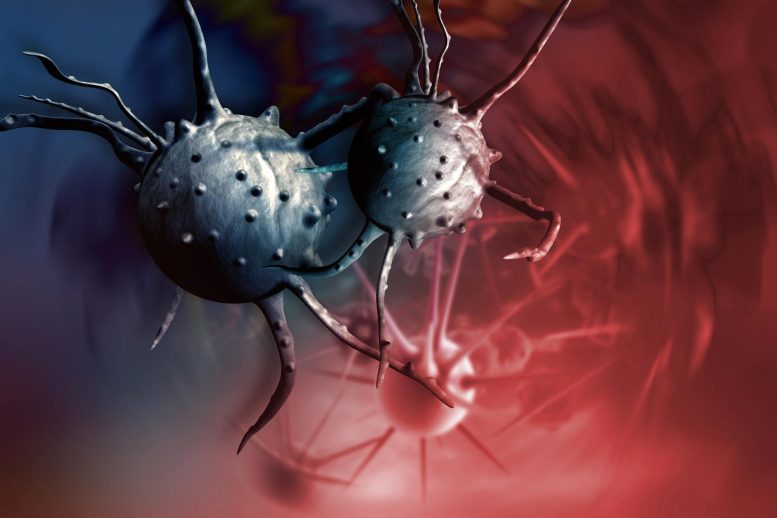 A vitamin D-based therapy may help remodel the protective barrier surrounding pancreatic tumors, offering a potential new treatment strategy. Pancreatic cancer is notoriously difficult to treat in part because tumors surround themselves with a dense, protective barrier that blocks drugs and suppresses immune activity. Now, a small clinical trial led by researchers at Dana-Farber Cancer [...]
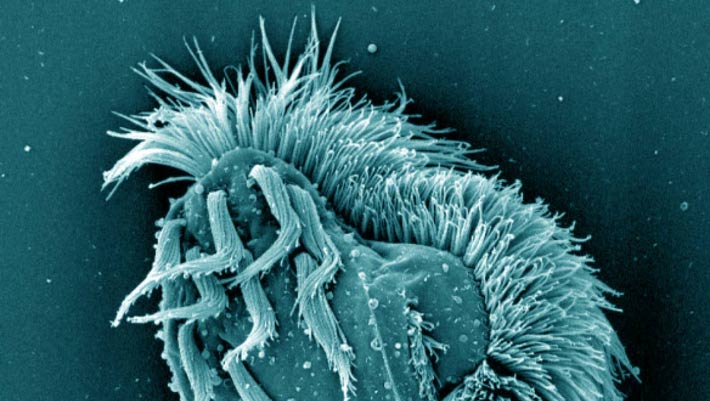
Euplotes gigatrox, a new species of ciliate collected from a seawater filtration system on the Caribbean Island of Curaçao, can transform into a cannibalistic ‘supergiant,’ raising new questions about the complexity of life at the microscopic scale.
The post When Food Runs Short, This Single-Celled Organism Turns into Giant Cannibal to Survive appeared first on Sci.News: Breaking Science News.
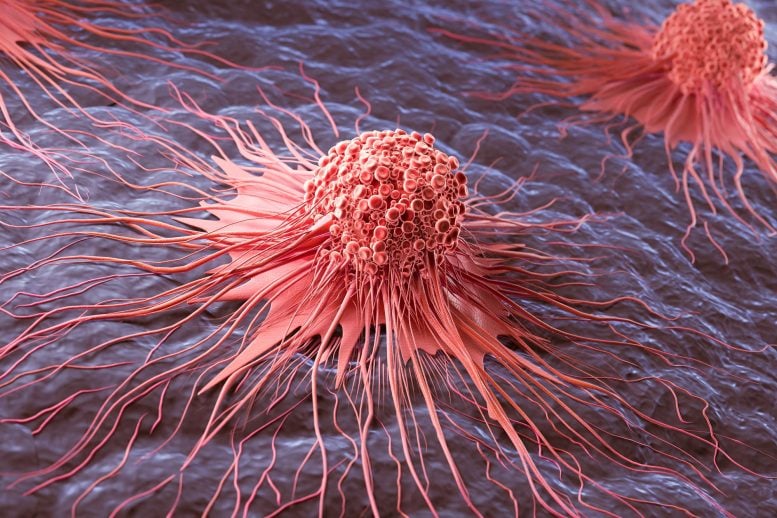 A closer look at cancer cells with extra chromosomes uncovered surprising traits linked to faster-growing, more dangerous tumors, pointing to potential new indicators of disease severity. Cancer cells are notorious for breaking the rules of biology. One of the most dramatic violations occurs when a cell suddenly doubles its entire genetic library, creating a chromosome-packed [...]
 New research suggests dusty leaves can feed plants in nutrient-poor ecosystems.
 A new evolutionary analysis suggests the behavior appears across many bird groups
 Common beans use a leaf receptor to turn caterpillar spit into a wasp-attracting scent.
For decades, scientists have understood that plants can release volatile organic compounds—essentially airborne chemical signals—to attract the natural enemies of the things that eat them, like caterpillars. What we didn’t know was exactly how a plant translates the physical act of being eaten into a specific, predator-summoning distress signal.
“[One] thing we didn’t know is how the plant detects the caterpillar in the first place,” says Adam Steinbrenner, a biologist at the University of Washington. Now, after years of experimenting with common bean plants in the lab and in the agricultural fields of Oaxaca, Mexico, Steinbrenner’s team pinpointed a single immune receptor that orchestrates its anti-caterpillar defense system.
When an herbivorous insect like a caterpillar feeds on a plant, it introduces its saliva straight into the plant's damaged tissues. This saliva contains biological clues called HAMPs: herbivore-associated molecular patterns. One of the HAMPs molecules is a peptide called inceptin, and there’s an 11-amino acid fragment of inceptin named In11, as well. Both of them turn out to be a fragment of the ATP synthase found in chloroplasts—basically a piece of one of the plant’s own proteins. As the caterpillar ingests the leaf, its gut enzymes chop up the plant's cellular engines and their pieces, including In11, are regurgitated back onto the leaf’s surface, albeit at extremely small concentrations.
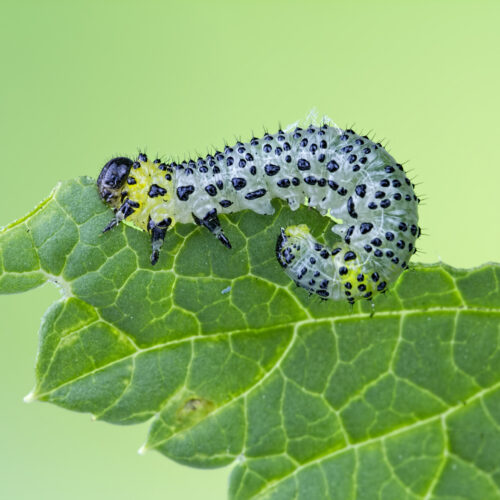
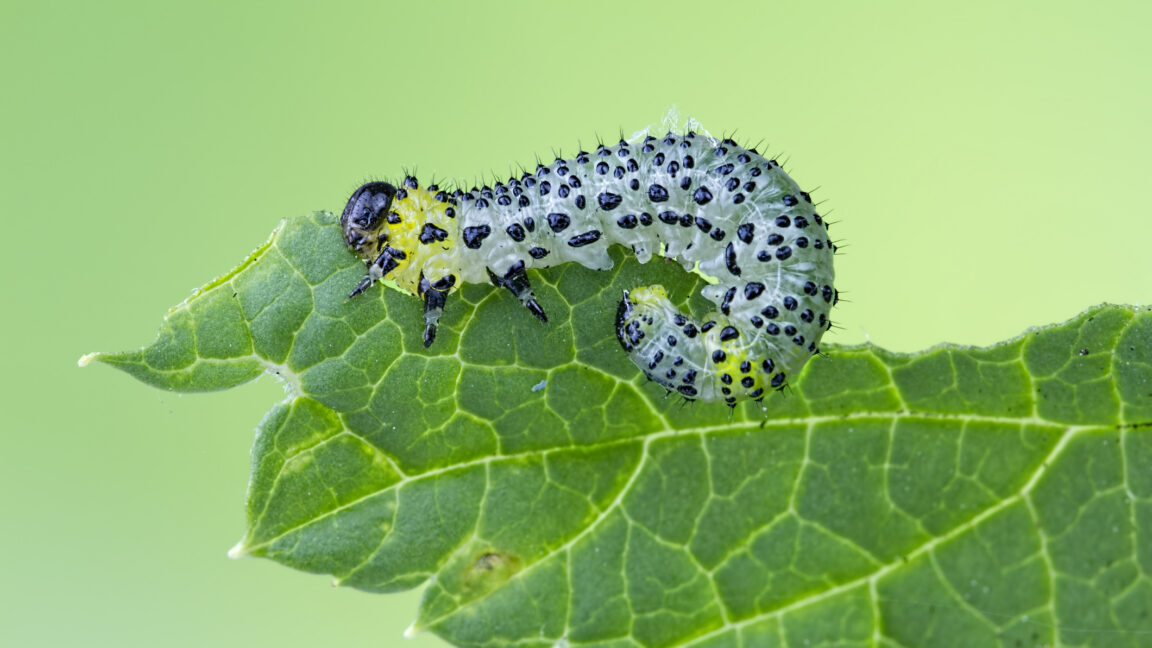
© mikroman6
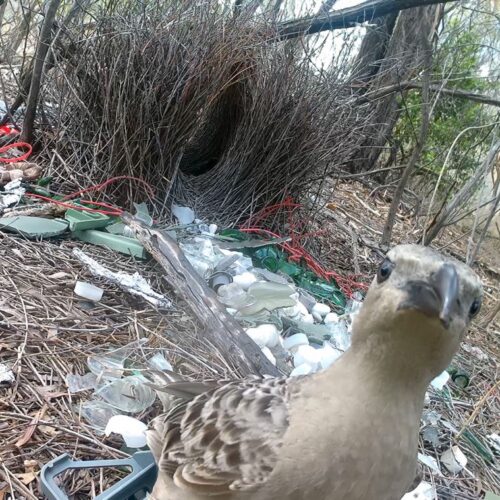
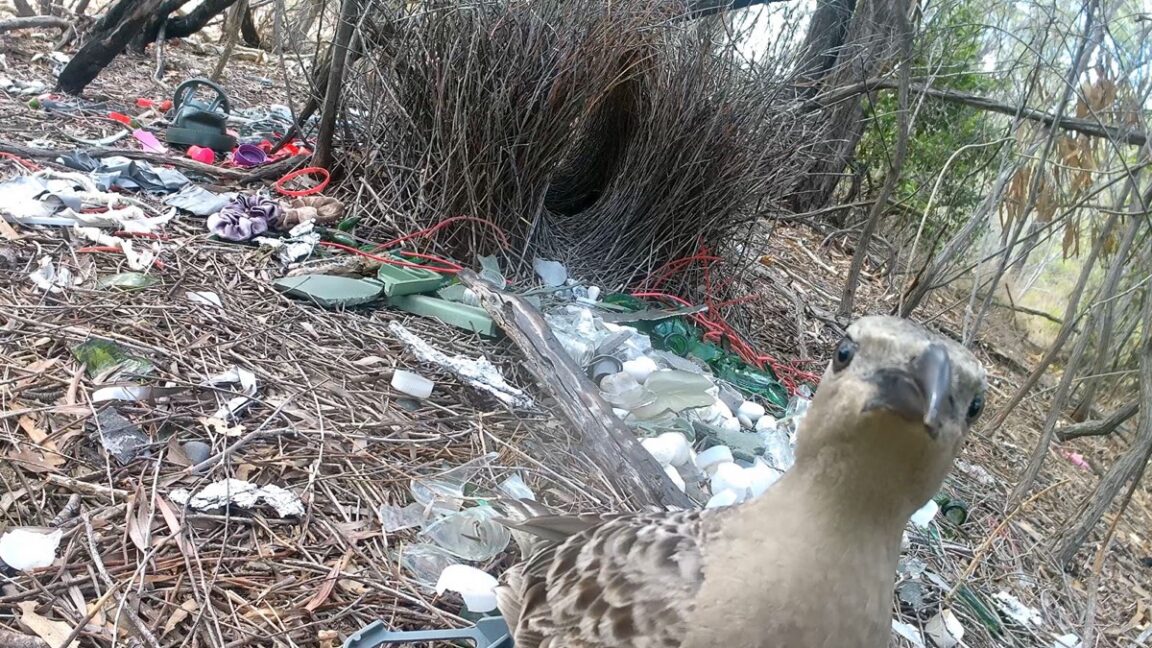
Male bowerbirds are notorious for their complex mating rituals. They build intricate tunnels out of twigs—the bowers from which they get their name—and then decorate them with random colorful items gleaned from the environment. When a female of the species shows up to check out a male's fancy digs, the male tosses his shiniest objects in her direction and shows off his plumage in hopes of impressing her.
According to a new paper published in the journal Royal Society Open Science by University of Exeter scientists, urbanization and the associated growing availability of brightly colored human-made items have had a significant impact on courtship display behavior in Australian male bowerbirds. There are marked differences in the choice of decorations for bowerbirds in urban versus rural environments. This might be because urban birds simply have greater access to the items than their rural counterparts, since birds in both environments show a marked preference for human items.
The University of Exeter researchers monitored the bowers of 61 male great bowerbirds in two sites in Australia's northern Queensland—the rural Dreghorn Cattle Station and the urban Townsville City—during the prime breeding season (September–December 2023). Then they photographed the bower decorations in situ from above in both visible and UV light (bowerbirds can see in the UV range), using an umbrella to create diffuse lighting.
© Caitlin Evans