 Login

The Last Stable Glaciers on Earth Are Starting to Collapse
 Climate change doesn't really care what you think.
 Climate change doesn't really care what you think.
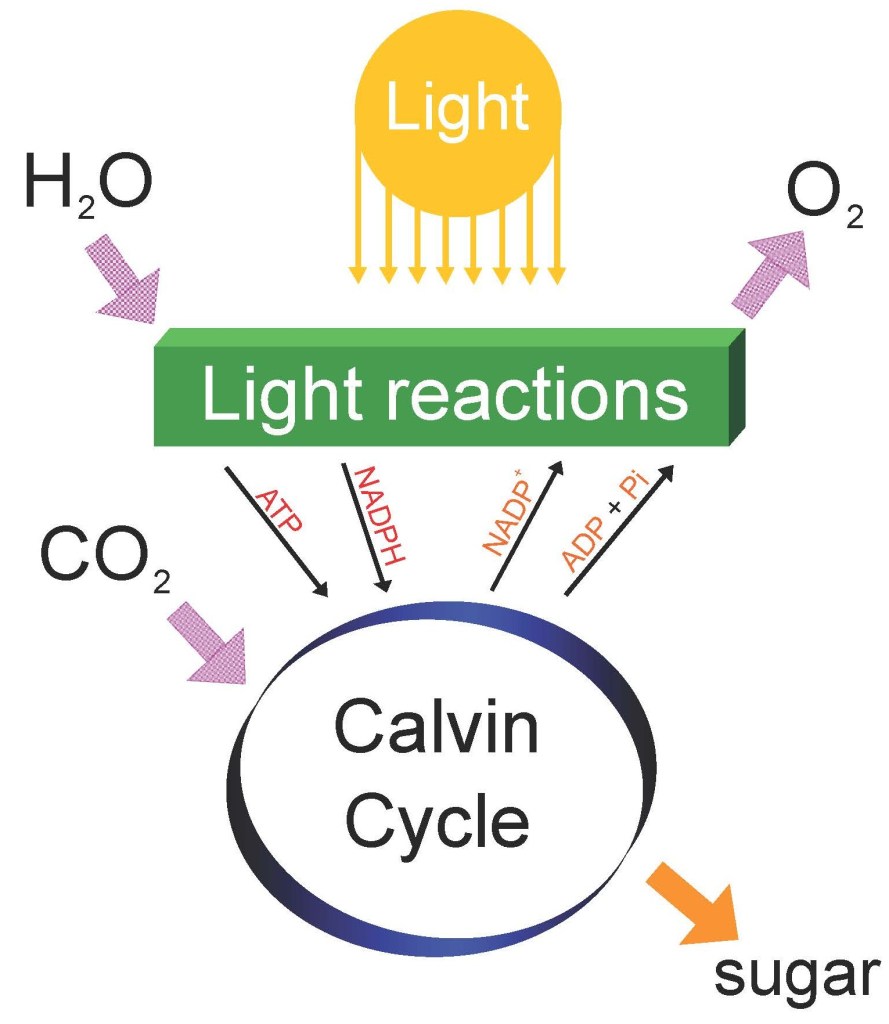
 New research suggests dusty leaves can feed plants in nutrient-poor ecosystems.































 Scientists say melting sea ice may have pushed the Arctic Ocean past a tipping point, triggering changes that could reshape marine life for decades. Scientists have identified what appears to be a major and potentially irreversible change in the Arctic Ocean. According to a new study, climate-driven sea ice loss has altered the region’s chemistry [...]
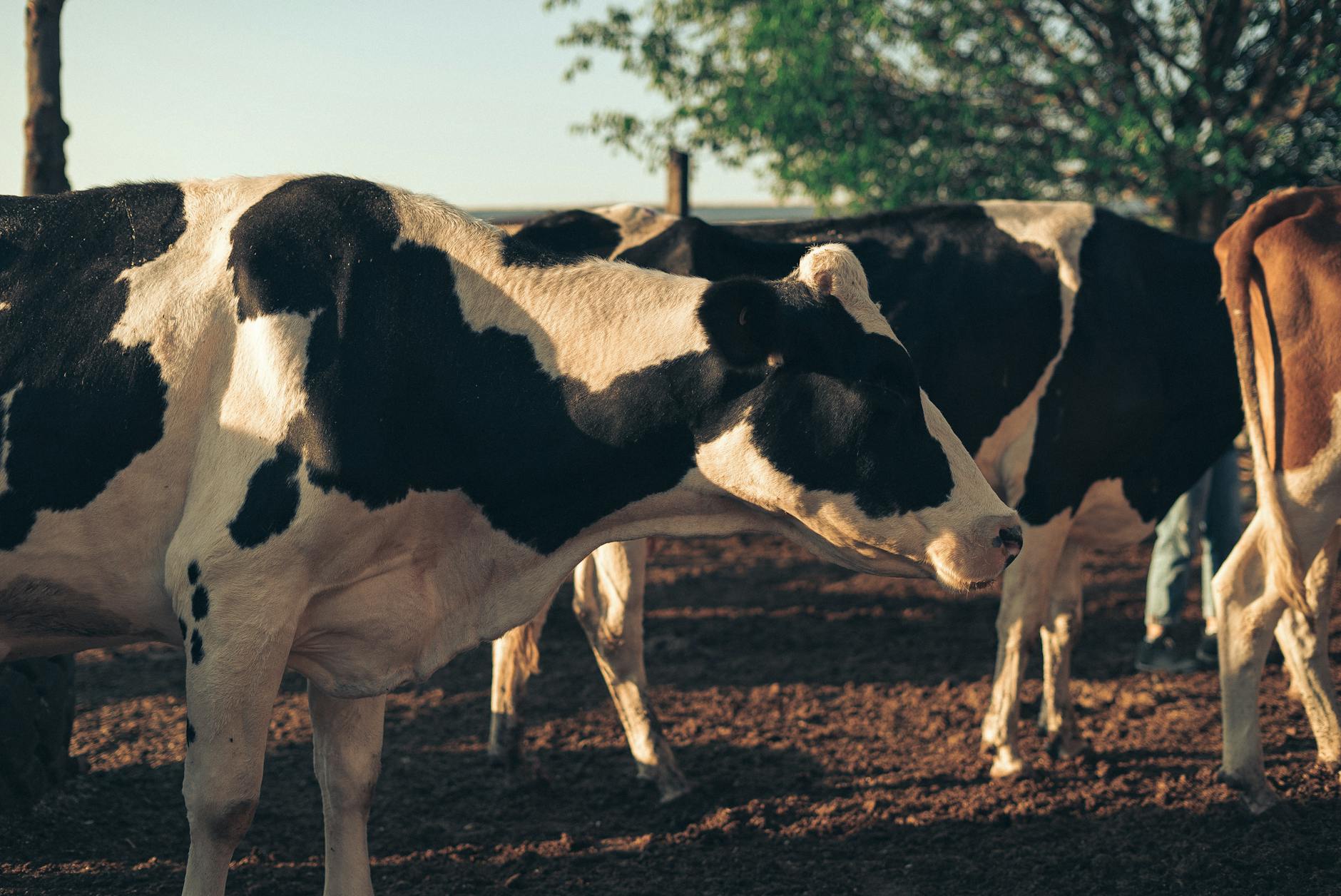
On a blazing hot day in South Africa, female southern pied babblers can’t think straight. The medium-sized black-and-white birds are trying to get at tasty mealworms behind a see-through barrier. On cooler days, the birds can quickly figure out that all they have to do is go around the small wall of plastic. But when the mercury goes up, the birds just keep stubbornly pecking at the barrier.
That experiment is part of a growing body of research showing that animals get their minds muddled during heat waves. When it’s hot outside, birds struggle to learn, dogs bite more often, goat-like chamois pick fights. This is bad news not just for those who get on Fido’s toasted nerves. If the animals can’t stay alert enough to find food or avoid predators, their chances of survival go downhill, says Amanda Ridley, a behavioral ecologist at the University of Western Australia who coauthored the pied babbler study.
With climate change making heat waves more common, such cognitive impairments across the animal kingdom could ripple through entire ecosystems, putting already fragile species at greater risk. If pollinators forget which flowers to visit, crops and wild plants may fail. If birds can’t find food as easily, their young may not survive. And on a warming planet, a sharp mind is particularly vital. “A changing climate means that your ability to behaviorally adapt is even more important,” Ridley says.


© NurPhoto / Contributor

