 Login

Who’s Excited for SpaceX’s I.P.O.? Space Nerds.
Few are as delighted by the pending market debut as the vibrant community of space enthusiasts who want to push discovery of the final frontier.

 The experimental jet was built to kill the sonic boom. First, it has to survive going supersonic.
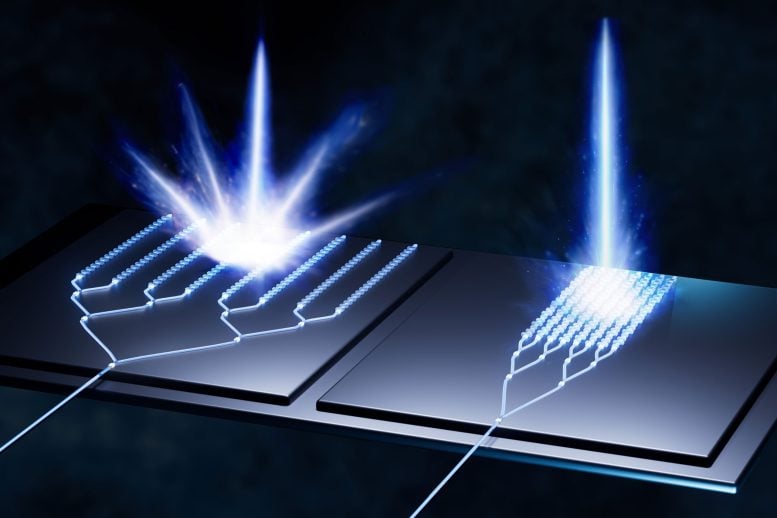 A new MIT-designed lidar chip uses specially engineered antennas to reduce interference and widen the sensor’s field of view. From self-driving cars navigating busy streets to drones surveying disaster zones, lidar has become one of the most important technologies for helping machines perceive the world in three dimensions. By sending out rapid pulses of infrared [...]
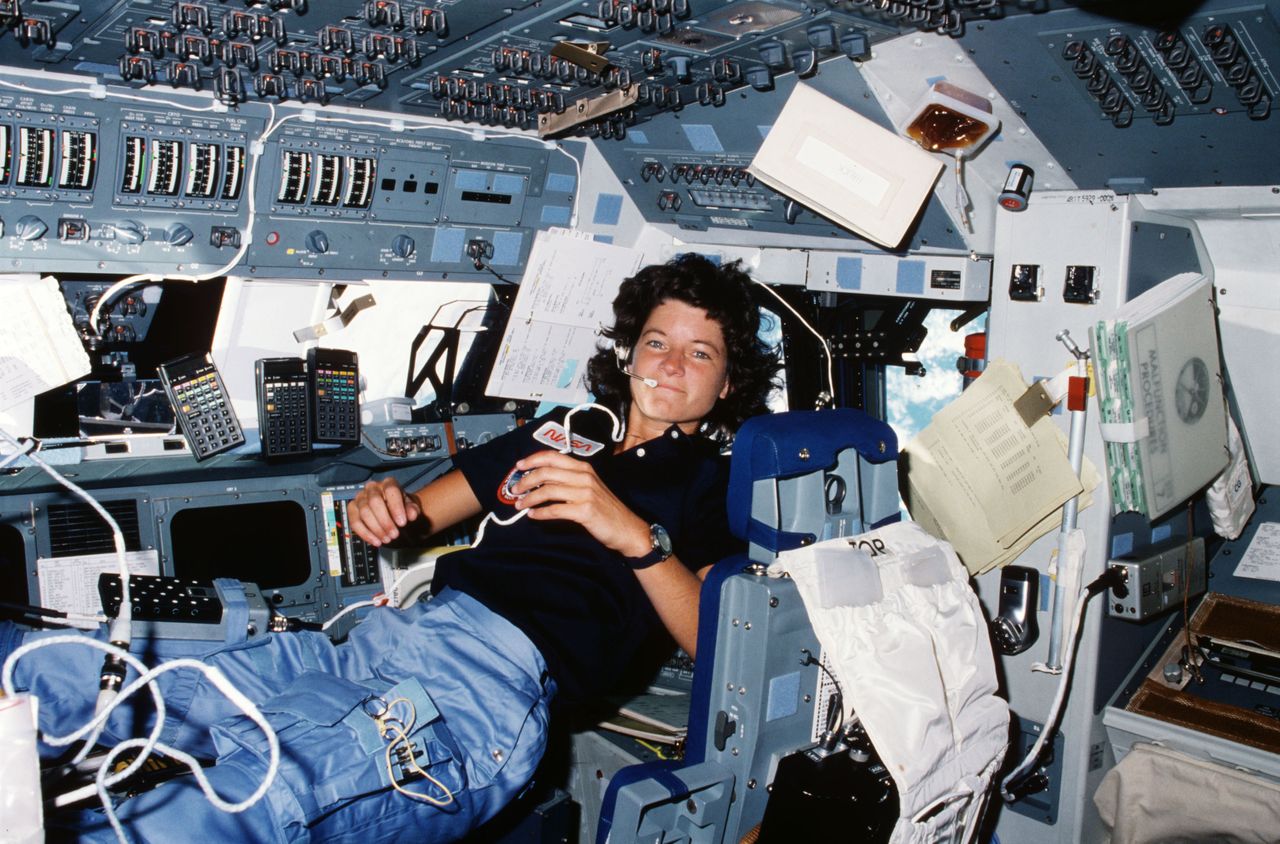
 Who said science can't be pretty?










The chief executive of Blue Origin, whose large New Glenn rocket exploded spectacularly less than a week ago at the company's launch site in Florida, vowed Monday night that the company would launch again before the end of 2026.
Writing on the social media site X, Blue Origin's Dave Limp said the company had been able to complete a preliminary survey of the LC-36A launch site.
"Now that we’ve had access to the pad and integration facility, we can share a bit of good news," Limp said. "The propellant farm, oxygen, liquid hydrogen and LNG tanks are all in good shape. This is good luck because these are very long lead items. The water tower is also good."
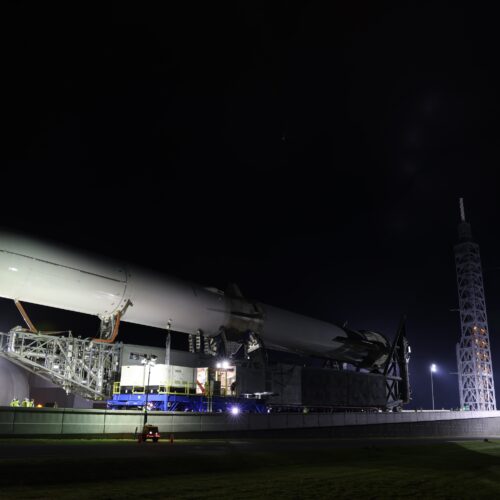
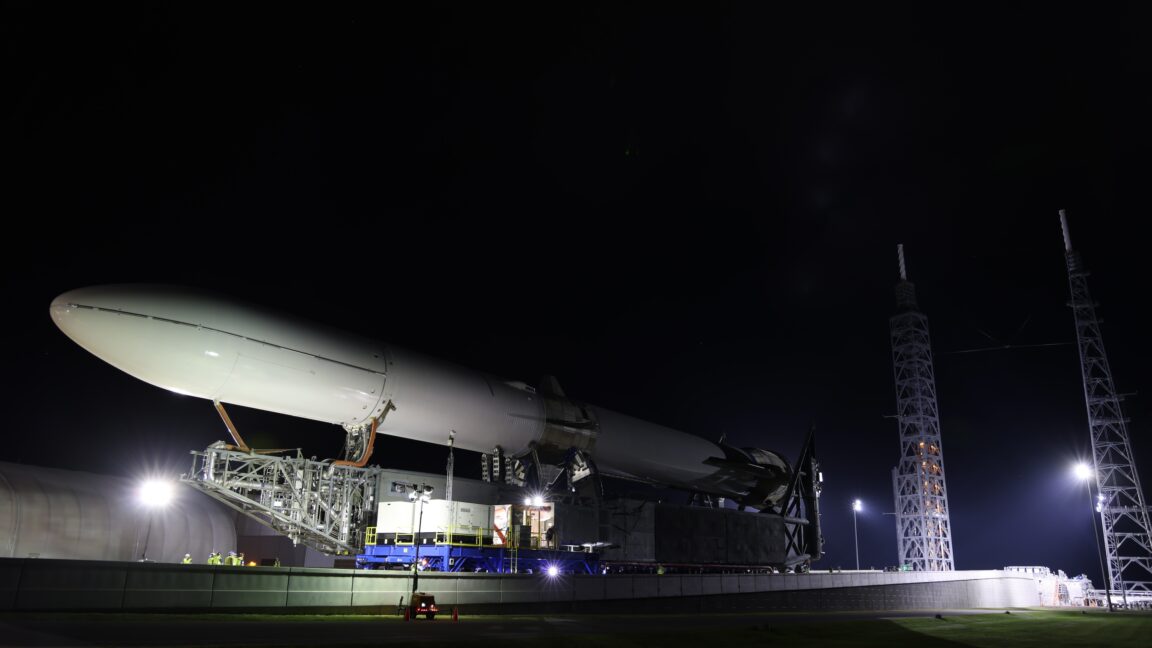
© Blue Origin
NASA’s Parker Solar Probe captured the first visible light images of Venus from space. The images, taken during two recent flybys, show a faint glow from the surface, revealing features like continents, plains, and plateaus. The images could help scientists learn about Venus’s geology and mineral make-up and understand why it became inhospitable while Earth […]
The post FIRST VISIBLE LIGHT IMAGES OF VENUS’ SURFACE FROM SPACE CAPTURED BY PARKER SOLAR PROBE appeared first on Science Bulletin.

What’s launching this week Early this morning, Monday, June 1, the state owned China Aerospace Science and Technology Corporation (CASC) successfully completed the maiden flight of the reusable Long March 12B — a two-stage, 236-foot (72-meter) rocket powered by nine liquid oxygen and kerosene engines with a 44,000-pound (20,000 kilogram) payload capacity. The mission launchedContinue reading "SpaceX, China set for busy launch week"
The post SpaceX, China set for busy launch week appeared first on Astronomy Magazine.
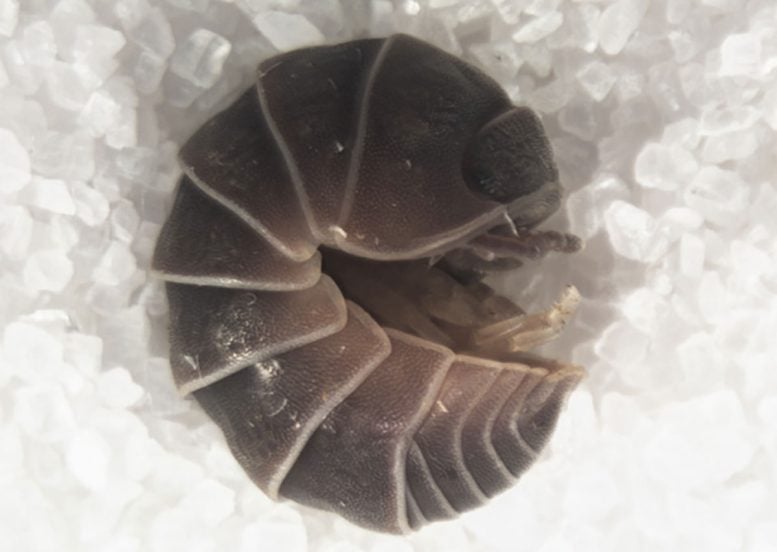 Artificial streetlights can lure isopods into massive circular processions that may leave them vulnerable to predators. Researchers have made a world-first observation of thousands of Israeli isopods leaving their normally solitary shelters and moving together in huge synchronized “death spirals” caused by artificial streetlights. By testing different light arrangements, the team found that vertical beams [...]
In the 1960s, two organizations were formed for cooperation around a European presence in space: the European Space Research Organization, which focused on scientific research, and the European Launcher Development Organization, which concentrated on engineering launch systems. By the end of the decade, however, dissatisfaction was growing with this split structure, and in 1968, theContinue reading "May 31, 1975: ESA begins operations"
The post May 31, 1975: ESA begins operations appeared first on Astronomy Magazine.

