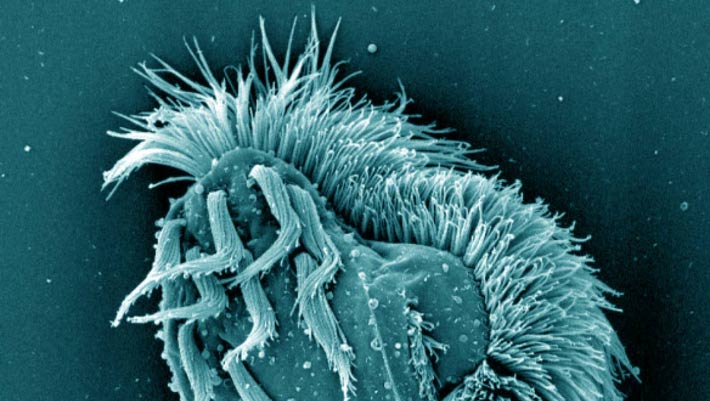
Euplotes gigatrox, a new species of ciliate collected from a seawater filtration system on the Caribbean Island of Curaçao, can transform into a cannibalistic ‘supergiant,’ raising new questions about the complexity of life at the microscopic scale.
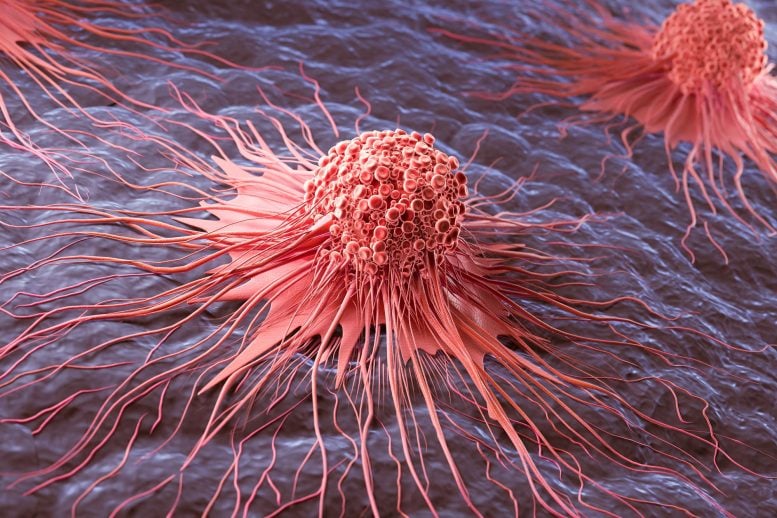
A closer look at cancer cells with extra chromosomes uncovered surprising traits linked to faster-growing, more dangerous tumors, pointing to potential new indicators of disease severity. Cancer cells are notorious for breaking the rules of biology. One of the most dramatic violations occurs when a cell suddenly doubles its entire genetic library, creating a chromosome-packed [...]
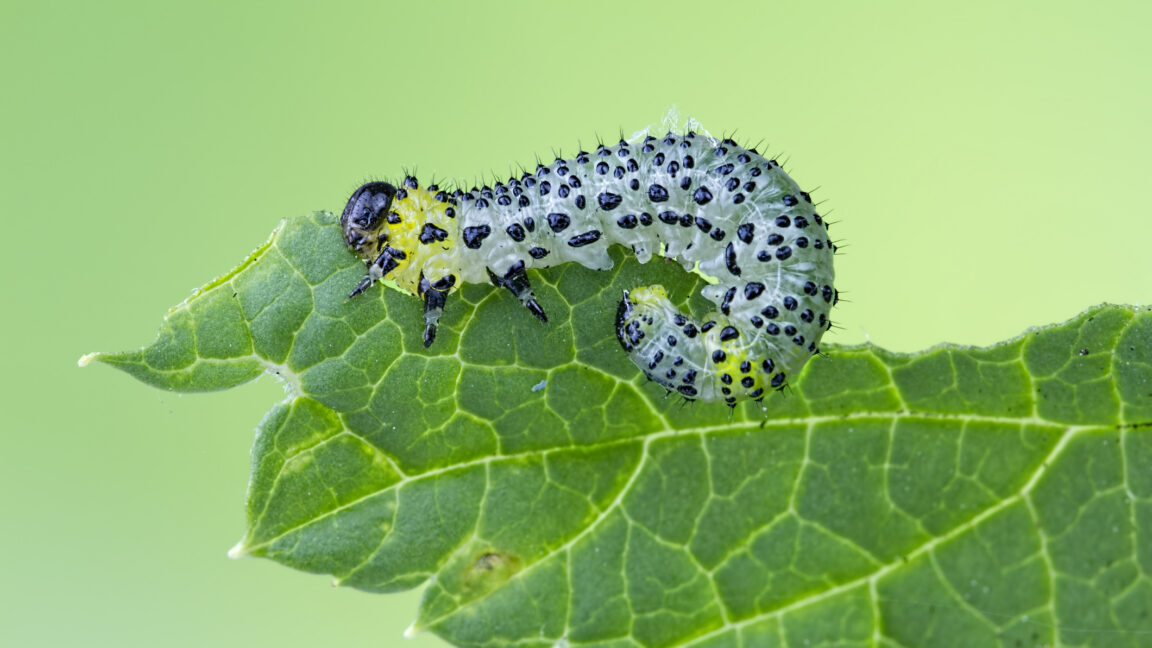
For decades, scientists have understood that plants can release volatile organic compounds—essentially airborne chemical signals—to attract the natural enemies of the things that eat them, like caterpillars. What we didn’t know was exactly how a plant translates the physical act of being eaten into a specific, predator-summoning distress signal.
“[One] thing we didn’t know is how the plant detects the caterpillar in the first place,” says Adam Steinbrenner, a biologist at the University of Washington. Now, after years of experimenting with common bean plants in the lab and in the agricultural fields of Oaxaca, Mexico, Steinbrenner’s team pinpointed a single immune receptor that orchestrates its anti-caterpillar defense system.
Drooling caterpillars
When an herbivorous insect like a caterpillar feeds on a plant, it introduces its saliva straight into the plant's damaged tissues. This saliva contains biological clues called HAMPs: herbivore-associated molecular patterns. One of the HAMPs molecules is a peptide called inceptin, and there’s an 11-amino acid fragment of inceptin named In11, as well. Both of them turn out to be a fragment of the ATP synthase found in chloroplasts—basically a piece of one of the plant’s own proteins. As the caterpillar ingests the leaf, its gut enzymes chop up the plant's cellular engines and their pieces, including In11, are regurgitated back onto the leaf’s surface, albeit at extremely small concentrations.
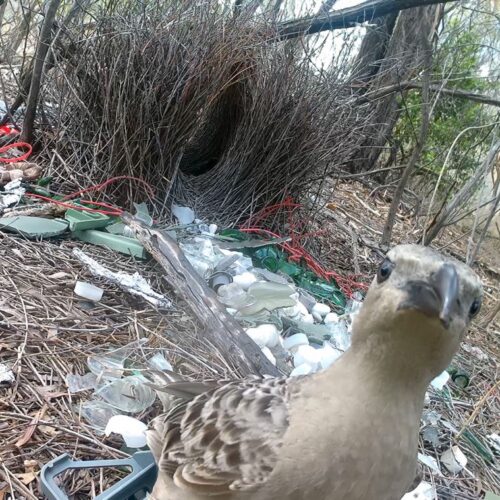
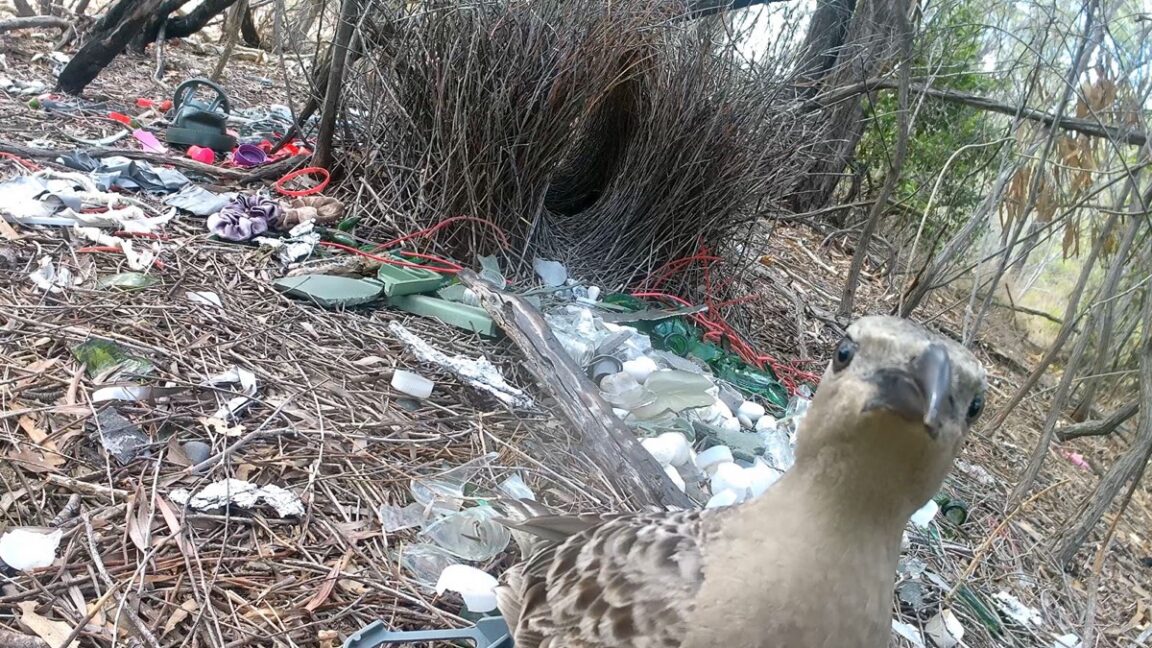
Male bowerbirds are notorious for their complex mating rituals. They build intricate tunnels out of twigs—the bowers from which they get their name—and then decorate them with random colorful items gleaned from the environment. When a female of the species shows up to check out a male's fancy digs, the male tosses his shiniest objects in her direction and shows off his plumage in hopes of impressing her.
According to a new paper published in the journal Royal Society Open Science by University of Exeter scientists, urbanization and the associated growing availability of brightly colored human-made items have had a significant impact on courtship display behavior in Australian male bowerbirds. There are marked differences in the choice of decorations for bowerbirds in urban versus rural environments. This might be because urban birds simply have greater access to the items than their rural counterparts, since birds in both environments show a marked preference for human items.
The University of Exeter researchers monitored the bowers of 61 male great bowerbirds in two sites in Australia's northern Queensland—the rural Dreghorn Cattle Station and the urban Townsville City—during the prime breeding season (September–December 2023). Then they photographed the bower decorations in situ from above in both visible and UV light (bowerbirds can see in the UV range), using an umbrella to create diffuse lighting.
Recent claims of potential biosignatures on the exoplanet K2-18b have been challenged by researchers at the University of Chicago. Their analysis suggests that the detection of dimethyl sulfide may be inconclusive due to overlapping signals from non-biological molecules, emphasizing the limitations of current detection technology and urging caution against premature conclusions.
A research paper proposes that advanced alien civilizations might be terraforming planets and spreading life through panspermia. It suggests that similarities among clustered planets could indicate extraterrestrial life, while acknowledging the challenges in detecting such life. This approach sidesteps the fundamental questions of life's origins.
That life might have come to earth traveling through outer space used to be a fringe theory called ‘panspermia’. But in the past decade or so, we have seen an interesting shift in how scientists regard the idea. Let’s take at one new study that might support ‘panspermia,’ as well as other facts that support the theory.
Natural selection allows animals – including humans – to slowly adapt to their environments over tens of thousands of years. Unfortunately for us humans, we’re quickly changing our environments and lifestyles, building sprawling cities and working at desks for 10 hours a day. According to a new paper, we now have good evidence that humans are no longer fit to live in the world we’ve created.
New observatories and spacecraft missions are probing environments in our solar system that could potentially host life but have long remained hidden. Icy moons like Saturn’s Enceladus and Jupiter’s Europa likely contain oceans beneath frozen outer shells. But a layer of ice prohibits space probes from sampling them directly. Exploring these icy moons is almost forensic: Their surfaces keep aContinue reading "Scientists used a method from ecology to identify whether icy moons could hold conditions for life"
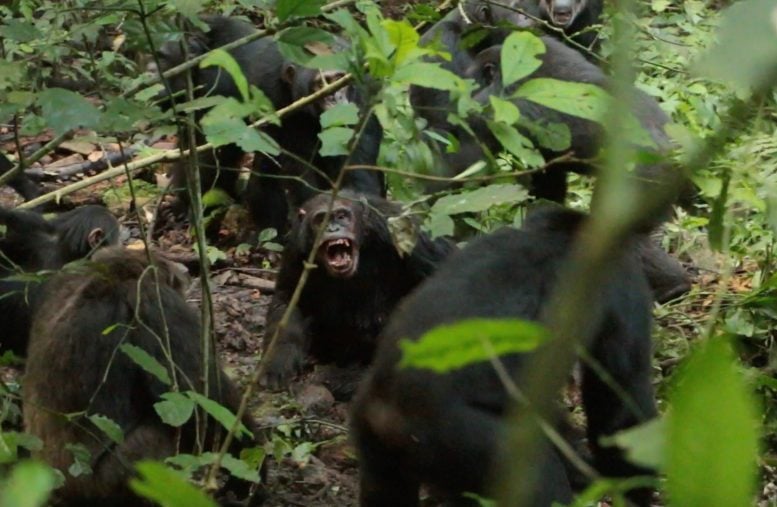
Wild chimpanzees in Uganda split into two separate communities and later engaged in deadly attacks against each other. Researchers believe the conflict shows how social relationships alone can fuel polarization and violence. The world’s largest known community of wild chimpanzees has permanently divided into two separate groups. Researchers from the University of Texas at Austin [...]
A new AI framework called MouseMapper allows scientists to examine disease-related changes across the entire body at cellular resolution. Obesity does much more than affect metabolism and fat storage. It also changes immune activity, nerve structure, and tissue organization throughout the body, raising the risk of conditions such as type 2 diabetes, cardiovascular disease, stroke, [...]
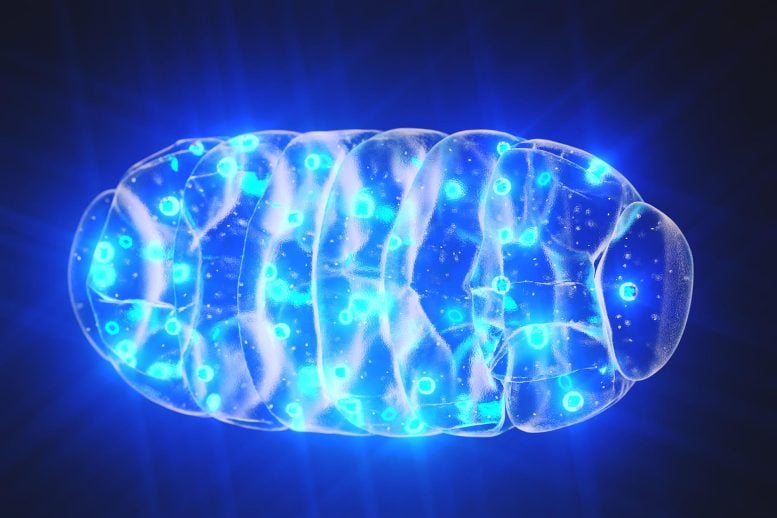
Scientists identified phosphatidylcholine loss as a key driver of mitochondrial aging and showed that restoring it can rejuvenate cellular energy networks. Why do cells age, and why do people gradually lose energy and vitality over time? Scientists have long focused on mitochondria, the tiny structures inside cells responsible for producing energy. Researchers now understand that [...]
New research suggests a widely used herbicide may have subtle but significant effects on honeybees. Growing flowering plants for pollinator gardens, farms, and home landscapes often requires herbicides to control weeds. Honeybees are naturally drawn to these areas and are essential for pollination. But researchers wanted to know what happens when bees are exposed to [...]
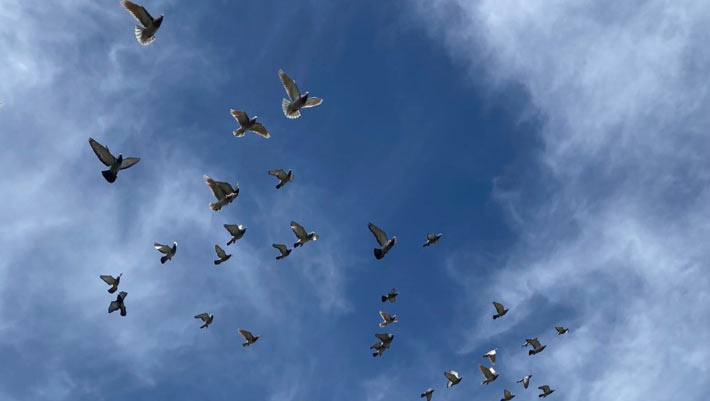
Scientists have identified supermagnetic macrophages in the livers of homing pigeons (Columba livia domestica) that appear essential for navigation when the Sun is not visible, pointing to an entirely new mechanism for animal magnetoreception.
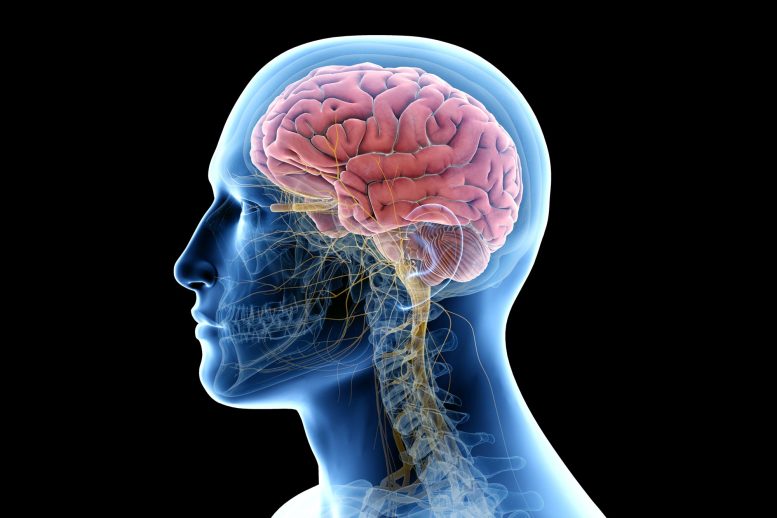
Researchers suggest that old psychoanalytic ideas and modern brain science may be describing the same mental processes from different angles. More than a century after Sigmund Freud developed his influential theories of the mind, some researchers believe modern neuroscience may be arriving at surprisingly similar conclusions. A new paper published in the neurocognitive journal Entropy [...]
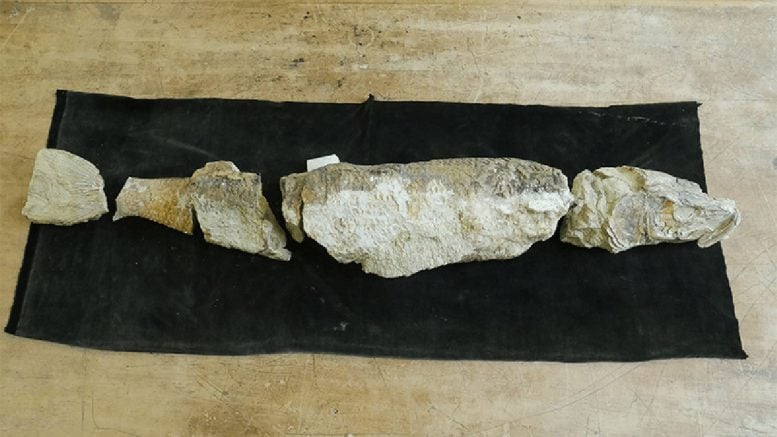
Field notebooks from the late Richard Köhler allowed researchers to finally catalog a remarkable fossil tarpon from Aotearoa New Zealand. Recently disclosed notebooks from a late paleontologist supplied the missing details researchers needed to complete their study of a “remarkable” fossil found nearly 30 years ago. Dr. Richard Köhler discovered the fossil fish in 1999 [...]
For 15 years, Sébastien Fontaine has been trying to kill dirt. The biochemist, who runs a lab at the French National Institute for Agriculture, Food, and Environment, wanted to know how much carbon is released by soil — just dirt alone, completely devoid of life. His team sealed dirt into jars and blasted them with sterilizing gamma radiation. Then they waited for the carbon dioxide released by…

 Login