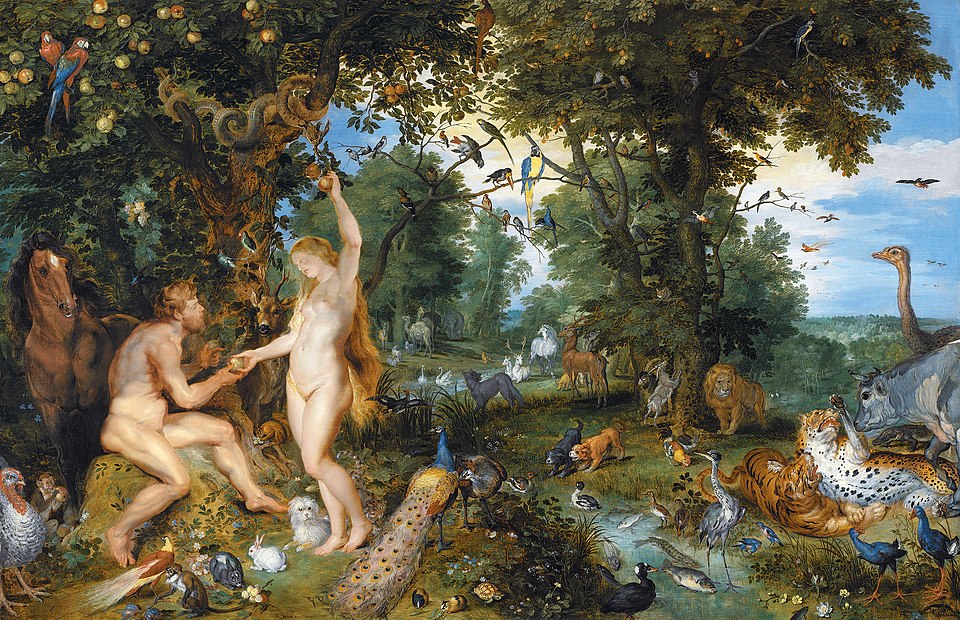
Sin abounds in the world today and the majority of Christians do not recognise it. Satan is out in the world and his deceptions are in full sway over the nations especially the evangelicals in the US states supporting wars against innocent civilians who did nothing to America.
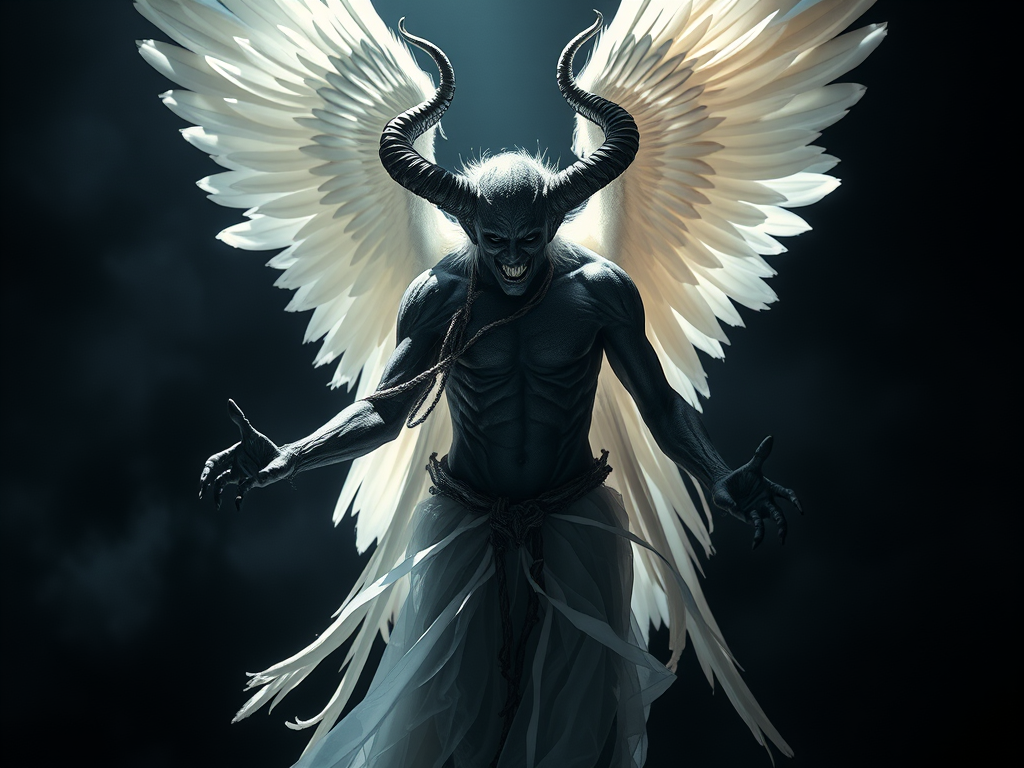
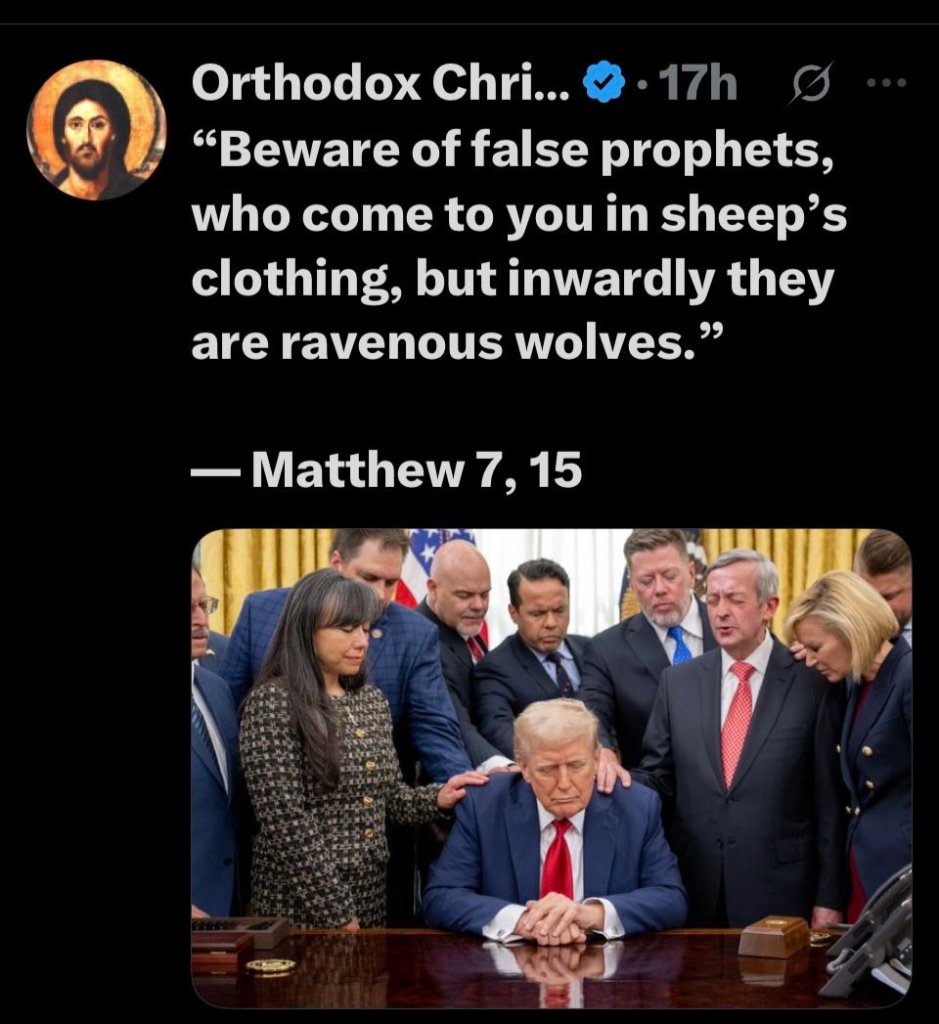
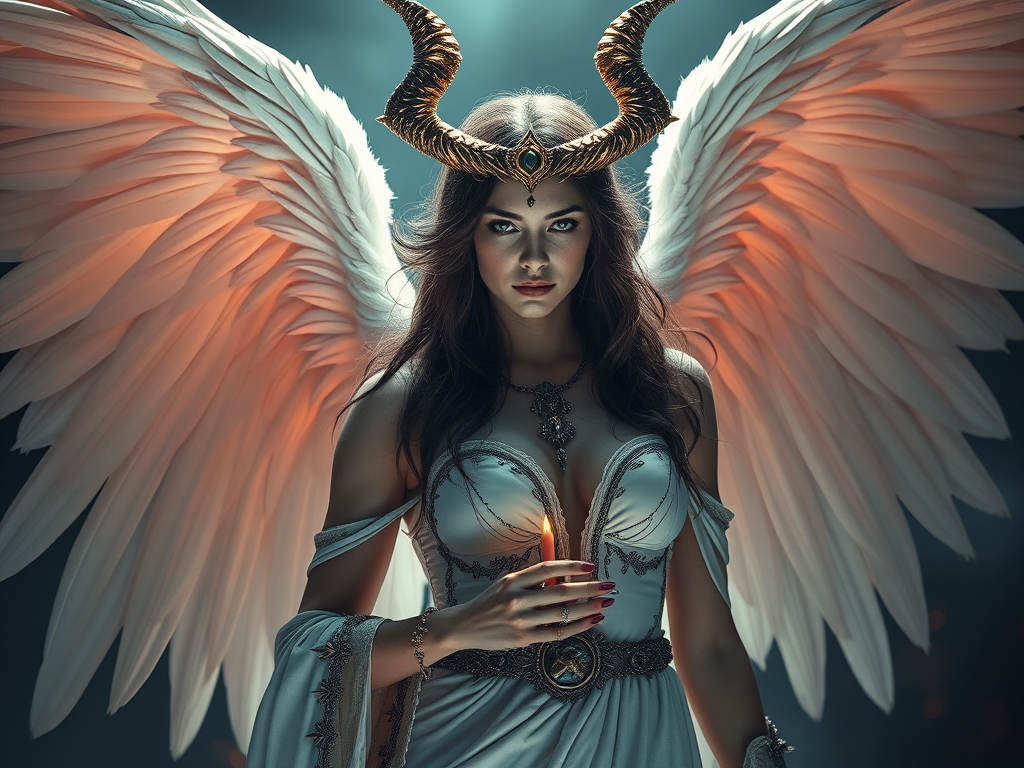
Satan has transformed his agents into ministers of light representing themselves as apostles, prophets, ministers and pastors to deceive and influence the powerful ones like President Donald Trump. These deceitful workers are, in fact, wolves in Christian clothing pushing for Satan’s goal of all out world war.
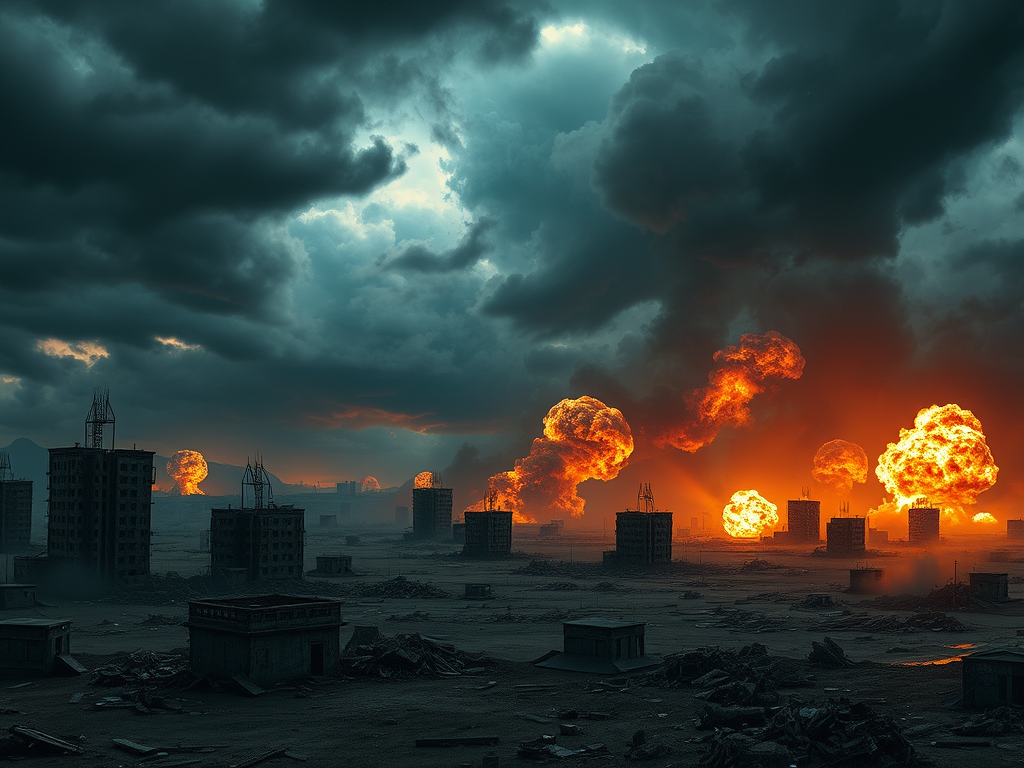
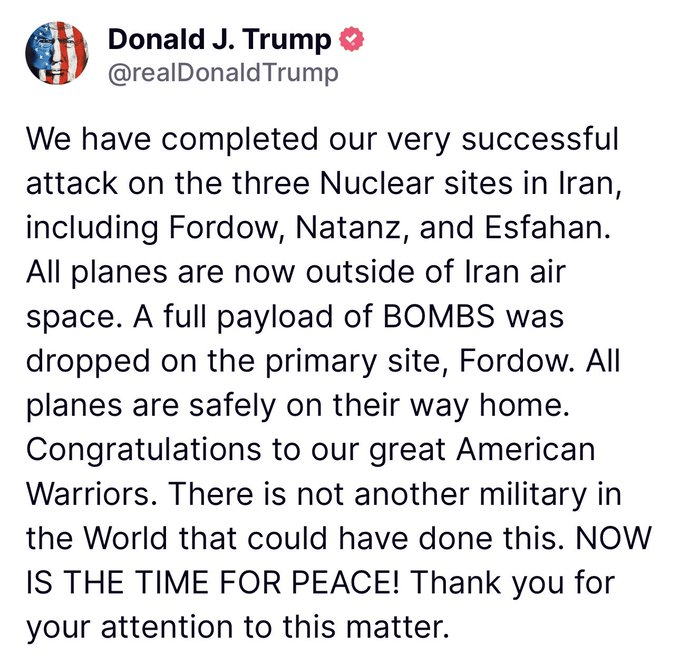
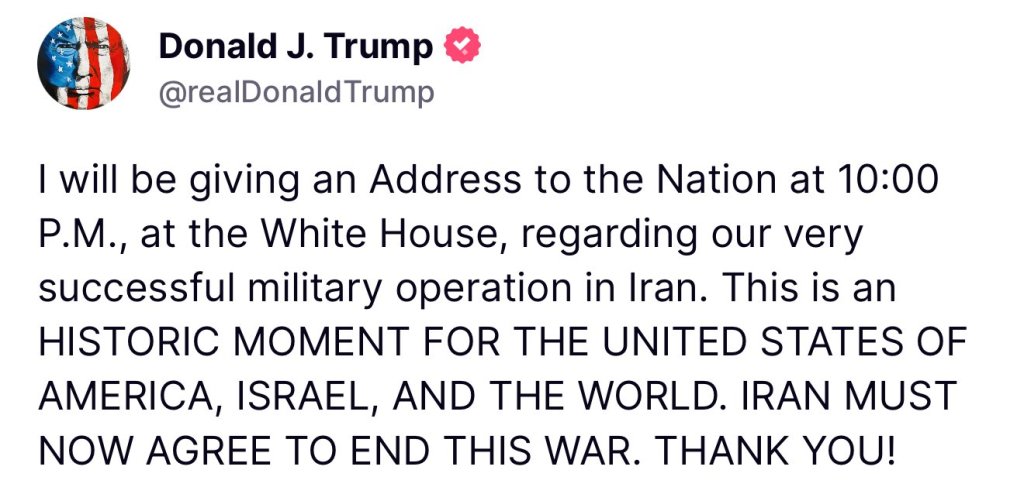
US President Trump's bombing of Iranian nuclear sites has escalated tensions, risking a regional war and potentially a global conflict. His actions have drawn criticism, with claims of betrayal from his supporters and warnings of dire consequences.
The Friday the 13th surprise unprovoked attack of the US and Israel on Iran may have woken the sleeping giants around the world. But it certainly exposed US President Donald Trump who is now acting like the AntiChrist.
Global depopulation efforts are driven by elites through vaccines, wars, disease, and digital surveillance. Characters like Donald Trump and Elon Musk are part of a deceptive agenda linked to the WEF Great Reset, aimed at resetting the global financial system and turning the world into a giant digital prison.
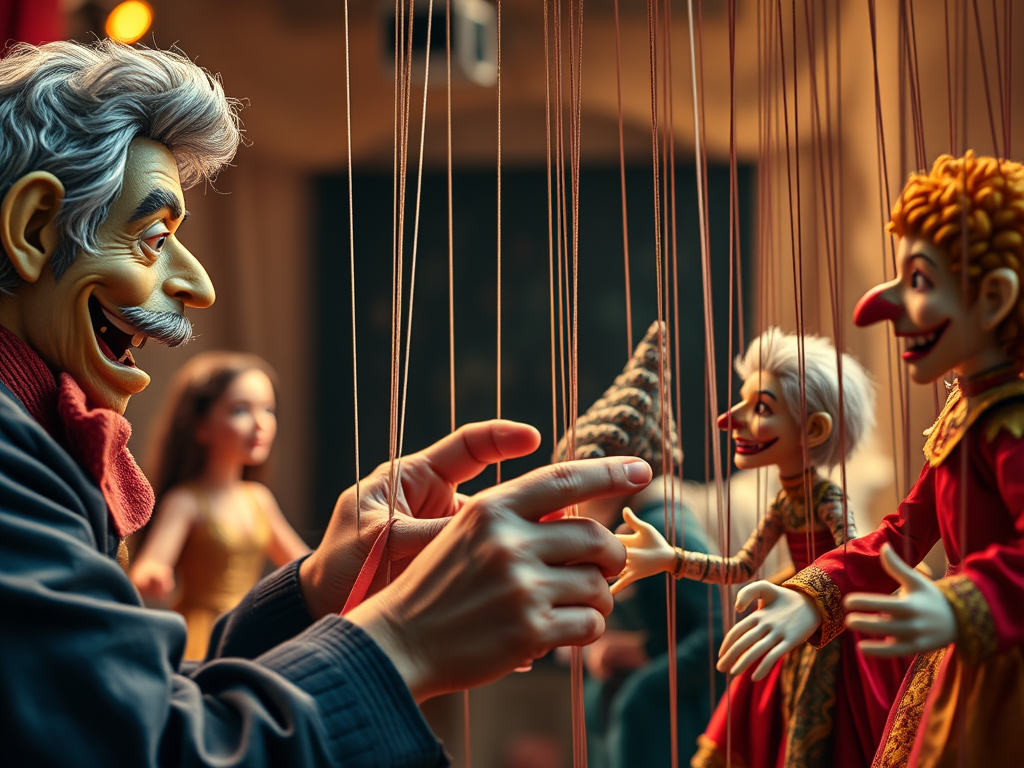
I assert that true power lies with the unseen puppet masters, controlling both political parties and elections through financial influence. I connect contemporary struggles to biblical references, urging a focus on faith rather than earthly leaders like Trump.
Is Donald Trump secretly a Jew even though he claims to be a Christian? He is seen praying to the dead Lubavitcher Rebbe, Rabbi Schneerson of the Chabad-Lubavitch cult. How could a true follower of Christ pray to the dead?
The globalists are terrified of Donald Trump getting elected for a second term because the MAGA movement is ultranationalist but the UN wants to create world citizens as opposed to national citizens. The UN intends to be the centralised global government which means a totalitarian dictatorship.
Pastor Biggs made a prophecy about Trump being shot and becoming a born-again Christian. He now predicts a global engineered mega plague. However, there are doubts about the accuracy of these prophecies. Trump's religious affiliation and policies are also brought into question. The discussion delves into Trump's role in promoting the Zionist agenda.
According to a Jewish rabbi, and the alleged symbolism of his ear being pierced, Donald Trump is considered to be the second non-Jewish Messiah to save Israel. The Messiah Trump will aid in establishing Jewish rule over the whole world.
Guardian investigation shows how US presidency blurs line between policy and enrichment of American ruling family and those around it
On a graffitied Sarajevo backstreet, a path leads past an overgrown patch of garden to a white door. Beyond is the registered office of a company that is on the brink of winning contracts worth more than $1bn.
AAFS Infrastructure and Energy is close to securing a concession to build and operate a pipeline across the Balkans to allow fossil gas shipped from the US to replace supplies that come from Russia. “This could be the most important infrastructure project ever in Bosnia and Herzegovina,” says one of the country’s top officials, who, like others, asks to remain anonymous to discuss sensitive negotiations.
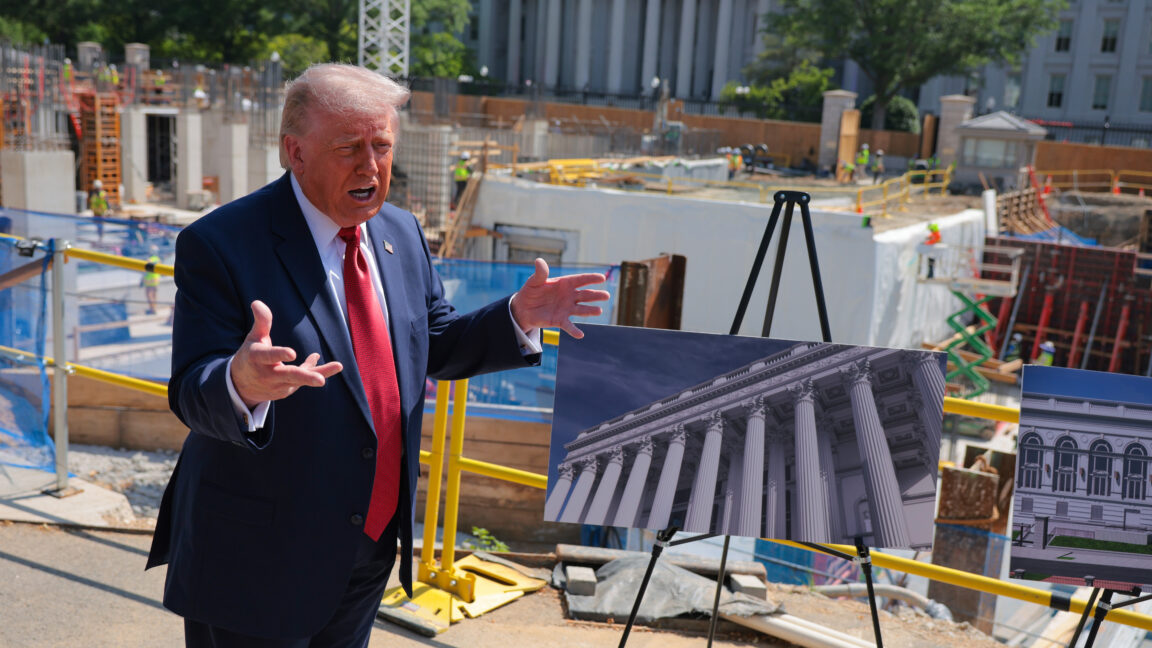
President Donald Trump’s latest pitch for using taxpayer dollars to secure his White House ballroom featured a militarized building—including a rooftop hardened against drone strikes and a “drone port” that could potentially house military drones.
The remarks came on May 19 as Trump gave reporters a personal tour of the ballroom project that has already involved the demolition of the White House mansion’s East Wing. The president spoke of installing a rooftop drone base “for unlimited numbers of drones” operated by the US military as a “drone port that would protect all of Washington,” according to Reuters. He also highlighted a ballroom roof made from “impenetrable steel” that would supposedly be “drone-proof” against potential drone strikes.
To pay for such measures, Trump has been urging Republican lawmakers in the US Congress to approve $1 billion in taxpayer funding to provide a wide variety of “security adjustments and upgrades” for his ballroom project. The taxpayer-backed security enhancements would be separate from the $400 million construction cost for the ballroom project that has been funded by private donors, including companies such as Amazon, Apple, Coinbase, Comcast, Google, HP Inc., Lockheed Martin, Meta, Micron Technology, Microsoft, Palantir, Ripple, and T-Mobile.

 Login