People under stress may find it harder to orient themselves in space, and researchers in Bochum have identified a possible reason why. The stress hormone cortisol appears to interfere with the brain system that helps people navigate. It weakens the activity of grid cells, which are important for spatial orientation. Researchers at Ruhr University Bochum [...]
Two new tool compounds may help scientists study TAOK proteins linked to Alzheimer’s disease and other neurological disorders. Alzheimer’s disease is the leading cause of dementia and affects more than seven million people in the United States. Some treatments can slow the disease, but most address symptoms rather than the root biology, and none can [...]
Scientists may have found a completely new way to treat depression by targeting inflammation instead of brain chemistry. A small clinical trial led by researchers at the University of Bristol suggests that targeting the immune system could help people with depression who do not improve with standard antidepressant medications. The findings, published May 20 in [...]
Researchers suggest that old psychoanalytic ideas and modern brain science may be describing the same mental processes from different angles. More than a century after Sigmund Freud developed his influential theories of the mind, some researchers believe modern neuroscience may be arriving at surprisingly similar conclusions. A new paper published in the neurocognitive journal Entropy [...]
Amateur male soccer players had greater changes in certain blood markers associated with neural damage the harder and more frequently they headed balls.
A simple writing task may offer clues about aging brains. Researchers found that dictation, in particular, exposed subtle differences linked to cognitive impairment. Handwriting depends on both fine motor skills and complex mental processes, including selecting, organizing, and interpreting sensory information. Because writing places heavy demands on the brain, changes in handwriting may help reveal [...]
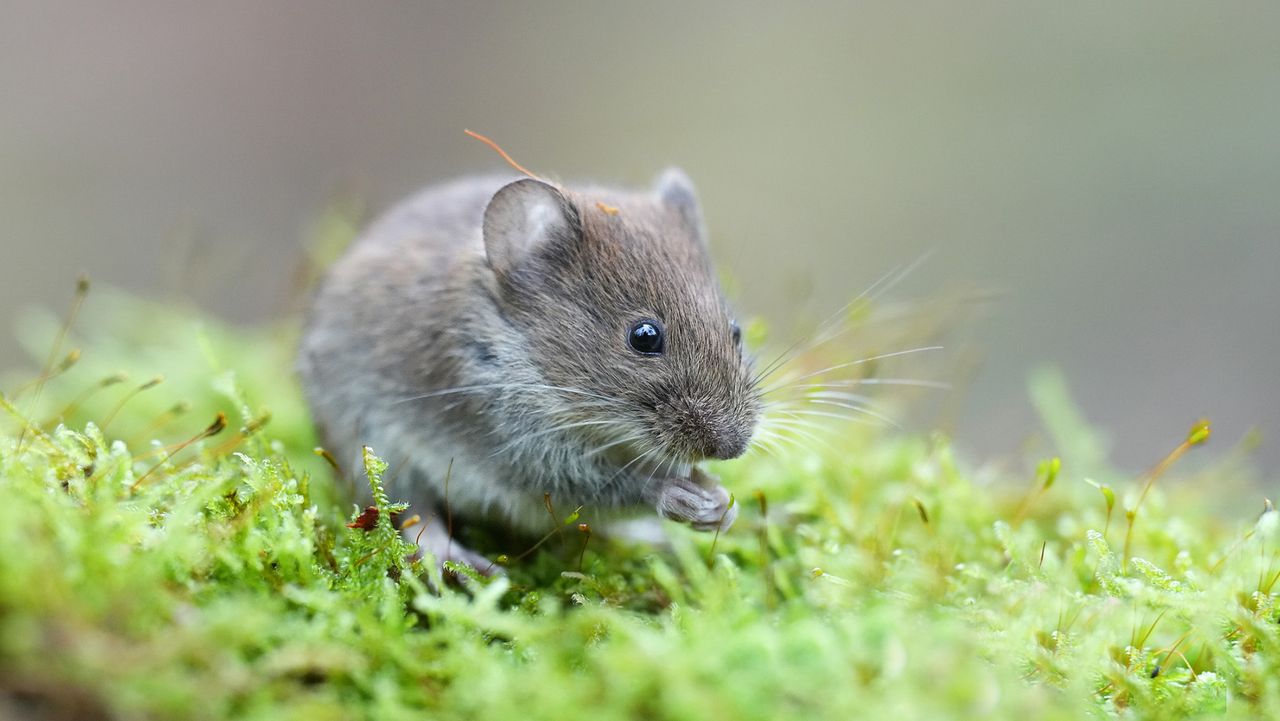
Scientists restored young gut bacteria in aging mice and saw signs of rejuvenation along with complete protection from liver cancer. Returning the gut microbiome to a more youthful state could help slow aging and lower the risk of liver cancer, according to research entitled “Restoration of a youthful gut microbiome reduces liver aging and suppresses [...]
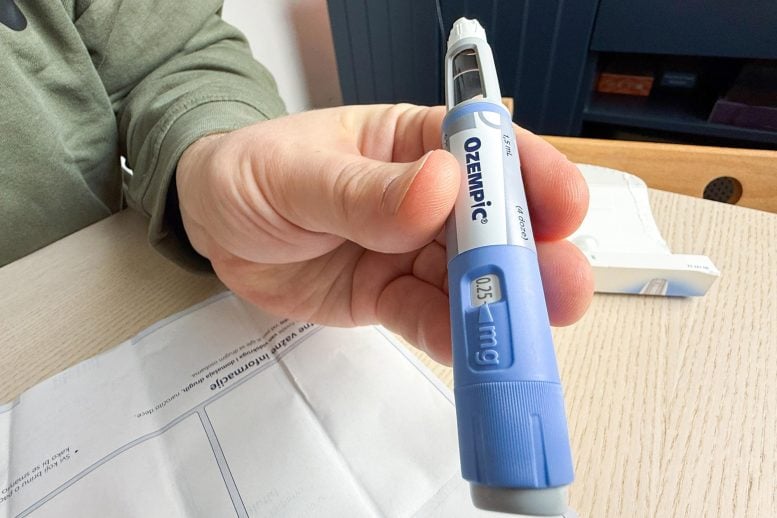
Scientists may have found the brain-cell switch that determines how long Ozempic’s weight-loss effects last. Researchers at the National Institutes of Health (NIH) have gained new insight into how GLP-1 receptor agonists such as semaglutide produce their weight-loss effects. While scientists have long known which areas of the brain are involved, much less has been [...]
A tropical fruit best known for its sweet flavor may also help tackle one of the world’s most common nutritional problems. Regularly drinking guava juice could be a simple and affordable way to help reduce the risk of anemia among women in low and middle income countries, according to a review of existing research published [...]
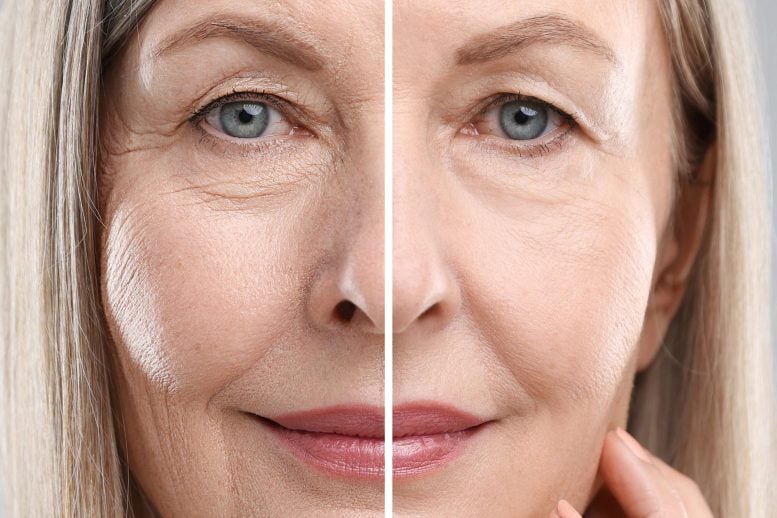
Scientists are discovering that some of the cells linked to aging may also be key to staying healthy. A growing body of research is changing how scientists view one of aging biology’s most studied cell types: senescent cells, often called “zombie cells.” While these cells have long been associated with aging and chronic disease, new [...]
A remarkable new study of the world’s oldest verified living person reveals a surprising picture of extreme longevity. Maria Branyas lived through two world wars, the 1918 flu pandemic, the Spanish Civil War, and COVID-19. When she died in 2024 at age 117 years and 168 days, she was the oldest verified living person in [...]
Clinical trials in China are getting attention at an international oncology gathering in Chicago. China’s surging biotechnology industry is fueling alarm that U.S. dominance in the field is waning.
Stanley Plotkin, 93, was instrumental in developing a number of vaccines over the course of his career. He recently said that he’s “beginning to regret having lived so long—because we’re going downhill.” How could we possibly have gotten here?
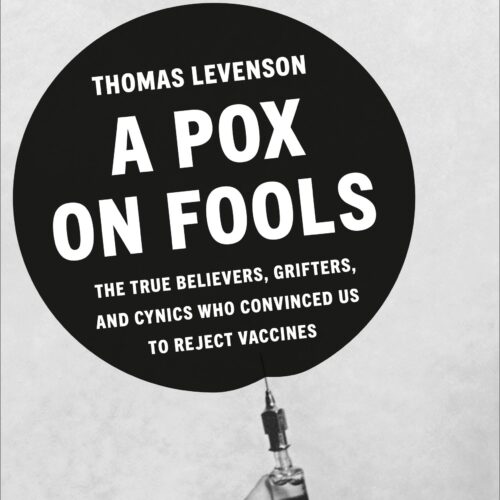
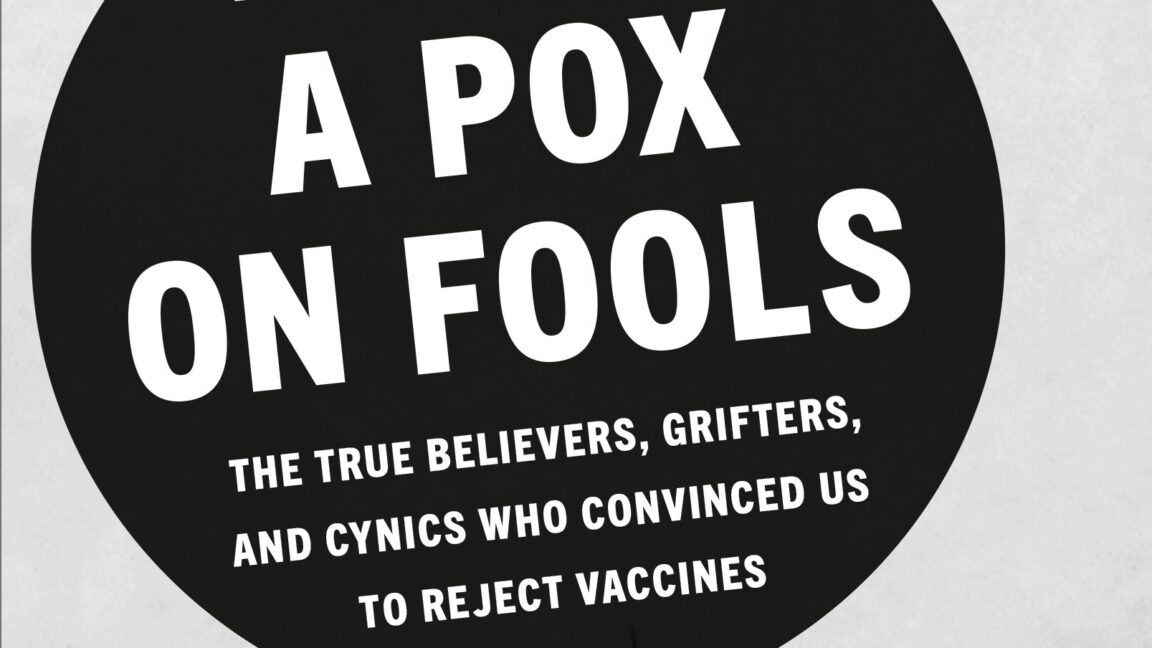
Maybe we’ve always been here. It turns out that the anti-vaccine arguments currently flooding the Internet have been around for as long as vaccines have. In his new book A Pox on Fools, Thomas Levenson breaks them down into three categories, as made clear in the book’s subtitle: “The True Believers, Grifters, and Cynics Who Convinced Us to Reject Vaccines.” The accusations these people levy against vaccines can just as easily be used to categorize the arguments themselves: They are wrong, they are bad, and they are intolerable.
Wrong
As Levenson tells it, in the early 18th century, a couple of forward-thinking Westerners learned about inoculations against smallpox from Ottoman women and an enslaved African. At that point, infectious disease was by far the leading cause of death, as it had been forever. In the 19th century, roughly 40 percent of babies died of infection before they turned 5.
Long-haul travelers often feel totally out of whack for several days after arriving at their destination. Jet lag is a natural phenomenon, but can it be prevented?
The babies were part of a vaccine trial for a respiratory virus in the 1960s and died shortly after. Their families said they had been unaware of the trial until recently.
A new needle-free technology isn't ready to replace blood draws, but it could serve as a screening tool to flag people who need a full-blown blood test.

 Login

 People under stress may find it harder to orient themselves in space, and researchers in Bochum have identified a possible reason why. The stress hormone cortisol appears to interfere with the brain system that helps people navigate. It weakens the activity of grid cells, which are important for spatial orientation. Researchers at Ruhr University Bochum [...]