Artificial streetlights can lure isopods into massive circular processions that may leave them vulnerable to predators. Researchers have made a world-first observation of thousands of Israeli isopods leaving their normally solitary shelters and moving together in huge synchronized “death spirals” caused by artificial streetlights. By testing different light arrangements, the team found that vertical beams [...]
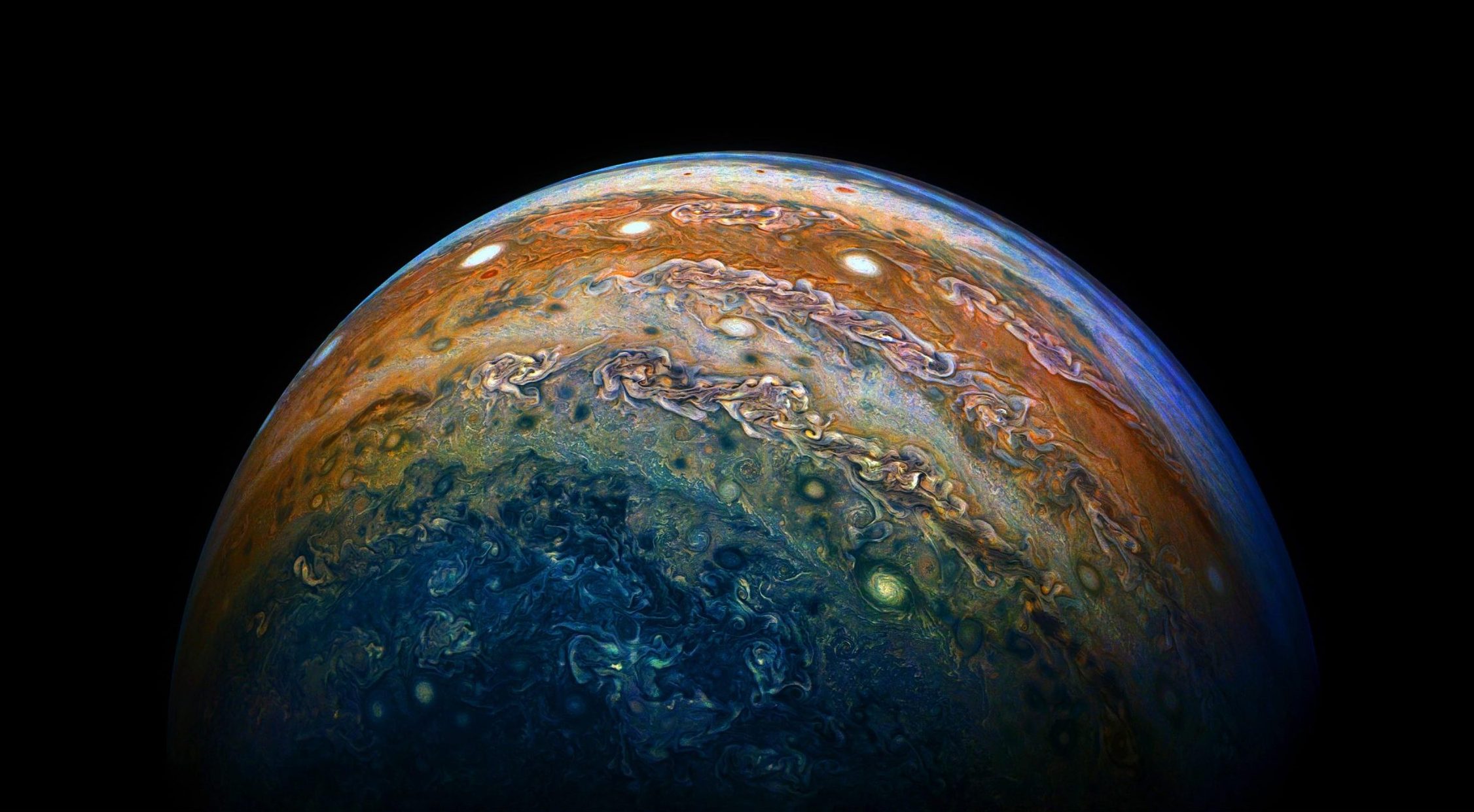
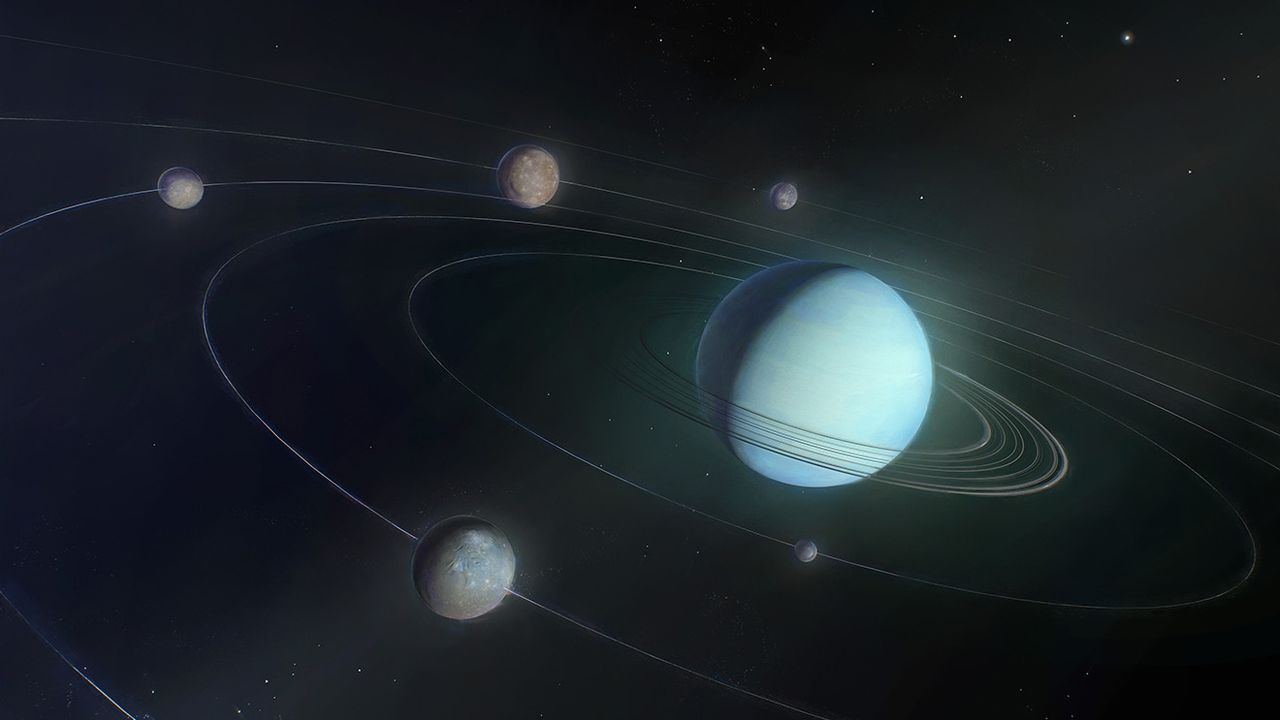
Jupiter dominates the Solar System’s architecture. At about 318 times Earth’s mass and orbiting far beyond Mars, it acts as a gravitational gatekeeper, tugging on asteroids and comets that might otherwise stay put or never reach the inner planets. Remove Jupiter from the picture and Earth’s impact environment would change in complicated ways. It would […]
SpaceX launched the first test flight of its upgraded Starship rocket and Super Heavy booster Friday, with mostly positive results.
The powerful rocket, propelled by 33 methane-fueled main engines, climbed away from SpaceX's Starbase launch facility in South Texas at 5:30 pm CDT (6:30 pm EDT; 22:30 UTC) Friday. Within a few seconds, the 408-foot-tall (124-meter) rocket, the largest ever built, cleared the launch tower and turned onto an eastward heading over the Gulf of Mexico.
Starship splashed down on target in the Indian Ocean a little more than an hour later to conclude the first flight of the latest version of SpaceX's stainless-steel mega-rocket. Starship V3 fared better on its debut than the first flights of Starship V1 and V2 in 2023 and 2025. Both past versions of Starship broke apart during launch on their inaugural flights.
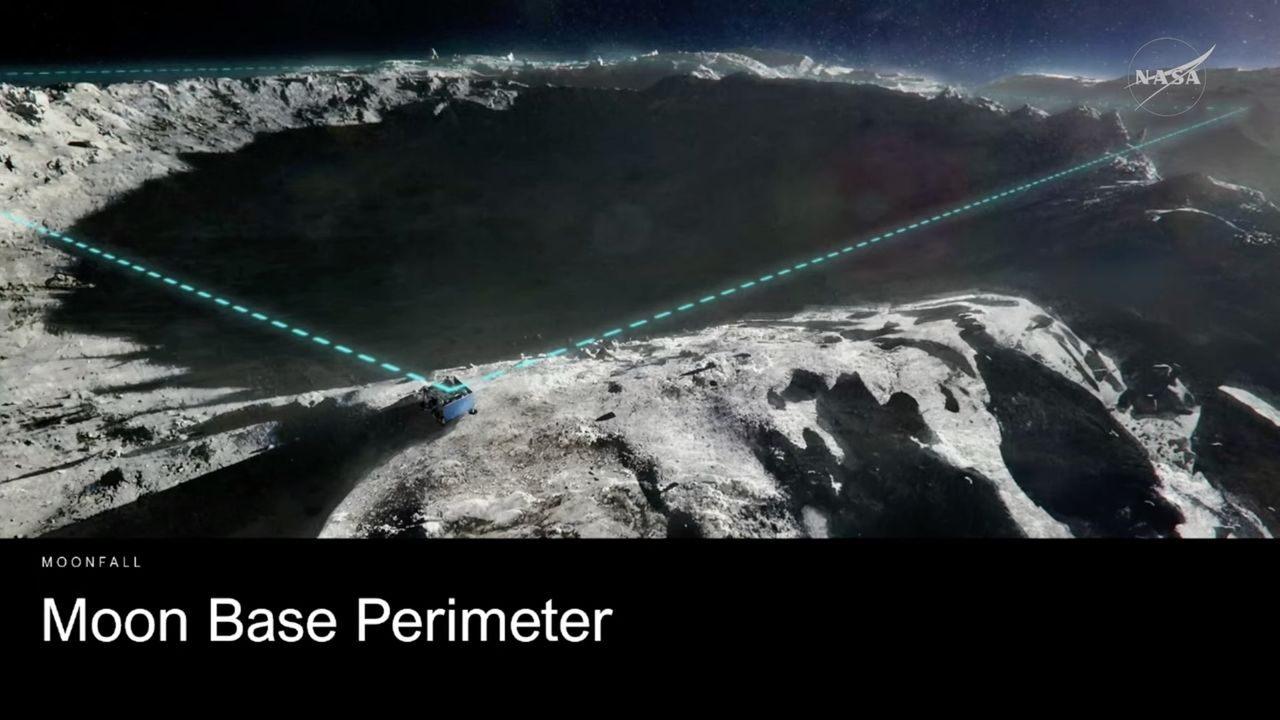
NASA envisions its moon base covering hundreds of square miles, and hopping scout drones may mark the facility's perimeter. The agency just awarded $1 billion in contracts to get the ball rolling.
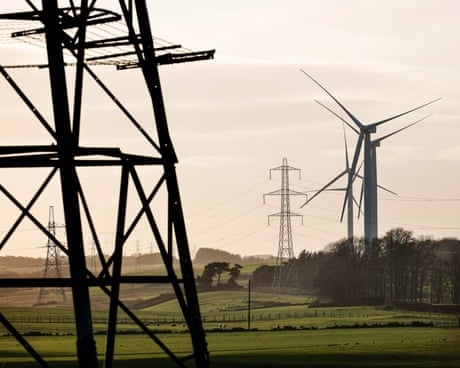
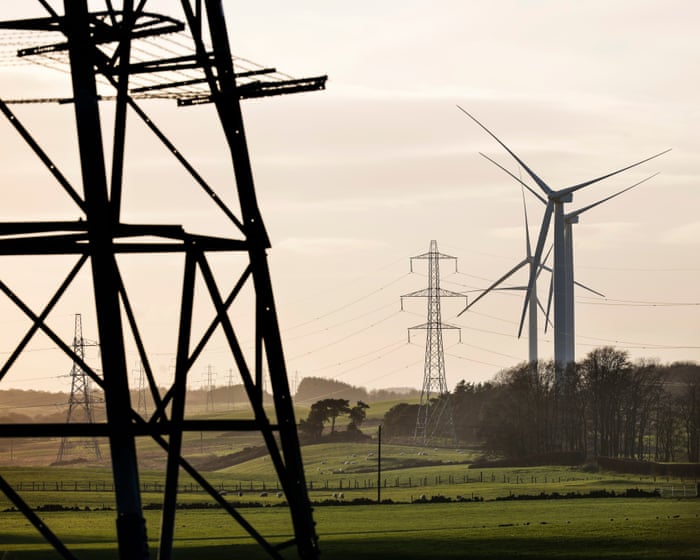
Regulator could do us all a favour with clear multi-year forecasts and breakdowns of electricity pricing
It is easy to predict where the energy regulator will set the next quarterly price cap on Wednesday. It’s just a matter of tracking wholesale prices in Ofgem’s relevant backward-looking “observation period”. Energy consultant Cornwall Insight thinks the typical household bill be £1,850, an increase of £209 from the previous quarter. It will be surprising if it is out by more than a few quid.
One can also make a fair guess at the regulator’s messaging. It will talk about the unavoidable impact from the surge in energy prices that followed the closure of the strait of Hormuz. It may also say the increase would be even greater than 13% without the additional wind and solar generation on the system these days. Fair enough. Gas sets the wholesale price of electricity only 60% of the time now, down from 90% not long ago.
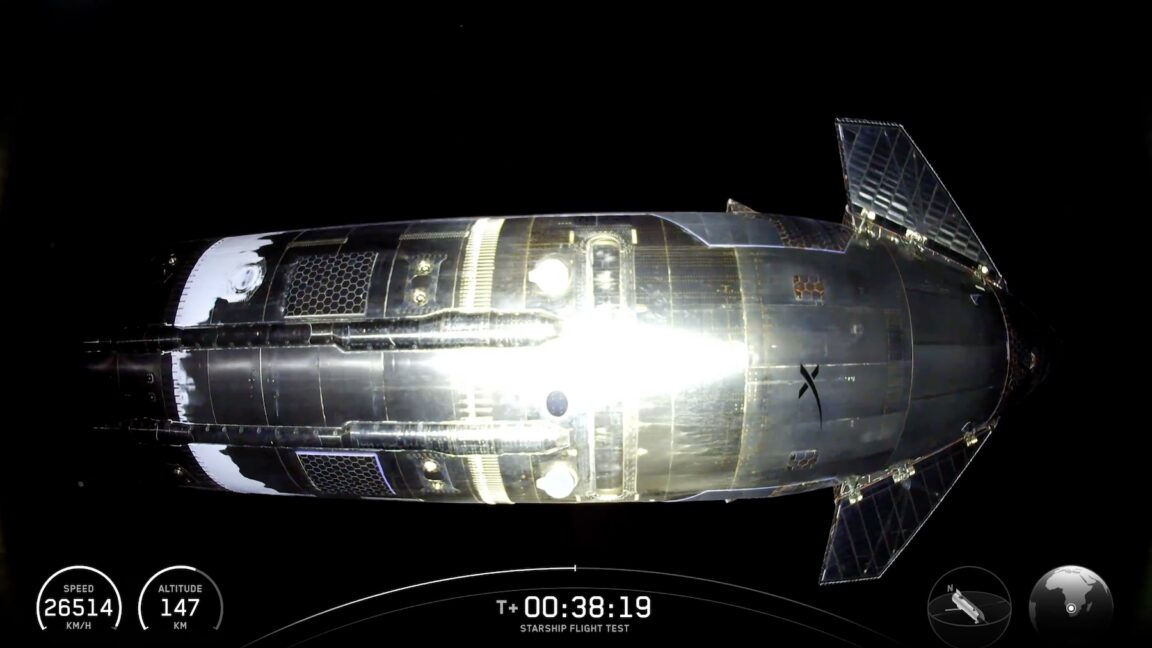
SpaceX launched the first test flight of its upgraded Starship rocket and Super Heavy booster Friday, with mostly positive results.
The powerful rocket, propelled by 33 methane-fueled main engines, climbed away from SpaceX's Starbase launch facility in South Texas at 5:30 pm CDT (6:30 pm EDT; 22:30 UTC) Friday. Within a few seconds, the 408-foot-tall (124-meter) rocket, the largest ever built, cleared the launch tower and turned onto an eastward heading over the Gulf of Mexico.
Starship splashed down on target in the Indian Ocean a little more than an hour later to conclude the first flight of the latest version of SpaceX's stainless-steel mega-rocket. Starship V3 fared better on its debut than the first flights of Starship V1 and V2 in 2023 and 2025. Both past versions of Starship broke apart during launch on their inaugural flights.
There are more opportunities to access space than ever, thanks to a bevy of commercial rockets, some with reusable boosters, led by SpaceX's workhorse Falcon 9. So why is NASA launching fewer telescopes and planetary science missions than it did a quarter-century ago?
The answer is complex. It is not necessarily the money. The space agency's science budget this year is $7.25 billion, roughly the same as it was in 2000, adjusted for inflation. This is despite attempts by the Trump administration to drastically reduce NASA science funding.
In the early months of his tenure, NASA Administrator Jared Isaacman's focus has been on human spaceflight and the Moon. This isn't terribly surprising given NASA's wildly successful Artemis II mission carrying four astronauts around the Moon last month. Since taking office in December, Isaacman has announced an overhaul of the Artemis program, canceling a space station to be built in orbit around the Moon in favor of construction of a base on the lunar surface.
The concept of quantum superposition (or superposition for short) is very counterintuitive, as Schr##\ddot{\text{o}}##dinger noted in 1935 writing [1], “One can even set up quite ridiculous cases.” To make his point, he assumed a cat was closed out of sight in a box with a radioactive material that would decay with 50% probability within an...
 Login




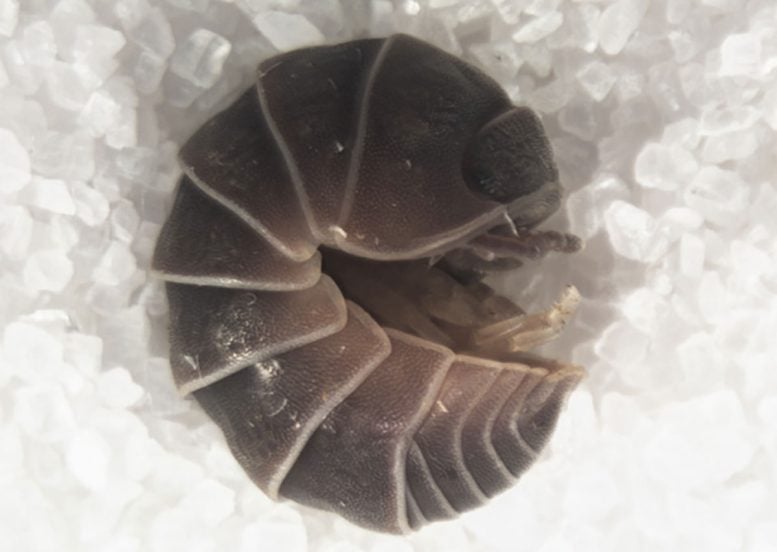 Artificial streetlights can lure isopods into massive circular processions that may leave them vulnerable to predators. Researchers have made a world-first observation of thousands of Israeli isopods leaving their normally solitary shelters and moving together in huge synchronized “death spirals” caused by artificial streetlights. By testing different light arrangements, the team found that vertical beams [...]