 Login

Dead Zones in the Ocean

© James R.D. Scott / Getty Images

© James R.D. Scott / Getty Images
 Stanford researchers have developed a microscope that can show how nanostructures interact inside living cells at the highest resolution achieved so far. The view into living cells just got better. Stanford researchers have merged two microscopy methods to build a unique instrument that can capture cell structures interacting in real time at an unprecedented resolution [...]
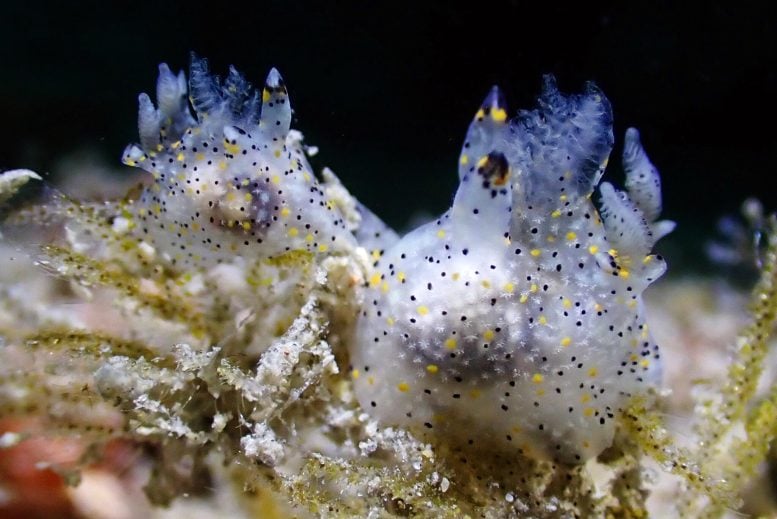 A sesame-seed-sized sea slug discovered in Taiwan is revealing a hidden world of tiny ocean life. A newly identified species of sea slug, so small that it is barely larger than a sesame seed, has been discovered in the coastal waters of Keelung, Taiwan. The tiny marine animal, named Thecacera sesama, features a translucent body [...]
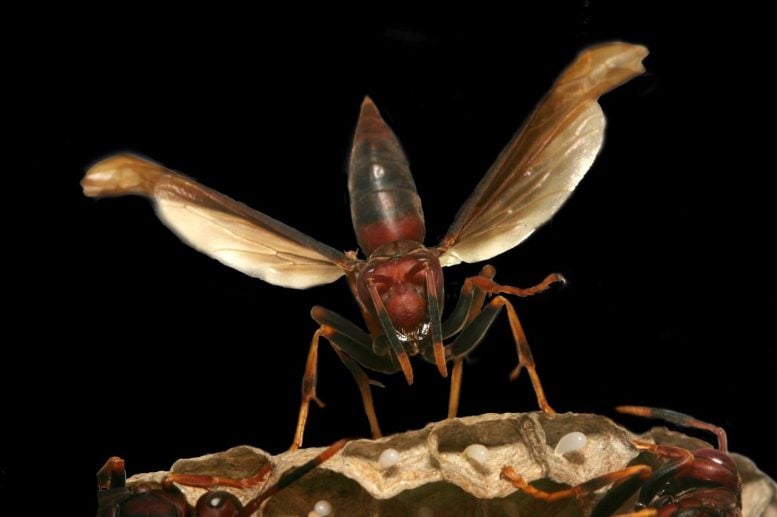 The loss of a queen triggers intense battles for power among female wasps, disrupting the colony’s social structure. Surprisingly, other wasps avoid the fighting and keep the colony functioning by taking care of its most important daily tasks. What happens when a queen suddenly disappears from a wasp colony? According to new research led by [...]
 A new evolutionary analysis suggests that modern blood and immune cells may preserve a 700-million-year legacy inherited from ancient single-celled ancestors. Long before humans, dinosaurs, or even fish existed, ancient single-celled organisms may have already carried the genetic blueprint for one of the body’s most important systems: blood. A new study from Kyoto University suggests [...]
 Scientists are discovering that some of the cells linked to aging may also be key to staying healthy. A growing body of research is changing how scientists view one of aging biology’s most studied cell types: senescent cells, often called “zombie cells.” While these cells have long been associated with aging and chronic disease, new [...]
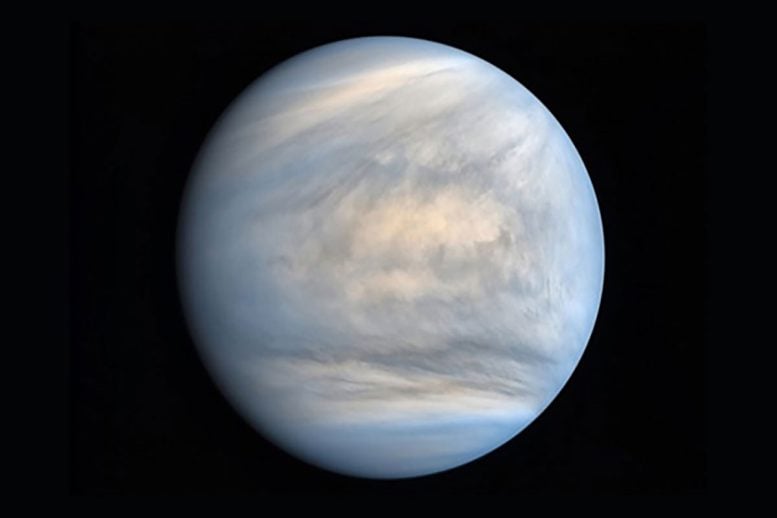 Models suggest that impact-ejected material from Earth could reach Venus’ clouds and potentially survive there briefly. Panspermia is the idea that life, or the ingredients needed for life, can move through space on asteroids, comets, and other objects. If life’s building blocks appear on one planet, a powerful impact could blast material from its surface [...]
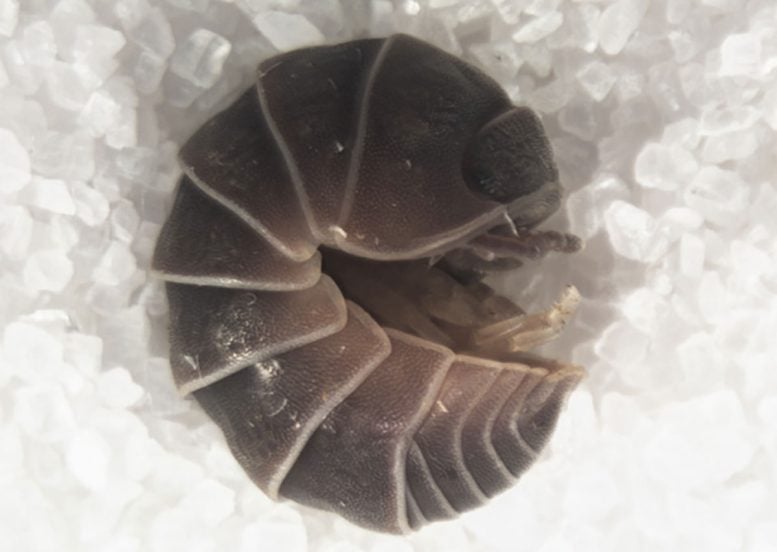 Artificial streetlights can lure isopods into massive circular processions that may leave them vulnerable to predators. Researchers have made a world-first observation of thousands of Israeli isopods leaving their normally solitary shelters and moving together in huge synchronized “death spirals” caused by artificial streetlights. By testing different light arrangements, the team found that vertical beams [...]
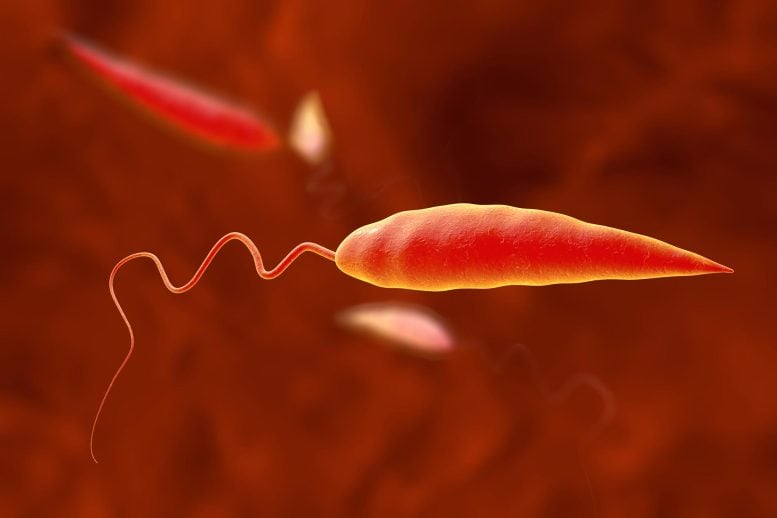 Leishmania parasites appear to evolve through widespread genetic exchange, reshaping assumptions about how they adapt and spread. A parasite long thought to spread mostly by cloning itself may be far more genetically dynamic than scientists once believed. A new international study suggests that Leishmania—a group of microscopic parasites responsible for debilitating tropical diseases—regularly swaps genetic [...]
 A remarkable new study of the world’s oldest verified living person reveals a surprising picture of extreme longevity. Maria Branyas lived through two world wars, the 1918 flu pandemic, the Spanish Civil War, and COVID-19. When she died in 2024 at age 117 years and 168 days, she was the oldest verified living person in [...]
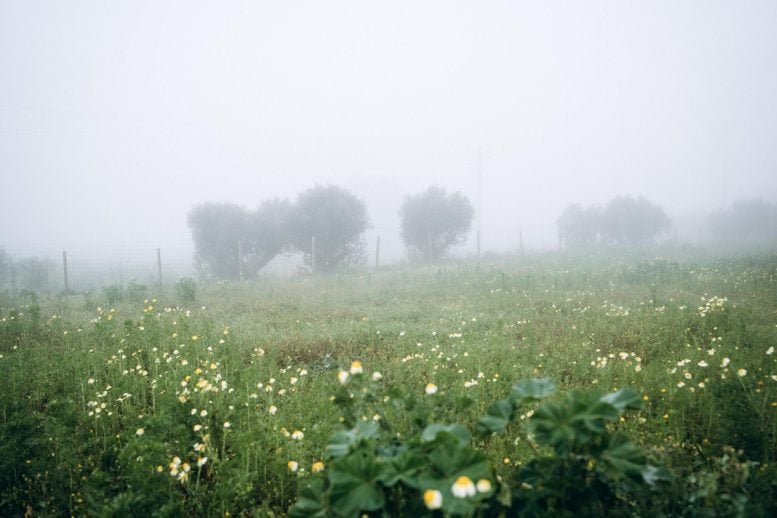 Scientists discovered that fog droplets can host living bacteria that grow and help remove harmful pollutants from the atmosphere, revealing fog as a surprisingly active microbial environment. Every breath you take may contain microscopic hitchhikers floating through the atmosphere. Scientists have known for years that bacteria drift through clouds and air currents, but new research [...]
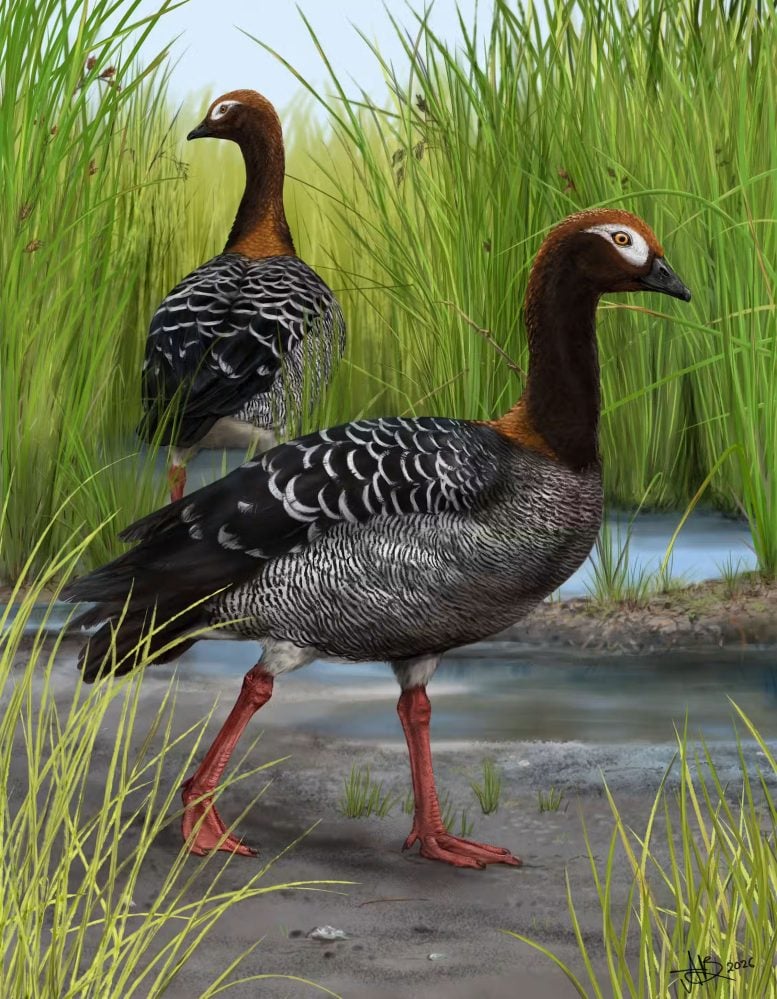 A newly described fossil goose shows that New Zealand’s bird history involved repeated arrivals, extinctions, and rapid island evolution. A rare fossil goose found in the remains of an ancient lake in Central Otago is changing how scientists understand the bird history of Aotearoa New Zealand, according to a researcher at the University of Otago [...]
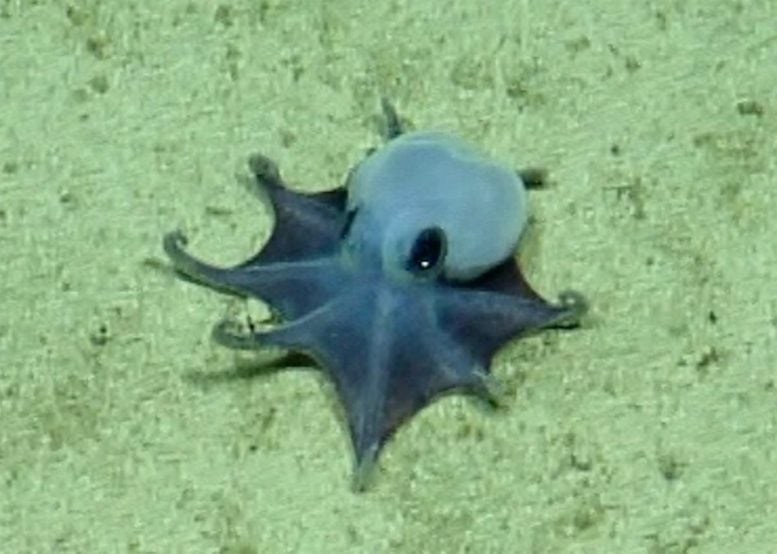 A newly discovered tiny blue octopus from the Galápagos is a striking reminder that the deep ocean still holds countless secrets. The Galápagos Islands, located off the coast of Ecuador, are famous for their remarkable wildlife. More than a thousand species of plants and animals found there exist nowhere else on Earth, including giant tortoises [...]
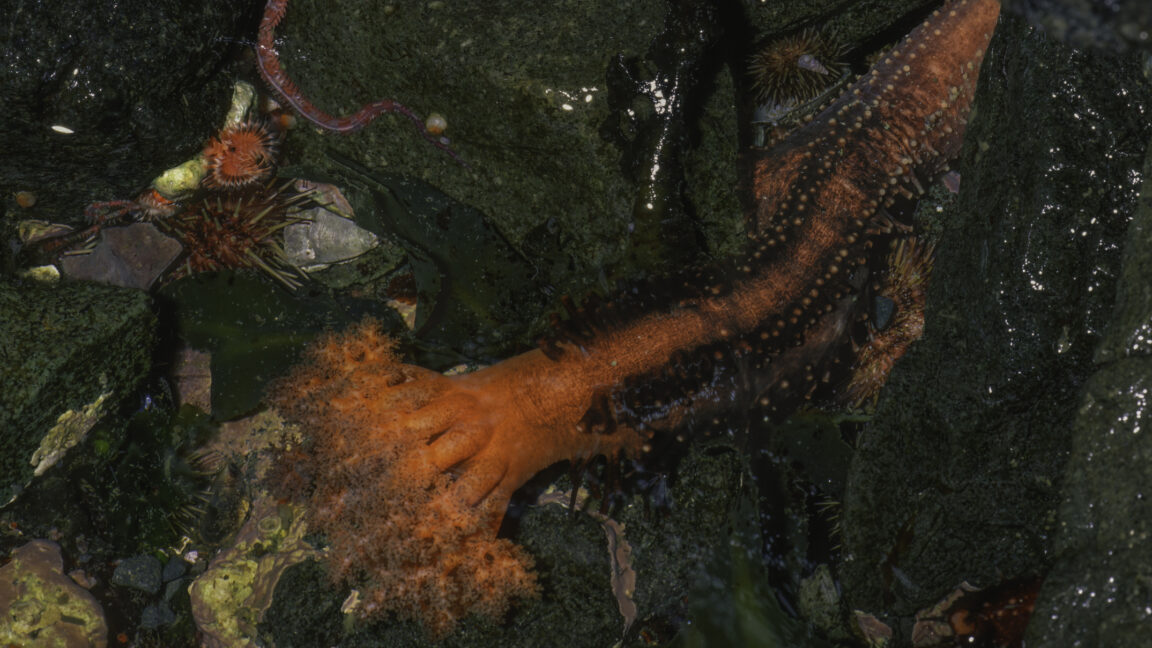
Organs, arms, appendages, and other complex tissues usually decay rapidly when they’re separated from their host. Over the years, biologists have seen some success with keeping them alive outside of the body—organ transplants depend on it—but it has always required germ-free environments and nutrient-rich mediums filled with growth factors. Now, though, scientists have discovered bits of tissue removed from a species of sea cucumber called Psolus fabricii can keep on living indefinitely if they’re left in ordinary seawater.
“This is naturally occurring tissue immortality,” said Sara Jobson, a researcher at Memorial University of Newfoundland and lead author of the study. “Having tissues that survive that easily is unheard of. We’ve never seen anything like this.”
Psolus fabricii is a species of sea cucumber that lives in the cold waters of the Atlantic and Arctic oceans. Its bottom side, known as a sole, is soft and ringed by a band of tube feet that it uses to grip rocks. Once on a rock, it extends soft, branching tentacles into the water to feed on suspended particles. Because these sea cucumbers inhabit harsh environments, their feet and tentacles experience high rates of injury and loss. Evolution has therefore endowed these sites with an incredibly high capacity for regeneration.
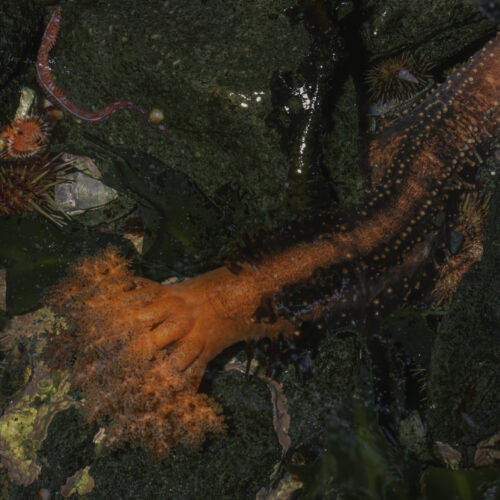
© Gerald Corsi
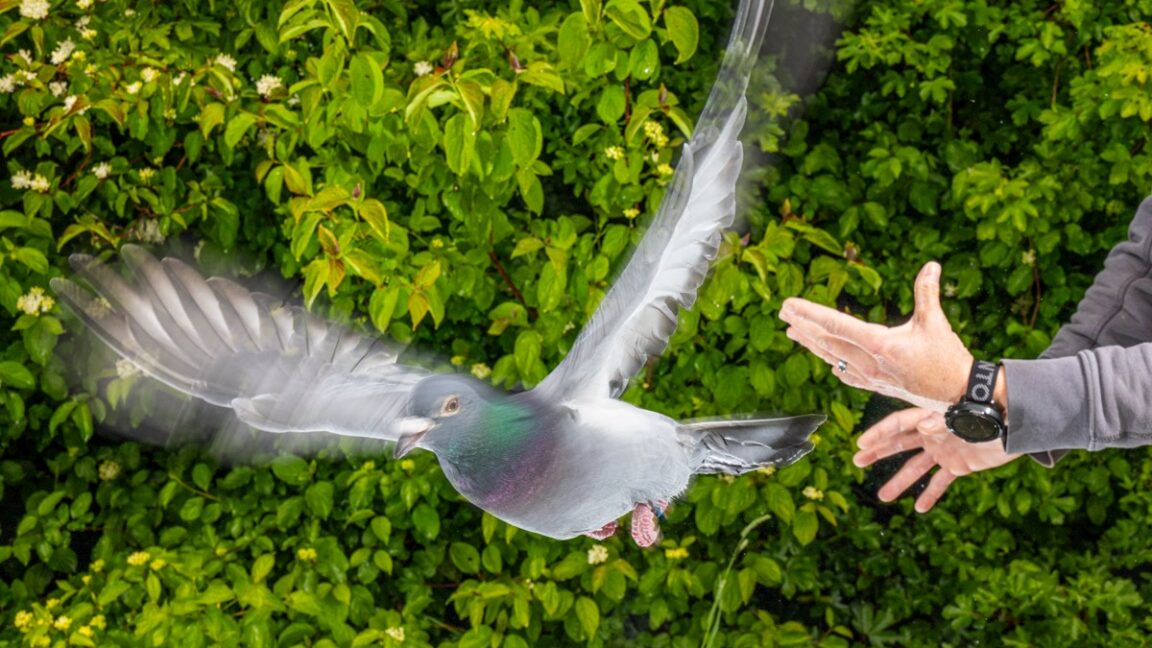
Scientists have long known that migrating birds and homing pigeons navigate in part by sensing the Earth's magnetic fields, especially at night or in overcast conditions when visual landmarks or sunshine are in short supply. But exactly where this magneto-sensing occurs in the body—and the mechanism that enables it—remains a matter of intense debate. A new paper published in the journal Science suggests that homing pigeons have iron-rich immune cells in their livers that help them detect magnetic fields and transmit that information to the brain.
There are three primary hypotheses for how birds might sense Earth's geomagnetic field. One is a compass-like mechanism, whereby the Earth exerts a pull on magnetic particles in a bird's upper beak that relays directional information via a large nerve in the cranium. A second is that it happens biologically via cellular ion channels sensitive to voltage, enabling birds to sense changes in the magnetic field. And a third suggests that physical effects on retinal pigments enable birds to detect photons and send signals to the brain, although this mechanism is really only viable in the light.
None fully explain how animals can sense magnetic fields. However, “We had some clues that the liver and spleen have magnetic properties, because they break down red blood cells and so store much iron in the body,” said co-author Clivia Lisowski of the University of Bonn and the University Hospital Bonn. This refers to a 2015 paper suggesting that red pulp macrophages in the spleens of mice and humans are intrinsically superparamagnetic and hence more sensitive to magnetic fields. But it wasn't clear if those properties were involved in any kind of magnetoreception.
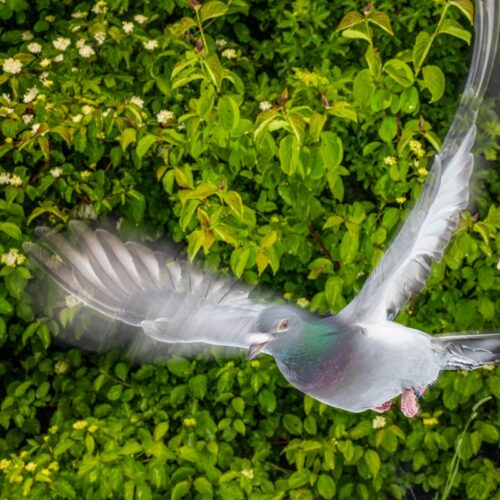
© Christian Ziegler/ Max Planck Institute of Animal Behavior
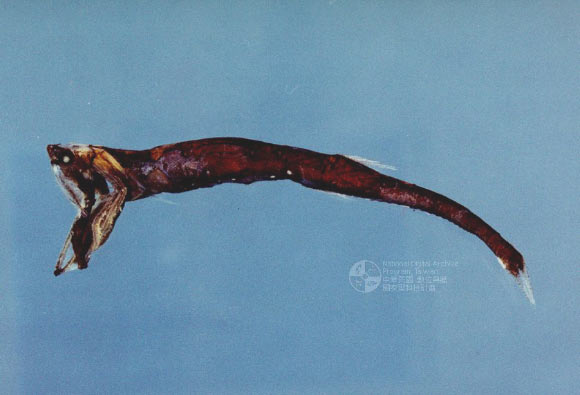
A marine biologist studying the photophores of a bioluminescent fish species found needle-shaped guanine crystals that scatter and redirect light instead of merely reflecting it, a discovery that could inspire more efficient biomedical and optical devices.
The post Bioluminescent Deep-Sea Fish Use Crystal ‘Prisms’ to Recycle Their Own Glow appeared first on Sci.News: Breaking Science News.
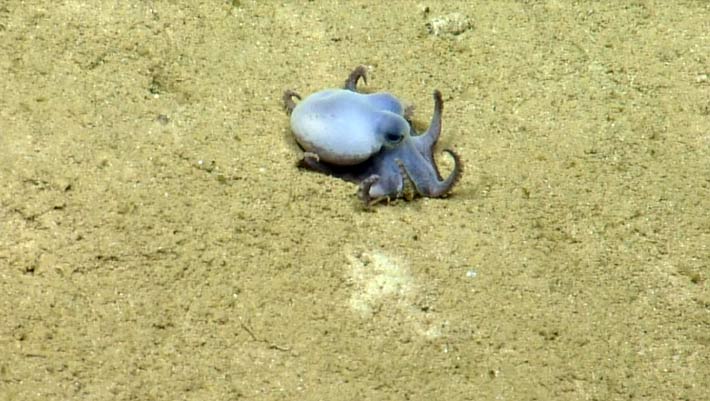
A single female specimen, collected 1,773 m below the surface near Darwin Island, has been described as a new species of deep-sea octopus, and it doesn’t fit neatly into the Megaleledonidae family it belongs to, forcing a revision of the textbook definition.
The post New Species of Octopus Discovered in Deep Waters near Galapagos Islands appeared first on Sci.News: Breaking Science News.
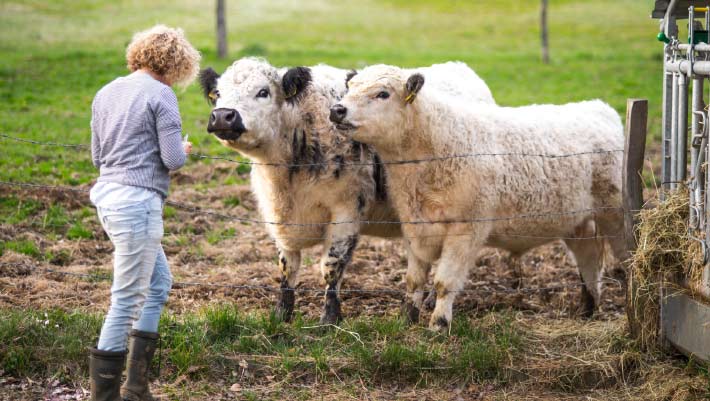
New research led by scientists from the French National Institute for Agriculture, Food, and Environment (INRAE) suggests cows (Bos taurus taurus) can distinguish between known and unknown people, and even match a familiar voice to the correct face.
The post Cows Can Recognize Familiar Human Faces, New Study Finds appeared first on Sci.News: Breaking Science News.
The evolution of land plants about 450 million years ago altered many of Earth’s geologic processes, like weathering and erosion. Due to the lack of evidence for meandering rivers before then, past scientists hypothesized that plants could have caused straight rivers to meander. However, in recent decades, researchers have challenged this idea. They’ve suggested that plants could have changed rivers without causing them to meander.
To understand how vegetation changed rivers in the past, researchers recently studied 49 modern meandering rivers. They sorted these rivers into 3 categories – vegetated, unvegetated, and semi-vegetated – by analyzing color images taken of them from the air. They identified 18 vegetated rivers located in South America, 24 unvegetated rivers in the western United States, and 7 semi-vegetated rivers in China and the Eastern United States.
To examine the impact of plants on these rivers, the researchers quantified how much each river channel curves, known as its sinuosity. They used opposite banks of each river bend to find its center point, then, using digital maps, drew a line along the river’s trajectory at an equal distance between the bend center points. They used this line to calculate the angle between the river’s curve and the center point. This angle, called the migration angle, shows how a river bend relates to the river’s downstream direction. By measuring it, researchers can tell whether a river is developing more vertically or horizontally, and how sharp its bends are, either of which could be influenced by plants.
The researchers compared migration angles across each river system to determine how river bends varied between vegetated and unvegetated rivers. They found that vegetated rivers tend to deposit sediments in the river bend, leading to curvier bends that develop horizontally and widen over time. In contrast, unvegetated rivers deposit sediment downstream, which means the rivers bend less and have greater variability in bend width.
The question remained whether plants were the primary cause of these differences or whether other factors were at play. To resolve this, the researchers investigated 3 additional factors. The first was the natural fluctuations in water flow across a river system, called its flow variability. They found that during storms, flow variability caused river bends to move downstream in unvegetated rivers, but not in vegetated rivers. This result suggested that flow variability alone didn’t drive downstream migration, although it can directly impact vegetation.
The second variable the researchers analyzed was the amount of sediment a river can carry, or its sediment flux. They found that rivers carrying more sediment can erode more banks, also shifting river bends. However, rivers with more sediment but the same level of plant coverage had statistically similar bend angles. Thus, the researchers concluded that sediment flux alone can’t drive bend development, and that the changes were instead dependent on vegetation cover.
The third variable they analyzed was riverbank strength. The researchers observed rivers with strong banks, made of rock or compacted sediment, and weak banks, made of loose sediment. They observed no difference in river bends with the same vegetation cover but different bank strengths. The researchers concluded that bank strength is also not the primary driver of bend migration in vegetated or unvegetated rivers.
Of the 4 variables the researchers examined – flow variability, sediment flux, bank strength, and vegetation cover – vegetation cover consistently had the greatest impact on the appearance of meandering rivers. They concluded that meandering rivers could have existed before plants, but would have looked different. Like modern unvegetated rivers, ancient meandering rivers likely had lower-angle bends. As plants evolved and grew on river banks, the bends would have developed differently, becoming curvier like modern vegetated rivers. They suggested that understanding this process provides insight into life on Earth before plants evolved 450 million years ago.
The post How did land plants change rivers? appeared first on Sciworthy.
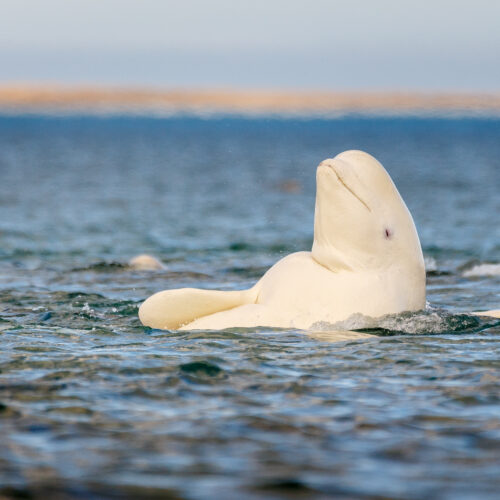
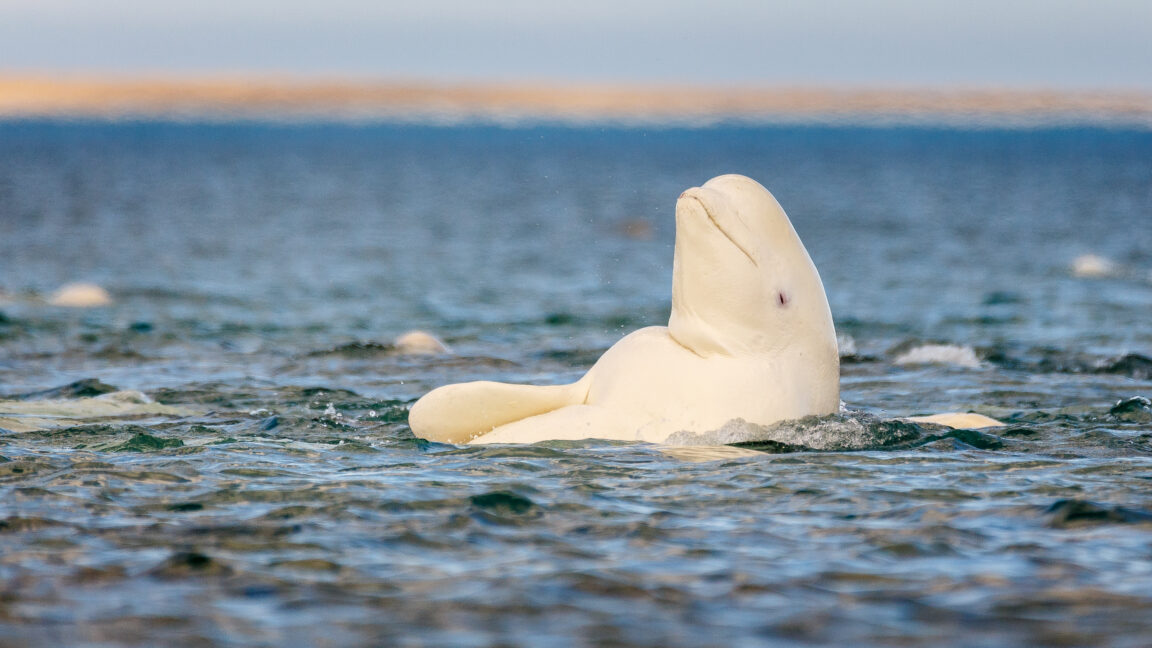
In hours of underwater video footage from a New York aquarium, a beluga whale named Natasha stretches her neck, pirouettes, nods, and shakes her head in front of a two-way mirror. Her daughter Maris does much the same. According to a new study published in PLOS One, both animals show the behavioral hallmarks of mirror self-recognition—a cognitive ability long considered a marker of self-awareness, and one that had never before been documented in beluga whales.
If the result holds up, belugas join a remarkably short list. The mirror self-recognition test (MSR) has been passed, with varying degrees of confidence, by humans (starting around age two), a handful of great apes (chimps, bonobos, orangutans, and—somewhat contentiously—gorillas), Asian elephants, bottlenose dolphins, probably magpies, possibly orcas, and, if you can believe it, a cleaner wrasse. That's it. No dogs, no cats, no monkeys. Plenty of species we had assumed were self-aware have been tested and failed.
So what is this test, exactly, and what is it supposed to tell us?
© David Merron Photography
