❌

Reading view

Nvidia reportedly denies RTX 5090 warranty over faded serial number β€” $6,500 GPU blemish not an isolated incident, according to customers

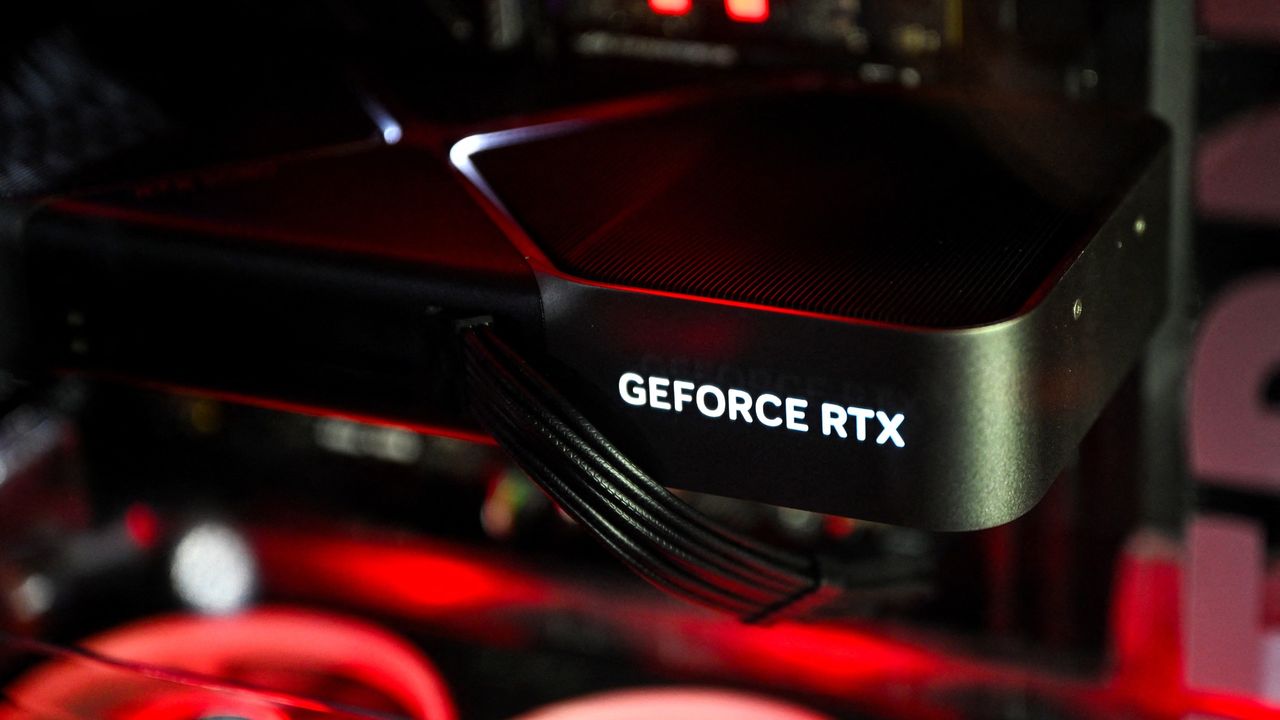
The GeForce RTX 5090 is the first thing that comes to mind when you think of the best graphics cards. However, you'd better pray the serial number on the inside of the metal bracket does not fade over time, since that could be a reason for Nvidia to reject warranty claims. At least one Redditor has shared a case of Nvidia reportedly denying a warranty claim because the bracket's serial number was unreadable.
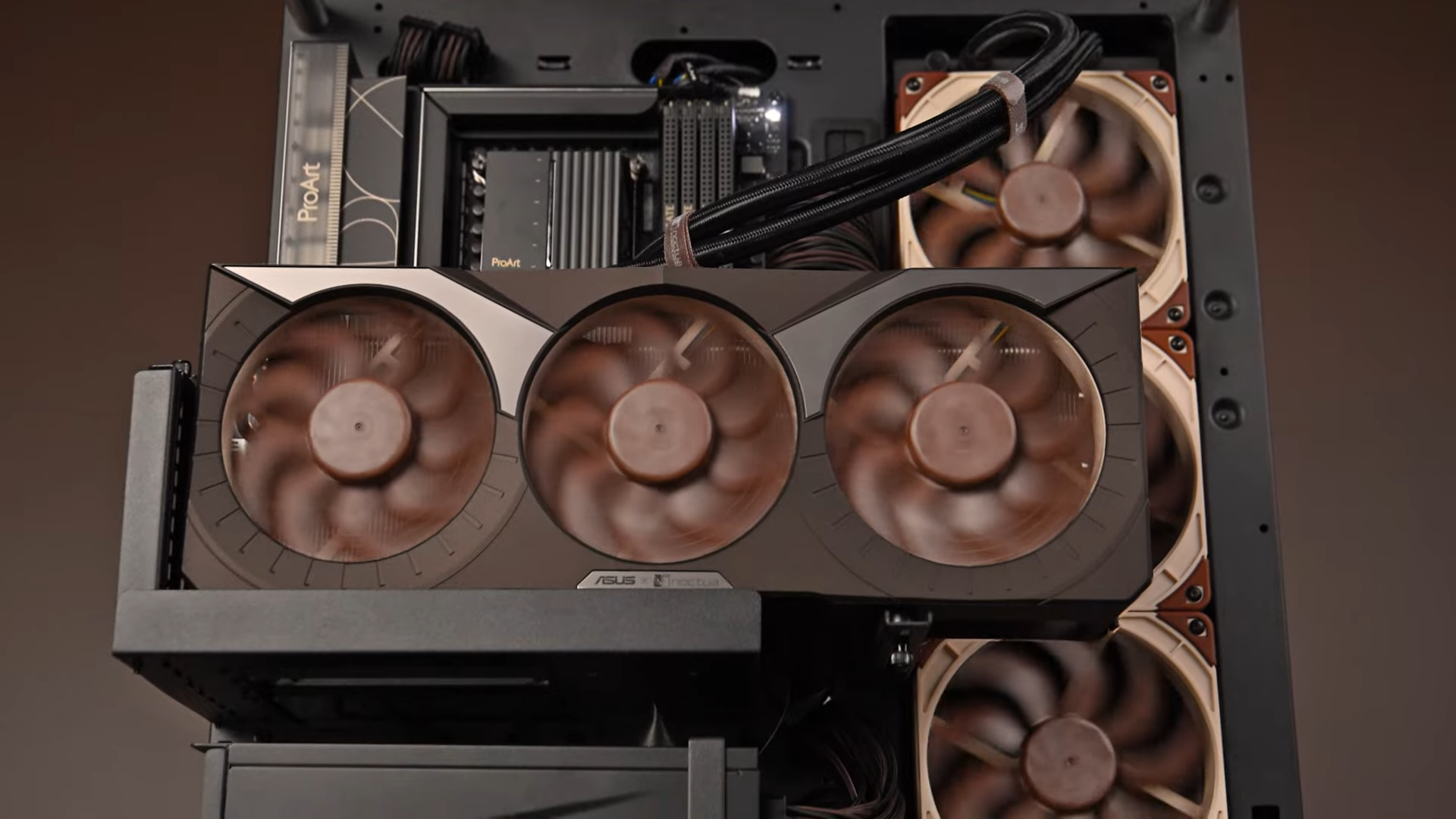
The Redditor Willing-Avocado-4830, based in the UK, began experiencing black-screen crashes with a GeForce RTX 5090 Founders Edition graphics card under heavy load. The user sent the card to Nvidia for a warranty claim. After 30 days of radio silence, the owner finally received an email stating that their RMA request was rejected with no apparent explanation for the denial.

Seeking clarification, the user reached out to Nvidia for further information. According to the Redditor's recount, Nvidia support purportedly rejected the RMA because the serial number on the graphics card's metal bracket had faded. Like many gamers, Willing-Avocado-4830 claims never to have modified or tampered with the graphics card after installation. The fading serial number does not appear to be an isolated incident. Several other owners have reported similar issues in the Reddit discussion.

The metal bracket on graphics cards is susceptible to dust buildup, oxidation, and corrosion over time. This can cause it to look dirty, stained, or sometimes slightly discolored compared to when it was brand new. These same phenomena could have affected the serial number's legibility, especially since it is printed with ink onto the bracket's surface rather than etched for better durability. For comparison, the last-generation GeForce RTX 4090 Founders Edition had its serial number laser-etched onto the metal bracket.

My RTX 5090 FE RMA was rejected because the physical serial number is no longer readable β€” has anyone experienced this?
Β fromΒ r/nvidia

One Redditor said that someone in the Nvidia Discord channel recommended cleaning the area with isopropyl alcohol to restore the serial number's visibility. However, that may not work if the ink is no longer present, as previous reports suggest the hot air expelled by the Founders Edition cooler could be erasing the serial number.

Surprisingly, Nvidia rejected a warranty claim solely because of a faded serial number on the graphics card’s bracket. The same serial number is clearly printed on a sticker on Nvidia's modular PCIe connector, which the chipmaker's technicians can verify when disassembling the GeForce RTX 5090. Moreover, you can pull the serial number from the graphics card through the command prompt with Nvidia SMI (System Management Interface), assuming the card is still working, which, in this case, it is. Willing-Avocado-4830 still had the original packaging and the original invoice from Nvidia U.K., so it would be easy to cross-reference the serial numbers.

Redditor hawok reportedly sent their GeForce RTX 5090 Founders Edition for RMA two months ago and encountered a similar situation. The serial number on the metal bracket was only partially visible. However, customer support seemingly accepted the RMA after the user sent photographs of the packaging that corroborated the serial number. It is unclear what Nvidia's policy is, or whether the chipmaker handles each case differently. We have reached out to Nvidia for clarification.

Some Redditors have suggested taking a photograph that shows the graphics card's serial number next to the packaging's serial number. Others jokingly recommend putting a piece of tape over the serial number. It might not be a bad idea, but you would need heat-resistant tape, something like Kapton tape.

GeForce RTX 5090 stock has practically disappeared from the U.S. market, with very few units starting at $6,500, 3.25X over the Blackwell flagship's MSRP. You cannot blame GeForce RTX 5090 owners for worrying. They already have a lot on their plates, dealing with the 16-pin power connector melting woes, and now also have to worry about fading serial numbers.
  •  

Gaming takes a backseat as Nvidia overhauls the RTX 5090 for maximum AI margins β€” RTX Pro 5500 delivers 2.6X VRAM at matching specs

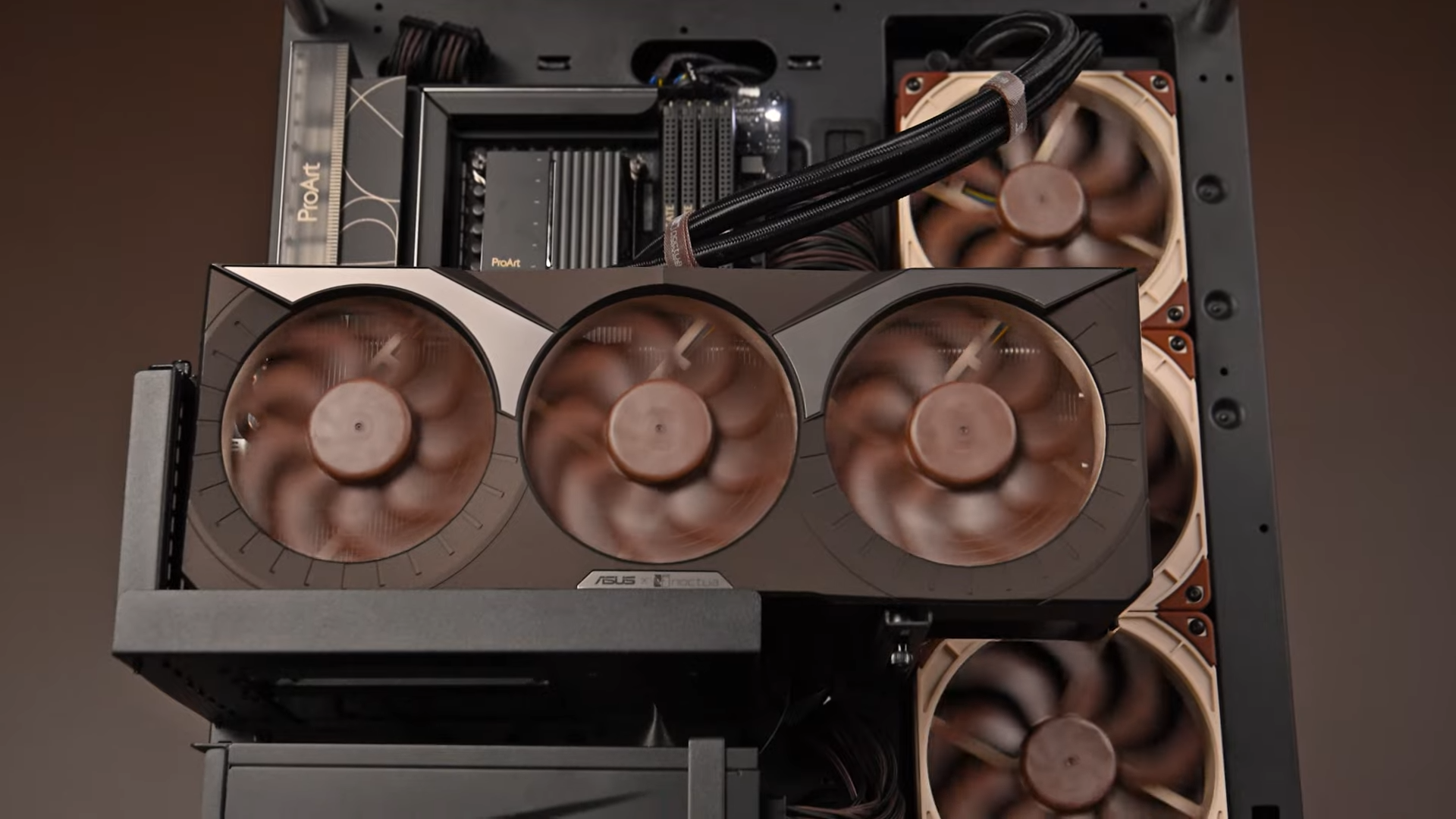
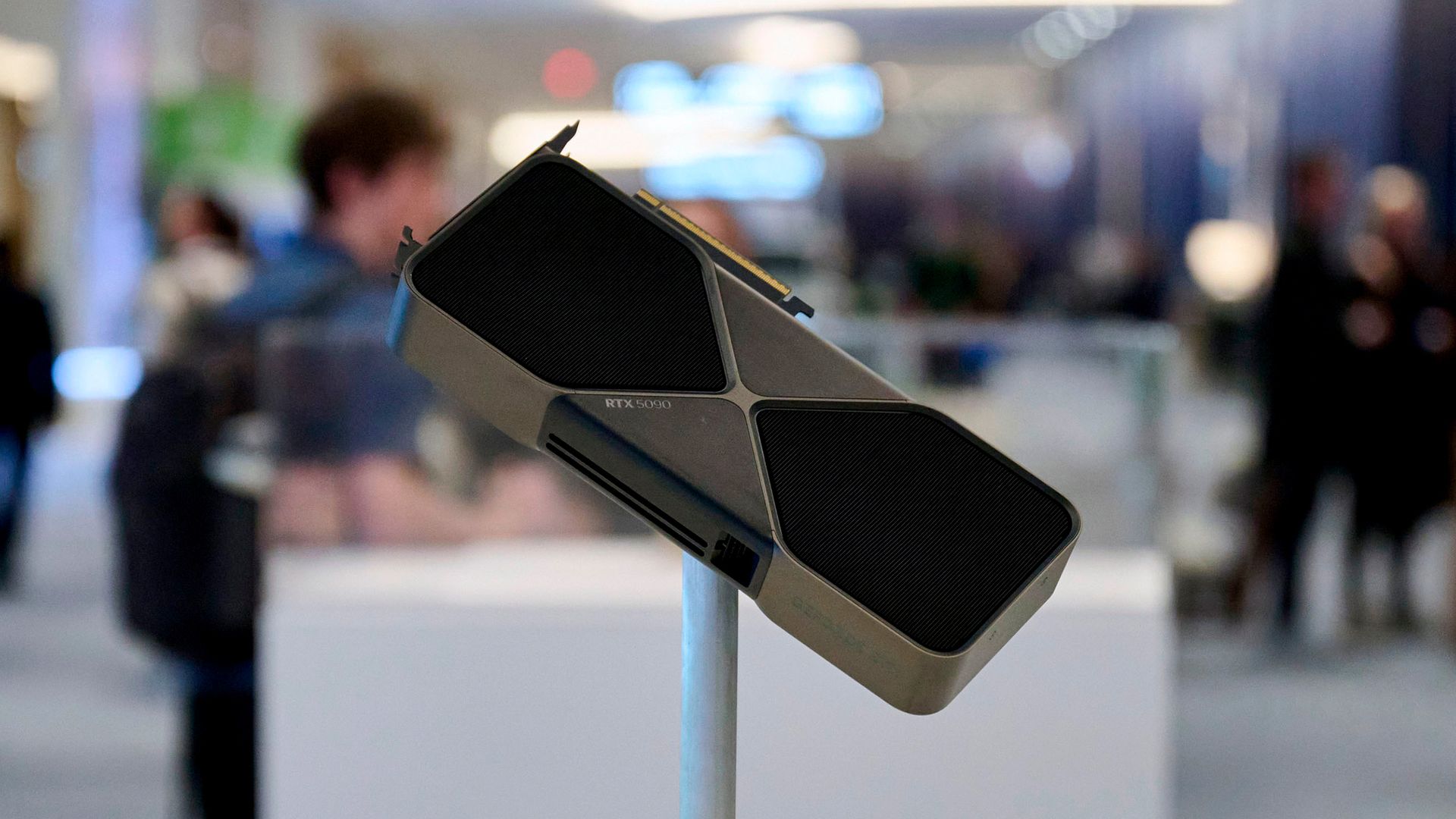
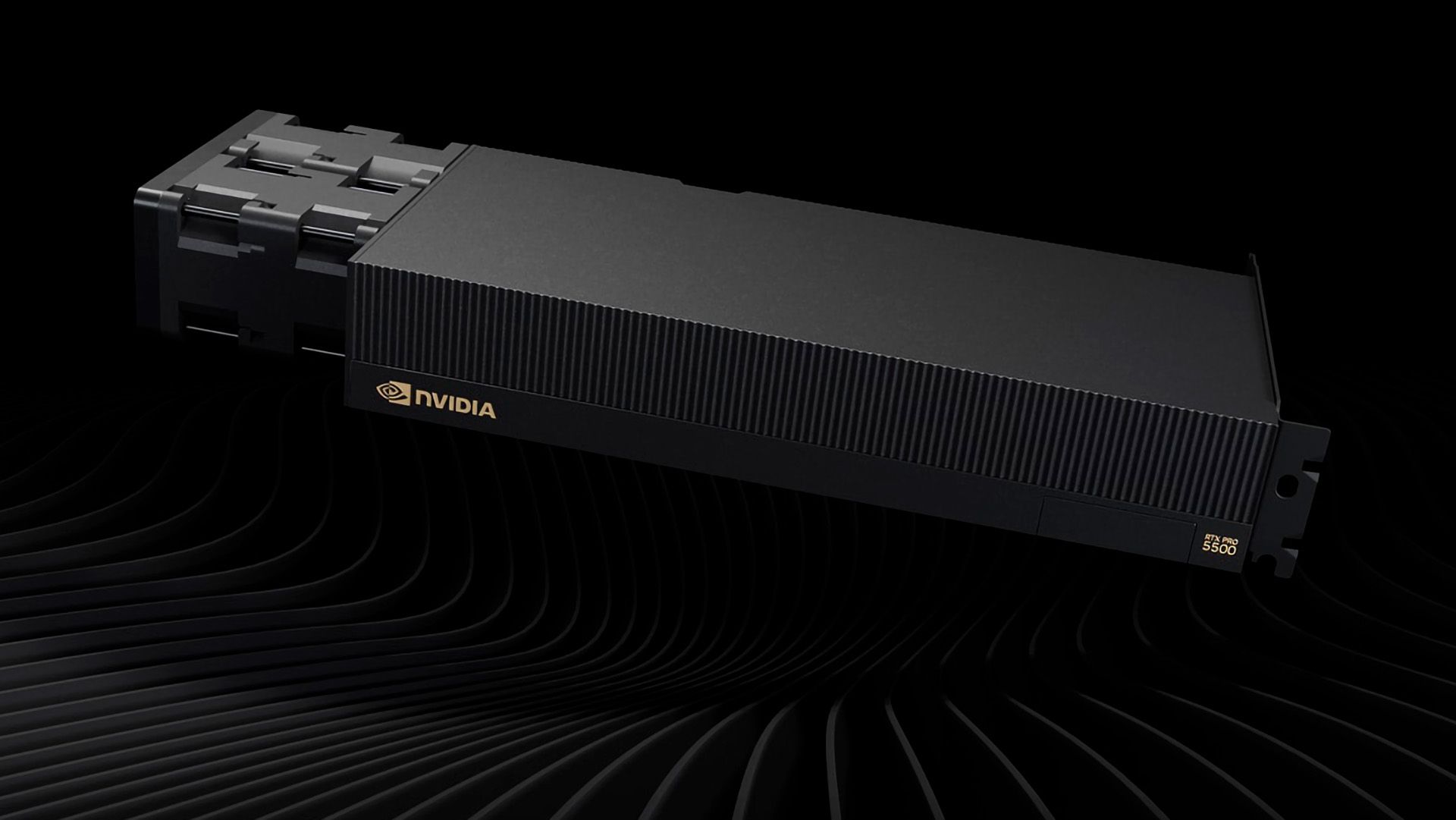
The GeForce RTX 5090 is undeniably one of the best graphics cards money can buy. Banking on the fact that many already use it for AI, Nvidia has bolstered it with even more memory and launched it as the new RTX 5500 Pro Blackwell Workstation Edition. It offers comparable specifications to the GeForce RTX 5090 but distinguishes itself with 84GB of GDDR7 memory, 2.6X more than the Blackwell gaming flagship.

The RTX Pro 5500 features the GB202 silicon, the powerhouse die that powers other high-end mainstream and professional Blackwell graphics cards, including the GeForce RTX 5090, RTX Pro 6000, and RTX Pro 5000. In fact, the RTX Pro 5500 uses the same die as the GeForce RTX 5090, which means 170 Streaming Multiprocessors (SMs) are enabled out of a possible 192. As a result, the RTX Pro 5500 has 21,760 CUDA cores and offers performance comparable to the GeForce RTX 5090. The differentiator is the memory subsystem, where the RTX Pro 5500 excels.

Nvidia equipped the RTX Pro 5500 with 84GB of GDDR7 memory. This is the second time Nvidia has launched a graphics card with 84GB of memory, with the first being the China-exclusive RTX Pro 6000D. The RTX Pro 5500's memory capacity lets the Blackwell graphics card sit comfortably between the RTX Pro 5000 and the upgraded RTX Pro 6000, with 72GB and 96GB of GDDR7 memory, respectively.

Nvidia RTX Pro 5500 Workstation Edition Specifications

Graphics Card

RTX Pro 6000

RTX Pro 6000D

RTX Pro 5500

RTX 5090

RTX Pro 5000

Architecture

GB202

GB202

GB202

GB202

GB202

Process Technology

TSMC 4N

TSMC 4N

TSMC 4N

TSMC 4N

TSMC 4N

Transistors (Billion)

92.2

92.2

92.2

92.2

92.2

Die size (mm^2)

750

750

750

750

750

SMs

188

156

170

170

110

CUDA Cores

24,064

19,968

21,760

21,760

14,080

Tensor Cores

752

624

680

680

440

Ray Tracing Cores

188

156

176

176

110

Boost Clock (MHz)

2,617

2,430

?

2,407

2,617

VRAM Speed (Gbps)

28

25

25

28

28

VRAM (GB)

96

84

84

32

48 / 72

VRAM Bus Width

512

448

448

512

384

L2 Cache

128

128

96

96

96

Render Output Units

192

192

192

176

176

Texture Mapping Units

752

624

680

680

440

TFLOPS FP32 (Boost)

126.0

97.04

?

104.8

73.69

Bandwidth (GB/s)

1,792

1,400

1,398

1,790

1,344

TBP (watts)

600

600

600

575

300

Nvidia achieved the 84GB memory capacity by outfitting the RTX Pro 5500 with 28 GDDR7 memory chips in a clamshell configuration. Each side of the PCB houses 14 24Gb (3GB) GDDR7 memory modules. They run at 25 Gb/s across a 448-bit memory interface, delivering up to 1,400 GB/s of bandwidth, which aligns with Nvidia’s official specification of 1,398 GB/s. In other words, the RTX Pro 5500 shares the same memory subsystem as the RTX Pro 6000D.

Samsung, Micron, and SK hynix only produce standard 28 Gb/s memory packages. Therefore, Nvidia downclocks the RTX Pro 5500's GDDR7 chips for its own reasons, whether to meet thermal and power targets or avoid cannibalizing higher-tier SKUs. From a memory-bandwidth perspective, the RTX Pro 5500 is not particularly impressive. Its bandwidth is only 4% ahead of the RTX Pro 5000, and it lags 22% behind both the flagship RTX Pro 6000 and the GeForce RTX 5090, which fully leverage 28 Gb/s GDDR7 memory chips.

To sum it all up, if RTX Pro 6000D and GeForce RTX 5090 had a child, it would be the RTX Pro 5500. Nvidia's main motivation was to launch the RTX Pro 5500 to fill the large performance and pricing gap between the RTX Pro 6000 and RTX Pro 5000. Also, the chipmaker makes substantially more profit by putting recycled GB202 into an RTX Pro 5500 than into a GeForce RTX 5090. By giving the former more memory with similar core specifications as the latter, Nvidia seemingly hopes to win more customers over to the RTX Pro 5500.

We reached out to both Nvidia and PNY for official pricing on the RTX Pro 5500, but neither company has responded. For reference, the flagship RTX Pro 6000 retails for $15,599, while an RTX Pro 5000 72GB starts at $9,209. Given the RTX Pro 5500's role as a bridge between the two models, it is reasonable to expect its launch price to fall somewhere within this range.

  •  

AMD releases new Ryzen 5 5500F and Ryzen 5 7500 for budget PC builders β€” new budget Zen 3 and Zen 4 CPUs soften the blow from high RAM prices

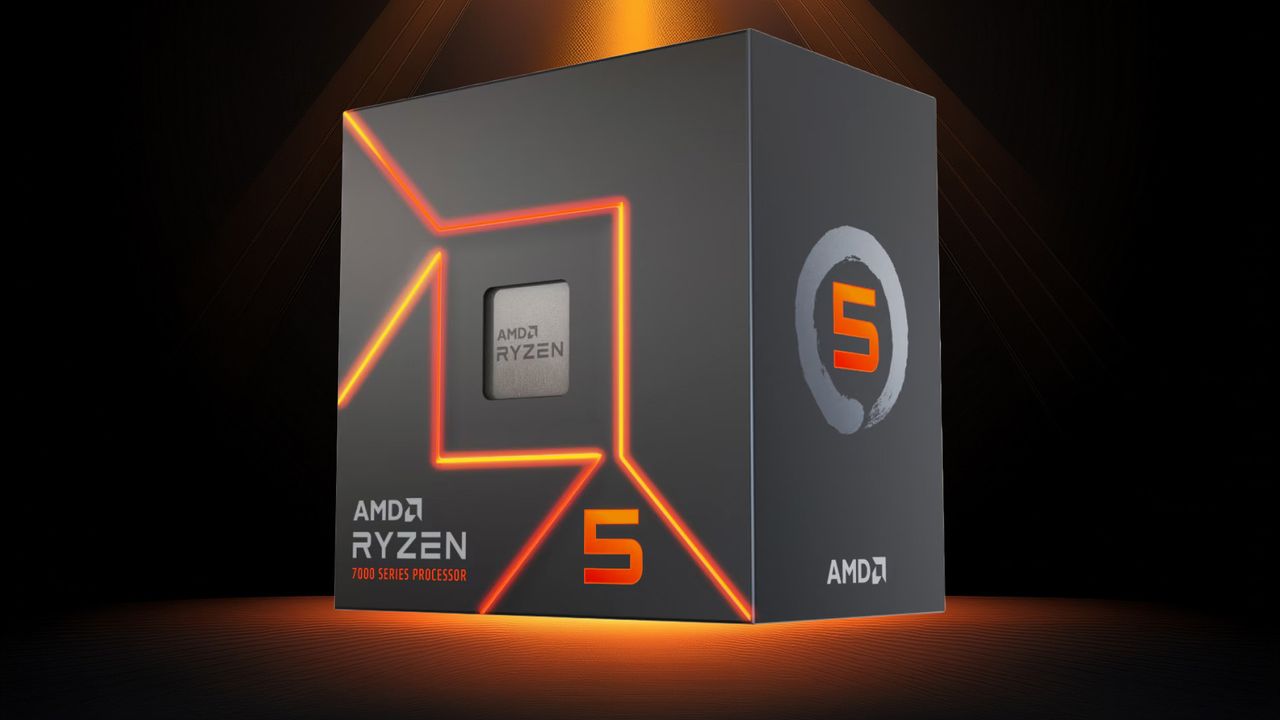
AMD has officially launched the Ryzen 5 5500F and Ryzen 5 7500, two strong contenders for the best CPUs on the market if you're on a budget. Both are hexa-core chips, with the Ryzen 5 5500F featuring AMD's Zen 3 execution cores and the Ryzen 5 7500 using the newer Zen 4 execution cores. The Ryzen 5 5500F and Ryzen 5 7500, priced at $99 and $189, respectively, are available at U.S. retailers starting today.

The Ryzen 5 5500F, despite its similar model name to the Ryzen 5 5500, belongs to a different family in AMD's portfolio. The Ryzen 5 5500F hails from the Ryzen 5000 series (codenamed Vermeer), which uses a multi-chiplet architecture. Meanwhile, the Ryzen 5 5500 comes from the Ryzen 5000G series (codenamed Cezanne), which uses a monolithic die design.

Therefore, it is more sound to call the Ryzen 5 5500F a lower-binned version of the Ryzen 5 5600, rather than an iGPU-less variant of the Ryzen 5 5500, which lacks integrated graphics to begin with. The distinction matters because the Ryzen 5 5500F is closer to the Ryzen 5 5600, albeit with a 500 MHz lower boost clock speed and half the L3 cache.

The Ryzen 5 5600, which launched at $199, now retails for around $159, making the new Ryzen 5 5500F approximately 38% more affordable. Meanwhile, the Ryzen 5 5500, which debuted at $159, has lost substantial value over the years. OEM tray versions of the Ryzen 5 5500 now start at just $74, so it is still the most cost-effective entry point into the AM4 ecosystem. Compared to the Ryzen 5 5500, the Ryzen 5 5500F carries a 34% price premium. The latter justifies its higher cost with a slightly higher boost clock speed, which translates to better gaming performance, and support for PCIe 4.0, unlocking faster SSDs and graphics cards.

Ryzen 5 5500F and Ryzen 5 7500 Specifications

Processor

MSRP / Current Price

Architecture / Codename

Platform

Cores / Threads

Base / Boost Clock (GHz)

L2 Cache (MB)

L3 Cache (MB)

Graphics Model

Graphics Core

Graphics Frequency (MHz)

Memory Support

PCIe Lanes

TDP (W)

Ryzen 5 7600

$229 / $226

Zen 4 / Raphael

AM5

6 / 12

3.8 / 5.1

6

32

AMD Radeon

2

2,200

DDR5-5200

24 PCIe 5.0

65

Ryzen 5 7500

$189 / $189

Zen 4 / Raphael

AM5

6 / 12

3.7 / 5.0

6

32

AMD Radeon

2

2,200

DDR5-5200

24 PCIe 5.0

65

Ryzen 5 7500F

$179 / $157

Zen 4 / Raphael

AM5

6 / 12

3.7 / 5.0

6

32

N/A

N/A

N/A

DDR5-5200

24 PCIe 5.0

65

Ryzen 5 5600

$199 / $159

Zen 3 / Vermeer

AM4

6 / 12

3.5 / 4.4

3

32

N/A

N/A

N/A

DDR4-3200

20 PCIe 4.0

65

Ryzen 5 5500F

$99 / $99

Zen 3 / Vermeer

AM4

6 / 12

3.0 / 4.4

3

16

N/A

N/A

N/A

DDR4-3200

20 PCIe 4.0

65

Ryzen 5 5500

$159 / $74

Zen 3 / Cezanne

AM4

6 / 12

3.6 / 4.2

3

16

N/A

N/A

N/A

DDR4-3200

20 PCIe 3.0

65

When it comes to the Ryzen 5 7500, little mystery surrounds its place in AMD's product stack. True to its name, the Ryzen 5 7500 is the same processor as the Ryzen 5 7500F, which launched three years ago, but with integrated Radeon graphics. This small addition suits users who need basic display output and do not plan to spend money on a discrete graphics card. Apart from the integrated graphics, all core specifications remain identical between the two models.

As a result, the difference between the Ryzen 5 7600 and the Ryzen 5 7500 stands. The former boasts a 100 MHz higher base and boost clock, so performance is somewhat better in certain processor-intensive workloads or gaming scenarios. However, most users may not notice the difference.

The Ryzen 5 7500F hit the market at $179, but over time its retail price has dropped to about $157. In contrast, the Ryzen 5 7600 has held its value over the years, falling only slightly from its original MSRP of $229 to around $226. As a result, the Ryzen 5 7500 positions itself as a mid-point option, priced 16% lower than the Ryzen 5 7600 and 20% above the Ryzen 5 7500F.

The Ryzen 5 7500 makes sense in this market because not everyone is a gamer, so integrated graphics mean you do not have to spend a fortune on a discrete graphics card at today's ridiculous prices. However, because it runs on AMD's AM5 platform, the Ryzen 5 7500 is still bound by the sky-high cost of DDR5.

  •  

Switch 2 Zelda 40th Anniversary Edition preorders open on Amazon for $519.99 β€” here's your last shot to grab the limited-edition console at MSRP

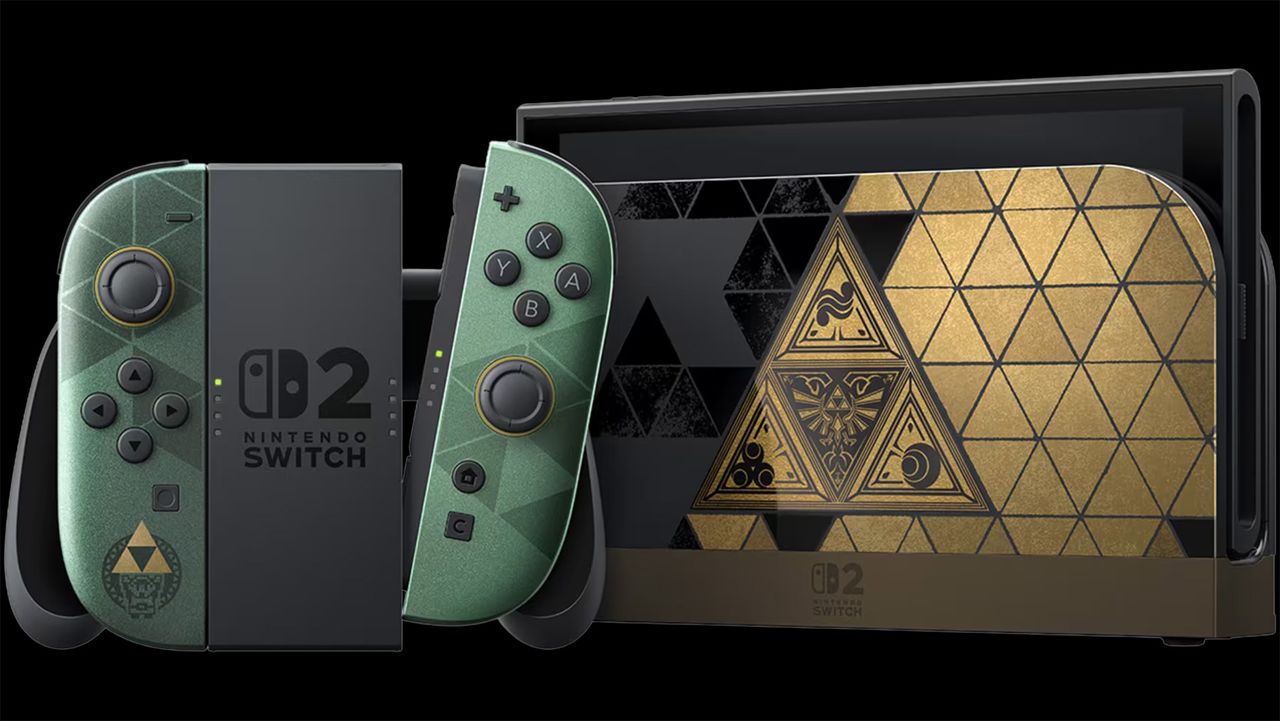
Preorders for the Nintendo Switch 2 The Legend of Zelda 40th Anniversary Edition went live shortly after yesterday's Nintendo Direct and sold out instantly. Walmart has listed the handheld gaming console but has enabled preorders. Meanwhile, you can preorder it on Amazon for $519.99, so you may still have a chance to get one at MSRP before the scalpers.

Major U.S. retailers, including Target, Best Buy, and GameStop, were the first to enable preorders for the Switch 2 The Legend of Zelda 40th Anniversary Edition, which instantly sold out. It did not take long for scalpers to hit eBay to resell preorders for as much as $1,000, almost 2X over Nintendo's MSRP. Zelda-exclusive consoles have always been prime targets for scalpers.

The Switch 2 The Legend of Zelda 40th Anniversary Edition, the first limited edition of the Switch 2 and a The Legend of Zelda-themed edition celebrating the franchise's 40 years, makes the handheld console even more desirable to hardcore fans and scalpers looking to make a quick profit. Plus, the console's $519.99 price tag, which is only $20 over the vanilla Switch 2, gives gamers extra incentive to purchase one. The problem is finding one in stock.

Along with the console, Nintendo also gave the Switch 2 Pro controller and carrying case with an included screen protector the same The Legend of Zelda 40th Anniversary Edition treatment. Best Buy currently has both up for preorder at $99.99 and $39.99, respectively.

The Switch 2 The Legend of Zelda 40th Anniversary Edition officially launches on October 29. Historically, The Legend of Zelda-themed consoles are available for purchase on launch day. However, stock will likely be extremely limited, which is why many fans like to lock in their preorders early.

It remains to be seen whether Nintendo will produce many units of the Switch 2 The Legend of Zelda 40th Anniversary Edition. At least for the previous limited-edition consoles, like the Nintendo Switch OLED: Tears of the Kingdom Edition or Nintendo Switch Lite: Hyrule Edition, stock was not a problem since you can still buy them today despite being last-generation consoles.

  •  

Microsoft reportedly gives secret Xbox Game Pass discounts to churned subscribers to reel them back in β€” targeted offers slash up to 30% off the regular price

If you play hard to get, you could get Xbox Game Pass for cheaper; at least that is what numerous users are reporting on a Reddit thread. One Xbox Game Pass subscriber shared a screenshot of Microsoft offering them the Ultimate plan for $16.09 for a month, 30% lower than the standard $22.99. Their secret? Cancel Xbox Game Pass almost every month.

Dynamic win-back discounts are perhaps the oldest trick in the book, but they remain widely used because of their effectiveness in re-engaging customers who have stopped buying a product or, in Microsoft's case, canceled their Xbox Game Pass subscription. These targeted offers, often disguised as "We Miss You" or "Welcome back" deals, aim to win back lost customers with exclusive or time-limited discounts.

According to the Redditor, they have used Xbox Game Pass on and off for about two years. However, instead of committing to an annual plan, the user frequently paused and resubscribed. In the Redditor's words, they were "not doing any sort of tricks lol...just got the offer randomly because I cancel gamepass almost every month, so maybe this was their way of keeping me."

This kind of customer behavior is not uncommon among subscription services, since buyers seek to maximize value and avoid unnecessary spending. Apparently, Microsoft seemingly noticed this user and proactively offered a 30% discount, dropping the Xbox Game Pass Ultimate price from $22.99 to $16.09 for a year. And it worked. The Redditor confirmed that they took the offer and locked in for the entire year.

Got Offered a Game Pass Annual Subscription
Β fromΒ r/XboxGamePass

At least one other Redditor confirmed they also received the same $16.09 offer. The thread quickly filled with additional posts as users shared their experiences with Xbox Game Pass discounts. For example, one Reddit user said that when they logged in with a secondary account on their Xbox console, they saw an $18 offer for 12 months of Xbox Game Pass Ultimate. Their main account allegedly never receives offers like this. Meanwhile, other users chimed in to report receiving $ 20-per-month offers.

It is unclear what criteria Microsoft uses to distribute these win-back discounts. Many speculate that the company may be considering activity, subscription history, or even multiple accounts. The discounts do not seem limited to the U.S., where the Redditor lives. Users in the thread have reported similar discounts in regions like MΓ©xico.

Despite Microsoft slashing Xbox Game Pass pricing earlier this year, many gamers still resort to digital key marketplaces such as Eneba, G2A, or Loaded, where one month of Xbox Game Pass Ultimate can cost as little as $9.28. By running targeted annual promotions, Microsoft can encourage subscribers to stick with Xbox Game Pass, secure long-term revenue, and avoid the risks of month-to-month cancellation.

However, these targeted discounts raise an important question: should Microsoft not reward loyal Xbox Game Pass subscribers with similar exclusive discounts? Win-back promotions are great for bringing back former subscribers, but long-time users will feel overlooked and see no reason to commit, since the generous deals go to those who cancel and return.

  •  

German scammer dupes two different buyers into spending thousands on hollow RTX 5090 GPUs β€” stripped-out cards netted fraudster $5,000 despite being worthless

Nvidia's GeForce RTX 50-series (codenamed Blackwell) graphics cards continue to rank among the best graphics cards available today. As a result, these highly sought-after Blackwell graphics cards have become prime targets for criminals seeking to scam unsuspecting buyers. Although scams involving hollow graphics cards are not new, their growing frequency and spread are cause for concern. The latest reports from Germany have revealed at least two buyers who fell prey to the same scam, reportedly from the same seller.

Hollow or phantom graphics cards may not be colloquial terms you hear every day. They basically refer to graphics cards that lack the silicon and memory chips. Criminals remove these components and sell non-functional graphics cards to their prey. Logically, you have no way of knowing these components are not present until you disassemble the graphics card, something that the average consumer does not do. Swindlers have run similar scams with fake memory modules without integrated circuits, or SSDs with microSD cards inside.

The first report, as recounted by respected hardware enthusiast Roman β€œder8auer” Hartung, uncovers a poor victim who bought a second-hand Palit GeForce RTX 5090 GameRock OC for around $2,090 (1,800 euros). The seller’s asking price was suspicious since a brand-new one starts at around $5,805 (4,999 euros) in Germany. Even for a used one, the dramatic price difference indicates a potential scam.

Many of these scams happen through online transactions. So the buyer went so far as to meet the seller in person, hoping a face-to-face interaction would ensure the graphics card was legit. It did not make a difference, though, because the buyer did not have a system to test the graphics card on the spot. In the end, it was a matter of taking the seller's word for it, and that turned out horribly.

A second report has emerged from a member of the Hardwareluxx forums, who reportedly fell victim to the same deceptive seller. Tragically, this individual ended up paying close to $2,613 (2,250 euros) for the phantom graphics card.

In both cases, the scammer put on a friendly facade and provided what seemed like legitimate paperwork to bolster the buyers' trust. For the first victim, the seller shared an invoice showing the purchase of two graphics cards, claiming to sell one because they no longer needed it. Similarly, in the second case, the scammer furnished an invoice to convince the buyer of the transaction’s legitimacy.

The use of realistic invoices is a growing trend among fraudsters. The first buyer uncovered that the serial number printed on the graphics card itself did not match the serial number listed on the packaging. The second buyer discovered that the serial numbers on the invoice and the packaging matched, but the seller deliberately scratched off the serial number on the graphics card.

The AI gold rush will not be over anytime soon, so we do not expect graphics card pricing to improve. This gives scammers more motivation to prey on buyers' desire for a graphics card and lure them in with prices that seem too good to be true. The two incidents serve as a cautionary tale for anyone trying to procure a graphics card, especially from second-hand sources.

  •  
❌