❌

Reading view

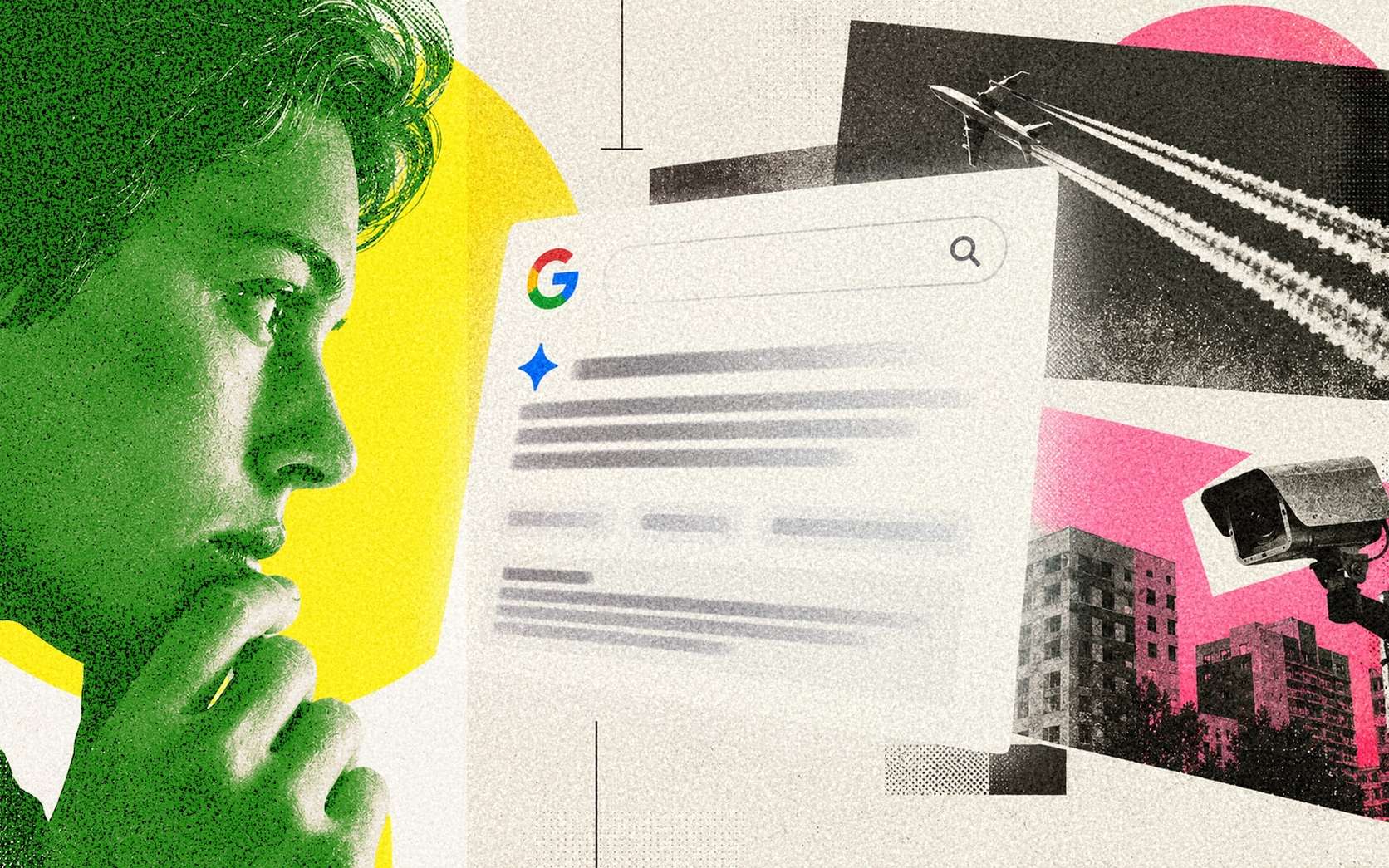
« Des garde-fous plus solides sont nécessaires » : quand l’IA de Google donne du crédit à des récits complotistes

Comment les moteurs de recherche répondent-ils aux requêtes conspirationnistes ? Une étude s’est penchée sur les résultats de Google et ses résumés générés par IA à partir de recherches sur les « chemtrails » et les « villes de 15 minutes ».

  •  

Ces cellules auraient dû disparaître : comprendre l’un des mécanismes les plus redoutables du cancer

La mort cellulaire programmée joue un rôle essentiel dans le renouvellement et le bon fonctionnement de nos tissus. Mais lorsque ce mécanisme se dérègle, certaines cellules échappent à la mort, se multiplient de façon incontrôlée et peuvent favoriser l’apparition de cancers. Décryptage.

  •  

D’où viennent ces mystérieux signaux venus de l’espace ? Nous avons trouvé leur « pierre de Rosette »

Des astronomes ont peut-être trouvé la « pierre de Rosette » de mystérieux signaux venus de l’espace. Ils ont identifié la source de l’un d’eux grâce à des observations combinant ondes radio, lumière visible et rayons X. Cette découverte pourrait permettre de mieux comprendre l’origine de ces...

  •  

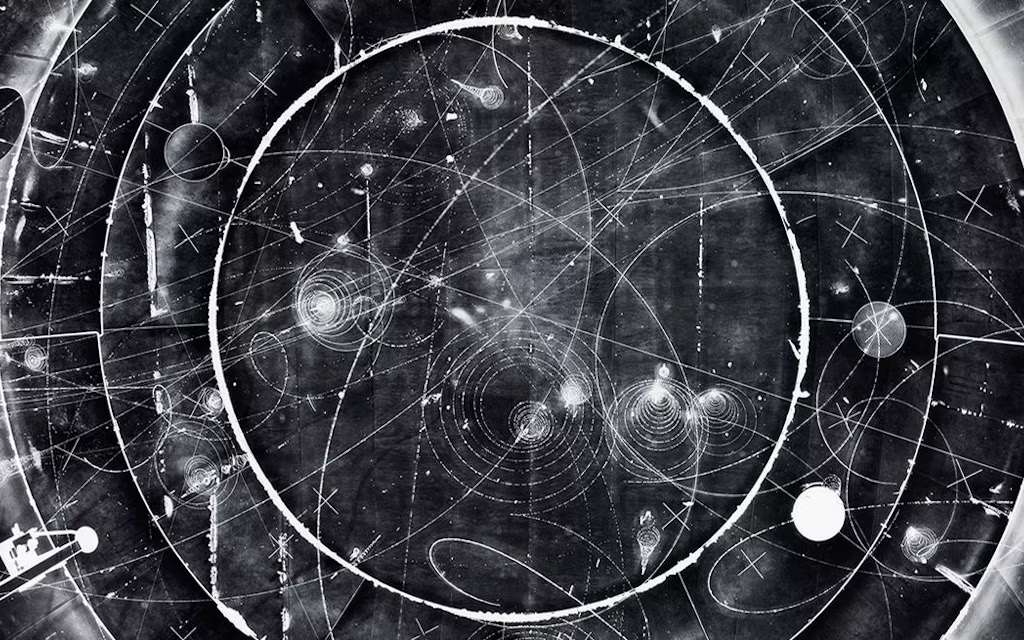
« Ce ne sont pas des photographies ordinaires » : ces images de particules menacées d’oubli pourraient encore surprendre

Alors que la France célèbre le bicentenaire de la photographie, des millions de négatifs, conservés dans les laboratoires de recherche fondamentale, demeurent dans l’ombre, menacés de disparition. Témoins de plusieurs décennies de recherches en physique des particules, ces archives constituent...

  •  

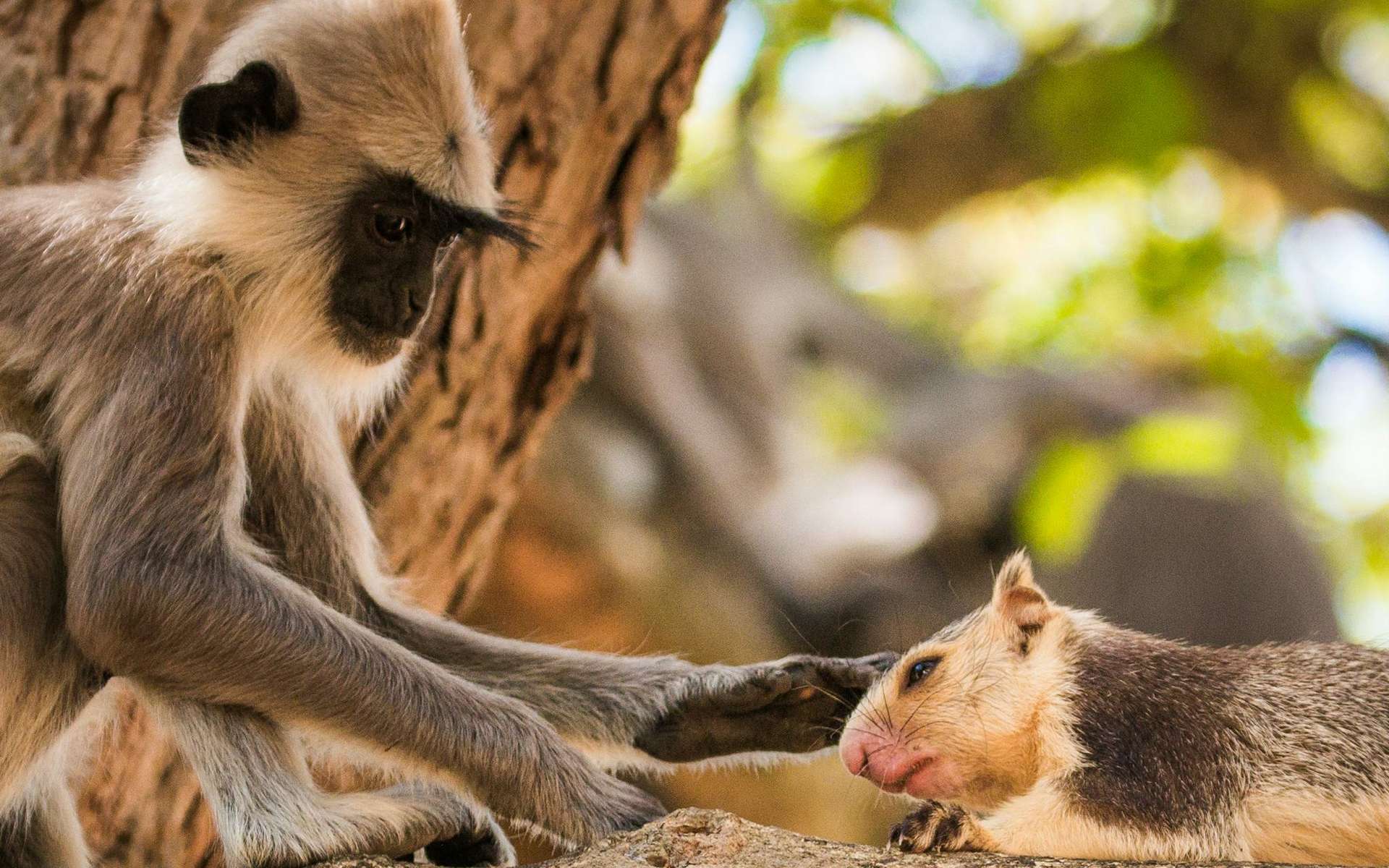
Des singes adoptent parfois d’autres animaux, et ces cas sont étonnamment nombreux

Longtemps considérées comme de charmantes anecdotes, les interactions sociales entre primates et autres animaux semblent en réalité largement répandues. L’étude de ce primatologue rassemble 427 cas, allant du jeu au toilettage et aux soins, dont certains évoquent de véritables liens affectifs...

  •  

Fruit And Honey Fueled the Early Evolution of The Human Brain

Intelligence is an energetically expensive luxury – as the rise of artificial intelligence has reminded us. The human brain is no exception. Comprising roughly 2% of the body weight, it uses one fifth the body’s energy in the resting state – compared with less than half of this in non-human primates. A five-year-old child devotes […]

The post Fruit And Honey Fueled the Early Evolution of The Human Brain appeared first on Knowridge Science Report.

  •  

Ce n'est plus seulement dans la tête : le stress transforme votre sang en quelques minutes

« Son sang n’a fait qu’un tour », « Ça lui a retourné les sangs », « Se faire du mauvais sang », « Se faire un sang d’encre », le langage populaire regorge d’expressions associant de fortes émotions au sang. La science commence aujourd’hui à en révéler les fondements biologiques : le stress...

  •  

Faites vos propres recherches santé : cette méthode simple évite les grosses erreurs

Face à la multitude d’informations médicales disponibles sur Internet, faire des recherches personnelles en santé est un exercice périlleux qui demande de la rigueur et du discernement… Comment transformer l’incertitude en décision éclairée ? Lucy McGowan, biostatisticienne, nous explique, étape...

  •  

L’affaire des rayons N : l’une des plus grandes bavures scientifiques de l’histoire

Comment des scientifiques de renom ont-ils pu être convaincus d'observer un phénomène inexistant ? L'affaire des rayons N, au tout début du XXᵉ siècle, constitue l'une des plus célèbres illusions collectives de l'histoire de la physique, mais rappelle aussi que la force de la science réside dans...

  •  

What happens when you put AI to work deciphering lost languages?

Every ancient language that has ever been deciphered needed an anchor. Usually that’s a bilingual text, like the Rosetta Stone, or a known relative to compare it to. Linear A, the writing system of the Bronze Age Minoan civilization on the Greek island of Crete, has neither.

Linear A is described as a “language isolate” because it has no confirmed link to any known language, living or dead. As such, it has posed a significant challenge for linguists over the past century.

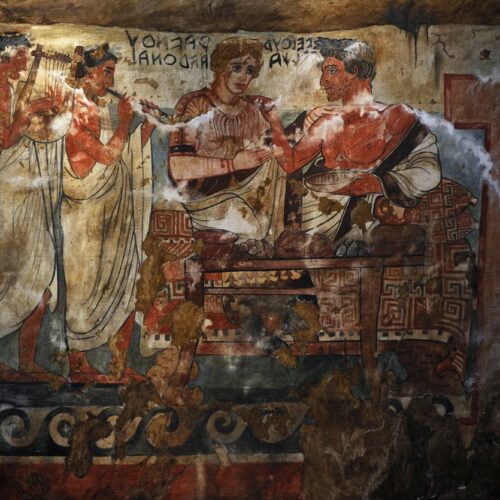
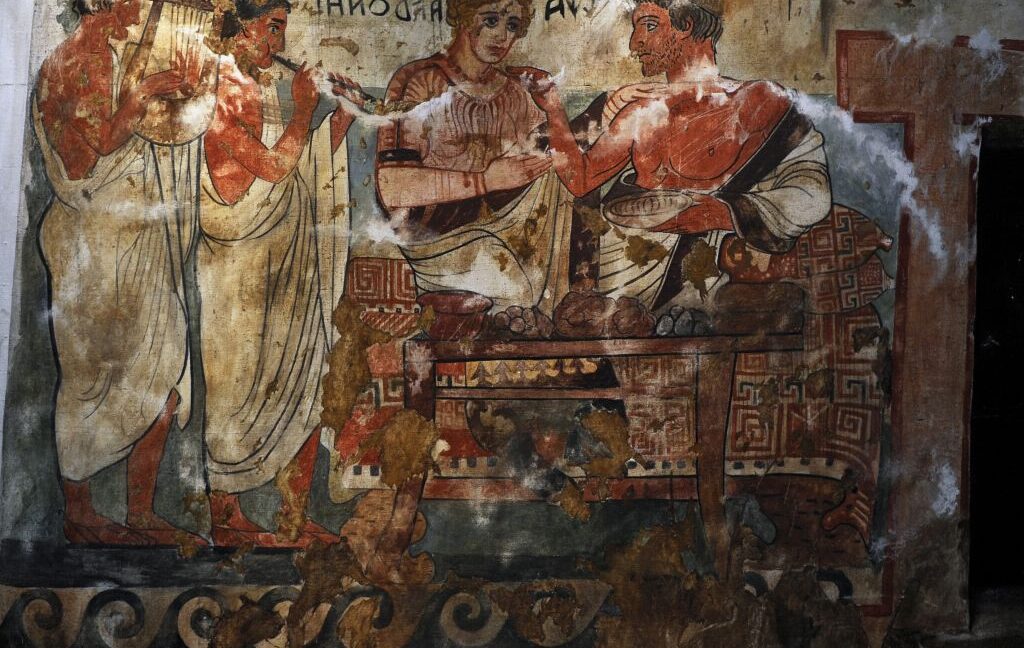
Etruscan, a language of Italy that was used before the rise of the Roman Empire, has fared only slightly better. A partial vocabulary has been collected from short funerary inscriptions, but its grammar and deeper meaning still elude linguists.

Read full article

Comments

© PHAS via Getty

  •  

How was the first language formed?

Nine-year-old Eva was watching an episode of the children’s show Horrible Histories about the stone age recently when a question popped into her head. The cave men were speaking a broken form of English, but Eva thought that didn’t sound right and she wondered: how was the first language formed?

She joined our host Eloise to get some answers from anthropologist April Nowell on The Conversation’s Curious Kids podcast.

In each episode of The Conversation’s Curious Kids, a child joins host Eloise to ask a top researcher their burning question.

To listen to season two, follow us wherever you get your podcasts, or listen on the Yoto Player via the Discover section on the Yoto interactive audio platform for kids.

You can also listen back to season one and read lots of answers to questions sent in by children around the world in our Curious Kids series.

Got a question? Pop it in an email, or record it and send us the audio to curiouskids@theconversation.com.


This season of The Conversation’s Curious Kids is supported by the University of Southampton in the UK, a world-leading research-intensive university with a global network of international students and campuses in Malaysia and Delhi.


Disclosure statement

April Nowell does not work for, consult, own shares in or receive funding from any company or organisation that would benefit from this article, and has disclosed no relevant affiliations beyond their academic appointment.

Credits

This episode of The Conversation’s Curious Kids was hosted and mixed by Eloise Stevens. The producer was Katie Flood and the executive producer was Gemma Ware. Credits in this episode to Horrible Histories, Pysched for Nature and Wild Ambience.

Correction

Part of the script in this podcast initially suggested Neanderthals had made circles, zigzags, and arrow symbols in a cave around 40,000 years ago. This has been amended to make it clear that markings made by Neanderthals found in caves in France and Spain were of dots, tracings made by fingers and a symbol that looks a bit like a hash tag, and they were from around 50,000 years ago.


The Conversation
  •  

Ulysse est-il vraiment passé par ces lieux ? L’étrange géographie cachée derrière L’Odyssée

La sortie de L’Odyssée de Christopher Nolan remet sur le devant de la scène l'un des récits fondateurs de la littérature occidentale. Une question traverse nos imaginaires depuis des siècles : les lieux parcourus par Ulysse ont-ils réellement existé ? Historiens, géographes et archéologues...

  •  

The real mystery behind Moana: After 1,700 years, why did Polynesians suddenly sail east?

The same question drives both the plot of Moana and decades of archaeological research: Why, after centuries of relative stability, did Polynesian voyagers suddenly begin settling islands thousands of kilometers away across the Pacific?

The latest Moana movie is a live-action adaptation of a Disney animated movie of the same name. While the films are fictional, they draw inspiration from the rich seafaring heritage of Polynesian peoples, whose ancestors undertook one of the greatest episodes of maritime exploration in human history.

New climate evidence may help us understand why they embarked on these voyages.

Read full article

Comments

© Rodin Eckenroth/Getty Images for Disney

  •  

Le train pollue peu, mais un danger grandissant menace ses infrastructures

Alors que les trains sont appelés à jouer un rôle central dans la transition écologique, le réseau ferroviaire français est confronté au vieillissement de ses infrastructures et au changement climatique qui l’accentue. Tout comme ses voisins européens… À la différence que certains ont pris une...

  •  

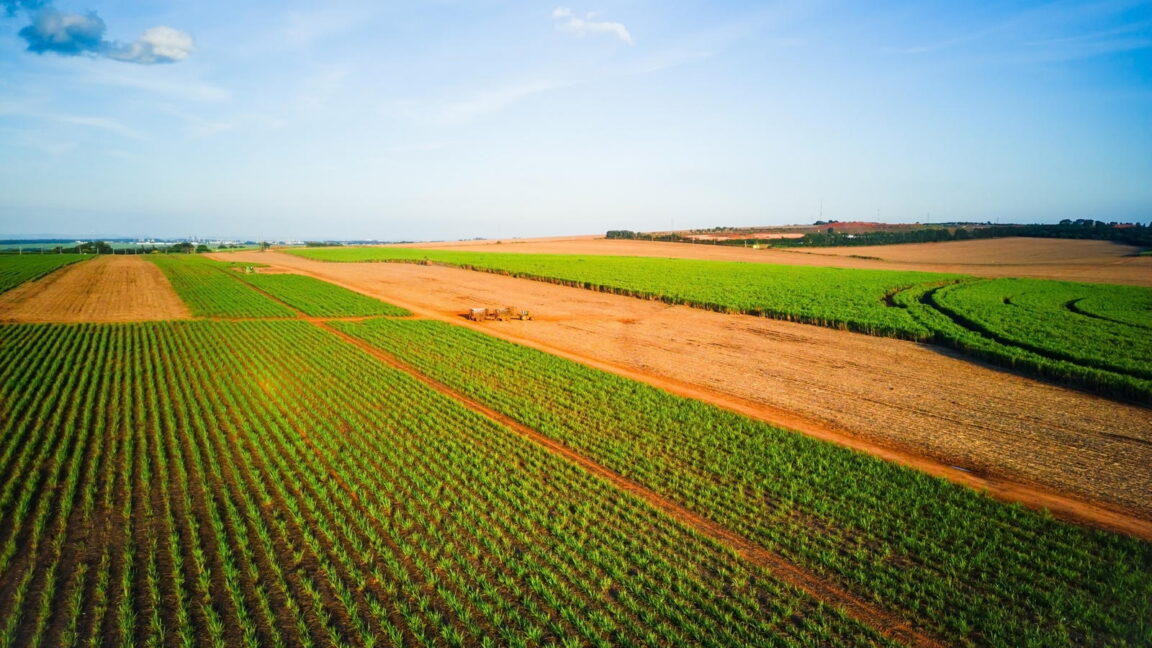
Everyone pays the price as patent holders on seeds stifle innovation

The United States is one of only a handful of countries that allows companies to hold patents on plant varieties. As a result, a small number of corporations can—and do—suppress competition in the seed industry, stifle innovation, and turn taxpayer subsidies intended for farmers into corporate profits.

The US Department of Agriculture has found that two companies control more than 70 percent of US corn and soybean seed sales, and the top four cottonseed companies control nearly 94 percent of that market.

In a May 2026 court filing in a legal dispute between two US seed companies, the Department of Justice said patents on seeds are obstructing competition and research in the agriculture industry.

Read full article

Comments

© wsfurlan via Getty

  •  

Solstice d’été : cette fête païenne survit depuis des millénaires, et elle dit beaucoup de nous

Le 21 juin, le soleil s’immobilise, pas ceux qui perpétuent la tradition du solstice d'été : danses, chants, feux de joie… Depuis la nuit des temps, partout en Europe, ces grands rassemblements festifs célèbrent la lumière. Entre rituels païens, symboles chrétiens et fêtes laïques, cette...

  •  
❌