Amazon Prime Day is underway, and we've found some tempting deals on our favorite stargazing equipment at Amazon. The sale ends at 23:59 tonight, Wednesday, October 7, 2026, and we'll keep an eye on the deals so you can keep an eye on the skies.
Fall is a fantastic time to stargaze, with meteor showers, full moons, constellations and planetary oppositions — some of which you can only see with binoculars or a telescope. Shop the best deals on telescopes and binoculars below.
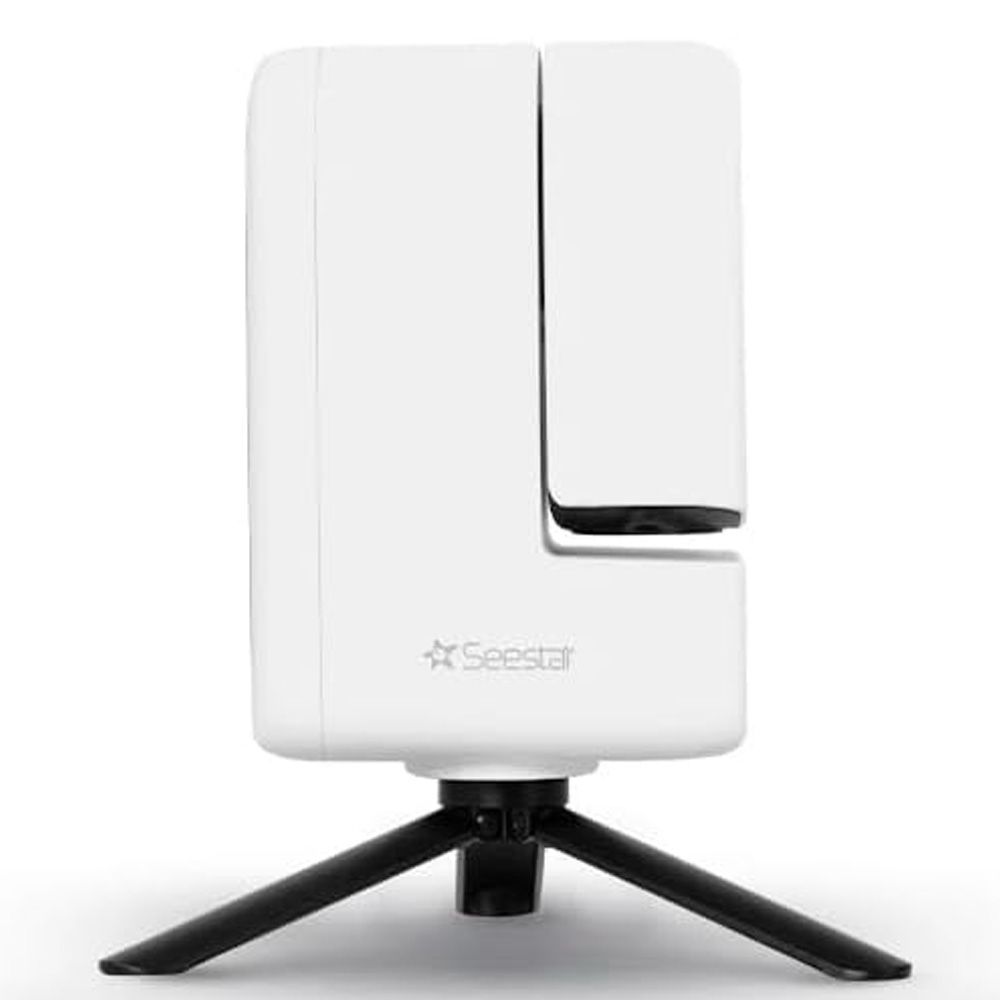
These small smart telescopes are ideal for deep-sky astrophotography, particularly for large nebulas and galaxies like the North America Nebula and the Andromeda Galaxy. They're an easy introduction to astrophotography, and you can also photograph the Moon and Sun, too.
Although we haven't reviewed this exact model, you can read ourreview of the S30 Pro,which we named the best portable smart telescope.View Deal
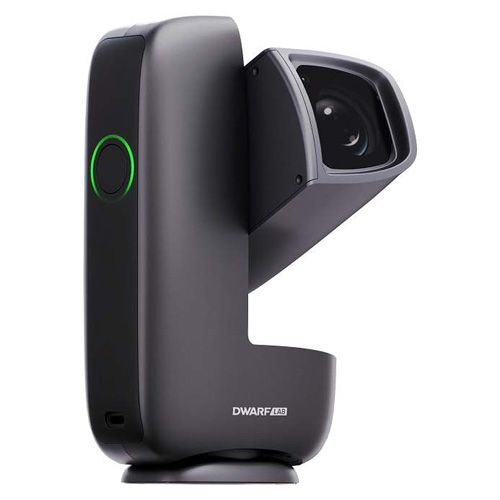
If you want a portable smart telescope that excels at wide-angle shooting, the Dwarf Mini is the ideal choice, and you can save $59 right now at Amazon.
Its portability is the killer feature here, as it's around half the weight of the Seestar S30 we mentioned above. Plus, the wide-angle camera is much wider, making it better for Milky Way landscapes, constellations and bigger portions of the sky.
While this isn't marked as a Big Deal Day price, it's the lowest we've seen it at Amazon since March.
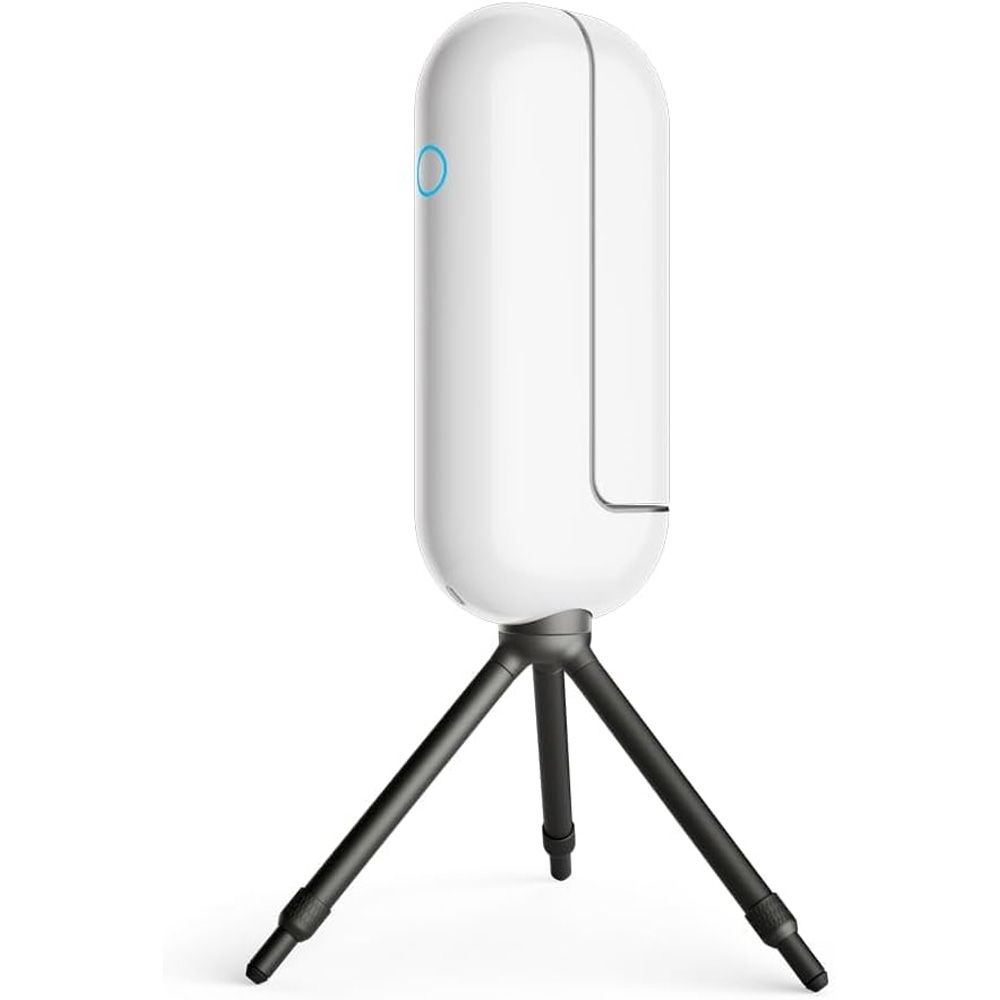
The Vaonis Vespera Pro is one of the best smart telescopes on the market, with the latest Sony Starvis 2 sensor, a massive 11-hour battery life and is ideal for deep-sky astrophotography.View Deal
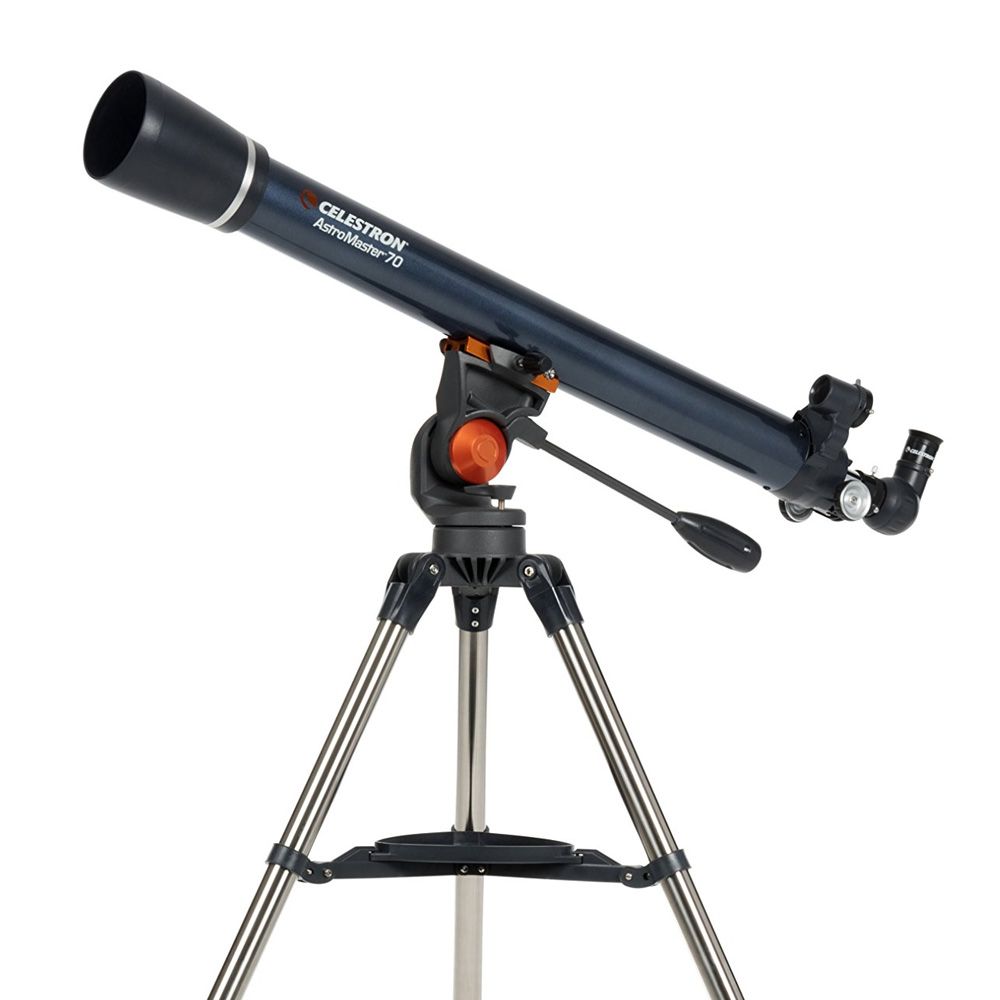
Not to be confused with the Celestron AstroMaster LT 70AZ, which is smaller and gives you a slightly wider view. The standard AstroMaster 70AZ, which is on offer here, has a longer focal length, which is better suited to spotting planets, particularly Jupiter and Saturn. This telescope usually sits around $179, and this is the cheapest we've seen it since June.View Deal
Celestron StarSense Explorer LT 80AZ: was $249.95 now $199.99 The Celestron StarSense range is really useful for total beginners, as the smartphone dock and accompanying app work out where the telescope is pointing, then show arrows on the screen to guide you towards certain objects.
So, rather than "Here's a telescope, good luck finding Jupiter", the StarSense is much more "Here's what's visible tonight. Pick something, and I'll show you where it is".
If you can afford to stretch your budget, this is a better option than the AstroMaster 70LT we listed above. It has better light-gathering capabilities thanks to the wider aperture; it's a lighter package overall and it includes a 2x Barlow lens.
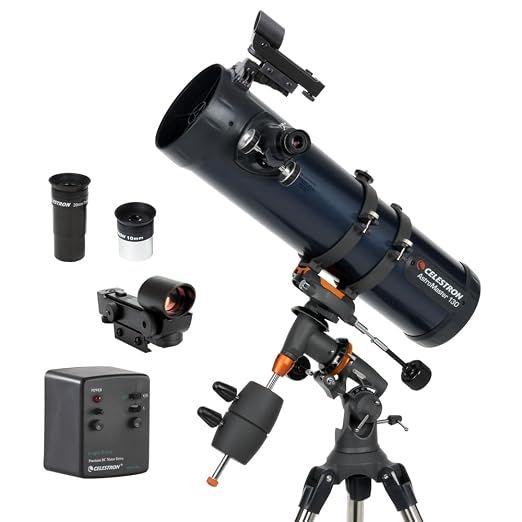
If you're looking for more of an intermediate-level telescope, the Celestron AstroMaster 130EQ-MD is a great option, and you can save $58 right now.
The EQ mount has a bit of a learning curve, but once you've got it set up, it's a much more accurate way of tracking objects across the night sky. Plus, this version comes with a motor drive, so there's no manual adjusting needed.
The 130mm aperture is great for viewing brighter deep-sky objects, and the moon looks beautiful, as do Jupiter and Saturn. View Deal
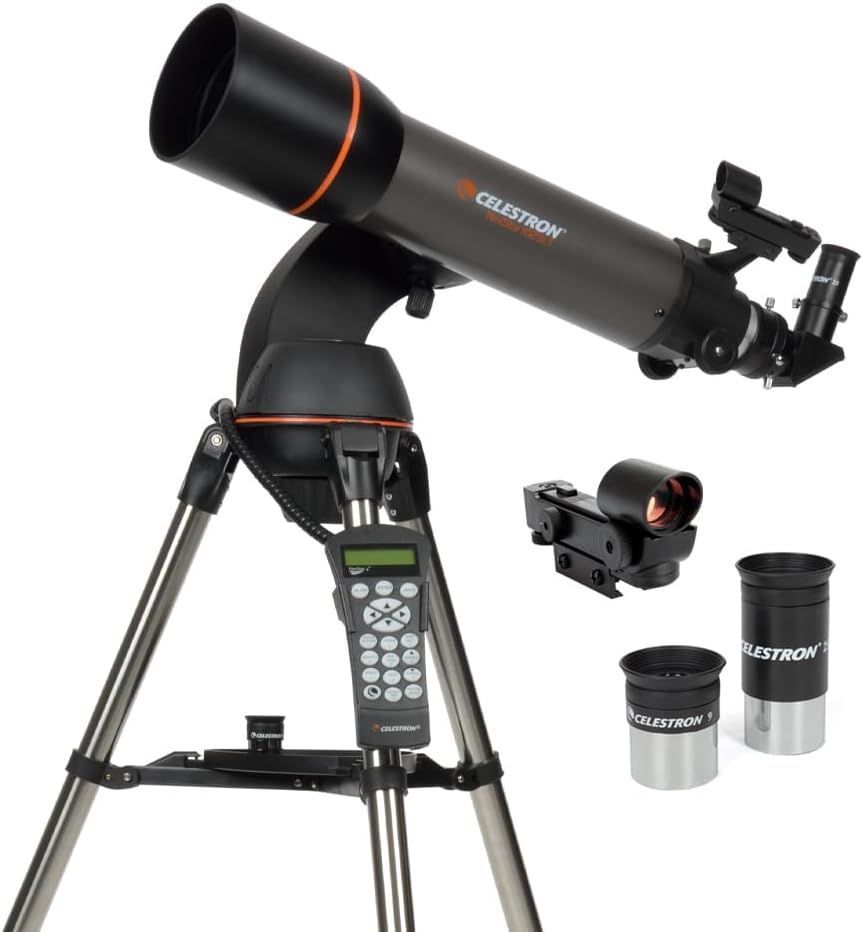
Celestron NexStar 102SLT: was $639.95 now $479.99 If you like the intelligence of a smart telescope but want an observational telescope, a GoTo is the perfect combination. Once the telescope is aligned, you use the handset to select a celestial object from the list, and the telescope automatically orients itself toward your chosen object.
This telescope has a 102mm aperture, which is excellent for observing larger deep-sky objects, the moon, and planets. It's user-friendly without feeling too much like a beginner telescope, and it's an excellent price.View Deal
Binocular deals
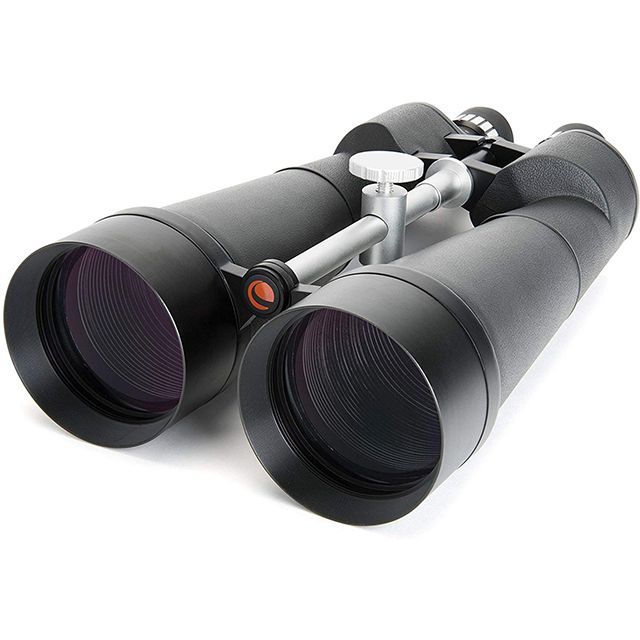
These massive, powerful astronomy binoculars are the closest thing to a telescope that isn't actually a telescope. With 25x magnification and 100mm objective lens diameter, they're perfect for getting detailed views of the moon and night sky.
Be warned, they're very big and very heavy, so you'll need to mount them on a tripod. They're for dedicated astronomy users, so if you want something lightweight and portable, check out some of the other options in this guide.
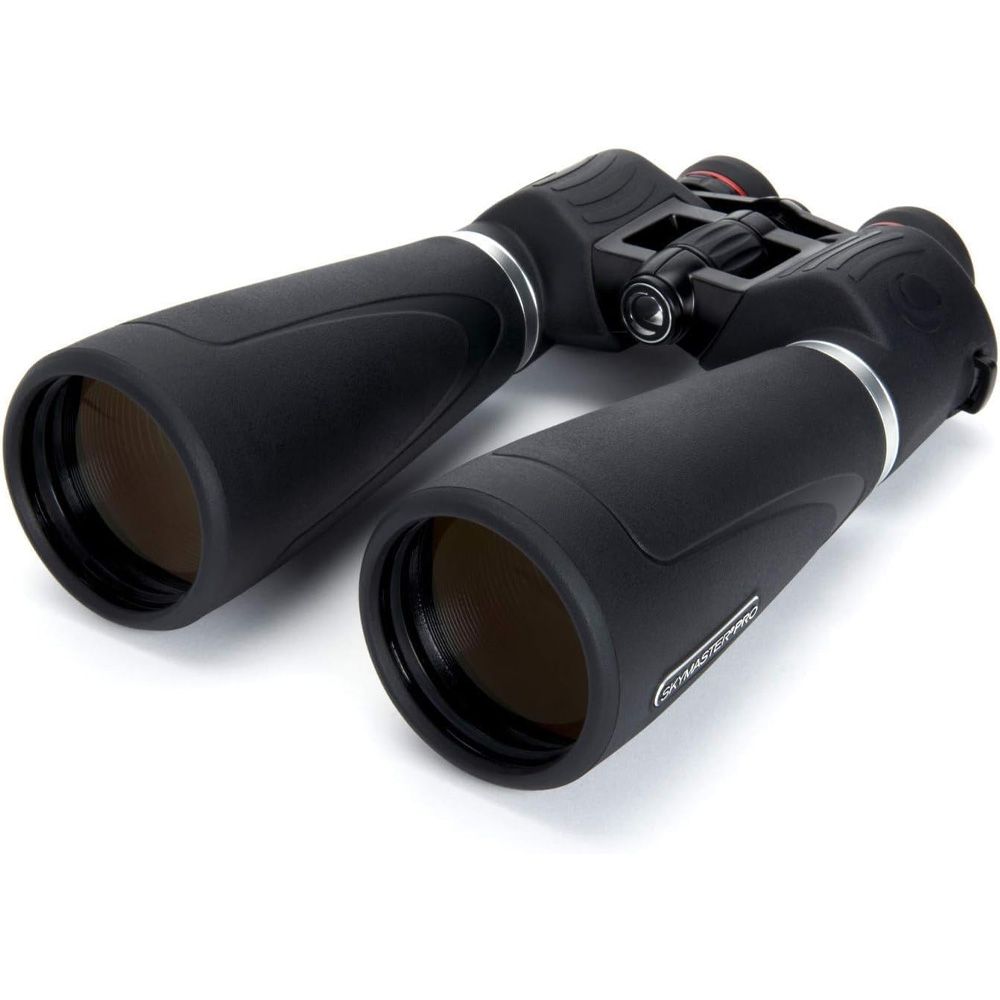
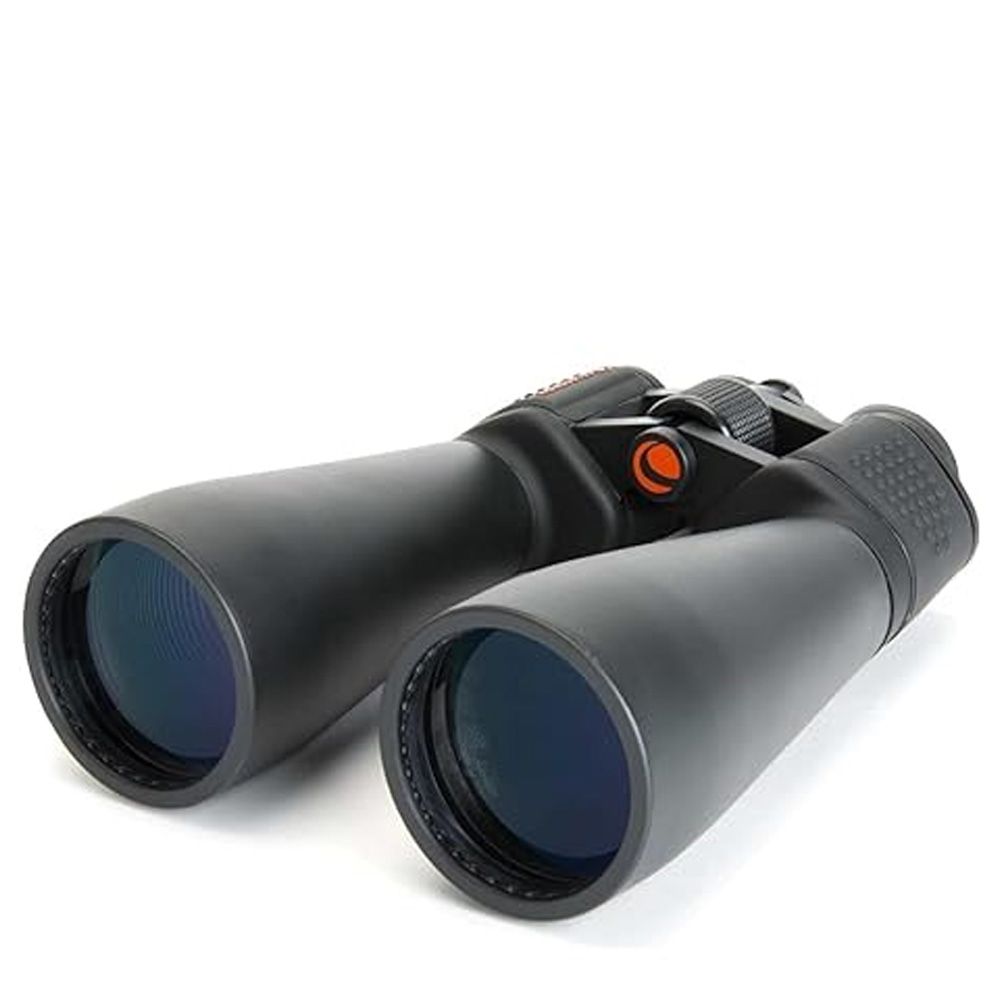
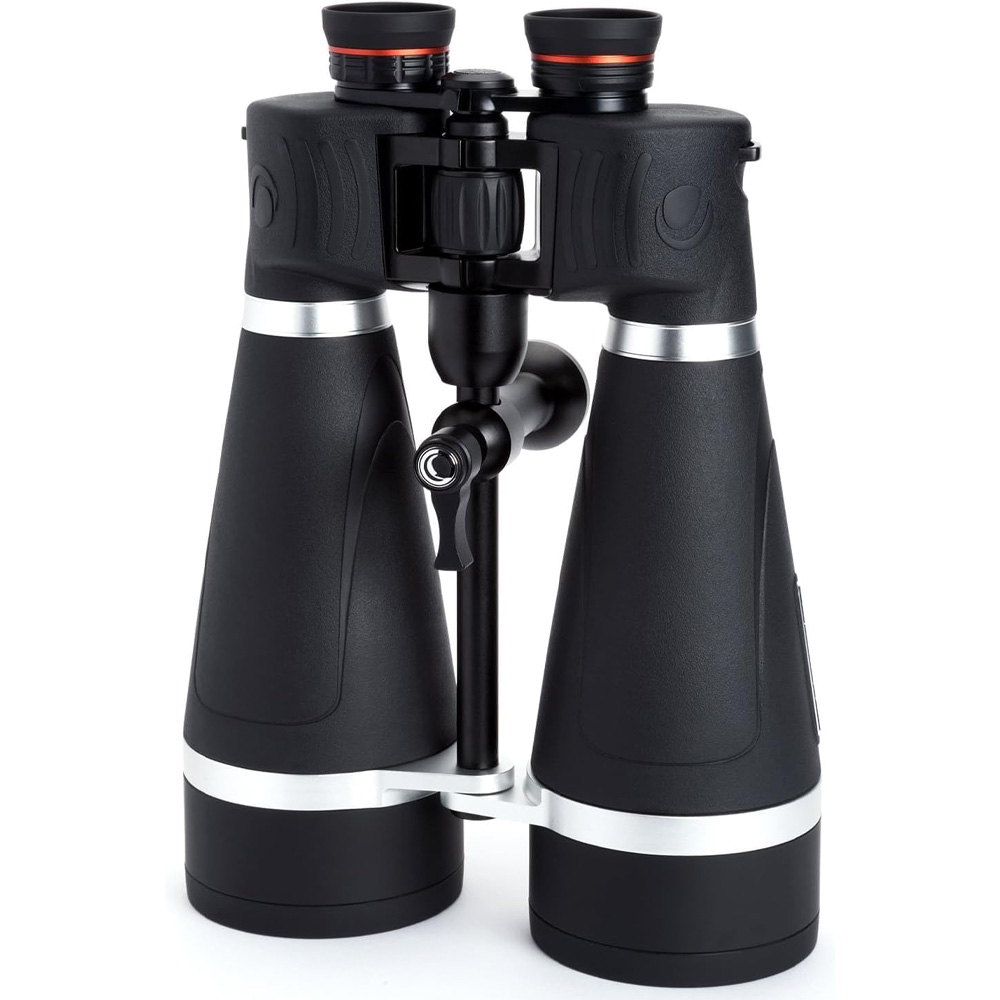
For serious stargazing, the Celestron SkyMaster Pro 15x70 is ideal for getting detailed views of the moon, constellations and spotting Jupiter's moons. They have excellent optical quality, and the solid build makes them as rugged as they come. That said, you'll need to mount them on a tripod due to their size and weight.
This price is the cheapest we've seen them since April.View Deal
If you're looking for astronomy binoculars on a budget, these 12x60s from Celestron are ideal. They're a little big to use handheld, but they'll give you great views of the moon and stars, and you'll be able to spot Jupiter's moons.
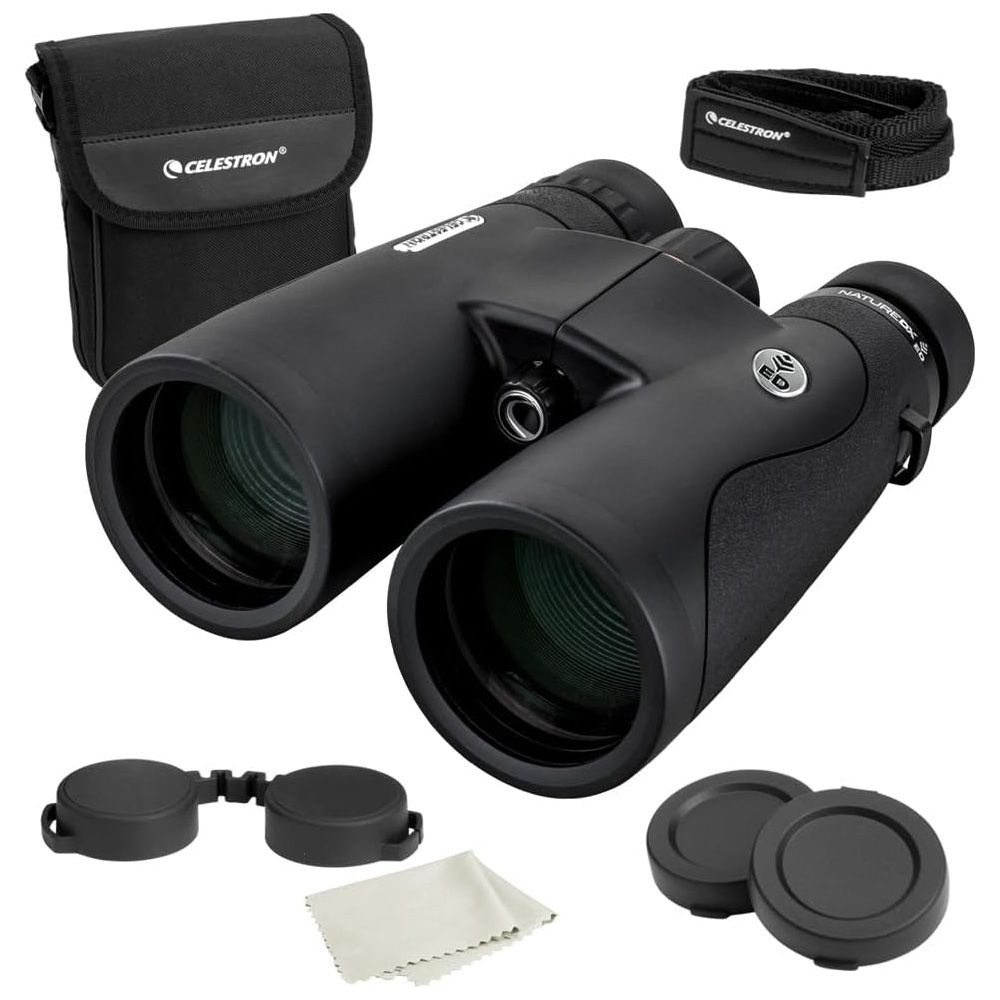
Celestron Nature DX ED 12x50: was $279.95 now $234.99 Binoculars with viewing power and excellent optical quality. These binoculars have ED glass to eliminate chromatic aberration, which is particularly useful when viewing the moon. They're more of an investment than non-ED glass, but they're worth every cent and will last a long time.
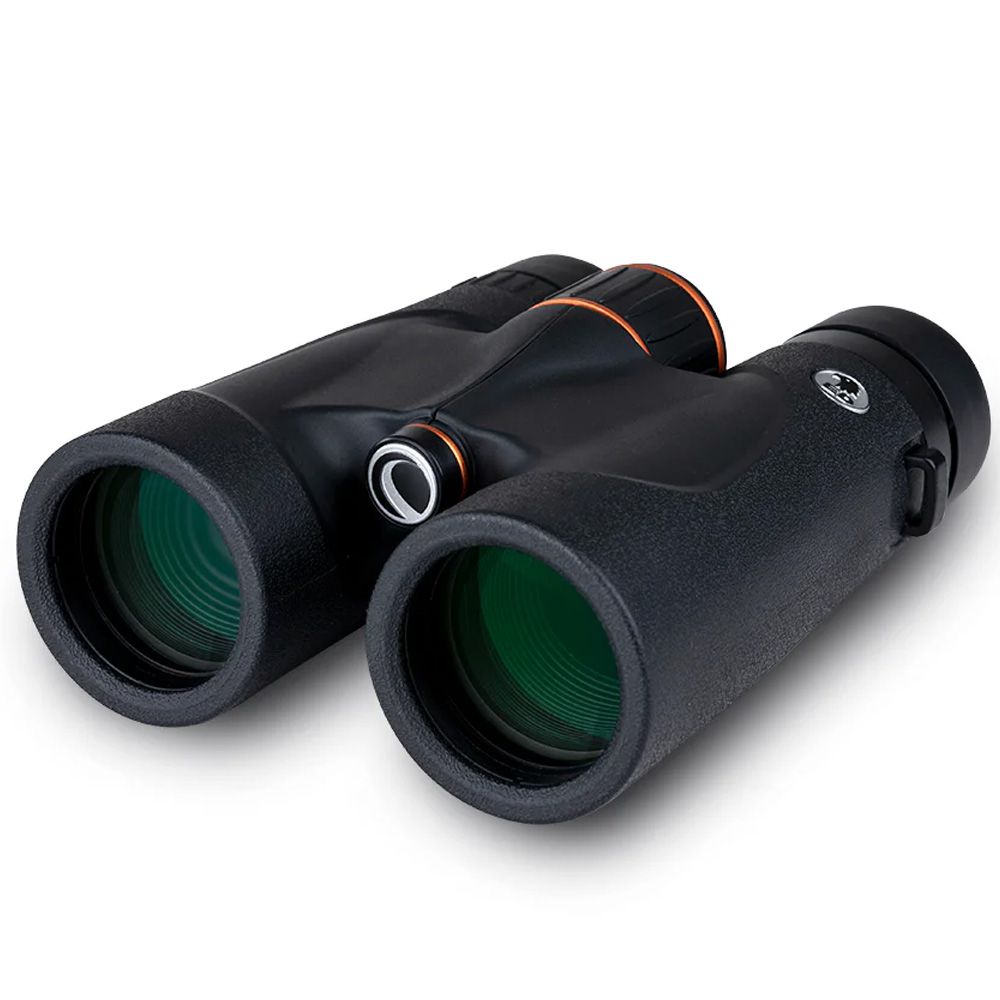
The Celestron Regal ED 10x42 is one of the best multi-use binoculars we've tested. The ED glass and field-flattening technology produce clear, sharp views across the entire frame, and the 10x42 spec is good for spotting wildlife and sweeping across the sky to get a closer look at the moon and stars.
With fall now upon us, many of us will be dusting off our binoculars and telescopes ready for the longer nights this season brings. Earlier sunsets mean more stargazing hours, and we'll start to see the return of some favorite celestial sights and deep-sky objects that we haven’t seen since before spring.
Fall is also an excellent time for casual stargazers, with the earlier evenings and cooler temperatures offering a comfortable compromise before we head into those freezing winter nights when we can't feel our toes. Don't worry if you're just starting out and don't have any gear yet, as many of this season's celestial objects are visible with the naked eye — and some are actually best viewed that way.
This September, October and November are great times to view the distant planets at opposition, catch several meteor showers and photograph far-flung galaxies and nebulas with your smart telescope. Plus, November brings the first full supermoon of the year. So, grab your telescope, your headlamp and a cozy sweater, and let's see what lies ahead.
Lunar & Planetary events
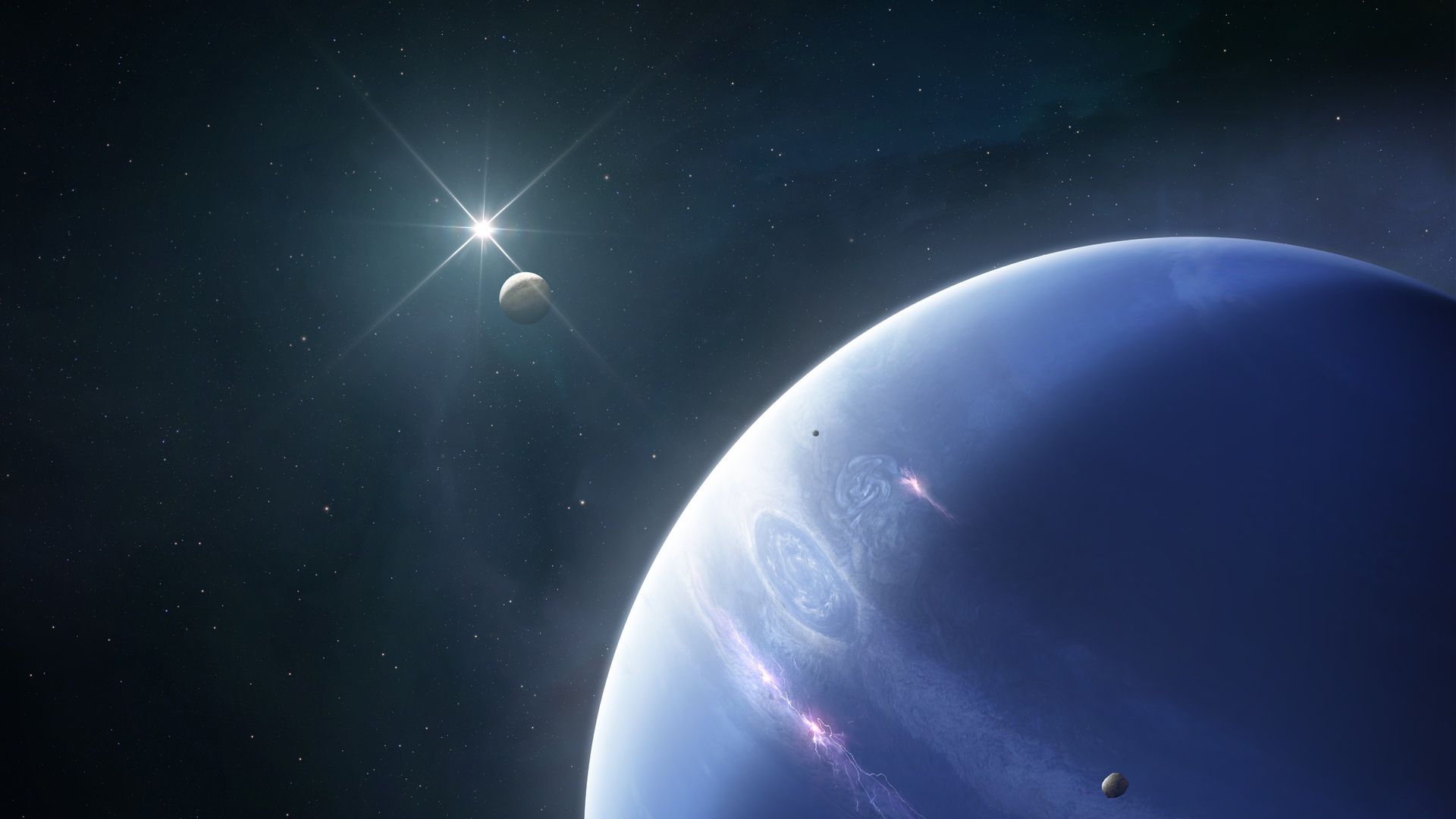
Neptune at opposition
(Image credit: Getty Images)
Neptune reaches opposition on September 26 at 02:00 UTC, which is the best time to view it at its brightest, magnitude +7.8. Unfortunately, the full moon will somewhat ruin the party, and Neptune isn't particularly easy to spot at the best of times. That said, the opposition window lasts for several weeks, so waiting a couple of weeks to observe during the new moon week won't make any noticeable difference.
You'll need a good telescope to spot the big blue planet — at least a 6-inch aperture, although an 8-inch or bigger will give you the best chance. Make sure you have a good quality, high-powered eyepiece (something like a 6mm or 9mm) or a good Barlow lens to boost the magnification of your existing eyepieces.
But even with high magnification, Neptune will only appear as a small disc with a bluish hue — you won't see any cloud bands or surface features, because it’s just too far away. Still, it's worth trying to get a glimpse anyway.
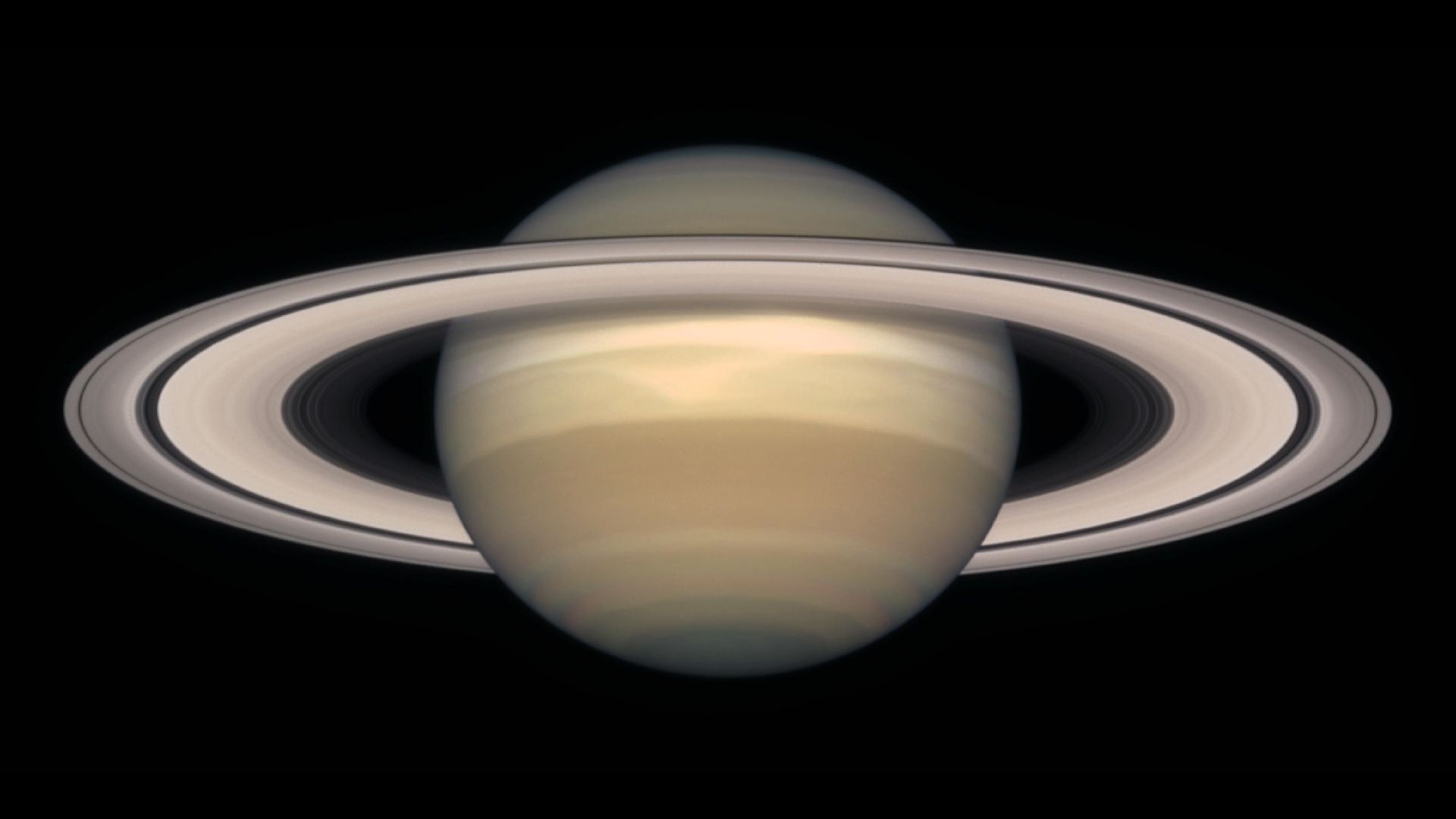
Saturn at opposition
(Image credit: NASA / Hubble)
A week later, on October 4 at 12:00 UTC, Saturn reaches opposition, shining at magnitude +0.3. It will be easily visible to the naked eye, although to see Saturn's rings or any of its largest moons, you'll need a telescope.
The moon will be just below 50% illuminated and doesn't rise until past midnight, so you'll have a good portion of the late evening to observe Saturn while it's high in the sky before the moonlight affects visibility. Even though the rings are only partially tilted, you can still make out a lovely golden oval around the planet, and in larger telescopes you'll be able to spot the Cassini division. We recommend a telescope with at least 4 or 5 inches of aperture, and a good quality, high-powered eyepiece to observe the finer details.
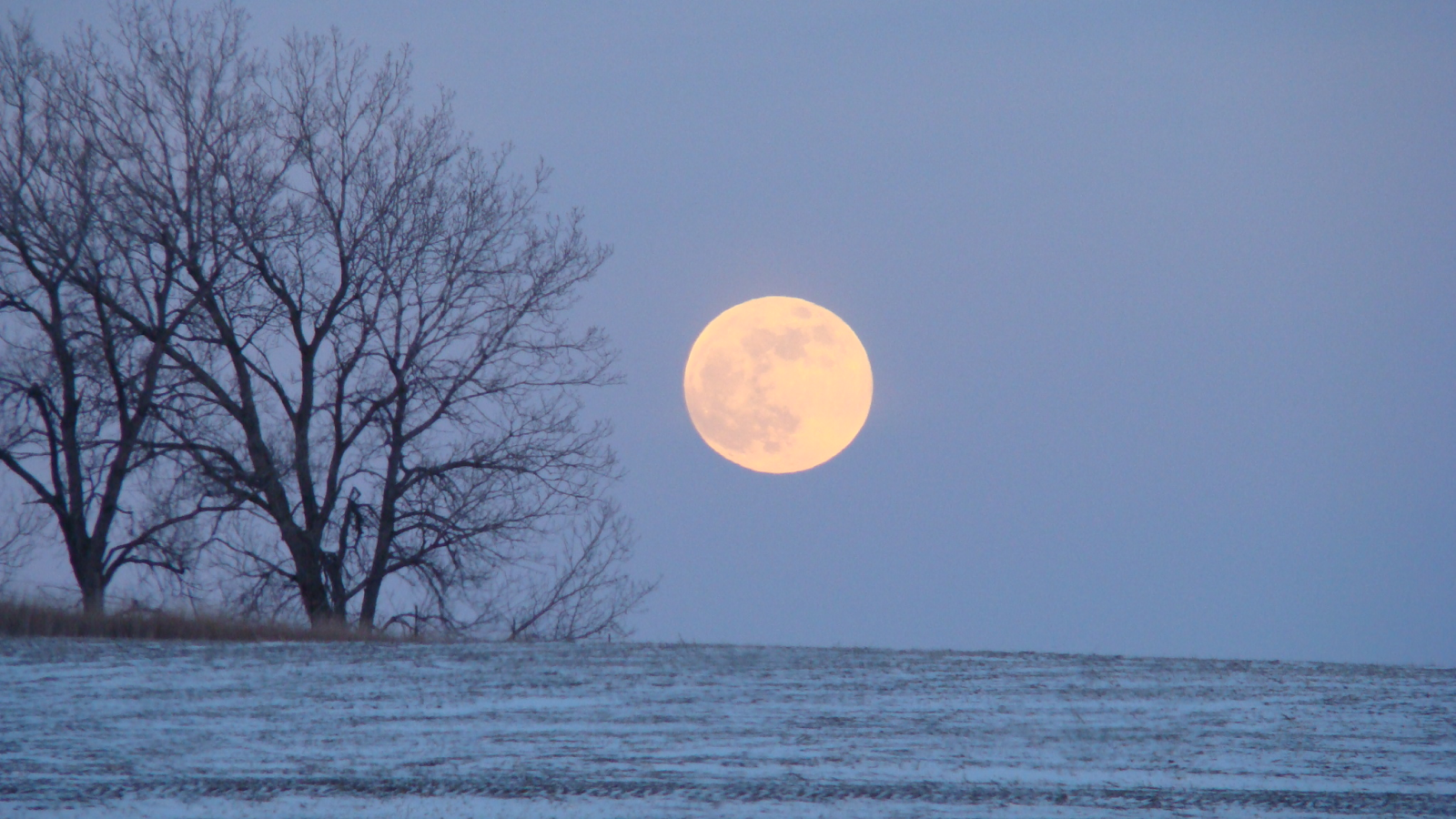
Full supermoon
(Image credit: Dawn Villwok-Joerg/Getty Images)
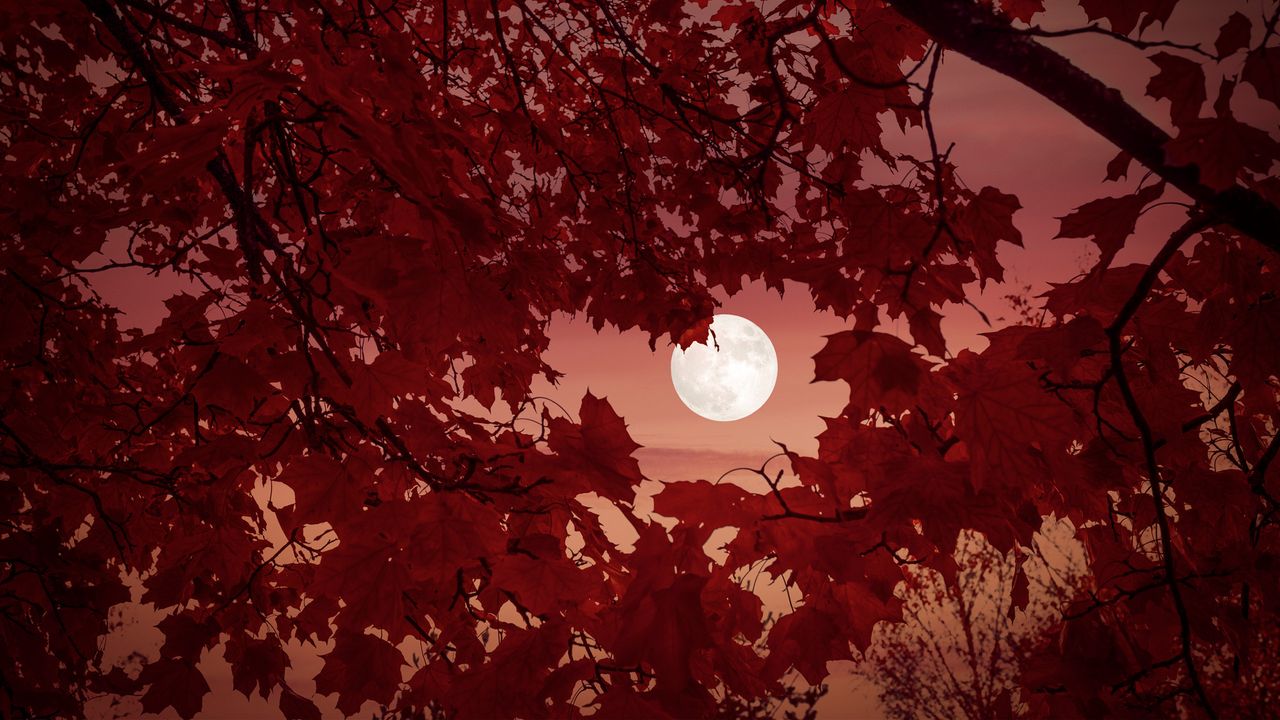
November 24 brings the first full supermoon of fall/winter, when the bright Beaver Moon will light up the skies, shining around 15% brighter than a normal full moon.
You can enjoy this moon without any gear whatsoever, but observing with binoculars or a telescope, or capturing its magnificence with a camera, makes the experience much more enjoyable.
Until then, you can catch the other full moons of the season on September 26 and October 26.
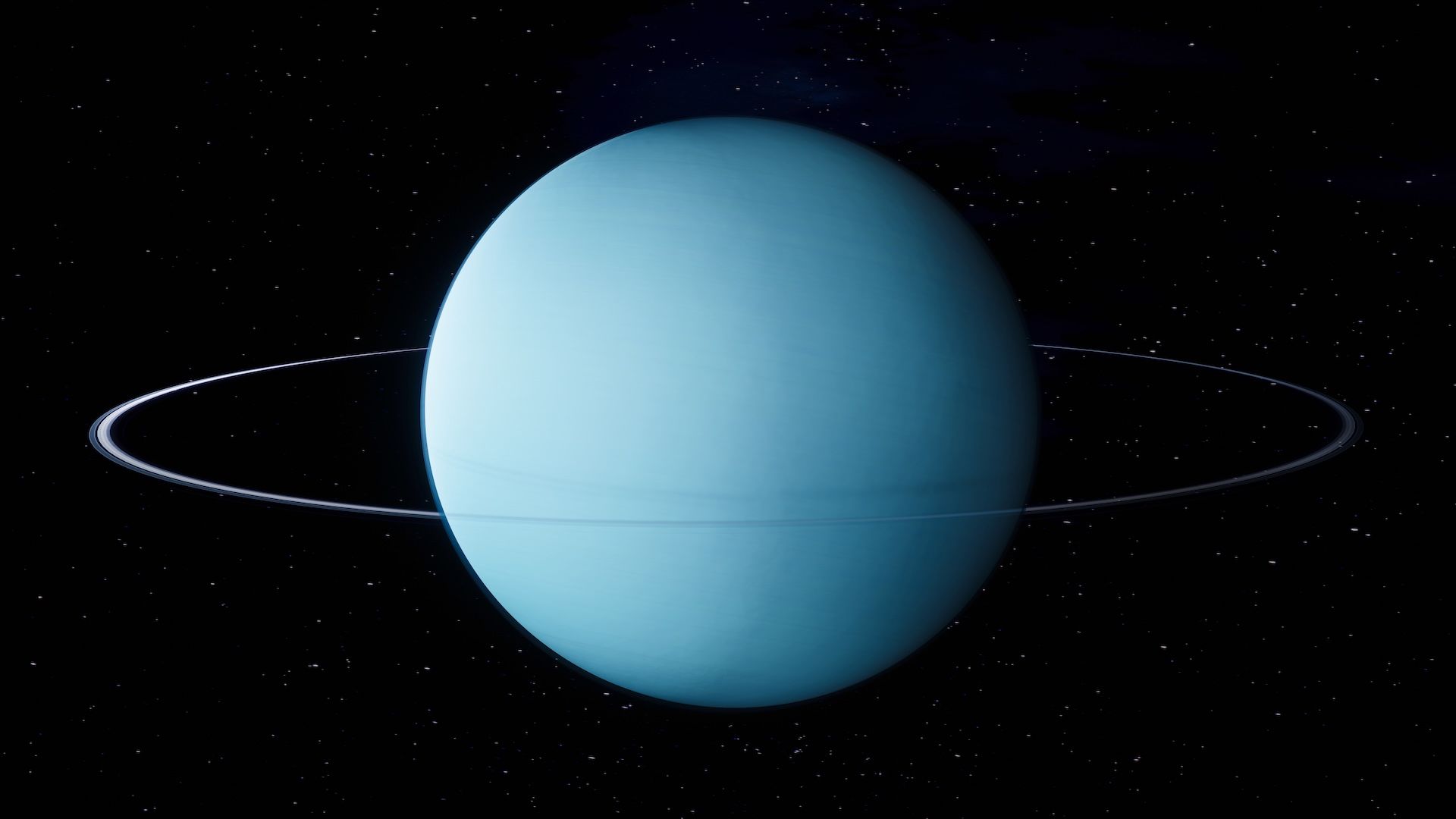
Uranus at opposition
(Image credit: ARTUR PLAWGO / SCIENCE PHOTO LIBRARY via Getty Images)
The third planetary opposition of the fall belongs to Uranus on November 25 at 23:00 UTC. But like Neptune in September, the almost full moon will dampen its visibility, so we'd recommend waiting until the new moon week.
Like the other outer planets, you'll need a larger telescope with an aperture of at least 6 or 8 inches to view Uranus, alongside a good quality, high-powered eyepiece for the best views. These larger scopes gather enough light to distinguish Uranus's turquoise color, although you'll need to go even bigger if you want to see its brightest moons.
Meteor showers
Draconids
(Image credit: Getty Images)
The first meteor shower of the season — and unlike most showers, which involve a lot of caffeine and an all-nighter, the Draconids are best seen in the late evening instead of the dead of night.
This meteor shower is active between October 6-10, peaking on the night of October 8-9. With the radiant point in Draco being highest at nightfall and the thin crescent moon not causing any interference, the best viewing hours are in the late evening before midnight.
These meteors are leftover debris from comet 21P/Giacobini-Zinner, and you can expect to see around 6-10 meteors per hour under ideal conditions.
Orionids
(Image credit: Mountain Light Photography Inc via Getty Images)
The Orionid meteor shower happens every October, when Earth passes through the trail of debris from Halley's Comet. In 2026, it's active between October 2 and November 7, with the peak occurring on the night of October 21-22. This shower brings between 10 and 20 meteors per hour under dark skies, radiating from the Orion constellation.
The waxing gibbous moon during the peak will add a fair bit of light pollution, but the moon will set between 03:12 am and 04:15 am depending on where in the States you're watching from, so you'll have a few hours before dawn to catch the darkest skies. You just need your eyes and clear, dark skies to see them, and a good astrophotography camera equipped with a wide-angle lens is perfect for capturing photos.
Taurids
(Image credit: Getty Images)
The Taurids meteor shower comes in two parts. The first is the Southern Taurids, active between September 10 and November 20, peaking on the night of November 4-5 (during a thin waning crescent moon). The Northern Taurids come slightly later and are active between October 20 and December 10, peaking on November 12 (during an even smaller waxing crescent moon).
The hit rate is one of the lowest of all the meteor showers, with only around 5 meteors per hour. However, the Taurids are known for producing bright, slower-moving fireballs that linger in the sky — making them a particularly appealing astrophotography target.
Peak viewing time will be around midnight, when the Taurus constellation reaches its highest point in the sky.
Leonids
(Image credit: Getty Images)
Radiating from the Leo constellation, the Leonids come from the dust and debris left behind by comet 55P/Tempel–Tuttle, which orbits the Sun every 33 years. They produce between 10 and 15 meteors per hour, and the shower period runs from November 6 to November 30, with the peak falling on the night of November 17-18.
The first quarter moon will set around midnight, making way for the best of the shower between midnight and 4 am in totally dark skies.
Star clusters and constellations
Pleiades (and Hyades)
(Image credit: Giulio Ercolani / Alamy)
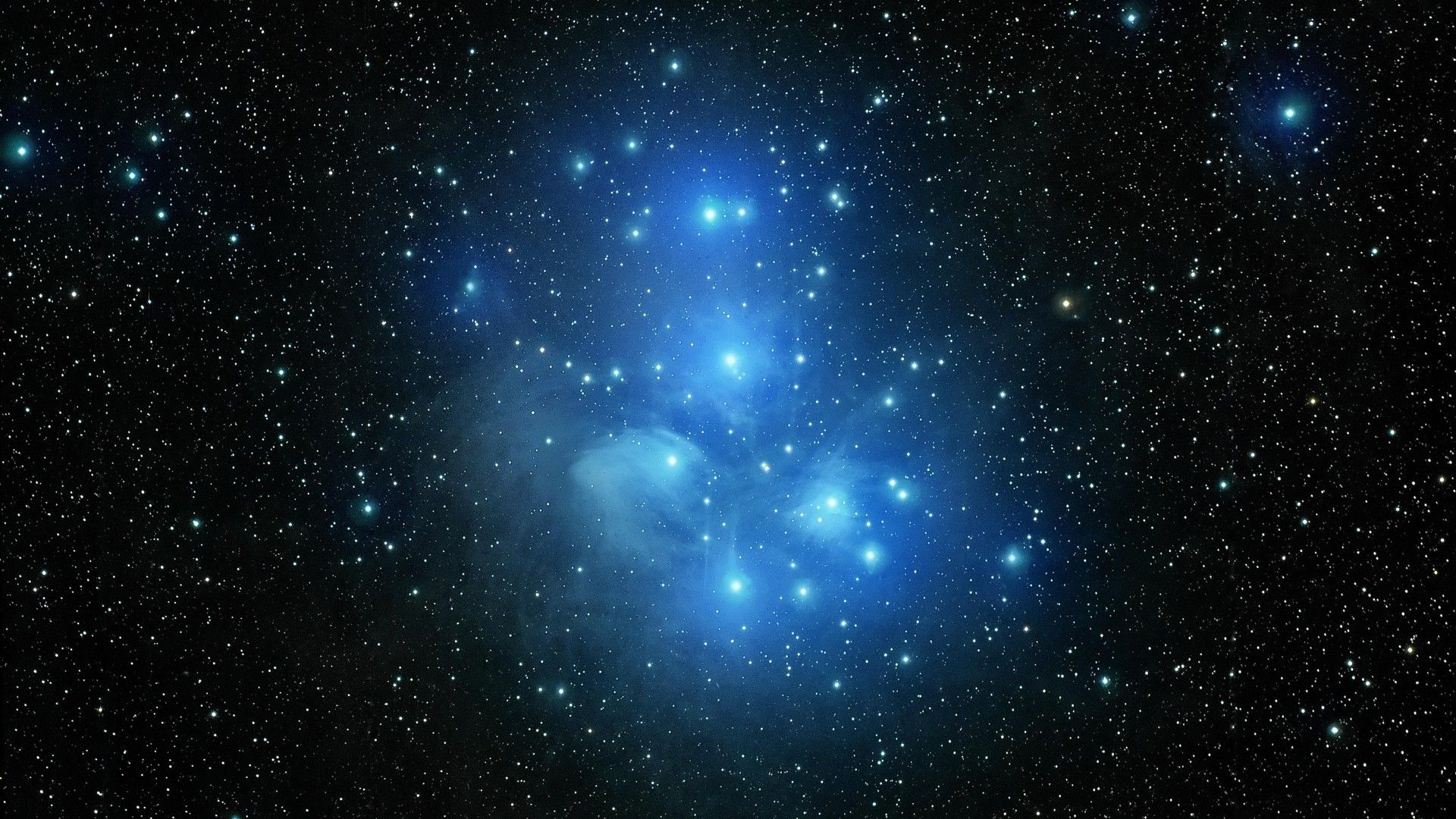
A favorite among many stargazers, the Pleiades (M45), an open cluster known as the "seven sisters" in the constellation of Taurus, slowly returns to the night sky this fall. By October, it rises in the east a couple of hours after sunset and is visible from dusk to dawn from November. Although it's about 440 light-years from Earth, you can see it with the naked eye under dark conditions — even though it's usually just a faint, fuzzy patch — but binoculars or a telescope provide a much more impressive view.
As Greek mythology has it, the sisters — named Maia, Alcyone, Asterope, Celaeno, Taygete, Electra and Merope — were the daughters of the Titan Atlas and Pleione. The story is that Zeus transformed them into a cluster of stars to escape the relentless pursuit of the giant hunter Orion, who fell in love with the sisters and chased them for seven years. It seems he couldn't take the hint.
Look below the Pleiades, and you'll find their five half-sisters, the Hyades — an open cluster which makes up the V-shaped face of Taurus, the Bull.
The Pleiades are a fantastic target to capture with a smart telescope. If you want to stack multiple sessions across fall and winter, start in late November when they're high in the sky. You want an altitude of 50 degrees or higher, and ideally 60 degrees or more. The cluster itself is easy to capture, but the less atmosphere you're looking through, the more you can pull out that delicate blue nebulosity, which is what takes an image of the Pleiades from good to spectacular.
Another enemy of that lovely blue glow is the moon, so make sure you're imaging under completely dark skies with no more than around 25% moonlight. If you get a clear, moonless night, aim for 2-3 hours minimum to capture the faint nebulosity, and go for 3-5 hours for a really impressive image.
Pegasus
(Image credit: Getty Images)
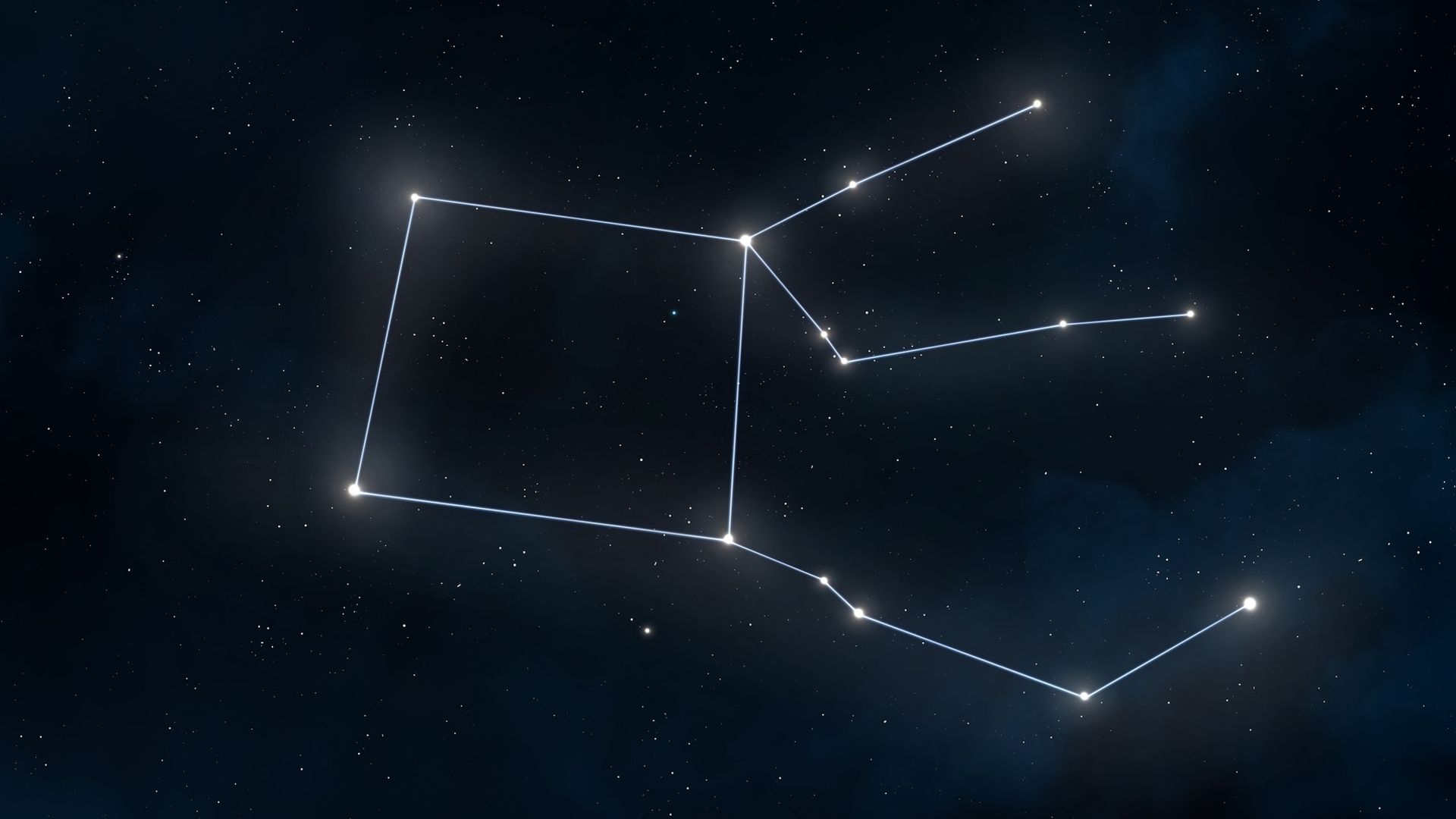
The best time to see the Great Square of Pegasus is during the fall evenings between September and January, with October offering the clearest and highest views in the night sky.
This asterism is a large, prominent square shape made up of four bright stars in the eastern sky — Markab, Scheat, Algenib and Alpheratz — with the latter belonging to the neighboring constellation of Andromeda. The square is said to make up the body of the winged horse, and the four stars range from about 133 to 670 light-years away from Earth. Point a pair of binoculars at them, and they'll reveal many more stars that are not visible to the naked eye.
Cassiopeia
(Image credit: Getty Images)
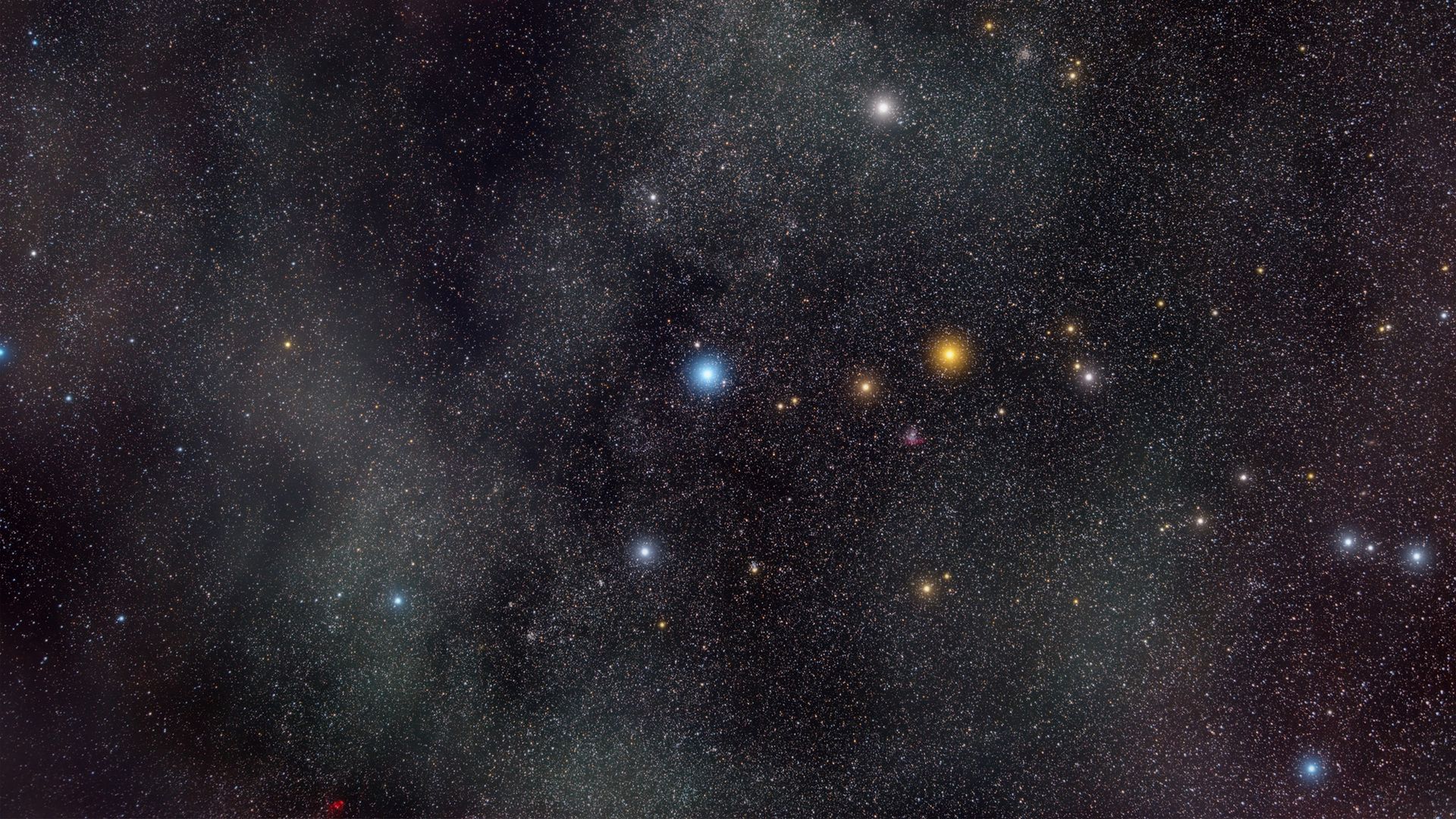
Cassiopeia is one of the Northern Hemisphere's circumpolar constellations, so although it's technically visible all year, it's best seen during the autumn and winter months. Throughout the fall, it climbs higher and higher in the sky, reaching its upper culmination in mid-November, when it is best viewed between 9 pm and midnight.
Depending on its rotation in the sky, Cassiopeia appears as a "W" or "M" shape made up of five bright stars ranging from 19 to 425 light-years away and visible with the naked eye.
Cassiopeia was a vain, arrogant queen in Greek mythology, and after boasting that she and her daughter, Andromeda, were more beautiful than the Nereids, the gods placed her in the sky tied to her throne, where she spends half of the year upside down as punishment for her vanity.
The Owl Cluster
(Image credit: Stocktrek Images via Getty Images)
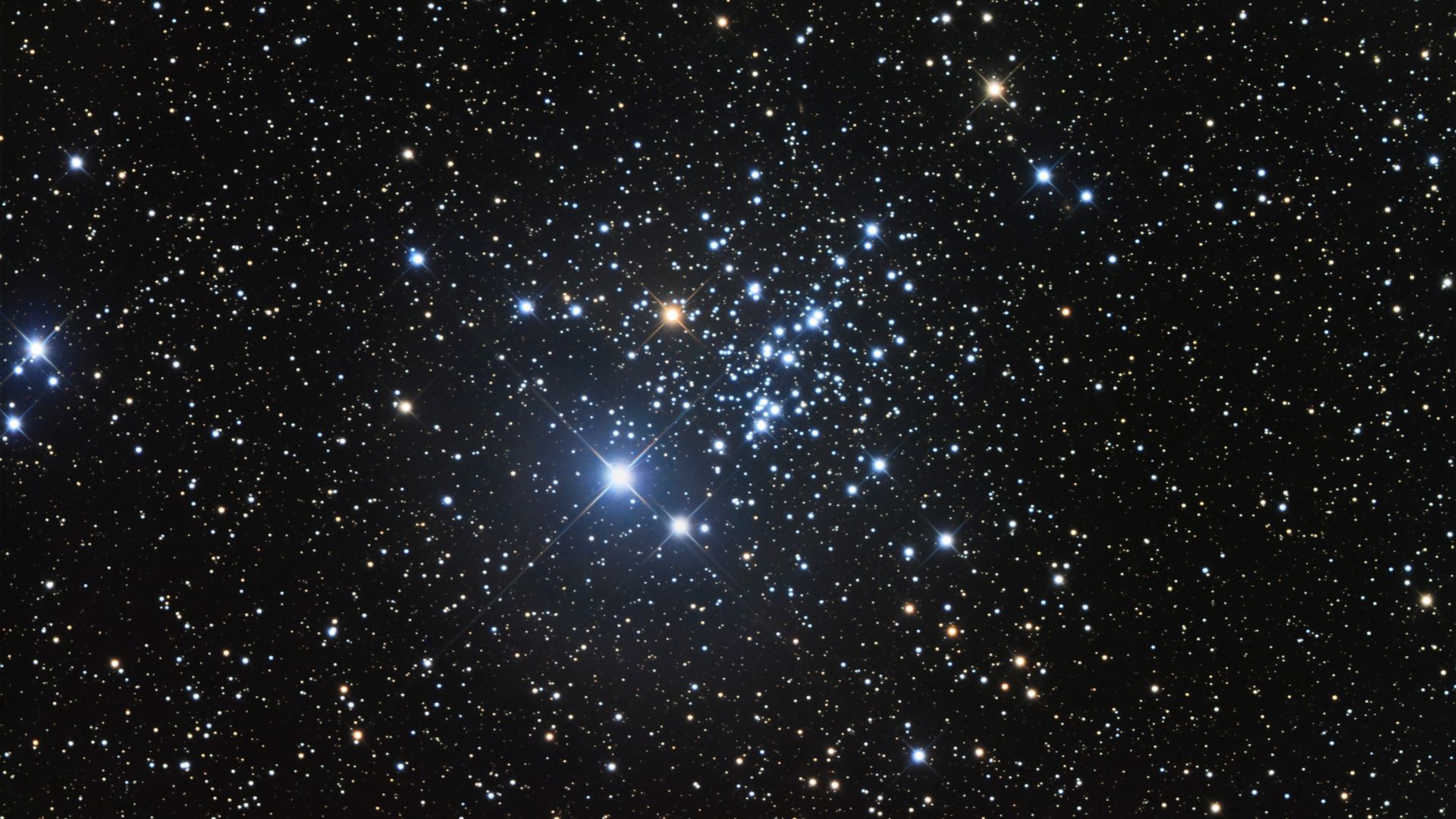
In addition to the constellation itself, there are some fun hidden objects within Cassiopeia that require binoculars or a telescope. The Owl Cluster (NGC 457) is a bright, open star cluster near the bottom-left star of the W shape, containing around 150 stars (although only 60 are identified as true cluster members), and is roughly 8,000 light-years from Earth. The blue and yellow "eyes" consist of the stars Phi Cassiopeiae (magnitude +5.0) and HD 7902 (magnitude +7.0).
You'll need a pair of astronomy binoculars to see it — go for 15x70 for a decent view, or 20x80 for an even better observation.
Caroline's Rose
(Image credit: Alan Dyer/StockTrek Via Getty Images)
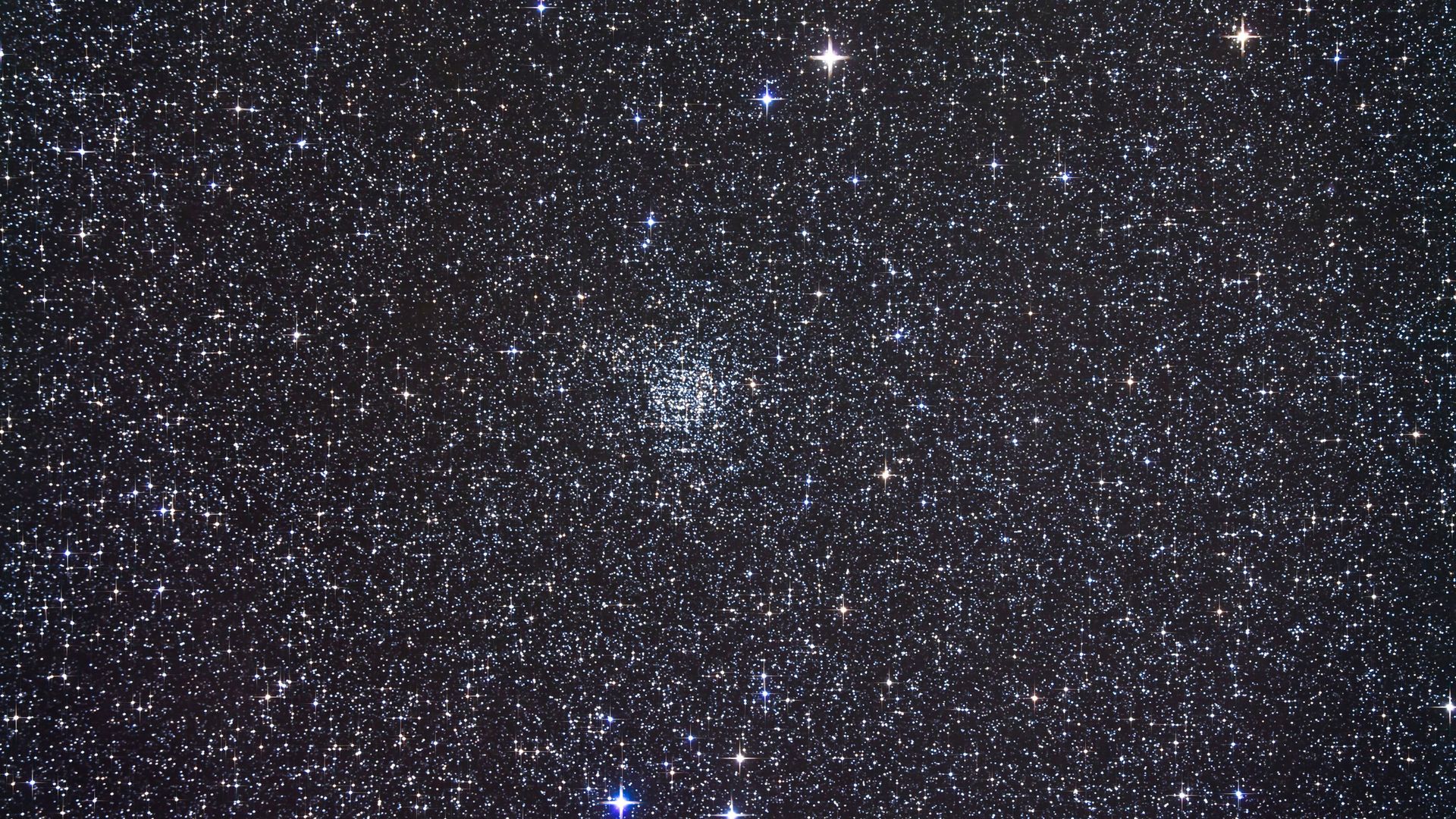
Caroline's Rose (NGC 7789) is another open cluster in Cassiopeia, situated close to the last of the five bright stars in the "W" shape. Astronomer Caroline Herschel discovered the cluster in 1783 and it contains over 1,000 confirmed member stars, with estimates suggesting up to 3,000 potential stars.
It was named "Caroline's Rose" or the "White Rose" because its winding loops of stars and dark empty lanes resemble the petals of a cosmic rose, and it is estimated to be around 1.4 to 1.7 billion years old.
You can see it with a pair of binoculars under reasonably dark skies, but the best views will come from a telescope.
Deep-sky nebulas & galaxies
Andromeda galaxy
(Image credit: Getty Images)
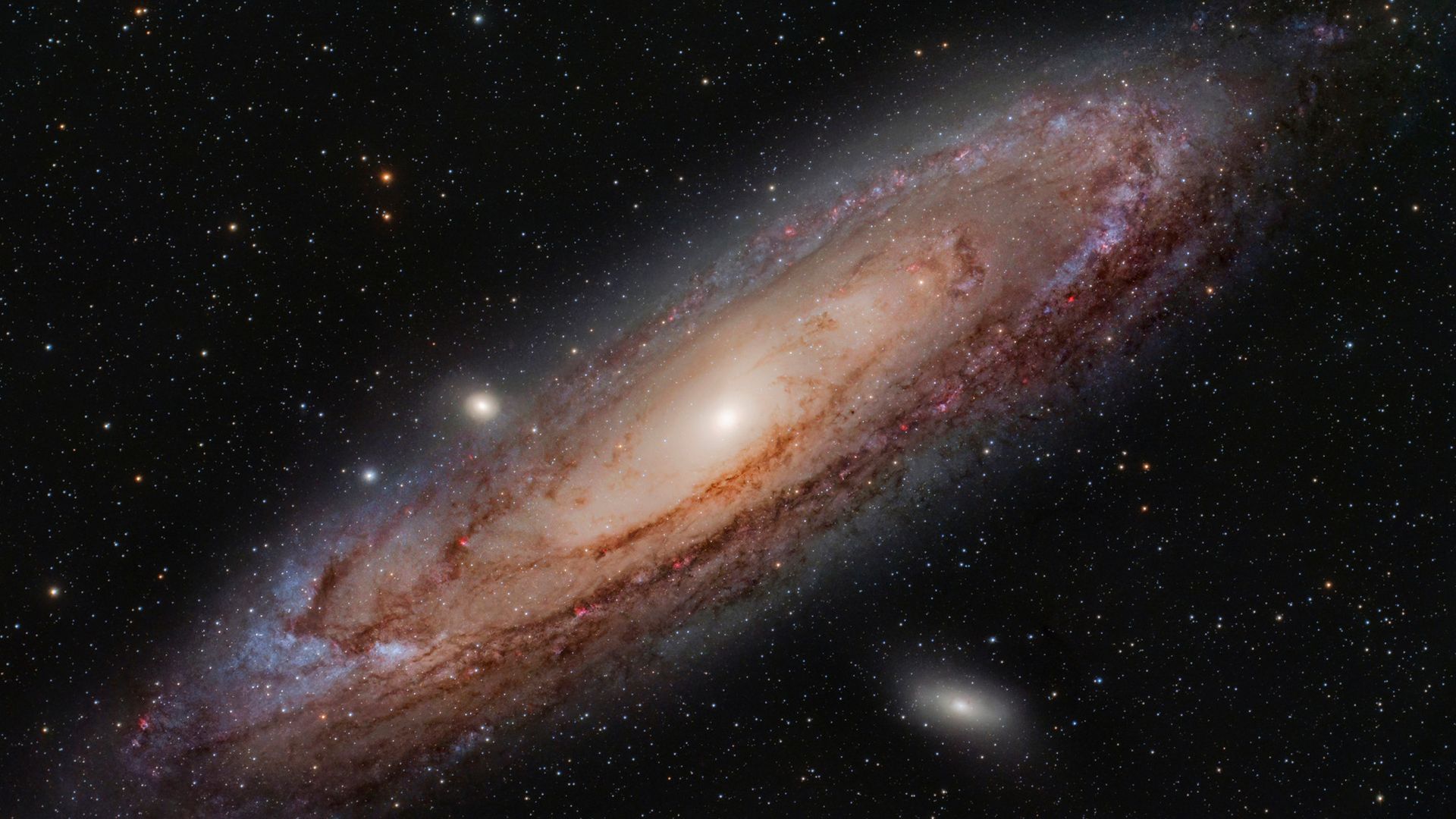
Our closest neighboring galaxy, Andromeda (M31), is about 2.5 million light-years from Earth and may one day collide with the Milky Way ("one day" being a 50/50 chance around 10 billion years from now, according to new research). But until then, we can easily make do with observing from afar with binoculars and telescopes.
October and November are prime evening viewing time, with the galaxy reaching its highest point between 7 pm and 11 pm. Under clear, dark skies, it's the most distant object visible to the naked eye, appearing as a very faint smudge — provided you know where to look. Binoculars provide a marginally better view of a somewhat larger, slightly brighter faint smudge — we've managed to see it with a pair of 8x25s under dark skies — but for the best views, you want a telescope.
It's a great first target for beginners using a smart telescope, with the prominent dust lanes revealing themselves after 30-60 minutes. If you want more detailed images of the faint outer arms, leave it for 3-4 hours. Moonlight can wash out the faint galactic arms and dust lanes, so if possible, choose a dark night with minimal light pollution.
In Greek mythology, Andromeda was the daughter of the aforementioned Cassiopeia. After angering the sea god Poseidon, Cassiopeia (who was not exactly Mother of the Year) chained Andromeda to a rock as a human sacrifice to the sea monster, Cetus, that Poseidon had sent to ravage their kingdom's coast. Andromeda was saved by Perseus, who she then married, and after her death, Athena placed her in the stars as a constellation.
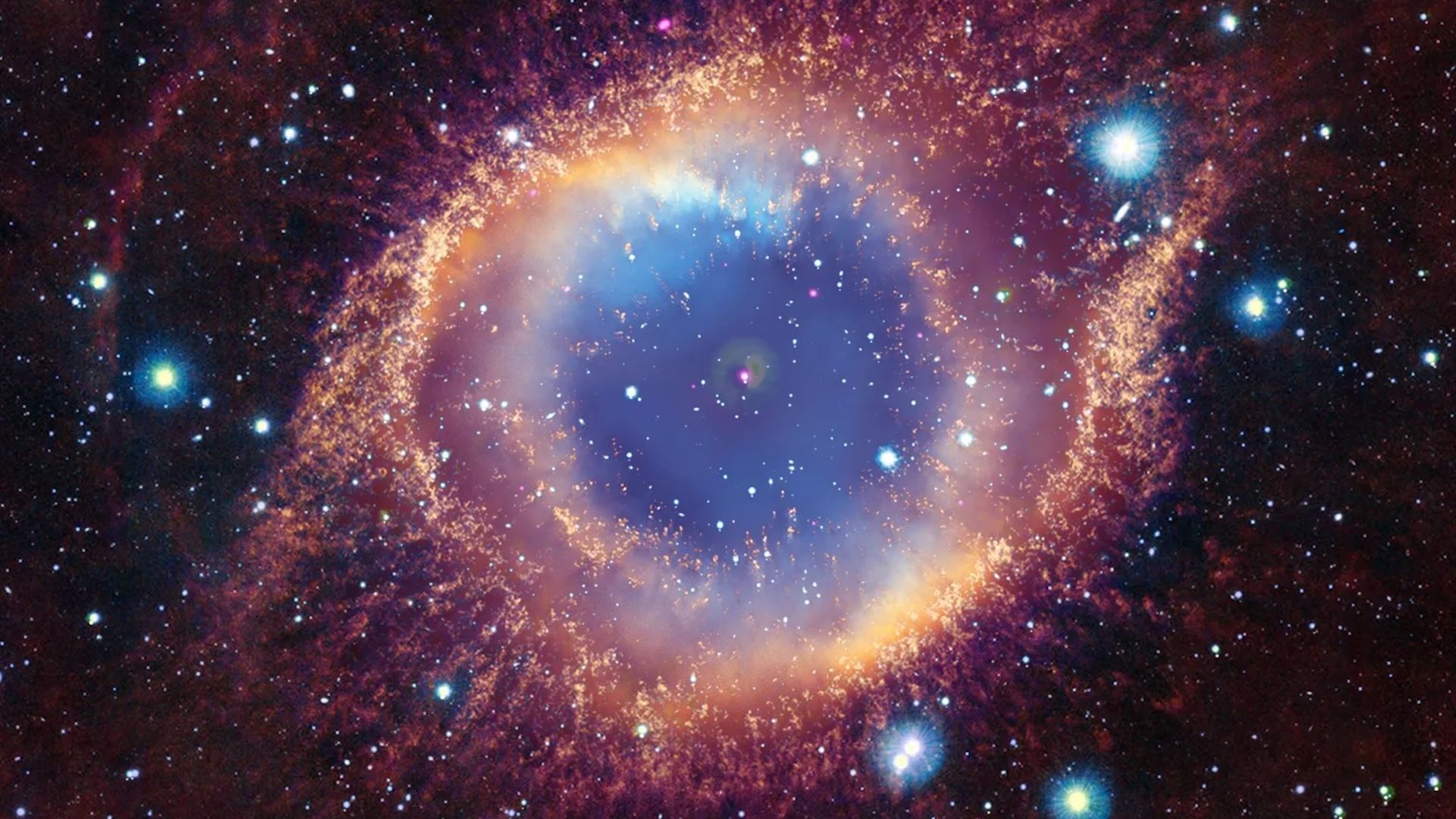
The Helix Nebula (NGC 7293) is a large planetary nebula around 650 light-years away in the constellation Aquarius. Often called the "Eye of God", it has a striking eye-like appearance, and it features thousands of comet-like radial filaments and complex gas rings.
It stays relatively low in the southern sky, with September being the best time to view or photograph before it gradually sinks over the coming months. Moonlight will completely wash out its faint outer gaseous ring, so it's best to shoot during a new moon (or when the moon hasn't yet risen) to get the best image possible.
The best hours to capture it are between about 10:30 am and 2 am, when it's either rising or at its highest. This should get you a pretty decent standard image, but if you want more detail, try to capture it over several nights to pull in the faint outer nebulosity and stack the images.
Triangulum Galaxy
(Image credit: Getty Images)
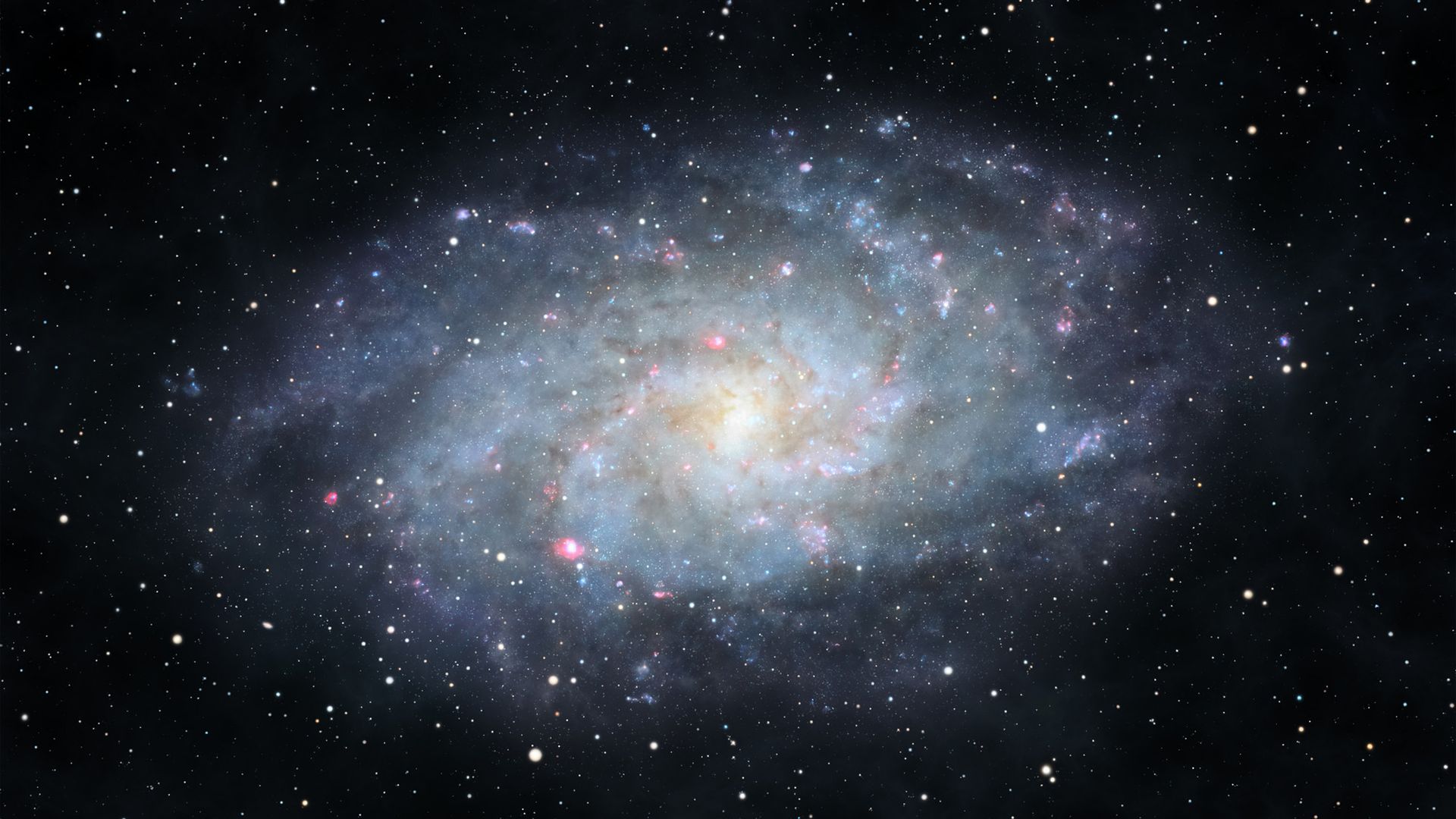
The Triangulum Galaxy (M33) is the third-largest in our local group of galaxies, behind the Milky Way and Andromeda. This stunning spiral galaxy — not to be confused with the Pinwheel Galaxy (M101), which is best seen in the spring — sits in the small Triangulum constellation about 2.7 million light-years from Earth and is a great astrophotography target.
Its peak viewing time is October to December, when its highest and clearest position is after dark in the late evening. Because it's so faint, you need a moonless night away from light pollution. The sweet spot for smart telescopes is around 90 minutes, but if you can shoot for longer or want to split your shoot across multiple nights, 2.5 to 4+ hours can bring out more detail in the core and spiral arm.
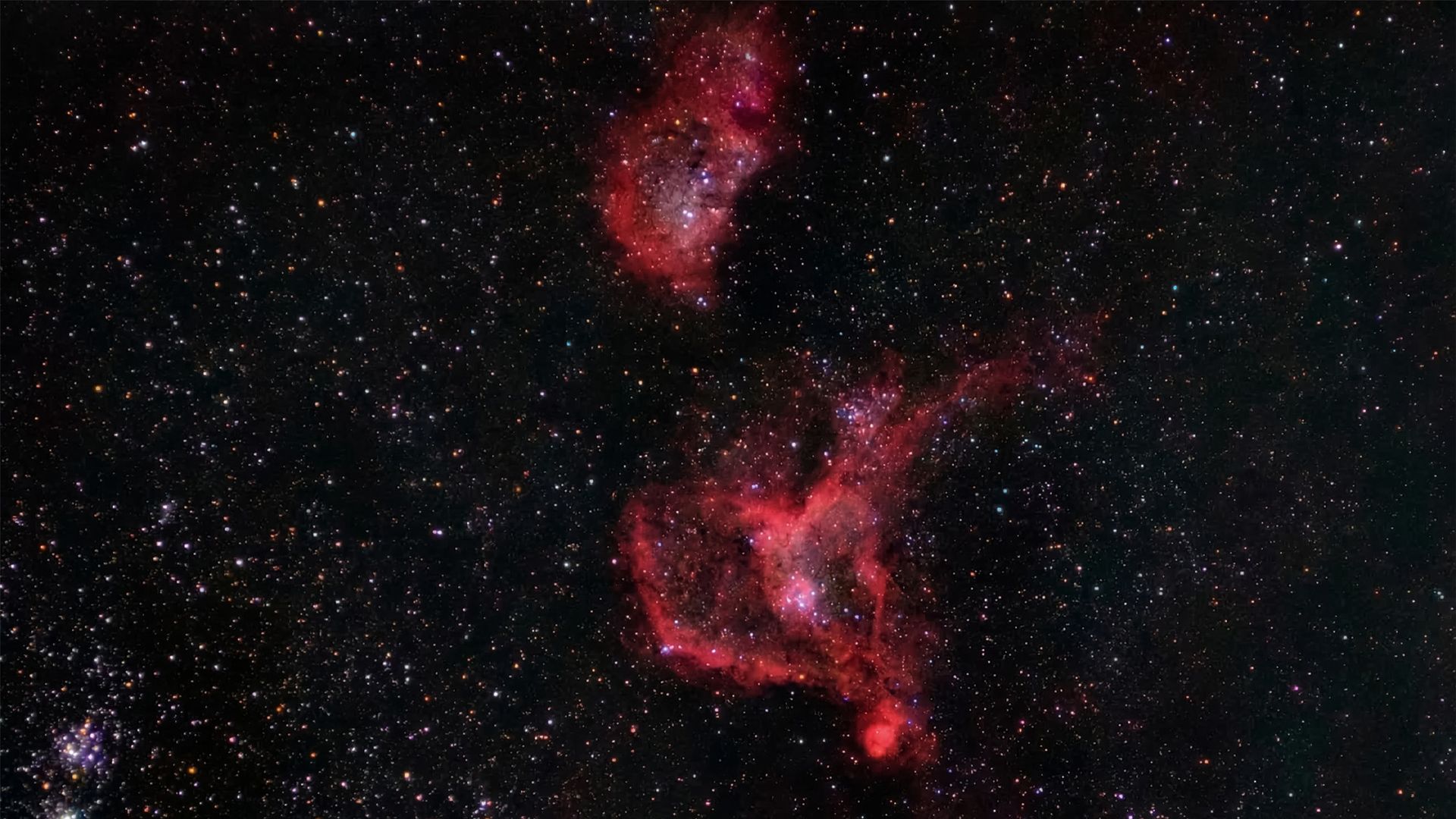
Heart and Soul Nebula
(Image credit: Getty Images)
The Heart and Soul Nebula is a nebula complex consisting of two massive emission nebulas located about 6,000 to 7,500 light-years from Earth in the constellation Cassiopeia. They are primarily made of glowing ionized hydrogen gas, darker cosmic dust lanes and trace amounts of ionized oxygen and sulfur.
Like most other nebulas, they aren't visible to the naked eye, so you'll need a telescope or a long-exposure astrophotography setup to see them. The Heart Nebula (IC 1805) is, unsurprisingly, named after its heart-like shape, while its neighbor, the Soul Nebula (IC 1848), has a more irregular shape with large cavities made by stellar winds.
If you're imaging the Heart and Soul with a camera or smart telescope, a total integration time of 6 to 12 hours will provide you with the cleanest details and most contrast in the faint gas structures. That said, 2 to 4 hours will give you a good basic stacked image.
As Cassiopeia is at its highest in the fall, this is the best time to see and photograph it with the least amount of atmospheric interference.
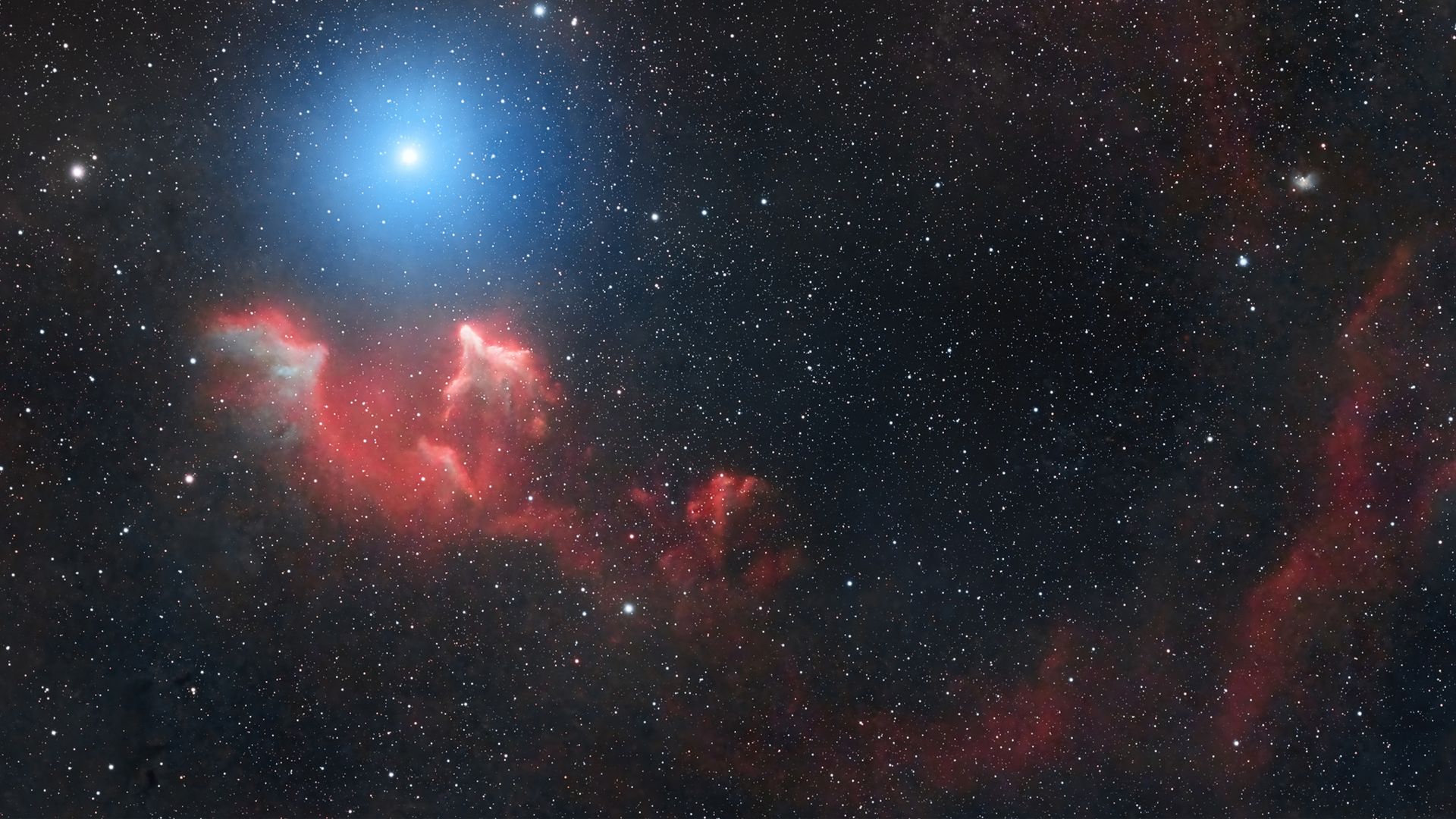
Ghost of Cassiopeia
(Image credit: Getty Images)
The Ghost of Cassiopeia, often referred to as the Ghost Nebula (IC 63), is a mixed reflection and emission nebula around 550 light-years away in Cassiopeia. Its eerie red glow is caused by its proximity to the nearby blue giant star, Gamma Cassiopeiae, which sits right in the middle of the constellation's distinctive 'W' shape. The star’s powerful ultraviolet radiation causes the hydrogen to emit a soft red glow, while the surrounding dust reflects the star's light in fainter blue hues.
Like the other celestial sights in Cassiopeia, autumn and winter evenings are the best times to see and photograph it due to its high altitude in the sky. As the nebula is so faint and elusive to capture, you can only see it with a smart telescope or a long-exposure astrophotography setup.
When it comes to integration time, the longer the better. Aim for 3-5 hours minimum, ideally 6+ hours if the skies allow, and avoid shooting during moonlight if you can.
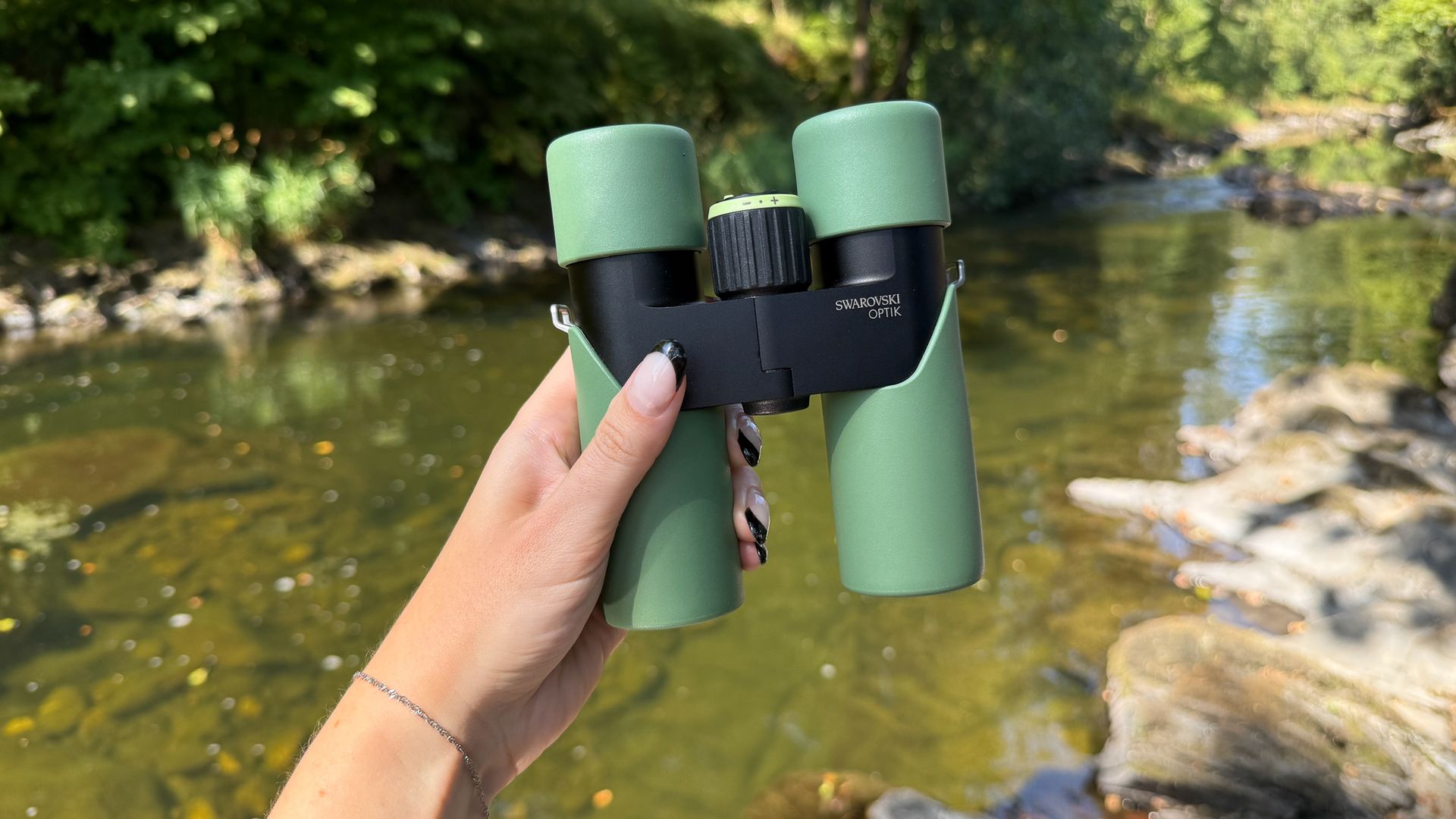
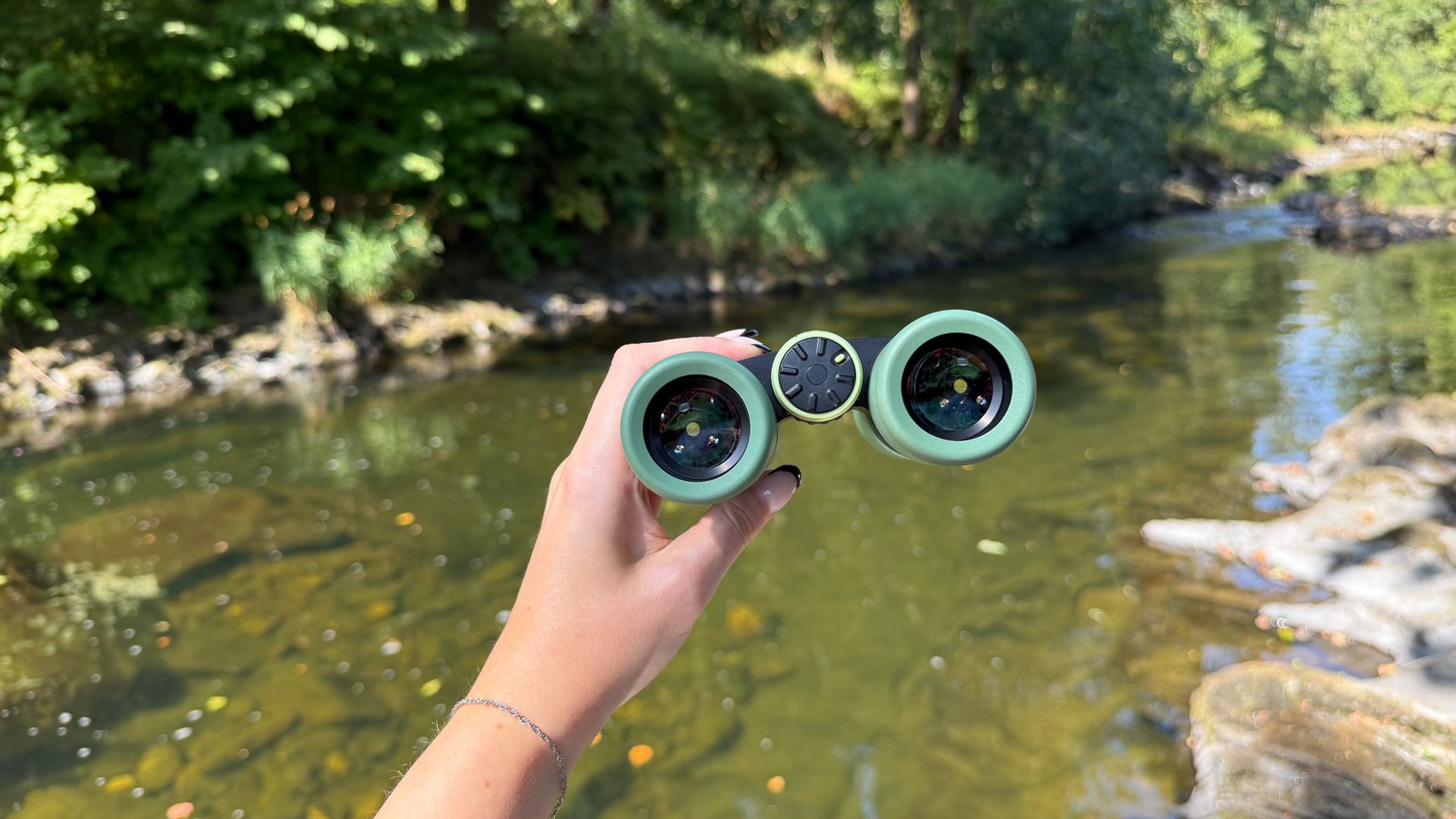
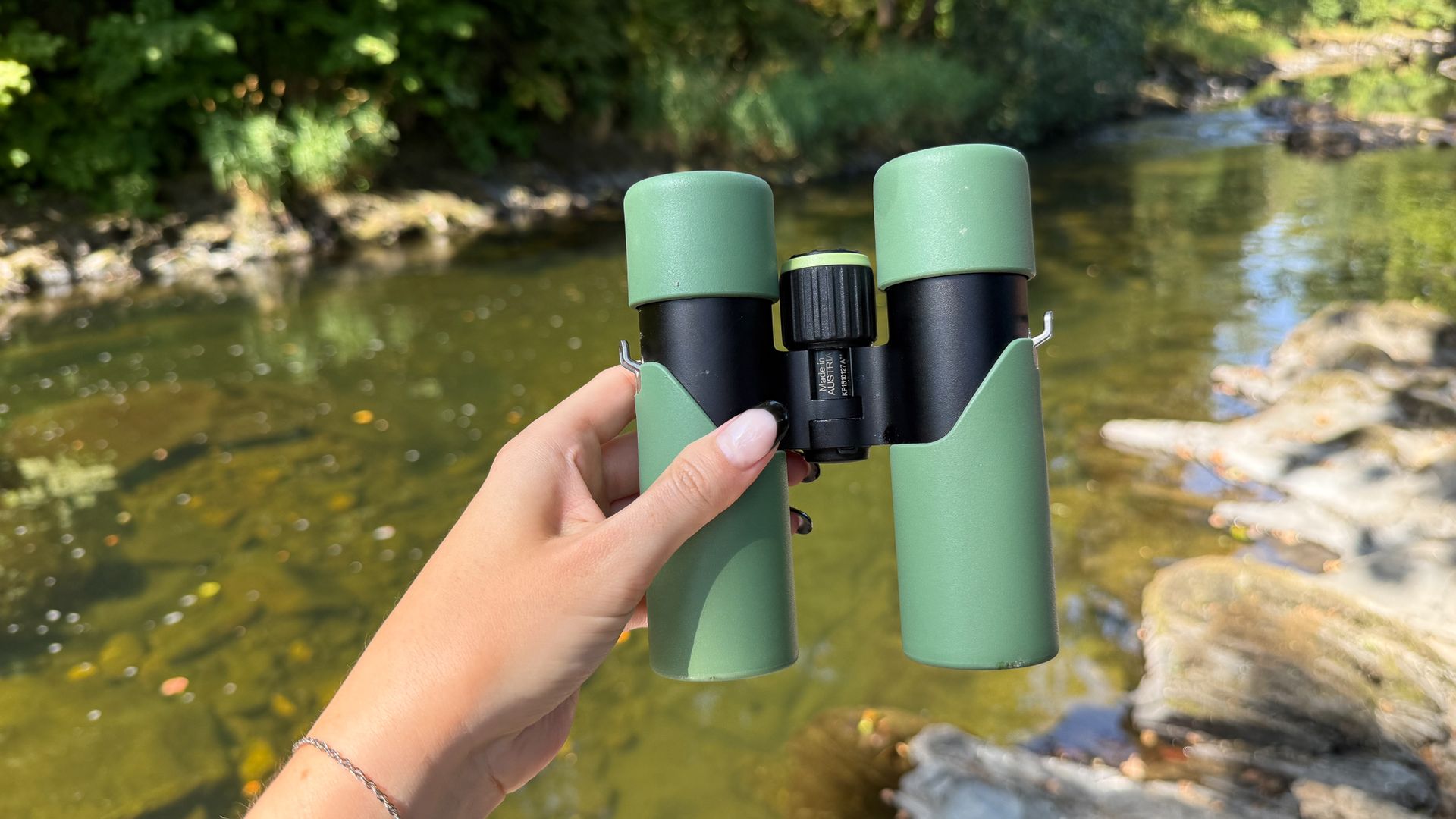
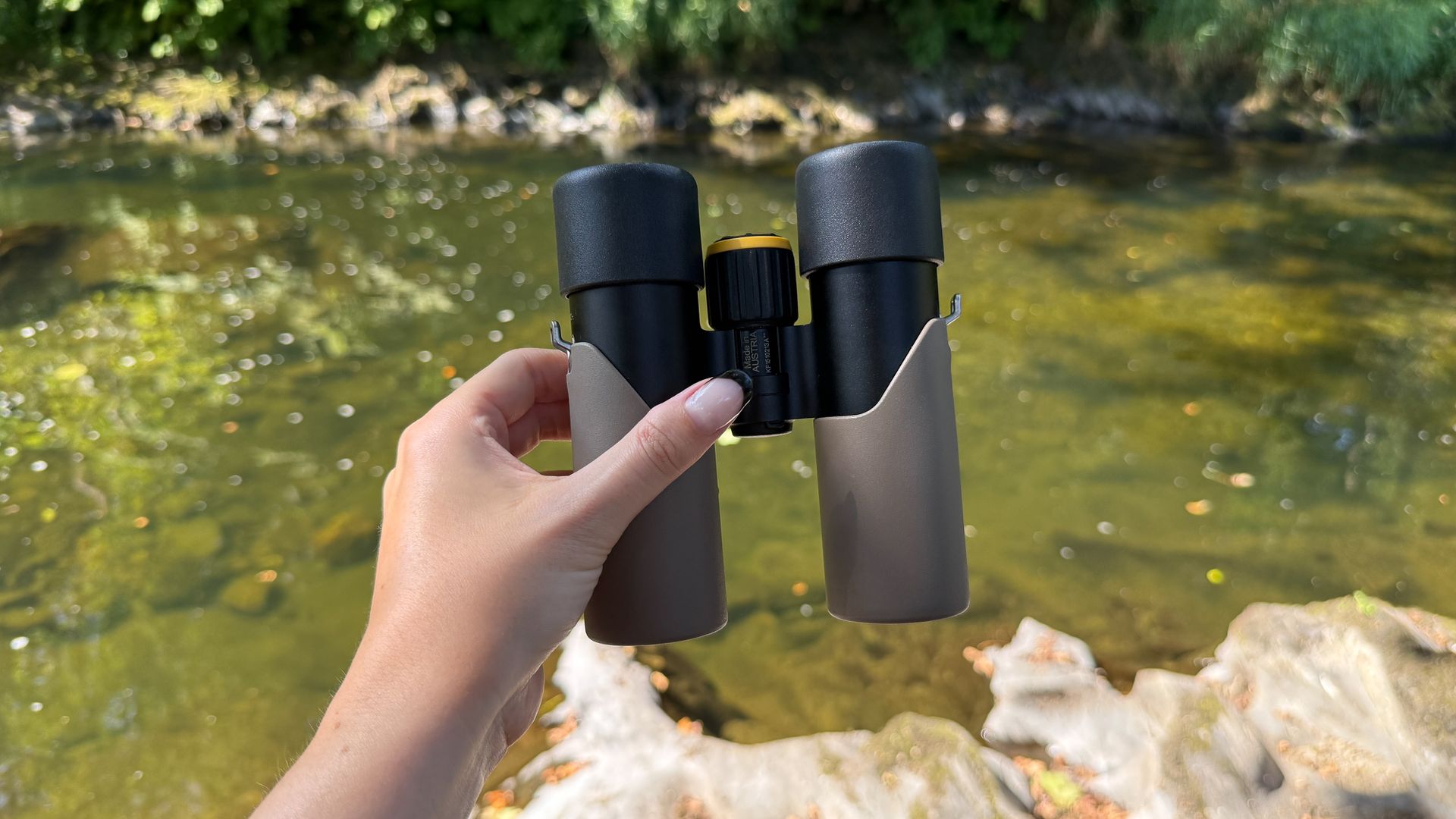
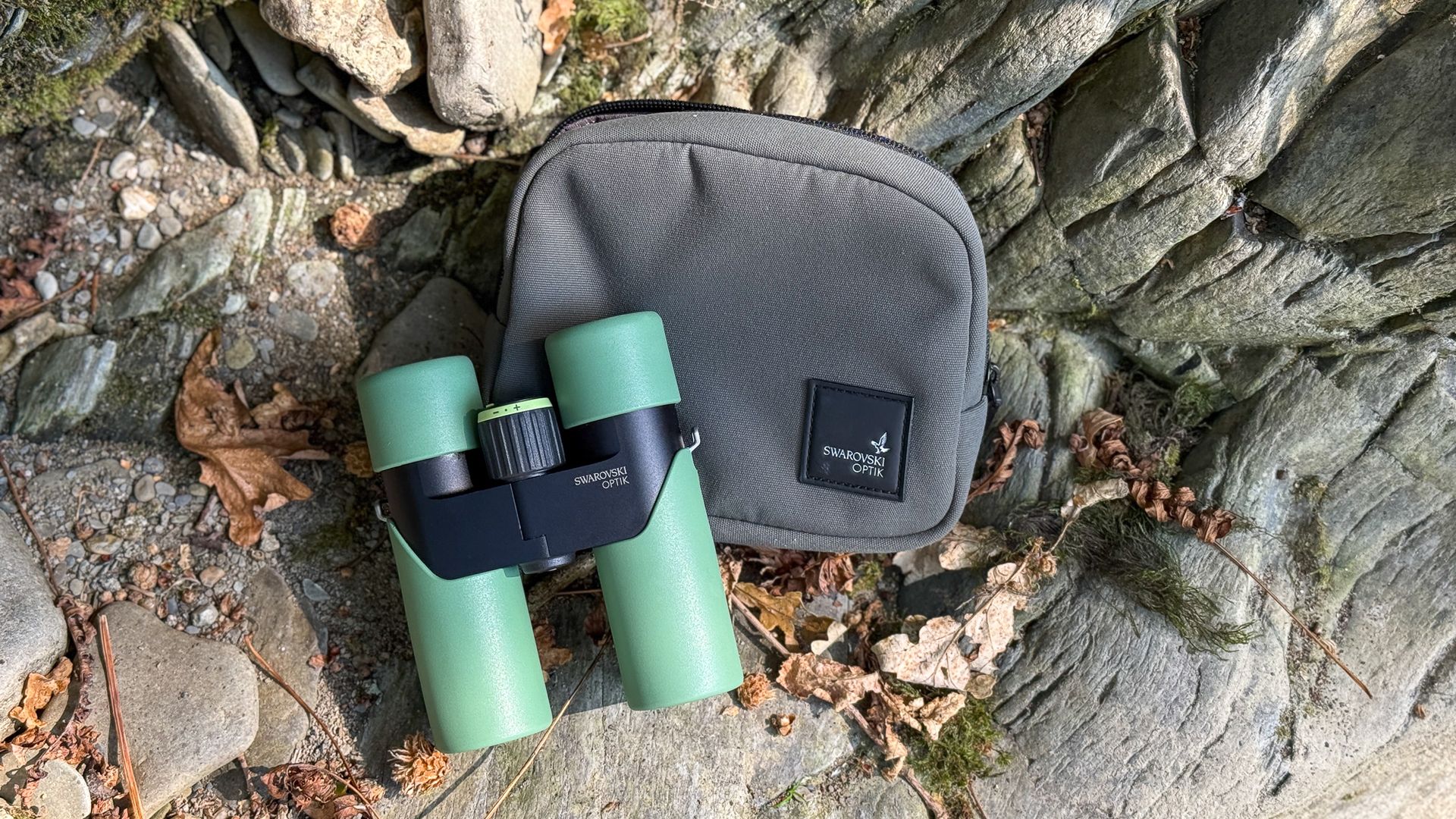
The CL Companion is Swarovski's dedicated compact binocular, originally introduced 15 years ago, but has now been redesigned in 2026 to appeal to a wider, younger audience. RSPB research found an increase of around 1,000% in birdwatching among Gen Z in the UK since 2018, with a similar boom now happening in the US.
The CL Companion sits between the pocket-size CL Pocket and full-size EL and NL ranges, making it the perfect mid-range model that combines portability with excellent optical prowess.
The Companion is a grab-and-go, "take it anywhere and everywhere" binocular that is perfect for many different activities, whether that's spotting birds, scoping out your hiking trail or sweeping across the starry sky at night.
We spent a week with both the 8x30 and 10x30 CL Companions to test them out, with the former being ideal for tracking movement with a wider field of view, while the latter brings you closer to the details.
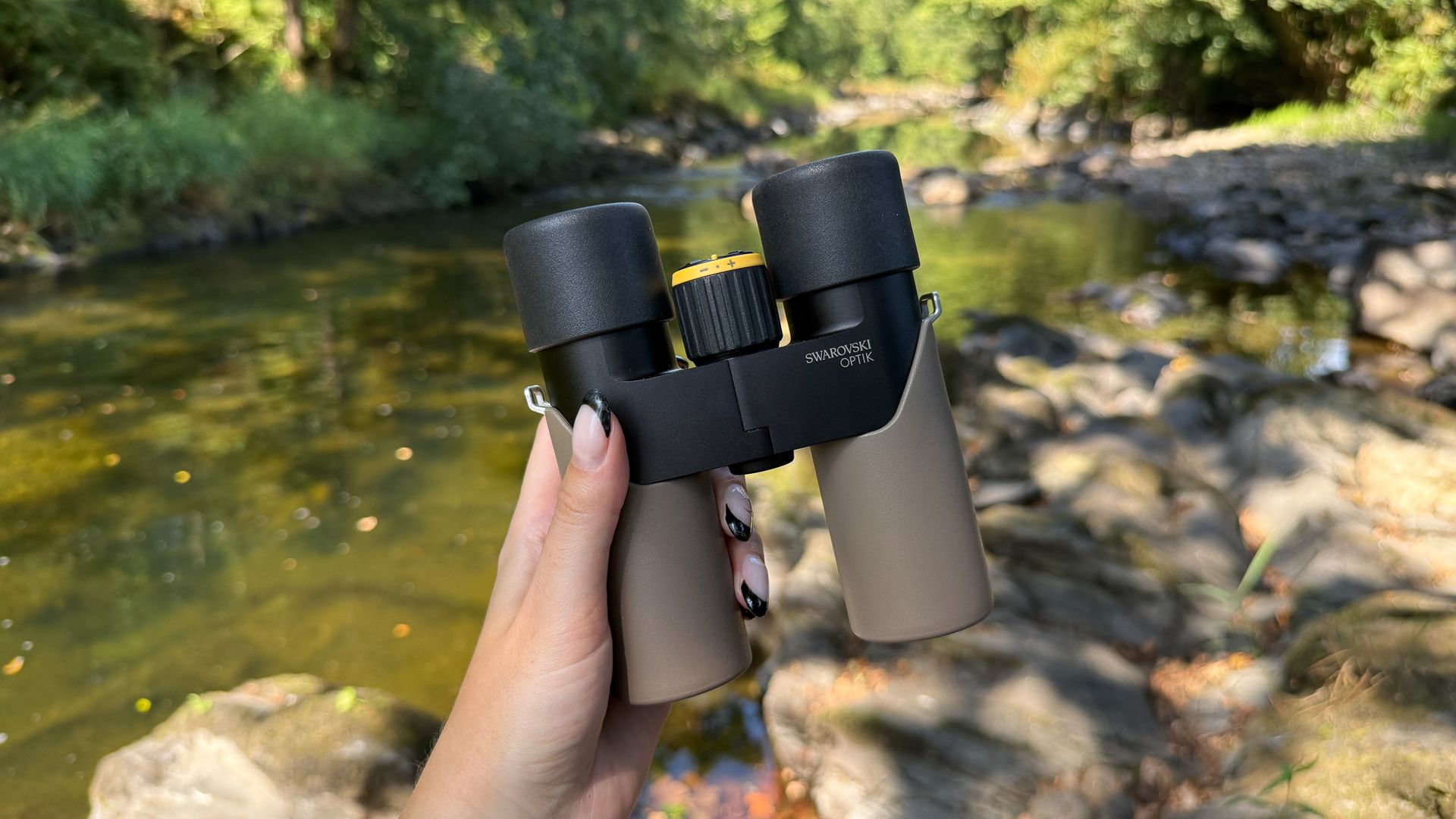
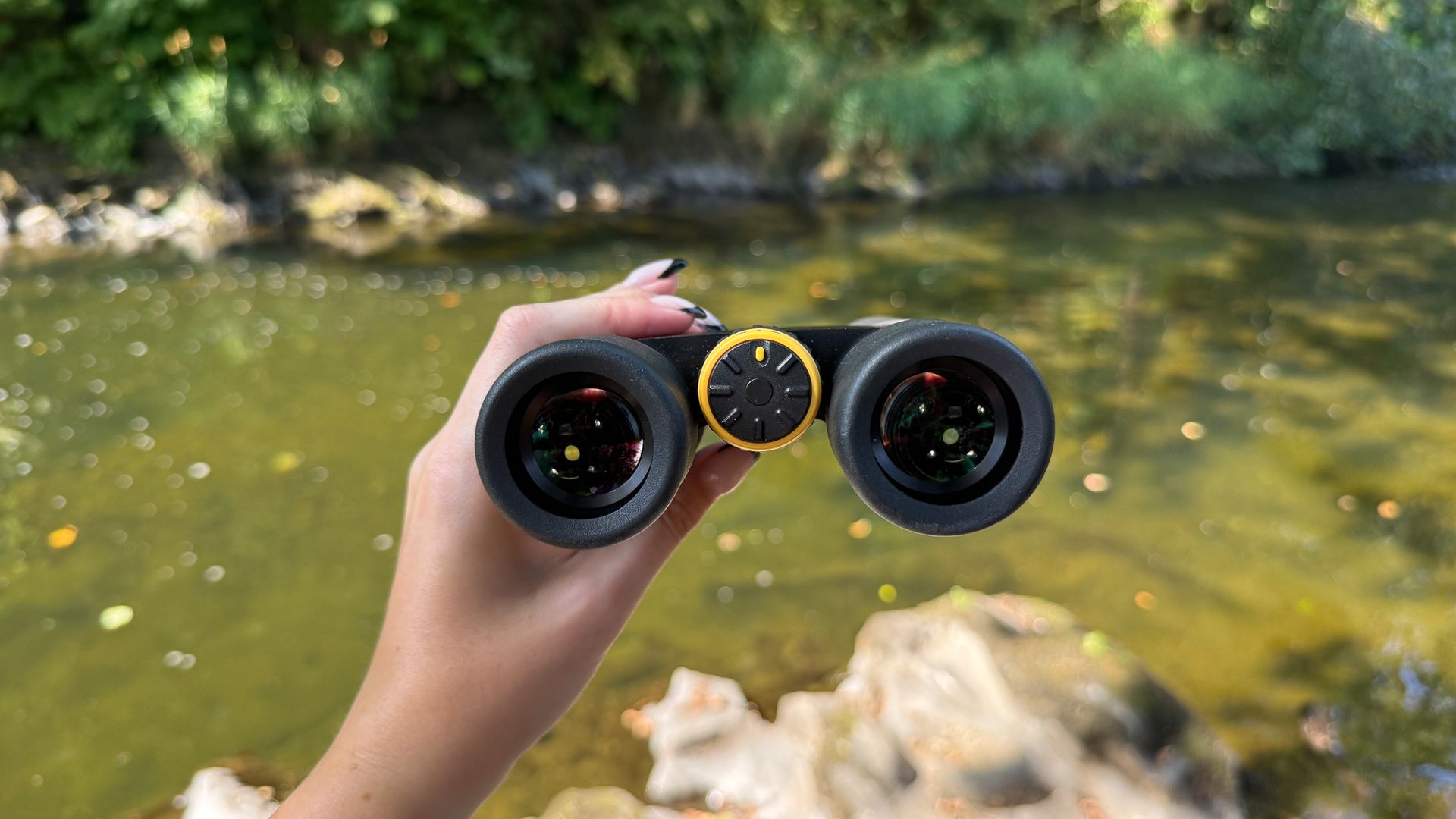
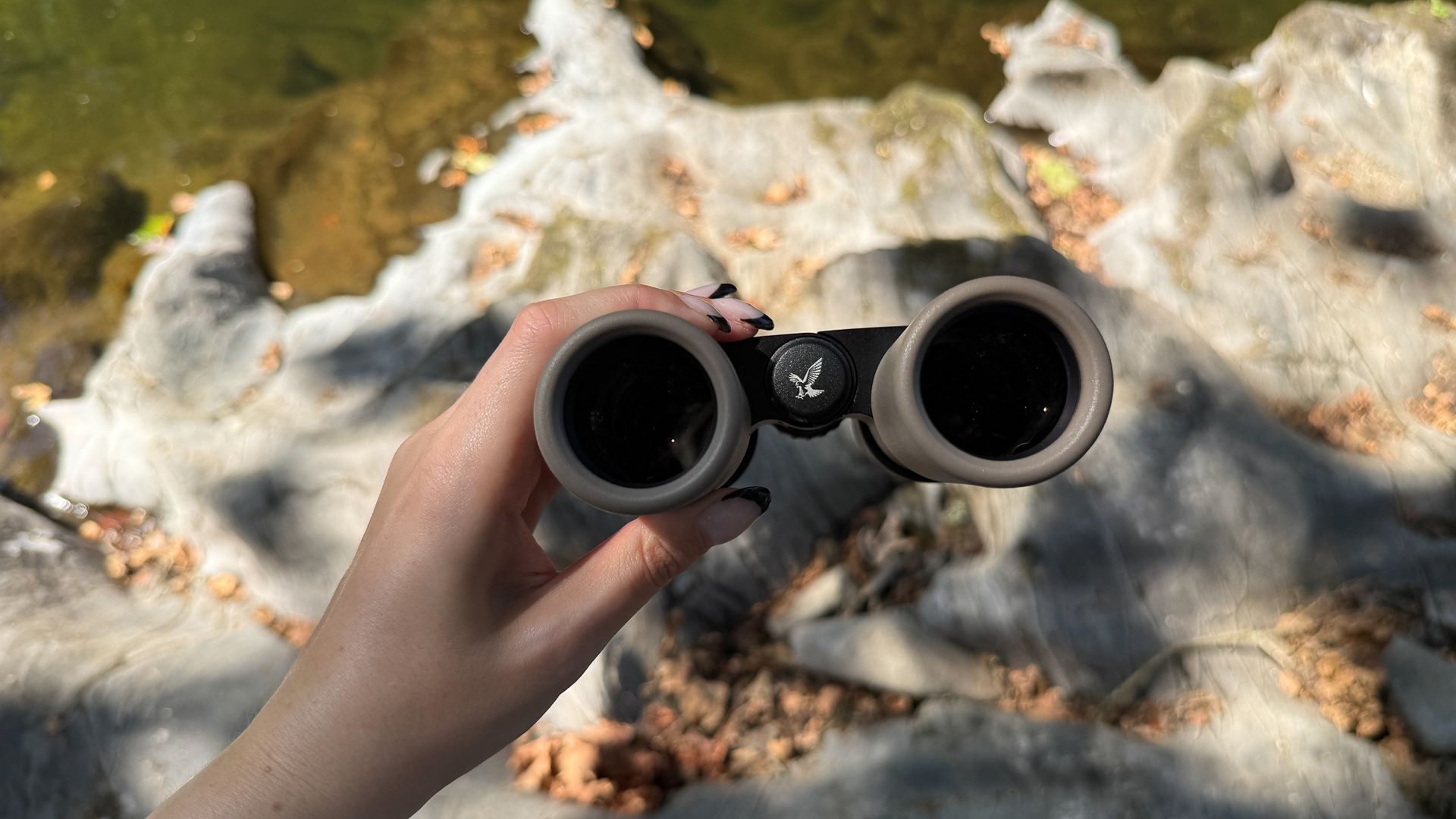
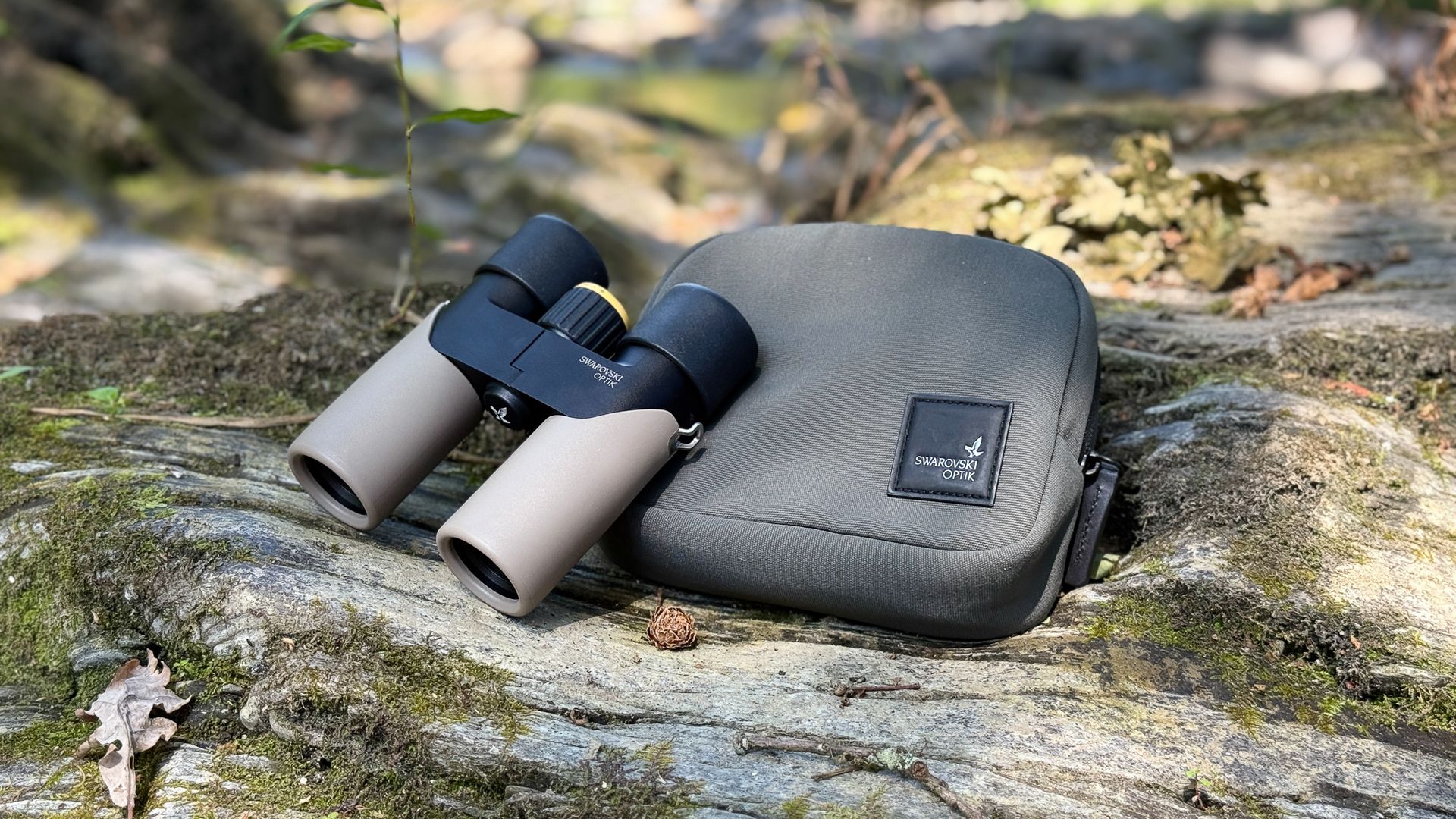
The biggest change in comparison to the old-style CL Companion is in the design. The original version was more of a traditional binocular aesthetic, but this updated design breathes life into the range with three new earth-toned colorways: mountain green, desert orange and safari brown. While some users have said they look somewhat toyish (or just downright ugly), when you handle them in person, they are much more sleek and stylish than the product images would have you believe.
Both the 8x30 and 10x30 weigh just 1.21 pounds (550 grams), so you can easily wear them around your neck all day without even knowing they're there. They're compact enough to put in a large jacket pocket, or you can just wear the included carry bag.
Key specifications
Magnification: 8x / 10x Objective lens diameter: 30mm Weight: 1.21 pounds (550 g) Exit pupil: 3.8mm / 3mm Field of view: 8-degrees / 6.6 degrees Close focusing distance: 9.8 feet (3 m)
The central focus wheel has just the right amount of slip to make it easy to change focus, but is not so loose that you don't have enough control over it. The diopter is located on the front of the focus wheel, which felt a little off at first, but once we set it, there was no danger of accidentally changing it.
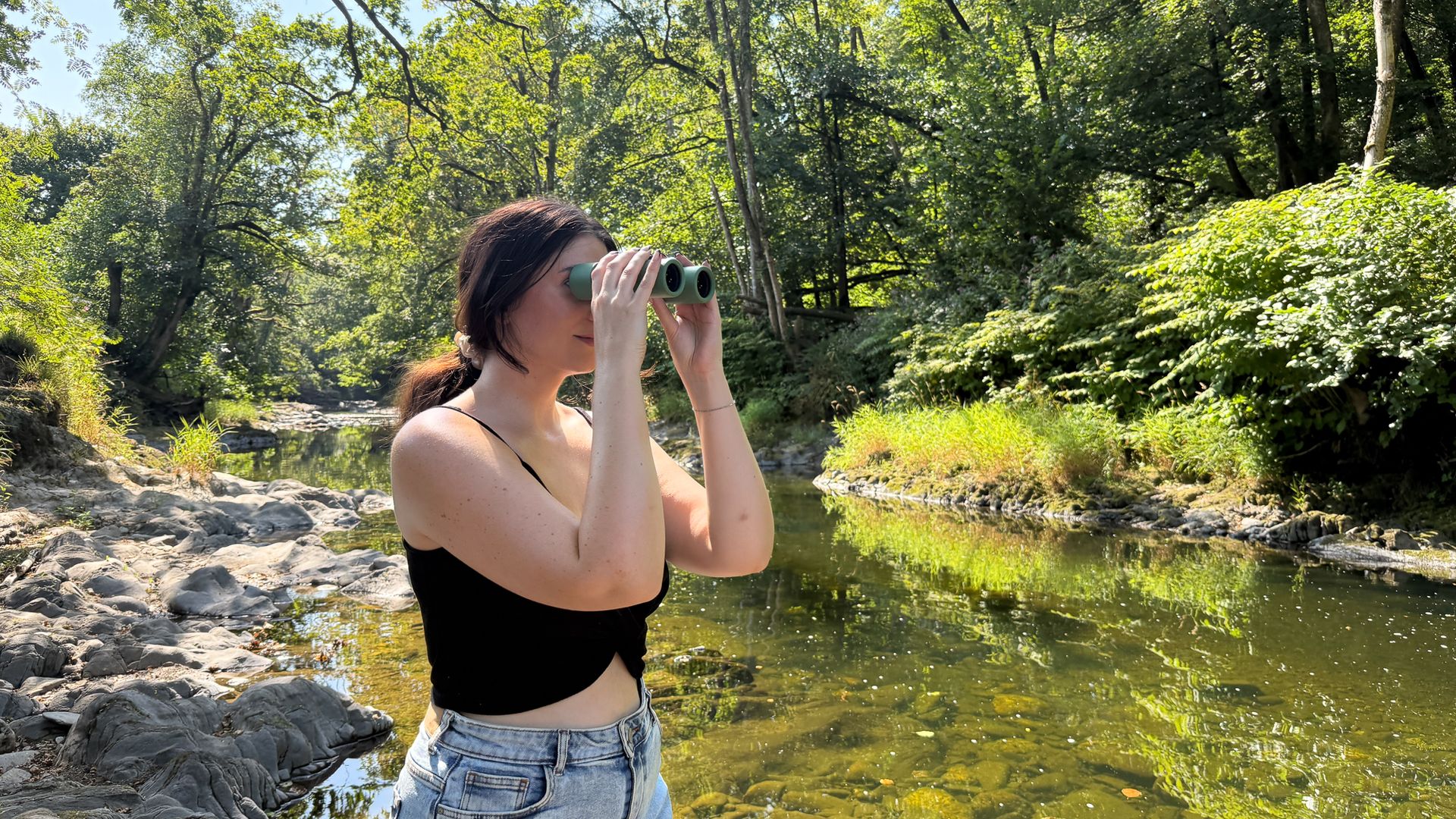
They also have generous eye relief, which is great news for users who wear glasses. The eye relief is 19mm on the 8x30 and 18mm on the 10x30. We used them on a bright, sunny day during a heatwave and were easily able to observe while wearing sunglasses with no issues at all.
Swarovski CL Companion: Performance
Swarovski CL Companion 8x30Kimberley LaneSwarovski CL Companion 10x30Kimberley Lane
Sharp optics throughout the image circle
Minimal defects
Excellent for daytime birding
Out in the field, the CL Companions proved to be particularly well suited to daytime birding — although with 90% light transmission, they'll still hold their own at dawn or dusk. Both the 8x30 and 10x30 had a clear, sharp image, with plenty of detail across the image circle. The 8x30 felt particularly easy to use when trying to pick up birds quickly, while the 10x30's extra magnification was great for getting a closer look at more distant subjects.
The color reproduction was natural, and the views had good contrast without looking over-processed. Fine details on feathers were easy to pick out, even on smaller birds. There was a tiny sliver of color fringing towards the edges in high-contrast situations, but it didn't spoil the view whatsoever, and you'd only notice it if you were actively looking for it (which we were). Every time we have used a pair of Swarovski binoculars, there's a three-dimensional viewing experience and depth to the image that you just don't get with cheaper brands.
Both models performed well in the bright daylight conditions we were using them in, both in terms of optical clarity and comfort when using them for longer periods. Their small size and light weight meant we could comfortably track birds in flight without having to take breaks, which is often a dealbreaker when it comes to choosing a pair of birding binoculars.
Swarovski CL Companion: Functionality
Swarovski CL Companion 10x30Kimberley LaneSwarovski CL Companion 8x30Kimberley Lane
Wide field of view for birding
Waterproof down to 13 ft/4 m
3m close focusing distance
The wide field of view is one of the more useful features for birding. The 8x30 has a 549 ft (140m) FOV, while the 10x30 has 377 ft (115m) — both of which are wider than the original generation of CL Companion. Both made it easy to find birds when scanning trees and bushes, and there was enough space around the subject to follow them easily after they took flight.
The close focusing distance of 9.8 feet (3m) was also handy when birds came closer, and enables you to observe insects like bees and butterflies without spooking them by getting too close. And with the smooth focus wheel, it was easy to change focus between the two distances.
Both models are waterproof down to 13 feet (4 m), which is likely more protection than most people will need, but it is reassuring when using them outdoors in the rain, or if you were to accidentally drop them in a puddle.
Should you buy the Swarovski CL Companion?
On paper, they tick all the boxes. The optics are excellent, and they're lightweight and easy to carry. But with Swarovski being very upfront about the fact that it’s going after a younger audience with these CL Companions, we have to wonder what young person would have a spare $1,500 to spend on a pair of binoculars? It's not a small investment, so you'd need to be a dedicated observer to spend that kind of money.
That said, they're much more than your typical compact binoculars. They're a genuinely impressive binocular with stunning optics built into a small and compact package. Typically you need to compromise on one or the other, but the CL Companion gives you the best of both worlds.
If this product isn't for you
Something more premium
Swarovski NL Pure 8x42
Dedicated birders who want a more premium option will want to look at the Swarovski NL Pure range. They're one of the best binoculars we've ever used, and you'd never have to buy another pair again. We tested the 8x32, but if you like to observe at dawn or dusk, the 8x42 would be ideal.
The Hawke Endurance ED 8x25 are tiny, pocket-sized compact binoculars with genuinely impressive optics. Our optics writer loved testing them so much she went out and bought herself a pair.
Dedicated stargazing needs a bigger objective lens diameter — we love the Celestron SkyMaster Pro 20x80, although you'll need to mount them on a tripod.
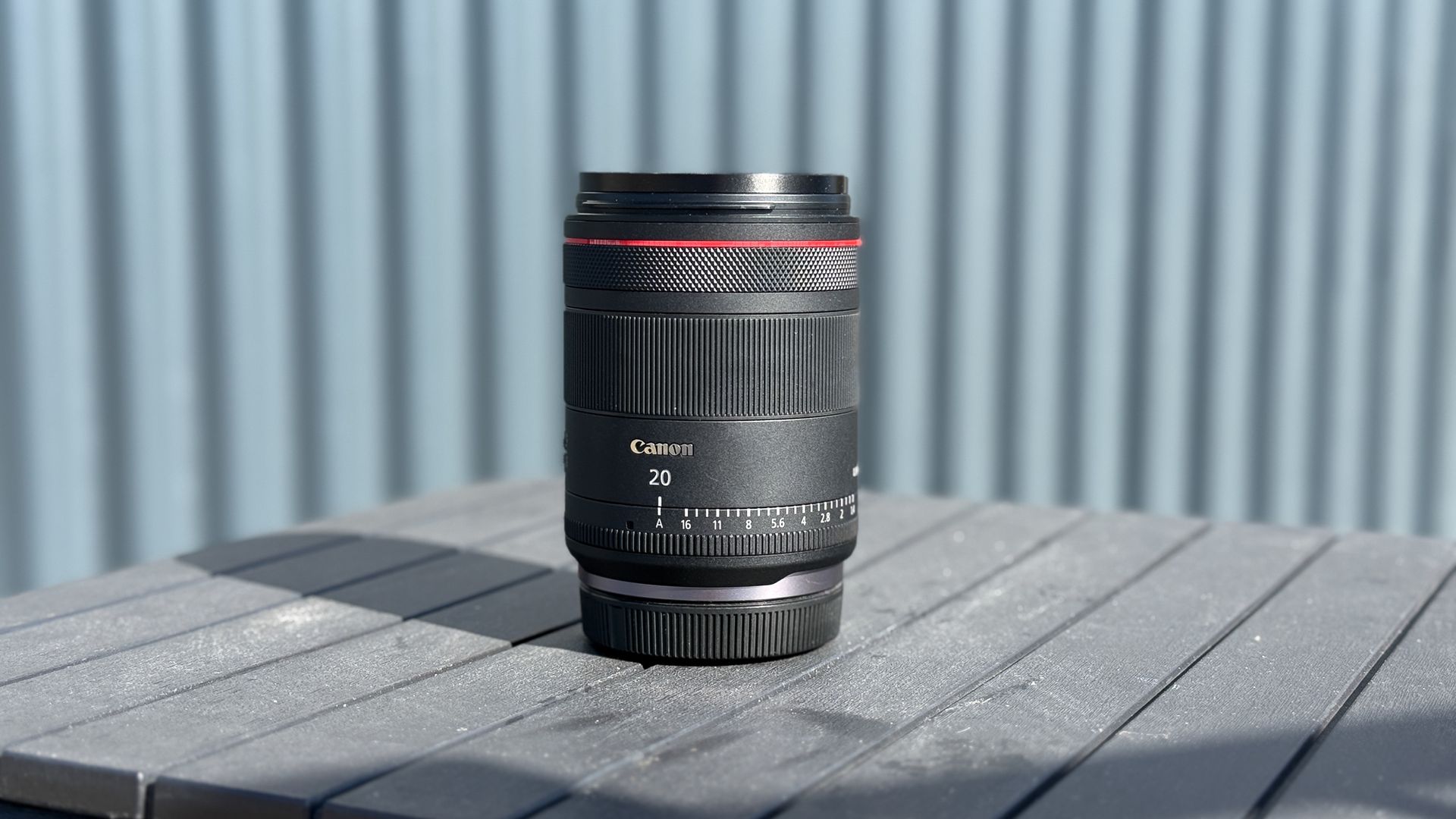
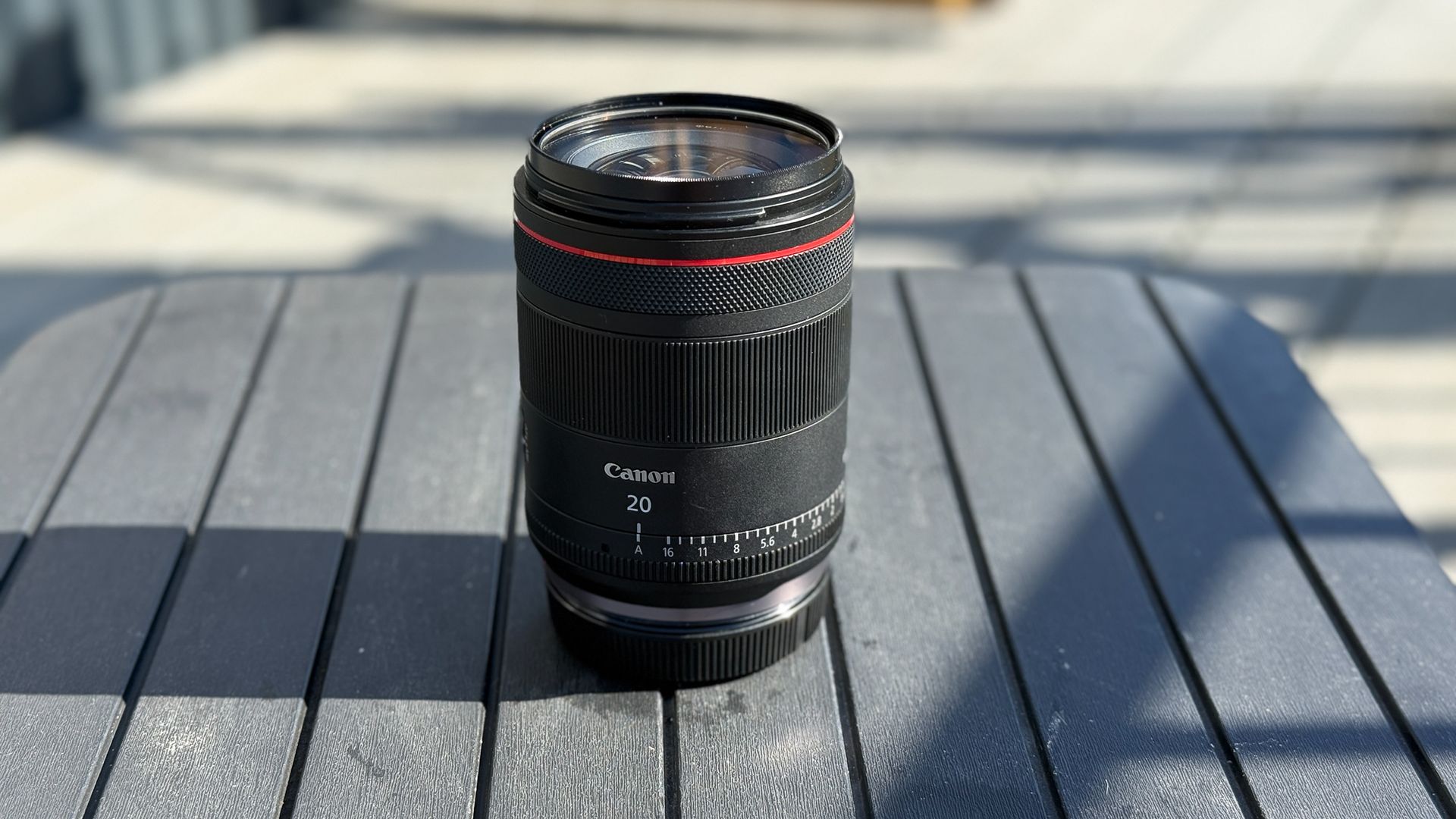
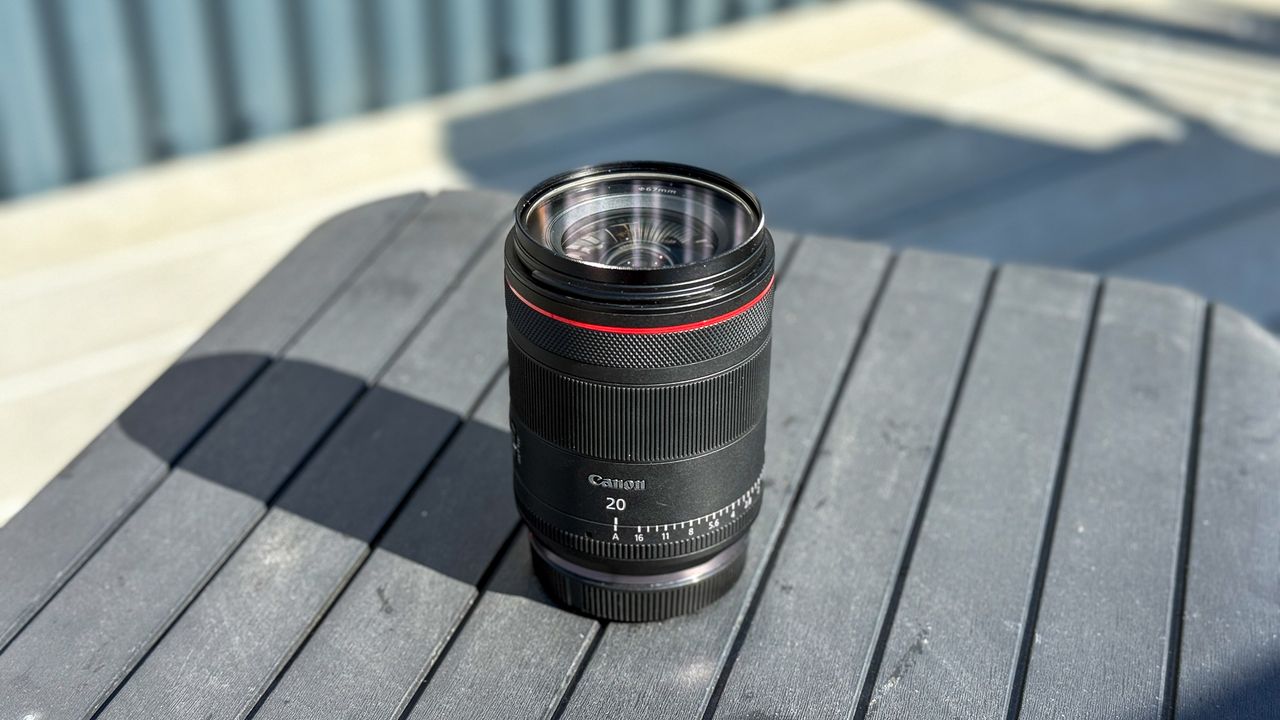
The Canon RF 20mm f/1.4L VCM is an intriguing lens for photographers who want a wide field of view without sacrificing aperture. Its f/1.4 maximum aperture makes it particularly appealing for astrophotography, while the 20mm focal length offers plenty of room for landscapes, architecture and other wide-view scenes.
We took the lens out to the dark skies of Wales to photograph the night sky and the Perseids, giving it a real-world test in some of the best conditions we could find.
With a premium L-series build and a price tag to match, there's a lot to consider before adding this lens to your kit. We wanted to find out how it actually performs in the real world, and whether it's worth the investment.
Canon RF 20mm f/1.4L VCM: Design
It's a nice size and weight, despite not being the smallest lens. (Image credit: Kimberley Lane)
Premium, solid build
Surprisingly manageable for an f/1.4 lens
A few small quirks keep it from being flawless
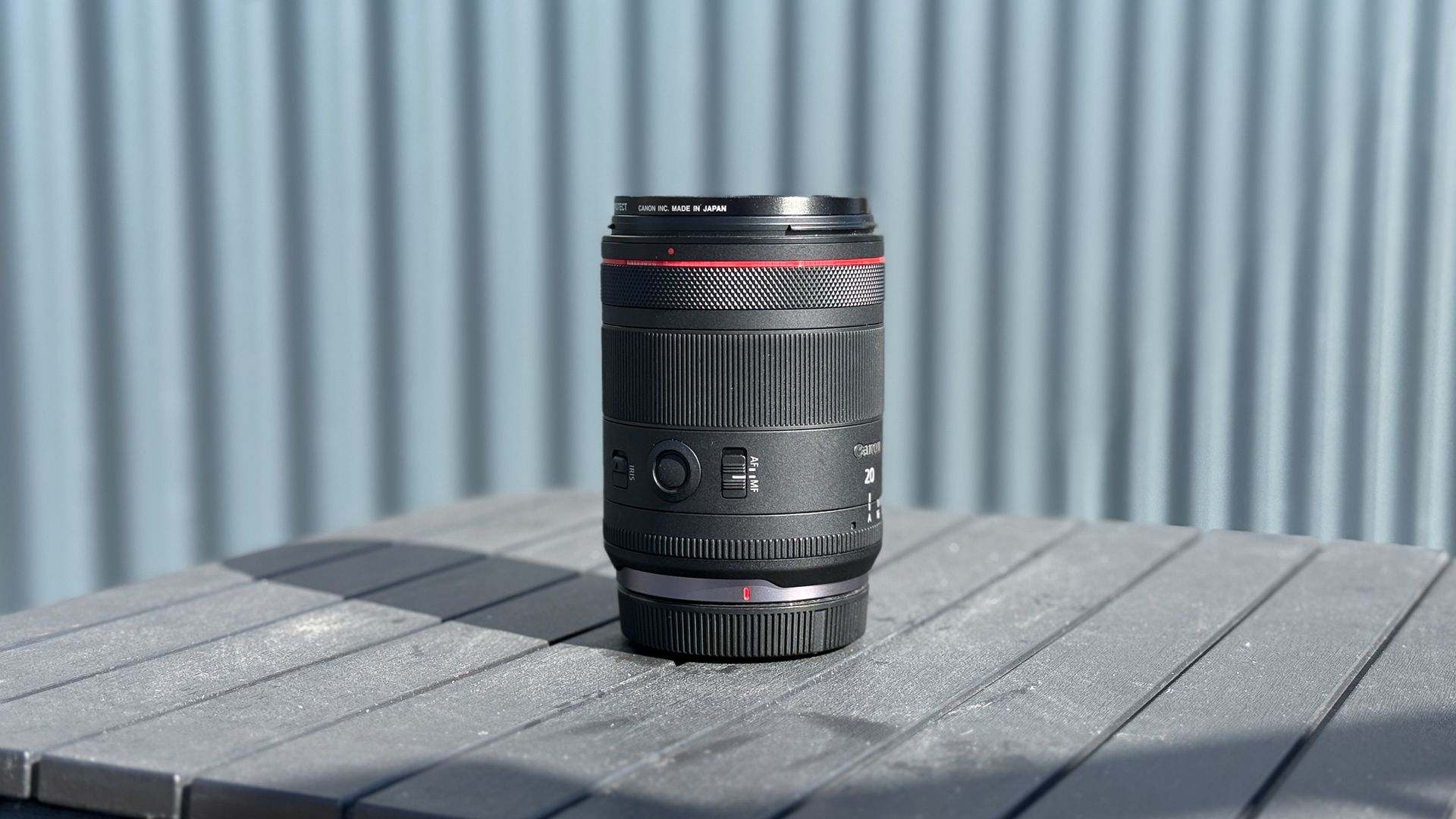
The Canon RF 20mm f/1.4L VCM feels like a proper L-series lens from the moment you pick it up. It's solid and reassuringly well-built, but it never felt excessively heavy or awkward on the camera. At 1.41 pounds (519 grams), it's certainly not a tiny 20mm prime, but the weight is well balanced and it was comfortable to carry and shoot with. And considering it'll often be used for astrophotography, it'll be on a tripod a lot of the time anyway.
The focus and control rings both feel smooth and nicely weighted, while the switches and customizable buttons are easy to find without having to look at the lens. The weather-resistant build is another bonus for outdoor shooting, which will come in handy if you also use the lens for landscapes where you might encounter inclement weather.
The dedicated aperture ring is also a nice feature, especially if you prefer having more physical controls rather than relying on the camera body and remembering which dial is set to each setting. Plus, the clickable nature of the aperture ring is an ASMR dream.
Canon RF 20mm f/1.4L VCM: Performance
The wide 20mm focal length and fast f/1.4 aperture are perfect for astrophotography. (Image credit: Kimberley Lane)
Excellent low-light performance
Sharp in the center with some corner softness
f/1.4 makes a real difference under dark skies
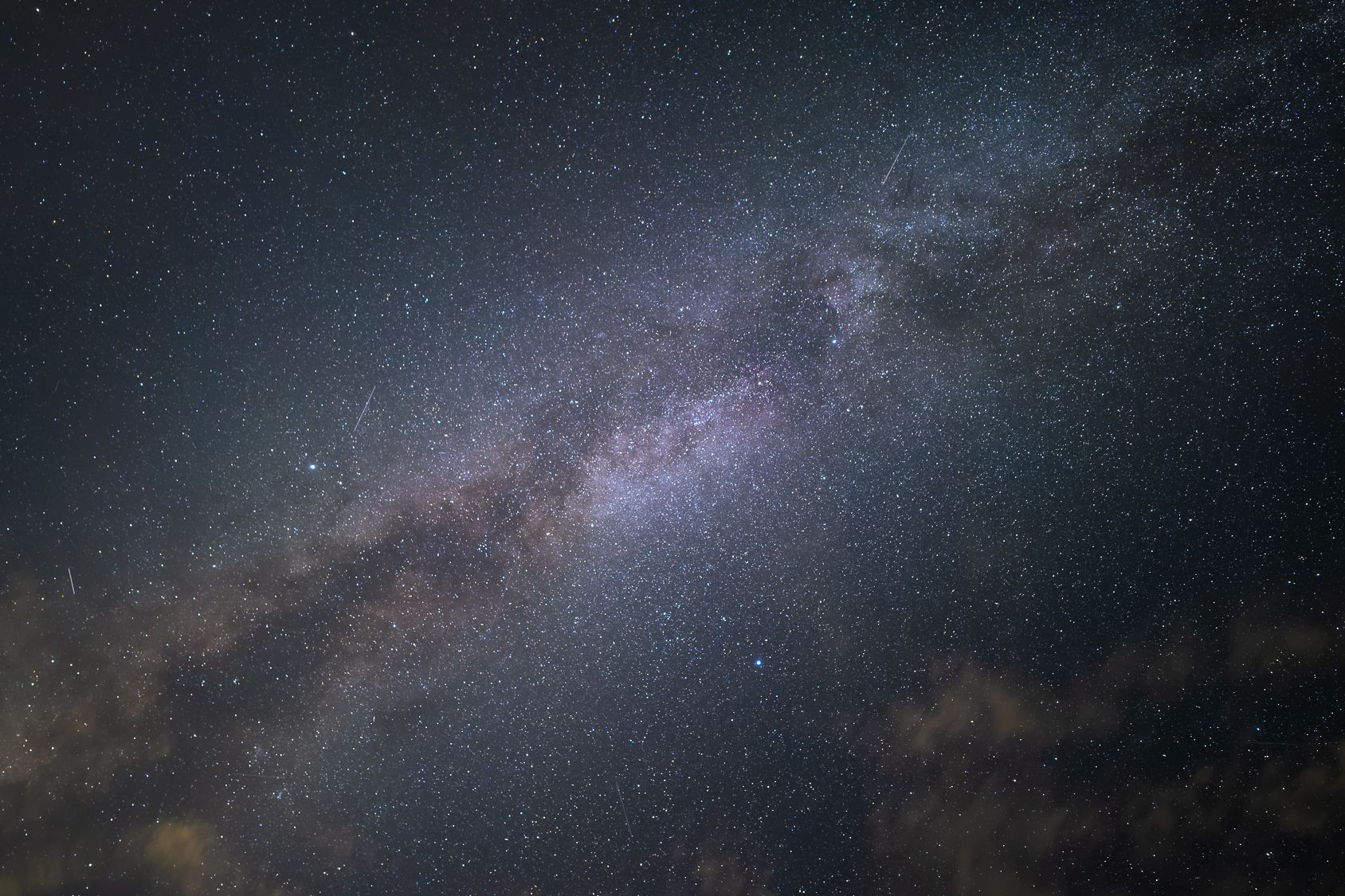
A fast 20mm is a pretty exciting combination for astrophotography. It gives us plenty of sky to play with, while the f/1.4 aperture pulls in a lot of light. Under those dark skies, the Milky Way came through beautifully, with plenty of detail without needing to resort to boosting the ISO too high.
We took the lens out to Carmarthenshire in Wales under Bortle 3 skies to photograph the night sky during the peak of the Perseids, which also coincided with the new moon — the perfect recipe for astrophotography.
The center of the frame is where this lens is at its best. Stars are crisp and well-defined, which is exactly what we want from a lens that is being used for astrophotography. The edges aren't quite as impressive, though. There is some softness and a little stretching of the stars towards the outer parts of the frame, particularly when the lens is wide open. It's not enough to ruin an image, but it becomes obvious when zooming in and pixel-peeping at the corners.
Canon RF 20mm f/1.4L VCM: Functionality
It's a very practical choice for everyday shooting.Kimberley LaneKimberley Lane
Quick and reliable autofocus performance
Customizable controls are genuinely useful
A practical choice for everyday shooting
The Canon RF 20mm f/1.4L VCM is very straightforward to use out in the field — especially in the dark. The autofocus was quick and reliable during testing, and for everyday shooting of landscapes, or even for video, this means there's very little to think about.
The customizable controls are useful, too. The lens function button and control ring can be assigned to different settings, allowing you to put the controls you use most within easy reach. It's a small thing, but being able to set the lens up around your personal shooting style makes it feel more intuitive and can save a surprising amount of time.
Key specifications:
Focal length: 20mm Aperture: Constant f/1.4 Weight: 1.14 pounds (519 g) Dimensions: 3 x 3.9 inches (76.5 x 99.3 mm) Filter thread: 67 mm
The 67mm filter thread is another practical advantage, as it's a common filter size, so you won't necessarily need to invest in an entirely new set of filters if you already own that size.
The lens doesn't feature a ton of bells and whistles, but that's not a bad thing. It's designed to be picked up and used without much fuss, and after spending time with it, we found that its simplicity is one of its strengths.
Should you buy the Canon RF 20mm f/1.4L VCM?
The Canon RF 20mm f/1.4L VCM lens makes the most sense for photographers who regularly work in low light or want a dedicated wide-angle prime. Astrophotographers are likely to get the most from it, but it also has plenty to offer for landscapes, architecture, interiors and environmental photography.
Its biggest appeal over a zoom is its f/1.4 aperture. If you already have a wide-angle zoom but regularly find yourself having to bump up your ISO in low light, this lens fills that gap while also offering the control of a fast prime.
However, it's a fairly specialist addition to a lens lineup, and the price makes it tricky to justify if you only occasionally shoot wide. If you need the flexibility of changing focal lengths, or if you primarily shoot distant subjects, you'd be served better by a zoom or longer lens
If this lens isn't for you
Cheaper option
Canon RF 16mm f/2.8 STM
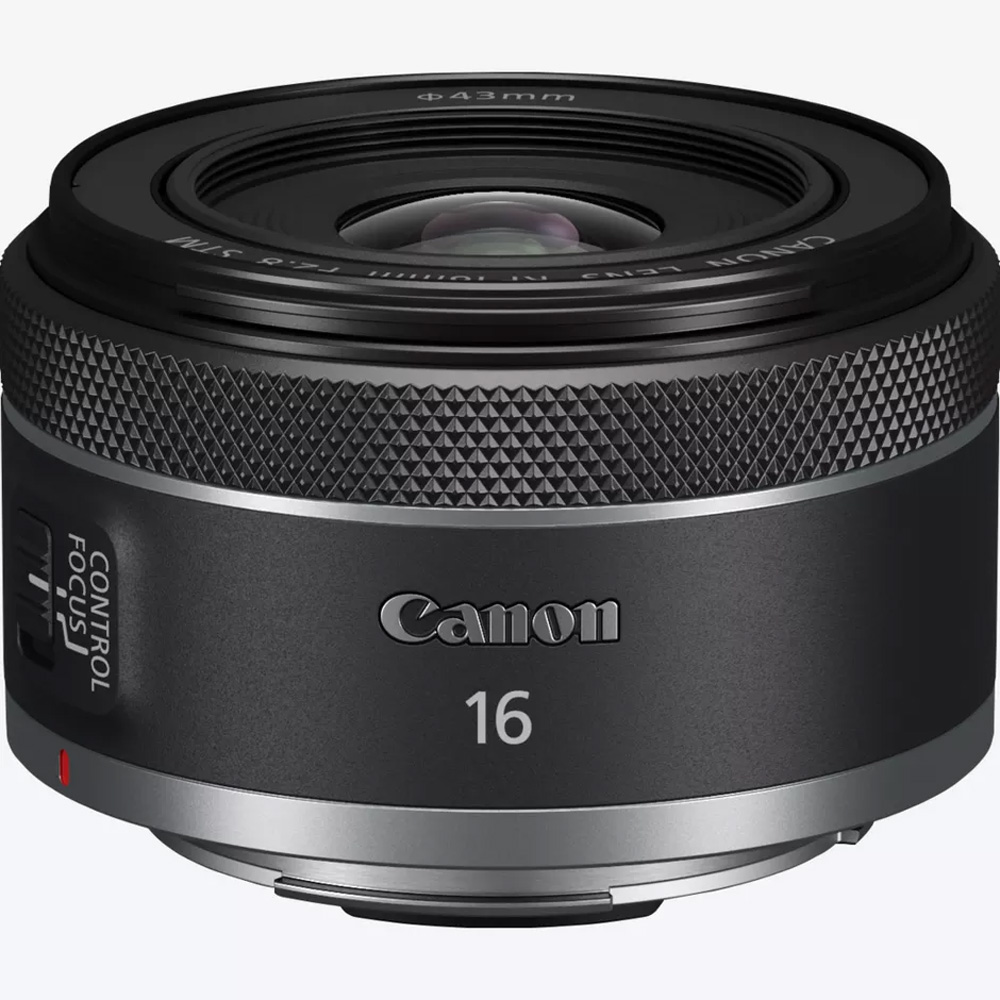
The Canon RF 16mm f/2.8 STM is a much more affordable way into Canon's full-frame RF wide angle range, and it's much smaller and lighter. It lacks the 20mm f/1.4L's fast aperture, L-series glass and premium build, but if you're just starting out, or you only occasionally shoot wide, it could be a better option.
If you want to shoot wider
Canon RF 14mm f/1.4L VCM
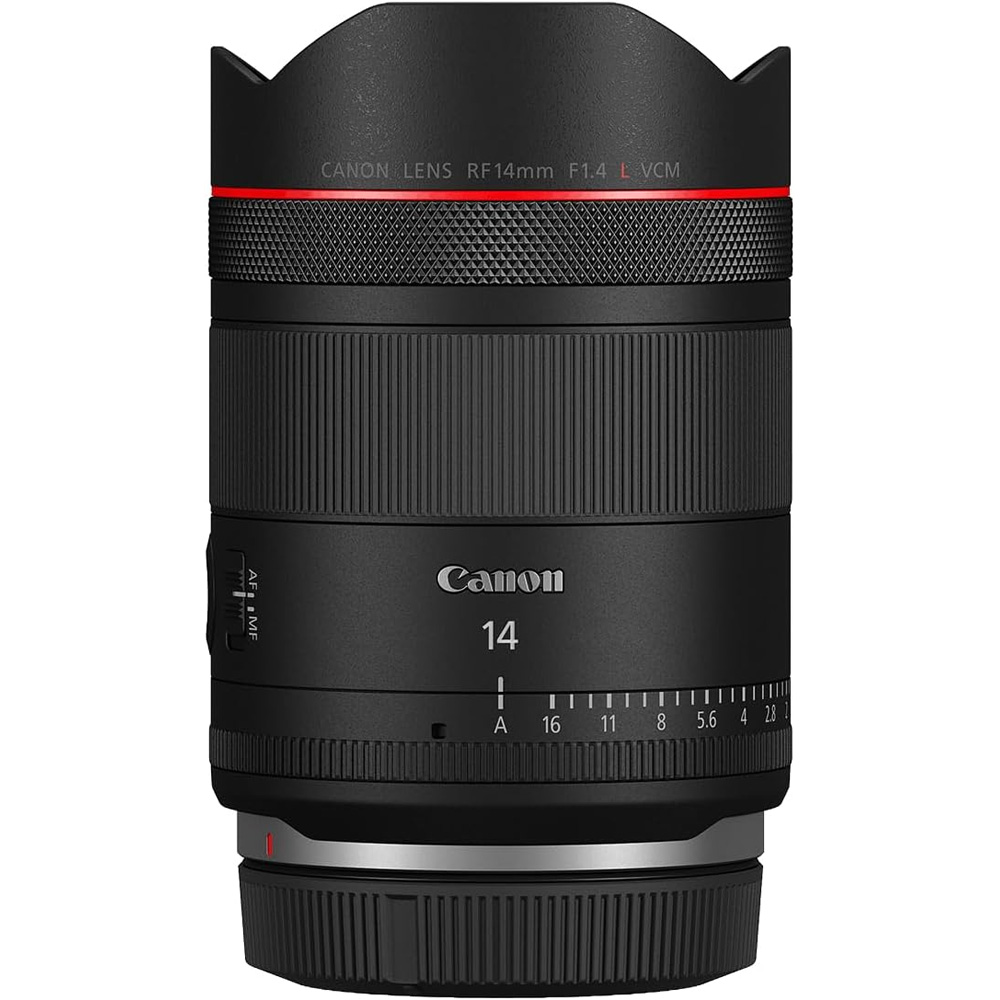
If 20mm isn't wide enough, the Canon RF 14mm f/1.4L VCM gives a noticeably more expansive view while keeping the same fast f/1.4 aperture. It's a slightly more specialist choice for dedicated astrophotographers who want to capture as much sky or landscape as possible.
If you want more versatility
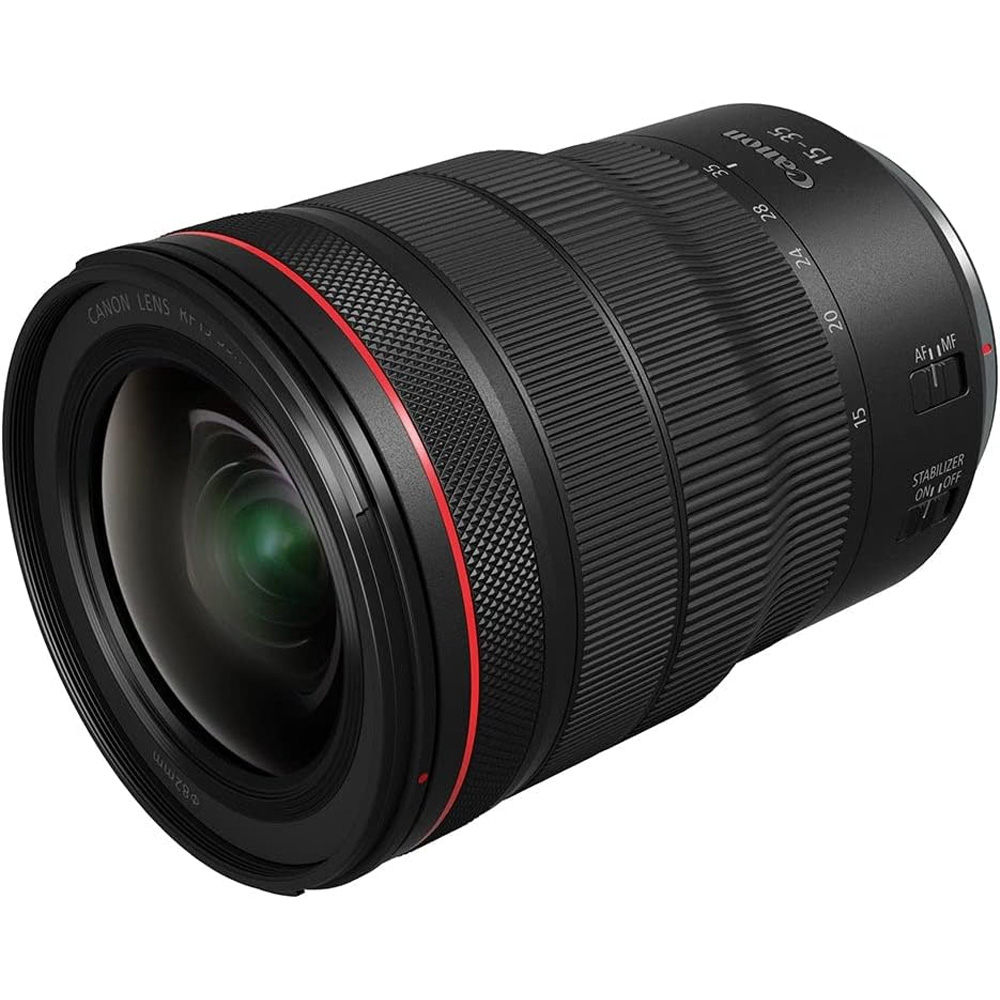
Canon RF 15-35mm F2.8L IS USM
If you don't want to be stuck with one focal length, the Canon 15-35mm f/2.8L IS USM is the obvious choice for astrophotographers. The focal range covers a much wider variety of photography styles, making it more practical for everyday shooting.

 Login