Santa Rosa, CA — October 2026 — Deposition Sciences, Inc. (DSI), a leader in advanced thin film coatings, proudly announces the introduction of a new 12″ × 30″ format for […]
When zoology professor Daniel Baldassarre traveled to the remote Galápagos Islands of Wolf and Darwin with two other researchers, getting there proved quite a challenge. With no beaches to land a boat on, they had to approach the islands’ cliffs in a small dinghy and wait for a lull in the waves before jumping onto sharp, black lava rocks.
But their efforts paid off. On that trip, they saw a bird that very few people have ever set eyes on in the wild: the vampire ground finch. These finches are only found on Wolf and Darwin, and feed on the blood of much larger birds called Nazca boobies that also live on the islands.
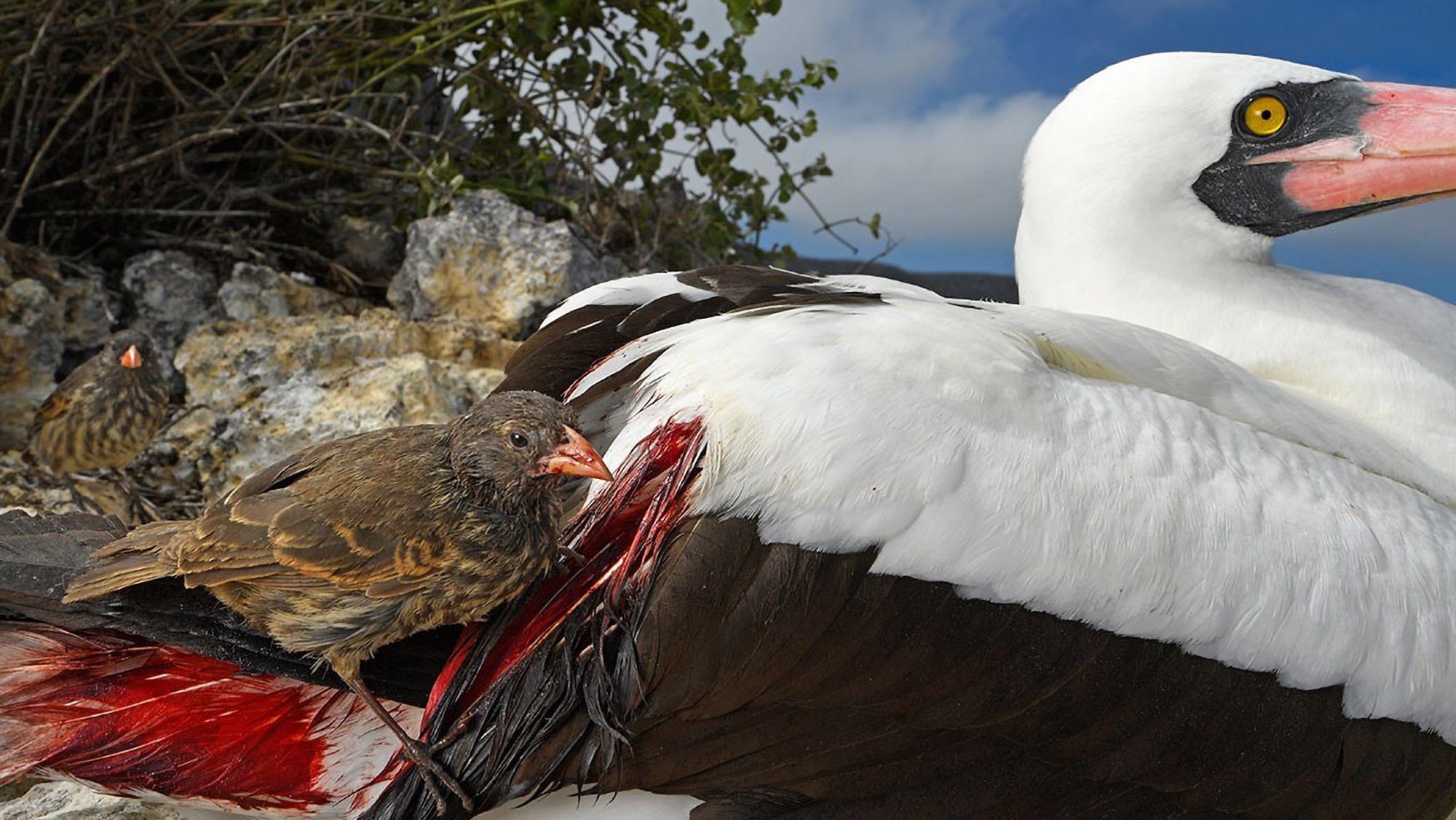
Up close, Baldassarre and his colleagues noted the vampire finches’ blood-stained bills and their throats visibly engorged with blood. They also saw them in action.
“We observed scores of vampire finches clamouring all over the backs, tails, and wings of boobies, opening up substantial wounds with their sharp beaks, and drinking their fill of blood,” they wrote in an article for The Conversation.
Why only some birds drink blood
“Blood is a notoriously difficult food source to process and extract nutrients from, which probably partly explains why so few animals have evolved to feed on it,” Baldassarre tells Popular Science. He suspects that on these islands where freshwater is extremely rare, blood might serve as a water source for the finches.
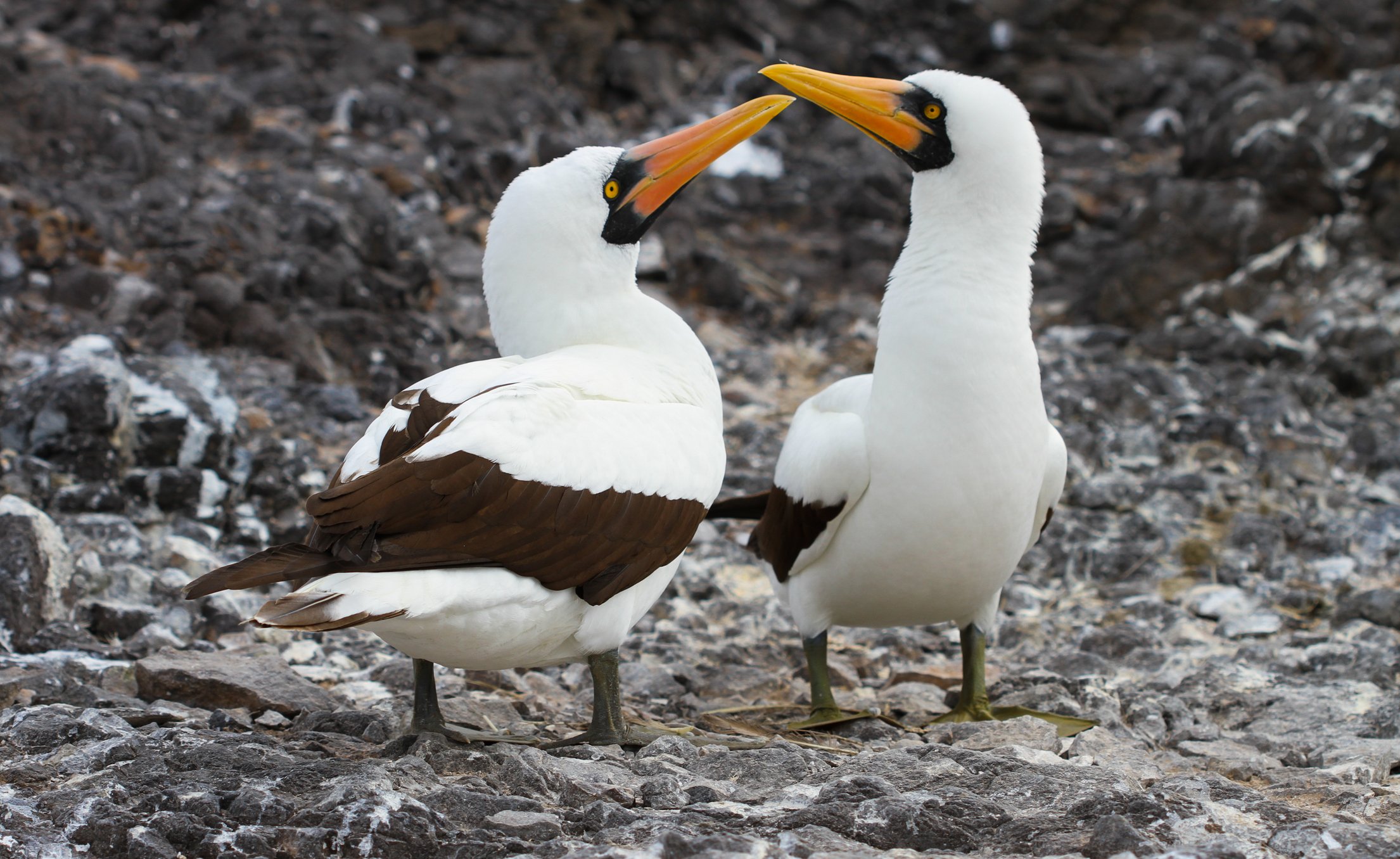
Two Nazca boobies perform their species’ mating call. Vampire ground finches feed on Nazca boobies on the remote Galápagos Islands of Wolf and Darwin. Image: Getty Images / inthedark72
It’s not the only component of the vampire finches’ diet, however. Based on unpublished data collected by Baldassarre and his colleagues, blood makes up about one-tenth of the vampire finches’ diet.
“These finches are quite opportunistic, so they will eat just about anything they can find,” Baldassarre says. “We observed them feeding on everything from seeds to insects to broken seabird eggs.”
One theory is that vampire finches rely more on blood feeding in periods of extreme drought, when other resources are scarce. But more research is needed to see if this idea holds up in practice.
How this strange behavior evolved
Vampire finches weren’t always vampires, scientists think. The relationship between vampire finches and boobies probably started off with the finches eating parasites found on the skin and feathers of the boobies. This would have been mutually beneficial because it provided a cleaning service for the boobies and food for the finches.
But at some point in evolutionary history, in the process of picking off parasites, the finches started to create lesions on the boobies’ skin, and eventually began feeding on their blood.
Over time, their bills became more scalpel-like, perfect for making skin incisions. Their digestive system also changed. When Baldassarre and his colleagues studied the microbes found in vampire finches’ guts, they found that their gut microbiome was very different from that of other, non-blood-consuming finches on the Galápagos Islands, something they attribute to their unique diet.
Until recently, vampire finches were considered a subspecies of the sharp-beaked ground finch (Geospiza difficilis).
“But they have now been designated as their own species [Geospiza septentrionalis] because of the differences they have evolved because of blood feeding,” Baldassarre notes.
Vampire ground finches on Wolf island have been seen drinking nectar from Galápagos prickly pear flowers and other flowers. Image: Peter Wilton / CC BY 2.0
How the boobies cope
Baldassarre and his colleagues have seen vampire finches gang up on and kill nestling boobies,“but that was quite rare,” he points out.
“In most cases, the finches seem to inflict just enough damage to break the skin and extract some blood, but not too much to harm the boobies significantly.” This is similar to many parasite-host relationships, such as fleas, ticks, and mosquitoes on mammals. “You can kind of think of the vampire finches as giant mosquitoes,” Baldassarre says.
“For one, as in large animals being bitten by mosquitoes, often the damage is minimal and not noticeable, so it doesn’t elicit a strong reaction. Also, the boobies sometimes have a vested interest in staying put and guarding their spot in the colony, or perhaps nest or nestlings, so may not want to fly away. Finally, the finches seem to target hard-to-reach areas on the boobies like the base of tail feathers, so it’s likely difficult for the boobies to deter them.”
I, for one, was feeling very sorry for the boobies being constantly hounded by these small vampire birds. Until I learnt that Nazca boobies practice something called “obligate siblicide,” which essentially means that the first-hatched chick routinely attacks and kills its younger sibling. It’s a harsh, bird-eat-bird world in the Galápagos Islands.
In Ask Us Anything, Popular Science answers your most outlandish, mind-burning questions, from the everyday things you’ve always wondered to the bizarre things you never thought to ask. Have something you’ve always wanted to know? Ask us.
As Xbox gears up for its 25th anniversary, we're reflecting on an extraordinary journey that evolved into one of the industry's most influential brands. From the original Xbox and the success of Xbox Live to the impact of Xbox 360, Game Pass, cloud gaming, and an increasingly platform-agnostic future, the road has been anything but predictable.
Here at Windows Central, we're celebrating Xbox with editorials, retrospectives, and more opinion pieces exploring the brand's past, present, and future. Just as importantly, we'll look ahead, analyze Microsoft's strategy, and share our perspective on where Xbox could go from here as gaming continues to change.
A tetravalent nanobody-based myeloid-selective IL-10 receptor agonist recapitulates IL-10’s potent suppression of monocytes, macrophages and dendritic cells while avoiding stimulation of T cells.
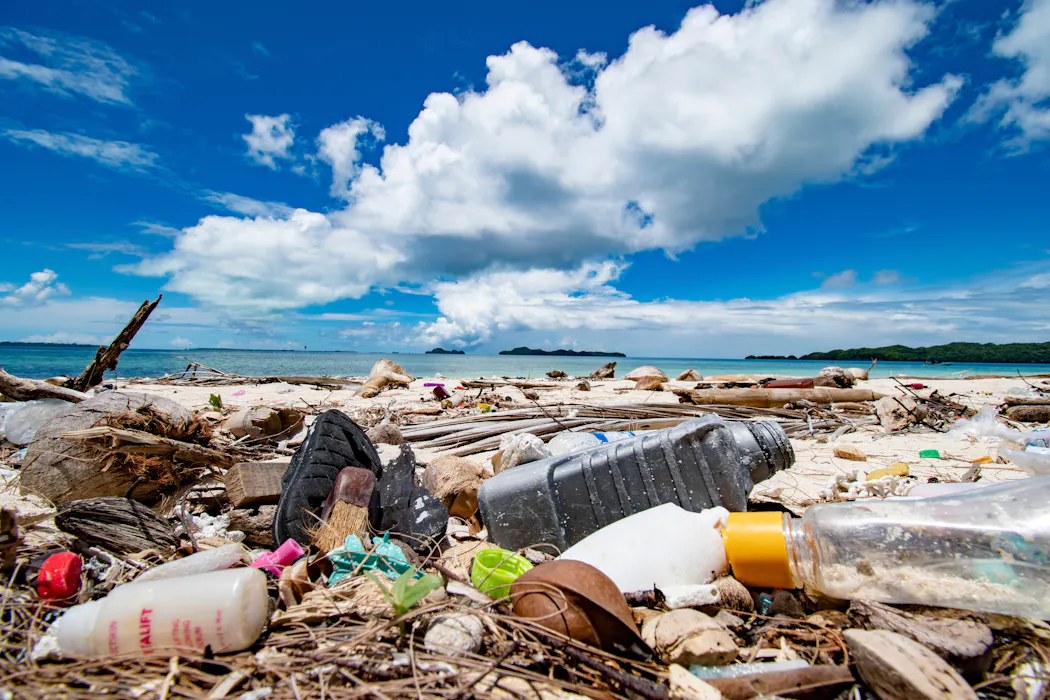
Vast quantities of plastic and fishing gear are washing up along the shores of the Seychelles, destroying fragile ecosystems and causing significant economic problems.
Aldabra Atoll, a Unesco world heritage site in this archipelago nation of 115 islands, is estimated to have accumulated more than 500 tonnes of plastic on its shores alone. Most of this plastic debris continues to pile up along its beaches today. It was estimated that removing it would cost approximately US$4.68 million (£3.46 million) and would require 18,000 hours of labour.
Small island developing states are particularly vulnerable to plastic debris on their beaches. It can damage tourism and fishing in these coastal communities, which is essential to their economies. Clean-up costs can be prohibitive.
Fish and other marine life can also be killed by getting entangled with or ingesting plastic debris.
It is impossible to tackle this growing problem without knowing where this pollution is coming from and who is responsible. We investigated this in our recent study using computer simulations and observations, focusing on pollution in the western Indian Ocean from fisheries and shipping.
To do this, we used satellite tracking data from fishing and shipping vessels over five years (from 2018 to 2022) to estimate activity across the region. Using this map, we simulated the drift of billions of virtual pollution fragments and followed where they ended up.
A map showing debris fishing gear.Author's own.
From this we built a map showing how likely a given vessel location is to pose a risk to the Seychelles’ islands. We did this separately for fishing and shipping.
Our research shows, based on previous fishing activity, that most fishing gear that is swept up on the beaches of the Seychelles comes from fishing within its own exclusive economic zone. These are the waters, extending 200 nautical miles (370km) offshore, over which a state has exclusive control over marine resources, including fisheries.
These waters are full of tuna, and the Seychelles’ economy leans heavily on industrial fishing, both as an employer and as a large source of foreign currency.
Where does the waste come from?
It is likely that some of the gear and plastic waste is coming from EU vessels. The Seychelles’ waters are heavily fished by two types of European fishing boats, purse-seiners and longliners. This falls under a longstanding agreement between the EU and the Seychelles granting them the right to fish here. Purse-seiners circle around tuna schools with a large net, and longliners trail baited hooks over many kilometres.
Indeed, a report presented to the Indian Ocean Tuna Commission found that 76% of 214 of the drifting fish aggregating devices used by tuna fisheries to attract shoals of fish in the Seychelles’ exclusive economic zone were from Spanish-owned vessels. This is an industry making significant profits, while leaving behind environmental damage.
A turtle on the Aldabra Atoll next to lost fishing gear and plastic.April Burt and Seychelles Islands Foundation
Recently, the Seychelles–EU fishing agreement was renewed for 2026–30 at €5,750,000 per year (£4.89 million), allowing 38 EU fishing vessels to operate in these waters. The Seychelles government is believed to have pushed for a 30% rise in this annual payment from the EU but it is believed they settled on 7%, according to some reports.
Given that the cost associated with cleaning up a single island already runs into millions, the Seychelles-EU deal is small compared to the indirect damages imposed on the nation.
Other proposed solutions
International shipping creates other issues. Our study suggests that more than 90% of plastic being swept up on the Seychelles’ coast from shipping comes from just five lanes crossing the western Indian Ocean. The origin and destination ports of these lanes line up with the countries named on labels of plastic bottles washed ashore on Aldabra.
Debris from international shipping lanes requires a different solution. Unlike the tuna fleets fishing under the agreement between the Seychelles and the EU, this is international traffic passing by. A solution to the plastic waste coming from these ships would be more rigorous enforcement of existing international rules against dumping waste at sea, and bilateral cooperation between the Seychelles and the many nations whose ships use these routes.
Even simple measures could cut litter. For instance, ensuring vessels carry enough safe drinking water to reduce the use of plastic bottles should cut some debris found on Aldabra.
The true cost of cleaning up this huge level of plastic pollution tends not to fall on those who have left it there. The Seychelles needs to work out the cost of the damage being done by these mountains of waste to get a better deal in future negotiations with the EU.
That should help fund clean ups and repair the fragile ecosystems of the islands, helping to preserve them for the future.
Noam Vogt-Vincent received funding from the Natural Environment Research Council and National Oceanic and Atmospheric Administration.
Alex Albinski does not work for, consult, own shares in or receive funding from any company or organisation that would benefit from this article, and has disclosed no relevant affiliations beyond their academic appointment.
Amazon is prepping this year's Prime Big Deal Days event with 48 hours of more exclusive deals, kicking off on Tuesday, October 6, at 12:01 AM PT (3:01 AM ET), and running until Wednesday, October 7, 2026. Naturally, Windows Central is here to hand-pick the discounts that are worth your time, so you won't miss out on the best laptops, PCs, and Xbox gaming bargains.
Once fall arrives, there's so much to get ready for — and Prime Big Deal Days makes it easy to check it all off while saving.
Carmen Nestares, VP of NA Marketing and Prime Tech
You'll need an active Amazon Prime membership (or a 30-day free trial) to take advantage of the exclusive tech deals, with new savings appearing as "Today's Big Deals" throughout the event, running until stock runs dry. Still, if anything sells out, we'll point you in the right direction for alternatives.
Amazon generally offers significant discounts on first-party hardware like Alexa smart speakers and Fire smart TVs, as well as a wide range of laptops and gaming accessories, but its competitors also offer savings on their own. Windows Central is here to find the best deals using our expertise and advice based on real-world experience, so check back often!
Do I need Prime membership for Big Deal Days?
Yes, to enjoy all Prime Day discounts, you need a paid membership or, if you haven't previously registered, a 30-day free trial.
New members can enjoy exclusive Prime Day discounts for free and cancel anytime. After the trial, membership is $14.99/month plus tax. Includes access to games via Prime Gaming alongside Prime Video and Prime Music.
In women's reproductive years, their brains are exposed to high levels of sex hormones, and their neurons may come to depend on those hormones to function optimally. But leading up to and after menopause, the ovaries produce far less estrogen and progesterone, raising concerns that this drop in hormones may contribute to women's dementia risk.
"We think that the loss of those hormones at menopause renders those neurons more vulnerable to age-related cellular decline and pathologies like Alzheimer's," said Karyn Frick, a neuroscientist and professor of psychological and brain sciences at the University of Wisconsin-Milwaukee.
So, if falling hormone levels are a risk factor for dementia, could replacing those hormones help stave off the disease?
While the idea sounds logical on its face, studies that have looked at hormone replacement therapy (HRT) for dementia prevention have had mixed results. There are early hints that restoring estrogen during early menopause may protect brain health, but ultimately, more gold-standard clinical trials are needed to know for sure, experts told Live Science.
Support for estrogen protecting the brain
The idea that estrogen could help ward off dementia is plausible. Women are more likely to develop Alzheimer's disease than men are, and scientists think the loss of estrogen during menopause may be partly to blame, said Jennifer Bruno, an instructor of psychiatry and behavioral sciences at Stanford University.
Lab and animal studies buttress the idea that estrogen could protect brain health.
In the brain, estrogens act as neuromodulators, or chemical messengers that alter how neurons behave. Estrogen also helps neurons keep their shape. Estrogen loss in female mice triggers a drop in the number of dendritic spines — the small, bud-like bumps on neurons that receive chemical messages.
An estrogen molecule. The body's levels of estrogen fluctuate in perimenopause, and they then dramatically decline and level off during and after menopause. (Image credit: theasis via Getty Images)
Researchers think that estrogen may help prevent the formation of the abnormal proteins — including one called amyloid beta — that accumulate, disrupt communication between neurons and ultimately kill cells in Alzheimer's disease. Amyloid beta is produced when a larger protein is cut the "wrong" way by an enzyme, Frick explained. Estrogen promotes the "normal" cutting of this protein, thus reducing amyloid beta, studies in lab mice show.
And estrogen may limit the buildup of a second Alzheimer's-related protein, called tau, by preventing the chemical processes that cause the tau proteins to clump together. This helps prevent the formation of tau tangles, a hallmark of Alzheimer's disease.
The hormone may also support brain health indirectly by improving sleep quality.
"It's well documented that menopausal women have difficulty sleeping, whether it's due to hot flashes or insomnia," Frick said. Estrogen can ease those nighttime hot flashes, thus helping menopausal women get more, less-fragmented sleep. Deep rest may help the brain clean out toxic proteins, while research shows sleep deficiency is linked to Alzheimer's disease.
Mixed results with estrogen-only HRT
HRT for menopause comes in two main forms: treatments that include only estrogen, and combined therapies with both estrogen and progesterone. The treatment has a complicated history.
That said, the Women's Health Initiative study found that estrogen-only HRT came with an increased risk of endometrial cancers, and later analyses have backed up this idea. That's why today, clinical guidelines recommend that women who have not gotten a hysterectomy take combined HRT, while estrogen-only options are reserved for those who have had their uterus removed. (The added progesterone counteracts estrogen's thickening effect on the uterine lining.)
For the subset of women who take estrogen-only HRT, observational data published in August showed that this form of the treatment was linked to a reduced risk of dementia. The study, published in the journal Neurology, found that women who took estrogen-only HRT were less likely to show Alzheimer's-related changes in the brain than women who didn't take any HRT.
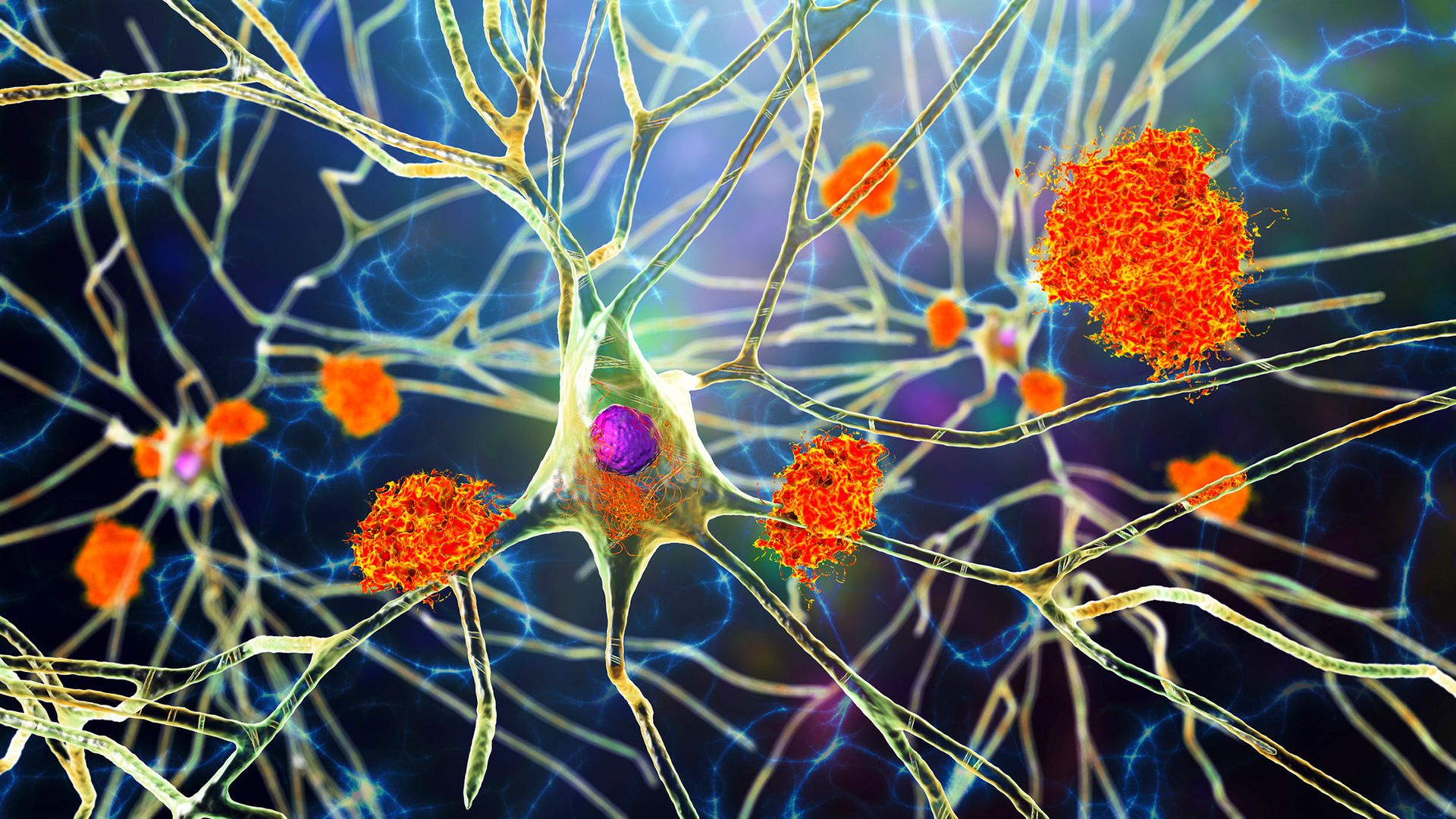
Laboratory data suggest that estrogen may help prevent the formation and accumulation of abnormal proteins that are related to Alzheimer's. (Image credit: KATERYNA KON/SCIENCE PHOTO LIBRARY via Getty Images)
Estrogen-only HRT was also tied to better clinical outcomes: Treated women were less likely to be diagnosed with dementia, were less likely to show clinical and functional cognitive decline, and had better scores on memory tests, on average, compared with untreated women. These findings drew on two large, separate groups of older women, reporting data from 21,400 people in total, but they didn't include data on when each woman started HRT.
Whereas earlier studies of HRT and dementia risk relied on doctors' ratings of patients' symptoms, the Neurology study measured levels of Alzheimer's-related proteins in the brain after death. That's a more "definitive" marker of disease, said Bruno, a co-author of the study. However, the research was observational, so it can't say whether estrogen-only HRT directly causes the better brain outcomes the team observed, she stressed.
Although the Neurology study's findings are promising, they don't necessarily match the results of other studies of estrogen-only HRT and dementia. For example, a slightly larger observational study, published in 2023, found that estrogen-only HRT was associated with an increased dementia rate.
In that research, most of the women took a type of estrogen called estradiol, while Bruno's study included a greater variety of estrogens. That may have been the difference in the two studies' results, but teasing that out would require further study. Meanwhile, the conflicting findings muddy the waters of what estrogen-only HRT can do for brain health.
Does timing matter?
One big finding from the Women's Health Initiative study was that starting HRT — either estrogen-only or combined — after age 65 was associated with worse cognitive function and increased dementia risk, said Yuko Hara, director of aging and Alzheimer's prevention at the Alzheimer's Drug Discovery Foundation.
The same may not be true for people who start HRT earlier. For context, menopause starts around age 51 to 52, on average, and it's preceded by perimenopause, a transitional period when hormone levels begin to drop, typically around the mid-40s.
An observational study published in August in the journal Alzheimer's & Dementia found that starting HRT between ages 46 and 56 was linked to a reduced risk of dementia. That study did not differentiate between estrogen-only and combined treatment; it lumped all of the data together.
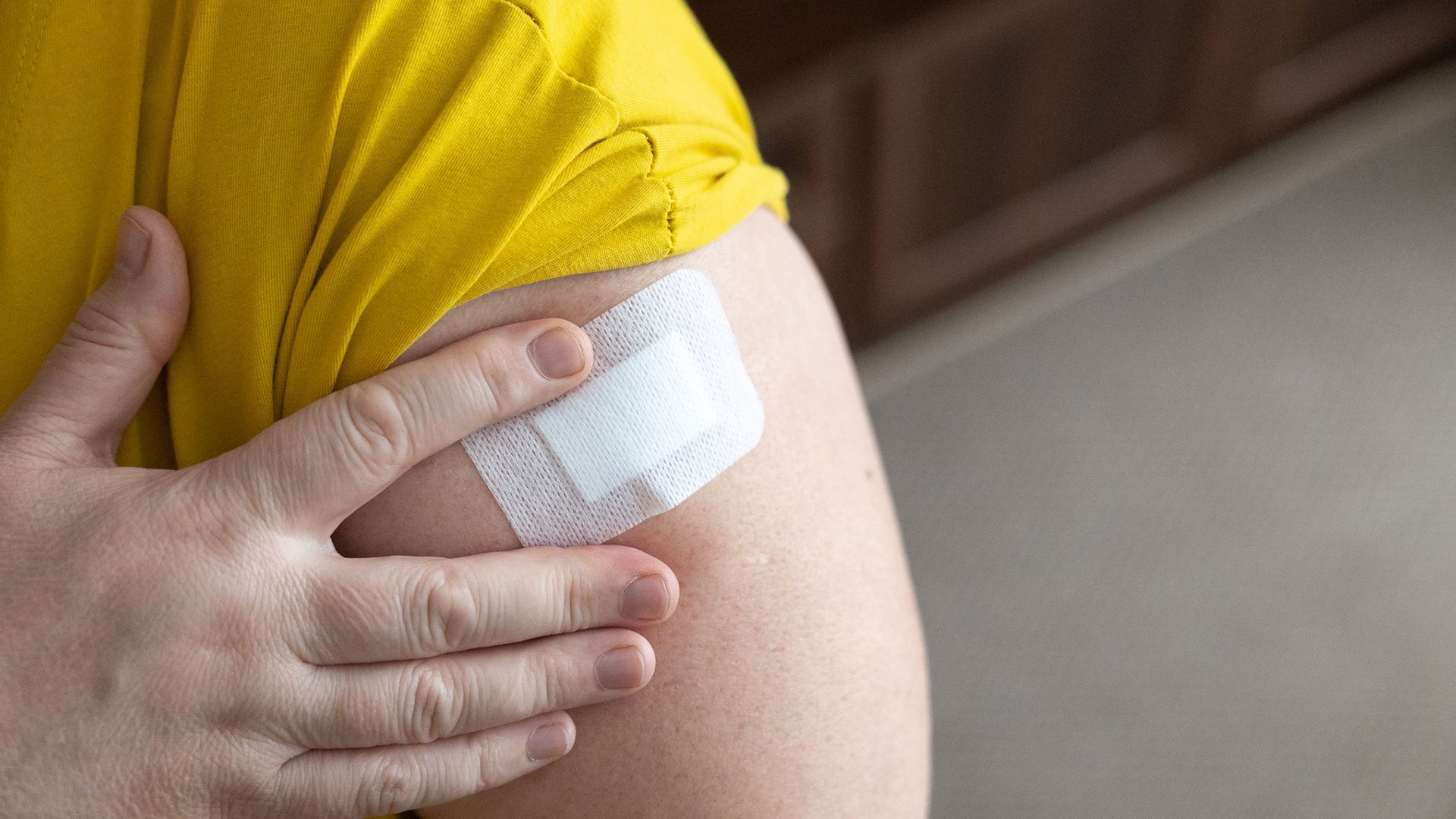
Patches (pictured) are one form of systemic HRT. They deliver hormones through the skin and into the bloodstream. (Image credit: SVPhilon via Getty Images)
The protective link was especially strong in three groups: women with "surgical menopause," triggered by the removal of one or both ovaries; carriers of a certain variant of a gene called APOE that raises Alzheimer's risk; and women who had a relatively short time between their first period and menopause.
When it comes to using hormone replacement to protect brain health, the evidence isn't yet strong enough to recommend any kind of HRT as a way to protect the brain in all women, Hara said. Women who had one or both of their ovaries surgically removed are the exception to this rule.
"This is a distinct clinical population because the procedure can cause an abrupt, early loss of estrogen, rather than the gradual hormonal decline that occurs with natural menopause," Hara said.
For most women who have gone through natural menopause, "there is not enough evidence to recommend [HRT] specifically for preventing cognitive decline or dementia," she said.
HRT is not currently prescribed to prevent dementia — it is prescribed to ease menopause symptoms, such as hot flashes, night sweats and sleep disturbances. To settle the science on HRT and the brain, what's really needed is a well-designed clinical trial that follows women from perimenopause to postmenopause, Bruno said. That would reveal the effects of HRT on brain health and dementia risk more reliably than the studies done so far.
This article is for informational purposes only and is not meant to offer medical advice.
Una investigación exhaustiva ha analizado la muerte de Jesús integrando medicina forense, el Evangelio de Juan y el estudio de la Síndone y el Sudario. Los resultados muestran que el fallecimiento fue probablemente un colapso multiorgánico por varios factores: pérdida de sangre, agotamiento físico, insuficiencia respiratoria y fallo cardíaco por estrés. El estudio revela una asombrosa coherencia entre la ciencia y los relatos bíblicos, confirmando que la Pasión fue una realidad biológica y no una metáfora.
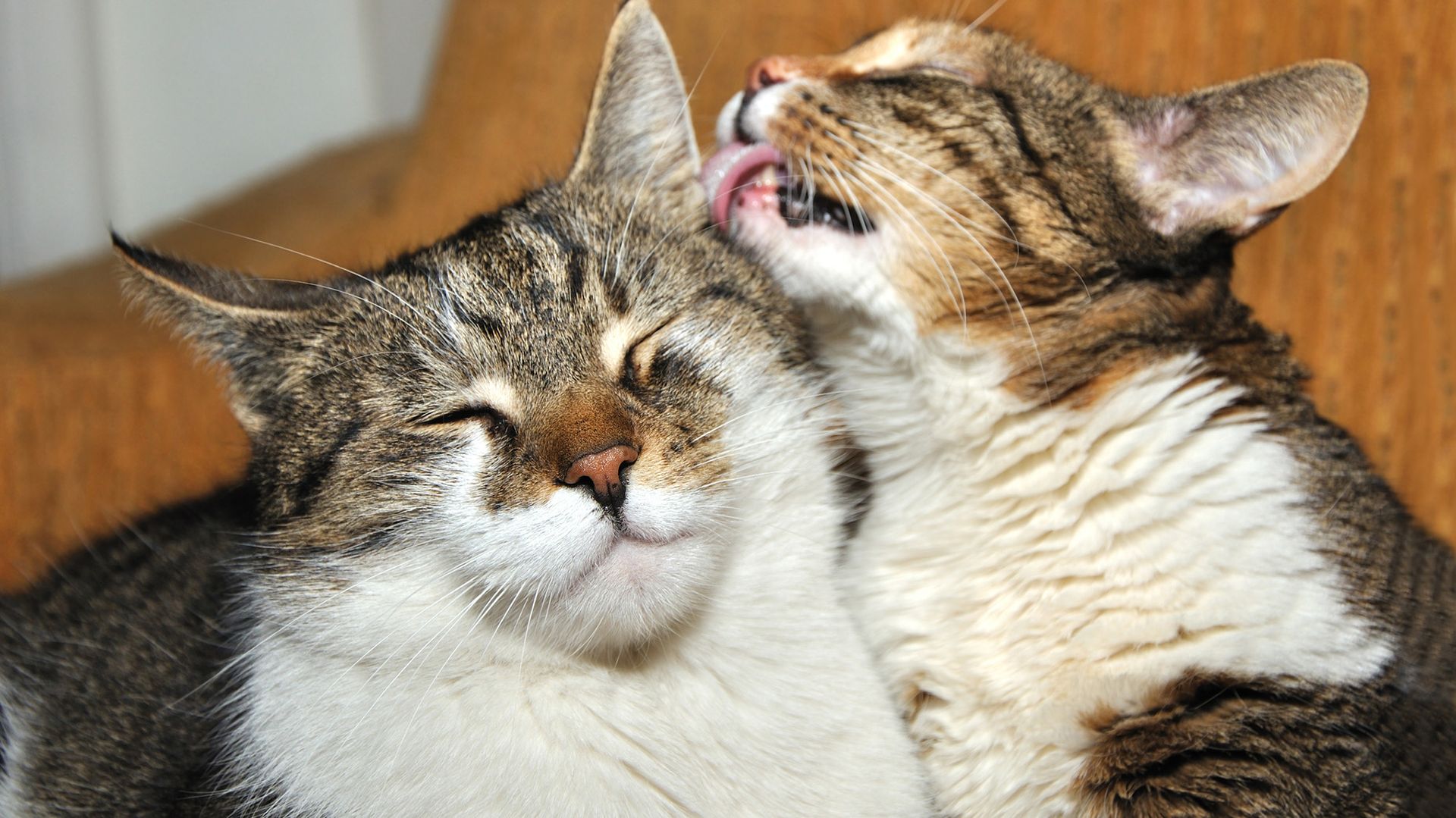
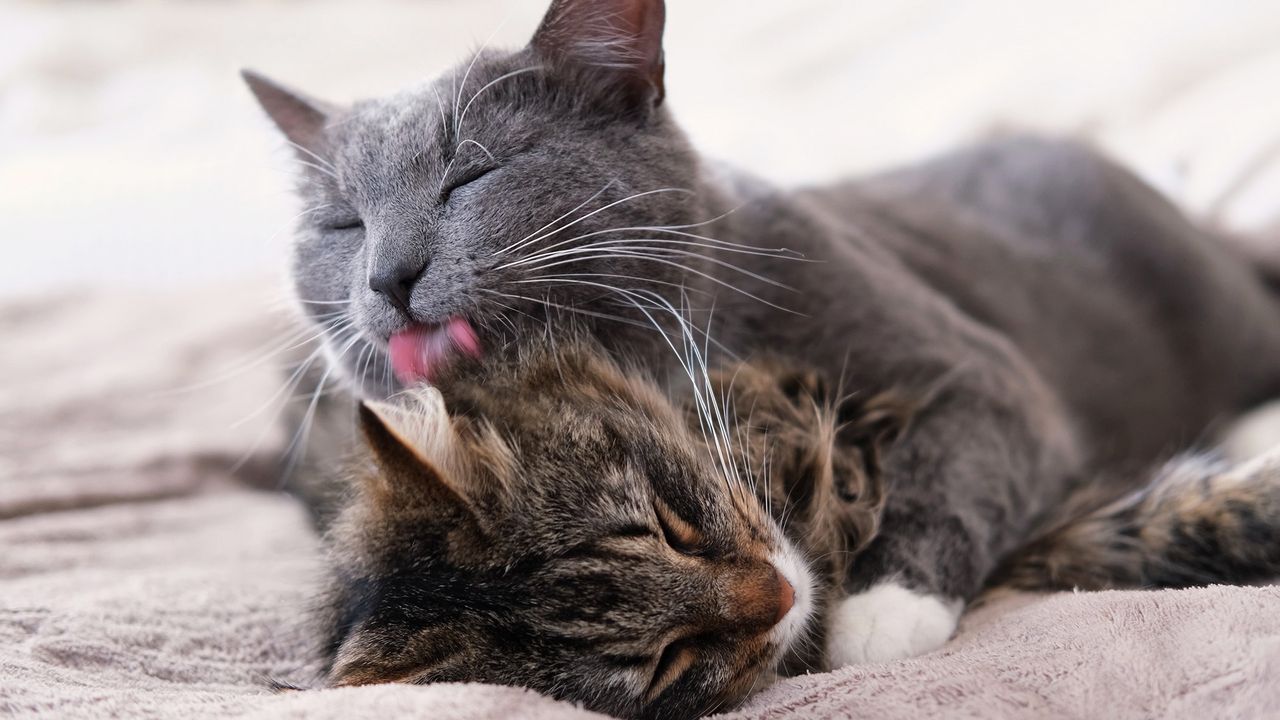
In a multicat household, it's common to see one cat licking another. When some people see this behavior, known as allogrooming ("allo" means "another individual"), they assume it's a sign of friendship.
But is that really the case? Are there hidden, more complex reasons for why cats lick each other?
While research into allogrooming is ongoing, scientists have suggested different explanations for why cats lick each other, including some social reasons and some more practical ones.
But a 1998 study of 25 cats living together in an indoor-outdoor enclosure poked holes in this theory. The study found that aggressive behavior showed up in about 35% of allogrooming sessions, which suggested that allogrooming might not be about friendship. Instead, the authors proposed, it may help to defuse a tense situation in a confined space, where an actual fight would be too risky.
To investigate, Morgane Van Belle, a cat behavior scientist at Ghent University in Belgium, and her colleagues analyzed videos of allogrooming from 53 two-cat homes. They concluded that allogrooming may have different social functions, depending on the situation.
The team noticed that the cats sometimes licked each other while huddling together and copying one another's body postures. In these moments, allogrooming probably helps strengthen social bonds, the researchers proposed. Most licking was directed toward the ears; this may help cats relax because the skin there is rich in sensory nerve endings, Van Belle said. Allogrooming produces a relaxing effect in other animals too. For example, it lowers the heart rate in horses and triggers the release of feel-good hormones in monkeys.
Cats often lick the head and neck, especially the ears, of other cats. Ear-licking may help cats relax because the skin there is rich in sensory nerve endings. (Image credit: Madzia71 via Getty Images)
They also noted that allogrooming sometimes led to friendly wrestling, in which the cats grabbed each other with their front legs and tumbled around. This suggests that allogrooming may serve as a signal to start play.
In other situations, however, the researchers noticed that allogrooming was followed by behaviors linked to conflict, such as turning the ears backward, pawing, and biting. In these cases, one cat would stand or lean over the other, and both cats showed subtle signs of stress like lip licking, head shaking or self-scratching.
Based on these observations, Van Belle's team think that allogrooming may be an "appeasement signal" in fraught moments that could lead to conflict or injury, for example, when one cat wants to take over a sleeping spot already occupied by another. They think it possible that the licking helps to calm things down and keeps a spat from turning into a real fight. Similar behavior has been seen in meerkats, where subordinate individuals groom dominant ones to placate them.
Yet because this licking often targets the neck — the same area cats bite during fights — it also may signal a subtle aggressive threat, the researchers suggested.
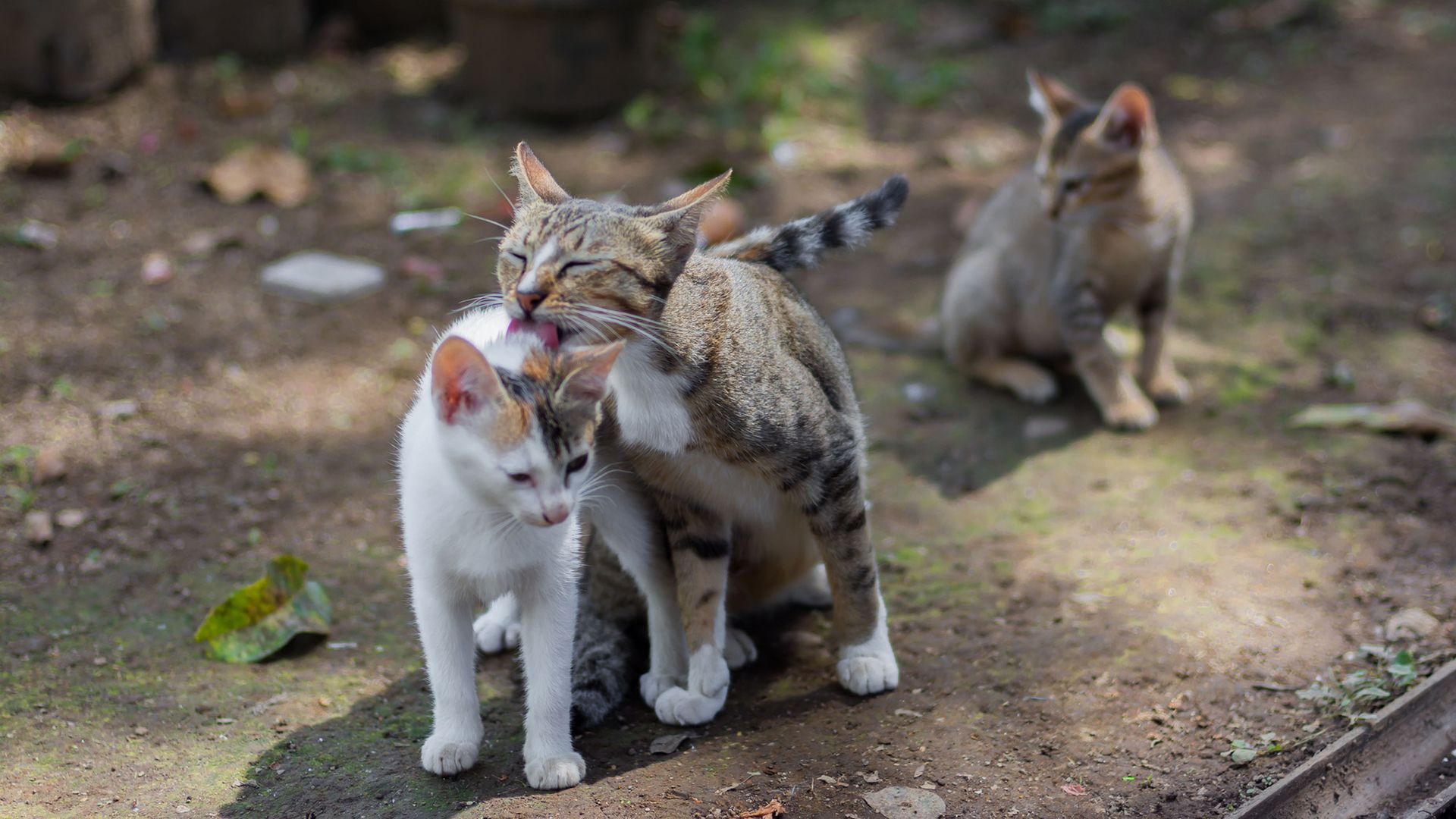
It's possible that feral cats may have a different allogrooming pattern than pet cats do. (Image credit: Kriswanto Ginting via Getty Images)
Hygiene and grooming
Van Belle and her colleagues think that, beyond sending social signals, allogrooming may help with hygiene. After all, it's often aimed at the head and neck — the areas that are "least accessible for the cat itself during grooming," Van Belle said. Allogrooming is thought to have a hygienic function in other species too. For example, ants achieve colony-level hygiene by grooming heavily infected individuals more, and primates concentrate their grooming on body parts the recipient can't easily reach. When it comes to cats, however, more research is needed. Van Belle's study did not measure parasites, infections or skin cleanliness to see whether such grooming actually reduces dirt or bugs.
Dr. Terry Curtis, a veterinary behaviorist who has studied how often allogrooming happens, also thinks cats might groom each other for hygiene reasons. She wonders whether feral cats, who likely carry more fleas than house cats, might have a different allogrooming pattern.
The explanations proposed by Van Belle and colleagues are reasonable but not definitive, Curtis said. Because so many factors can shape a cat's behavior, she's skeptical that researchers will ever be able to say with real confidence exactly why one cat grooms another.
After working as a veterinary behaviorist for 25 years, Curtis has concluded it is often impossible to understand what's going on in a cat's mind.
"Congratulations, you got a cat," she said. "Let the mystery begin.”
How much of a cat fan are you? Find out by taking our cat quiz!
Princeton’s PACMAN AI can control fusion plasma in milliseconds and predict dangerous instabilities before they start. In some fusion energy systems, particles can reach temperatures hotter than the center of the Sun. The challenge is keeping that extreme plasma under control, because disturbances can develop within just a few thousandths of a second, much faster [...]
A clinically annotated multi-omic organoid resource with matched tumour samples from 256 patients across 5 cancers maps gene dependencies, reveals subtype-specific vulnerabilities and uncovers treatment-driven changes, expanding mechanistic insight and models for precision oncology.
A native Australian millet may carry the genetic fingerprints of thousands of years of Aboriginal harvesting, storage, and plant management. Seen from the air, Channel Country resembles a vibrant and vast tapestry, with a network of waterways crisscrossing the land. Spread across more than 280,000 square kilometers in outback Australia, it is one of the [...]
A strategy using polymeric carbon nitride crystals induces out-of-plane carrier migration by means of internal electric fields applied on facet-selective nanofilms placed on polymer photocatalysts, increasing the apparent quantum efficiency for overall water splitting.
Elon Musk has promised that before the year is out, his AI tool Grok Imagine will produce a full-length film of Homer’s Odyssey that is, in his words, “historically accurate and true to the art of Homer”.
The claim, posted on X in July alongside a three-minute AI-generated scene, arrived days after Christopher Nolan’s blockbuster version reached cinemas worldwide – a film Musk has spent months attacking for being “woke”.
Set aside, for a moment, that The Odyssey is a 2,800-year-old poem that includes a witch who turns men into pigs and a one-eyed giant shepherd, to ask a simpler question: accurate to what?
There are no photographs of ancient Ithaca. There is no footage of the Trojan shore. What we have is stories, poems, pottery and paint, and, more recently, a century of films that imagined the ancient world for us. That is the only material a generative model has ever seen.
So when Grok Imagine – the AI image generator developed by Musk’s xAI company – renders antiquity, it is not reaching back into history. It is reaching for the centre of every image already made about it – the most probable ancient warrior, assembled from Gladiator, Troy and 300 and a hundred years of sword-and-sandal cinema. The result will not look like the past. It will look like other films about the past, averaged out by AI.
And here is the part that should give anyone bandying about the word “accurate” pause. A machine that reaches for the most probable image does not correct our clichés about antiquity. It concentrates them. Ask it for a classical statue and it will hand you gleaming white marble, because that is how we picture the ancient world.
Except the ancient world did not look like that. Greek and Roman sculpture was painted in strong colours – the pristine white marble in our heads is a later idealisation, not the thing itself. An AI model trained on our pictures of the past will reproduce our mistakes about the past – confidently – and give them back to us labelled as truth. That is the opposite of accuracy. It is our own error, upscaled.
Christopher Nolan’s film has grossed over $640 million (£460m) worldwide so far.
The real problem
This is why “historically accurate” is not really a script problem. It is an image problem. Accuracy on screen is delivered through light, lens, skin, texture, cloth and grain – the hundred deliberate decisions a director of photography agonises over in every frame.
A machine makes those decisions too, but it makes them by consensus, by defaulting to the most probable choice. Research on generative AI has already found that it makes individual work feel more creative while making the whole field more similar, everything drifting toward the same middle. The same regression to the mean that flattens prose will flatten the picture. You do not get the accurate past, and you do not get the thrilling lie. You get the average, and the average is where nothing memorable lives.
Which brings me to escapism, and to a tension in my own work I am happy to admit. I research and teach sustainable, naturalistic image-making – stripping away artifice, working with available light. But I have also argued, including in a TED talk, that escapism matters, and that realism is often its enemy.
Take everything excessive and dangerous out of James Bond and you remove the reason anyone watches. Nolan’s Odyssey is not trying to be accurate. It is trying to be exciting – and excitement is a decision. It is a point of view, a piece of the filmmaker put deliberately on the screen.
Heightening is a choice about what to exaggerate, and a choice is exactly what an average cannot make. A machine that lives at the mean can smooth, but it cannot heighten. So the “exciting” AI blockbuster arrives with the one quality excitement depends on already removed.
There is a reason the AI clips flooding our feeds feel flavourless even when they are technically clean. It is not that the tools are young and will improve. It is that averaging is what they do. Watch a real performer and you are watching a human being decide – take a risk, make a choice you might not have made – in front of you.
That is the thing we actually go to films for, and it is precisely the thing an average has no way to contain. Whether audiences keep noticing is the open question. The appetite to make this work is real, because it is cheap. The appetite to watch it is the thing nobody has tested yet. And the unease many people already feel watching AI slop and struggling to say why it repels them, is not naivety. It is a correct response to work that no one made decisions about.
So what is the endgame? Not, I think, simply proving it can be done. If you only wanted to prove a technical point you would not reach for the word accurate – least of all for a poem, where accuracy means nothing. Reaching for accurate is reaching for authority: the right to say what is true.
Musk is a man who publicly objected to the casting of a black actor as Helen of Troy and a trans actor as a Greek warrior. A man who operates within a wider political project about who gets to tell the national story, now claiming that a tool he owns can portray the past as it truly was. Follow that to its end. If his machine decides what is historically accurate, then he decides what the past looked like. And whoever is trusted to author the past is well placed to author the future.
So watch this one with scepticism – not because AI cannot make images, it plainly can, but because “historically accurate” is a claim about truth. And truth is exactly what a machine trained on the average of everything cannot give you. It is also exactly, in this case, what its owner would most like to define.
Jack Shelbourn has received funding from the British Film Institute; the National Lottery; HEIF/University of Lincoln; CoASSH Scholarship, Professional Practice & Research Resources Allocation Fund; and College of Arts Teaching and Learning Fund.

 Login