❌

Reading view

Sam Altman Calls Himself a ‘Mega Apple Fanboy’ Amid Lawsuit

Sam Altman has described himself as a “mega Apple fanboy” while discussing the trade secrets lawsuit now dividing two companies that were close technology partners only two years ago.

Speaking with journalist Alex Heath on the Sources podcast, the OpenAI CEO said he was “very sad” when he learned about the case. His admiration for Apple, however, did not soften his rejection of the allegations against OpenAI and two former employees.

Altman said the company does not want another business’s intellectual property and would dismiss anyone found to have improperly brought confidential material into OpenAI. He also said an internal investigation left him convinced that the employee at the center of the dispute had not acted improperly.

That is OpenAI’s account, not a resolution of the lawsuit. Apple alleges that trade secrets connected to hardware design, manufacturing and supply-chain operations were taken for the benefit of OpenAI’s consumer-device program. The defendants deny wrongdoing, and the court has not settled those competing claims.

Sam Altman Separates Personal Admiration From the Case

Altman’s response was unusually personal for a dispute of this scale.

Technology executives normally leave active litigation to lawyers and carefully written company statements. Calling himself a fanboy places Altman on familiar ground with millions of customers who admire Apple products while disagreeing with a corporate decision.

His first reaction, he said, was to assume that the accusations sounded serious enough that someone must have behaved badly. OpenAI then examined the matter and reached a different view.

Altman said the company would act if it found that someone had taken another company’s intellectual property. At the same time, he argued that an employee who had done nothing wrong deserved a defense.

That distinction is central to OpenAI’s public position. It does not deny that former Apple employees now work on its hardware initiative. Instead, the company disputes the allegation that their movement between employers brought protected information into the program.

Personal admiration cannot answer the evidentiary questions. Being a customer, praising a company or enjoying its products has no bearing on whether confidential files were accessed or used. Altman’s comments are more revealing as an account of how sharply the relationship has changed.

OpenAI once promoted its work with Apple as a partnership built around safety, innovation and access to advanced AI. It now describes the lawsuit as aggressive, inaccurate and unnecessary.
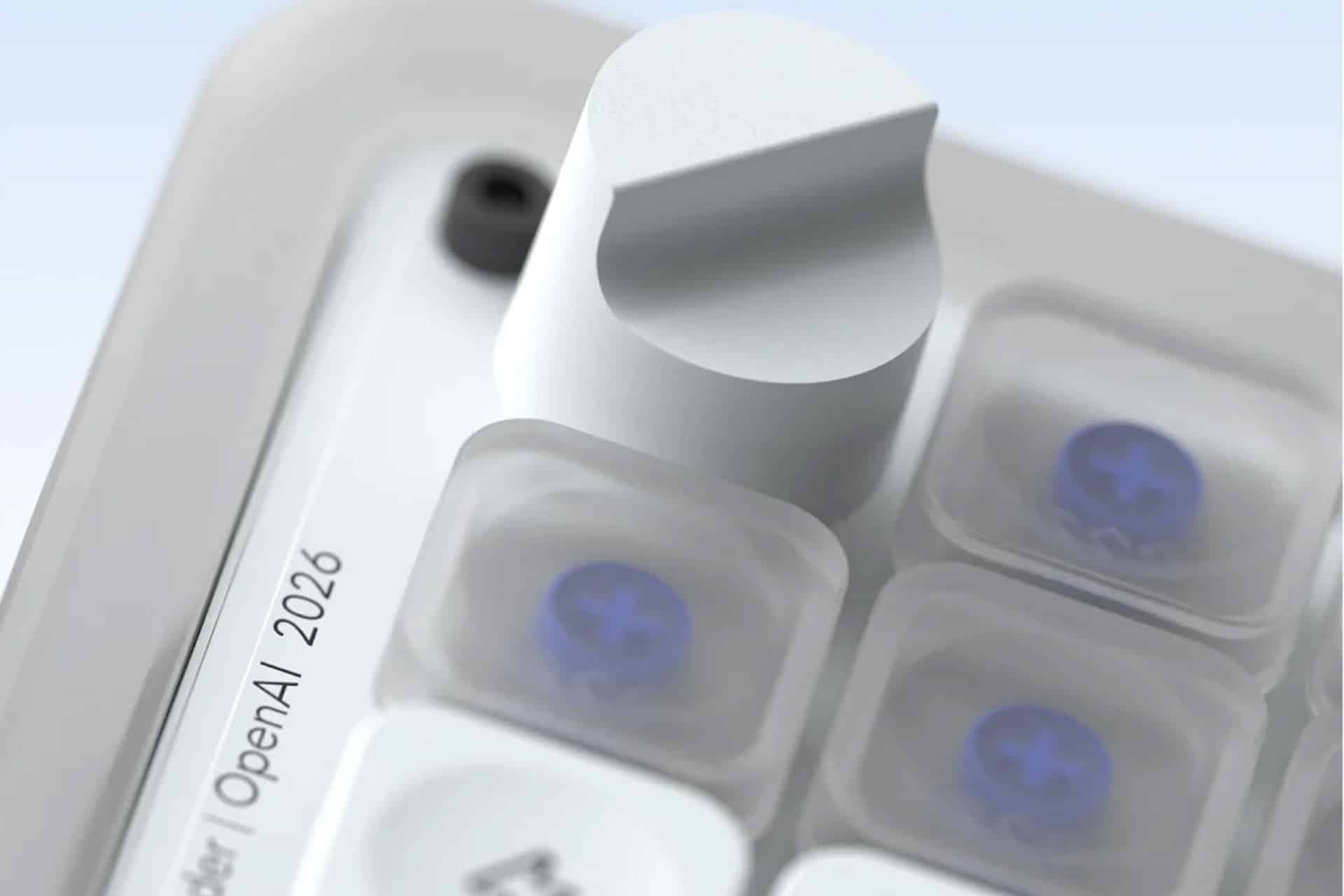
Close-up of a metallic knob and translucent buttons on a sleek OpenAI device. Text on the device reads, “OpenAI | 2026.” The design is modern, with a soft, neutral color palette and clear, blue-accented buttons—echoing the refined sensibilities often associated with Jony Ive’s hardware innovations.
Image Credit: OpenAI

From ChatGPT Partnership to Hardware Rivalry

In June 2024, both companies announced an agreement to integrate ChatGPT into experiences across iPhone, iPad and Mac.

Siri could ask for permission to send certain requests to ChatGPT, while Writing Tools could use the model for composition and image generation. The integration gave OpenAI direct exposure inside some of the world’s most widely used personal devices without requiring every user to create an account.

At the time, Sam Altman said the partnership would introduce ChatGPT to users in a new way. Apple presented the external model as an optional extension of Apple Intelligence, keeping permission and privacy controls between the user and the third-party service.

The arrangement made sense while the companies occupied complementary positions. Apple controlled the devices and operating systems; OpenAI supplied a widely recognized generative model.

Consumer hardware changed that balance.

OpenAI is developing a family of AI-native devices with designer Jony Ive, whose work at Apple helped shape products including iPhone, iMac, iPod and Apple Watch. Tang Tan, another longtime hardware figure who previously worked on major Apple products, is now OpenAI’s chief hardware officer.

Once OpenAI began recruiting deeply from Apple’s hardware organization, the relationship was no longer limited to providing a model inside Siri. The companies were moving toward competition over the physical objects through which people may interact with AI.

That competition helps explain why the lawsuit reaches beyond an ordinary employment disagreement. Hardware development depends on manufacturing knowledge, component choices, testing systems, supplier relationships and production methods that can take years to build.

Apple’s complaint alleges that OpenAI benefited from confidential information in those areas. OpenAI argues that the case is being used to slow a potential rival and discourage employees from leaving.

What Apple Alleges Against OpenAI

Apple filed its lawsuit in July against OpenAI, Tang Tan and former electrical engineer Chang Liu.

The complaint alleges that former employees misappropriated trade secrets connected to product development and shared them with OpenAI as it accelerated its consumer-hardware ambitions. Apple has also sought a preliminary injunction intended to prevent the use of disputed information while the case proceeds.

According to Associated Press reporting on the original complaint, Apple accused OpenAI of encouraging recruits to provide confidential knowledge and advising them on how to avoid scrutiny during the transition between companies.

Those are allegations. OpenAI has denied that it requested, received or wants Apple’s trade secrets.

In its public response, OpenAI disputed several details surrounding Apple’s communications and treatment of departing employees. It argued that continued access to some files resulted from Apple’s own account-management practices and said former employees had attempted to handle that access responsibly.

OpenAI also said Tan had instructed his team not to use confidential material belonging to previous employers. Its motion to dismiss asks the court to reject Apple’s case, while its opposition to the requested injunction challenges the evidence and need for immediate restrictions.

Reuters reported that roughly 400 former Apple employees had joined OpenAI’s hardware initiative, according to figures appearing in court filings. Headcount alone does not establish misuse of trade secrets. It does illustrate the scale of the talent movement and why the dispute has become a defining fight over the next generation of personal hardware.

OpenAI’s Device Work Is Continuing

Sam Altman said he does not expect the lawsuit to slow the company’s device program.

That is the most direct business claim in his interview. It suggests that OpenAI has separated disputed material and personnel questions from the work it believes can continue without relying on protected Apple information.

Whether the schedule remains unaffected may depend on the court. A preliminary injunction could impose restrictions before a full trial, depending on its scope. A denial would allow development to proceed without that requested intervention, although the wider lawsuit would remain active.

OpenAI has revealed little about the devices themselves. The company has discussed an AI-native hardware family rather than a single conventional phone replacement, and Altman has spoken about the privacy discomfort created by products that visibly point cameras at other people.

That leaves the design, release timing and commercial strategy largely unknown. No product has been publicly introduced, and Altman’s assurance that development continues does not amount to a launch announcement.

The lawsuit also does not automatically end ChatGPT’s role across Apple platforms. The existing integration remains a separate customer-facing arrangement unless either company announces a change.

For people using ChatGPT through Siri or Writing Tools, the legal conflict currently produces more drama in court filings than difference on the screen. The stranger question is how long two companies can remain software partners while preparing to compete over the device sitting on the table beside that screen.
A glowing white geometric OpenAI logo appears above the word "OpenAI" on a dark background, with green light effects radiating outward—evoking the seamless experience of ChatGPT payment checkout.
Image Credit: Samuel Boivin—NurPhoto via Getty Images

The post Sam Altman Calls Himself a ‘Mega Apple Fanboy’ Amid Lawsuit appeared first on AppleMagazine.

  •  

Apple accuses OpenAI of destroying evidence as trade-secrets fight intensifies

OpenAI

Apple ratcheted up its lawsuit against OpenAI on Monday, telling a federal judge that the ChatGPT maker is destroying evidence while a former iPhone engineer used a confidential Apple circuit schematic in his new job.

In a court brief filed in support of expedited discovery, Apple said OpenAI is actively destroying crucial evidence in the Northern District of California case, which accuses the AI company, hardware chief Tang Yew Tan, former Apple engineer Chang Liu, and io Products of misappropriating hardware trade secrets. Apple also alleged that Liu “not only downloaded a confidential Apple circuit schematic but also used it in his work” at OpenAI.

The filing comes as Apple presses for early document production, forensic imaging of devices and accounts, and depositions of key witnesses. OpenAI has sought to dismiss the suit and has opposed Apple’s request for a fast-track discovery schedule and a preliminary injunction that would bar defendants from using or disclosing alleged Apple secrets while the case proceeds.

Apple sued in July, claiming a pattern of theft after OpenAI hired hundreds of former Apple employees and acquired Jony Ive’s hardware startup io. The complaint centers on Liu, an eight-year Apple senior systems electrical engineer who left in January 2026, and Tan, a 24-year Apple veteran who led iPhone and Watch product design and is now OpenAI’s chief hardware officer. Apple says Liu kept an Apple-issued laptop, exploited residual network access and an authentication bug, and downloaded dozens of confidential files—engineering presentations, specs for unreleased products, and manufacturing details for main logic boards—while already working for OpenAI. Tan, Apple alleges, used internal Apple project names in interviews and encouraged recruits to bring parts, prototypes, and supplier information.

OpenAI has denied the claims, calling the lawsuit careless and “oddly personal,” and saying it has no interest in Apple’s trade secrets. It has published messages it says show Apple employees contacting Liu after he left and asking for technical help, and it argues Apple delayed raising the core allegations for months.

As Bloomberg News’ Chris Welch and other reporters covering the Silicon Valley hardware race have noted, the case sits at the collision of two of tech’s most closely watched product efforts: Apple’s next devices under new CEO John Ternus and OpenAI’s push into consumer hardware after buying io. A hearing on Apple’s expedited-discovery motion is scheduled for Oct. 1 before Judge Edward Davila, though the court could rule sooner. Both companies declined additional comment beyond prior statements.

MacDailyNews Take: If you have nothing to hide, you don’t need a shredder. If your first device depends on Apple’s trade secrets, you definitely don’t want the schematics on your laptops.

Judge Davila gets this in October. Until then, OpenAI can keep insisting it’s all a misunderstanding. Apple is simply asking the court to look before the hard drives get “accidentally” wiped.


‎
Please help support MacDailyNews — and enjoy subscriber-only articles, comments, chat, and more — by subscribing to our Substack: macdailynews.substack.com. Thank you!

Support MacDailyNews at no extra cost to you by using this link to shop at Amazon.

The post Apple accuses OpenAI of destroying evidence as trade-secrets fight intensifies appeared first on MacDailyNews.

  •  

Apple Lawsuit: OpenAI Seeks Dismissal of Trade Secrets Case

Apple lawsuit against OpenAI has reached its first major procedural challenge, with the ChatGPT developer asking a US federal judge to dismiss allegations that it acquired or used trade secrets taken by former Apple employees.

OpenAI submitted its 31-page dismissal motion on Wednesday in the US District Court for the Northern District of California. The filing argues that Apple has not adequately identified protectable trade secrets or alleged facts showing that OpenAI misappropriated confidential information.

Apple filed the case on July 10 against OpenAI, its io Products hardware operation, former Apple Vice President Tang Yew Tan, and former electrical engineer Chang Liu. The complaint accuses the defendants of obtaining information connected to Apple’s product development, manufacturing, components, testing, and supply chain operations.

The allegations have not been proven, and OpenAI denies possessing or seeking Apple’s trade secrets. US District Judge Edward Davila must now decide whether Apple’s complaint contains enough factual detail for the litigation to continue.

OpenAI Challenges the Apple Lawsuit

OpenAI’s motion focuses initially on how Apple described the information it claims was stolen. According to OpenAI, the complaint relies on generalized product-development categories without identifying the protected information with enough precision.

Trade secret plaintiffs face a difficult balance at the beginning of litigation. Apple must describe the protected material sufficiently to establish a plausible legal claim, but revealing the material publicly could expose the same information it is trying to protect.

Sensitive details can later be handled under seal or through a protective order. At the dismissal stage, however, Apple must still provide enough information for the court to distinguish genuine trade secrets from general engineering knowledge, employee experience, or skills acquired through years of work.

OpenAI argues that Apple has not crossed that threshold. Its motion says the complaint fails to establish ownership of a protectable trade secret and does not plausibly allege that OpenAI acquired, disclosed, or used such information.

The filing also disputes the commercial premise behind Apple’s accusations. OpenAI says it is developing products that are different from Apple’s hardware and has no need or desire to use the iPhone maker’s confidential material.

That position does not settle whether information was taken. A company can potentially misappropriate trade secrets even when its eventual product has a different design. The court’s immediate task is narrower: determining whether Apple has alleged facts that could support its claims if those facts are later proven.

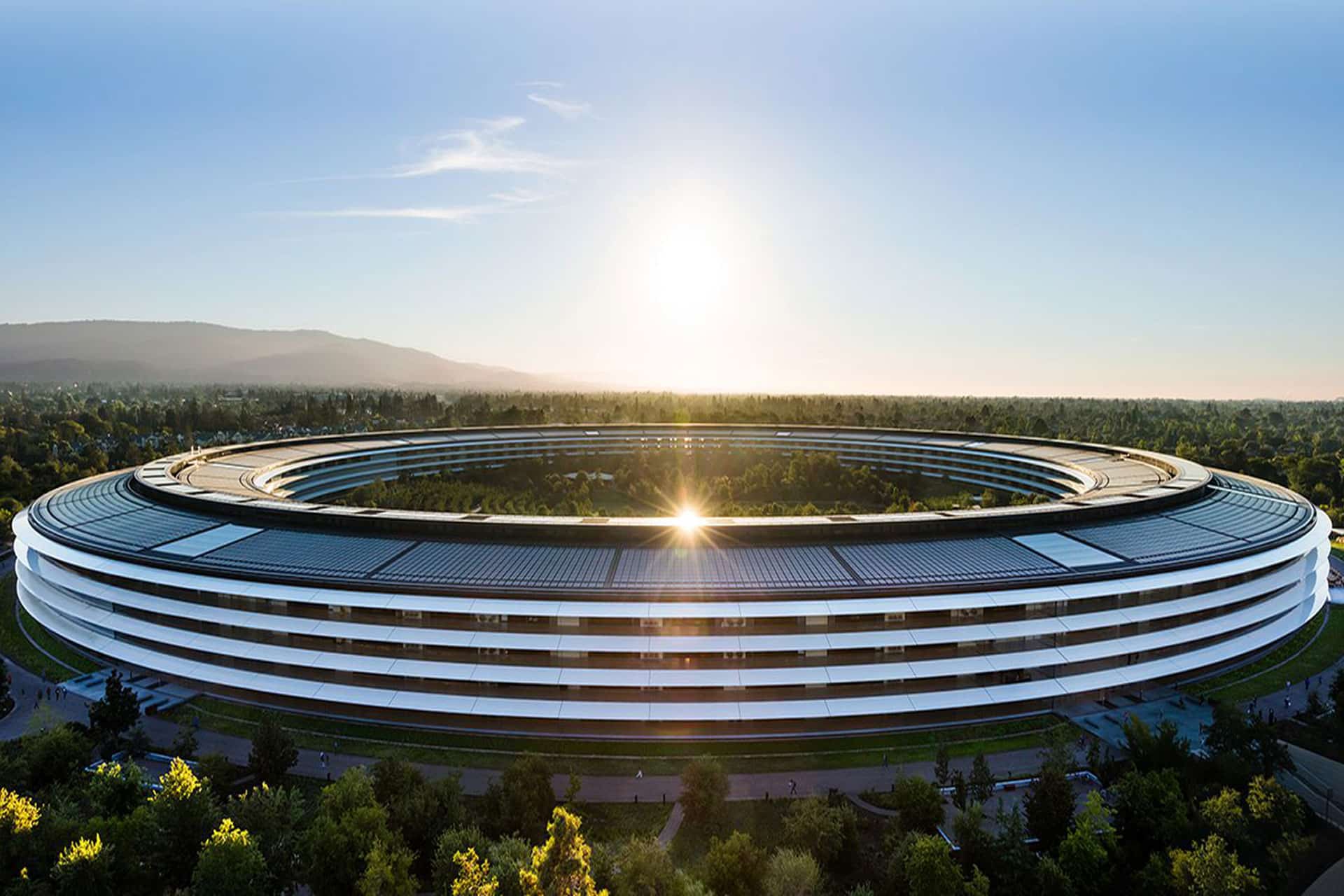
The image shows a large, circular modern building surrounded by trees, with the sun rising or setting in the background. The sleek, white architecture resembles Apple’s campus—an icon often seen in discussions about their Q2 earnings.
Apple Park | Image Source: Google

Disputed Access to Apple Information

Apple’s complaint centers partly on Chang Liu, who spent eight years working as a senior system electrical engineer at the company before joining OpenAI in January 2026.

Apple alleges that Liu retained an Apple-issued computer and accessed confidential technical information after leaving. It claims he exploited residual authentication access on multiple occasions to obtain internal documents while already working for OpenAI.

OpenAI presents a different explanation. It says Apple employees contacted Liu after his departure and asked him to help locate files needed for ongoing Apple work. The company published redacted messages that it says support this account.

OpenAI argues that Apple’s systems and policies allowed personal and corporate information to become intermingled through iCloud accounts. Former employees, it says, could retain access to Apple files without requesting it or realizing that access remained active.

The motion maintains that Apple cannot treat the foreseeable effects of its own access-management practices as proof that former employees intentionally stole data. Apple, in contrast, alleges that its records document repeated access to restricted information rather than an accidental discovery of lingering permissions.

These competing accounts are likely to become central if the case enters discovery. Authentication logs, downloaded files, device records, internal communications, and employment timelines could establish whether access was deliberate, what information was obtained, and whether it reached anyone working on OpenAI products.

A dismissal motion normally tests whether the complaint states a legally sufficient claim. It is not a trial, and the judge is not expected to resolve every factual disagreement using competing evidence at this point.

Tang Tan and OpenAI’s Hardware Team

Apple separately accuses Tang Tan, OpenAI’s chief hardware officer, of seeking confidential information from Apple employees during recruiting conversations.

Tan spent more than 24 years at Apple and worked on products including the iPhone, Apple Watch, AirPods, and iPod. He later helped establish io Products with former Apple design chief Jony Ive and other collaborators. OpenAI acquired the hardware company as part of its effort to create a family of devices built around artificial intelligence.

Apple alleges that Tan used confidential project names, retained internal materials, and encouraged job candidates to discuss unreleased components or bring physical parts to interviews. OpenAI rejects the claim that these interactions formed a coordinated effort to collect Apple secrets.

OpenAI says Tan repeatedly instructed employees that confidential information from previous employers could not be brought into its organization. It also offers an alternative explanation for an Apple offboarding document found in his possession, arguing that Tan retained it to help incoming employees comply with Apple’s departure procedures.

Apple’s position is that the document and recruiting communications must be examined alongside the other alleged conduct. It describes the events as part of a connected campaign rather than isolated employment or administrative issues.

The dispute comes during intense competition for engineers capable of developing consumer AI hardware. Apple alleges that more than 400 former employees have moved to OpenAI, although hiring people from a competitor does not by itself establish trade secret misappropriation.

A company must generally connect recruitment to the acquisition, disclosure, or use of protected information. OpenAI is relying heavily on that distinction, presenting Apple’s lawsuit as an attempt to respond to employee departures and its difficulties competing for AI talent.

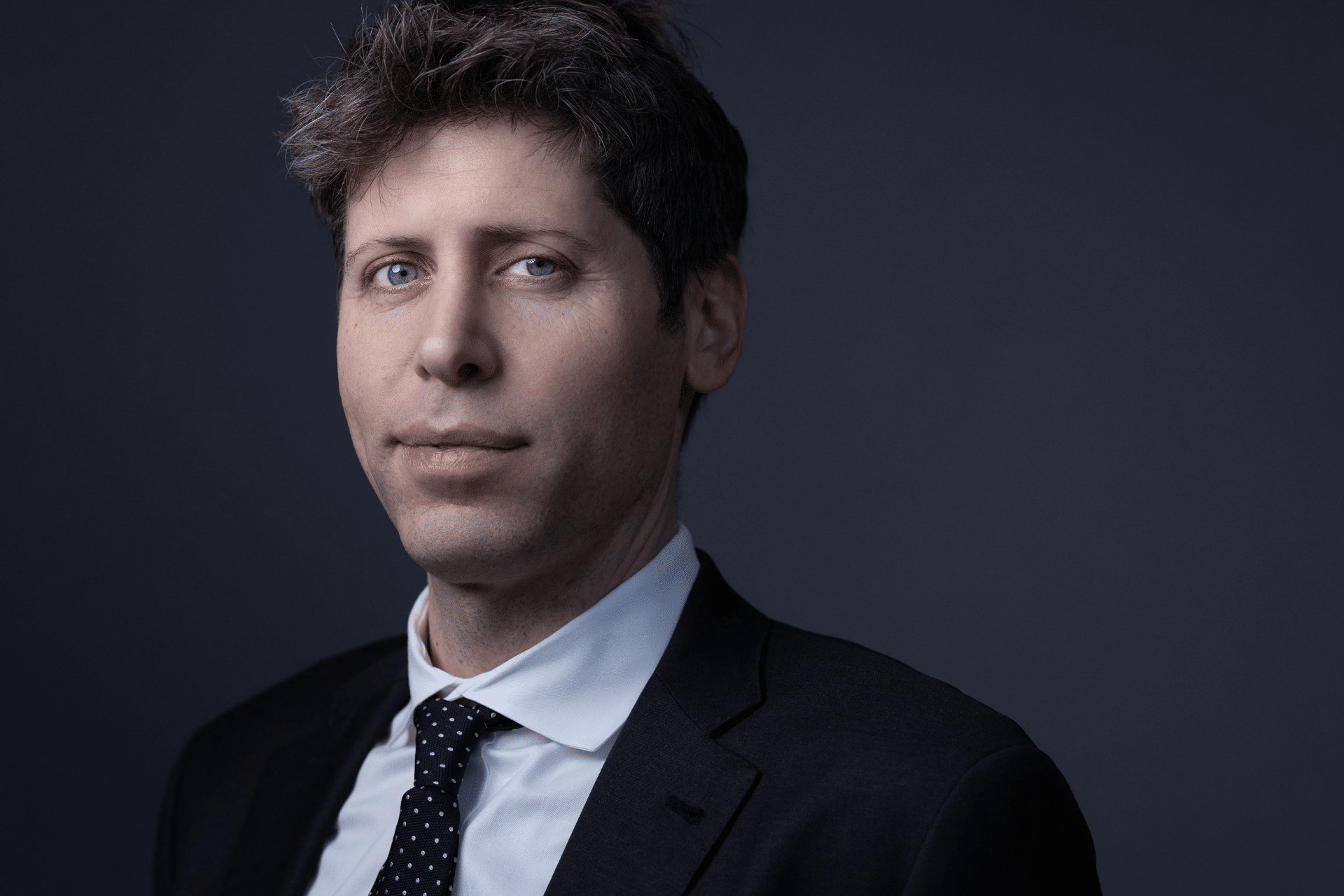
A man with light skin, short brown hair with some gray, and blue eyes—resembling Sam Altman of rocket company fame—wears a black suit, white shirt, and black polka dot tie while posing against a dark gray background.
Image Credit: Getty Images

Apple Seeks Immediate Restrictions

OpenAI’s dismissal request arrives shortly after Apple asked the court for a preliminary injunction. Apple wants restrictions imposed while the lawsuit proceeds, arguing that it could suffer harm if its confidential information is used during OpenAI’s hardware development.

The requested relief would prevent OpenAI and the individual defendants from acquiring, accessing, using, or disclosing the alleged trade secrets. Apple has also requested expedited discovery and forensic examination of relevant devices and accounts.

OpenAI says those restrictions are unnecessary because it does not possess or want Apple’s protected information. It has described Apple’s request as based on false information and has offered to cooperate in addressing specific concerns.

The two companies also disagree over their communications before the lawsuit. Apple initially said its concerns had been raised with OpenAI months earlier. OpenAI responded that Apple’s outside lawyers contacted the wrong person after confusing names and incorrectly described a conversation with OpenAI’s general counsel.

OpenAI says Apple did not present the specific accusations before filing the case and that the companies had previously discussed resolving any access issues. Apple has since provided additional information in support of its injunction request, including allegations involving other former employees.

These disputes have moved beyond ordinary court filings. OpenAI published messages and emails on its website to support its version of events, calling Apple’s lawsuit aggressive and poorly investigated. Apple has primarily presented its account through formal legal submissions.

Judge Davila could dismiss some or all of Apple’s claims, deny the motion, or allow Apple to amend its complaint with more specific allegations. Even a dismissal would not necessarily end the case if permission to revise the complaint is granted.

The next scheduled public test is an October 1 hearing covering Apple’s preliminary injunction and request for early discovery. That proceeding may determine whether OpenAI faces immediate limits on its hardware work before the underlying trade secret claims receive a full evidentiary review.

The post Apple Lawsuit: OpenAI Seeks Dismissal of Trade Secrets Case appeared first on AppleMagazine.

  •  

OpenAI seeks dismissal of Apple’s trade secrets lawsuit

OpenAI

According to a Reuters report today, OpenAI filed a motion on Wednesday seeking dismissal of Apple’s complaint. Apple had sued OpenAI and two former Apple employees, alleging trade-secret theft aimed at helping OpenAI expand into consumer hardware.

OpenAI’s lawyers stated: “OpenAI has no use, need or desire for Apple’s trade secrets. OpenAI is building something entirely new and different from anything at Apple.” They argued that Apple’s complaint fails to sufficiently describe the claimed trade secrets (calling the generalized product-development categories inadequate), does not show ownership of a protectable trade secret, and does not plausibly allege misappropriation. The filing also said Apple should not be allowed to use a “baseless and pretextual lawsuit” to offset difficulties retaining talent or integrating AI into its products.

Apple’s earlier complaint (filed in July) claimed OpenAI systematically obtained and used confidential information via former employees, recruiting practices, and supplier relationships to speed up its consumer-hardware plans. The dispute centers on competition for future AI devices that may not rely on traditional apps or operating systems and could draw attention away from the iPhone; analysts believe OpenAI is developing a phone or similar device.

The two companies still maintain a partnership that lets Apple users access ChatGPT through Siri and sign up for ChatGPT memberships via iOS settings. Apple did not immediately comment on the motion.

MacDailyNews Take: The usual legal wrangling. We highly doubt the case will be summarily dismissed.


‎
Please help support MacDailyNews — and enjoy subscriber-only articles, comments, chat, and more — by subscribing to our Substack: macdailynews.substack.com. Thank you!

Support MacDailyNews at no extra cost to you by using this link to shop at Amazon.

The post OpenAI seeks dismissal of Apple’s trade secrets lawsuit appeared first on MacDailyNews.

  •  

Apple’s lawsuit against OpenAI could derail the AI giant’s hardware ambitions to challenge the iPhone

Jony Ive
Jony Ive

According to Bloomberg News‘ Mark Gurman, Apple’s aggressive lawsuit accusing OpenAI of systematically stealing its intellectual property poses a significant threat to the AI company’s efforts to develop consumer hardware devices that could rival the iPhone — potentially disrupting those plans long before any courtroom resolution.

The Core Allegations

Apple filed the blockbuster suit last week, claiming OpenAI orchestrated a coordinated effort to misappropriate trade secrets. Key details include:

• OpenAI allegedly encouraged former and prospective Apple employees to bring unreleased product information, prototypes, CAD designs, and supplier details to interviews and new roles.

• OpenAI instructed hires on evading Apple’s security protocols, reportedly using a checklist tied to its former iPhone design leadership.

• Specific individuals named include OpenAI’s Chief Hardware Officer Tang Tan (a 24-year Apple veteran who led iPhone and Apple Watch design) and engineer Chang Liu, who allegedly retained access to Apple systems post-departure to download confidential files on unreleased products.

Apple claims it has uncovered a “pattern of theft” involving more than 400 former employees now at OpenAI. The suit also implicates io Products (Jony Ive’s hardware startup, acquired by OpenAI for $6.5 billion), describing OpenAI’s emerging hardware efforts as “rotten to its core” due to reliance on misappropriated secrets.

Why This Matters for OpenAI’s iPhone Rival Plans

OpenAI has been aggressively building a hardware division to create AI-powered consumer devices — potentially including a smartphone or agent-based hardware that could bypass traditional app ecosystems and compete directly with Apple’s ecosystem dominance. This push gained momentum with the io Products acquisition and talent poaching from Cupertino.

Gurman’s reporting highlights how the lawsuit creates immediate headwinds:

• Talent and Reputation Risks: Even without a final verdict, the public accusations could slow recruiting, damage partnerships, and invite scrutiny from suppliers wary of legal entanglement.

• Injunctive Relief: Apple is seeking court orders to bar OpenAI from using the alleged secrets, return materials, and preserve evidence—moves that could force redesigns or delays in OpenAI’s device timeline.

• Broader Competitive Tension: The clash comes amid a strained partnership (Apple integrates ChatGPT into Siri and Apple Intelligence), with both sides eyeing greater independence in AI hardware. OpenAI’s ambitions to reduce reliance on the iPhone now face a major legal and PR obstacle.

OpenAI’s Response and Context

OpenAI has denied the claims, stating it has “no interest in other companies’ trade secrets” and remains focused on innovative technology.

The suit escalates existing frictions, including reports of OpenAI previously considering legal action against Apple over their integration deal.
‎
MacDailyNews Take: OpenAI has always been skeevy, from eschewing its open source roots to Sam Altman to desperately overpaying for a washed Jony Ive. Just plain skeevy.

If ever a Skynet would arise, we expect it would spring from the diseased loins of OpenAI.

This isn’t just a legal spat, it’s a flashpoint in the intensifying battle for the future of AI devices. Apple is fiercely protecting the decades of innovation behind its hardware supremacy, while OpenAI bets big on disrupting it with AI-first experiences. As Gurman notes, the disruption to OpenAI’s plans could be swift and substantial, regardless of how the case ultimately resolves in court.


‎
Please help support MacDailyNews — and enjoy subscriber-only articles, comments, chat, and more — by subscribing to our Substack: macdailynews.substack.com. Thank you!

Support MacDailyNews at no extra cost to you by using this link to shop at Amazon.

The post Apple’s lawsuit against OpenAI could derail the AI giant’s hardware ambitions to challenge the iPhone appeared first on MacDailyNews.

  •  

Apple sues OpenAI, alleging theft of trade secrets to fuel hardware ambitions

OpenAI

In a sharp escalation of tensions between two of the tech industry’s biggest players, Apple has filed a civil lawsuit against OpenAI, accusing the AI powerhouse of stealing confidential information from former Apple employees to advance its own efforts in building competing hardware devices.

The complaint, filed Friday in the U.S. District Court for the Northern District of California, targets OpenAI along with two of its executives: chief hardware officer Tang Tan and technical staff member Chang Liu, both former Apple employees. Apple claims they improperly took proprietary data to help OpenAI accelerate development of AI-powered devices that could rival Apple’s ecosystem.

Key Allegations

According to the suit, Tan and Liu used various methods to extract Apple’s confidential information, including trade secrets related to product design, engineering, and hardware development. The goal, Apple alleges, was to bolster OpenAI’s push into consumer devices—potentially including screen-free or AI-centric hardware initiatives that overlap with Apple’s ambitions in areas like Siri enhancements and Apple Intelligence.

“Former Apple employees took confidential information to OpenAI to advance the AI company’s device efforts,” the complaint states. Apple emphasizes that such actions breach the trust and legal obligations these individuals owed their former employer.

This lawsuit comes amid a complex web of partnerships and rivalries in the AI sector. Apple and OpenAI have a high-profile collaboration, with OpenAI’s ChatGPT integrated into Apple’s iOS, iPadOS, and macOS platforms. However, the suit highlights underlying friction as both companies vie for dominance in AI hardware and software.

Broader Context in Tech Turf Wars

The filing underscores the intense talent wars and intellectual property battles defining the AI boom. Tech giants routinely poach top engineers, but accusations of trade secret misappropriation have become more common as companies race to lead in generative AI, on-device processing, and next-generation consumer gadgets.

Apple, known for its tight control over its supply chain and design secrets, has a history of aggressively protecting its intellectual property through litigation. OpenAI, valued at hundreds of billions and backed by major investors, is rapidly expanding beyond software into hardware explorations, often in partnership with figures like former Apple chief designer Jony Ive.

Such suits often lead to countersuits or settlements as companies seek to avoid prolonged public scrutiny of internal practices.

Potential Implications

• For Apple: Reinforces its reputation as a defender of innovation secrets while potentially straining its partnership with OpenAI on AI features for iPhones and Macs.

• For OpenAI: Could slow hardware momentum and invite closer scrutiny of its hiring and integration practices.

• Industry-Wide: May prompt other firms to tighten employee agreements and non-compete enforcement in the high-stakes AI talent market.

MacDailyNews Take: The case is expected to draw significant attention as it unfolds, potentially revealing more details about the secretive race to build the next generation of AI devices. Apple is seeking injunctive relief, damages, and the return or destruction of any misappropriated materials.


‎
Please help support MacDailyNews — and enjoy subscriber-only articles, comments, chat, and more — by subscribing to our Substack: macdailynews.substack.com. Thank you!

Support MacDailyNews at no extra cost to you by using this link to shop at Amazon.

The post Apple sues OpenAI, alleging theft of trade secrets to fuel hardware ambitions appeared first on MacDailyNews.

  •  
❌